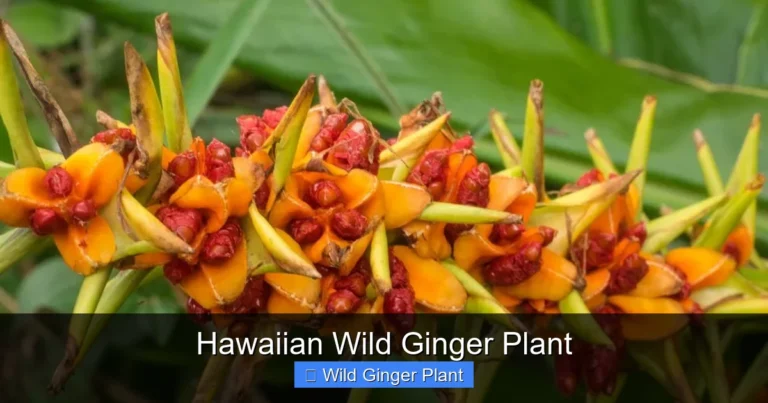
Wild Ginger Plant Sale
Wild ginger is a shade‑loving perennial that adds lush foliage and subtle fragrance to any garden. This guide walks you through finding a reliable wild ginger plant sale, picking the best variety, and caring for your new plants so they thrive for years.
Welcome to the complete guide on wild ginger. This article covers everything you need to know about finding a wild ginger plant sale and growing the plant successfully. You will learn why gardeners love it, how to pick the right type, where to buy it, and how to care for it through the seasons.
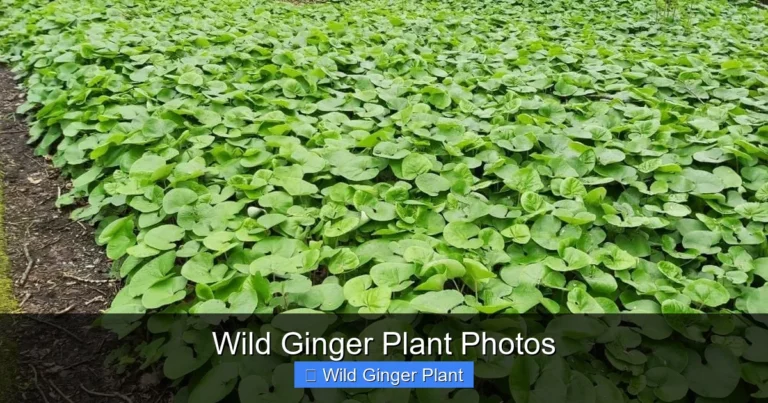
Wild ginger is a perennial that thrives in shade. It forms a dense carpet of heart‑shaped leaves. The flowers are small and hidden under the foliage. Many people value it for its ground‑cover ability.
If you are planning a new garden bed, consider adding wild ginger. It works well under trees and along shady paths. A reliable wild ginger plant sale will give you healthy starts for a strong start.
Key Takeaways
- Shade tolerance: Wild ginger thrives in low‑light spots where many plants struggle.
- Low maintenance: Once established it needs little water or fertilizer.
- Variety matters: Choose a species that matches your climate and garden design.
- Buy from trusted sources: A reputable wild ginger plant sale ensures healthy, disease‑free stock.
- Proper planting depth: Set the rhizome just below the soil surface for best growth.
- Harvest wisely: Take only a few leaves at a time to keep the plant vigorous.
Quick Answers to Common Questions
When is the best time to buy wild ginger?
Early spring is ideal because plants are fresh and ready to establish before summer heat.
How can I tell if a wild ginger plant sale offers healthy stock?
Look for firm white rhizomes, green leaves, and a seller who provides a guarantee.
Can wild ginger grow in full sun?
No, it prefers deep shade and will scorch in direct sunlight.
How often should I water newly planted wild ginger?
Water deeply once a week during the first season unless rain provides enough moisture.
Is wild ginger edible?
Yes, the leaves and rhizome are edible and have a mild ginger flavor.
📑 Table of Contents
Why Wild Ginger Is a Garden Favorite
Shade Tolerance
Wild ginger grows best in deep shade and does not need direct sun. This makes it perfect for spots where grass fails. A wild ginger plant sale often highlights this trait to attract shade gardeners. You can plant it under large trees or on the north side of a building.
Gardeners with north‑facing beds love it because the plant stays green all season. It adds texture without bright flowers. A wild ginger plant sale that showcases shade tolerance helps you choose the right spot.
Low Maintenance
Once established, wild ginger needs little care and tolerates dry spells after the first year. You rarely need to fertilize. A good wild ginger plant sale will provide mature rhizomes that establish fast. Weeding is easy because the dense leaves shade out weeds.
Mulch once a year to keep soil moist and the plant spreads slowly so it never becomes invasive. A wild ginger plant sale tip is to choose a cultivar known for low maintenance.
Attractive Foliage
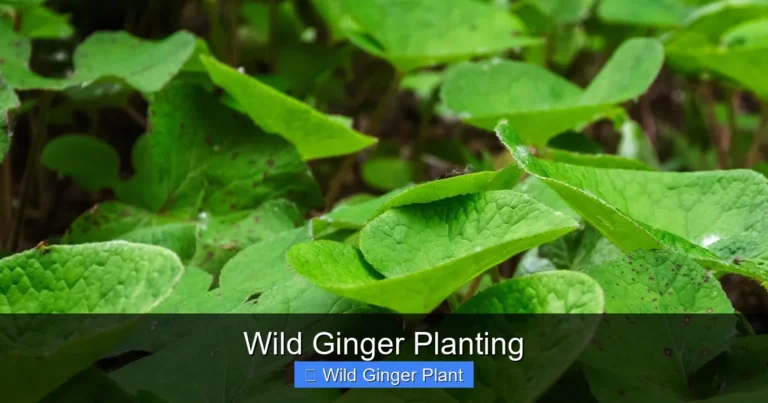
The leaves are glossy and heart‑shaped and stay deep green from spring to fall. Some varieties show a hint of purple on the underside. This foliage creates a lush carpet that feels soft underfoot. A wild ginger plant sale that offers several cultivars lets you mix leaf colors.
When you walk through a bed of wild ginger you feel a soft cushion. The texture contrasts nicely with ferns and hostas. A wild ginger plant sale with detailed photos helps you visualize the final look.
Wildlife Benefits
Wild ginger provides shelter for small insects and supports native pollinators. The hidden flowers attract beetles and flies. Birds may forage in the leaf litter. Adding wild ginger helps create a balanced ecosystem. A wild ginger plant sale that sources plants locally supports regional wildlife.
Beneficial insects lay eggs in the rhizome zone. The plant also offers cover for amphibians. A wild ginger plant sale that emphasizes ecological value can guide your purchase.
Choosing the Right Wild Ginger Variety
Common Species
Asarum canadense is the North American native and Asarum europaeum is the European type. Both are sold at many a wild ginger plant sale. Each has slightly different leaf shape and hardiness. Check the label at the wild ginger plant sale to confirm the species.
Asarum splendens offers larger glossy leaves and is popular for ornamental use. A wild ginger plant sale that lists the scientific name helps you avoid confusion.
Leaf Shape and Color
Some varieties have round leaves while others have more pointed tips. Color ranges from bright green to deep emerald. A few cultivars show a reddish underside. Pick a leaf style that matches your garden design. A wild ginger plant sale with photos helps you decide.
Variegated forms add visual interest in low light. A wild ginger plant sale that includes variegated options expands your design palette.
Growth Habit
Most wild ginger spreads by rhizomes and the rate varies by species. Asarum canadense spreads slowly while Asarum europaeum can be a bit faster. Consider how much space you have. A wild ginger plant sale that lists spread rate makes planning easier.
Clumping types stay tighter and suit small beds. A wild ginger plant sale that notes clumping habit helps you avoid overcrowding.
Matching Your Climate
Hardiness zones 3 to 8 suit most wild ginger. Check your zone before buying. A reputable wild ginger plant sale will note the zone range on each tag. If you live in a hot summer area choose a heat‑tolerant cultivar.
Mulch heavily to keep roots cool in warm climates. A wild ginger plant sale that provides climate advice reduces transplant shock.
Where to Find a Reliable Wild Ginger Plant Sale
Local Nurseries
Visit nearby garden centers in early spring. They often carry fresh rhizomes. Staff can answer questions about care. A local wild ginger plant sale lets you inspect roots before purchase. Ask about the source of the plants. Locally grown stock adapts better.
Support small businesses by buying close to home. A wild ginger plant sale at a neighborhood nursery often includes a planting guide.
Online Retailers
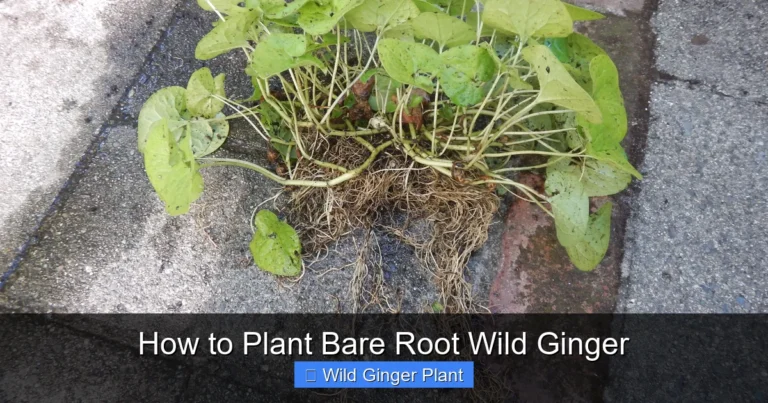
Many websites specialize in native perennials. Look for detailed descriptions and photos. Read customer reviews before ordering. A trustworthy wild ginger plant sale online will ship bare‑root plants in damp peat. Check the shipping policy. Plants should arrive moist and cool.
Track the package to avoid delays. A wild ginger plant sale that offers a live‑arrival guarantee gives peace of mind.
Plant Swaps and Garden Clubs
Community plant swaps are great for rare cultivars. Members often share divisions from their own beds. A garden club wild ginger plant sale may offer unique varieties not found in stores. Bring a healthy division to trade. Follow any club guidelines for disease prevention.
Networking with other growers expands your knowledge. A wild ginger plant sale at a swap often includes free advice.
What to Look For in a Sale
Healthy rhizomes are firm and white. Avoid soft or brown spots. Leaves should be green not yellow. A quality wild ginger plant sale will guarantee disease‑free stock. Ask for a warranty or return policy. Good sellers stand behind their plants.
Keep receipts for any future claims. A wild ginger plant sale that provides a written guarantee builds trust.
Planting and Care Tips for Success
Site Preparation
Choose a shady spot with rich well‑drained soil. Remove weeds and loosen the top six inches. Add compost to improve texture. A wild ginger plant sale often includes a planting guide. Space plants twelve inches apart. This allows room for spread. Water the area before planting.
Test drainage by filling a hole with water. If it drains in an hour the site is ready. A wild ginger plant sale tip is to amend heavy clay with sand.
Soil Requirements
Wild ginger prefers slightly acidic to neutral pH. Aim for a pH between 5.5 and 7.0. Test your soil if unsure. Amend with peat moss if too alkaline. Good organic matter holds moisture. Mulch with shredded leaves after planting. This mimics the forest floor.
A wild ginger plant sale may sell a soil test kit. Using it ensures optimal conditions.
Watering Schedule
Keep soil consistently moist during the first growing season. Water deeply once a week if rain is scarce. After establishment reduce frequency. Do not let the soil dry out completely. A wild ginger plant sale tip is to use a soaker hose for even moisture.
Morning watering reduces fungal risk. A wild ginger plant sale that includes a watering schedule helps beginners.
Mulching and Fertilizing
Apply a two‑inch layer of leaf mulch each spring. This suppresses weeds and feeds the soil. Fertilize lightly with a balanced organic fertilizer in early spring. Too much nitrogen encourages leaf growth at the expense of rhizome strength. Follow the label on any product.
A wild ginger plant sale often recommends a specific mulch type. Using the recommended mulch improves results.
Seasonal Care
In fall cut back any dead foliage. Leave the rhizomes in place. They will overwinter under the mulch. In early spring remove excess mulch to allow new shoots. Divide clumps every three to four years. This rejuvenates the plant and gives you extra starts for a future wild ginger plant sale.
Mark division dates on a garden calendar. A wild ginger plant sale that sells division tools makes the job easier.
Common Problems and How to Solve Them
Pests
Slugs and snails love the tender leaves. Hand‑pick them at night. Use copper tape around beds. A wild ginger plant sale may sell slug‑resistant varieties. Aphids can appear on new growth. Spray with a strong jet of water. Insecticidal soap works if needed.
Check leaves weekly for signs of damage. A wild ginger plant sale that offers pest‑free stock reduces early infestations.
Diseases
Root rot occurs in soggy soil. Ensure good drainage. Avoid overwatering. If rot appears remove affected rhizomes and improve soil aeration. Leaf spot shows as brown circles. Remove infected leaves. Apply a copper‑based fungicide if spread continues.
Sanitize tools between plants. A wild ginger plant sale that provides disease‑free rhizomes lowers risk.
Environmental Stress
Excess sun causes leaf scorch. Move plants to deeper shade. Add a shade cloth if relocation is not possible. Dry winds dry out the foliage. Mulch heavily and water more often during windy periods.
Monitor weather forecasts. A wild ginger plant sale that includes a care sheet helps you anticipate stress.
Prevention Tips
Inspect plants weekly. Early detection stops big problems. Keep the garden clean of debris. Rotate planting spots every few years. Buy from a reputable wild ginger plant sale to start with healthy stock. Healthy plants resist pests and disease better.
Use companion planting to deter insects. A wild ginger plant sale that suggests companion plants adds value.
Harvesting and Using Wild Ginger
When to Harvest
Harvest leaves in late spring when they are fully expanded. Take only a few leaves per plant. This keeps the rhizome strong. Roots can be dug in fall after the first frost. Wash and dry them for storage. A wild ginger plant sale often includes harvest guidelines.
Label harvested material with date. A wild ginger plant sale that provides a harvest calendar simplifies timing.
Culinary Uses
The leaves have a mild ginger flavor. Use them fresh in salads or as a wrap for fish. The rhizome can be candied or brewed into tea. Experiment with small amounts. The taste is subtle not spicy like tropical ginger.
Add chopped leaves to stir‑fries for a gentle aroma. A wild ginger plant sale that shares recipes inspires kitchen creativity.
Medicinal Uses
Traditional herbalists use wild ginger for digestive aid. It may relieve nausea and bloating. Always consult a professional before using medicinally. Prepare a tea by steeping dried rhizome in hot water for ten minutes. Strain and sip slowly.
Store dried rhizome in a cool dark jar. A wild ginger plant sale that includes a usage guide supports safe practice.
Preserving the Harvest
Dry leaves in a single layer on a screen. Store in an airtight jar away from light. Rhizomes can be frozen or pickled. Label jars with date and variety. This helps you track quality over time.
A wild ginger plant sale that offers preservation tips extends the usefulness of your crop.
Growing wild ginger adds beauty and function to shady gardens. By following this guide you can locate a trustworthy wild ginger plant sale, select the best variety, and enjoy a thriving ground cover for years. Happy planting!
Frequently Asked Questions
What soil pH does wild ginger prefer?
Wild ginger prefers a slightly acidic to neutral pH between 5.5 and 7.0.
How far apart should I space wild ginger plants?
Space plants about twelve inches apart to allow room for rhizome spread.
When should I divide wild ginger clumps?
Divide clumps every three to four years in early spring before new growth starts.
What pests commonly affect wild ginger?
Slugs, snails, and aphids are the most common pests on wild ginger.
Can I grow wild ginger in containers?
Yes, use a deep pot with rich, well‑drained soil and keep it in a shady location.
How do I preserve wild ginger leaves for later use?
Dry leaves on a screen in a single layer, then store in an airtight jar away from light.