Wild Ginger Plant Native Plant Washington
Wild ginger (Asarum caudatum) is a stunning native groundcover thriving in Washington’s moist, shady forests. This low-growing perennial features heart-shaped leaves and unique jug-shaped flowers hidden beneath foliage. Perfect for native shade gardens, it supports pollinators, prevents erosion, and adds year-round beauty to woodland landscapes.
Walking through a Washington forest in early spring, you might miss one of the most fascinating plants growing right at your feet. Wild ginger hugs the ground, its heart-shaped leaves forming a lush carpet beneath towering conifers and bigleaf maples. Most hikers pass right by without noticing the strange, jug-shaped flowers hiding beneath the foliage. But once you know what to look for, this native gem becomes impossible to ignore.
Asarum caudatum, commonly called western wild ginger or long-tailed wild ginger, belongs to the birthwort family (Aristolochiaceae). Despite its name, it’s not related to the culinary ginger (Zingiber officinale) found in grocery stores. The name comes from the ginger-like scent released when roots are crushed. Native peoples across the Pacific Northwest have long known this plant for its medicinal properties and distinctive aroma. Today, gardeners and restoration ecologists prize it as one of the best native groundcovers for shady Pacific Northwest gardens.
Key Takeaways
- Native Identity: Asarum caudatum is Washington’s native wild ginger, distinct from culinary ginger and found throughout western Washington forests.
- Shade Specialist: Thrives in deep to partial shade with moist, well-drained soil rich in organic matter, making it ideal for woodland gardens.
- Unique Flowers: Produces fascinating purple-brown jug-shaped flowers hidden at ground level, pollinated by beetles and flies in early spring.
- Wildlife Value: Provides essential habitat for beneficial insects, serves as a larval host for pipevine swallowtail butterflies, and offers cover for small forest creatures.
- Low Maintenance: Once established, requires minimal care, spreads slowly via rhizomes to form dense mats, and stays evergreen in mild winters.
- Ethical Sourcing: Never harvest from wild populations; purchase from native plant nurseries or propagate responsibly from established garden plants.
- Companion Planting: Pairs beautifully with ferns, trilliums, bleeding heart, and other shade-loving natives for a complete woodland garden ecosystem.
Quick Answers to Common Questions
Is wild ginger edible like culinary ginger?
No, wild ginger (Asarum caudatum) is not related to culinary ginger (Zingiber officinale). While roots have a ginger-like scent, they contain aristolochic acids which can be toxic and carcinogenic. Do not consume wild ginger.
How fast does wild ginger spread in the garden?
Wild ginger spreads slowly via rhizomes, typically 6 to 12 inches per year in ideal conditions. It forms dense colonies over time but is not aggressive or invasive like English ivy or vinca.
Can wild ginger grow in full sun?
No, wild ginger requires shade to thrive. It tolerates morning sun in cool coastal areas but will scorch and decline in afternoon sun or full sun exposure. Plant in full to partial shade for best results.
When is the best time to plant wild ginger in Washington?
Fall (September through October) is ideal for planting wild ginger in western Washington. Spring planting (March through April) also works but requires more summer watering during establishment.
Does wild ginger stay green all winter in Washington?
Yes, in most of western Washington (USDA zones 7-9), wild ginger is evergreen. Leaves persist through winter, though they may look somewhat weathered by late winter before fresh growth emerges in spring.
📑 Table of Contents
- Getting to Know Washington’s Wild Ginger
- Why Wild Ginger Belongs in Your Washington Garden
- Growing Wild Ginger Successfully in Washington Gardens
- Designing with Wild Ginger: Woodland Garden Companions
- Challenges and Solutions for Wild Ginger Gardeners
- Wild Ginger in Restoration and Conservation
- Ethical Considerations and Cultural Significance
- Conclusion: Embracing Washington’s Woodland Treasure
Getting to Know Washington’s Wild Ginger
Botanical Profile and Identification
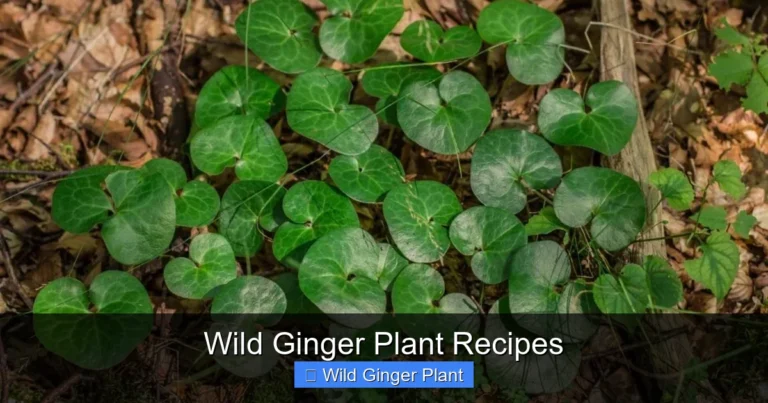
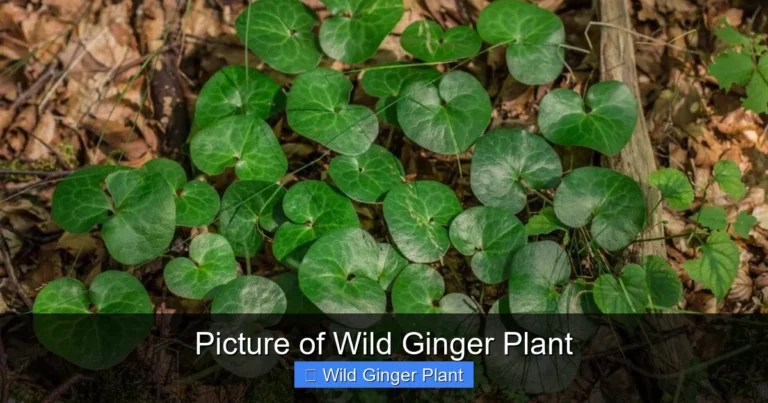
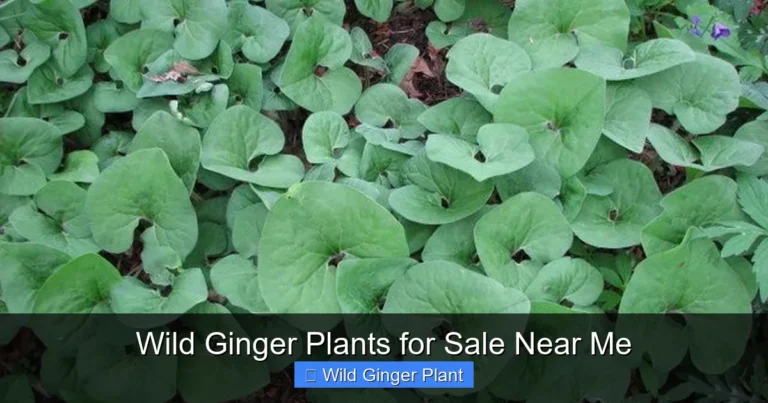
Western wild ginger is a low-growing, herbaceous perennial that typically reaches 6 to 12 inches in height. Each plant produces two to several kidney-shaped to heart-shaped leaves that measure 3 to 6 inches across. The leaves are dark green, slightly hairy, and have a leathery texture that helps them persist through winter in milder parts of Washington. They emerge from shallow, creeping rhizomes that spread slowly to form colonies.
The flowers are the plant’s most distinctive feature, though they’re easily overlooked. Blooming from March through May, each flower sits on a short stalk at ground level, often concealed by leaf litter or the plant’s own foliage. The flower lacks true petals. Instead, it has three fused sepals that form a bell or jug shape, typically purple-brown to maroon with a whitish interior. Long, tapered tips on the sepals give the species its name “caudatum,” meaning “tailed.” These tails can extend an inch or more beyond the main flower cup.
After pollination, the flower develops into a fleshy capsule containing numerous seeds. Each seed bears an elaiosome, a nutrient-rich appendage that attracts ants. The ants carry seeds to their nests, eat the elaiosome, and discard the viable seed in their midden heaps, effectively planting the next generation. This dispersal method, called myrmecochory, explains why wild ginger often appears in scattered patches rather than uniform carpets.
Range and Natural Habitat in Washington
In Washington, wild ginger occurs primarily west of the Cascade crest, from sea level to about 4,000 feet elevation. It thrives in the moist, temperate rainforests of the Olympic Peninsula, the western slopes of the Cascades, and the Puget Trough. You’ll find it in mixed coniferous and deciduous forests, particularly under western red cedar, western hemlock, Douglas fir, and bigleaf maple.
The plant prefers deep, humus-rich soils that stay consistently moist but not waterlogged. It’s commonly associated with other shade-loving natives like sword fern, deer fern, vanilla leaf, trillium, and false lily-of-the-valley. In undisturbed old-growth forests, wild ginger can form extensive colonies covering hundreds of square feet. However, it’s also resilient enough to persist in second-growth forests and even urban greenbelts where canopy cover remains intact.
East of the Cascades, a different species, Asarum marmoratum (marbled wild ginger), occurs in scattered locations in the Blue Mountains and southeastern Washington. This species has distinctly mottled leaves and slightly different flower morphology. Both species share similar ecological requirements and garden uses.
Why Wild Ginger Belongs in Your Washington Garden
Ecological Benefits Beyond Beauty
Planting native wild ginger does more than create a pretty groundcover. It actively supports the local ecosystem in ways that non-native plants simply cannot. The flowers, though small and hidden, provide early-season nectar and pollen for native bees, beetles, and flies when few other resources are available. Several species of flies in the genus Megaselia specialize on Asarum flowers, entering the floral tube to feed and inadvertently transferring pollen.
Perhaps most importantly, wild ginger serves as a larval host plant for the pipevine swallowtail butterfly (Battus philenor). While this butterfly is more common in southwestern states, its range extends into southern Washington, and climate change may push it further north. The caterpillars feed exclusively on Aristolochiaceae family plants, making wild ginger essential for their survival. Even where pipevine swallowtails don’t currently occur, planting host plants prepares habitat for potential range expansion.
The dense foliage provides year-round cover for beneficial ground beetles, spiders, and amphibians like the western red-backed salamander. These predators help control garden pests naturally. The rhizomatous root system stabilizes soil on slopes, preventing erosion during Washington’s intense winter rains. And because wild ginger is evergreen in most of western Washington, it photosynthesizes and provides habitat through the gray winter months when many other plants are dormant.
Deer Resistance and Low Maintenance Appeal
Gardeners in deer country know the frustration of watching expensive plantings disappear overnight. Wild ginger contains aristolochic acids and other compounds that make it unpalatable to deer, elk, and rabbits. While no plant is completely deer-proof, wild ginger is rarely browsed except in extreme starvation conditions. This makes it invaluable for woodland gardens in rural and suburban areas where deer pressure is high.
Once established, wild ginger asks for little. It doesn’t need fertilizer, pruning, or division. The leaves naturally suppress weeds by creating dense shade at ground level. Fallen leaves from deciduous trees provide perfect mulch, mimicking forest conditions. In dry summers, occasional watering helps maintain vigor, but established plants in good soil with adequate shade can survive surprising drought. The slow spread means it won’t invade neighboring beds or become a maintenance headache.
Growing Wild Ginger Successfully in Washington Gardens
Site Selection: Mimicking the Forest Floor
Success with wild ginger starts with choosing the right spot. Think about where you’d find it in nature: under a closed canopy, on a north-facing slope, in soil built from centuries of fallen needles and leaves. In your garden, this translates to full to partial shade. Morning sun is tolerated, especially in cooler coastal areas, but afternoon sun will scorch the leaves and stress the plant. Deep shade under mature conifers or on the north side of buildings is ideal.
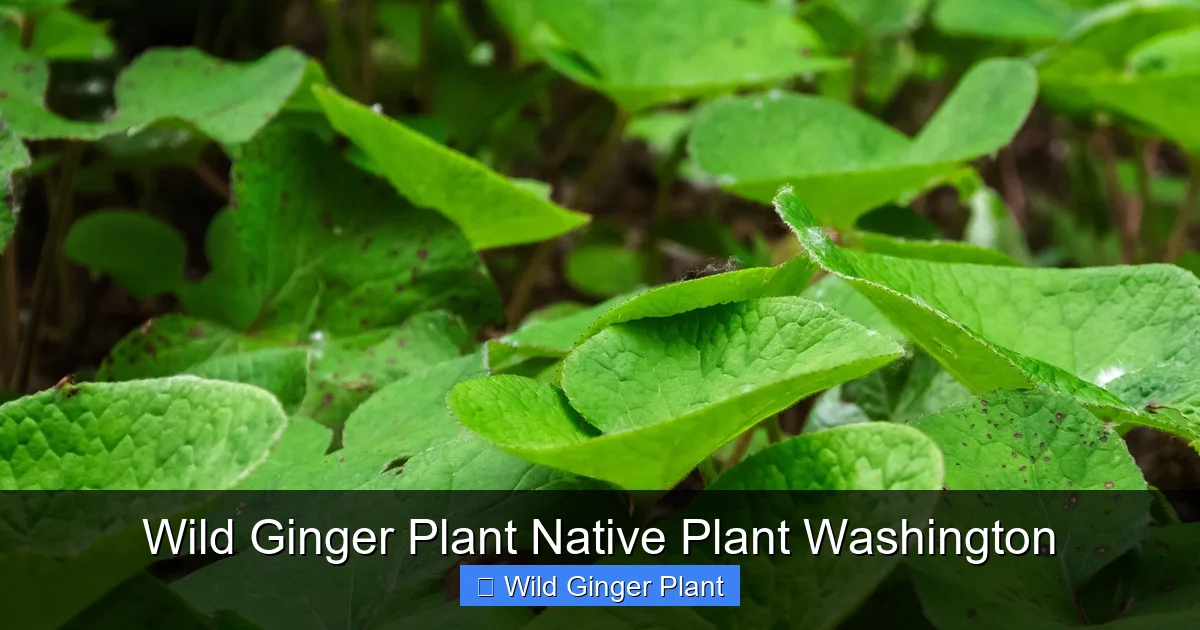
Visual guide about Wild Ginger Plant Native Plant Washington
Image source: cdn.mos.cms.futurecdn.net
Soil preparation makes a tremendous difference. Wild ginger wants rich, loose, well-drained soil with high organic matter content. If your soil is heavy clay or sandy, amend it generously with compost, leaf mold, or well-rotted conifer needles before planting. Aim for a slightly acidic to neutral pH (5.5 to 7.0). The plant will struggle in alkaline soils or areas with poor drainage where water pools after rain.
Consider the microclimate. Wild ginger appreciates consistent moisture but hates wet feet. A spot that receives natural rainfall but drains well within a few hours is perfect. Avoid areas under dense evergreen canopies where rain never reaches the ground (rain shadows) unless you’re committed to supplemental watering. Similarly, avoid low spots where cold air and frost settle, as late spring frosts can damage emerging flowers.
Planting Techniques for Best Establishment
Fall planting (September through October) is ideal in western Washington. The soil is still warm enough for root growth, fall rains provide consistent moisture, and plants have months to establish before summer drought. Spring planting (March through April) works too, but requires more attentive watering through the first summer.
Space plants 12 to 18 inches apart for a groundcover effect, closer (8 to 10 inches) for faster fill-in. Dig holes twice as wide as the root ball but no deeper. Loosen the soil at the bottom and sides. If the plant is root-bound, gently tease out circling roots. Position the plant so the crown sits at soil level, backfill with amended soil, and water thoroughly to settle soil around roots.
Apply a 2 to 3 inch layer of mulch after planting. Conifer needles, shredded leaves, or wood chips all work well. Keep mulch pulled back slightly from the crown to prevent rot. Water deeply once a week through the first growing season unless rainfall provides an inch or more. By the second year, plants should be well-established and need watering only during extended dry spells.
Propagation: Expanding Your Patch
Wild ginger spreads slowly on its own, but you can accelerate the process through division. The best time is early spring as new growth emerges, or early fall. Dig up a mature clump, gently wash soil from the roots, and use a sharp knife or your hands to separate rhizome sections. Each division should have at least one growing point (a bud or emerging leaf) and a portion of rhizome with roots attached. Replant immediately at the same depth.
Seed propagation is possible but requires patience. Collect seeds in summer when capsules split open. Sow fresh seeds immediately in pots or a prepared seedbed, as they lose viability quickly when dry. They need a period of cold stratification (winter) to break dormancy. Seedlings take 2 to 3 years to reach transplant size and 4 to 5 years to flower. For most gardeners, division or purchasing nursery-grown plants is more practical.
Never dig plants from the wild. Wild ginger populations recover slowly from disturbance, and many public lands prohibit collection. Instead, purchase from reputable native plant nurseries. The Washington Native Plant Society maintains a list of ethical native plant sources. Many county conservation districts also hold annual native plant sales in late winter or early spring.
Designing with Wild Ginger: Woodland Garden Companions
Creating a Native Shade Garden Community
Wild ginger shines when planted as part of a diverse woodland community. Its low, spreading habit makes it an ideal groundcover layer beneath taller perennials and shrubs. Consider vertical layers: canopy trees (if you have them), understory trees like vine maple or serviceberry, shrubs like salal, Oregon grape, or red-flowering currant, then the herbaceous layer where wild ginger lives alongside ferns, trilliums, and other shade perennials.
For spring interest, pair wild ginger with western trillium (Trillium ovatum), whose white flowers bloom at the same time. The trillium’s upright flowers contrast beautifully with wild ginger’s hidden blooms. Add Pacific bleeding heart (Dicentra formosa) for delicate pink flowers and ferny foliage that stays attractive through summer. Vanilla leaf (Achlys triphylla) creates a similar groundcover texture with different leaf shape and fragrant dried leaves.
Ferns are essential companions. Sword fern (Polystichum munitum) provides evergreen structure and height. Deer fern (Blechnum spicant) offers a more delicate, strictly evergreen presence. Lady fern (Athyrium filix-femina) adds deciduous, lacy texture that dies back in winter, allowing wild ginger’s evergreen leaves to take center stage. Maidenhair fern (Adiantum aleuticum) brings airy elegance to moist spots.
Seasonal Interest Throughout the Year
A well-designed wild ginger planting offers something in every season. Early spring brings the curious flowers, rewarding those who get down on hands and knees to look. Mid-spring sees fresh, bright green leaves unfurling alongside trilliums and bleeding hearts. Summer brings deep green, leathery foliage that stays pristine through heat waves if moisture is adequate. Fall may bring subtle yellowing of older leaves, while new ones remain green.
Winter is when wild ginger truly earns its keep in western Washington. While hostas, astilbes, and many other shade plants disappear underground, wild ginger’s leaves persist, dark green and leathery against the brown duff. On frosty mornings, the leaves catch ice crystals, creating miniature sculptures. In snow, the leaves often poke through, photosynthesizing on bright winter days. This winter presence provides continuity in the garden and shelter for overwintering beneficial insects.
Container Growing for Small Spaces
Don’t have a woodland garden? Wild ginger adapts well to containers, bringing native beauty to shaded patios, balconies, and entryways. Choose a pot at least 12 inches wide and deep with good drainage. Use a high-quality potting mix amended with compost and fine bark for moisture retention and acidity. Place in full shade to dappled shade. Water more frequently than in-ground plants, as containers dry faster.
In containers, wild ginger pairs beautifully with native evergreen huckleberry (Vaccinium ovatum) for height, or with a collection of smaller ferns and woodland wildflowers. Repot every 2 to 3 years in early spring, dividing if desired. Protect containers from hard freezes by moving to an unheated garage or wrapping the pot, as roots in containers are more vulnerable to cold than those in the ground.
Challenges and Solutions for Wild Ginger Gardeners
Common Problems and How to Address Them
Even this tough native can face issues in garden settings. The most common problem is leaf scorch from too much sun. Leaves develop brown, crispy edges and may curl. Solution: transplant to a shadier spot in fall, or provide temporary shade cloth during the hottest weeks. If relocation isn’t possible, increase watering and mulch heavily to keep roots cool.
Slugs and snails occasionally feed on young leaves, especially in spring. Damage appears as irregular holes with silvery slime trails. Hand-pick at night, use beer traps, or apply iron phosphate bait (safe for pets and wildlife). Encourage natural predators like ground beetles and garter snakes by providing habitat. Mature plants with tougher leaves suffer less damage.
Root rot from poor drainage kills more wild ginger than any other issue. Plants wilt despite moist soil, leaves yellow and collapse. Prevention is key: ensure excellent drainage at planting time. If you suspect rot, dig up the plant, trim away black, mushy roots, dust with sulfur powder, and replant in a better-drained location or raised bed.
Fungal leaf spots sometimes appear in very wet springs or where air circulation is poor. Remove affected leaves and improve air flow by thinning nearby plants. Avoid overhead watering. The problem rarely kills the plant and usually resolves with drier summer weather.
Managing Spread and Competition
Wild ginger is well-behaved but persistent. It spreads slowly by rhizomes, typically 6 to 12 inches per year in good conditions. It won’t run rampant like English ivy or vinca, but over decades it can form large colonies. If it encroaches on neighboring plants, simply dig out the advancing rhizomes in spring or fall. The shallow roots make removal easy.
In turn, aggressive neighbors can crowd out wild ginger. English ivy, Himalayan blackberry, and even vigorous natives like salal can overwhelm it. Maintain a buffer zone around your wild ginger patch. Hand-pull invasives regularly, especially before they set seed. Mulch heavily to suppress weed seedlings. If a neighboring shrub casts too much shade or root competition, consider root pruning the shrub or relocating the wild ginger.
Wild Ginger in Restoration and Conservation
Role in Habitat Restoration Projects
Beyond home gardens, wild ginger plays a crucial role in ecological restoration across western Washington. After logging, road decommissioning, or invasive species removal, restoration practitioners plant wild ginger to rebuild the forest understory. Its ability to establish in shaded, disturbed sites makes it valuable for jumpstarting native plant communities.
In riparian restoration, wild ginger helps stabilize stream banks under canopy cover. Its rhizomes knit soil together while tolerating seasonal flooding better than many upland species. It’s often planted alongside other shade-tolerant natives like inside-out flower (Vancouveria hexandra), piggyback plant (Tolmiea menziesii), and various ferns to create a diverse, resilient understory that resists reinvasion by weeds.
Urban forest restoration projects in Seattle, Tacoma, Olympia, and other cities use wild ginger to enhance greenbelts and park natural areas. Volunteers with programs like Green Seattle Partnership plant thousands of wild ginger starts annually. These efforts rebuild habitat connectivity for wildlife, improve stormwater infiltration, and create beautiful natural spaces for city residents.
Climate Resilience and Future Prospects
As Washington’s climate shifts, wild ginger’s adaptability will be tested. Models predict warmer, drier summers and wetter winters for western Washington. Wild ginger’s preference for consistent moisture makes it vulnerable to summer drought intensification. However, its deep rhizomes and evergreen habit provide some buffer. Populations in cooler, moister microsites (north-facing slopes, ravines, near streams) will likely persist longest.
Gardeners can help by creating climate-resilient plantings. Mulch heavily to conserve soil moisture. Incorporate organic matter to improve water-holding capacity. Consider installing drip irrigation for supplemental water during extended dry spells. Plant in the shadiest, coolest microclimates available. These practices benefit not just wild ginger but the entire woodland garden community.
Citizen science projects like iNaturalist and the Washington Natural Heritage Program track wild ginger populations across the state. Contributing observations helps scientists monitor range shifts and population health. If you have wild ginger on your property or find it in natural areas, consider documenting it. Your observations build the knowledge base for conservation planning.
Ethical Considerations and Cultural Significance
Indigenous Uses and Traditional Knowledge
Coast Salish peoples and other Indigenous nations of the Pacific Northwest have used wild ginger for generations. The roots were harvested for medicinal teas treating colds, stomach ailments, and respiratory issues. The leaves were used as a poultice for headaches and skin irritations. The distinctive ginger scent made it a flavoring agent for other medicines and foods.
Harvest was done sustainably, taking only what was needed and leaving plenty for the plant to regenerate. Specific protocols governed when, where, and how to harvest. This traditional ecological knowledge represents thousands of years of relationship with the plant. Modern herbalists and ethnobotanists continue to study these uses, though scientific validation varies.
If you’re not Indigenous to this region, it’s important to approach wild ginger’s medicinal uses with respect and caution. Never harvest from wild populations. If you wish to explore traditional uses, seek guidance from Indigenous knowledge holders or reputable ethnobotanical resources. Many tribes are actively revitalizing traditional plant knowledge and may offer educational opportunities.
Responsible Gardening Practices
As native plant gardening grows in popularity, pressure on wild populations increases. Poaching of wild ginger for the nursery trade has occurred in some areas. Always verify that plants are nursery-propagated, not wild-collected. Ask nurseries about their sourcing. Reputable native plant nurseries will proudly share their propagation methods.
In your own garden, practice responsible stewardship. Don’t share divisions from plants of unknown origin if they might have been wild-collected. If you purchase plants, keep records of the source. Consider participating in seed-saving exchanges through native plant societies, which ensure ethical propagation. Report suspected poaching to land managers.
Remember that wild ginger is just one piece of a complex ecosystem. Gardening with natives works best when we think in communities, not specimens. By planting wild ginger alongside its natural associates, we create resilient, functional habitat that supports the full web of life. This holistic approach honors both the plant and the Indigenous stewards who tended these landscapes for millennia.
Conclusion: Embracing Washington’s Woodland Treasure
Wild ginger may not shout for attention with showy flowers or dramatic foliage, but its quiet presence transforms a shady garden corner into a slice of authentic Pacific Northwest woodland. From the curious hidden flowers of early spring to the steadfast evergreen leaves of winter, this native groundcover delivers year-round interest with minimal demands. It feeds pollinators, hosts butterflies, stabilizes soil, resists deer, and connects your garden to the broader ecosystem.
Whether you’re restoring a backyard forest fragment, designing a shade garden under mature trees, or simply adding a container of native beauty to a north-facing balcony, wild ginger deserves a place in your Washington landscape. Start with a few plants from a reputable native nursery. Give them the shade, moisture, and rich soil they crave. Then step back and watch as they slowly, steadily weave themselves into the fabric of your garden, creating habitat and beauty for decades to come.
The next time you’re hiking in a western Washington forest, pause and look down. Those heart-shaped leaves carpeting the forest floor? That’s wild ginger, doing what it’s done for thousands of years. By bringing it into our gardens, we participate in an ancient relationship between people, plants, and place. We heal fragmented landscapes one shady patch at a time. And we discover that some of the most rewarding garden plants are the ones that have been here all along, waiting for us to notice them.
Frequently Asked Questions
Where can I buy native wild ginger plants in Washington?
Purchase wild ginger from reputable native plant nurseries like Fourth Corner Nurseries, Woodbrook Native Plant Nursery, or local conservation district plant sales. The Washington Native Plant Society maintains a list of ethical native plant sources. Never dig plants from the wild.
What soil conditions does wild ginger prefer?
Wild ginger thrives in rich, loose, well-drained soil with high organic matter content and slightly acidic to neutral pH (5.5-7.0). Amend heavy clay or sandy soils with compost, leaf mold, or conifer needles before planting to mimic forest floor conditions.
How do I propagate wild ginger from my existing plants?
Divide mature clumps in early spring or early fall. Dig up the plant, separate rhizome sections with at least one growing point and roots attached, and replant immediately at the same depth. Seed propagation is possible but slow, requiring cold stratification and 3-5 years to flowering size.
What wildlife does wild ginger support in the garden?
Wild ginger supports native bees, beetles, and flies that pollinate its early spring flowers. It’s a larval host for pipevine swallowtail butterflies. The dense foliage provides year-round cover for beneficial insects, spiders, and amphibians like salamanders.
Why are my wild ginger leaves turning brown and crispy?
Brown, crispy leaf edges usually indicate too much sun exposure or insufficient moisture. Wild ginger needs full to partial shade and consistently moist (not wet) soil. Relocate to a shadier spot in fall, increase mulch, and ensure regular watering during dry periods.
Can wild ginger be grown in containers on a shaded balcony?
Yes, wild ginger adapts well to containers at least 12 inches wide and deep with good drainage. Use quality potting mix amended with compost and fine bark. Place in full shade, water frequently, and protect from hard freezes in winter by moving to an unheated garage or wrapping the pot.