Wild Ginger Plants for Sale Near Me
Wild ginger plants for sale near me are easier to find than you think. This guide covers native Asarum species, where to buy them locally, and how to grow these shade-loving groundcovers successfully in your garden.
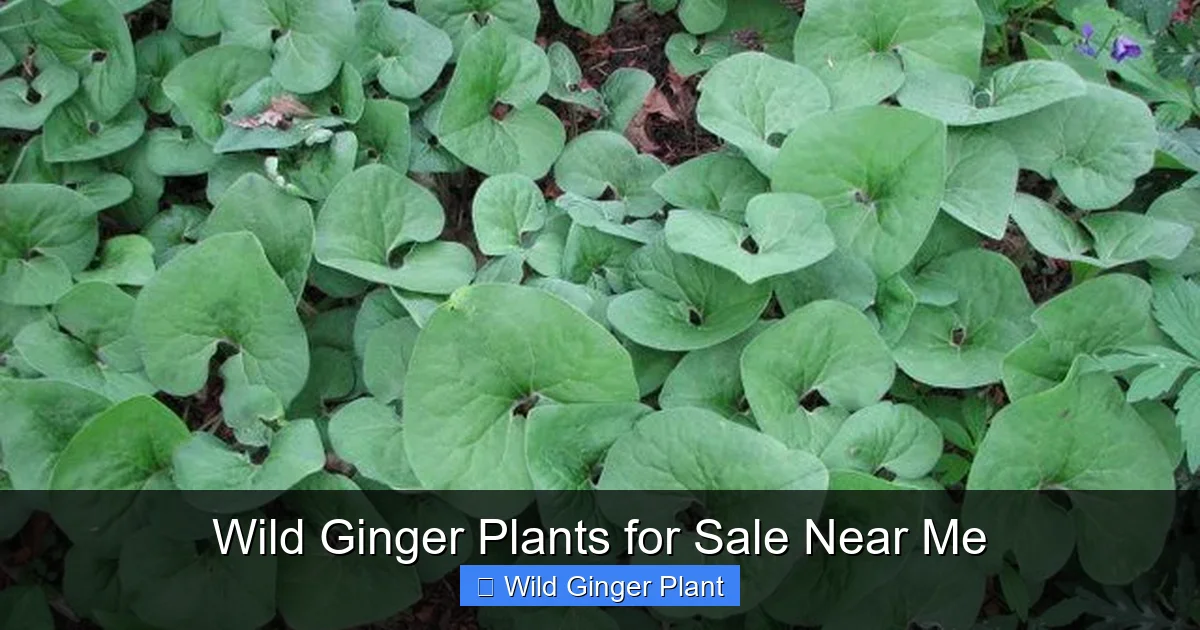
If you have been searching for wild ginger plants for sale near me, you are not alone. More gardeners are discovering the quiet beauty of this native woodland groundcover. Wild ginger, known botanically as Asarum, brings lush green texture to shady spots where few other plants thrive. Its heart-shaped leaves create a living carpet that suppresses weeds and holds soil moisture. The unusual jug-shaped flowers hide beneath the foliage, a secret treasure for curious observers.
This guide walks you through everything you need to know before you buy. We will cover the different species available, where to find healthy plants locally, how to choose the best specimens, and the care they need to flourish. Whether you are restoring a woodland edge or simply filling a difficult shady corner, wild ginger deserves a place in your garden plan.
Key Takeaways
- Native species matter: Choose Asarum canadense for North American gardens to support local ecosystems.
- Shade is essential: Wild ginger thrives in full to partial shade with moist, rich soil.
- Buy local when possible: Native plant nurseries and botanical garden sales offer the healthiest specimens.
- Spring planting works best: Plant in early spring or fall for strongest root establishment.
- Deer resistant bonus: These plants naturally deter deer and rabbit browsing.
- Slow spreaders: Expect gradual colony formation over several years, not aggressive invasion.
- Medicinal history: Indigenous peoples used wild ginger roots, but modern use requires caution.
Quick Answers to Common Questions
What is the best time of year to plant wild ginger?
Early spring or early fall are ideal. Spring gives a full growing season. Fall uses cool, moist conditions for root growth before winter.
How much sun can wild ginger tolerate?
Wild ginger prefers full to dappled shade. Morning sun is okay. Hot afternoon sun will scorch leaves and stress the plant.
Is wild ginger invasive?
No. It spreads slowly by rhizomes, forming a clump a few feet wide over many years. It does not seed aggressively or run rampant.
Where can I buy native wild ginger plants locally?
Check native plant nurseries, botanical garden sales, native plant society chapters, and county conservation district sales in your area.
Do I need to fertilize wild ginger?
No. Amend soil with compost at planting. Annual leaf mulch provides all needed nutrients. Fertilizer can weaken the plant.
📑 Table of Contents
- Understanding Wild Ginger Species
- Where to Find Wild Ginger Plants for Sale Near Me
- How to Select Healthy Wild Ginger Plants
- Planting and Establishing Wild Ginger
- Long-Term Care and Maintenance
- Designing with Wild Ginger in the Garden
- Ecological Value and Wildlife Benefits
- Common Questions About Buying and Growing Wild Ginger
- Conclusion
Understanding Wild Ginger Species
North American Native: Asarum canadense
When most people search for wild ginger plants for sale near me in the United States or Canada, they are looking for Asarum canadense. This species is native to eastern North America, from the Great Plains to the Atlantic coast and from Canada down to the southeastern states. It grows naturally in rich, moist deciduous forests.
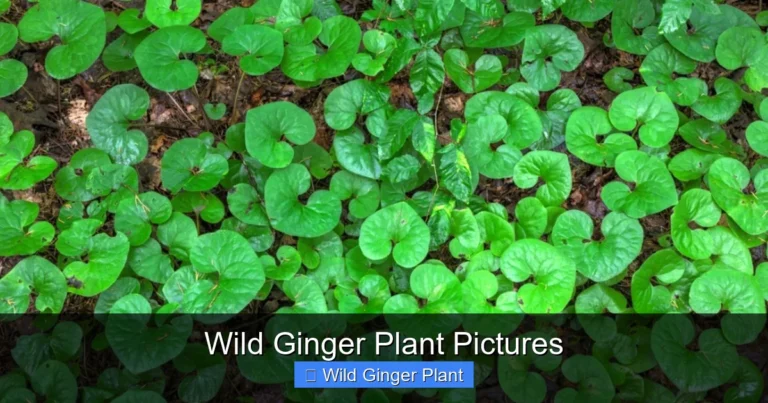
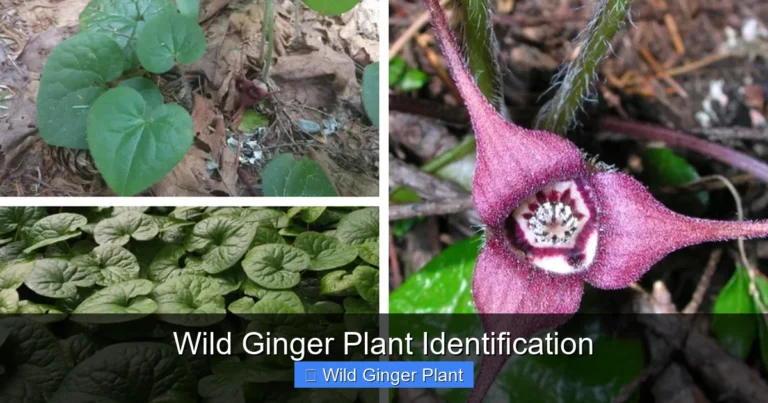
The leaves are soft, kidney-shaped to heart-shaped, and can reach six inches across. They emerge in spring with a fine covering of hairs. The flowers appear in April or May, tucked close to the ground. They are purplish-brown with three pointed sepals. Pollination happens mainly by small flies and beetles that crawl into the flower.
This species spreads slowly by underground rhizomes. Over time, it forms a dense colony. It is not aggressive. You will not find it popping up across the lawn. It stays where you put it, gradually expanding its reach.
European Wild Ginger: Asarum europaeum
European wild ginger is another common offering at nurseries. It has glossier, darker green leaves that are more leathery in texture. The leaves are often evergreen in milder climates, providing winter interest. This species is native to Europe and parts of western Asia.
It behaves similarly to the North American native but can be slightly more tolerant of drier conditions once established. Some gardeners prefer its shinier foliage. However, if your goal is ecological gardening and supporting native insects, the North American species is the better choice.
Asian Species and Cultivars
Several Asian Asarum species have entered the horticultural trade. Asarum splendens, sometimes called Chinese wild ginger, has striking silver-mottled leaves. Asarum maximum produces larger, showier flowers. These are often sold as collector’s plants and command higher prices.
They generally require more consistent moisture and may be less cold-hardy than the North American native. Check your hardiness zone carefully before investing in these specialty types.
Where to Find Wild Ginger Plants for Sale Near Me
Local Native Plant Nurseries
The best place to start your search for wild ginger plants for sale near me is a dedicated native plant nursery. These businesses specialize in species indigenous to your region. The plants are grown from local seed sources or responsibly collected divisions. This means they are adapted to your climate, soil, and rainfall patterns.
Staff at native nurseries are usually passionate and knowledgeable. They can tell you exactly which species suits your specific site conditions. They often carry companion plants that naturally grow alongside wild ginger, such as ferns, trilliums, and bloodroot.
To find one, search online for “native plant nursery” plus your county or region. Many states have native plant societies that maintain lists of recommended nurseries.
Botanical Garden and Arboretum Plant Sales
Botanical gardens and arboreta often hold annual or semi-annual plant sales. These are fantastic events. The plants are typically propagated from the institution’s own collections or from local wild populations with proper permits. Quality is usually excellent.
Sales often happen in spring and fall. Arrive early for the best selection. Volunteers and staff are on hand to answer questions. Proceeds support the garden’s conservation and education work. Check the websites of gardens within driving distance for sale dates.
Native Plant Society Chapters
Most states have a native plant society with local chapters. These groups frequently organize plant sales, swaps, or member-only propagation workshops. Joining a chapter connects you with experienced gardeners who may share divisions from their own gardens.
Members often know about pop-up sales, rescue digs, and nursery discounts that are not widely advertised. The community aspect is invaluable for ongoing support and plant sourcing.
Conservation District Sales
County conservation districts often run spring tree and shrub sales. Many have expanded to include native perennials like wild ginger. Prices are usually very reasonable because these are subsidized programs aimed at encouraging conservation planting.
Ordering often happens months in advance, with pickup in April or May. Check your county conservation district website in January or February for catalogs and deadlines.
Reputable Online Native Plant Retailers
If local options are limited, several excellent online nurseries ship native perennials. Look for companies that clearly state the seed origin or ecoregion of their plants. Avoid generic “wildflower” mixes that may contain non-native or invasive species.
Good online retailers ship at the proper planting time for your zone. They use sustainable packaging. They offer guarantees. Read reviews from gardeners in your region before ordering.
What to Avoid: Big Box Stores and Generic Garden Centers
Large chain garden centers occasionally carry wild ginger, but it is often the European species or unnamed cultivars. The plants may have been grown in different climates and forced into early growth with heavy fertilizer. They may carry pests or diseases.
More importantly, the staff rarely have specific knowledge about native plant establishment. You are on your own for advice. For a long-lived perennial like wild ginger, starting with a locally adapted, healthy plant from a knowledgeable source pays off for decades.
How to Select Healthy Wild Ginger Plants
Inspect the Foliage
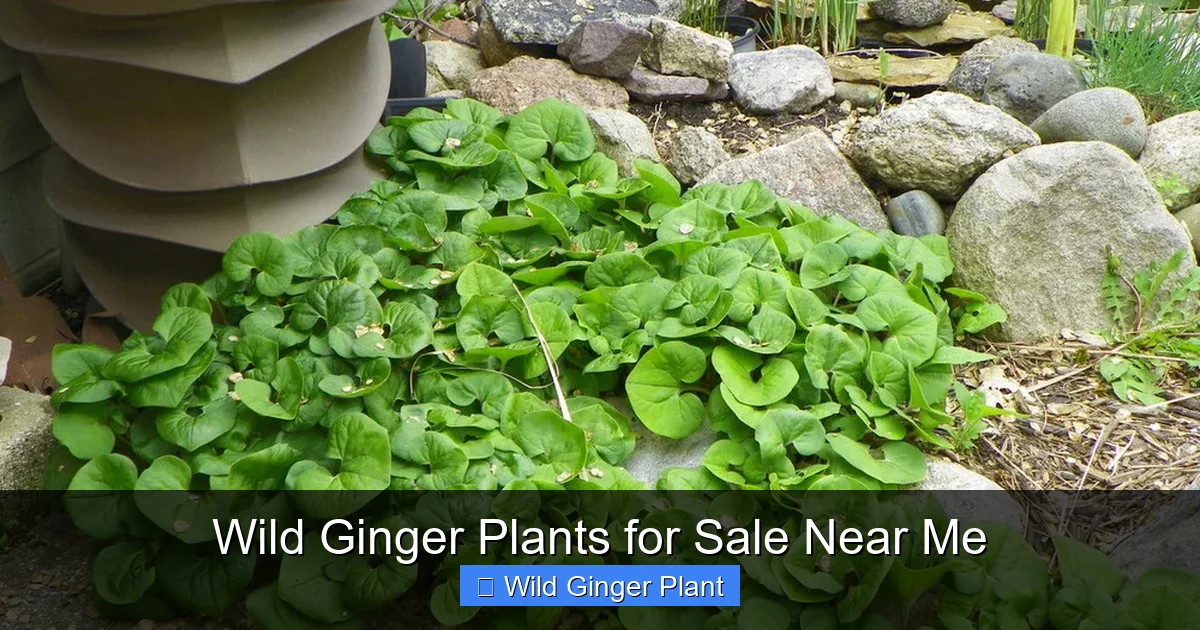
When you find wild ginger plants for sale near me, examine the leaves closely. They should be a rich, deep green. Avoid plants with yellowing leaves, brown edges, or spots. These signs indicate stress, nutrient deficiency, or disease.
Visual guide about Wild Ginger Plants for Sale Near Me
Image source: cdn11.bigcommerce.com
Some insect chewing is normal and actually a good sign. It means the plant is part of a living food web. Look for minor, irregular holes rather than skeletonized leaves or heavy damage.
Check the Root System
If possible, gently slip the plant partway out of its pot. The roots should be white or light tan, firm, and well-distributed through the soil. They should not be circling tightly at the bottom (root-bound). A few roots emerging from drainage holes is fine. A solid mat of roots means the plant has been in the pot too long.
Wild ginger rhizomes grow horizontally just below the soil surface. You may see the thick, branching rhizomes near the top of the pot. This is normal and healthy.
Look for Multiple Growing Points
A robust plant will have several leaf clusters emerging from the rhizome. Each cluster represents a growing point. More growing points mean faster establishment and a fuller look sooner. A single lonely stem in a large pot is a weaker plant.
Ask About Provenance
Do not hesitate to ask the seller where the plants originated. “Seed-grown from local populations” is the gold standard. “Divided from nursery stock originally sourced from [your state/region]” is also good. “Grown from seed of unknown origin” is less ideal but acceptable if no local option exists.
Avoid plants dug from the wild unless it is a sanctioned rescue operation. Wild collecting depletes natural populations and often introduces invasive jumping worms or diseases to your garden.
Planting and Establishing Wild Ginger
Choosing the Right Site
Wild ginger evolved on the forest floor. It wants dappled to full shade. Morning sun with afternoon shade works. Deep shade under mature trees works. Hot afternoon sun will scorch the leaves and stress the plant.
Soil should be rich in organic matter. Think of the duff layer in a woods: decaying leaves, crumbly texture, dark color. If your soil is heavy clay or pure sand, amend it generously with compost or leaf mold before planting. Aim for a slightly acidic to neutral pH (5.5 to 7.0).
Moisture is critical, especially during establishment. The site should stay evenly moist but not waterlogged. A low spot that collects runoff can work if it drains within a few hours. Avoid bone-dry slopes or areas under dense conifers where rain never reaches the ground.
When to Plant
Spring and fall are both excellent planting times. Spring planting (April to early June in most zones) gives the plant a full growing season to establish roots before winter. Fall planting (September to October) takes advantage of cooler temperatures and reliable rainfall. The roots continue growing until the ground freezes.
Avoid planting in the heat of summer. If you must plant in summer, provide temporary shade cloth and water daily for the first few weeks.
Spacing and Layout
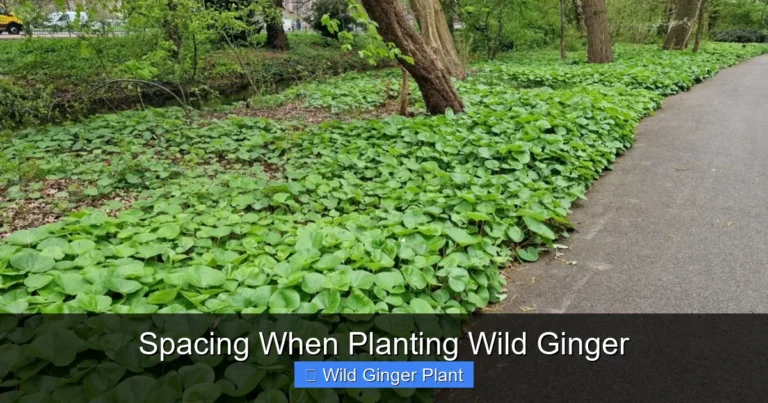
Space plants 12 to 18 inches apart. They will fill in over three to five years. For faster coverage, plant at 10-inch spacing. Stagger the plants in a grid or diamond pattern rather than straight rows. This looks more natural and closes gaps faster.
If you are planting on a slope, create small level planting pockets or terraces. This prevents soil and mulch from washing away and helps water soak in around the roots.
Planting Technique
Dig a hole twice as wide as the pot and just as deep. Loosen the soil at the bottom and sides. Remove the plant from its pot. Gently tease out any circling roots. Place the plant so the rhizome sits just at or slightly below the soil surface. The leaf crowns should be at soil level.
Backfill with the amended soil. Firm gently with your hands. Do not stomp. Water thoroughly to settle the soil and eliminate air pockets. Apply two to three inches of shredded leaf mulch or pine fines. Keep mulch pulled back slightly from the leaf crowns to prevent rot.
First-Year Care
The first growing season is all about root development. Water deeply once or twice a week during dry spells. Do not let the soil dry out completely. A soaker hose or drip irrigation works well.
Do not fertilize the first year. The compost you amended the soil with provides enough nutrients. Fertilizer encourages top growth at the expense of roots.
Weed carefully by hand. Wild ginger rhizomes are shallow. Hoeing or cultivating damages them. A thick mulch layer suppresses most weeds.
Long-Term Care and Maintenance
Watering Established Plants
Once established (after two to three years), wild ginger is moderately drought-tolerant. It will survive dry periods by going semi-dormant. The leaves may droop or brown at the edges. It rebounds when moisture returns.
For the best appearance, water during extended dry spells. A deep soaking every two weeks is better than frequent light sprinkling. Mulch annually to conserve moisture and build soil organic matter.
Mulching Practices
Leaf mulch is ideal. It mimics the natural forest floor. Shredded leaves break down quickly, feeding soil organisms. Pine fines (partially composted pine bark) are also excellent. Avoid thick layers of wood chips. They can rob nitrogen during decomposition and may create hydrophobic mats.
Apply a fresh inch of mulch each fall after leaves drop. This protects rhizomes from freeze-thaw cycles and adds organic matter.
Dividing and Propagating
Wild ginger colonies benefit from division every five to ten years. The center of an old clump can become woody and less vigorous. Division rejuvenates the plant and gives you more plants to spread around or share.
Divide in early spring as new growth emerges, or in early fall. Dig up a section of the colony. Use a sharp knife or spade to cut the rhizome into pieces, each with at least two to three growing points and a healthy root mass. Replant immediately at the same depth. Water well.
Managing Pests and Diseases
Wild ginger is remarkably trouble-free. Slugs and snails may nibble leaves in wet springs. Hand-pick at night or use iron phosphate bait if damage is severe. Deer and rabbits almost always leave it alone.
Fungal leaf spots can occur in very wet, humid conditions with poor air circulation. Thin surrounding vegetation to improve airflow. Remove and dispose of heavily spotted leaves. Do not compost them.
Root rot is a risk in poorly drained soil. Prevention through proper site selection and soil preparation is the only cure.
Seasonal Cleanup
In late fall, after a hard freeze, the leaves of Asarum canadense will collapse and decompose. You can leave them in place as natural mulch. In spring, gently rake away any matted debris to allow new leaves to emerge unimpeded.
European wild ginger (Asarum europaeum) is often evergreen. Remove any winter-damaged leaves in early spring. New growth will replace them.
Designing with Wild Ginger in the Garden
Woodland Garden Foundation
Wild ginger is a cornerstone plant for shade gardens. Use it as a living mulch under trees and shrubs. It covers the ground so thoroughly that weeds rarely penetrate. The uniform texture creates a calm, cohesive look that lets specimen plants stand out.
Plant it in drifts of odd numbers (3, 5, 7, 9) for the most natural effect. Let the drifts flow around rocks, logs, and tree roots. Avoid geometric blocks.
Companion Plant Combinations
Pair wild ginger with other native woodlanders that share its cultural needs. Excellent companions include:
- Christmas fern (Polystichum acrostichoides) for evergreen structure
- Maidenhair fern (Adiantum pedatum) for delicate contrast
- Wild geranium (Geranium maculatum) for spring flowers
- Foamflower (Tiarella cordifolia) for foliage texture and flower spikes
- Solomon’s seal (Polygonatum biflorum) for arching stems
- Jack-in-the-pulpit (Arisaema triphyllum) for architectural interest
- Bloodroot (Sanguinaria canadensis) for early spring blooms
- Trillium species for iconic woodland flowers
Spring ephemerals like trillium and bloodroot complete their life cycle before wild ginger reaches full size. They are perfect temporal companions.
Erosion Control on Shady Slopes
The dense, fibrous root system of wild ginger excels at holding soil on gentle to moderate slopes. Plant it in combination with deeper-rooted shrubs like spicebush (Lindera benzoin) or witch-hazel (Hamamelis virginiana) for layered stabilization.
On steeper slopes, use erosion control blankets during establishment. Plant through the blanket. The wild ginger will eventually knit together into a solid mat.
Edging and Pathway Borders
Wild ginger makes a beautiful, soft edge for shaded paths. Its low height (6 to 12 inches) keeps sightlines open. The leaves are soft to the touch, so brushing against them is pleasant.
Keep the edge defined by occasionally trimming rhizomes that creep into the path. A sharp spade slice once a year is usually enough.
Container Culture
You can grow wild ginger in containers. Choose a wide, shallow pot. Use a high-quality potting mix amended with compost and fine bark. Keep it in full shade. Water frequently. Containers dry out faster than ground soil.
Overwinter containers in an unheated garage or bury the pot in the ground. The roots are more exposed to cold in a pot.
Ecological Value and Wildlife Benefits
Pollinator Support
The unusual flowers of wild ginger are pollinated by small flies, gnats, and beetles. These early-season insects are often overlooked but are vital to the ecosystem. By planting wild ginger, you provide a critical early nectar and pollen source when little else is blooming in the shade.
Ants disperse the seeds. Each seed has a fleshy appendage called an elaiosome. Ants carry seeds to their nests, eat the elaiosome, and discard the intact seed in their nutrient-rich midden piles. This is myrmecochory, a fascinating mutualism.
Host Plant Relationships
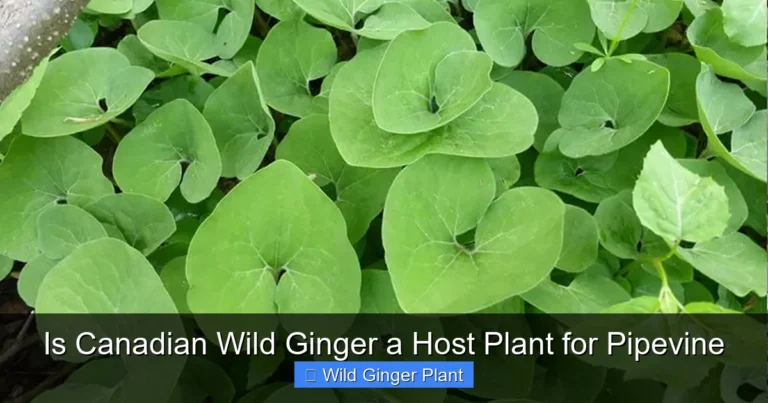
Wild ginger is a larval host for the pipevine swallowtail butterfly (Battus philenor) in parts of its range. The caterpillars feed on the leaves. The damage is usually minor and temporary. Supporting this striking butterfly is a major ecological win.
Various moth species also use Asarum as a host. The leaves feed the caterpillars that become food for nesting birds. A garden with insect herbivory is a functioning garden.
Soil Health and Microclimate
The dense leaf cover moderates soil temperature and moisture. This benefits soil organisms: earthworms, beneficial fungi, bacteria, and countless microarthropods. The decaying leaves feed the soil food web. Over time, wild ginger improves soil structure and fertility in its immediate area.
Deer Resistance
In areas with high deer pressure, wild ginger is a reliable choice. The leaves contain aromatic compounds that deer find unpalatable. While no plant is truly deer-proof, wild ginger is rarely browsed. This makes it invaluable for shaded gardens where deer have eliminated many other options.
Common Questions About Buying and Growing Wild Ginger
Is Wild Ginger Related to Culinary Ginger?
No. Culinary ginger (Zingiber officinale) is a tropical plant in the Zingiberaceae family. Wild ginger (Asarum species) is in the Aristolochiaceae family. They are not related. The common name comes from the ginger-like aroma of the crushed rhizomes. Indigenous peoples and early settlers used wild ginger rhizomes as a flavoring and medicine, but they are chemically distinct.
Can I Eat Wild Ginger from My Garden?
This requires caution. Wild ginger contains aristolochic acid, which is nephrotoxic and carcinogenic. Traditional preparation methods involved long boiling or drying, which may reduce but not eliminate the risk. Modern herbalists generally advise against internal use. Enjoy the plant for its beauty and ecological value. Use store-bought culinary ginger for cooking.
How Fast Does Wild Ginger Spread?
Slowly. A single plant may expand to a foot-wide clump in three to five years. Colonies spread at a rate of a few inches per year. It is not a plant for instant coverage. Plan accordingly. If you need quick coverage, plant more densely or interplant with faster-spreading species like foamflower (Tiarella) while the wild ginger establishes.
Will Wild Ginger Grow Under Pine Trees?
It can, but with caveats. Pine needles create acidic conditions, which wild ginger tolerates. The challenge is moisture. Dense conifer canopies deflect rain, creating “dry shade.” The soil under pines is often full of competitive tree roots. If you can provide supplemental water and the shade is not too deep, it can work. Deciduous shade is far better.
Why Are My Wild Ginger Leaves Turning Yellow?
Yellowing usually indicates one of three things: too much sun, too little water, or nutrient deficiency (often nitrogen or iron in alkaline soil). Check the site conditions first. If the plant gets hot afternoon sun, move it or provide shade. If the soil is dry, water deeply. If the soil is alkaline, amend with sulfur or peat moss and mulch with acidic materials like pine fines.
Can I Grow Wild Ginger from Seed?
Yes, but it requires patience. Seeds need cold stratification (a period of cold, moist conditions) to germinate. Sow fresh seeds in pots outdoors in fall, or mix with moist sand and refrigerate for 60 to 90 days before sowing in spring. Germination can be erratic. Seedlings take three to four years to reach planting size. Division is much faster for the home gardener.
Conclusion
Finding wild ginger plants for sale near me is the first step toward transforming a difficult shady area into a thriving, ecologically valuable garden space. This unassuming native perennial offers so much: lush texture, weed suppression, erosion control, pollinator support, deer resistance, and a connection to the natural heritage of your region.
Take the time to source your plants from a reputable local nursery or native plant sale. Choose the species native to your area. Prepare the soil thoughtfully. Water diligently the first year. Then step back and let wild ginger do what it has done for millennia: carpet the forest floor with quiet, enduring beauty.
Your patience will be rewarded with a plant community that asks for little and gives back abundantly. The heart-shaped leaves will unfurl each spring, a reliable promise that you have made a good choice for your garden and for the small creatures that call it home. Happy planting.
Frequently Asked Questions
What is the difference between wild ginger and culinary ginger?
Wild ginger (Asarum) and culinary ginger (Zingiber officinale) are unrelated plants from different families. They share a similar root aroma but have different chemistry. Culinary ginger is tropical; wild ginger is a temperate woodland native.
Can wild ginger grow in dry shade?
Established plants tolerate moderate dry spells but prefer consistent moisture. In very dry shade under dense trees, they will struggle. Supplemental water and deep organic mulch help significantly.
How do I propagate wild ginger from my existing plants?
Divide the rhizomes in early spring or fall. Cut sections with at least two to three growing points and healthy roots. Replant immediately at the same depth and water well.
Are wild ginger flowers showy?
The flowers are unusual but not showy in a traditional sense. They are jug-shaped, purplish-brown, and hidden beneath the leaves at ground level. They are fascinating up close but not visible from a distance.
Will wild ginger choke out other plants?
It forms a dense mat that suppresses weeds, but it coexists well with other shade perennials like ferns, trilliums, and Solomon’s seal. It does not smother established companion plants.
Is wild ginger safe for pets?
Wild ginger contains aristolochic acid, which is toxic to kidneys. While pets rarely eat it, it is best to prevent dogs or cats from chewing the roots or leaves. The foliage is not highly palatable to most animals.