Asian Wild Ginger Plant
The asian wild ginger plant is a low‑growing, shade‑loving perennial prized for its aromatic rhizomes and heart‑shaped leaves. It thrives in moist, well‑drained soil and adds a tropical feel to woodland gardens. Easy to care for, it offers culinary and medicinal uses.
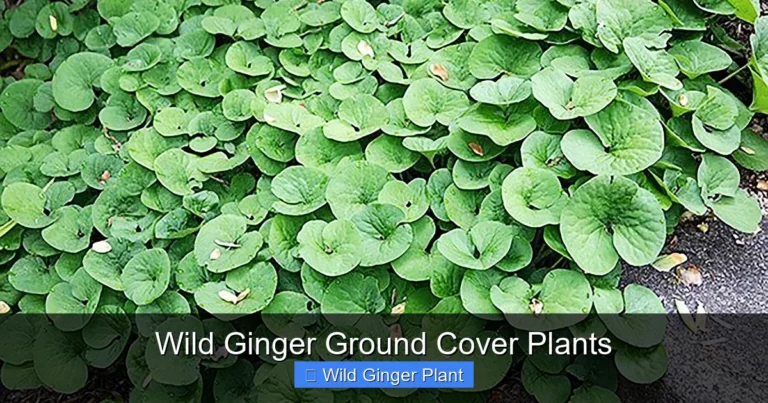
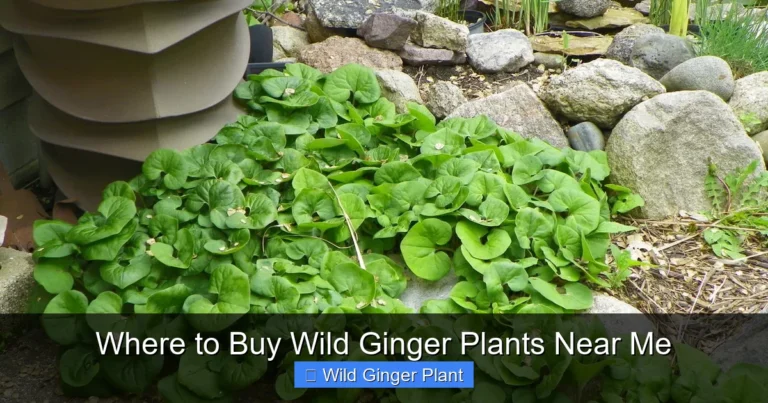
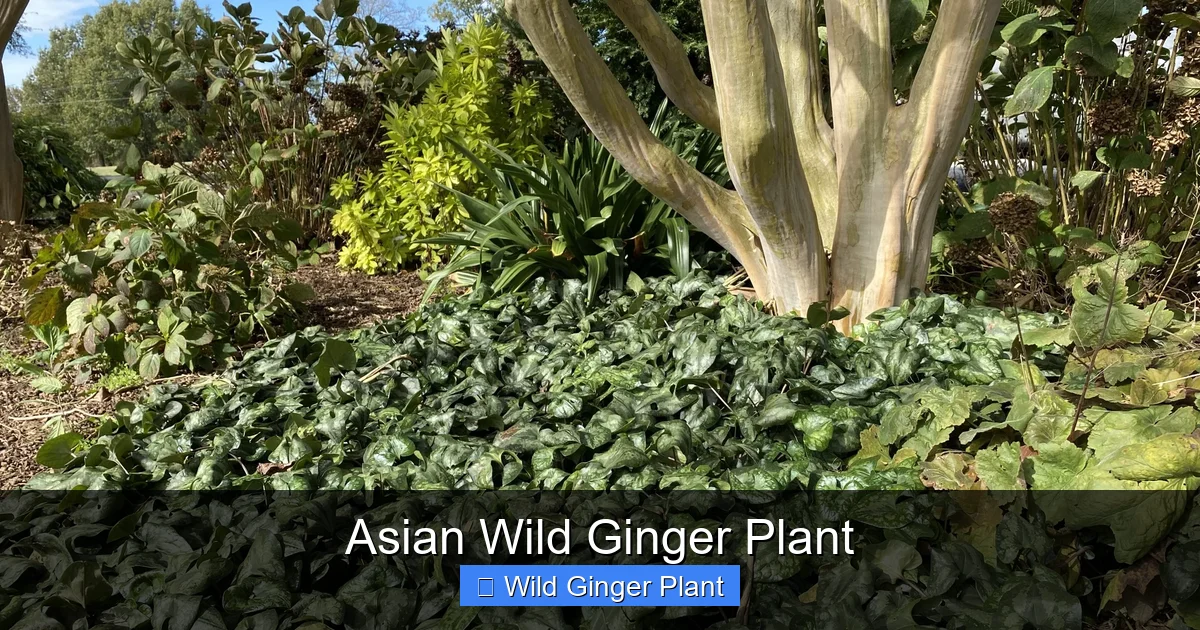
The asian wild ginger plant is a charming ground cover for shady gardens. It forms a low carpet of glossy, heart shaped leaves. The rhizomes emit a sweet, spicy fragrance when brushed. Gardeners value its tidy habit and year round interest. This plant thrives where many other herbs struggle. It adds texture and a subtle aroma to woodland paths. The asian wild ginger plant is also suitable for container growing on a shaded patio. Its modest height makes it perfect for edging or filler.
The asian wild ginger plant belongs to the Asarum genus and is known botanically as Asarum splendens. It is native to the forest floors of China, Japan, and Korea. In its natural habitat it grows under deciduous trees where light filters gently. The plant spreads slowly by underground rhizomes, forming dense colonies over time. Because it prefers constant moisture, it often appears near streams or damp ravines. The asian wild ginger plant is prized for both ornamental and practical uses.
The asian wild ginger plant offers a unique combination of beauty and utility. Its leaves stay green through winter in mild climates, providing year round ground cover. The rhizomes can be harvested in early spring for culinary experiments. Traditional herbalists have used the rhizome for digestive support and mild pain relief. Modern gardeners appreciate its low maintenance nature and resistance to most pests. The asian wild ginger plant also works well in mixed shade borders alongside ferns and hostas. This guide will walk you through every step from planting to harvest.
Key Takeaways
- Shade lover: The asian wild ginger plant prefers dappled light and deep shade.
- Moist soil: Keep the soil consistently damp but not soggy.
- Rhizome harvest: Dig rhizomes in early spring for best flavor.
- Low maintenance: Few pests bother this plant once established.
- Versatile uses: Use the rhizomes in teas, stir‑fries, and herbal remedies.
- Container friendly: It grows well in pots with good drainage.
Quick Answers to Common Questions
What is the asian wild ginger plant?
The asian wild ginger plant is a shade‑loving perennial with heart‑shaped leaves and aromatic rhizomes used for culinary and medicinal purposes.
How do you plant the asian wild ginger plant?
Plant rhizome pieces horizontally just below the soil surface with buds facing up, spacing them about fifteen centimeters apart in moist, humus‑rich soil.
When should you harvest the asian wild ginger plant?
Harvest rhizomes in early spring before new shoots emerge for the best flavor and potency.
Can the asian wild ginger plant grow in containers?
Yes, the asian wild ginger plant thrives in pots with good drainage, a rich potting mix, and consistent moisture in a shaded location.
Is the asian wild ginger plant invasive?
The asian wild ginger plant spreads slowly by rhizomes and is easy to control with regular division, so it is not considered invasive.
📑 Table of Contents
What Is the Asian Wild Ginger Plant?
Botanical Background
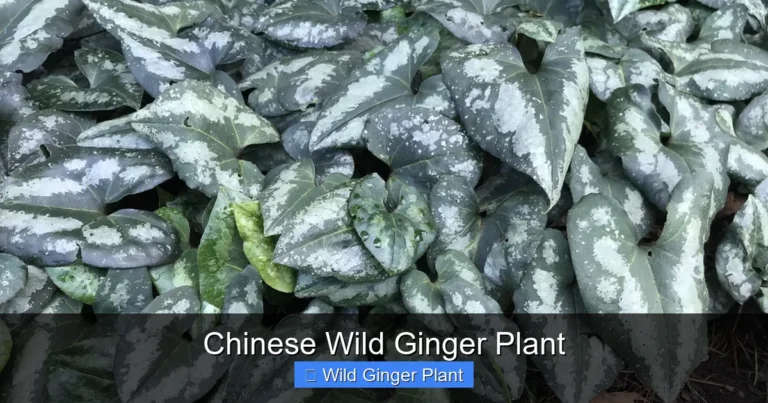
The asian wild ginger plant is a herbaceous perennial that belongs to the birthwort family, Aristolochiaceae. It produces kidney shaped leaves that emerge from a central crown. Each leaf measures about five to ten centimeters across and has a glossy surface. The flowers are small, bell shaped, and hide beneath the foliage. They appear in early spring and are usually a deep maroon color. The asian wild ginger plant relies on flies for pollination because the blooms sit close to the ground. This hidden flowering habit protects the delicate petals from rain.
The asian wild ginger plant stores energy in thick, fleshy rhizomes that spread horizontally just below the soil surface. These rhizomes are the source of the plant’s distinctive aroma and flavor. When crushed they release a warm, ginger like scent with hints of citrus. The rhizome flesh is pale yellow and slightly fibrous. In the wild the plant forms extensive mats that can cover several square meters. The asian wild ginger plant is long lived, often persisting for decades in a favorable site. Its slow spread makes it easy to manage in a garden setting.
Native Range
The asian wild ginger plant originates from the temperate forests of East Asia. Its natural range extends from the Russian Far East through northeastern China to the Korean Peninsula and Japan. In these regions it grows at elevations up to 1500 meters. The plant prefers humid, cool valleys where fog lingers in the morning. It is commonly found on mossy slopes and along shaded stream banks. The asian wild ginger plant thrives in soils rich in organic matter and leaf litter. This native habitat informs its garden preferences.
The asian wild ginger plant has been cultivated in Japanese gardens for centuries. It appears in traditional tea gardens where its subtle fragrance enhances the meditative atmosphere. In Korea the rhizome is used in a popular fermented condiment called jangajji. Chinese herbal texts record its use for treating colds and stomach upset. The plant’s cultural significance has helped preserve wild populations in some protected reserves. The asian wild ginger plant is now grown worldwide by shade garden enthusiasts. Its adaptability makes it a favorite in temperate and subtropical zones alike.
Ideal Growing Conditions
Light Requirements
The asian wild ginger plant thrives in deep shade to dappled light. Direct sun scorches the delicate leaves and reduces rhizome vigor. A site under a canopy of deciduous trees provides the perfect balance of light and moisture. If you lack natural shade, a shade cloth with 70 percent coverage works well. The asian wild ginger plant also tolerates morning sun if the soil stays consistently moist. Avoid afternoon sun in hot climates because it can cause leaf burn. Observe the plant’s leaf color; pale green indicates too much light.
The asian wild ginger plant can adapt to a range of light levels if moisture is ample. In cooler northern gardens it may handle a few hours of gentle morning sun. In warmer southern zones it prefers full shade throughout the day. A simple test is to place a hand on the soil at midday; if it feels hot, the site is too bright. The asian wild ginger plant’s leaf orientation will shift toward the light source when it needs more. Rotating containers seasonally helps maintain even growth. Consistent light conditions produce the most aromatic rhizomes.
Soil Preferences
The asian wild ginger plant prefers a rich, humus heavy soil that stays moist but drains well. A mixture of leaf mold, compost, and coarse sand creates an ideal medium. The pH should be slightly acidic to neutral, around 5.5 to 7.0. Heavy clay soils can be amended with organic matter to improve aeration. The asian wild ginger plant’s rhizomes rot quickly in waterlogged conditions. Raised beds or mounded planting areas help excess water escape. Mulching with shredded bark maintains moisture and adds nutrients over time.
The asian wild ginger plant benefits from a yearly top dressing of compost in early spring. This replenishes organic matter lost to decomposition and keeps the soil loose. Avoid synthetic fertilizers high in nitrogen because they promote leafy growth at the expense of rhizome development. A slow release organic fertilizer with balanced N‑P‑K works well if applied sparingly. The asian wild ginger plant also appreciates a thin layer of leaf litter left on the surface over winter. This natural mulch mimics its forest floor habitat. Regular soil testing helps you adjust pH and nutrient levels as needed.
Planting and Propagation Methods
Starting from Rhizomes
The asian wild ginger plant is most easily started from fresh rhizome sections. Choose pieces that are at least three centimeters long and have visible buds. Plant them horizontally just below the soil surface with the buds facing upward. Space each piece about fifteen centimeters apart to allow room for spread. Water thoroughly after planting and keep the soil evenly moist. The asian wild ginger plant will send up new shoots within two to three weeks in warm weather. Mulch lightly to conserve moisture and suppress weeds.
The asian wild ginger plant can also be started in pots before transplanting to the garden. Use a shallow container filled with the same humus rich mix described earlier. Place rhizome pieces on the surface and cover lightly with soil. Keep the pot in a shaded cold frame or a cool indoor spot until shoots appear. The asian wild ginger plant tolerates transplant shock well if the root ball stays intact. Harden off seedlings by exposing them to outdoor conditions gradually over a week. This method gives you a head start in short growing seasons.
Division Technique
The asian wild ginger plant spreads by rhizomes, making division a simple propagation method. In early spring or late autumn dig up a mature clump with a garden fork. Gently separate the rhizome mass into smaller sections, each with at least one growing bud. Replant the divisions immediately at the same depth they were growing. Water the new divisions well and mulch to retain moisture. The asian wild ginger plant establishes quickly from divisions and often flowers the following spring. Division also rejuvenates older plants that have become woody in the center.
The asian wild ginger plant can be divided every three to four years to maintain vigor. Choose a cool, overcast day to reduce stress on the roots. Use a sharp spade to cut through the rhizome network cleanly. Discard any sections that appear dried, mushy, or diseased. The asian wild ginger plant’s healthy divisions will show firm, pale tissue and active buds. Plant the divisions in prepared beds enriched with compost. Keep the soil consistently moist until new growth emerges, usually within two weeks.
Ongoing Care and Maintenance
Mulching Practices
The asian wild ginger plant benefits greatly from a permanent mulch layer. Apply a five centimeter thick blanket of shredded leaves or bark each autumn. This mulch conserves soil moisture during dry spells and insulates rhizomes from winter freeze. It also suppresses weed seedlings that compete for nutrients. The asian wild ginger plant’s shallow roots appreciate the cool, stable environment mulch creates. Refresh the mulch annually to maintain its depth and effectiveness. Avoid piling mulch directly against the crown to prevent rot.
The asian wild ginger plant also responds well to living mulch such as low growing ground covers. Plants like creeping thyme or sweet woodruff can share the same shade niche. They help keep the soil surface cool and reduce evaporation. The asian wild ginger plant’s rhizomes can intertwine with these companions without harm. Choose companions that have similar moisture needs to avoid competition. A mixed mulch of organic matter and living plants creates a resilient microclimate. This approach reduces the need for supplemental watering in summer.
Fertilizing Schedule
The asian wild ginger plant requires only modest feeding to produce aromatic rhizomes. Apply a balanced organic fertilizer in early spring as new shoots emerge. A formulation with equal parts nitrogen, phosphorus, and potassium works well. Spread the granules evenly around the plant base and water in thoroughly. The asian wild ginger plant’s slow growth means excess nutrients can lead to soft, disease prone foliage. Avoid high nitrogen lawn fertilizers which encourage leafy tops at the expense of root development. A light top dressing of compost in midsummer can sustain vigor through the heat.
The asian wild ginger plant benefits from a fall application of leaf mold or well rotted manure. This adds slow release nutrients that feed the rhizomes over winter. Incorporate the amendment gently into the top few centimeters of soil. The asian wild ginger plant’s root zone stays active even in cold months, storing energy for spring. Avoid fertilizing after the first hard frost to prevent tender new growth. A simple soil test every two years guides precise nutrient adjustments. Consistent, low key feeding yields the most flavorful harvest.
Harvesting, Uses, and Benefits
Culinary Applications
The asian wild ginger plant provides a unique flavor that bridges ginger and mild pepper. The rhizomes can be sliced thin and added to stir fries for a fragrant kick. They also work well in soups, broths, and marinades where a subtle heat is desired. Fresh rhizome tea is a soothing drink for cold evenings. The asian wild ginger plant’s leaves can be used as a wrap for steamed fish or dumplings. Pickled rhizomes make a tangy condiment that pairs with rice dishes. Experiment with small amounts first because the flavor can be intense.
The asian wild ginger plant can be dried and ground into a powder for spice blends. The powder retains a warm, citrusy note that enhances baked goods and curries. Store dried rhizome pieces in an airtight jar away from light. The asian wild ginger plant’s essential oil can be extracted by steam distillation for flavoring. A few drops of the oil add depth to sauces and dessert glazes. When cooking, add the rhizome near the end of the process to preserve aroma. The asian wild ginger plant’s versatility makes it a prized ingredient in fusion cuisine.
Medicinal Benefits
The asian wild ginger plant has a long history in traditional Asian medicine. The rhizome is used to relieve nausea, indigestion, and mild respiratory congestion. Modern research identifies anti inflammatory compounds such as aristolochic acid derivatives. These compounds may help reduce joint pain and swelling. The asian wild ginger plant also exhibits antimicrobial activity against certain bacteria. Herbalists often prepare a decoction by simmering sliced rhizome in water for fifteen minutes. The resulting tea is taken two to three times daily for digestive comfort.
The asian wild ginger plant should be used with caution because some constituents can be toxic in large doses. Pregnant women and individuals with kidney issues should avoid internal use. Topical applications such as poultices for bruises are generally safe when prepared correctly. The asian wild ginger plant’s essential oil must be diluted before skin contact. Consult a qualified healthcare practitioner before adding it to a therapeutic regimen. Responsible use ensures you gain benefits without risk. Sustainable harvesting also protects wild populations for future generations.
The asian wild ginger plant is a rewarding addition to any shade garden. Its low maintenance nature, aromatic rhizomes, and ornamental foliage make it a versatile choice. By following the planting, care, and harvesting guidelines outlined here you can enjoy fresh flavor and natural remedies for years. Remember to provide consistent moisture, rich soil, and gentle shade for the best results. The asian wild ginger plant will repay your effort with lush ground cover and a fragrant harvest. Happy gardening and happy cooking with this remarkable herb.
Frequently Asked Questions
What soil does the asian wild ginger plant prefer?
The asian wild ginger plant prefers a rich, humus‑heavy, slightly acidic to neutral soil that stays moist but drains well.
How much light does the asian wild ginger plant need?
It thrives in deep shade to dappled light; direct afternoon sun can scorch the leaves.
How often should I water the asian wild ginger plant?
Keep the soil consistently moist; water when the top inch feels dry, especially during dry spells.
What pests affect the asian wild ginger plant?
Slugs and snails may nibble the foliage; use organic bait, copper tape, or hand‑picking to manage them.
Can I use the asian wild ginger plant rhizomes for tea?
Yes, sliced fresh rhizomes make a soothing, ginger‑like tea that aids digestion and relieves nausea.
How do I divide the asian wild ginger plant?
Dig up mature clumps in early spring, separate rhizome sections with at least one bud, and replant immediately at the same depth.