Wild French Ginger Plants
Wild French ginger plants are aromatic native perennials found in shaded woodlands across North America. These low-growing plants feature heart-shaped leaves and unique jug-shaped flowers that bloom at ground level. While not true ginger, their rhizomes offer a similar spicy fragrance and have traditional culinary and medicinal uses.
If you have ever wandered through a damp, shady woodland in eastern North America, you might have noticed a low carpet of heart-shaped leaves hugging the forest floor. Those leaves belong to a fascinating group of plants commonly called wild French ginger plants. Despite the name, they are not related to the tropical ginger you buy at the grocery store. They belong to the genus Asarum, a group of native perennials with a long history of use by Indigenous peoples and early settlers. Their rhizomes smell strongly of ginger, which is how they earned their common name.
These plants are a delight for shade gardeners and foragers alike. They form dense, weed-suppressing mats that look beautiful year-round. In spring, they produce strange, fleshy flowers that hide beneath the leaf litter. Those flowers are a marvel of evolution, designed to attract specific pollinators like beetles and flies. Whether you want to add a native ground cover to your yard, learn about historical herbal uses, or simply identify a plant you spotted on a hike, this guide covers everything you need to know.
Key Takeaways
- Not true ginger: Wild French ginger belongs to the Asarum genus, not Zingiber, but shares a similar spicy aroma
- Shade-loving native: Thrives in moist, rich woodland soils across eastern and central North America
- Unique flowers: Produces hidden, jug-shaped blooms at ground level pollinated by beetles and flies
- Rhizome uses: Roots have traditional uses as a spice substitute and in herbal remedies
- Easy to cultivate: Makes an excellent ground cover for shaded garden areas with minimal maintenance
- Wildlife value: Provides habitat for beneficial insects and serves as a larval host for pipevine swallowtail butterflies
- Conservation matters: Some species are threatened; always source plants ethically from nurseries, not wild populations
Quick Answers to Common Questions
Is wild French ginger the same as culinary ginger?
No, they are completely different plants. Wild French ginger (Asarum spp.) is a native North American woodland perennial, while culinary ginger (Zingiber officinale) is a tropical Asian plant. They only share a similar spicy aroma.
Can I eat wild French ginger safely?
It contains aristolochic acid, which can damage kidneys and cause cancer with regular or high consumption. Small, occasional use as a flavoring is generally considered low risk for healthy adults, but internal medicinal use is not recommended by modern safety guidelines.
Where is the best place to plant wild ginger in my yard?
Choose a shady spot with rich, moist, well-drained soil—under deciduous trees or on the north side of a building is ideal. Avoid full sun and heavy clay or sandy soils without amendment.
How do I propagate wild French ginger?
The easiest method is division. In early spring or fall, dig up a clump, separate the rhizomes ensuring each piece has a growing bud and roots, and replant immediately. Seed propagation is possible but slow, requiring double dormancy.
Why are the flowers so hard to find?
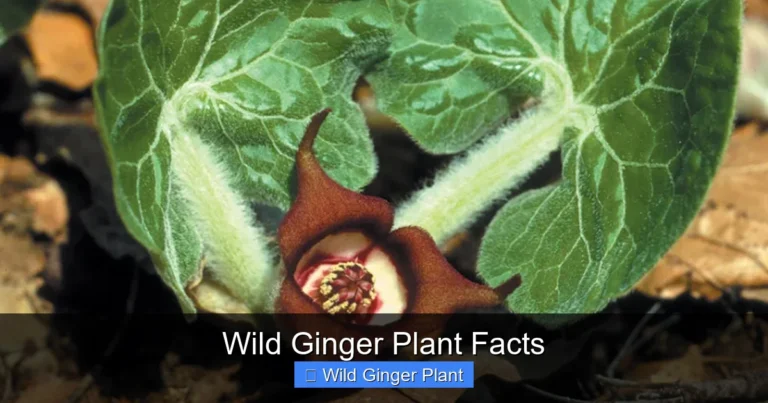
The flowers bloom at ground level beneath the leaf litter in early spring. They are purplish-brown and jug-shaped, camouflaged to mimic fungus for fly and beetle pollination. You usually have to gently move the leaves aside to see them.
📑 Table of Contents
What Are Wild French Ginger Plants
The term wild French ginger plants usually refers to several species in the genus Asarum. The most common species encountered in the wild is Asarum canadense, often called Canadian wild ginger. Another species, Asarum caudatum, goes by the name long-tailed wild ginger and is native to the West Coast. European settlers named these plants “French ginger” or “wild ginger” because the scent and flavor of the root reminded them of true ginger (Zingiber officinale), which was imported from Asia at great cost.
Botanical Classification
These plants belong to the family Aristolochiaceae, the birthwort family. This family also includes pipevines (Aristolochia). They are dicots, meaning they have two seed leaves. They are perennial herbs, which means they live for more than two years and die back to the ground each winter. They do not have woody stems. Instead, they grow from a creeping rhizome that sits just below the soil surface.
Why the Name “French Ginger”
The “French” part of the name is a bit of a historical puzzle. Some historians believe it refers to French colonists in Canada and the Great Lakes region who used the root extensively. They likely introduced the plant and its uses to British colonists. Others suggest “French” was simply a label applied to many New World plants that resembled Old World spices, distinguishing them from the “true” or “East Indian” versions. Regardless of the exact origin, the name stuck. It highlights the plant’s role as a local substitute for an expensive imported spice.
Key Differences from True Ginger
It is crucial to understand that wild French ginger plants and culinary ginger are completely different botanically. True ginger is a tropical monocot related to grasses and lilies. It grows from a knobby, beige rhizome with a thin skin. Wild ginger is a temperate dicot. Its rhizome is thinner, darker, and grows horizontally just under the duff layer. The flavor profile is similar—spicy, warm, and aromatic—but wild ginger contains aristolochic acid, a compound that can be toxic to kidneys in large doses. True ginger does not contain this compound. This distinction is vital for safe use.
Identifying Wild French Ginger in the Wild
Spotting these plants is a rewarding skill for any nature lover. They are not flashy. They do not wave colorful flags in the breeze. Instead, they reward the observant eye. Once you know the gestalt—the overall look and feel—you will start seeing them everywhere in the right habitat.
Leaf Characteristics
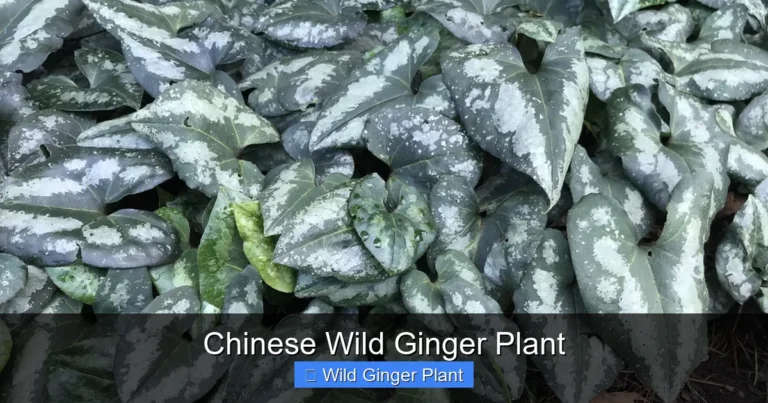
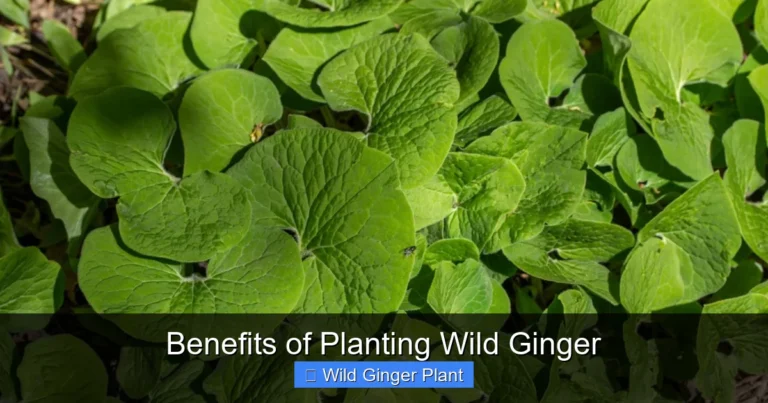
The leaves are the most obvious feature. They are basal, meaning they all arise from the base of the plant. Each leaf sits on a long, hairy petiole (leaf stem). The blade is kidney-shaped to heart-shaped (cordate). It typically measures three to six inches wide. The texture is soft and slightly fuzzy, especially when young. The color is a deep, matte green. The veins are prominent and palmate, radiating from the base like fingers on a hand. In the fall, the leaves often turn a lovely soft yellow before dying back.
The Hidden Flowers
This is the most unique feature. The flowers bloom in early to mid-spring, usually April to May depending on latitude. They are solitary, sitting on very short stalks right at ground level. They are often completely hidden by leaf litter and the plant’s own leaves. You have to gently pull back the leaves to find them. The flower has no petals. Instead, it has a calyx (sepals) fused into a jug-shaped or bell-shaped tube. The color is usually a purplish-brown, maroon, or greenish-brown—perfect camouflage against the soil. The three lobes of the calyx flare out or, in the case of long-tailed wild ginger, taper into long, graceful tails.
Rhizome and Root Structure
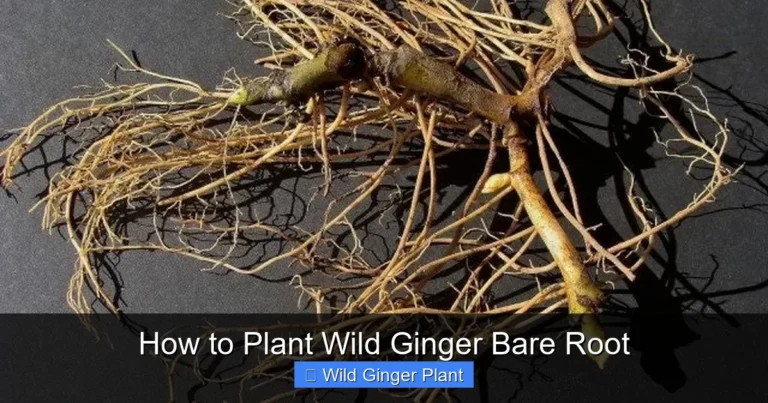
If you carefully brush away the soil (and replace it afterward), you will find the rhizome. It is a slender, branching stem, about a quarter to half an inch thick. It grows horizontally. It is covered in fine, hair-like roots. The surface is brown and slightly rough. When scratched or broken, it releases that unmistakable, sharp ginger scent. This scent is your best confirmation tool. Crush a leaf stem or a tiny piece of root. If it smells strongly of ginger, you have found it.
Growth Habit and Colony Formation
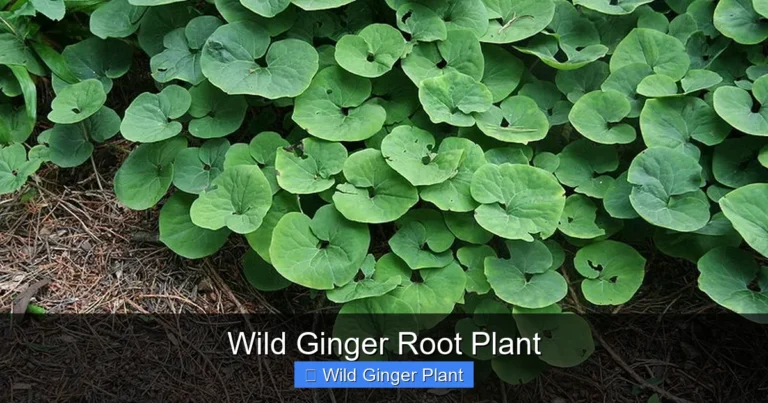
Wild French ginger plants spread vegetatively. The rhizomes creep outward, sending up new leaf clusters every few inches. Over years, a single plant forms a dense, circular colony. These colonies can be several feet across. They act like a living mulch. The dense leaves shade out almost all competing weeds. This makes them easy to spot in spring before other understory plants leaf out. Look for solid patches of heart-shaped leaves in the woods.
Natural Habitat and Range
Understanding where these plants grow helps you find them and helps you grow them successfully. They are creatures of the mesic forest. “Mesic” means moderately moist. They do not like standing water, but they hate drying out.
Preferred Soil Conditions
They thrive in rich, loamy soils. Think of the black gold found in old-growth forests. High organic matter is key. The soil should be well-drained but moisture-retentive. A thick layer of leaf mold or humus on top is ideal. The pH preference is slightly acidic to neutral (5.5 to 7.0). They are often found on slopes where drainage is good but moisture seeps down. They are rarely found in heavy clay or pure sand unless heavily amended by centuries of leaf fall.
Light Requirements
Deep shade to dappled shade is the rule. They grow under a closed canopy of deciduous trees. Maples, beeches, oaks, and basswoods are typical overstory companions. They get plenty of light in early spring before the trees leaf out. This is when they do most of their photosynthesis and flowering. Once the canopy closes, they are in deep shade for the rest of the summer. They cannot tolerate full afternoon sun. It scorches the leaves and dries the rhizomes.
Geographic Distribution
Asarum canadense ranges widely across eastern North America. It extends from Manitoba and Quebec south to Georgia and Alabama, and west to the Dakotas, Kansas, and Oklahoma. It is absent from the coastal plain of the deep South. Asarum caudatum occupies the West Coast, from British Columbia down through Washington, Oregon, and into Northern California. There are several other Asarum species in the Appalachians and the West, some with very limited ranges. Always check a range map for your specific area.
Associated Plant Communities
They are classic members of the rich mesic forest understory. Common neighbors include bloodroot (Sanguinaria canadensis), trilliums (Trillium spp.), blue cohosh (Caulophyllum thalictroides), maidenhair fern (Adiantum pedatum), and wild leeks or ramps (Allium tricoccum). If you see these indicator species, the habitat is likely right for wild ginger. They also grow well with spring ephemerals that finish their life cycle before the ginger’s leaves get too large.
Cultivating Wild French Ginger in Your Garden
This is where the fun begins for gardeners. Wild French ginger plants are one of the best native ground covers for shade. They are tough, beautiful, and ecologically valuable. Once established, they ask for very little.
Site Selection
Pick a spot that mimics their wild home. The north or east side of a building is perfect. Under mature deciduous trees is ideal. Avoid the south or west side of structures where reflected heat and intense sun will bake them. Avoid areas where heavy foot traffic will compact the soil. They need loose, aerated soil for their shallow rhizomes. If you have a rain garden edge or a low spot that stays moist but not soggy, that works well too.
Soil Preparation
This is the most important step. Do not just dig a hole in clay or sand. Amend the planting area generously. Work in two to four inches of compost, leaf mold, or well-rotted manure. Aim for a planting bed that is at least eight to twelve inches deep. If your soil is terrible, consider building a raised bed or a mound of good soil. The rhizomes need to run horizontally in that rich organic layer. A soil test is a good idea. Adjust pH if needed, but usually, compost brings it into the sweet spot naturally.
Planting Techniques
You can buy potted plants from native plant nurseries. Spring or fall planting is best. Space plants twelve to eighteen inches apart. They will fill in within two to three years. Plant them at the same depth they were in the pot. The rhizome should be just barely covered or sitting right at the soil surface with the roots tucked in. Water them in well. Mulch heavily with shredded leaves or pine straw. Do not use heavy bark mulch; it can smother the shallow rhizomes. Leaf mulch mimics the forest floor perfectly.
Watering and Maintenance
Water regularly during the first growing season. Keep the soil consistently moist, like a wrung-out sponge. Once established, they are surprisingly drought-tolerant for a woodland plant, but they will go dormant early if it gets too dry. In a garden setting, water during dry spells to keep them looking lush. Maintenance is near zero. No fertilizing is needed if you top-dress with an inch of compost or leaf mold each fall. No pruning. Just remove any tree leaves that mat down heavily in winter, though a light layer is fine.
Propagation Methods
Division is the easiest way to get more plants. In early spring, just as the tips emerge, or in early fall, dig up a clump. Tease apart the rhizomes. Each piece with a growing point (a bud or emerging leaf) and some roots will make a new plant. Replant immediately. You can also grow from seed, but it requires patience. The seeds have a double dormancy. They need a warm period followed by a cold period. Sow fresh seeds in pots outdoors in summer. They may not germinate until the second spring. Ants disperse the seeds in nature (myrmecochory), attracted by a fleshy appendage called an elaiosome.
Companion Planting Ideas
Create a woodland tapestry. Pair them with other shade lovers that play nice. Ferns are classic companions. Christmas fern, lady fern, and maidenhair fern all work. Spring ephemerals like Virginia bluebells (Mertensia virginica), trout lily (Erythronium americanum), and Dutchman’s breeches (Dicentra cucullaria) bloom and fade before the ginger gets too tall. Later bloomers like foamflower (Tiarella cordifolia), wild geranium (Geranium maculatum), and Solomon’s seal (Polygonatum biflorum) rise above the ginger carpet. Avoid aggressive spreaders like English ivy, periwinkle, or goutweed. They will choke out the ginger.
Traditional and Modern Uses
The history of wild French ginger plants is deeply intertwined with human history on this continent. It is a story of food, medicine, and survival.
Indigenous Uses
Many Indigenous nations across the plant’s range used wild ginger extensively. The Cherokee, Iroquois, Ojibwe, Menominee, and many others valued it. It was used as a seasoning for meats and fish. It was added to stews and vegetable dishes. Medicinally, it was a workhorse. Root teas were used for colds, coughs, fevers, and sore throats. It was used to induce sweating (diaphoretic). It treated digestive upset, gas, and cramps. Poultices of the fresh leaves or mashed root were applied to wounds, boils, and skin irritations. It was also used as a contraceptive and for menstrual issues by some groups. The knowledge was deep and specific.
Early Settler Adoption
European settlers learned quickly. True ginger was a luxury import. Wild ginger was free and abundant. They used it fresh, dried, and candied. They made a syrup by boiling the root with sugar. This syrup was used on pancakes and in beverages. They also adopted the medicinal uses. It became a standard home remedy in frontier pharmacopeias. The “French” in the name likely reflects the heavy use by French-Canadian voyageurs and settlers in the Great Lakes and Mississippi Valley regions, who relied on it during long winters when supplies ran low.
Culinary Applications Today
Modern foragers and chefs are rediscovering it. The rhizome can be used much like true ginger, but with caveat: use it sparingly. The flavor is more intense, earthier, and slightly bitter. It is fantastic in marinades for game meats. It adds depth to broths and stocks. You can candy the rhizomes by simmering in sugar syrup and rolling in sugar. The young, tender leaves can be chopped and added to salads for a gingery kick. A simple tea made from a small piece of fresh root is warming and soothing. Always peel the rhizome. The skin can be bitter and gritty.
Medicinal Properties and Research
Modern analysis confirms the presence of essential oils (like asarone), resins, tannins, and aristolochic acid. The essential oil provides the antimicrobial, anti-inflammatory, and carminative (gas-relieving) effects. However, aristolochic acid is a known nephrotoxin and carcinogen. It damages kidney DNA. This is not theoretical. Cases of kidney failure and urinary tract cancers have been linked to herbal products containing Aristolochiaceae. The concentration in Asarum canadense is generally lower than in Aristolochia species, but it is present. Internal use is not recommended by modern herbal safety guidelines. Topical use on unbroken skin is considered lower risk but caution is advised. Pregnant and breastfeeding women should avoid it entirely.
Safety and Toxicity Considerations
This cannot be overstated. Do not treat wild ginger like true ginger in quantity. A nibble on a hike or a cup of tea once in a while is likely low risk for a healthy adult. Regular consumption, large doses, or use by vulnerable people is dangerous. The FDA has issued warnings on products containing aristolochic acid. If you have kidney issues, avoid it. If you are on medication, check for interactions. The leaves can cause contact dermatitis in sensitive individuals. Wear gloves when handling large amounts. Always positively identify the plant. Some look-alikes, like young wild geranium or violets, lack the ginger scent.
Ecological Importance and Conservation
These plants are not just pretty faces. They are ecological linchpins in the forest understory.
Pollination Ecology
The flowers are a masterpiece of deception. They smell like fungus or decaying matter. They are dark colored. They sit on the ground. This mimics the breeding sites of small flies, gnats, and beetles (especially rove beetles and carrion beetles). The insects crawl inside the flower tube. The inner surface is waxy and slippery. They fall down into the base. The stigmas are receptive first. The insects deposit pollen from another flower. Then the anthers mature and dust the trapped insects with fresh pollen. The flower eventually tilts or withers, letting the insects escape. It is a “trap flower” mechanism. No nectar reward is offered. It is pure trickery.
Seed Dispersal by Ants
This is myrmecochory. The seeds have a fleshy, lipid-rich appendage called an elaiosome. Ants carry the seeds back to their nests. They feed the elaiosome to their larvae. They discard the intact seed in their midden (trash pile) or a tunnel. This is a perfect planting site: aerated, nutrient-rich, protected from predators and fire. The ants get food. The plant gets dispersal and planting. It is a mutualism. Without ants, wild ginger spreads very slowly, only by rhizome creep.
Wildlife Value
The dense mats provide cover for salamanders, frogs, and small mammals. The leaves are a larval host for the pipevine swallowtail butterfly (Battus philenor). The caterpillars eat the leaves and sequester the aristolochic acid, making themselves toxic to birds. Deer generally avoid eating it due to the strong oils and texture, making it a good choice for deer-prone gardens. However, slugs and snails may nibble the leaves in wet springs.
Conservation Status and Threats
Globally, Asarum canadense is secure (G5). However, at the edges of its range, it can be rare. In Maine, it is listed as Special Concern. In some states, other Asarum species are Threatened or Endangered. The biggest threats are habitat loss (development, logging), invasive species (garlic mustard, earthworms), and over-harvesting. Earthworms are a surprising threat. Non-native earthworms consume the duff layer. Wild ginger needs that duff layer. Without it, the rhizomes dry out and die. Never dig plants from the wild. Buy from reputable native nurseries that propagate their own stock.
Ethical Foraging Guidelines
If you must harvest from a large, healthy population on private land with permission: take less than 5% of the colony. Only harvest rhizome pieces from the expanding edge. Leave the center intact. Replant a piece of rhizome with a bud in the hole. Do not harvest in spring when energy is going to flowers and seeds. Fall is better, after the leaves yellow. But honestly? Just grow your own. It is easy, ethical, and you get a bigger, cleaner harvest from a tended patch.
Common Problems and Solutions
Even easy plants have issues. Here is how to troubleshoot.
Leaf Scorch and Sun Damage
Brown, crispy edges on leaves in summer. This is sunburn or drought stress. The plant is in too much light or the soil dried out. Solution: transplant to deeper shade in fall. Increase mulch. Water deeply during dry spells. If you cannot move it, erect a shade cloth for the hottest months.
Slug and Snail Damage
Irregular holes in leaves, slime trails. Common in wet springs. Solution: beer traps, diatomaceous earth, copper tape around beds, or hand-picking at night. Encourage predators like toads and ground beetles. A healthy ecosystem balances this out over time.
Fungal Leaf Spots
Small brown or black spots with yellow halos. Usually cosmetic. Caused by poor air circulation and wet leaves. Solution: thin surrounding plants to improve airflow. Water at the base, not overhead. Remove badly affected leaves. It rarely kills the plant.
Failure to Spread
Plants sit there, year after year, same size. Usually soil issues. Too compact, too dry, too poor, or wrong pH. Solution: top-dress heavily with compost and leaf mold. Water consistently. Check for root competition from aggressive tree roots (like maples). You may need to create a defined bed with a root barrier.
Winter Heaving
In freeze-thaw cycles, the shallow rhizomes get pushed out of the ground. They dry out and die. Solution: heavy winter mulch (shredded leaves, pine boughs) applied after the ground freezes. This keeps the ground frozen steadily. Do not apply mulch too early, or rodents will nest in it and eat the rhizomes.
Conclusion
Wild French ginger plants are a true gem of the North American flora. They connect us to the deep history of this land—its first peoples, its early settlers, and its intricate ecological webs. They offer a lush, carefree carpet for the shade garden where little else thrives. They feed butterflies and fool beetles. They smell amazing. But they demand respect. The presence of aristolochic acid means they are not a free-for-all substitute for grocery store ginger. They are a plant to admire, to cultivate, to study, and to use with great caution and moderation.
If you have a shady spot, plant a patch. Watch it spread. Lift a leaf in April to find the weird little jug flower. Smell the root. Share a piece with a neighbor. In doing so, you become part of the long chain of people who have valued this unassuming forest dweller. You help secure its place in the landscape. And you get one of the toughest, most beautiful ground covers nature has to offer. Happy planting.
Frequently Asked Questions
What is the scientific name for wild French ginger?
The most common species is Asarum canadense, known as Canadian wild ginger. On the West Coast, Asarum caudatum (long-tailed wild ginger) is prevalent. Both belong to the birthwort family, Aristolochiaceae.
Does wild ginger spread aggressively?
It spreads steadily via rhizomes to form a dense colony, but it is not considered invasive. It expands at a moderate pace of several inches per year and is easily contained by edging or pathways. It makes a well-behaved ground cover.
When is the best time to harvest the rhizomes?
Fall is the optimal time, after the leaves have yellowed and the plant has stored energy in the roots. Harvest sparingly from the outer edges of a colony, leaving the center intact to regenerate.
Are wild French ginger plants deer resistant?
Yes, they are highly deer resistant. The strong essential oils and coarse leaf texture make them unpalatable to deer and rabbits, making them an excellent choice for shade gardens in areas with high browsing pressure.
Can wild ginger grow in deep shade?
Absolutely. It thrives in deep shade under a closed canopy. It performs best with dappled spring sunlight before trees leaf out, followed by full summer shade. It will not tolerate more than a few hours of direct morning sun.
Is wild ginger endangered?
Asarum canadense is globally secure, but some related Asarum species are rare or threatened in specific states. Habitat loss, invasive earthworms, and over-collection are threats. Always purchase nursery-propagated plants rather than digging from the wild.