Wild Ginger Asarum Canadense Plant
The wild ginger Asarum canadense plant is a stunning native perennial that thrives in shady woodland gardens across eastern North America. Its velvety heart-shaped leaves create a lush green carpet while unusual jug-shaped flowers hide beneath the foliage. This low-maintenance groundcover spreads slowly by rhizomes, making it perfect for naturalized areas and erosion control.
Key Takeaways
- Native Range: The wild ginger Asarum canadense plant grows naturally across eastern North America from Canada to the southern Appalachians.
- Shade Specialist: This plant thrives in full to partial shade, making it ideal for woodland gardens and north-facing beds.
- Unique Flowers: Maroon-brown jug-shaped blooms appear in spring but hide beneath the foliage at ground level.
- Slow Spreader: The plant expands gradually through underground rhizomes, forming dense colonies over several years.
- Wildlife Value: Ants disperse the seeds while small flies and beetles pollinate the hidden flowers.
- Historical Uses: Indigenous peoples and early settlers used the aromatic rhizomes as a spice substitute and for medicinal purposes.
- Deer Resistant: The pungent foliage deters browsing deer and rabbits in most garden settings.
Quick Answers to Common Questions
Is wild ginger Asarum canadense plant related to culinary ginger?
No, the wild ginger Asarum canadense plant belongs to a completely different plant family (Aristolochiaceae) than culinary ginger (Zingiberaceae). They share only a similar aromatic compound in their roots.
Can I eat wild ginger Asarum canadense plant roots?
While historically used as a ginger substitute, modern research identifies aristolochic acids in the rhizomes that are kidney-toxic and carcinogenic. Internal consumption is not recommended.
How fast does wild ginger Asarum canadense plant spread?
The wild ginger Asarum canadense plant spreads slowly, typically a few inches per year via shallow rhizomes. It forms dense colonies over several years but rarely becomes aggressive.
What conditions does wild ginger Asarum canadense plant need?
The wild ginger Asarum canadense plant requires full to partial shade, consistently moist but well-drained soil rich in organic matter, and a slightly acidic to neutral pH.
Are the flowers of wild ginger Asarum canadense plant showy?
The flowers are unusual rather than showy. They are maroon-brown, jug-shaped, and hide at ground level beneath the foliage. You must lift the leaves to see them.
📑 Table of Contents
- Meet the Wild Ginger Asarum Canadense Plant
- Botanical Profile and Identification
- Native Range and Natural Habitat
- Cultivation and Garden Care
- Ecological Importance and Wildlife Value
- Historical Uses and Modern Cautions
- Garden Design and Landscape Uses
- Common Challenges and Solutions
- Conservation and Ethical Sourcing
- Seasonal Care Calendar
- Conclusion
Meet the Wild Ginger Asarum Canadense Plant
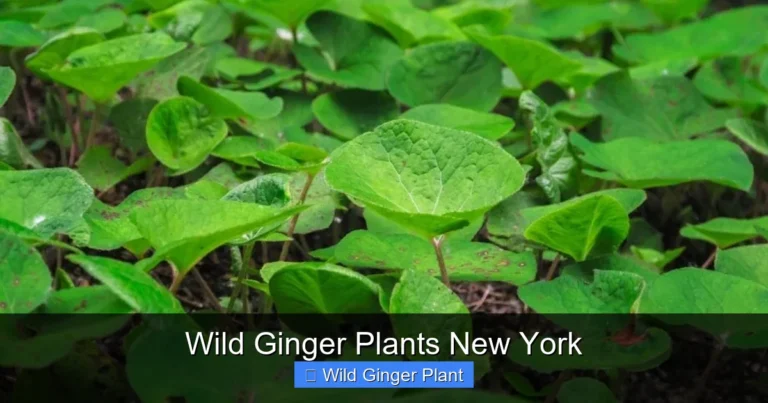
Have you ever walked through a spring woodland and noticed a low carpet of heart-shaped leaves hugging the forest floor? Chances are you spotted the wild ginger Asarum canadense plant without even realizing it. This unassuming native perennial plays a starring role in eastern forest ecosystems, yet many gardeners overlook it in favor of showier imports.
I first discovered this plant during a native plant walk in Vermont. Our guide knelt down, brushed aside the velvety leaves, and revealed a strange little flower nestled at soil level. It looked like a tiny burgundy jug or an alien spacecraft landed among the roots. That moment changed how I view shade gardens forever. The wild ginger Asarum canadense plant isn’t flashy, but it brings quiet magic to difficult shady spots where little else thrives.
Let me walk you through everything you need to know about this remarkable native. From identification and growing conditions to historical uses and garden design ideas, you will discover why this plant deserves a place in your landscape.
Botanical Profile and Identification
Scientific Classification and Names
The wild ginger Asarum canadense plant belongs to the birthwort family, Aristolochiaceae. Despite its common name, it shares no relation to culinary ginger (Zingiber officinale). The genus name Asarum comes from ancient Greek, possibly referring to the plant’s use in herbal remedies. The species epithet canadense simply means “of Canada,” though its range extends well into the United States.
You might hear it called by several common names: Canada wild ginger, Canadian snakeroot, or simply wild ginger. Some older texts refer to it as colic root or heartleaf. These names hint at both its appearance and historical uses.
Physical Characteristics
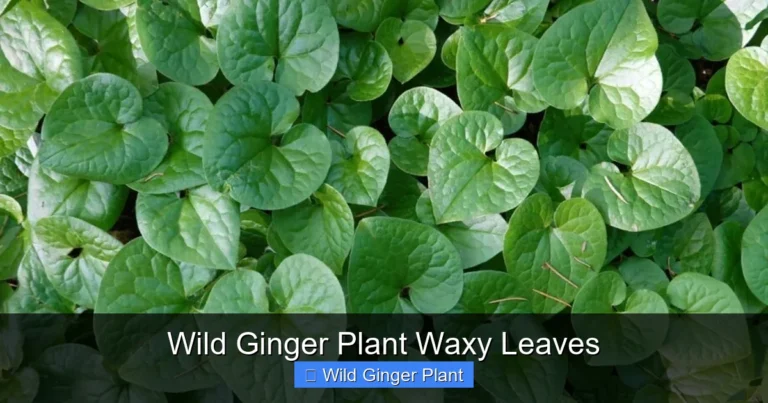
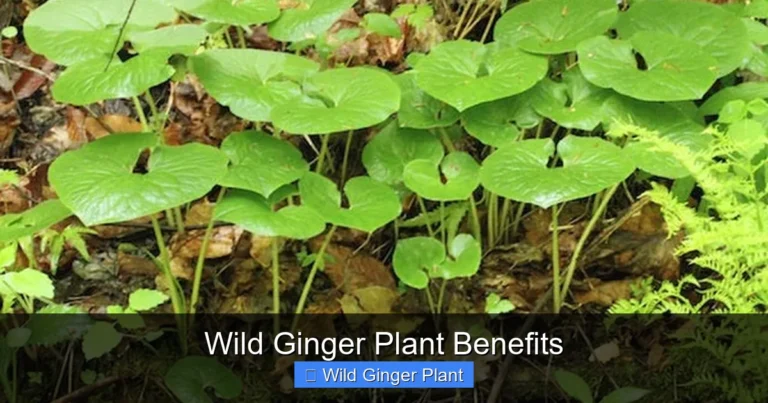
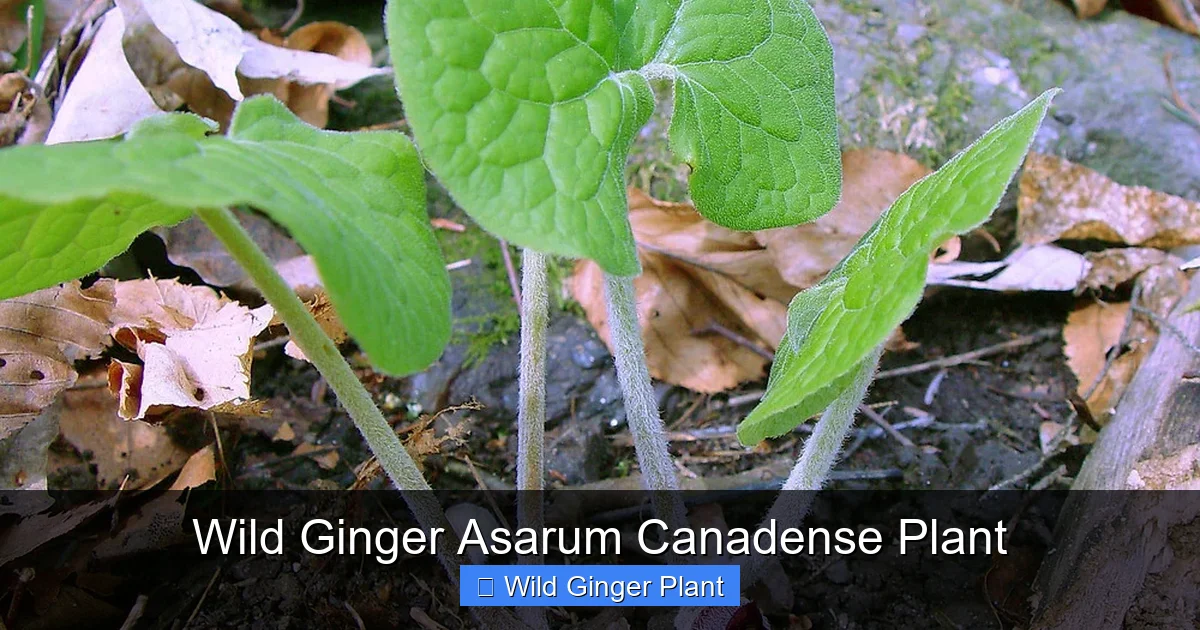
The wild ginger Asarum canadense plant grows as a low herbaceous perennial, typically reaching six to twelve inches in height. Each plant produces a pair of large, kidney-shaped to heart-shaped leaves that emerge on long petioles from the rhizome. The leaves measure three to six inches wide and feature a soft, velvety texture with fine hairs on both surfaces. Their deep green color provides excellent contrast in shaded gardens.
The flowers deserve special attention. They appear in early to mid-spring, usually April through May depending on your location. Each bloom sits solitary at ground level, hidden beneath the leaf litter and foliage. The flower lacks true petals. Instead, three fused sepals form a bell-shaped or jug-shaped structure about three-quarters to one inch long. The exterior displays a rich maroon-brown to purplish color, while the interior reveals a lighter, often mottled pattern. The flower emits a faint, somewhat fungal scent that attracts its specialized pollinators.
After pollination, the flower develops into a fleshy capsule containing numerous seeds. Each seed bears an elaiosome, a nutrient-rich appendage that attracts ants for dispersal.
Root System and Growth Habit
The wild ginger Asarum canadense plant spreads through shallow, branching rhizomes that creep just below the soil surface. These rhizomes are thick, aromatic, and segmented, with each segment capable of producing new shoots. The plant forms loose colonies that expand slowly, typically a few inches per year. This measured growth makes it an excellent groundcover that rarely becomes aggressive.
The rhizomes contain volatile oils that give them a distinct ginger-like aroma when crushed. This characteristic led to the common name and historical culinary use. However, modern research has identified compounds that warrant caution, which we will discuss later.
Native Range and Natural Habitat
Geographic Distribution
The wild ginger Asarum canadense plant claims a vast native territory across eastern North America. Its range extends from Manitoba and Quebec in the north, southward through the Great Lakes region, New England, and the Appalachian Mountains into northern Georgia and Alabama. It reaches westward to the eastern edges of the Dakotas, Nebraska, Kansas, and Oklahoma.
Within this broad range, the plant shows remarkable adaptability to local conditions. Northern populations tolerate colder winters and shorter growing seasons. Southern populations handle more heat and humidity. This genetic diversity means you can likely find a locally adapted ecotype for your specific region.
Preferred Growing Conditions
In nature, the wild ginger Asarum canadense plant inhabits rich, moist deciduous forests. You will find it on north-facing slopes, along stream banks, in ravines, and on floodplains where the soil remains consistently damp but well-drained. The canopy above provides dappled to deep shade. The forest floor offers a thick layer of decomposing leaves that creates humus-rich, slightly acidic soil.
Key habitat requirements include:
- Shade: Full to partial shade is essential. Direct afternoon sun scorches the foliage.
- Moisture: Consistent soil moisture without standing water. The plant tolerates brief dry spells once established but performs best with regular moisture.
- Soil: Rich in organic matter, well-drained, slightly acidic to neutral pH (5.5 to 7.0). Heavy clay or sandy soils benefit from generous compost amendment.
- Mulch: A natural leaf litter layer mimics forest conditions and conserves moisture.
Associated Plant Communities
The wild ginger Asarum canadense plant grows alongside characteristic woodland companions. In northern hardwood forests, you might see it with sugar maple, yellow birch, and American beech overhead. The understory often includes maidenhair fern, blue cohosh, bloodroot, trilliums, and jack-in-the-pulpit. In more southern Appalachian coves, it mingles with tulip poplar, basswood, and cucumber tree, alongside foamflower, wild geranium, and Solomon’s seal.
Understanding these natural associations helps you design authentic woodland gardens. Plant the wild ginger Asarum canadense plant with these companions for a cohesive, ecologically functional planting.
Cultivation and Garden Care
Site Selection and Preparation
Choosing the right spot determines success with the wild ginger Asarum canadense plant. Walk your property at different times of day to map shade patterns. The ideal location receives morning light or dappled shade throughout the day. Avoid areas with intense afternoon sun, especially in warmer zones.
Test your soil before planting. The wild ginger Asarum canadense plant prefers slightly acidic conditions. If your soil tests alkaline, incorporate elemental sulfur or pine needle mulch to lower the pH gradually. Work two to three inches of compost or well-rotted leaf mold into the top six inches of soil. This improves drainage in clay and moisture retention in sand while adding the organic matter this plant craves.
Remove existing vegetation, especially aggressive weeds and invasive species like garlic mustard or Japanese stiltgrass. These competitors can overwhelm the slow-spreading wild ginger Asarum canadense plant during establishment.
Planting Techniques
Spring and early fall offer the best planting windows. Spring planting allows roots to establish before summer heat. Fall planting gives a head start for spring growth. Avoid planting during hot, dry summer periods.
Space plants twelve to eighteen inches apart for a groundcover effect. Closer spacing fills in faster but costs more. Dig holes slightly wider than the root ball and at the same depth. The rhizome should sit just below the soil surface, not buried deeply. Backfill with amended soil, firm gently, and water thoroughly.
Apply a two-inch layer of shredded leaf mulch or pine straw after planting. This mimics the natural forest duff layer. Keep mulch pulled back slightly from the crowns to prevent rot.
Watering and Maintenance
The wild ginger Asarum canadense plant demands consistent moisture during its first growing season. Water deeply once or twice weekly during dry spells, providing about an inch of water each time. Once established, the plant tolerates moderate drought but performs best with supplemental water during extended dry periods.
Maintenance needs are minimal. No fertilization is necessary in organically rich soil. If growth seems weak, apply a light top-dressing of compost in early spring. Remove any damaged or diseased leaves as they appear. In late winter, you can gently rake away matted leaf litter to allow new growth to emerge unimpeded, but leave some mulch in place.
The wild ginger Asarum canadense plant rarely suffers from serious pests or diseases. Slugs occasionally nibble young leaves in wet springs. Fungal leaf spots may appear in overly humid, crowded conditions. Good air circulation and proper spacing prevent most issues.
Propagation Methods
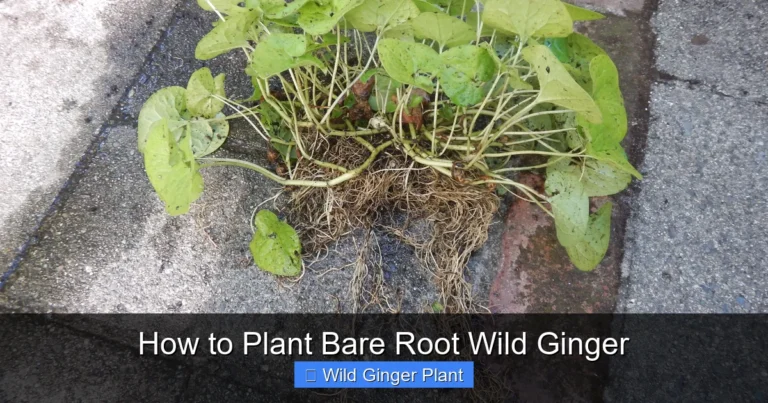
Division provides the easiest and most reliable propagation method for the wild ginger Asarum canadense plant. In early spring before new growth emerges, or in early fall, dig up a mature clump. Use a sharp knife or spade to separate the rhizome into sections, each with at least one growing point and attached roots. Replant divisions immediately at the same depth.
Seed propagation is possible but requires patience. Collect seeds when capsules split open in summer. Sow fresh seeds immediately in a prepared seed bed or flats, as they lose viability quickly in storage. Seeds require a period of cold stratification (winter conditions) to germinate the following spring. Seedlings grow slowly and may take three to four years to reach flowering size.
Rhizome cuttings offer another option. In spring, cut two to three inch sections of healthy rhizome with at least one node. Plant horizontally just below the surface in moist potting mix. Keep shaded and consistently moist until shoots emerge.
Ecological Importance and Wildlife Value
Specialized Pollination
The wild ginger Asarum canadense plant employs a fascinating pollination strategy. The flowers sit at ground level, often partially buried in leaf litter. They emit a faint odor reminiscent of fungi or decaying matter. This scent attracts small flies, gnats, and beetles that typically visit mushrooms and decaying organic material.
These insects crawl into the flower seeking a place to lay eggs or feed. The flower’s interior structure guides them past the receptive stigma and then the anthers, ensuring cross-pollination. The insects do not receive nectar as a reward. Instead, the flower mimics a fungal breeding site. This deception pollination system is relatively rare among flowering plants.
Research suggests the wild ginger Asarum canadense plant may also self-pollinate to some degree, ensuring seed set even when pollinators are scarce. However, cross-pollination produces more vigorous offspring.
Seed Dispersal by Ants
After fertilization, the wild ginger Asarum canadense plant produces seeds with a fleshy appendage called an elaiosome. This structure is rich in lipids and proteins. Ants, particularly species in the genus Aphaenogaster, carry the seeds back to their nests. They consume the elaiosome and discard the intact seed in their midden piles or nest chambers.
This mutualism, known as myrmecochory, benefits both parties. The ants gain nutrition. The seeds gain dispersal away from the parent plant, protection from seed predators, and planting in nutrient-rich ant nest soil. Studies show ant-dispersed seeds have significantly higher germination and survival rates than undispersed seeds.
The wild ginger Asarum canadense plant is a classic example of this dispersal syndrome, which characterizes many spring woodland wildflowers including trilliums, bloodroot, and violets.
Habitat and Erosion Control
The dense, rhizomatous growth of the wild ginger Asarum canadense plant stabilizes soil on slopes and stream banks. The overlapping leaves intercept rainfall, reducing splash erosion. The rhizome network binds soil particles together. In restoration projects, this plant helps rebuild the herbaceous layer in degraded woodlands.
The foliage provides cover for small woodland creatures. Salamanders, toads, and invertebrates shelter beneath the leaves. Ground-nesting birds like ovenbirds may incorporate the leaves into nest construction.
Historical Uses and Modern Cautions
Indigenous Knowledge and Traditional Uses
Many Indigenous nations across the range of the wild ginger Asarum canadense plant recognized its value. The Cherokee, Iroquois, Ojibwe, Menominee, and others used the rhizomes for food, medicine, and ceremonial purposes.
As a food, the rhizomes were dug in autumn, washed, and boiled or roasted. The flavor resembles ginger with earthy, peppery notes. Some groups candied the rhizomes with maple syrup. The leaves were sometimes used to wrap foods for cooking, imparting a subtle aroma.
Medicinally, the wild ginger Asarum canadense plant treated a wide range of conditions. Root teas addressed colds, fevers, coughs, and digestive complaints. Poultices from mashed rhizomes treated wounds, swellings, and skin infections. Some traditions used it as a contraceptive or to induce menstruation, indicating potent physiological effects.
Early European settlers adopted many of these uses. They substituted the rhizomes for tropical ginger in cooking and medicine when imported spices were unavailable or expensive. The plant appeared in early American pharmacopeias and herbals.
Chemical Composition and Safety Concerns
Modern phytochemical analysis reveals why caution is warranted. The wild ginger Asarum canadense plant contains aristolochic acids, a group of compounds found throughout the Aristolochiaceae family. These compounds are nephrotoxic (kidney-damaging) and carcinogenic with long-term or high-dose exposure.
Aristolochic acid nephropathy has been documented in people consuming herbal products containing related species. The International Agency for Research on Cancer classifies aristolochic acids as Group 1 carcinogens. While the wild ginger Asarum canadense plant generally contains lower levels than some tropical Aristolochia species, the risk remains real.
Other compounds include essential oils (asarones, methyleugenol), flavonoids, and tannins. These contribute to the plant’s antimicrobial, anti-inflammatory, and aromatic properties but do not negate the aristolochic acid concern.
Current Recommendations
Given the safety data, most herbalists and medical professionals advise against internal use of the wild ginger Asarum canadense plant. External applications (poultices, washes) for short durations on intact skin pose lower risk but should still be approached cautiously.
If you wish to experience the flavor, consider using the leaves sparingly as an aromatic wrapper for cooking, discarding them before eating. The rhizomes should not be consumed regularly or in quantity. Pregnant women, people with kidney disease, and those taking certain medications should avoid the plant entirely.
Enjoy the wild ginger Asarum canadense plant for its beauty, ecological value, and historical interest. Leave the medicinal experimentation to researchers with proper safety protocols.
Garden Design and Landscape Uses
Woodland and Shade Gardens
The wild ginger Asarum canadense plant shines in woodland garden designs. Plant it in drifts beneath deciduous trees where it receives spring sun before leaf-out and summer shade after. Combine it with other native spring ephemerals like Virginia bluebells, trout lily, and Dutchman’s breeches. As the ephemerals go dormant, the wild ginger Asarum canadense plant maintains a green carpet through summer.
Pair it with ferns for textural contrast. Maidenhair fern, Christmas fern, and lady fern all share similar cultural requirements. The bold heart-shaped leaves of wild ginger complement the delicate fronds beautifully.
Consider planting the wild ginger Asarum canadense plant along woodland paths where you can appreciate the hidden flowers up close. A stepping stone path through a colony invites exploration and discovery.
Groundcover and Erosion Control
On shaded slopes, the wild ginger Asarum canadense plant excels as a living mulch. Once established, it suppresses weeds and holds soil. Plant it in a grid pattern twelve inches apart for faster coverage. Mulch heavily between plants until they knit together.
It works well under mature trees where grass struggles. The shallow rhizomes compete minimally with tree roots. Avoid planting directly against tree trunks; leave a buffer zone to prevent moisture buildup against bark.
Rain Gardens and Moist Areas
The wild ginger Asarum canadense plant tolerates periodic inundation, making it suitable for rain garden edges and low spots that collect runoff. Ensure the site drains within twenty-four hours. Constant standing water leads to crown rot.
In rain gardens, combine it with other moisture-tolerant shade plants like cardinal flower, great blue lobelia, and swamp milkweed (in sunnier edges).
Container Culture
You can grow the wild ginger Asarum canadense plant in containers for shaded patios and entryways. Choose a wide, shallow pot at least twelve inches across. Use a high-quality potting mix amended with compost and fine bark for drainage. Keep consistently moist and fertilize lightly with organic fertilizer in spring.
Containers allow you to observe the curious flowers at eye level. Bring pots to a prominent spot during bloom season, then return them to a shady nook for summer.
Companion Planting Ideas
Create a succession of interest with these companions for the wild ginger Asarum canadense plant:
- Early spring: Bloodroot, hepatica, spring beauty
- Mid-spring: Trilliums, jack-in-the-pulpit, wild geranium
- Late spring: Foamflower, Solomon’s seal, false Solomon’s seal
- Summer: Ferns, hostas (non-native but compatible), woodland phlox
- Fall: White wood aster, zigzag goldenrod, blue-stemmed goldenrod
This palette ensures continuous foliage presence and seasonal flowers while supporting diverse pollinators.
Common Challenges and Solutions
Slow Establishment
Gardeners often worry when the wild ginger Asarum canadense plant seems to sit sulking after planting. Remember: this plant invests heavily in root development before top growth. The first year may show minimal spread. By year three, you will see noticeable expansion. Patience pays off.
To speed establishment, ensure optimal soil preparation, consistent moisture, and a protective mulch layer. Avoid disturbing the rhizomes once planted.
Leaf Scorch and Sun Damage
Crispy brown leaf edges indicate too much sun or insufficient moisture. The wild ginger Asarum canadense plant cannot tolerate direct afternoon sun, especially in zones 7 and warmer. If your site receives unexpected sun due to tree loss or seasonal angle changes, provide temporary shade cloth or relocate the plants in early fall.
Increase watering during heat waves. A soaker hose on a timer delivers consistent moisture without wetting foliage.
Weed Competition
Aggressive weeds like garlic mustard, Japanese stiltgrass, and creeping Charlie can smother young wild ginger Asarum canadense plant colonies. Hand-pull weeds regularly, especially in spring before they set seed. Avoid herbicides near desirable plants. A thick mulch layer suppresses many weed seeds.
If invasive plants have already established, consider sheet mulching with cardboard and wood chips for a season before planting wild ginger.
Deer and Rabbit Browsing
The aromatic foliage of the wild ginger Asarum canadense plant generally deters deer and rabbits. However, hungry animals in harsh winters may sample it. If browsing occurs, apply repellent sprays or install temporary fencing until plants mature. Established colonies recover quickly from light browsing.
Conservation and Ethical Sourcing
Wild Population Status
The wild ginger Asarum canadense plant remains common throughout most of its range. However, habitat loss from development, logging, and invasive species threatens local populations. Over-collection for the nursery trade has depleted some accessible sites.
Several states list it as a species of special concern or monitor its status. Always check local regulations before collecting from the wild.
Responsible Nursery Practices
Purchase the wild ginger Asarum canadense plant only from reputable nurseries that propagate their own stock or source from ethical wild harvesters. Ask about propagation methods. Nursery-propagated plants establish better and protect wild populations.
Avoid “dug from the wild” plants unless they come from permitted salvage operations (e.g., construction sites slated for development). Even then, nursery-grown plants are preferable.
Seed Collection Ethics
If you collect seeds from your own plants or with landowner permission, follow the “one in twenty” rule: collect from no more than five percent of seed heads in a population. Leave the rest for natural dispersal and population maintenance. Never collect from small or isolated populations.
Seasonal Care Calendar
Spring (March – May)
Watch for emerging leaves as soil warms. Remove heavy leaf mats that might smother new growth. Apply a light compost top-dressing if desired. Enjoy the hidden flowers; gently lift leaves to peek. Water during dry spells. Divide established clumps if needed.
Summer (June – August)
Maintain consistent moisture. Monitor for slug damage on young leaves. Remove any diseased foliage. Enjoy the lush green carpet. Weed regularly. In containers, check moisture daily during heat waves.
Fall (September – November)
Ideal planting and division window. Apply fresh leaf mulch after leaves drop. Collect seeds if desired. Water new plantings until ground freezes. Mark plant locations if they might be disturbed by winter activities.
Winter (December – February)
The wild ginger Asarum canadense plant is fully dormant. No care needed. The rhizomes survive frozen ground easily in their native range. In containers, protect from freeze-thaw cycles by moving to an unheated garage or burying pots in mulch.
Conclusion
The wild ginger Asarum canadense plant offers so much more than meets the eye. This humble native groundcover brings ecological integrity, historical depth, and quiet beauty to shaded gardens. Its heart-shaped leaves create a living tapestry that suppresses weeds, stabilizes soil, and supports a web of woodland life from ants to salamanders.
Growing the wild ginger Asarum canadense plant connects you to the natural heritage of eastern North America. You participate in a relationship between plant, pollinator, and disperser that has evolved over millennia. You honor the Indigenous knowledge that recognized this plant’s value long before European arrival.
Whether you tuck a few plants beneath a maple tree, carpet a shaded slope, or feature a container on a north-facing porch, the wild ginger Asarum canadense plant rewards patience with enduring presence. It asks for little: shade, moisture, rich soil, and time. In return, it gives a garden that feels rooted, authentic, and alive.
Next spring, kneel down and lift those velvety leaves. Find the little jug-shaped flowers hiding at ground level. In that moment, you will understand why this plant has captivated woodland walkers for generations. The wild ginger Asarum canadense plant doesn’t shout for attention. It simply persists, spreads, and enriches the world around it, one heart-shaped leaf at a time.
Frequently Asked Questions
Is wild ginger Asarum canadense plant deer resistant?
Yes, the wild ginger Asarum canadense plant is generally deer resistant due to its pungent, aromatic foliage. However, very hungry deer may browse it in harsh winters. Established colonies recover quickly from light browsing.
Can wild ginger Asarum canadense plant grow in full sun?
No, the wild ginger Asarum canadense plant cannot tolerate full sun, especially afternoon sun. It requires full to partial shade. Direct sun causes leaf scorch and decline. Plant it under deciduous trees or on north-facing slopes.
How do I propagate wild ginger Asarum canadense plant?
The easiest method is division in early spring or fall. Dig up a mature clump and separate the rhizome into sections with at least one growing point each. Replant immediately. Seed propagation is possible but slow, requiring cold stratification and three to four years to flowering size.
What are good companion plants for wild ginger Asarum canadense plant?
Excellent companions include native ferns (maidenhair, Christmas fern), spring ephemerals (trilliums, bloodroot, Virginia bluebells), foamflower, Solomon’s seal, wild geranium, and woodland asters. All share similar shade and moisture requirements.
Does wild ginger Asarum canadense plant have any pest problems?
The wild ginger Asarum canadense plant has few serious pests. Slugs may damage young leaves in wet springs. Fungal leaf spots can occur in overly humid, crowded conditions. Good air circulation and proper spacing prevent most issues.
Where can I buy wild ginger Asarum canadense plant?
Purchase from reputable native plant nurseries that propagate their own stock. Many state native plant societies hold sales. Avoid wild-dug plants unless from permitted salvage operations. Online native plant nurseries often ship bare-root or potted plants in spring and fall.