Wild Ginger Plants Near Me
Wild ginger is a low‑growing woodland herb prized for its heart‑shaped leaves and spicy rhizome. You can locate wild ginger plants near me by searching moist, shaded forests in early spring. This guide covers identification, ethical harvest, and garden cultivation tips.
Key Takeaways
- Habitat Preference: Wild ginger thrives in moist, shady woods with rich soil.
- Leaf Shape: Look for heart‑shaped, glossy leaves that grow in pairs.
- Sustainable Harvest: Take only a small portion of rhizomes and leave the rest to regrow.
- Garden Friendly: It adapts well to shaded garden beds with consistent moisture.
- Culinary Uses: The rhizome adds a warm, peppery flavor to teas and sauces.
- Legal Check: Verify local regulations before foraging wild ginger plants near me.
Quick Answers to Common Questions
What does wild ginger look like?
Wild ginger has heart‑shaped, glossy leaves that grow in pairs and a hidden maroon flower at ground level.
When is the best time to find wild ginger?
Early spring, before the canopy fully leafs out, is the optimal window to spot the fresh foliage.
Can I eat the rhizome raw?
The rhizome is edible but has a strong, peppery taste; most people prefer it cooked or steeped as tea.
Is wild ginger protected by law?
Protection varies by state and province; always verify local regulations before harvesting.
How do I grow wild ginger at home?
Plant rhizome divisions in a moist, shaded bed with rich organic soil and mulch with leaf litter.
📑 Table of Contents
What Is Wild Ginger
Basic Description
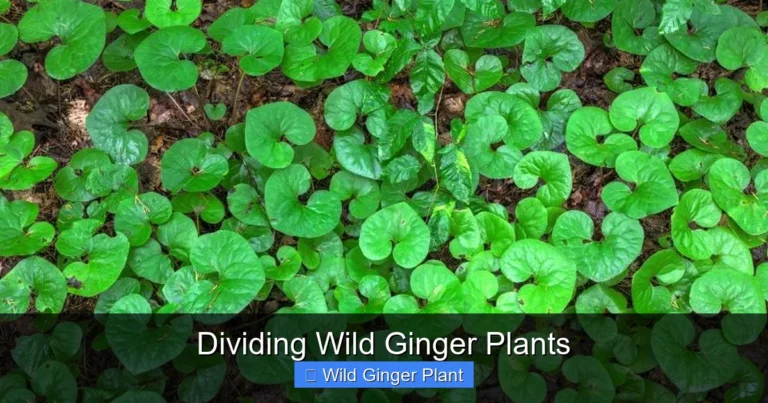
Wild ginger is a small perennial herb that hugs the forest floor. It produces a pair of broad, heart‑shaped leaves each spring. The flowers are hidden beneath the foliage and are pollinated by beetles. The rhizome smells like culinary ginger but is milder. Many people search for wild ginger plants near me because the plant is both beautiful and useful.
Scientific Name
The most common species in North America is Asarum canadense. In Europe the species Asarum europaeum is found. Both share similar leaf shape and rhizome aroma. Knowing the scientific name helps you confirm you have the right plant when you look for wild ginger plants near me.
Growth Habit
Wild ginger spreads slowly by underground rhizomes. It forms dense mats over time. The plant prefers deep shade and constant moisture. It rarely grows in full sun. If you want to find wild ginger plants near me, check north‑facing slopes and stream banks.
Where to Find Wild Ginger Plants Near Me
Typical Habitats
Moist deciduous forests are the prime habitat. Look under maple, oak, and beech canopies. The soil should be rich in organic matter. Leaf litter provides the humidity wild ginger loves. When you search for wild ginger plants near me, focus on areas with thick leaf cover.
Seasonal Timing
Early spring is the best time to spot the emerging leaves. The foliage appears before the trees fully leaf out. By midsummer the leaves may die back in dry spells. Planning your walk in April or May increases success when you hunt for wild ginger plants near me.
Regional Distribution
In the United States wild ginger ranges from the Northeast to the Midwest and down the Appalachian Mountains. In Canada it appears in southern Ontario and Quebec. European populations occupy similar temperate zones. Local field guides can pinpoint exact counties where wild ginger plants near me are recorded.
How to Identify Wild Ginger
Leaf Characteristics
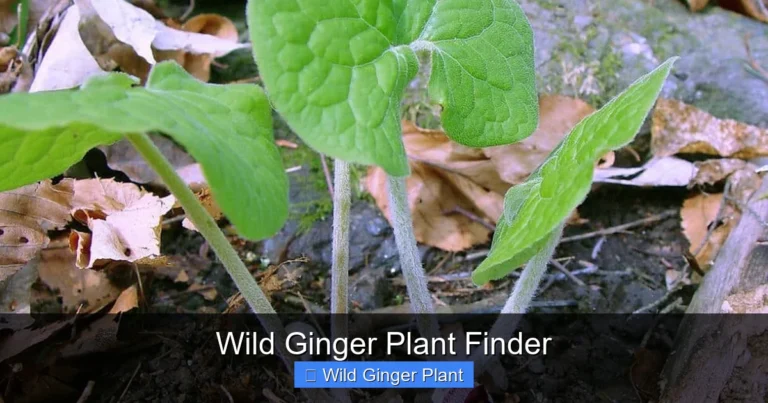
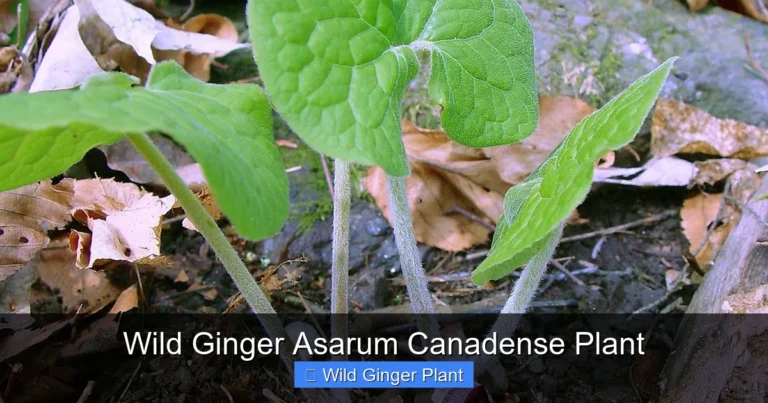
Leaves are kidney‑shaped to heart‑shaped with a smooth margin. They are dark green and slightly glossy. Each stem bears two leaves opposite each other. The leaf veins are palmate, radiating from the base. These traits make identification easy when you examine wild ginger plants near me.
Flower Details
The flower is a solitary, bell‑shaped bloom that sits at ground level. It has three maroon‑brown sepals and no petals. The flower emits a faint carrion scent to attract beetle pollinators. Because the flower hides under leaves, you may miss it unless you lift the foliage while searching for wild ginger plants near me.
Rhizome Features
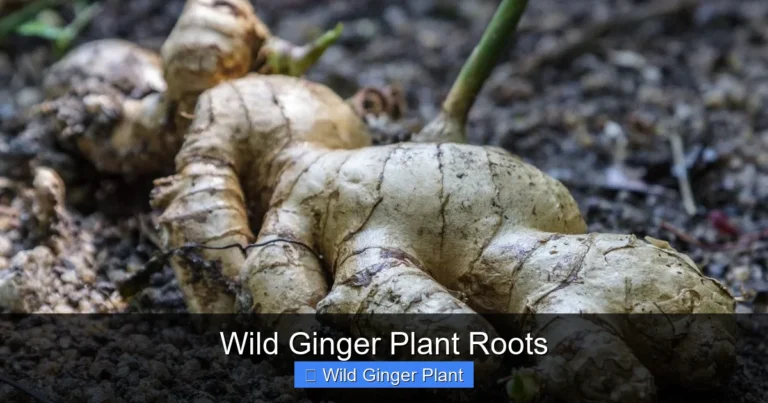
The rhizome is thin, brown, and aromatic. When broken it releases a sweet, spicy fragrance similar to culinary ginger. The rhizome grows horizontally just below the soil surface. Careful digging reveals the rhizome without harming the plant if you only take a small piece from wild ginger plants near me.
Growing Wild Ginger in Your Garden
Site Selection
Choose a shaded spot that receives dappled light at most. A north‑facing bed under trees works well. The soil must stay moist but not waterlogged. Adding compost improves moisture retention for wild ginger plants near me in cultivation.
Planting Steps
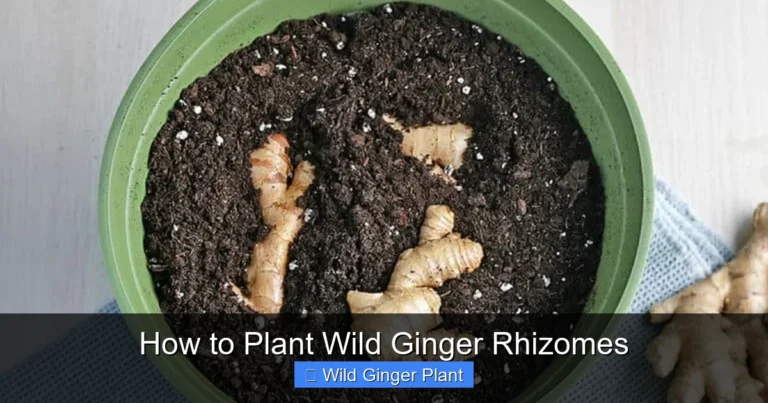
Obtain rhizome divisions from a reputable nursery or a friend’s garden. Plant each piece about two inches deep with the growing tip facing up. Space divisions six to eight inches apart. Water thoroughly after planting. Mulch with shredded leaves to mimic forest floor conditions for wild ginger plants near me.
Ongoing Care
Keep the soil evenly moist throughout the growing season. Remove weeds that compete for nutrients. In autumn, allow leaf litter to remain as natural mulch. The plant is low‑maintenance once established. With proper care your garden will host thriving wild ginger plants near me for years.
Uses and Benefits of Wild Ginger
Culinary Applications
The rhizome can be sliced thin and steeped for a warming tea. It adds a subtle peppery note to broths and sauces. Some chefs candy the rhizome for a unique garnish. Because the flavor is milder than tropical ginger, you can use larger amounts from wild ginger plants near me.
Medicinal Traditions
Indigenous peoples used wild ginger for digestive complaints and colds. Modern herbalists value it as a mild stimulant and anti‑inflammatory. Always consult a healthcare professional before using any wild plant medicinally. Knowledge of traditional uses adds depth when you study wild ginger plants near me.
Ecological Role
Wild ginger provides early season nectar for beetles and flies. Its dense mats protect soil from erosion. The plant also serves as a host for certain butterfly larvae. Preserving populations supports forest biodiversity. When you appreciate wild ginger plants near me, you also value the ecosystem they sustain.
Conservation and Ethical Foraging
Legal Considerations
Many states list wild ginger as a species of concern. Harvest may be restricted on public lands. Always check local regulations before you collect wild ginger plants near me. Permits may be required for scientific or educational purposes.
Sustainable Harvest Practices
Take no more than ten percent of a colony’s rhizomes. Cut cleanly with a sharp knife to avoid tearing. Replant any disturbed soil and cover with leaf litter. This ensures the colony can recover and continue providing wild ginger plants near me for future foragers.
Propagation Over Wild Collection
Growing your own from nursery stock reduces pressure on wild populations. Seed propagation is slow but possible with cold stratification. Division of established garden clumps is faster. By cultivating, you enjoy the plant while protecting wild ginger plants near me in their native habitats.
In summary, wild ginger is a charming woodland herb that rewards careful observation. Whether you hike the forest to locate wild ginger plants near me or nurture a shaded garden bed, the plant offers beauty, flavor, and ecological value. Respect the rules, harvest sparingly, and share your knowledge with fellow nature lovers. Happy foraging and gardening.
Frequently Asked Questions
Where can I buy wild ginger plants for my garden?
Reputable native plant nurseries and online specialty retailers often carry Asarum canadense rhizomes. Check that the source follows sustainable propagation practices.
Does wild ginger spread aggressively?
It spreads slowly by rhizomes and forms modest colonies; it is not considered invasive in its native range.
What soil pH does wild ginger prefer?
Wild ginger thrives in slightly acidic to neutral soils, typically pH 5.5 to 7.0.
Can wild ginger tolerate dry periods?
It prefers consistent moisture; prolonged drought can cause leaf dieback and weaken the colony.
Are there look‑alike plants that are toxic?
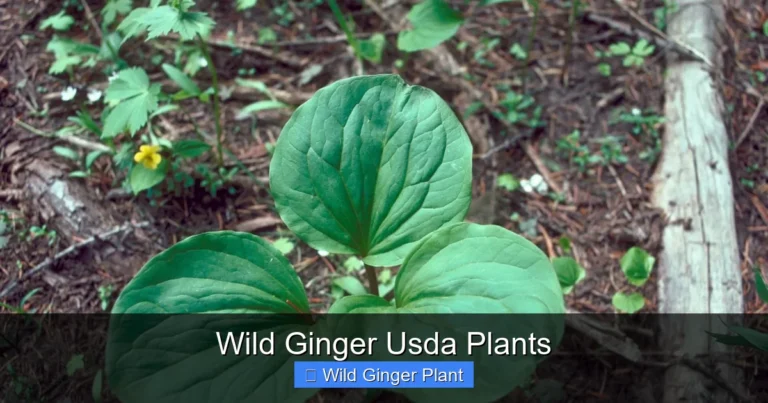
Some Arisaema species have similar leaves but produce a distinct spathe; always confirm identification before consumption.
How long does it take for a new planting to mature?
Rhizome divisions usually establish within one growing season and reach full leaf size by the second year.