Wild Ginger Shampoo Plant
The wild ginger shampoo plant is a natural hair care treasure found in North American forests. Its roots contain gentle saponins that cleanse hair without stripping natural oils. This guide covers everything from identification to DIY recipes for chemical-free hair washing.
Have you ever wished for a shampoo that grows right outside your door? The wild ginger shampoo plant might be exactly what you’re looking for. This remarkable little plant has been used for centuries by indigenous peoples across North America. Today, more people are rediscovering its gentle cleansing power. Let’s explore everything you need to know about this botanical wonder.
Finding natural alternatives to commercial hair products feels empowering. The wild ginger shampoo plant offers a connection to ancient wisdom. It grows quietly in shaded forests, waiting for those who know its secrets. This guide will walk you through identification, harvesting, preparation, and use. You’ll learn to make your own natural shampoo from start to finish.
Key Takeaways
- Natural cleanser: The wild ginger shampoo plant contains natural saponins that create a gentle lather for cleaning hair.
- Easy identification: Look for heart-shaped leaves and distinctive bell-shaped flowers hiding beneath the foliage.
- Sustainable harvest: Only take what you need from abundant patches to protect wild populations.
- Multiple uses: Beyond shampoo, the plant offers benefits for skin care and traditional medicine.
- Simple preparation: Fresh or dried roots can be simmered into a decoction or infused into oils.
- Gentle on scalp: Unlike commercial shampoos, this plant cleanses without harsh sulfates or synthetic chemicals.
- Legal considerations: Check local regulations before foraging, as some areas protect this native species.
Quick Answers to Common Questions
Can I use wild ginger shampoo plant on colored hair?
Yes, the gentle saponins won’t strip hair color like harsh sulfates. It’s actually excellent for preserving dye jobs longer.
How long does homemade wild ginger shampoo last?
Fresh decoction-based shampoo lasts three to five days refrigerated. Add natural preservatives like vitamin E or grapefruit seed extract for slightly longer life.
Does wild ginger shampoo plant help with dandruff?
Many users report improvement. The anti-inflammatory compounds soothe flaky scalps. Adding tea tree essential oil enhances this effect.
Can I find wild ginger shampoo plant in my backyard?
Possibly, if you live in its native range and have shady, moist woods. Check a regional field guide for confirmation before harvesting.
Is wild ginger shampoo plant safe for children?
Generally yes for topical use. Use the cold infusion method for extra gentleness. Avoid essential oils for children under two. Always patch test first.
📑 Table of Contents
- What Is the Wild Ginger Shampoo Plant?
- How to Identify Wild Ginger in the Wild
- Where to Find Wild Ginger Shampoo Plant
- Sustainable Harvesting Practices
- Preparing Wild Ginger for Shampoo Use
- Making Your Own Wild Ginger Shampoo
- Benefits for Different Hair Types
- Beyond Shampoo: Other Uses
- Growing Your Own Wild Ginger Patch
- Troubleshooting Common Issues
- Storing and Preserving Your Harvest
- Safety Considerations and Precautions
- Environmental Impact and Conservation
- Conclusion
What Is the Wild Ginger Shampoo Plant?
The wild ginger shampoo plant belongs to the Asarum genus. Several species exist across North America. The most common include Asarum canadense in the east and Asarum caudatum in the west. Despite the name, it’s not related to culinary ginger. The name comes from the spicy ginger scent of its roots.
Botanical Classification and Relatives
This plant sits in the Aristolochiaceae family. It’s a low-growing perennial herb. The plant spreads through rhizomes underground. Each year it sends up fresh leaves in early spring. The flowers appear close to the ground, often hidden by leaf litter. This unusual flowering strategy attracts small flies and beetles for pollination.
Why It’s Called Shampoo Plant
The roots contain natural surfactants called saponins. These compounds create foam when agitated in water. Saponins lift dirt and oil from hair shafts. They rinse clean without leaving residue. This makes the wild ginger shampoo plant a perfect natural cleanser. The effect is mild compared to commercial detergents.
How to Identify Wild Ginger in the Wild
Proper identification is crucial before harvesting any wild plant. The wild ginger shampoo plant has distinct features. Learning these details prevents confusion with look-alikes. Take time to study the plant through all seasons.
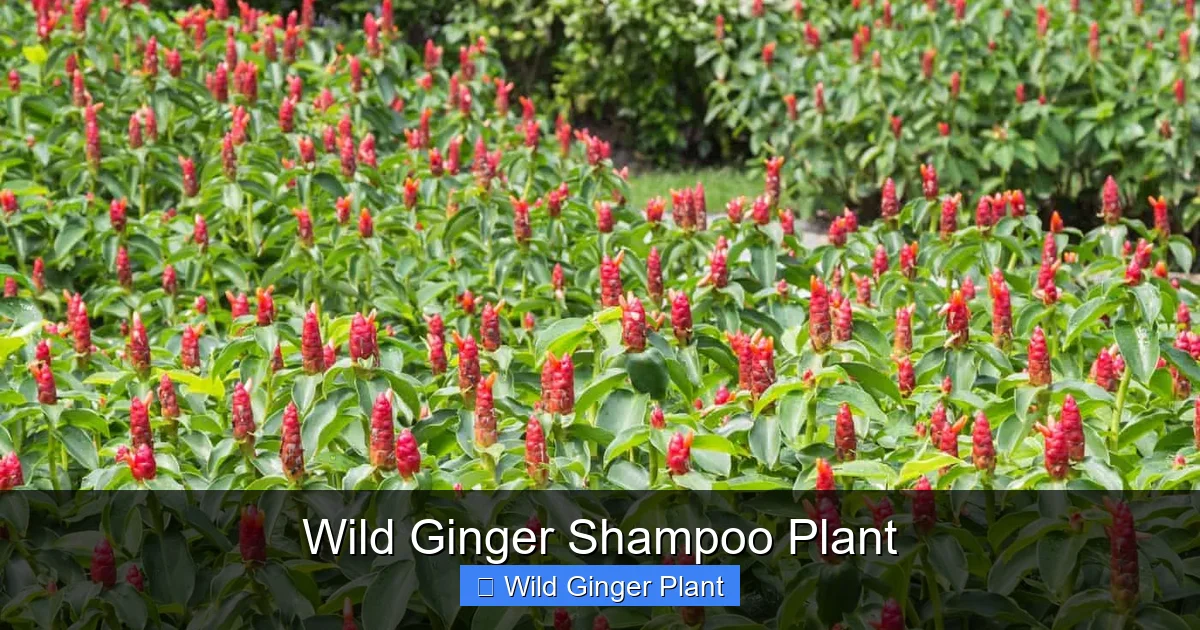
Visual guide about Wild Ginger Shampoo Plant
Image source: homefortheharvest.com
Leaf Characteristics
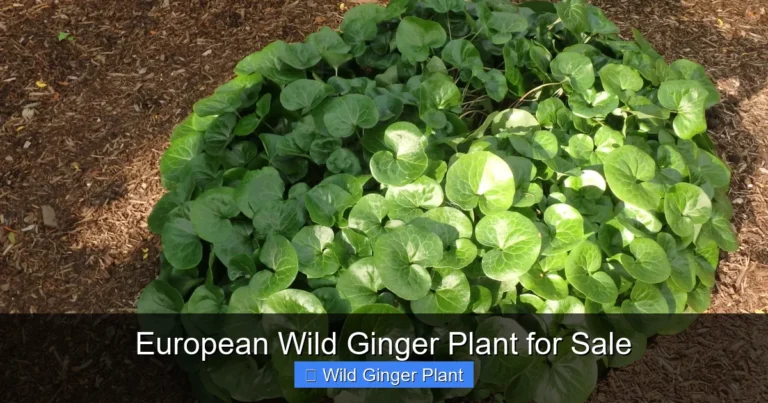
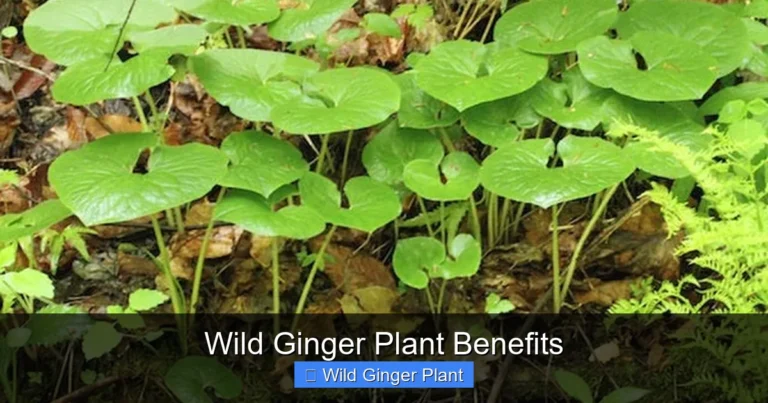
Leaves grow in pairs from the rhizome. Each leaf is heart-shaped or kidney-shaped. The texture feels soft and slightly fuzzy. Leaf color ranges from light to deep green. Veins radiate from the base in a palmate pattern. Mature leaves reach four to six inches wide. They form a dense ground cover in ideal conditions.
Flower Details
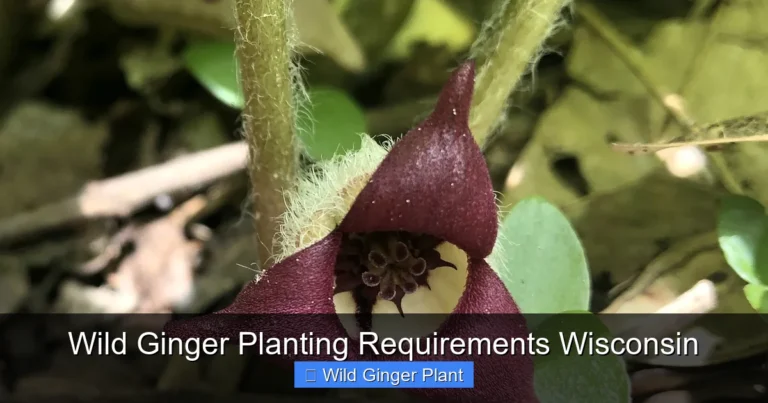
Flowers bloom in early spring, often April through May. They sit at ground level on short stalks. Each flower has three pointed sepals fused at the base. Colors range from brownish-purple to greenish-yellow. The flower shape resembles a small bell or jug. You often need to gently move leaves aside to spot them.
Root and Rhizome Features
The rhizome creeps just below the soil surface. It’s slender, about pencil-thickness. The color is light brown to tan. When scratched or broken, a strong ginger aroma releases. This scent is your best confirmation. Small fibrous roots extend from the main rhizome.
Common Look-Alikes to Avoid
Several plants resemble wild ginger at first glance. Violet leaves look similar but lack the ginger scent. Coltsfoot leaves are larger and appear after flowers fade. Wild geranium has deeply lobed leaves, not heart-shaped. Always verify the ginger aroma before harvesting. When in doubt, leave it be.
Where to Find Wild Ginger Shampoo Plant
Knowing where to look saves time and frustration. The wild ginger shampoo plant prefers specific habitats. Understanding its needs helps you locate healthy populations.
Preferred Growing Conditions
This plant thrives in deciduous forests. It loves rich, moist soil with plenty of organic matter. Deep shade to dappled sunlight works best. You’ll often find it on north-facing slopes. Stream banks and ravines provide ideal moisture. The soil pH tends toward slightly acidic.
Geographic Range
Asarum canadense grows from Manitoba to Nova Scotia. Its range extends south to Georgia and west to Missouri. Asarum caudatum occupies the Pacific Northwest. It ranges from British Columbia to California. Several other species fill in western mountain regions. Local field guides show exact distributions.
Seasonal Timing
Spring offers the easiest identification. Flowers and fresh leaves appear together. Fall works well for root harvesting. The plant stores energy in rhizomes then. Summer heat may cause leaves to die back early. Winter makes location nearly impossible without markers.
Sustainable Harvesting Practices
Responsible foraging ensures future generations enjoy this resource. The wild ginger shampoo plant grows slowly. Overharvesting can destroy local populations. Follow these guidelines for ethical collection.
The Ten Percent Rule
Never take more than ten percent of a patch. Count the visible plants first. Harvest from the center of large colonies. Leave edge plants to expand outward. This maintains genetic diversity and colony health. Small patches should be left completely alone.
Proper Root Harvesting Technique
Use a small hand trowel or hori hori knife. Loosen soil gently around the rhizome. Follow the rhizome to find a segment with roots. Cut a section four to six inches long. Replant the remaining rhizome immediately. Firm soil around it and replace leaf litter.
Timing Your Harvest
Late fall through early spring is ideal. The plant is dormant or just waking up. Energy concentrates in the roots. Spring harvest before leaf emergence works well. Avoid summer when the plant stresses from heat. Never harvest during flowering or seed set.
Legal and Ethical Considerations
Check state and local regulations first. Some states list wild ginger as threatened. National parks prohibit all plant collection. Private land requires owner permission. Many herbalists grow their own patches. Cultivation removes pressure on wild stands.
Preparing Wild Ginger for Shampoo Use
Fresh roots work best but dried stores longer. Several preparation methods extract the saponins. Experiment to find your preferred technique. Clean all roots thoroughly before processing.
Fresh Root Decoction Method
Chop fresh roots into small pieces. Use one cup chopped root per quart water. Simmer gently for twenty minutes. Don’t boil hard; saponins degrade with high heat. Strain through cheesecloth or fine mesh. The liquid should feel slippery between fingers. Use within three days, refrigerated.
Dried Root Preparation
Clean roots well and pat dry. Slice thinly for even drying. Use a dehydrator at ninety-five degrees. Or air dry on screens in a dark, airy space. Store dried pieces in glass jars away from light. Rehydrate by simmering fifteen minutes before use.
Cold Infusion for Sensitive Scalps
Some prefer a gentler extraction. Steep chopped fresh roots in cold water overnight. Use a one-to-four ratio by volume. Strain in the morning. This method preserves delicate compounds. The lather will be lighter but still effective.
Combining with Other Herbs
Enhance your shampoo with complementary herbs. Rosemary stimulates scalp circulation. Lavender soothes irritation and adds fragrance. Nettle provides minerals for hair strength. Chamomile brightens blonde hair naturally. Add herbs during the last five minutes of simmering.
Making Your Own Wild Ginger Shampoo
Now comes the fun part. Creating shampoo from your harvest feels rewarding. These recipes range from simple to luxurious. Adjust proportions for your hair type and preferences.
Basic Wild Ginger Shampoo Recipe
Start with two cups strong wild ginger decoction. Add one tablespoon liquid castile soap. This boosts lather without harsh chemicals. Include five drops essential oil if desired. Tea tree oil helps with dandruff. Peppermint oil invigorates the scalp. Shake well before each use.
Creamy Conditioning Shampoo
Blend one cup wild ginger decoction with quarter cup coconut milk. Add one tablespoon aloe vera gel. Mix in one teaspoon jojoba oil. This version conditions while cleansing. Great for dry or curly hair types. Use within five days, kept cold.
Dry Shampoo Powder Version
Grind dried wild ginger root to fine powder. Mix with equal parts arrowroot powder. Add a pinch of baking soda for oil absorption. Store in a shaker jar. Apply to roots, massage, then brush out. Perfect for camping or busy mornings.
pH Balancing Rinse
Hair prefers slightly acidic pH. Commercial shampoos disrupt this. Mix one tablespoon apple cider vinegar per cup water. Use as final rinse after wild ginger shampoo. Seals hair cuticles for shine. Smell disappears as hair dries.
Benefits for Different Hair Types
The wild ginger shampoo plant adapts to various needs. Its gentle nature suits almost everyone. Understanding your hair type helps customize the experience.
Oily Hair Solutions
Wild ginger removes excess sebum effectively. The saponins bind oil without over-drying. Add lemon essential oil for extra degreasing. Use the basic recipe without added oils. Rinse with cool water to close cuticles. Frequency can increase to daily if needed.
Dry and Damaged Hair Care
The creamy recipe works wonders here. Coconut milk and aloe provide deep moisture. Jojoba oil mimics natural sebum. Reduce washing to twice weekly. Apply wild ginger infused oil as pre-wash treatment. Leave on thirty minutes before shampooing.
Sensitive Scalp Relief
Many commercial shampoos trigger reactions. Wild ginger contains anti-inflammatory compounds. The cold infusion method is gentlest. Skip essential oils entirely. Add calendula or chamomile for extra soothing. Patch test before full application.
Curly and Coily Hair Benefits
Sulfate-free cleansing preserves curl pattern. Wild ginger doesn’t strip natural oils. Curls stay defined and moisturized. Follow with rich conditioner or leave-in. The slip from saponins aids detangling. Many curlies report less frizz.
Beyond Shampoo: Other Uses
The wild ginger shampoo plant offers more than hair care. Traditional uses span medicine and daily life. Modern herbalists continue exploring its potential.
Skin Care Applications
The same gentle cleansing works for faces. Wild ginger infusion makes a mild face wash. Anti-inflammatory properties calm acne and redness. Add to bath water for full-body softness. Compresses soothe minor skin irritations.
Traditional Medicinal Uses
Indigenous peoples used wild ginger widely. Root tea treated colds and fevers. Poultices drew out splinters and infection. It stimulated delayed menstruation. Some tribes used it as a contraceptive. Modern research investigates antimicrobial properties.
Culinary Experiments
The roots flavor foods like true ginger. Candied wild ginger makes a unique treat. Syrups enhance cocktails and desserts. Use sparingly; flavor is intense. Never consume large quantities. Some species contain aristolochic acid concerns.
Growing Your Own Wild Ginger Patch
Cultivation protects wild populations. It also gives you reliable access. The wild ginger shampoo plant grows well in shade gardens. Patience rewards you with expanding colonies.
Site Selection and Preparation
Choose a shady spot with rich soil. Amend with compost and leaf mold. Ensure good drainage; roots rot in standing water. Mulch heavily with shredded leaves. Mimic the forest floor environment. A north-facing wall works perfectly.
Planting Methods
Purchase nursery-propagated plants. Never dig from the wild for gardens. Plant rhizomes horizontally, one inch deep. Space six to eight inches apart. Water well and mulch. Fall planting allows root establishment before winter.
Maintenance and Expansion
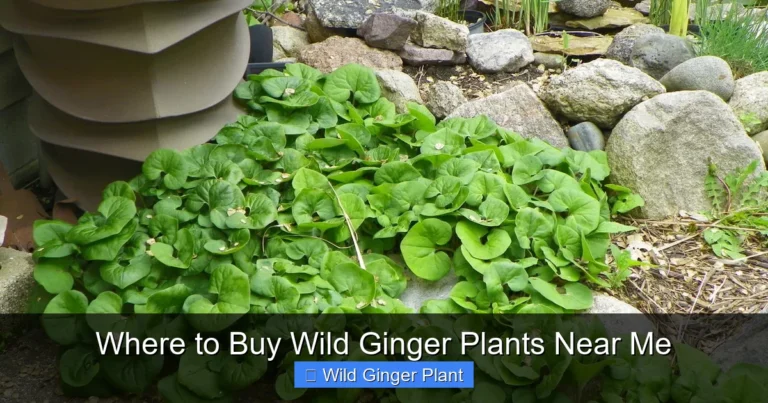
Keep soil consistently moist first year. Remove competing weeds gently. Allow leaves to decompose in place. Divide clumps every three to four years. Share divisions with friends. Your patch will slowly carpet the area.
Troubleshooting Common Issues
Switching to natural shampoo involves adjustment. Your hair and scalp need time to rebalance. These tips smooth the transition period.
Transition Period Expectations
First two weeks may feel different. Hair might seem waxy or heavy. This is product buildup releasing. Scalp oil production normalizes gradually. Resist urge to wash more often. Use the vinegar rinse consistently.
Hard Water Challenges
Minerals in hard water react with saponins. This can leave a film on hair. Install a shower filter if possible. Or use distilled water for final rinse. Chelating herbs like shikakai help. Apple cider vinegar rinse becomes essential.
Lather Expectations
Natural shampoos lather less. This doesn’t mean less cleaning. Saponins work without big bubbles. Focus on scalp massage instead. Clean hair squeaks when rubbed. Trust the process over the foam.
Storing and Preserving Your Harvest
Proper storage extends usability year-round. Different methods suit different needs. Label everything with harvest date.
Short-Term Fresh Storage
Wrap unwashed roots in damp paper towels. Place in perforated plastic bag. Refrigerator crisper drawer works well. Use within two weeks for best potency. Check regularly for mold or drying out.
Long-Term Dried Storage
Fully dried roots last twelve to eighteen months. Glass jars with tight lids prevent moisture. Add a food-grade desiccant packet. Store in cool, dark cupboard. Powder just before use for maximum strength.
Freezing Prepared Decoction
Freeze strained decoction in ice cube trays. Transfer cubes to freezer bags. Thaw only what you need. Lasts six months frozen. Convenient for weekly shampoo making. Label bags clearly.
Safety Considerations and Precautions
Natural doesn’t always mean risk-free. The wild ginger shampoo plant requires respect. Awareness prevents adverse reactions.
Potential Allergic Reactions
Test on inner wrist before scalp use. Wait twenty-four hours for reaction. Discontinue if redness or itching occurs. Those with plant allergies should be extra cautious. Cross-reactivity with other Aristolochiaceae possible.
Pregnancy and Nursing Concerns
Traditional use includes menstrual stimulation. Avoid internal use during pregnancy. Topical shampoo likely safe but unproven. Consult healthcare provider if concerned. Err on side of caution.
Aristolochic Acid Awareness
Some Asarum species contain this compound. It’s linked to kidney damage with long-term internal use. Topical absorption appears minimal. Rotate with other herbs periodically. Don’t use exclusively for years.
Environmental Impact and Conservation
Our foraging choices affect ecosystems. The wild ginger shampoo plant plays important roles. Responsible use supports biodiversity.
Ecological Functions
Wild ginger stabilizes forest soils. It provides early spring pollinator food. Ants disperse its seeds. Small mammals eat the roots. It indicates healthy, undisturbed woods. Removing too much disrupts these relationships.
Supporting Conservation Efforts
Join local native plant societies. Participate in habitat restoration. Report rare populations to heritage programs. Buy from ethical native nurseries. Teach others sustainable practices. Every action matters.
Climate Change Considerations
Warming temperatures shift suitable ranges. Northern populations may decline. Southern edges face heat stress. Cultivation becomes increasingly important. Monitor your local patches for changes.
Conclusion
The wild ginger shampoo plant connects us to ancient wisdom. It offers a path away from synthetic chemicals. Making your own shampoo builds self-reliance. The process deepens your relationship with nature. Each step teaches patience and observation.
Start small with a single batch. Notice how your hair responds. Adjust recipes to suit your needs. Share extras with curious friends. Consider growing your own patch. The journey into natural hair care begins with one root. Your hair and the planet will thank you.
Remember to harvest responsibly. Leave plenty for wildlife and regeneration. Check local laws before foraging. When in doubt, cultivate instead. The wild ginger shampoo plant rewards respect with abundance. Happy foraging and happy washing.
Frequently Asked Questions
What exactly is the wild ginger shampoo plant?
The wild ginger shampoo plant refers to several Asarum species native to North America. These low-growing forest plants contain natural saponins in their roots that create a gentle lather for cleaning hair. Despite the name, they’re not related to culinary ginger.
How do I identify wild ginger shampoo plant in the forest?
Look for pairs of heart-shaped, fuzzy leaves growing close to the ground in shady woods. In spring, search beneath leaves for unusual bell-shaped flowers at soil level. The definitive test is scratching the rhizome — it releases a strong ginger aroma.
Can I grow wild ginger shampoo plant in my garden?
Absolutely. It thrives in shade gardens with rich, moist soil. Purchase nursery-propagated plants rather than digging wild ones. Plant rhizomes horizontally about one inch deep and mulch well with leaves. It slowly forms beautiful ground cover.
How do I make shampoo from wild ginger roots?
Simmer chopped fresh or dried roots in water for twenty minutes to extract saponins. Strain the liquid and mix with a little castile soap for extra lather. Add essential oils if desired. Use within a few days or freeze for later.
Will wild ginger shampoo plant work for my hair type?
Yes, it adapts well to most hair types. Oily hair benefits from its degreasing action. Dry hair loves the creamy versions with added oils. Sensitive scalps appreciate the lack of harsh chemicals. Curly hair retains moisture better without sulfates.
Are there any risks to using wild ginger shampoo plant?
Some people may experience allergic reactions, so patch test first. Pregnant women should avoid internal use due to traditional menstrual stimulation. Some species contain compounds that could be harmful with long-term internal use, but topical shampoo use appears safe for most people.