American Wild Ginger Plant
The American wild ginger plant (Asarum canadense) is a low-growing native perennial perfect for shaded woodland gardens. It features heart-shaped leaves, unique jug-shaped flowers, and a spicy ginger-like aroma when crushed.
If you’ve ever wandered through a moist, deciduous forest in eastern North America during spring, you might have missed one of the most charming groundcovers growing right at your feet. The American wild ginger plant hugs the forest floor with velvety, heart-shaped leaves that seem to glow in dappled sunlight. Most hikers walk right past it, never noticing the strange little flowers hiding beneath the foliage.
I first discovered this plant while helping a friend restore a woodland garden. We were pulling invasive garlic mustard when she pointed to a patch of broad, fuzzy leaves. “This is the good stuff,” she said. “Leave every single one.” She knelt down, gently lifted a leaf, and revealed a flower that looked like a tiny jug buried in the soil. That moment changed how I see the forest floor. The American wild ginger plant isn’t just another green thing. It’s a survivor, a pollinator magnet, and a piece of living history.
Key Takeaways
- Native Groundcover: American wild ginger plant thrives in shady, moist woodland conditions across eastern North America
- Distinctive Features: Heart-shaped leaves and hidden brownish-purple flowers make identification easy
- Not True Ginger: Despite its name and scent, it’s unrelated to culinary ginger (Zingiber officinale)
- Wildlife Value: Provides early spring nectar for pollinators and hosts pipevine swallowtail butterflies
- Easy Cultivation: Spreads slowly by rhizomes to form dense colonies without becoming invasive
- Historical Uses: Indigenous peoples used the root for flavoring and medicinal purposes
- Deer Resistant: Aromatic foliage deters browsing, making it ideal for naturalized areas
Quick Answers to Common Questions
Is American wild ginger plant edible?
While historically used as a ginger substitute, modern research shows it contains aristolochic acids which are carcinogenic and nephrotoxic. The FDA advises against consumption. Use culinary ginger (Zingiber officinale) instead.
How fast does American wild ginger plant spread?
It spreads slowly by rhizomes, typically 4-6 inches per year. Seed dispersal by ants creates new colonies at greater distances. Expect a single plant to form a 2-foot colony in 5-7 years.
Can American wild ginger plant grow in full sun?
No. It requires deep to partial shade. Full sun scorches the leaves and stresses the plant. Morning sun in northern zones is the maximum tolerated light exposure.
Is American wild ginger plant deer resistant?
Yes, highly deer resistant. The aromatic compounds in the foliage deter browsing. Deer typically ignore it even in heavily browsed areas, making it excellent for woodland edges.
When is the best time to divide American wild ginger plant?
Early spring just as shoots emerge, or early fall at least 6 weeks before ground freeze. Spring divisions establish quickly and often flower the same year.
📑 Table of Contents
Getting to Know the American Wild Ginger Plant
What’s in a Name
The scientific name Asarum canadense tells part of the story. Asarum comes from ancient Greek, used by Dioscorides for a similar European species. Canadense simply means “of Canada,” though this plant ranges far beyond our northern neighbor. Common names vary by region. Some folks call it Canada snakeroot, others say wild ginger or colic root. The “ginger” part confuses people. They expect a knobby beige root like what sits in grocery produce sections. Instead, they find a slender, creeping rhizome that smells spicy when scratched.
Here’s the key distinction. Culinary ginger belongs to the Zingiberaceae family. The American wild ginger plant belongs to Aristolochiaceae, the birthwort family. They’re not cousins. They’re not even distant relatives. Convergent evolution gave both plants similar aromatic compounds. That’s why the root smells like ginger, tastes like ginger, and fooled early European settlers into thinking they’d found a familiar spice in the New World.
Botanical Description
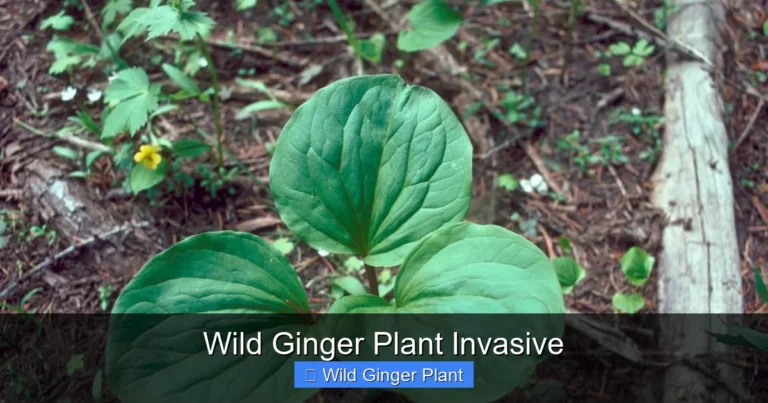
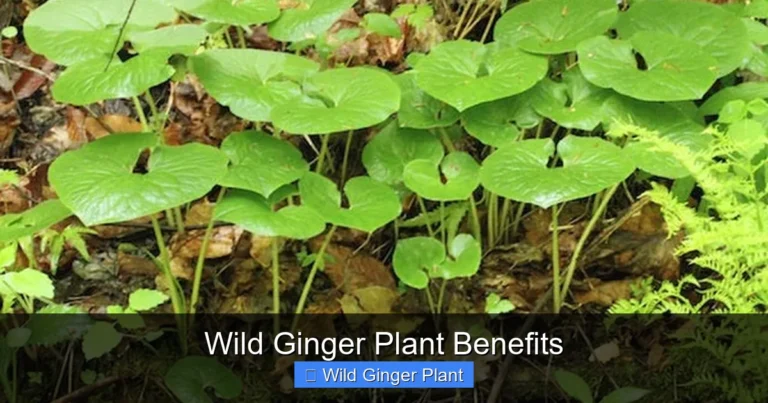
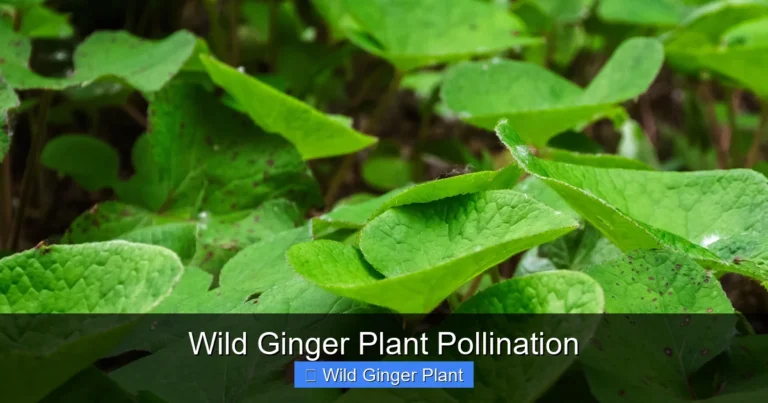
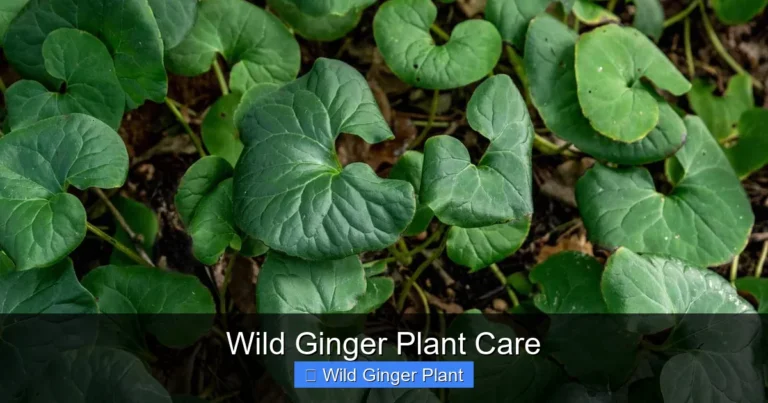
Picture a plant that barely reaches six inches tall. Each stem produces two leaves, sometimes just one on younger plants. The leaves are the show. Broad, kidney-shaped to heart-shaped, four to six inches wide. Soft hairs cover both surfaces, giving them a velvety texture that catches light beautifully. Deep green in spring, they may develop mottled patterns as summer progresses. In ideal conditions, the foliage stays attractive until hard frost.
The flowers are where things get weird. And wonderful. They emerge in early spring, often before the leaves fully expand. Each flower sits on a short stalk at ground level, sometimes partially buried in leaf litter. No petals. Instead, three pointed sepals fuse into a cup or jug shape, brownish-purple outside, often paler inside. The opening is small, just wide enough for tiny flies and beetles. The whole flower looks like something from a fairy tale. A miniature pitcher plant. A goblin’s wine cup.
After pollination, the flower develops into a capsule that splits open when ripe. Ants carry the seeds away, attracted by a fleshy appendage called an elaiosome. This dispersal method, myrmecochory, explains why new colonies often appear several feet from the parent plant. The rhizomes also creep outward, maybe six inches per year. Slow but steady. A mature patch might be decades old.
Natural Range and Habitat Preferences
Where It Grows Wild
The American wild ginger plant calls a huge territory home. From Manitoba east to the Maritime provinces, south through New England, the Great Lakes states, the Ohio Valley, and down the Appalachians into Georgia and Alabama. Westward it reaches the eastern edges of the Dakotas, Nebraska, Kansas, and Oklahoma. Isolated populations exist in the Black Hills and possibly further west.
Within this range, it’s picky about microhabitat. You’ll find it in rich, mesic deciduous forests. Sugar maple, basswood, beech, oak-hickory stands. Ravines and lower slopes. Floodplain terraces that don’t stay flooded. The common thread? Deep shade, consistent moisture, and soil rich in organic matter. It’s an indicator species. If you see a thriving colony, you’re standing in high-quality woodland.
Soil and Light Requirements
Replicating these conditions in cultivation isn’t hard if you start with the right spot. The American wild ginger plant demands shade. Not part shade. Not dappled shade with three hours of afternoon sun. Deep, consistent shade. North side of buildings. Under mature trees. Beneath dense shrub thickets. Morning sun is tolerable in northern zones. Anything more scorches the leaves.
Soil should be humus-rich, well-drained but never dry. Think forest duff. That black, crumbly layer built from centuries of decomposed leaves. pH slightly acidic to neutral, roughly 5.5 to 7.0. Heavy clay works if amended with copious compost. Sandy soil works if you add organic matter and irrigate. The plant hates drought. A week of bone-dry soil in July can kill a young colony.
Companion Plants in Nature
Walk through a prime habitat and you’ll see a predictable cast of characters. Spring ephemerals bloom and fade before the canopy closes. Trilliums, bloodroot, spring beauty, trout lily, Dutchman’s breeches. The American wild ginger plant emerges alongside them but stays green all season. Ferns love the same conditions. Maidenhair fern, Christmas fern, lady fern. Shrubs like spicebush and witch hazel provide the overstory. Trees: sugar maple, American beech, basswood, red oak.
This community approach matters for gardeners. Don’t plant your American wild ginger plant alone in a mulch bed under a lone maple. Build a community. Add ferns. Add spring ephemerals. Add native sedges like Carex plantaginea. The plants support each other. They share mycorrhizal networks. They create the humid microclimate they all need. A solitary plant struggles. A community thrives.
Cultivation and Garden Uses
Starting from Plants vs. Seeds
Most gardeners buy container-grown plants. Nurseries specializing in natives usually carry them spring through fall. Look for healthy white roots, not circling the pot. Two or three leaf pairs per division. Avoid plants with yellowing leaves or obvious pest damage. Plant them as soon as possible after purchase. If you must wait, keep them shaded and moist.
Growing from seed tests patience. The American wild ginger plant seeds need double dormancy breaking. Warm moist period, then cold moist period, then warmth again. In nature, this takes two years. You can simulate it. Sow fresh seeds in pots, leave outdoors through summer, winter, and second summer. Germination often happens the second spring. Or use the refrigerator method. Three months warm (70°F), three months cold (40°F), then warmth. Even then, germination is erratic. Seedlings take three to four years to reach flowering size.
Division is faster and easier. Early spring, just as shoots emerge. Or early fall, at least six weeks before ground freeze. Dig the whole clump. Tease apart rhizome sections, each with roots and at least one growing point. Replant immediately at the same depth. Water well. Mulch with shredded leaves. Divisions establish quickly and often flower the next spring.
Planting Techniques for Success
Prepare the planting area thoroughly. Remove all grass and weeds. Don’t just till them under. They’ll come back. Smother with cardboard and mulch for a season if needed. Loosen soil to eight inches. Incorporate two to three inches of compost or leaf mold. This isn’t optional. The American wild ginger plant invests in roots first. Give them what they need.
Space plants twelve to eighteen inches apart. They’ll fill in. Plant at the same depth they grew in the pot. The rhizome should sit just below the soil surface, barely covered. Too deep and they rot. Too shallow and they dry out. Water deeply after planting. Apply two inches of shredded leaf mulch. Not bark mulch. Not wood chips. Shredded leaves mimic forest duff and feed the soil as they decompose.
First year care is critical. Never let the soil dry out. Check daily during hot spells. Water at the base, not overhead. Wet leaves invite slugs and fungal issues. No fertilizer needed if you prepared the soil well. A light top-dressing of compost in fall helps. Remove any tree seedlings that sprout. They’ll outcompete your ginger.
Designing with Wild Ginger
This plant shines as a groundcover. Plant it in drifts of seven, nine, thirteen. Odd numbers look natural. Let it flow around trees, between ferns, under shrubs. It knits together a woodland garden like living mortar. The foliage texture contrasts beautifully with fine ferns and bold hostas (though hostas aren’t native, they play nice).
Edge a shady path with American wild ginger plant. Visitors brush the leaves, releasing that spicy scent. Plant it around the base of a bird bath or garden sculpture. The leaves hide the “legs” of taller perennials like black cohosh or bugbane. Use it to soften the transition between lawn and woods. It handles light foot traffic once established, though a stepping stone path is kinder.
Container culture works for small spaces. Use a wide, shallow pot. At least twelve inches across, eight inches deep. Rich potting mix with extra compost. Keep it shaded. Water daily in summer. Overwinter in an unheated garage or bury the pot in the ground. Repot every two to three years as the rhizomes fill the container.
Ecological Value and Wildlife Relationships
Pollination: A Fly’s Delight
Those strange ground-level flowers aren’t designed for bees. They’re built for flies. Specifically, small flies like fungus gnats and phorid flies. The flower color mimics decaying matter. The scent, faint to us, broadcasts “fungus here” to a fly’s antennae. The flies enter, seeking a place to lay eggs. They find none. But they pick up pollen on their bodies. When they visit the next flower, they deposit it.
This deception-based pollination is efficient. The American wild ginger plant doesn’t waste energy on nectar or showy petals. It invests in trickery. Some researchers think beetles and ants also contribute. The flower generates slight heat, maybe helping disperse scent. The whole system evolved over millions of years. It’s a reminder that “ugly” or “inconspicuous” flowers often have fascinating stories.
Host Plant for Butterflies
Pipevine swallowtail butterflies (Battus philenor) lay eggs exclusively on Aristolochiaceae family plants. The American wild ginger plant is a primary host across much of its range. The caterpillars eat the leaves, sequestering toxic aristolochic acids that make them poisonous to predators. Adult butterflies retain this protection.
If you garden for butterflies, this plant is non-negotiable. A single colony can support multiple caterpillars. The foliage damage is cosmetic. The plant bounces back. Watch for the striking black caterpillars with orange tubercles. Later, the iridescent blue-green adults nectaring on nearby flowers. Your shade garden becomes a butterfly nursery.
Ants and Seed Dispersal
We mentioned elaiosomes earlier. That fleshy seed appendage is pure ant bait. Ants carry seeds to their nests, eat the elaiosome, discard the intact seed in their midden heaps. Perfect planting spots. Rich soil, protected from predators, planted at ideal depth. This mutualism explains the plant’s patchy distribution. New colonies radiate from ant nests.
Different ant species vary in effectiveness. Aphaenogaster ants are superstars. They move seeds farther. Invasive ants like European fire ants disrupt the system. They eat the elaiosome but drop seeds randomly. Another reason to manage invasives. The American wild ginger plant depends on native ants. Native ants depend on native plants. It’s all connected.
Deer and Rabbit Resistance
Gardeners in deer country know the struggle. Hostas disappear overnight. Ferns get browsed to stubs. The American wild ginger plant? Usually ignored. The aromatic compounds that smell like ginger to us taste bitter and irritating to mammals. Deer walk right through a patch to eat something else. Rabbits might nibble young shoots in early spring but rarely return.
This resistance makes it invaluable for naturalized areas. Plant it on woodland edges where deer pressure is highest. It holds the ground while more palatable plants establish behind it. Not 100% deer-proof. Starving deer eat anything. But in normal conditions, it’s among the most reliable deer-resistant natives for shade.
Historical Uses and Modern Cautions
Indigenous Knowledge
Many tribes across the plant’s range used American wild ginger plant. The Cherokee, Iroquois, Ojibwe, Menominee, Meskwaki, and others. Roots flavored foods, especially meats and stews. Dried and powdered, it substituted for tropical ginger. Medicinally, teas treated colds, fevers, digestive upset, menstrual cramps. Poultices addressed wounds and skin infections. Some tribes used it as a contraceptive or to induce labor. The knowledge was sophisticated, dose-specific, and passed through generations.
European settlers adopted many uses. Early pharmacopeias listed Asarum canadense as a stimulant, carminative, and diaphoretic. It appeared in patent medicines through the 19th century. Cookbooks included recipes for wild ginger beer, candied root, and flavored vinegars. The plant was commercially harvested, sometimes unsustainably. Populations near settlements declined.
The Aristolochic Acid Problem
Here’s where modern science clashes with tradition. The Aristolochiaceae family contains aristolochic acids. These compounds are nephrotoxic and carcinogenic. They cause aristolochic acid nephropathy, a severe kidney disease, and are linked to urothelial cancers. The International Agency for Research on Cancer classifies them as Group 1 carcinogens. Herbal products containing Aristolochia species have caused outbreaks of kidney failure worldwide.
Does Asarum canadense pose the same risk? Research is limited. It contains lower concentrations than tropical Aristolochia species. Traditional preparation methods (long boiling, specific harvest times) may reduce toxicity. But we lack definitive safety data. The FDA warns against consuming any Aristolochiaceae. Germany banned Asarum in herbal medicines. Canada restricts it.
My take? Respect the plant. Admire its history. Don’t eat it. Not worth the risk when true ginger, galangal, and turmeric are safe and available. If you’re interested in ethnobotany, study the traditional uses academically. Support Indigenous knowledge keepers. But leave the root in the ground.
Safe Modern Applications
You can still engage with this plant meaningfully. Grow it for ecological restoration. Use it in native landscaping. Teach others about its pollination biology. Participate in citizen science projects tracking its phenology. Collect seeds (with permission) for restoration nurseries. Photograph the hidden flowers. Share the wonder.
Some herbalists use the leaves externally in salves for minor skin irritations. The risk profile differs from root consumption. But consult a qualified practitioner. Don’t self-experiment. The plant’s greatest value today is ecological, not culinary or medicinal. Let it be what it evolved to be. A forest floor keystone.
Common Problems and Solutions
Slugs and Snails
Those velvety leaves attract mollusks. Especially in wet springs. You’ll see irregular holes with slime trails. Beer traps work. Copper tape around valuable specimens. Diatomaceous earth (reapply after rain). Encourage predators. Ground beetles, toads, snakes, birds. A diverse garden manages itself. The American wild ginger plant tolerates some damage. Established colonies outgrow it.
Fungal Issues
Leaf spots appear in humid, stagnant air. Anthracnose, various leaf blights. Usually cosmetic. Improve air circulation. Thin nearby plants if needed. Water at soil level. Remove badly affected leaves. Don’t compost them. Burn or trash. The plant rarely dies from foliar diseases.
Root rot is serious. Caused by waterlogged soil, especially in heavy clay. Plants wilt despite wet soil. Leaves yellow, collapse. Rhizomes turn mushy, black. Prevention is everything. Plant in well-drained soil. Amend clay heavily. Don’t overwater. If caught early, dig, trim rot, replant in better spot. Often too late by the time you notice.
Winter Damage
The American wild ginger plant is hardy to Zone 3, maybe Zone 2 with snow cover. But freeze-thaw cycles heave shallow rhizomes. Exposed roots desiccate and die. Solution: leave fall leaves in place. Don’t clean up the woodland garden. That leaf blanket is insulation. If you must tidy, shred leaves and return them. Add evergreen boughs for extra protection in harsh zones.
Slow Spread Concerns
New gardeners sometimes panic. “It’s not spreading!” They expect groundcover speed. This plant thinks in decades. Six inches per year is normal. Divide clumps every three to five years to accelerate coverage. Plant closer initially (twelve inches). Accept the pace. Fast-spreading shade plants are often invasive (looking at you, English ivy). Slow and steady wins the native race.
Conservation and Ethical Considerations
Wild Harvesting Ethics
Never dig plants from the wild. Ever. Not for your garden. Not for a friend. Not because “there’s lots of them.” Wild populations face pressure from habitat loss, deer overbrowse, invasive species, climate change. Removing plants reduces genetic diversity and disrupts ant-seed mutualisms. It’s illegal on public land without permits. On private land, it requires owner permission and still harms the population.
If you see American wild ginger plant for sale cheap, ask questions. Was it nursery-propagated? Wild-collected? Reputable native nurseries propagate from seed or division. They’ll tell you their methods. Support them. The extra cost funds conservation. Some nurseries even contribute to habitat restoration.
Threats to Wild Populations
Habitat fragmentation is the big one. Forests become woodlots become subdivisions. Edge effects dry out interiors. Invasive plants move in. Garlic mustard (Alliaria petiolata) is catastrophic. It releases chemicals that kill mycorrhizal fungi. The American wild ginger plant depends on those fungi. No fungi, no ginger. Earthworms, non-native in glaciated regions, consume the duff layer. The plant loses its seedbed and rooting zone.
Deer overabundance prevents seedling establishment of canopy trees. Long-term, the forest composition shifts. Less maple and beech. More cherry and ash. Different leaf litter. Different soil chemistry. Climate change pushes the suitable range northward. Southern populations face heat and drought stress. Northern expansion is limited by dispersal ability. Ants move seeds meters, not kilometers.
How Gardeners Can Help
Plant it. That’s the simplest action. Create habitat corridors. Connect your woodland garden to neighbors’. Remove invasives. Garlic mustard, Japanese stiltgrass, buckthorn, honeysuckle. Leave the leaves. Build soil. Support land trusts protecting intact forests. Advocate for deer management. Participate in community science. Report populations to state heritage programs. Every garden patch is a lifeboat.
Seasonal Care Calendar
Early Spring (March-April)
Watch for emerging shoots. Reddish knuckles pushing through leaf litter. Resist the urge to “clean up.” Those leaves protect tender growth. If you must remove heavy mats of matted oak leaves, do it gently by hand. Leave a light layer. Apply a thin top-dressing of compost around established clumps. Divide if desired, before leaves fully expand.
Late Spring (May-June)
Flowering time. Get on your knees. Lift leaves. Find the jugs. Photograph them. Show kids. This is the magic window. Weed carefully around plants. Garlic mustard pulls easily now. Water if spring is dry. Mulch any bare spots with shredded leaves. Enjoy the fresh green carpet.
Summer (July-August)
Maintenance mode. Water during dry spells. Deep soaking weekly beats daily sprinkles. Check for slugs after rains. Pull tree seedlings. Admire the foliage texture. It’s doing its job. Photosynthesizing. Feeding roots. Hosting caterpillars. No fertilizer needed. No deadheading. The flowers are long gone.
Fall (September-November)
Prime planting time. Soil warm, air cool, rain reliable. New divisions establish before winter. Add compost to planting areas. Mulch well with shredded leaves. Collect seeds if you want to try propagation (leave most for ants). Enjoy fall color. Leaves may yellow early in dry years. That’s normal.
Winter (December-February)
Rest. The plant is dormant. Rhizomes wait beneath the duff. Snow is the best mulch. If winters are open and cold, check for heaved plants. Gently press them back. Add more leaves. Plan next year’s additions. Read about native plants. Dream of spring.
Conclusion
The American wild ginger plant teaches patience. It teaches observation. You have to get low to see its flowers. You have to wait years for a colony to fill in. You have to accept that it won’t grow where you wish it would, only where it belongs. In a gardening world obsessed with instant gratification, this plant is a quiet rebel.
But the rewards accumulate. A decade from now, you’ll walk through your woodland garden in May. The air will be cool. The light green-gold. You’ll brush aside a leaf and find a flower like a tiny purple chalice. A fly will emerge, dusted with pollen. A pipevine swallowtail will flutter past. The soil beneath your fingers will be black and alive. You’ll smell that spicy scent on your hands. And you’ll know. You didn’t just plant a groundcover. You invited a piece of the ancient forest home.
Start small. One plant. A prepared spot. A commitment to leave the leaves. The American wild ginger plant will do the rest. Slowly. Surely. On its own time. And your grandchildren might still be dividing its descendants.
Frequently Asked Questions
What’s the difference between American wild ginger and European wild ginger?
European wild ginger (Asarum europaeum) has glossy, evergreen leaves and larger, more visible flowers. American wild ginger (Asarum canadense) has matte, deciduous, fuzzy leaves and smaller hidden flowers. European species is more tolerant of alkaline soils.
Does American wild ginger plant flower every year?
Yes, mature plants flower annually in early spring (April-May). However, the flowers are easily missed since they sit at ground level beneath the leaves. You need to gently lift foliage to see them.
Can I grow American wild ginger plant in a container?
Yes, use a wide shallow pot (12+ inches wide, 8+ inches deep) with rich, moisture-retentive potting mix. Keep in full shade, water daily in summer, and overwinter in an unheated garage or buried in the ground.
Why are my American wild ginger plant leaves turning yellow in summer?
Summer yellowing usually indicates drought stress, too much sun, or nutrient-poor soil. Ensure consistent moisture, deep shade, and amend with compost. Some yellowing in late summer is natural in dry years.
How do I control slugs on my American wild ginger plant?
Use beer traps, copper barriers, diatomaceous earth, or encourage natural predators like toads and ground beetles. Avoid metaldehyde baits which harm pets and wildlife. Established colonies tolerate moderate slug damage.
Is American wild ginger plant invasive?
No, it’s a well-behaved native that spreads slowly by rhizomes and ant-dispersed seeds. It forms dense colonies but doesn’t aggressively invade lawns or garden beds. It’s an excellent non-invasive groundcover for shade.