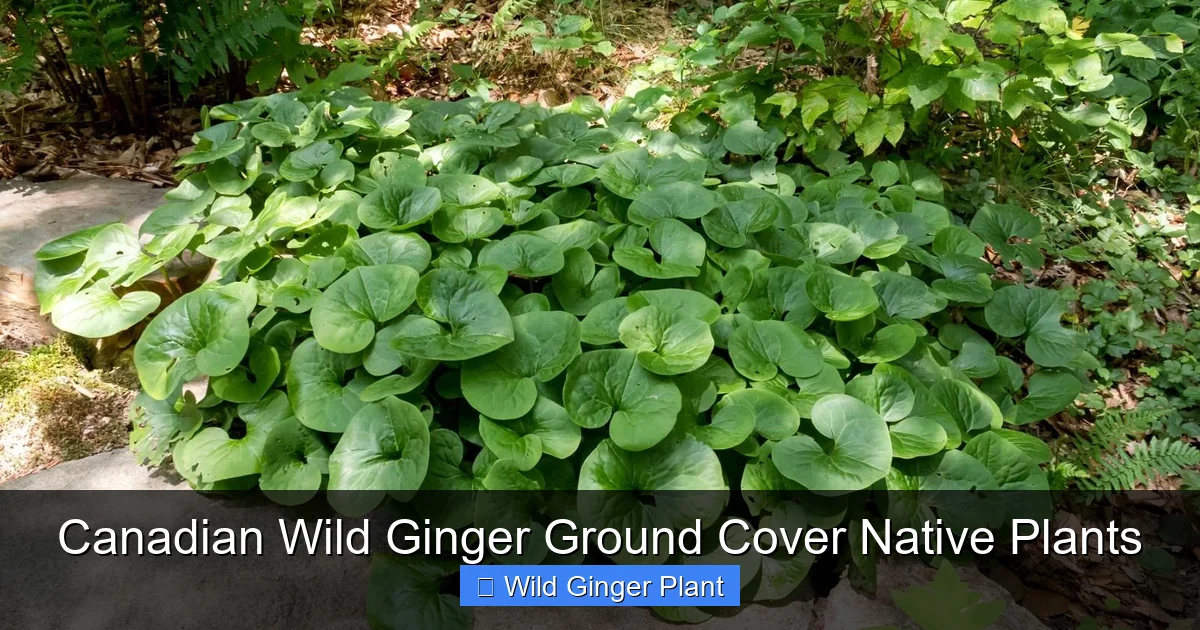
Canadian Wild Ginger Ground Cover Native Plants
Canadian wild ginger (Asarum canadense) is a stunning native ground cover perfect for shaded woodland gardens. This low-maintenance perennial spreads slowly to form dense mats of heart-shaped leaves while supporting local pollinators and requiring minimal care once established.
If you have ever walked through a deciduous forest in eastern North America during spring, you might have noticed a carpet of deep green, heart-shaped leaves hugging the forest floor. That plant is likely Canadian wild ginger, one of our most charming and useful native ground covers. Unlike the culinary ginger you buy at the grocery store, this plant is not grown for its root flavor. Instead, gardeners treasure it for its ability to transform difficult shady spots into lush, living tapestries.
I first discovered this plant when I moved into a home with a mature oak tree casting deep shade over half the backyard. Grass refused to grow there. Hostas got eaten by slugs. Ferns looked nice but did not cover the ground densely enough. Then a native plant nursery owner suggested Canadian wild ginger. Within three years, that bare patch became a weed-suppressing carpet that stays green from April through November. The best part? I barely touch it.
Key Takeaways
- Native Beauty: Canadian wild ginger is indigenous to eastern North America and thrives in woodland conditions without becoming invasive.
- Shade Specialist: This plant excels in full to partial shade where many other ground covers struggle to survive.
- Low Maintenance: Once established, it requires minimal watering, no fertilizing, and rarely needs division or pruning.
- Wildlife Value: The flowers attract early spring pollinators like flies and beetles, while the foliage provides shelter for beneficial insects.
- Slow Spread: Unlike aggressive ground covers, it forms colonies gradually through rhizomes, making it easy to manage in garden beds.
- Deer Resistant: The aromatic foliage contains compounds that deter deer and rabbit browsing in most situations.
- Soil Builder: The dense leaf litter improves soil structure and moisture retention as it decomposes naturally.
Quick Answers to Common Questions
Is Canadian wild ginger the same as culinary ginger?
No, Canadian wild ginger (Asarum canadense) is completely unrelated to culinary ginger (Zingiber officinale). It gets its name from the ginger-like scent of its roots, but it belongs to a different plant family and contains compounds that make it unsafe for regular consumption.
How fast does Canadian wild ginger spread?
Canadian wild ginger spreads slowly, typically 6 to 12 inches per year through underground rhizomes. It forms a dense colony over several years rather than aggressively taking over like some non-native ground covers.
Can Canadian wild ginger grow in full sun?
No, Canadian wild ginger cannot tolerate full sun. It requires full to partial shade and will suffer leaf scorch and decline if exposed to direct afternoon sun, especially in warmer climates.
Is Canadian wild ginger deer resistant?
Yes, Canadian wild ginger is highly deer resistant due to aromatic compounds in its foliage that mammals find unpalatable. Deer and rabbits typically avoid it even when browsing nearby plants heavily.
When is the best time to divide Canadian wild ginger?
Early spring, just as new leaves begin to emerge, is the ideal time to divide Canadian wild ginger. The divisions establish quickly in cool, moist spring conditions before summer heat arrives.
📑 Table of Contents
- Getting to Know Canadian Wild Ginger
- Why Choose This Native Ground Cover
- Ideal Growing Conditions
- Planting and Establishment
- Long-Term Care and Management
- Designing with Canadian Wild Ginger
- Common Challenges and Solutions
- Companion Planting for Maximum Impact
- Harvesting and Historical Uses
- Regional Considerations
- Creating a Woodland Garden from Scratch
- Conclusion
Getting to Know Canadian Wild Ginger
What Is This Plant Exactly
Canadian wild ginger carries the botanical name Asarum canadense. It belongs to the birthwort family, Aristolochiaceae. Despite the common name, it has no relation to tropical ginger, Zingiber officinale. The name comes from the spicy, ginger-like scent released when you crush the roots or stems. Early European settlers used the root as a ginger substitute, though modern herbalists advise caution due to certain compounds.
This perennial herb grows native from Manitoba to Nova Scotia, south to Georgia and west to Kansas. In the wild, you find it in rich, moist deciduous woods, often on slopes near streams. It forms colonies that can span many feet across, though each individual plant stays quite compact.
Distinctive Features That Make It Special
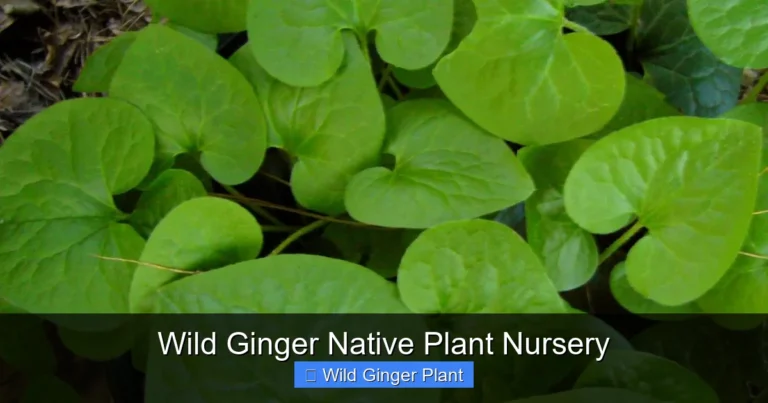
The leaves steal the show. Each one is kidney-shaped to heart-shaped, measuring four to six inches wide. They have a soft, velvety texture and a rich, deep green color that holds well all season. The leaves emerge in pairs from the rhizome, creating an overlapping pattern that blocks light from reaching the soil. This natural mulch effect suppresses weed seeds brilliantly.
Flowers appear in early spring, usually April to May depending on your zone. They hide beneath the foliage at ground level. Each bloom is a deep burgundy-brown, jug-shaped affair about an inch across. The three pointed sepals curve backward. You have to get on your knees to see them, but they have a strange, primitive beauty. Pollination happens mostly by small flies and beetles attracted to the faint carrion-like scent.
After flowering, the plant produces a fleshy capsule containing seeds with elaiosomes. These oily attachments attract ants, which carry the seeds to their nests. The ants eat the elaiosome and discard the seed in their nutrient-rich midden piles. This ant dispersal, called myrmecochory, helps the plant colonize new areas slowly but surely.
Why Choose This Native Ground Cover
Solves the Deep Shade Problem
Most gardeners struggle with areas that get less than two hours of direct sun. Lawn grass thins out. Many perennials stretch and flop. Even some hostas lose vigor. Canadian wild ginger evolved for exactly these conditions. It photosynthesizes efficiently in low light. The broad leaves capture every photon. In my experience, it even handles the dry shade under mature maples and oaks better than almost anything else once established.
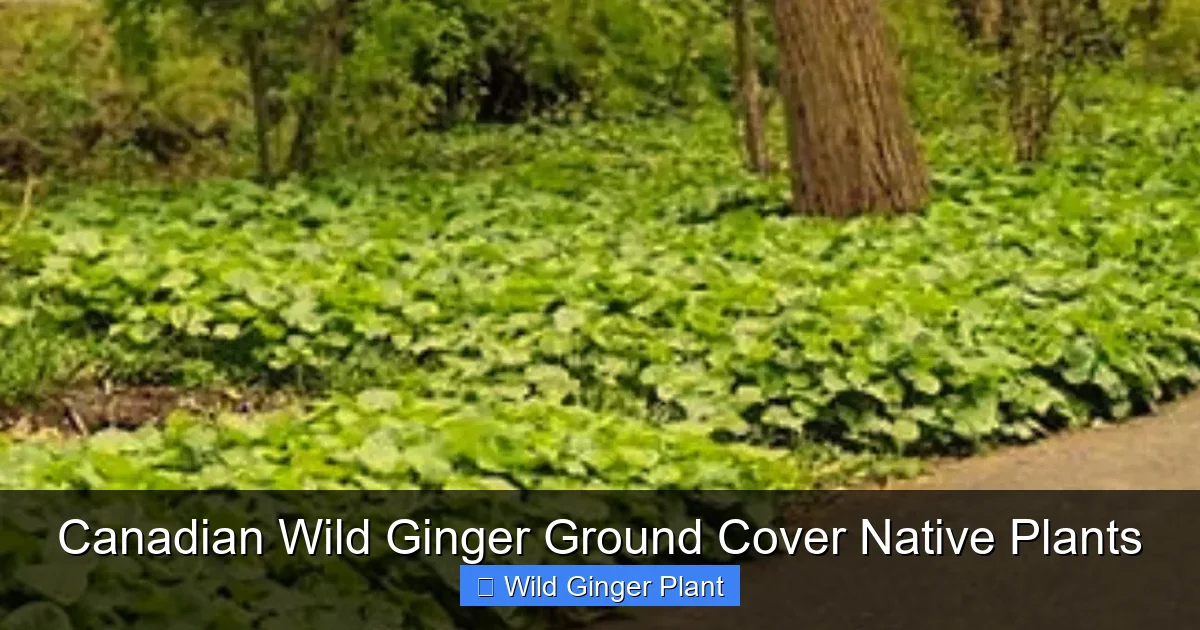
Visual guide about Canadian Wild Ginger Ground Cover Native Plants
Image source: i.etsystatic.com
I have a strip along the north side of my garage that gets zero direct sun. The soil is compacted clay fill from construction. I planted wild ginger there five years ago. It took two years to really take hold, but now it forms a solid mat that looks intentional and cared for. No other plant I tried survived more than one season in that spot.
Ecological Benefits Beyond Beauty
Native plants support native food webs. Canadian wild ginger plays its part. The early flowers provide pollen and nectar when few other sources exist. Small native bees, syrphid flies, and beetles visit them. The dense foliage creates microhabitat for ground beetles, spiders, and amphibians. I often find toads sheltering under the leaves during hot afternoons.
The seeds feed ants. The ants, in turn, aerate soil and disperse other native plant seeds. The decaying leaf litter builds humus-rich topsoil. In a woodland garden restoration, this plant functions as a foundational species, helping recreate the forest floor ecology that supports everything else.
Deer and Rabbit Resistance
If you garden where deer roam, you know the frustration of watching expensive plants become salad. Canadian wild ginger contains aristolochic acid and other compounds that make it unpalatable to most mammals. In my neighborhood, deer browse hostas to the ground but walk right past the wild ginger. Rabbits ignore it too. This resistance holds true in most regions, though starving animals may sample anything.
Low Maintenance Once Established
After the first year or two, this plant asks for almost nothing. No deadheading. No dividing unless you want more plants. No fertilizing. No staking. It rarely gets diseases. Slugs sometimes nibble the edges in very wet springs, but the damage is cosmetic. The dense growth smothers most weeds. You essentially plant it, water it until established, then enjoy it for decades.
Ideal Growing Conditions
Light Requirements
Full shade to part shade works best. Full shade means no direct sun, only dappled or reflected light. Part shade means two to four hours of morning sun or filtered light all day. Avoid afternoon sun, especially in zones 6 and warmer. The leaves can scorch and the plant declines in hot, bright conditions. If you have a spot with morning sun and afternoon shade, that works beautifully.
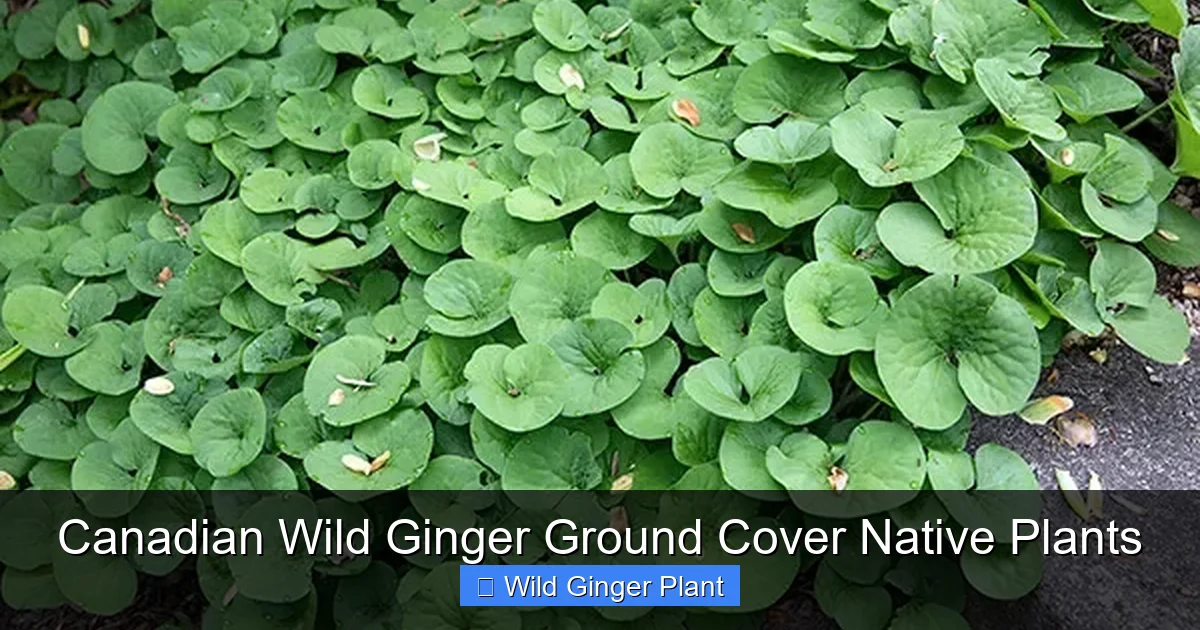
Visual guide about Canadian Wild Ginger Ground Cover Native Plants
Image source: i2.wp.com
I have seen it grow in surprisingly deep shade under evergreen trees where almost nothing else survives. The growth rate slows, but it persists. In brighter shade, it spreads faster and grows larger leaves. Match the light to your patience level.
Soil Preferences
Rich, moist, well-drained soil with lots of organic matter mimics its native habitat. Think forest floor duff. The ideal pH ranges from slightly acidic to neutral, 5.5 to 7.0. Heavy clay works if amended with compost. Sandy soil works if you add organic matter and irrigate. The key is consistent moisture with good drainage. Standing water causes root rot.
When I plant, I dig a hole twice as wide as the pot and mix the native soil half-and-half with leaf compost or well-rotted manure. I plant at the same depth it grew in the pot. Then I water deeply and mulch with two inches of shredded leaves. This replicates the natural conditions perfectly.
Moisture Needs
Consistent moisture during the first growing season is critical. Water deeply once or twice a week unless rain provides an inch. After establishment, the plant tolerates moderate drought by going semi-dormant. The leaves may look a bit tired in August heat, but they rebound with fall rains. In my zone 5 garden, I water established patches only during extended dry spells of three weeks or more.
Mulch makes a huge difference. A two to three inch layer of shredded leaves, pine needles, or wood chips keeps soil cool and moist. It also feeds the soil as it breaks down. Avoid piling mulch against the crowns. Leave a little breathing room.
Hardiness Zones
Canadian wild ginger thrives in USDA zones 3 through 8. In zone 3, it appreciates reliable snow cover for winter protection. In zone 8, it needs full shade and consistent moisture to handle summer heat. It grows at elevations up to about 5,000 feet in the southern Appalachians. Microclimates matter. A north-facing slope in zone 7 might support it better than a south-facing one in zone 6.
Planting and Establishment
When to Plant
Spring and fall both work well. Spring planting gives the roots time to establish before summer heat. Plant after the soil warms but before the tree canopy fully leafs out. This gives the plant a few weeks of brighter light to build energy reserves. Fall planting works in zones 5 and warmer. Plant at least six weeks before the ground freezes. The roots grow in cool soil while the top stays dormant.
I prefer spring planting in my zone 5 garden. The selection at nurseries is better. The plants have all season to settle in. Fall planting risks heaving if the ground freeze-thaws before roots anchor. If you must plant in fall, mulch heavily after the ground freezes to prevent heaving.
Spacing for Coverage
Space plants 12 to 18 inches apart for full coverage in two to three years. Closer spacing fills faster but costs more. Wider spacing saves money but leaves gaps for weeds longer. I usually split the difference at 15 inches. For a 100 square foot area, that means about 65 plants. If that strains the budget, plant 18 inches apart and be patient. You can always divide and fill gaps later.
Plant in a staggered grid pattern, not straight rows. This looks more natural and closes gaps faster. Think of the five on a die. That pattern maximizes coverage per plant.
Step-by-Step Planting Process
First, clear the area of grass and weeds. Do not till deeply. That brings up weed seeds. Instead, smother existing vegetation with cardboard and four inches of mulch for a month, or use a sod cutter for lawn areas. Loosen the top six inches of soil. Mix in two to three inches of compost.
Arrange your plants in the staggered pattern. Step back and check spacing. Dig holes the same depth as the root ball, twice as wide. Gently remove each plant from its pot. Tease out circling roots. Place in the hole so the crown sits at soil level. Backfill with amended soil. Firm gently. Water each plant thoroughly.
Apply two inches of shredded leaf mulch. Keep mulch off the crowns. Water the whole area deeply. Check soil moisture daily for the first two weeks. Water when the top inch feels dry. After that, water deeply twice a week unless it rains.
First Year Care
The first year is all about root development. You may not see much top growth. That is normal. The plant invests energy underground. Keep the soil consistently moist but not soggy. Pull any weeds that appear before they set seed. Do not fertilize. The compost you added provides plenty of nutrients.
In late fall, after the ground freezes, apply a light layer of shredded leaves over the crowns for extra winter protection, especially in zones 3 and 4. Remove excess in early spring before new growth emerges.
Long-Term Care and Management
Watering Established Plants
Once established, Canadian wild ginger is remarkably drought tolerant for a shade plant. The rhizomes store water and nutrients. The dense foliage shades the soil, reducing evaporation. In average rainfall years, you may never need to water established patches. During drought, water deeply once every two to three weeks. Soak the soil to six inches. Frequent light watering encourages shallow roots.
I use a soaker hose on a timer for my largest patch. It runs for two hours every three weeks during dry spells. The plants stay lush with minimal effort. Overhead watering works too but wastes water and can promote fungal issues in humid climates.
Mulching Strategy
Maintain a two inch mulch layer year-round. Shredded leaves are ideal. They break down into perfect woodland soil. Pine needles work well and look natural. Wood chips are fine but break down slower and can temporarily tie up nitrogen. Avoid dyed mulches. They look artificial and may contain contaminants.
In autumn, I simply let the tree leaves fall and stay. They become free mulch. In spring, I gently rake off any matted layers that might smother emerging leaves. The worms and microbes do the rest.
Dividing and Propagating
You rarely need to divide for plant health. But division is the easiest way to get more plants. Early spring, just as new leaves emerge, is the best time. Dig up a clump with a garden fork. Shake off soil. Pull apart the rhizomes. Each piece needs at least one growing point and some roots. Replant immediately at the same depth. Water well.
Seed propagation is possible but slow. Collect capsules when they split open in summer. Sow fresh in a prepared seed bed or pots. They need cold stratification. Germination takes months. Seedlings take three to four years to reach planting size. Division gives mature plants in one season.
Managing Spread
Canadian wild ginger spreads slowly by rhizomes, maybe six to twelve inches per year. It does not run aggressively like some ground covers. But over decades, a patch can expand significantly. If it encroaches on paths or other plants, simply dig out the advancing rhizomes in spring. They pull up easily. Install edging if you want a hard boundary. Plastic or metal landscape edging sunk six inches deep stops the spread cleanly.
I treat my patches like slow-growing carpets. I let them merge naturally. Where they meet other shade perennials, they intermingle beautifully. The heart-shaped leaves contrast nicely with fern fronds and hosta foliage.
Designing with Canadian Wild Ginger
Woodland Garden Combinations
This plant shines in naturalistic woodland gardens. Pair it with native ferns like Christmas fern, maidenhair fern, or lady fern. The fine fern texture contrasts with the bold ginger leaves. Add spring ephemerals like trillium, bloodroot, and Virginia bluebells. They bloom before the ginger fully leafs out, then go dormant as the ginger fills in.
For summer interest, combine with native perennials like wild geranium, foamflower, and Solomon’s seal. The ginger provides the ground layer. The taller plants add vertical structure. In fall, the ginger stays green while companions turn gold or go dormant.
I have a bed under a serviceberry tree with wild ginger, Christmas fern, and wild geranium. In April, bloodroot blooms through the ginger. In May, the geranium flowers pink above it. In June, the serviceberry berries feed birds. The ginger holds it all together visually.
Shade Border Edging
Use Canadian wild ginger as a living border along shaded paths or bed edges. The neat, mounded habit stays tidy without trimming. Plant a single row 12 inches from the edge. The leaves will cascade slightly over a path, softening hard lines. It handles foot traffic poorly, so keep it where people won’t walk on it regularly.
Along my north-facing front walk, I planted a row three feet wide. It meets the lawn edge cleanly. The mower clips any stray leaves. The border looks intentional year-round.
Under Trees and Shrubs
This is perhaps the best use. Mature trees create the exact conditions wild ginger loves: shade, leaf litter, and root competition. The ginger tolerates tree roots better than most perennials. Its shallow rhizomes slip between tree roots. It benefits from the tree’s leaf fall. The tree benefits from the ginger’s soil improvement.
Plant in a ring around the trunk, starting two feet out to avoid damaging major roots. Extend to the drip line if space allows. Under shrubs, plant right up to the base. The ginger suppresses weeds that compete with the shrub.
I have a mature red oak with a 30-foot canopy. The inner 15 feet is solid wild ginger. It took eight years to fill completely. Now it looks like a natural forest floor. Zero maintenance. The oak drops acorns; the ginger hides the seedlings until I pull them.
Container Growing
You can grow Canadian wild ginger in containers for shaded patios or balconies. Use a wide, shallow pot at least 12 inches across. Fill with high-quality potting mix amended with compost. Plant three to five divisions per pot. Keep consistently moist. Fertilize lightly once in spring with organic fertilizer. Overwinter in an unheated garage or buried in the ground in zones 5 and colder.
Container plants stay smaller but still look lovely. The leaves spill over the edges. They make great companions for potted ferns or coral bells.
Common Challenges and Solutions
Slow Establishment
The most common complaint is slow growth. Gardeners expect instant ground cover. This plant does not work that way. Year one: roots. Year two: slow spread. Year three: noticeable coverage. Year four to five: solid mat. Accept this timeline. The payoff is decades of near-zero maintenance.
If you need faster coverage, plant closer together. Buy larger divisions. Ensure optimal soil and moisture. But even under perfect conditions, it is not a sprinter. It is a marathon runner.
Leaf Scorch in Summer
Brown, crispy leaf edges usually mean too much sun or too little water. Check if a tree limb fell, increasing light. Check if soil is bone dry. Water deeply. If sun exposure increased permanently, consider transplanting to a shadier spot in early spring. Or plant a small shrub to cast afternoon shade.
In my garden, the patch near a maple that got limbed up showed scorch the next summer. I watered it extra that year. The following spring, I moved a few divisions to a shadier spot. Both patches recovered.
Slug Damage
Slugs and snails sometimes chew holes in the leaves, especially in wet springs. The damage is rarely severe enough to hurt the plant. But it looks unsightly. Hand-pick at night with a flashlight. Use beer traps. Apply diatomaceous earth around the patch. Encourage toads and ground beetles. They eat slugs.
I find the damage worst on the patch nearest my compost bin. The slugs commute. A ring of copper tape around that bed helps. Mostly I tolerate a few holes. The plant outgrows the damage.
Crown Rot
Poor drainage causes crown rot. The plant collapses at the base. Leaves yellow and pull away easily. If caught early, dig up the plant, trim rotted parts, dust with sulfur, and replant in better-drained soil. Prevention is easier. Ensure good drainage at planting. Do not overwater. Do not mulch against crowns.
I lost a few plants in a low spot where water pooled after heavy rain. I raised that bed six inches with compost and sand. No problems since.
Winter Heaving
In zones 3 and 4, freeze-thaw cycles can push shallow rhizomes out of the ground. Exposed roots dry out and die. Heavy mulch after the ground freezes prevents this. Use evergreen boughs or straw. Apply after several hard freezes. Remove in early spring.
Snow cover is the best protection. If you have reliable snow, you may not need extra mulch. In my zone 5 garden, I only mulch the first winter after planting. After that, the plant’s own leaf litter protects it.
Companion Planting for Maximum Impact
Spring Ephemerals
Plant spring ephemerals among the wild ginger. They emerge, bloom, and set seed before the ginger leaves reach full size. Then they go dormant. The ginger covers the dying foliage. Perfect succession. Great choices: trillium species, bloodroot, Dutchman’s breeches, squirrel corn, trout lily, spring beauty, and Virginia bluebells.
I plant ephemerals in drifts through the ginger. In April, the ground erupts in white, pink, and blue flowers. By June, only the ginger remains. It hides the mess beautifully.
Ferns for Texture Contrast
Ferns and wild ginger are classic partners. The ginger provides bold, solid leaves. Ferns provide airy, divided fronds. Both thrive in the same conditions. Native ferns to consider: Christmas fern (evergreen), maidenhair fern (delicate), lady fern (tall), ostrich fern (dramatic), and marginal wood fern (tough).
Plant ferns behind or among the ginger. The ginger stays low. The ferns rise above. In winter, Christmas fern and marginal wood fern stay green with the ginger. Three seasons of interest.
Taller Woodland Perennials
Add vertical layers with shade-tolerant perennials that bloom after the ephemerals. Wild geranium (Geranium maculatum) blooms pink in late spring. Foamflower (Tiarella cordifolia) sends up white spikes. Solomon’s seal (Polygonatum biflorum) has arching stems with dangling bells. Black cohosh (Actaea racemosa) towers with white wands in summer. Goat’s beard (Aruncus dioicus) makes a big statement.
Space these through the ginger. The ginger knits the ground. The taller plants punctuate the space. Choose heights that suit your viewing angles.
Native Shrubs and Small Trees
Understory trees and shrubs create the shade wild ginger needs. Serviceberry, pagoda dogwood, redbud, witch hazel, and spicebush all cast perfect dappled shade. Their leaf litter feeds the soil. Their flowers and fruit support wildlife. The ginger completes the forest floor layer.
If you are designing a new shade garden, plant the trees and shrubs first. Wait a few years for shade to develop. Then plant the ginger and companions. Or plant ginger in the existing shade of mature trees.
Harvesting and Historical Uses
A Note on Edibility
Historically, Indigenous peoples and early settlers used the rhizomes as a ginger substitute. They boiled the roots to make a syrup for flavoring. The leaves were sometimes used to wrap foods for cooking. However, modern analysis shows the plant contains aristolochic acid, which can cause kidney damage and is carcinogenic in large amounts. Most herbalists now advise against internal use.
I do not harvest mine. I grow it for ecology and beauty. If you are curious about historical uses, research thoroughly and consult experts. The risk outweighs the culinary benefit when real ginger is cheap and safe.
Ethical Wild Harvesting
If you encounter this plant in the wild, do not dig it up. Wild populations face pressure from habitat loss and over-collection. It takes years for a colony to recover. Buy nursery-propagated plants from reputable native plant nurseries. Look for “nursery propagated” not “nursery grown” which may mean dug from the wild.
Many native plant societies hold sales. Local conservation districts often sell bare-root divisions cheaply in spring. These are ethical sources. Your purchase supports conservation.
Regional Considerations
Northeast and Great Lakes
This is the heart of Canadian wild ginger’s range. It thrives with minimal care. The climate matches its evolution perfectly. Spring moisture, summer humidity, cold winters with snow cover. If you garden here, this plant should be a staple in every shade bed.
Mid-Atlantic and Appalachians
Grows well at higher elevations and in cool, moist valleys. In hotter, lower elevation sites, it needs consistent moisture and deep shade. The southern Appalachians host a similar species, Asarum caudatum, with longer flower tails. Make sure you get the right species for your area.
Midwest and Plains
At the western edge of its range, moisture becomes limiting. Plant in naturally moist spots: north slopes, near water, low areas. Amend soil heavily with organic matter. Mulch religiously. Irrigate during drought. It can work but needs more attention.
Southeast
Heat and humidity challenge this northern species. In zones 7b and 8, it often struggles. Consider Asarum arifolium (arrowleaf ginger) or Asarum shuttleworthii (mottled ginger) instead. These southeastern natives handle heat better and offer similar ground cover habits with beautiful silver-mottled leaves.
Creating a Woodland Garden from Scratch
Assess Your Site
Before buying plants, spend time observing. Map the shade patterns through the seasons. Deciduous trees create full sun in early spring, deep shade in summer. Evergreens cast year-round shade. Buildings create fixed shadows. Note soil moisture after rain. Does water pool? Drain fast? Check soil texture. Dig a hole. Is it clay, sand, loam? Test pH if unsure.
Take photos. Sketch a rough plan. Identify existing plants to keep. Mark utilities. This groundwork saves money and heartache.
Prepare the Bed
Kill grass and weeds without herbicides if possible. Sheet mulch with cardboard and six inches of wood chips for three months. Or solarize with clear plastic in summer. Or use a sod cutter. Avoid rototilling. It destroys soil structure and wakes weed seeds.
Once clear, add two to three inches of compost. Work it into the top six inches lightly with a fork. Rake smooth. Let it settle for a week. Weed any sprouts. Then plant.
Phase Your Planting
If budget is tight, plant in phases. Start with the trees and shrubs that create structure and shade. Add the ground cover layer next. Canadian wild ginger spreads. You can buy fewer plants and divide later. Fill with ephemerals and ferns as budget allows.
Year one: structural plants plus a core patch of ginger. Year two: expand ginger, add ferns. Year three: add ephemerals, taller perennials. A woodland garden matures over decades. Enjoy the process.
Maintenance Calendar
Early spring: Remove heavy leaf mats. Check for heaved plants. Press back gently. Divide if desired. Late spring: Enjoy flowers. Pull weeds. Summer: Water during drought. Monitor for slugs. Fall: Let leaves stay. Add shredded leaves if needed. Winter: Plan next year’s additions. That is the entire maintenance calendar.
Conclusion
Canadian wild ginger represents everything I love about native plant gardening. It solves a difficult problem — dry, root-filled shade — with elegance and ecological integrity. It asks for little and gives much: year-round green carpet, weed suppression, wildlife habitat, soil building, and a connection to the natural heritage of this continent.
My oldest patch is now twelve years old. It has survived droughts, floods, polar vortices, and my occasional neglect. It has spread to cover thirty square feet from six small divisions. It hosts toads, shelters firefly larvae, feeds ants, and looks beautiful every single day of the growing season. I have never fertilized it. I water it maybe three times a year. I pull perhaps five weeds from it annually.
If you have shade, you have an opportunity. Plant Canadian wild ginger. Be patient the first few years. Then watch it transform your difficult spot into a thriving piece of woodland ecology. Your garden, your local wildlife, and your future self will thank you.
Start small if you must. A single flat of plants. A shady corner. But start. The best time to plant a ground cover that lasts decades was twenty years ago. The second best time is this spring.
Frequently Asked Questions
Does Canadian wild ginger flower?
Yes, Canadian wild ginger produces unusual jug-shaped flowers in early spring (April to May). The flowers are burgundy-brown and hide beneath the foliage at ground level, pollinated primarily by small flies and beetles attracted to their faint scent.
How do I control slugs on wild ginger?
Hand-pick slugs at night, use beer traps, apply diatomaceous earth around plants, or encourage natural predators like toads and ground beetles. Damage is usually cosmetic and rarely threatens established plants.
Can I grow Canadian wild ginger in containers?
Yes, Canadian wild ginger grows well in wide, shallow containers (12+ inches) with rich potting mix. Keep consistently moist, fertilize lightly in spring, and protect from freezing in zones 5 and colder by moving to an unheated garage.
What plants pair well with Canadian wild ginger?
Excellent companions include native ferns (Christmas, maidenhair, lady fern), spring ephemerals (trillium, bloodroot, Virginia bluebells), and shade perennials like wild geranium, foamflower, and Solomon’s seal for layered woodland gardens.
Is Canadian wild ginger invasive?
No, Canadian wild ginger is not invasive. It is a native plant that spreads slowly by rhizomes and is easily managed. It does not produce runners or seeds that spread aggressively into unwanted areas.
Where can I buy ethically sourced Canadian wild ginger?
Purchase from reputable native plant nurseries that specify “nursery propagated” plants. Avoid “nursery grown” which may indicate wild-dug plants. Native plant society sales and conservation district spring sales are excellent ethical sources.