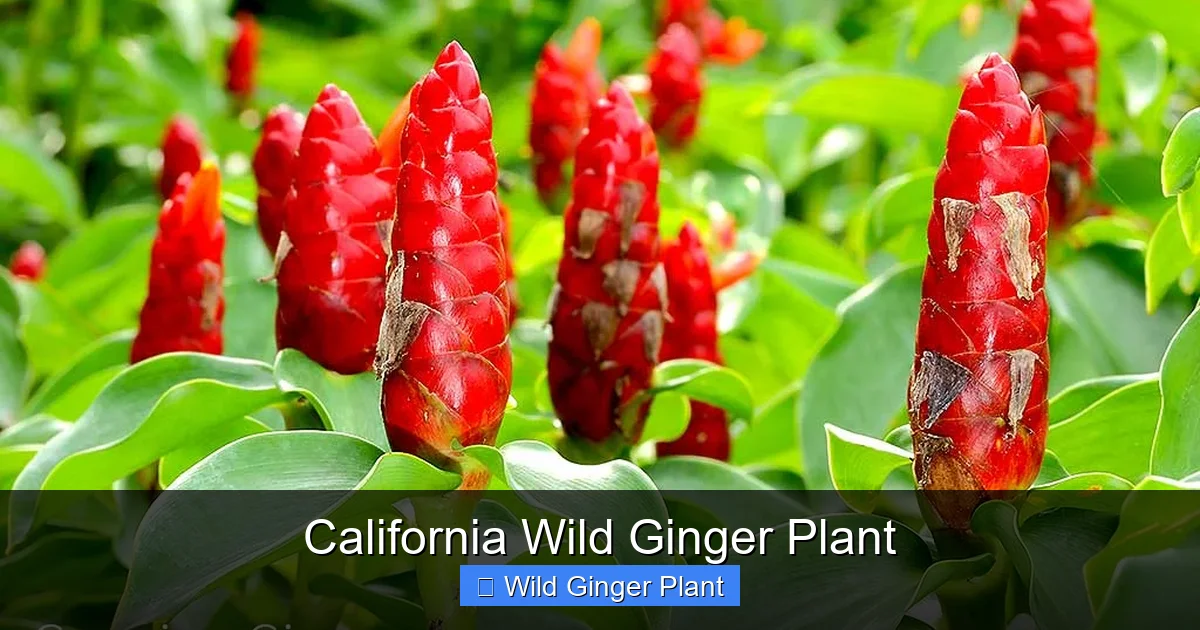
California Wild Ginger Plant
The California wild ginger plant (Asarum caudatum) is a stunning native perennial that thrives in shady, moist woodlands across the Pacific Northwest. Its heart-shaped leaves and unique jug-shaped flowers make it a favorite for shade gardens and native plant enthusiasts. Learn how to identify, grow, and appreciate this remarkable forest dweller.
Have you ever wandered through a redwood forest and noticed a carpet of glossy, heart-shaped leaves hugging the ground? Chances are you’ve met the California wild ginger plant. This charming native perennial has a quiet beauty that stops hikers in their tracks. It doesn’t shout for attention like a showy rhododendron. Instead, it whispers with velvety leaves and secret flowers tucked close to the earth.
I first encountered this plant on a misty morning hike in the Santa Cruz Mountains. The air smelled of damp soil and redwood needles. There, in a patch of dappled light, grew a colony of California wild ginger plant spreading like a green velvet quilt. I crouched down, parted the leaves, and found the strange little flowers. They looked like tiny jugs or bells, deep maroon with long, tapering tails. That moment sparked a fascination that led me to grow it, study it, and share its story with fellow plant lovers.
Key Takeaways
- Native Range: The California wild ginger plant grows naturally from British Columbia to Central California in moist, shaded forests.
- Distinctive Features: Heart-shaped evergreen leaves and unusual purple-brown flowers that hide beneath the foliage.
- Shade Garden Star: Perfect for woodland gardens, it forms dense ground cover in full to partial shade.
- Not Culinary Ginger: Despite the name, it’s not related to culinary ginger (Zingiber officinale) and should not be eaten in large quantities.
- Wildlife Value: Provides shelter for small creatures and its seeds are dispersed by ants.
- Easy to Grow: Once established in the right conditions, it requires minimal maintenance.
- Conservation Note: Never harvest from the wild; purchase from reputable native plant nurseries instead.
Quick Answers to Common Questions
Is California wild ginger plant edible?
While Indigenous peoples used the rhizomes sparingly as a flavoring, modern science shows the plant contains aristolochic acid which can cause kidney damage and cancer. It’s not recommended for consumption. Use culinary ginger (Zingiber officinale) instead.
How fast does California wild ginger plant spread?
It spreads slowly by rhizomes, typically forming a colony 2 to 3 feet wide over 3 to 5 years. It’s not aggressive and won’t take over your garden. Division every few years can speed up coverage if desired.
Can California wild ginger plant grow in full sun?
No, it requires full to partial shade. Afternoon sun will scorch the leaves. It thrives in dappled light under trees or on the north side of buildings. Morning sun in cool coastal areas is tolerated.
When does California wild ginger plant bloom?
Flowers appear from late winter through spring, typically February to May depending on your location and elevation. The flowers are hidden at ground level beneath the leaves, so you need to gently lift foliage to see them.
Is California wild ginger plant deer resistant?
Yes, deer generally avoid this plant due to its aromatic compounds and texture. However, very hungry deer may sample anything. In high-pressure areas, use repellent on young plants until established.
📑 Table of Contents
- Getting to Know the California Wild Ginger Plant
- California Wild Ginger Plant in the Garden
- Propagation: Growing More California Wild Ginger Plant
- Traditional Uses and Modern Cautions
- Ecological Role and Wildlife Value
- Conservation and Ethical Gardening
- Designing with California Wild Ginger Plant
- Seasonal Care Calendar
- Troubleshooting Common Issues
- California Wild Ginger Plant vs. Its Relatives
- The Joy of Growing Native
- Conclusion
Getting to Know the California Wild Ginger Plant
What’s in a Name?
The scientific name is Asarum caudatum. The genus Asarum comes from the Greek word for “hazelwort,” an old European relative. The species name caudatum means “tailed” in Latin, referring to those long, dramatic sepal tips on the flowers. Common names include creeping wild ginger, long-tailed wild ginger, and western wild ginger. But most folks simply call it the California wild ginger plant.
Here’s the important part: this plant is not related to the ginger root you buy at the grocery store. That’s Zingiber officinale, a tropical plant from Southeast Asia. The California wild ginger plant belongs to the birthwort family, Aristolochiaceae. Early settlers and Indigenous peoples noticed the rhizomes smelled gingery when crushed, hence the shared name. But the chemistry is different, and we’ll talk about safety later.
Botanical Portrait
Let’s paint a picture of this plant so you’ll recognize it instantly. The California wild ginger plant is a low-growing perennial, typically 4 to 8 inches tall. It spreads by thick, fleshy rhizomes that creep just below the soil surface. From these rhizomes rise the leaves, each on a long, hairy petiole.
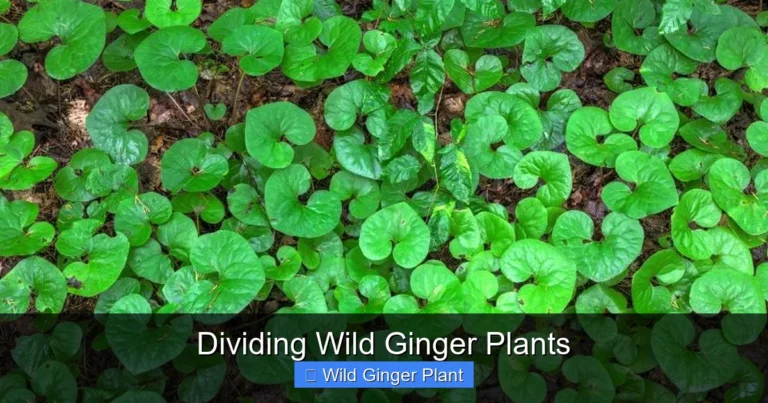
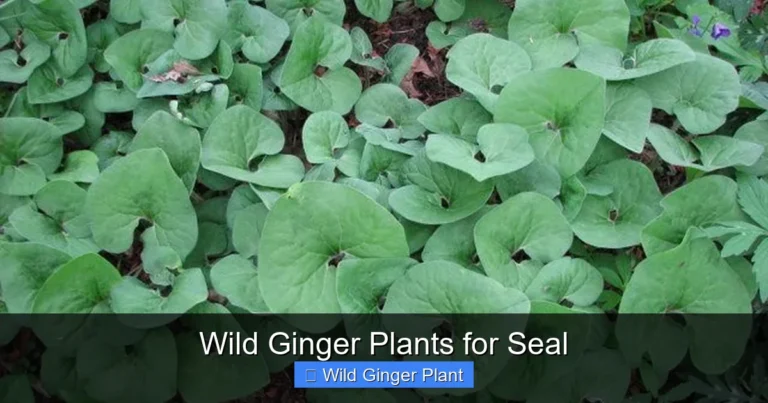
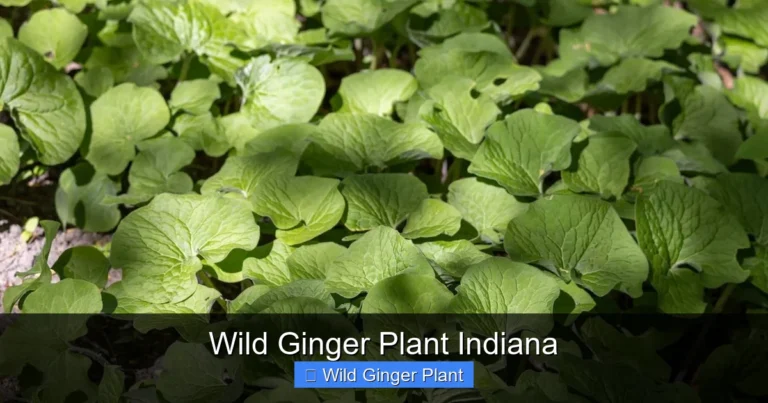
The leaves are the showstopper. They’re heart-shaped or kidney-shaped, 3 to 6 inches wide, with a deep notch at the base. The surface is glossy dark green, often with a slight sheen that catches light beautifully. Fine hairs cover the leaf stalks and the underside of the leaves, giving them a soft, velvety feel. In mild climates, the foliage stays evergreen through winter. In colder areas or harsh seasons, it may die back and return fresh in spring.
Now for the flowers. They bloom from late winter through spring, typically February to May depending on elevation and latitude. You have to look for them. The flowers sit on short stalks right at ground level, often hidden beneath the leaf litter. Each flower has three sepals fused into a cup or jug shape, usually purplish-brown to maroon. The sepal tips extend into long, graceful tails that can reach 2 inches or more. True petals are absent. Inside, 12 stamens surround a central pistil. The whole flower is about an inch wide, not counting the tails.
Where It Grows Naturally
The California wild ginger plant calls the coastal ranges home. Its range stretches from southwestern British Columbia down through Washington, Oregon, and into California as far south as Monterey County. It also pops up in the Sierra Nevada foothills. You’ll find it in moist, shaded forests, especially under redwoods, Douglas firs, and mixed evergreen canopies.
It loves the duff layer, that rich blanket of decomposing needles and leaves on the forest floor. The soil is usually acidic, high in organic matter, and consistently moist but well-drained. You’ll often see it growing alongside sword ferns, redwood sorrel, trilliums, and vanilla leaf. It’s an indicator of healthy, undisturbed woodland habitat.
California Wild Ginger Plant in the Garden
Why Gardeners Love It
If you have a shady spot, the California wild ginger plant is a dream come true. It solves that eternal problem: what grows in deep shade? This plant thrives where grass fails and hostas sulk. It forms a dense, weed-suppressing mat that looks good year-round in mild climates. The foliage texture contrasts beautifully with ferns and other shade lovers.
It’s also a native plant superstar. Using natives supports local ecosystems, requires less water once established, and connects your garden to the wider landscape. The California wild ginger plant checks all these boxes. Plus, deer generally leave it alone. That’s a huge win for many gardeners.
Ideal Growing Conditions
Success with the California wild ginger plant comes down to mimicking its forest home. Here’s what it needs:
- Shade: Full shade to dappled shade. Morning sun is okay in cooler climates, but afternoon sun will scorch the leaves.
- Soil: Rich, humusy, well-drained, slightly acidic (pH 5.5 to 6.5). Amend with compost or leaf mold.
- Moisture: Consistently moist but not soggy. Think wrung-out sponge. Mulch heavily with leaves or wood chips to retain moisture.
- Temperature: Hardy in USDA zones 7 to 9. In zone 7, provide extra winter mulch.
If you have a north-facing wall, a spot under mature trees, or a shaded courtyard, you’ve got the perfect location. The California wild ginger plant also works beautifully in woodland garden designs, native plant restorations, and shaded rock gardens where soil stays cool and moist.
Planting and Establishment
Spring and fall are the best planting times. Fall planting lets roots establish before summer heat. Space plants 12 to 18 inches apart. They’ll fill in within a couple of years. Dig a hole twice as wide as the pot, same depth. Mix compost into the backfill. Water thoroughly after planting and mulch with 2 to 3 inches of leaf mold or shredded bark.
Water regularly the first growing season. Don’t let the soil dry out completely. Once established, the California wild ginger plant is surprisingly drought-tolerant for a shade plant, but it looks best with occasional summer water. In its native range, it survives dry summers by going semi-dormant, but garden plants appreciate a deep soak every few weeks.
Companion Plants
Create a mini forest floor by pairing the California wild ginger plant with compatible natives. Some excellent companions include:
- Western sword fern (Polystichum munitum) for vertical structure
- Redwood sorrel (Oxalis oregana) for clover-like foliage
- Inside-out flower (Vancouveria hexandra) for delicate white blooms
- Pacific bleeding heart (Dicentra formosa) for pink spring flowers
- Wild ginger’s cousin, Asarum hartwegii, for variety
- Trilliums for spring ephemeral magic
Non-native but well-behaved companions include Japanese forest grass (Hakonechloa macra), hellebores, and epimediums. Avoid aggressive spreaders like English ivy or periwinkle that will smother the ginger.
Propagation: Growing More California Wild Ginger Plant
Division: The Easiest Method
Division is how most gardeners multiply their California wild ginger plant. Do it in early spring as new growth emerges, or in early fall. Dig up a clump, gently tease apart the rhizomes, making sure each piece has roots and at least one growing point (a leaf bud). Replant immediately at the same depth. Water well and mulch. The divisions may look a bit sad for a few weeks but will bounce back.
Growing from Seed
Seed propagation is rewarding but requires patience. The California wild ginger plant seeds have a fleshy appendage called an elaiosome that attracts ants. Ants carry seeds to their nests, eat the elaiosome, and discard the seed in their nutrient-rich trash piles. This is called myrmecochory, and it’s how the plant spreads in nature.
To grow from seed, collect capsules in early summer when they start to split. Clean the seeds and sow immediately in pots with a gritty, humus-rich mix. They need cold stratification: 60 to 90 days at 35 to 40°F. You can do this in a refrigerator or by leaving pots outside over winter. Germination is erratic, taking weeks to months. Seedlings grow slowly, taking 3 to 4 years to reach flowering size. But there’s something magical about raising a native plant from seed.
Rhizome Cuttings
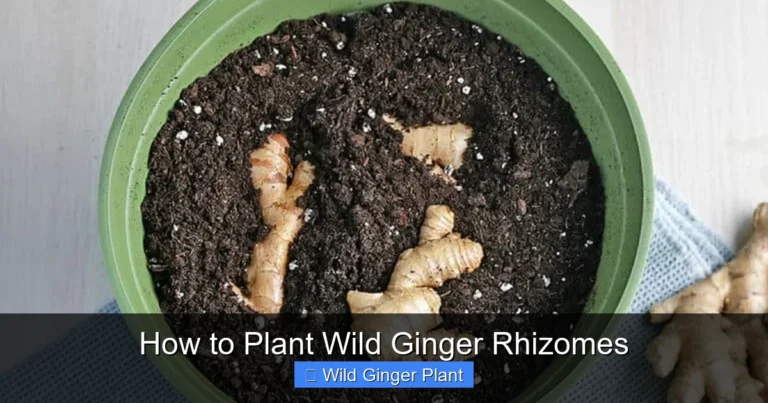
In late winter or early spring, you can take 2 to 3 inch sections of healthy rhizome. Each piece should have at least one node. Lay them horizontally in a tray of moist peat-sand mix, barely covered. Keep humid and cool. New shoots emerge in a few weeks. This method works well for producing larger numbers of plants.
Traditional Uses and Modern Cautions
Indigenous Knowledge
Indigenous peoples across the plant’s range have long known the California wild ginger plant. The Kashaya Pomo, Coast Miwok, and other tribes used the rhizomes for various purposes. They harvested rhizomes in fall, dried them, and used them as a flavoring, similar to how we use culinary ginger but more sparingly. The roots were also chewed for sore throats and colds.
Some tribes used leaf poultices for headaches and skin irritations. The plant had ceremonial uses too. This knowledge comes from generations of careful observation and experimentation. It’s important to honor this traditional ecological knowledge and recognize that these practices were developed within specific cultural contexts.
Early Settler Uses
European settlers learned about the plant from Indigenous guides. They used the rhizomes as a ginger substitute in cooking and brewing. The roots were candied, made into syrup, or dried and powdered. Some early botanists noted its use as a stomach settler and to promote sweating during fevers.
Modern Safety Concerns
Here’s where we need to be careful. The California wild ginger plant contains aristolochic acid, a compound found in the birthwort family. Aristolochic acid is known to cause kidney damage and is linked to certain cancers with long-term or high-dose use. The concentration varies by species, population, and plant part.
Current medical and botanical consensus advises against internal use of wild ginger. The risk outweighs any potential benefit. Culinary ginger (Zingiber officinale) is safe, widely available, and unrelated. If you want ginger flavor, use the real thing.
External use as a poultice may also pose risks through skin absorption. Some herbalists still use it topically with caution, but I recommend enjoying this plant with your eyes and camera, not your kitchen. Grow it for beauty, ecology, and connection to place. Leave the medicinal experimentation to researchers with proper safety protocols.
Ecological Role and Wildlife Value
Ant Partnerships
The relationship between the California wild ginger plant and ants is one of nature’s clever deals. The seeds have that fatty elaiosome I mentioned. Ants harvest the seeds, carry them to their nests, feed the elaiosome to larvae, and discard the intact seed in their midden heaps. These waste piles are nutrient-rich, protected from seed predators, and perfect for germination.
This mutualism benefits both parties. The ants get high-quality food. The plant gets dispersal, planting, and fertilization. Studies show seeds dispersed by ants have higher survival rates. Next time you see ants around your wild ginger, thank them for their gardening services.
Pollination Mysteries
The flowers of the California wild ginger plant are weird. They’re at ground level, hidden, dark-colored, and lack petals. They smell faintly musty or fungal. Who pollinates them? For a long time, scientists debated this. Early theories suggested flies or beetles attracted to the fungal mimicry. Some thought they might be self-pollinating.
Recent research points to small flies, particularly fungus gnats and scuttle flies, as the primary pollinators. These insects are attracted to the flower’s appearance and scent, which mimic the fungi where they lay eggs. They enter the flower, get dusted with pollen, and move to the next flower. It’s a deception strategy: the plant offers no nectar reward, just a trick. Yet it works well enough for the species to thrive.
Habitat and Shelter
The dense mats of California wild ginger plant provide microhabitat for all sorts of small creatures. Salamanders, newts, and frogs shelter under the leaves. Invertebrates like springtails, mites, and beetles live in the rhizome zone. Birds like varied thrushes and hermit thrushes forage in the leaf litter around the plants. The plant is a foundational species in the forest floor community.
Conservation and Ethical Gardening
Wild Populations Under Pressure
While the California wild ginger plant isn’t currently listed as threatened, its habitat is shrinking. Coastal forests face development pressure, logging, climate change, and invasive species. Populations become fragmented. Over-collection for horticulture or herbal use has damaged some local stands. The plant’s slow growth and limited dispersal make recovery difficult.
Never Dig from the Wild
This bears repeating: never dig California wild ginger plant from natural areas. It’s illegal in many places without permits. It destroys wild populations. Wild-dug plants often die anyway due to root disturbance. And you might accidentally introduce pathogens or invasive weeds to your garden.
Source Responsibly
Buy from reputable native plant nurseries that propagate their own stock. Look for nurseries that are members of state native plant societies. Ask about their propagation methods. Good nurseries will tell you if plants are seed-grown or divided. Seed-grown plants maintain genetic diversity. Some excellent West Coast native plant nurseries offer California wild ginger plant regularly.
Be a Good Garden Citizen
If you grow California wild ginger plant, don’t let it escape into nearby natural areas. While it’s native, garden plants may have different genetics or carry diseases. Deadhead flowers if you’re near wild populations to prevent genetic mixing. Share divisions with friends instead of letting them spread unchecked. And consider participating in citizen science projects like iNaturalist to document wild populations.
Designing with California Wild Ginger Plant
Woodland Garden Design
The California wild ginger plant shines in woodland gardens. Use it as a ground cover under deciduous trees where it gets spring sun before leaf-out, then summer shade. Plant in drifts of 5, 7, or more for visual impact. Let it mingle with ferns and spring ephemerals. The evergreen foliage (in mild zones) provides winter interest when everything else is dormant.
Shade Border Edging
Line a shaded path or border with California wild ginger plant. The low, neat habit creates a clean edge. The glossy leaves catch light and guide the eye. It’s tough enough to handle occasional foot traffic near the edges. Pair with taller shade perennials behind it for a layered look.
Container Culture
Yes, you can grow California wild ginger plant in containers! Use a wide, shallow pot with excellent drainage. Fill with a mix of 2 parts quality potting soil, 1 part compost, 1 part fine bark or perlite. Keep in full shade. Water frequently; containers dry out faster. Fertilize lightly with organic fertilizer in spring. Repot every 2 to 3 years as the rhizomes fill the pot. This is a great option for renters or those with limited space.
Rain Gardens and Bioswales
The California wild ginger plant works in the shady edges of rain gardens where soil stays moist but not permanently flooded. Its dense roots help filter water and prevent erosion. Combine with other moisture-loving natives like stream orchid (Epipactis gigantea) or monkeyflower (Mimulus guttatus) in sunnier spots.
Seasonal Care Calendar
Spring (March to May)
This is showtime. Flowers appear, often before new leaves fully expand. Enjoy the hunt for those hidden blooms. New leaves unfurl, bright green and shiny. Apply a light top-dressing of compost or leaf mold around plants. Divide established clumps if needed. Watch for slugs on tender new growth.
Summer (June to August)
Growth slows in heat. Water deeply every 2 to 3 weeks if no rain. Mulch helps tremendously. Remove any yellowing old leaves. This is a good time to take rhizome cuttings if you want to propagate. In hot inland areas, the plant may look a bit tired by August. Don’t panic; it’s normal.
Fall (September to November)
Ideal planting time. Cool temperatures and returning rains help roots establish. Plant new acquisitions. Divide if you missed spring. Collect seed if you want to try propagation. Apply fresh mulch before winter rains. In colder zones, add extra mulch for winter protection.
Winter (December to February)
In mild coastal areas, the California wild ginger plant stays green and beautiful. In colder areas, leaves may die back. Either way, leave the foliage. It protects the rhizomes and provides habitat. Don’t clean up too aggressively. If heavy snow or ice damages leaves, trim in early spring. Plan next year’s garden additions while sipping tea by the window.
Troubleshooting Common Issues
Slugs and Snails
These are the main pests. They love the tender new leaves in spring. Hand-pick at night with a flashlight. Use copper tape around pots. Apply iron phosphate bait (safe for pets and wildlife) sparingly. Encourage predators like ground beetles and garter snakes by providing habitat. A few nibbled leaves won’t hurt established plants.
Root Rot
Caused by poorly drained soil or overwatering. Symptoms: yellowing leaves, wilting despite moisture, mushy rhizomes. Prevention is key: ensure good drainage, don’t overwater, plant in raised beds if soil is heavy clay. If caught early, dig up, trim rotten parts, dust with sulfur, and replant in better conditions.
Leaf Scorch
Brown, crispy leaf edges mean too much sun or not enough water. Move to shadier spot or increase watering. Afternoon sun is the killer. Morning sun is usually fine. Mulch heavily to keep roots cool and moist.
Poor Growth
If your California wild ginger plant just sits there, check: Is it too sunny? Too dry? Soil too alkaline? Too much competition from tree roots? Young plants take time to establish. Give them 2 to 3 years. They’re building root systems before top growth explodes.
California Wild Ginger Plant vs. Its Relatives
Other Western Asarum Species
The genus Asarum has several western North American species. Asarum hartwegii (Hartweg’s wild ginger) has smaller leaves and shorter flower tails. It grows at higher elevations in the Sierra Nevada. Asarum marmoratum (marbled wild ginger) has stunning white-marbled leaves and grows in the Klamath Mountains. Asarum lemmonii (Lemmon’s wild ginger) is a rare species from southern Oregon and northern California.
Each has its own charm. The California wild ginger plant (Asarum caudatum) is the most widely distributed and easiest to grow in gardens. But if you’re a collector, seek out the others from specialty nurseries.
Eastern Wild Ginger
Asarum canadense, Canadian wild ginger, grows across eastern North America. It’s similar but deciduous, with larger, softer leaves and shorter flower tails. It’s equally lovely in shade gardens. The two don’t overlap naturally but make nice companions in a continental native plant collection.
European Asarum
Asarum europaeum, European wild ginger, has smaller, leathery, evergreen leaves and tiny flowers. It’s been cultivated for centuries in European gardens. It’s more tolerant of alkaline soils than our native species.
The Joy of Growing Native
There’s a special satisfaction in growing the California wild ginger plant. It connects you to the redwood forests, the fog-dripped canyons, the ancient rhythms of this coast. When you kneel to part those glossy leaves and find the secret flowers, you’re participating in a relationship that spans millennia.
Native gardening isn’t just about plants. It’s about place. It’s about healing the fragmentation between our yards and the wild lands beyond. Every patch of California wild ginger plant in a garden is a stepping stone for ants, a shelter for salamanders, a seed source for the future.
Start small. Buy one plant from a good nursery. Plant it in that difficult shady corner. Watch it spread. Share divisions with neighbors. Tell them its story. Before you know it, you’ve created a little piece of forest floor right at home.
Conclusion
The California wild ginger plant offers so much: year-round beauty, ecological value, cultural significance, and the quiet pride of growing a piece of our natural heritage. It asks for little: shade, moisture, rich soil, and patience. In return, it gives a carpet of emerald hearts, strange hidden flowers, and a living link to the redwood forests.
Whether you’re a seasoned native plant gardener or just discovering the joys of shade gardening, this plant deserves a spot in your landscape. Source it responsibly. Plant it thoughtfully. Observe it closely. And when you find those tawny, tailed flowers hugging the ground in early spring, take a moment to marvel. You’re growing more than a plant. You’re growing a relationship with the land.
Happy gardening, and may your shade be ever verdant.
Frequently Asked Questions
What is the scientific name of the California wild ginger plant?
The scientific name is Asarum caudatum. It belongs to the birthwort family, Aristolochiaceae, and is not related to culinary ginger (Zingiber officinale) despite the similar common name.
How do I propagate California wild ginger plant in my garden?
The easiest method is division in early spring or fall. Dig up a clump, separate rhizomes with roots and growing points, and replant immediately. You can also grow from seed with cold stratification, but it takes 3 to 4 years to reach flowering size.
What are the ideal growing conditions for California wild ginger plant?
It needs full to dappled shade, rich humusy soil with good drainage, consistent moisture, and slightly acidic pH (5.5 to 6.5). Mulch heavily with leaf mold or wood chips to mimic forest floor conditions.
Does California wild ginger plant stay green in winter?
In mild climates (USDA zones 8 to 9), it remains evergreen year-round. In colder areas (zone 7), foliage may die back in winter and re-emerge in spring. Extra winter mulch helps protect rhizomes in marginal zones.
Where can I buy California wild ginger plant ethically?
Purchase from reputable native plant nurseries that propagate their own stock. Look for nurseries affiliated with state native plant societies. Never dig plants from the wild, as this damages natural populations and is often illegal.
What wildlife benefits from California wild ginger plant?
Ants disperse the seeds through a mutualistic relationship. The dense foliage provides shelter for salamanders, frogs, and invertebrates. Birds forage in the leaf litter around plants. Small flies pollinate the unusual ground-level flowers.