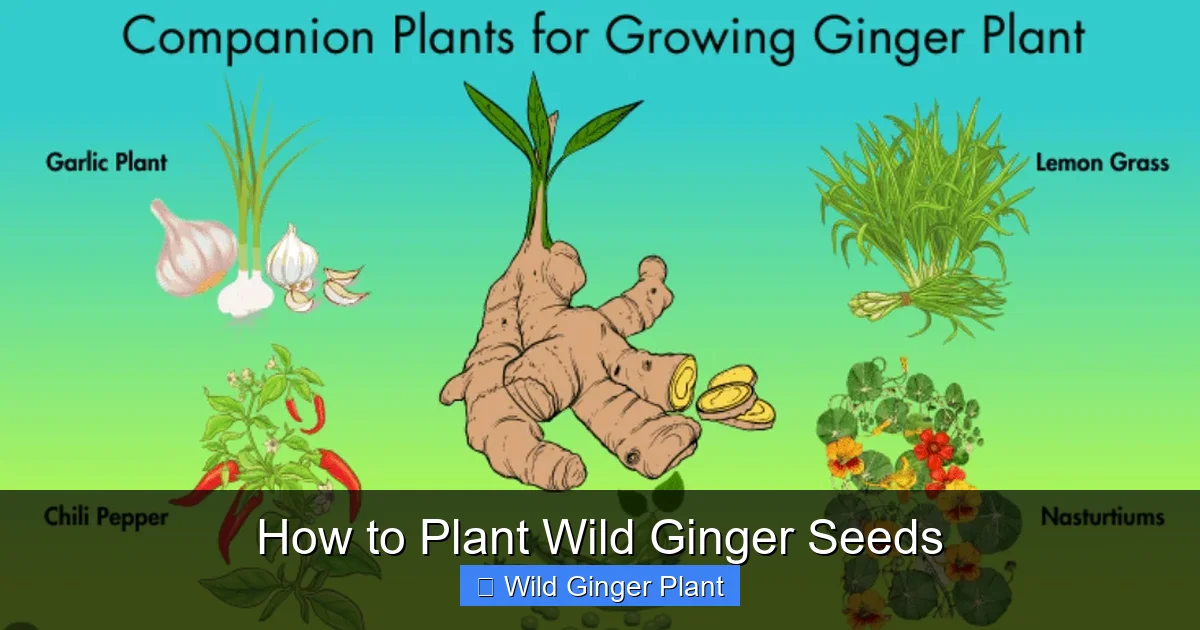
How to Plant Wild Ginger Seeds
Wild ginger makes a beautiful native groundcover for shade gardens. This guide covers everything from cold stratification to planting depth and ongoing care. Follow these steps for successful germination and lush, heart-shaped foliage.
Wild ginger is one of those plants that makes a shade garden feel like a real woodland retreat. Its heart-shaped leaves create a lush carpet that suppresses weeds and looks gorgeous all season long. If you have ever wondered how to plant wild ginger seeds, you are in the right place. This guide walks you through every step from seed preparation to long-term care.
Many gardeners shy away from starting native plants from seed because they think it is too difficult. The truth is that wild ginger has some specific requirements but they are totally manageable once you understand them. The key is mimicking what happens in nature. In the wild, seeds fall in late summer, experience winter cold and moisture, then sprout when spring warms up. We just need to recreate that cycle.
Key Takeaways
- Cold stratification is essential: Wild ginger seeds require 60 to 90 days of cold moist treatment to break dormancy before they will germinate.
- Plant in full to partial shade: This native woodland plant thrives under trees where it gets dappled light or morning sun only.
- Rich, moist soil works best: Amend planting areas with leaf mold or compost to mimic the forest floor conditions wild ginger loves.
- Sow seeds shallowly: Press seeds into the soil surface without covering them deeply because they need light to germinate properly.
- Patience pays off: Germination can take 30 to 90 days after stratification and plants spread slowly by rhizomes over several years.
- Keep soil consistently moist: Never let the planting area dry out completely during the first growing season for best establishment.
- Divide established clumps: After three to four years you can divide mature plants in early spring to expand your patch more quickly.
Quick Answers to Common Questions
How long does wild ginger take to germinate after stratification?
Germination typically begins in two to three weeks but can continue irregularly for eight to twelve weeks after sowing stratified seeds.
Do wild ginger seeds need light to germinate?
Yes wild ginger seeds require light to germinate so press them into the soil surface without covering them deeply.
When is the best time to transplant wild ginger seedlings?
Transplant seedlings to their permanent location in early fall or early spring of their second year for best establishment.
How far apart should I space wild ginger plants for groundcover?
Space plants twelve to eighteen inches apart for a groundcover that will fill in over three to five years.
Can I stratify wild ginger seeds in the freezer instead of the refrigerator?
No freezing temperatures can damage the seeds. Use the refrigerator at thirty-four to forty degrees Fahrenheit for proper stratification.
📑 Table of Contents
- Understanding Wild Ginger Before You Plant
- Gathering And Preparing Your Seeds
- Cold Stratification The Critical Step
- Preparing The Perfect Planting Site
- Sowing Your Stratified Seeds
- Caring For Young Seedlings
- Moving To Permanent Locations
- Long Term Care And Maintenance
- Companion Planting And Design Ideas
- Troubleshooting Common Problems
- Harvesting And Using Wild Ginger
- Frequently Asked Questions About Growing Wild Ginger
- Conclusion
Understanding Wild Ginger Before You Plant
What Is Wild Ginger?
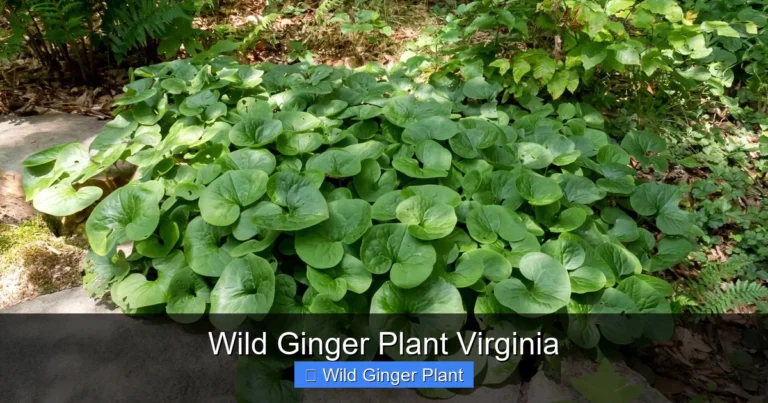
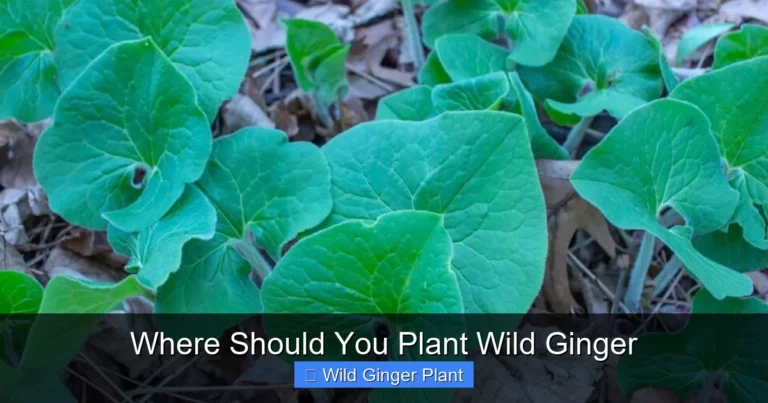
Wild ginger (Asarum canadense) is a native North American perennial that grows in rich deciduous forests from Canada down to the southeastern United States. It is not related to culinary ginger (Zingiber officinale) though the roots have a similar spicy aroma. The plant forms colonies through underground rhizomes and produces unusual jug-shaped flowers that hide at ground level.
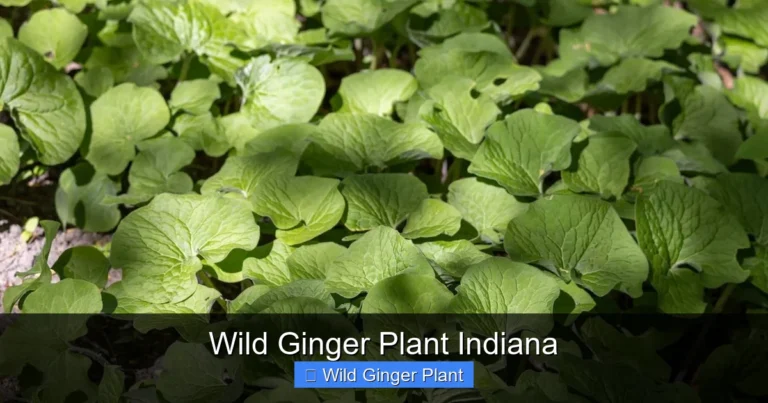
Each plant grows six to twelve inches tall with a spread of twelve to eighteen inches. The kidney-shaped leaves are soft and slightly fuzzy. They emerge in early spring and stay attractive until frost. This makes wild ginger an excellent choice for filling in under trees where grass refuses to grow.
Why Grow From Seed?
You might ask why bother with seeds when you can buy potted plants. There are several good reasons. Seeds are much more economical if you want to cover a large area. A single packet can yield dozens of plants for the price of one nursery pot. Growing from seed also lets you select the strongest seedlings for your specific conditions. Plus there is a real satisfaction in watching a whole colony develop from tiny seeds you planted yourself.
When To Start The Process
Timing matters when you learn how to plant wild ginger seeds. The entire process from stratification to planting takes several months. Plan to start cold stratification in late fall or early winter. This means beginning in November or December for spring planting. If you miss that window you can also stratify in the refrigerator and plant in fall. Either approach works as long as you give the seeds their required cold period.
Gathering And Preparing Your Seeds
Collecting Seeds From Existing Plants
If you have access to mature wild ginger plants you can collect your own seeds. The flowers appear in April or May but they are easy to miss because they sit at soil level hidden by leaves. After pollination the flowers develop into fleshy capsules that ripen in late summer. Watch for the capsules to split open revealing seeds with white fleshy appendages called elaiosomes. Ants love these and carry the seeds away which is how the plant spreads naturally.
Collect seeds as soon as the capsules open. The elaiosomes should be white and plump. Remove the seeds and clean off the fleshy coating by rubbing them gently in a sieve under running water. Spread them on a paper towel to air dry for a day. Do not let them dry out completely or they may lose viability.
Buying Quality Seeds
Most gardeners will buy seeds from a reputable native plant nursery. Look for suppliers who specialize in woodland natives. Fresh seed is critical. Wild ginger seeds lose viability quickly in dry storage. Good suppliers keep seeds in cold moist storage until shipping. Avoid any seed packets that have been sitting on a shelf at room temperature for months. Check the harvest date if possible and aim for seeds from the most recent season.
Testing Seed Viability
Before you invest time in stratification you can do a simple viability test. Place ten seeds on a damp paper towel inside a plastic bag. Keep it at room temperature for two weeks. If fewer than three germinate your seed batch may have low viability. This test is not perfect because the seeds still need cold treatment but it can flag completely dead seed lots.
Cold Stratification The Critical Step
Why Stratification Matters
This is the step where most people go wrong when learning how to plant wild ginger seeds. The seeds have a physiological dormancy that prevents germination until they experience prolonged cold and moisture. This adaptation prevents seeds from sprouting in fall only to be killed by winter. Without stratification you might get zero germination or very spotty results.
Outdoor Stratification Method
The most natural approach is to sow seeds directly outdoors in fall. Prepare a nursery bed in a shaded spot. Press seeds into the soil surface and cover with a thin layer of fine leaf mulch. Mark the area clearly. Winter weather provides the exact conditions needed. This method works well in zones 3 through 7 where winters are reliably cold. In warmer zones the outdoor method may not provide enough chilling hours.
Refrigerator Stratification Method
For more control or in mild climates use the refrigerator method. You will need a clean plastic container with a lid, moistened sterile sand or vermiculite, and your seeds. Mix seeds with the moist medium at a ratio of about one part seeds to three parts medium. The mixture should feel like a wrung-out sponge. No standing water. Seal the container and label it with the date and species.
Place the container in your refrigerator at thirty-four to forty degrees Fahrenheit. Check every two weeks to make sure the medium stays moist. Add a few drops of water if needed. Watch for mold. If you see any, spread the mixture on a paper towel to air dry for an hour then return to fresh moist medium. After sixty to ninety days the seeds are ready to sow.
How Long To Stratify
Sixty days is the minimum but ninety days often gives better germination rates. Some gardeners stratify for up to one hundred twenty days with good results. If you are not sure, err on the longer side. The seeds will not sprout in the refrigerator because it is too dark and they also need warm temperatures to trigger germination after the cold period.
Preparing The Perfect Planting Site
Choosing The Right Location
Wild ginger evolved on the forest floor. It wants dappled shade or morning sun with afternoon shade. Deep shade under evergreens can be too dark. Full sun will scorch the leaves. Look for spots under deciduous trees where spring ephemerals grow well. The north or east side of a building or fence also works. Avoid areas with aggressive tree roots that will outcompete the ginger for moisture.
Soil Requirements
The ideal soil is rich, loose, and moisture-retentive but well-drained. Think of the duff layer in an old forest. Heavy clay holds too much water and can rot the rhizomes. Pure sand dries out too fast. If your soil is less than perfect amend it generously. Work in two to three inches of leaf mold, compost, or well-rotted manure into the top six inches of soil. This improves both drainage and water holding capacity.
Soil pH Considerations
Wild ginger prefers slightly acidic to neutral soil in the range of 5.5 to 7.0. Most woodland soils fall in this range naturally. If you are not sure, a simple soil test from your extension service will tell you. Avoid adding lime unless a test shows very acidic soil below 5.0. The organic amendments you add will gradually buffer the pH toward neutral anyway.
Preparing A Nursery Bed Versus Direct Sowing
You have two main options for how to plant wild ginger seeds after stratification. A nursery bed gives you more control and makes it easier to care for tiny seedlings. Direct sowing into the final location saves transplanting but has lower success rates. For beginners I strongly recommend a nursery bed. You can use a raised bed, a shaded corner of your vegetable garden, or even large flats or pots.
Sowing Your Stratified Seeds
When To Sow
Sow stratified seeds as soon as the danger of hard frost has passed in spring. Soil temperatures should be consistently above fifty degrees Fahrenheit. In most regions this is April or May. If you stratified in the refrigerator on schedule your seeds will be ready at exactly the right time. Do not hold stratified seeds longer than necessary. They can start to sprout in the container if left too long after their cold requirement is met.
Sowing Depth And Spacing
This is crucial. Wild ginger seeds need light to germinate. Do not bury them. Press them firmly into the soil surface so they make good contact but remain visible. If you are using a nursery bed space seeds one to two inches apart in rows four inches apart. For direct sowing space them four to six inches apart since you will not be thinning them later. Cover the seeded area with a very thin dusting of fine vermiculite or screened compost just enough to keep seeds from washing away but still allowing light through.
Watering After Sowing
Water gently with a fine mist or a watering can with a rose attachment. You want to settle the seeds into the soil without displacing them. Keep the surface consistently moist. A clear plastic dome or row cover can help retain humidity but remove it as soon as you see the first sprouts to prevent damping off disease. Check moisture daily especially on warm or windy days.
Germination Timeline
Be patient. Even with proper stratification germination is irregular. You may see the first seedlings in two to three weeks but others can take eight to twelve weeks. Do not give up on the tray or bed too soon. Keep it moist and shaded. The irregular germination is actually a survival strategy. In nature it ensures some seedlings emerge at the optimal time even if weather fluctuates.
Caring For Young Seedlings
Light Requirements For Seedlings
Young wild ginger seedlings need bright shade. Direct sun will burn their tender leaves. If you are using a nursery bed under trees the natural dappled light is perfect. If you are using pots or flats place them where they get morning sun only or bright indirect light all day. A shade cloth rated at fifty percent can work if you have no natural shade.
Watering Regimen
Never let seedlings dry out. Their roots are thread-thin and near the surface. Water when the soil surface feels just barely damp. Avoid overhead watering late in the day as wet leaves overnight encourage fungal diseases. Soaker hoses or drip irrigation are ideal for nursery beds. For pots water from the bottom by setting them in a tray of water until the surface glistens.
Fertilizing Young Plants
Wild ginger is not a heavy feeder. Too much nitrogen produces lush leaves but weak roots. Wait until seedlings have at least two true leaves before applying any fertilizer. Use a half-strength organic liquid fertilizer like fish emulsion or seaweed extract once a month during the growing season. Alternatively top-dress with a thin layer of compost in early summer. Stop fertilizing by late August so plants can harden off before winter.
Thinning And Transplanting
If you sowed densely in a nursery bed you will need to thin or transplant. Wait until seedlings have two to three true leaves. Thin to the strongest plant every two inches by snipping unwanted ones at soil level. Do not pull them or you will disturb the neighbors. If you want to move thinned seedlings to another bed do it on a cloudy day. Dig carefully with a spoon to get as much root as possible. Water immediately and provide extra shade for a week.
Moving To Permanent Locations
When To Transplant
Seedlings can stay in the nursery bed for their first full growing season. Transplant to permanent locations in early fall (September to October) or early spring (March to April) of their second year. Fall planting gives roots time to establish before winter. Spring planting works well in colder zones where fall planting might not allow enough root growth before the ground freezes.
Planting Technique
Dig holes twice as wide as the root ball and just as deep. Space plants twelve to eighteen inches apart for a groundcover effect. They will fill in over three to five years. If you want faster coverage plant at eight to ten inch spacing. Set the plant so the crown sits at soil level. Backfill with amended soil and firm gently. Water thoroughly to settle soil around roots.
Mulching New Plantings
Apply a two-inch layer of shredded leaves, leaf mold, or pine straw around but not touching the crowns. Mulch conserves moisture, suppresses weeds, and slowly builds the humus-rich soil wild ginger loves. Replenish mulch annually in fall after leaves drop. Avoid wood chips or bark mulch which can tie up nitrogen as they decompose.
Long Term Care And Maintenance
Watering Established Plants
Once established wild ginger is fairly drought tolerant for a woodland plant. However it looks best with consistent moisture. During dry spells water deeply once a week. Soak the soil to a depth of six inches. Plants in dense shade under large trees need more frequent watering because tree roots take up most available moisture. A soaker hose run for an hour twice a week during drought keeps colonies lush.
Seasonal Cleanup
In late fall after the leaves die back you can remove them if you prefer a tidy look. However leaving the dead leaves in place mimics natural forest processes. They decompose into leaf mold that feeds the plants. If you do remove them replace with a fresh layer of shredded leaves. In spring gently rake off any matted leaves before new growth emerges to prevent crown rot.
Dividing Mature Clumps
After three to four years your original plants will form dense clumps. This is the perfect time to divide and expand your planting. Dig the whole clump in early spring just as new leaves emerge. Use a sharp knife or spade to cut the rhizomes into sections each with at least one growing point and some roots. Replant immediately at the same depth. Water well and mulch. Divisions often flower in their first year.
Managing Pests And Diseases
Wild ginger is remarkably trouble-free. Slugs and snails occasionally nibble leaves especially in wet springs. Hand pick at night or use iron phosphate baits. Deer and rabbits usually avoid it. Fungal leaf spots can appear in very wet years with poor air circulation. Thin crowded plantings and avoid overhead watering. Root rot only happens in poorly drained soil. Good site preparation prevents most problems.
Companion Planting And Design Ideas
Best Companion Plants
Wild ginger plays well with other shade-loving natives. Pair it with foamflower (Tiarella cordifolia), wild geranium (Geranium maculatum), and Christmas fern (Polystichum acrostichoides). Spring ephemerals like Virginia bluebells (Mertensia virginica) and trilliums bloom before the ginger fills in completely. Later the ginger hides their dying foliage. Hostas and astilbes are non-native but compatible companions.
Using Wild Ginger As Groundcover
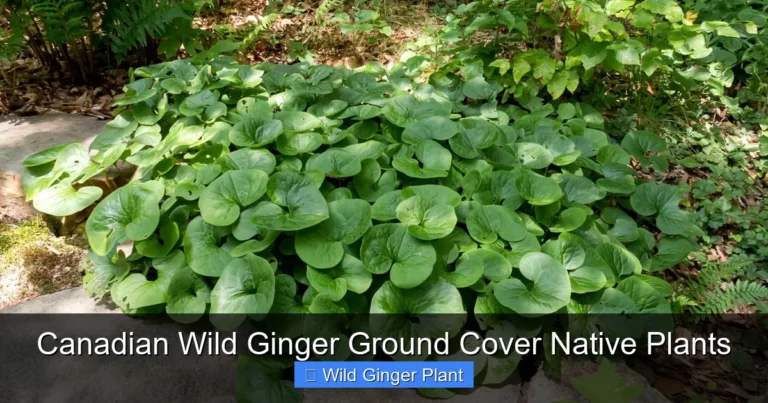
This is where wild ginger shines. Plant it on slopes where mowing is dangerous. Use it under mature trees where grass fails. Create a living mulch around shrubs like hydrangeas or viburnums. The dense foliage suppresses weeds effectively once established. For large areas stagger plantings over several years to spread the cost and labor.
Edging And Border Applications
The neat mounded habit makes wild ginger an excellent edging plant for shade garden paths. Plant a single row eighteen inches from the path edge. The leaves will spill over softly. It also works well at the front of a woodland border backed by taller ferns and shade perennials. The flowers are curious but not showy so this plant is grown for foliage texture.
Troubleshooting Common Problems
Seeds Fail To Germinate
If you followed all the steps and got no germination consider these possibilities. The seeds may have been too old or stored improperly before you got them. Stratification may have been too short or the medium dried out at some point. Seeds may have been buried too deep. Or the planting site got too hot or too dry. Keep records of what you did so you can adjust next time.
Seedlings Damp Off
Damping off is a fungal disease that causes seedlings to collapse at the soil line. It thrives in wet stagnant conditions. Prevent it by using sterile seed starting mix, providing good air circulation, watering from the bottom, and removing humidity domes promptly. If it happens remove affected seedlings immediately and let the surface dry slightly between waterings.
Leaves Yellow Or Burn
Yellow leaves usually mean too much sun or nutrient deficiency. Move plants to more shade or apply a light feeding. Brown crispy leaf edges indicate sun scorch or drought stress. Increase watering and provide more shade. If the whole plant yellows and wilts check for root rot from poor drainage.
Plants Spread Too Slowly
Wild ginger is naturally slow. It spreads by rhizomes only a few inches per year. If you want faster coverage plant more densely or divide existing clumps annually. Ensure adequate moisture and organic matter. A top dressing of compost in spring can speed growth slightly. Accept that this is a long-term investment.
Harvesting And Using Wild Ginger
Root Harvest
The rhizomes have a ginger-like flavor and were used by indigenous peoples and early settlers. However wild populations are easily depleted. Only harvest from your own established patches that are at least five years old and spreading vigorously. Take no more than ten percent of the rhizomes in any year. Dig in fall after leaves die back. Wash, peel, and use fresh or dried.
Culinary Uses
The flavor is spicier and more pungent than commercial ginger with earthy notes. Use it in teas, syrups, baked goods, and savory dishes. A little goes a long way. Candied wild ginger root is a traditional treat. The leaves can wrap foods for steaming imparting a subtle flavor. Always confirm your identification before consuming any wild plant.
Medicinal Traditions
Historically the root was used for digestive complaints, colds, and as a poultice for wounds. Modern research has identified antimicrobial compounds. However this article is for gardening information not medical advice. Consult a qualified practitioner before using any plant medicinally.
Frequently Asked Questions About Growing Wild Ginger
Can I Grow Wild Ginger In Containers?
Yes wild ginger grows well in containers. Choose a pot at least twelve inches wide and deep. Use a high-quality potting mix amended with compost. Keep it in full shade and water frequently. Container plants need more winter protection in cold zones. Sink the pot in the ground or move to an unheated garage.
Does Wild Ginger Flower?
Yes but the flowers are unusual and easily missed. They appear in April or May at ground level hidden by the leaves. Each flower is bell-shaped with three pointed lobes, brownish-purple outside and paler inside. They are pollinated by small flies and beetles. The flowers develop into seed capsules by late summer.
Is Wild Ginger Invasive?
No. Wild ginger spreads slowly by rhizomes and does not produce runners that pop up far from the parent plant. It forms a tight clump that expands gradually. It does not self-sow aggressively because seeds need specific conditions to germinate. It is a well-behaved native plant.
Can I Grow It From Root Cuttings?
Yes division of rhizomes is actually faster and more reliable than seeds. Cut rhizomes into two-inch sections each with a growing bud. Plant horizontally just below the soil surface. Keep moist and shaded. This is how nurseries propagate it commercially. You get mature plants in one to two years versus three to four from seed.
What Is The Difference Between Wild Ginger And European Ginger?
European ginger (Asarum europaeum) is a similar looking but different species. It has shinier, more leathery evergreen leaves and is slightly smaller. It is also slower growing. Both make good groundcovers but wild ginger is native to North America and better adapted to our climate extremes.
Why Are My Wild Ginger Leaves Smaller Than Expected?
Small leaves usually indicate too much sun, not enough moisture, or poor soil. Wild ginger in deep shade with rich moist soil produces leaves up to six inches across. In drier or sunnier spots leaves may only reach two to three inches. Improve conditions for larger foliage.
Conclusion
Learning how to plant wild ginger seeds opens the door to one of the most rewarding native groundcovers for shade gardens. The process requires patience and attention to detail especially during stratification and early seedling care. But the payoff is a beautiful, long-lived plant community that supports native insects, suppresses weeds, and brings a touch of wild woodland magic to your yard.
Remember the key steps. Start with fresh viable seeds. Give them a proper cold moist stratification of sixty to ninety days. Sow on the soil surface because they need light. Keep them consistently moist in bright shade. Transplant to a prepared woodland site with rich soil. Mulch well and water during dry spells. In a few years you will have a lush carpet of heart-shaped leaves that looks like it has been there forever.
Do not be discouraged if your first attempt is not perfect. Native plant propagation is a skill that improves with practice. Each season teaches you more about your specific conditions. Keep notes. Take photos. Celebrate the small victories like the first tiny seedling or the first flower you discover hiding under the leaves. Before long you will be the one sharing divisions with gardening friends and teaching them how to plant wild ginger seeds too.
Frequently Asked Questions
How long do wild ginger seeds remain viable in storage?
Wild ginger seeds lose viability quickly when stored dry at room temperature. They remain viable for only a few months under those conditions. For longer storage keep seeds in moist cold storage at thirty-four to forty degrees Fahrenheit where they can last a year or more.
Will wild ginger grow under pine trees?
Wild ginger can grow under pine trees if the shade is not too dense and the soil is not excessively acidic. Pine needles make good mulch but can lower soil pH over time. Monitor soil pH and add lime only if it drops below 5.0.
Do I need to remove the elaiosome from wild ginger seeds before planting?
The elaiosome is the white fleshy attachment that attracts ants. It is not necessary to remove it for germination but cleaning seeds reduces mold risk during stratification. If you collect your own seeds rinse them gently to remove the coating.
Can wild ginger tolerate foot traffic?
Wild ginger does not tolerate foot traffic well. The leaves and rhizomes are easily damaged. Use stepping stones or paths through wild ginger plantings rather than walking directly on the plants.
Why are my wild ginger flowers hiding under the leaves?
This is normal behavior. Wild ginger flowers are produced at ground level and are naturally hidden by the foliage. This adaptation protects them from weather and positions them for their ground-dwelling pollinators like beetles and flies.
How do I know if my wild ginger seeds were properly stratified?
Properly stratified seeds will often show a tiny root tip emerging after the cold period when kept at warm temperatures. However absence of visible roots does not mean stratification failed. The true test is germination after sowing in warm conditions.