Wild Ginger Plant Locations Ohio
Wild ginger (Asarum canadense) thrives in Ohio’s moist, shaded woodlands, especially in the Appalachian foothills and along river corridors. This guide maps the top wild ginger plant locations Ohio enthusiasts can explore, plus practical advice for sustainable harvesting and cultivation.
Key Takeaways
- Habitat Preference: Wild ginger loves moist, shaded woods and is most abundant in the wild ginger plant locations Ohio of the Appalachian foothills.
- Top Public Sites: State parks such as Hocking Hills and Mohican provide reliable wild ginger plant locations Ohio for foragers and hikers.
- Seasonal Window: The plant emerges in early spring, typically March to April, making this the prime time to visit wild ginger plant locations Ohio.
- Identification Marks: Heart‑shaped paired leaves and a hidden brownish flower are key traits to confirm you are at wild ginger plant locations Ohio.
- Ethical Harvest: Take no more than ten percent of a colony and never uproot the entire rhizome when visiting wild ginger plant locations Ohio.
- Home Cultivation: A north‑facing, mulched garden bed mimics forest conditions and lets you enjoy wild ginger without pressure on wild ginger plant locations Ohio.
Quick Answers to Common Questions
Where can I find wild ginger plant locations ohio?
You can find wild ginger plant locations ohio in state parks like Hocking Hills Mohican and Shawnee as well as in Wayne National Forest and on private land with permission.
When is the best time to see wild ginger in Ohio?
The best time to see wild ginger is early spring from March to April when the leaves emerge and the hidden flowers appear at wild ginger plant locations ohio.
How do I identify wild ginger versus look alikes?
Look for heart shaped paired leaves a solitary brownish flower at ground level and a ginger scent when the rhizome is crushed at wild ginger plant locations ohio.
Is it legal to harvest wild ginger in Ohio state parks?
State parks generally prohibit removal of any plant material so harvesting wild ginger at wild ginger plant locations ohio in state parks is not allowed.
Can I grow wild ginger in my garden?
Yes you can grow wild ginger in a shaded moist garden bed that mimics forest conditions and reduces pressure on wild ginger plant locations ohio.
📑 Table of Contents
Understanding Wild Ginger in Ohio
When you wander through Ohio woodlands in early spring you may notice a low growing plant with heart shaped leaves and a subtle spicy scent. That plant is wild ginger a native perennial that prefers moist shaded spots. Many nature lovers search for wild ginger plant locations ohio to enjoy its beauty and learn about its uses. The scientific name is Asarum canadense and it belongs to the birthwort family. This herb forms dense mats that protect soil and provide shelter for insects. Understanding its biology helps you appreciate why wild ginger plant locations ohio are concentrated in rich humus soils.
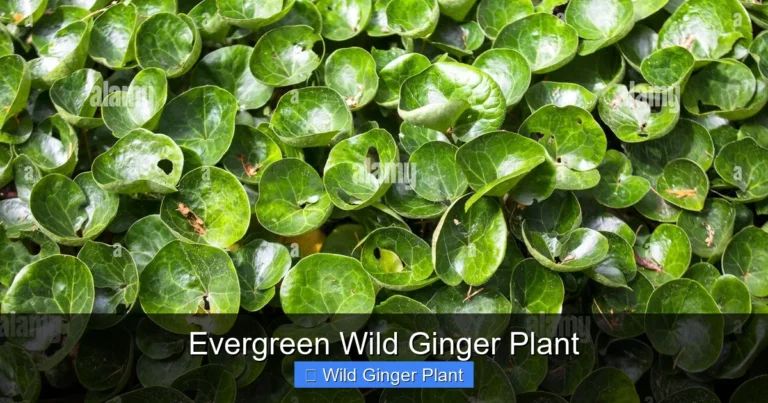
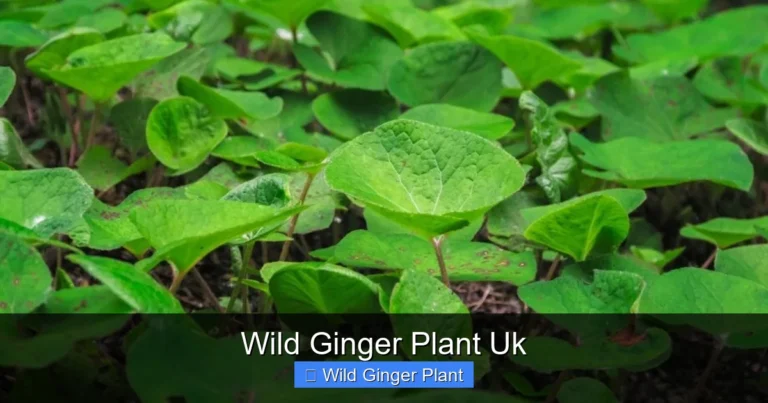
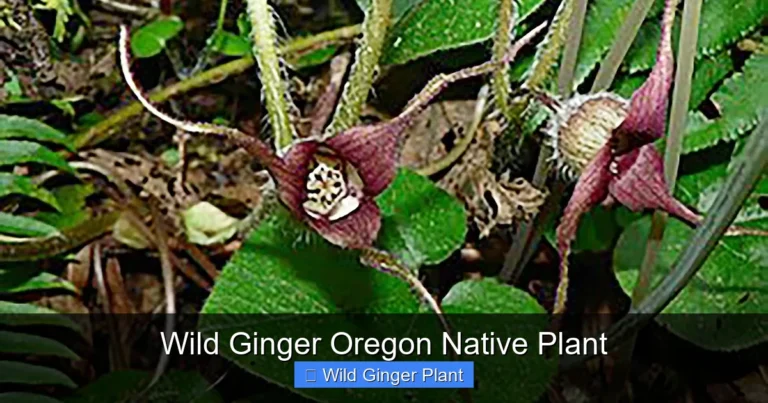
The species overview shows that wild ginger has heart shaped leaves that grow in pairs along a creeping rhizome. The flowers are hidden beneath the foliage and are pollinated by small flies. Many foragers search wild ginger plant locations ohio to observe these unique blooms in early April. The leaves are glossy and kidney shaped with a smooth margin. The rhizome is aromatic and has been used historically for flavoring. Knowing these details makes identification easy when you visit wild ginger plant locations ohio.
Habitat preferences include deep shade consistent moisture and a thick layer of decaying leaves. You will often find the plant on north facing slopes and along stream banks. Mapping wild ginger plant locations ohio helps you target these microhabitats during your hikes. The plant thrives in soils rich in organic matter with a pH near neutral. It avoids dry ridges and open fields. Recognizing these conditions lets you predict where wild ginger plant locations ohio will appear.
Distribution in Ohio covers most of the unglaciated eastern and southern counties. The plant is scarce in the flat agricultural northwest. Knowing wild ginger plant locations ohio lets you focus on the Appalachian foothills where populations are strongest. County records show high densities in Hocking, Vinton, and Jackson counties. The plant also occurs in isolated pockets along the Ohio River. This pattern guides your search for wild ginger plant locations ohio.
Top Wild Ginger Plant Locations Ohio
Top wild ginger plant locations ohio include several state parks nature preserves and national forest lands. These public areas offer legal access and well marked trails. Planning your trip around these sites increases your chances of a successful find. The Ohio Department of Natural Resources publishes maps that highlight wild ginger plant locations ohio on public land. Using these resources saves time and reduces impact on sensitive habitats.
State parks such as Hocking Hills Mohican and Shawnee provide excellent wild ginger plant locations ohio. The deep ravines and sandstone gorges create the cool damp conditions the plant loves. Trail maps often highlight wildflower loops where ginger appears. Visitors should stay on designated paths to protect the fragile rhizomes. Early morning visits give the best light for spotting the hidden flowers at wild ginger plant locations ohio.
National forests like Wayne National Forest and the surrounding wildlife areas also host wild ginger plant locations ohio. Large tracts of mixed hardwood forest give the plant room to spread. Check the forest service website for seasonal road closures before you go. Some forest roads require high clearance vehicles. Respect any posted restrictions to keep wild ginger plant locations ohio healthy.
Private land can hold hidden wild ginger plant locations ohio but you must obtain written permission from the landowner. Many landowners appreciate respectful foragers who follow leave no trace principles. A polite request often opens doors to prime patches. Offer to share a small portion of your harvest as a goodwill gesture. Building relationships ensures continued access to wild ginger plant locations ohio.
Seasonal Timing and Identification Tips
Seasonal timing is crucial when you visit wild ginger plant locations ohio. The plant emerges in early spring before the canopy closes. Early visits give you the best view of fresh leaves and hidden flowers. The exact window varies by latitude and elevation. Southern counties may see emergence in late March while northern areas peak in mid April. Tracking local weather helps you hit the peak at wild ginger plant locations ohio.
Spring emergence begins as soon as the soil thaws usually in March in southern Ohio and April farther north. The rhizomes send up paired leaves that unfurl quickly. Monitoring wild ginger plant locations ohio during this window helps you catch the plant at its peak. The leaves expand to full size within two weeks. After flowering the plant goes dormant until the next spring. Timing your visit to wild ginger plant locations ohio maximizes observation opportunities.
Leaf and flower characteristics are your main identification tools. Leaves are kidney shaped glossy and grow in opposite pairs. The solitary flower is brownish purple bell shaped and sits at ground level. Spotting these traits at wild ginger plant locations ohio confirms you have the right species. The flower lacks petals and has three sepal like structures. The rhizome emits a ginger like aroma when crushed. These features separate wild ginger from similar plants at wild ginger plant locations ohio.
Distinguishing from look alikes such as Canadian wild ginger versus European ginger is easy once you know the details. European ginger has larger more rounded leaves and a stronger scent. When you explore wild ginger plant locations ohio carry a field guide to compare leaf shape and flower position. The native species has a single flower per rhizome while the European species may produce multiple. Accurate identification protects both you and the plant at wild ginger plant locations ohio.
Sustainable Harvesting and Conservation
Sustainable harvesting protects wild ginger plant locations ohio for future generations. Take only a small portion of each colony and never uproot the entire rhizome. This practice keeps the population healthy and allows the plant to regenerate. The Ohio Division of Wildlife recommends a ten percent rule for personal use. Following this guideline at wild ginger plant locations ohio ensures long term viability.
Ethical foraging guidelines recommend harvesting no more than ten percent of a patch. Use a clean knife to cut a leaf or a short rhizome segment. Recover the cut area with leaf litter to reduce stress on the plant at wild ginger plant locations ohio. Avoid harvesting during flowering when the plant invests energy in reproduction. Leave the majority of the colony intact at wild ginger plant locations ohio.
Legal considerations in Ohio vary by property type. State parks generally prohibit removal of any plant material. National forests may allow limited personal use with a permit. Always check the regulations for each wild ginger plant locations ohio site before you collect. Ignorance of the law can result in fines and damage to the resource. Staying informed protects you and wild ginger plant locations ohio.
Supporting population health goes beyond careful harvesting. You can help by reporting sightings to the Ohio Department of Natural Resources. Citizen science data improves distribution maps for wild ginger plant locations ohio and guides conservation planning. Volunteering for habitat restoration projects also benefits the species. Every observation adds value to the knowledge base for wild ginger plant locations ohio.
Growing Wild Ginger at Home
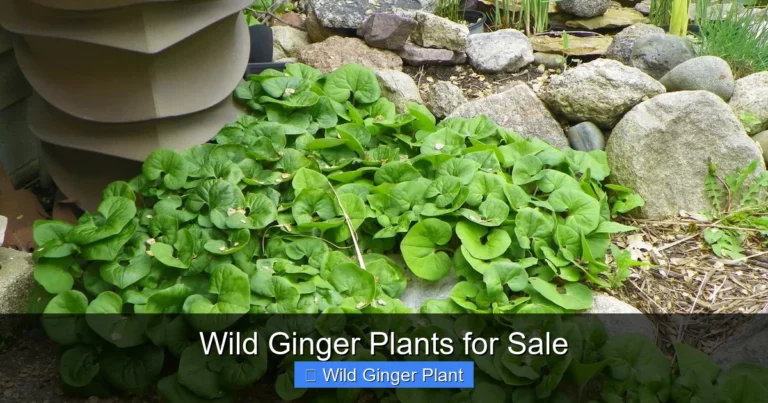
Growing wild ginger at home lets you enjoy the plant without pressure on wild ginger plant locations ohio. A shaded garden bed with rich moist soil mimics the forest floor. With patience you can establish a thriving colony in a few years. The plant spreads slowly by rhizomes so give it space. Home cultivation also provides a backup if wild populations decline at wild ginger plant locations ohio.
Site selection and soil preparation are the first steps. Choose a north facing spot under deciduous trees where leaf litter accumulates. Amend the soil with compost and a handful of peat moss to retain moisture for wild ginger plant locations ohio style conditions. Test the pH and aim for a slightly acidic to neutral range. Good drainage is essential to prevent rot at wild ginger plant locations ohio garden beds.
Propagation methods include division of mature rhizomes and seed sowing. Division is faster simply separate a healthy rhizome segment in early spring. Seeds require cold stratification and can take two years to germinate but they expand genetic diversity at your own wild ginger plant locations ohio garden. Plant divisions at the same depth they grew originally. Water gently after planting at wild ginger plant locations ohio.
Maintenance and pest management are minimal. Keep the bed mulched with shredded leaves to conserve moisture. Slugs and snails may nibble young leaves hand pick them or use copper tape. Regular monitoring ensures your cultivated patch mirrors the vigor of wild ginger plant locations ohio. Fertilize sparingly with a balanced organic fertilizer in early spring. Enjoy the subtle fragrance of your home grown wild ginger at wild ginger plant locations ohio.
Community Resources and Further Learning
Community resources make it easier to learn about wild ginger plant locations ohio and connect with other enthusiasts. Local groups online forums and university extensions share up to date information. Tapping into these networks accelerates your foraging skills. The Ohio Native Plant Society hosts an annual conference that includes field trips to wild ginger plant locations ohio. Membership gives you access to a newsletter with seasonal tips.
Local botanical societies such as the Ohio Native Plant Society host field trips to prime wild ginger plant locations ohio. Members exchange tips on identification ethics and propagation. Attending a meeting is a great way to find mentors. Many societies also maintain seed libraries for native species. Participating in these groups deepens your knowledge of wild ginger plant locations ohio.
Citizen science projects like iNaturalist and the Ohio Plant Atlas let you log observations of wild ginger plant locations ohio. Your data helps researchers track population trends and climate impacts. Participation is free and open to all skill levels. The apps provide instant feedback on identification. Contributing observations strengthens the scientific record for wild ginger plant locations ohio.
Recommended field guides and apps include Wildflowers of Ohio by Stan Tekiela and the PlantSnap app. Both provide clear photos and range maps for wild ginger plant locations ohio. Carry one on every outing to confirm your finds quickly. The guides also list similar species to avoid confusion. Having a reliable reference boosts confidence at wild ginger plant locations ohio.
In conclusion exploring wild ginger plant locations ohio offers a rewarding blend of botany adventure and stewardship. By knowing where to look how to identify and how to harvest responsibly you protect this native treasure. Share your knowledge respect the land and enjoy the quiet beauty of Ohio’s forest floor. The next time you hike a shaded trail remember the hidden ginger waiting at wild ginger plant locations ohio.
Frequently Asked Questions
What is the scientific name of wild ginger?
The scientific name of wild ginger is Asarum canadense a native perennial found throughout wild ginger plant locations ohio.
What habitat does wild ginger prefer?
Wild ginger prefers deep shade consistent moisture and rich organic soil typical of wild ginger plant locations ohio in the Appalachian foothills.
How do I sustainably harvest wild ginger?
Take no more than ten percent of a colony cut a leaf or short rhizome segment and cover the cut with leaf litter at wild ginger plant locations ohio.
Are there any poisonous look alikes?
European ginger resembles wild ginger but has larger leaves and a stronger scent; it is not toxic but can cause confusion at wild ginger plant locations ohio.
Do I need a permit to collect wild ginger on national forest land?
National forests may allow limited personal use with a permit so check the local ranger district before collecting at wild ginger plant locations ohio.
Where can I join a wild ginger foraging group in Ohio?
The Ohio Native Plant Society and local botanical clubs organize trips to wild ginger plant locations ohio and welcome new members.