Wild Ginger Plant in Ohio
Wild ginger is a low‑growing native herb found throughout Ohio’s moist woodlands. Its heart‑shaped leaves and hidden bell‑shaped flowers make it easy to identify once you know what to look for. The rhizome has a spicy, ginger‑like flavor and has been used for centuries in cooking and herbal remedies.
Key Takeaways
- Native habitat: Wild ginger thrives in shady, moist woods across Ohio.
- Distinct leaves: Heart‑shaped, glossy leaves grow in pairs at ground level.
- Hidden flowers: Small, maroon bell‑shaped blooms sit under the leaf litter.
- Edible rhizome: The underground stem tastes like mild ginger and can be used fresh or dried.
- Ecological value: Provides early nectar for pollinators and stabilizes soil.
- Legal harvest: Check local regulations; many public lands allow limited personal use.
- Conservation: Avoid over‑harvesting; leave plenty of plants to reproduce.
Quick Answers to Common Questions
What is the scientific name of wild ginger in Ohio?
The scientific name is Asarum canadense, commonly called Canadian wild ginger.
When does wild ginger bloom in Ohio?
Flowers appear from mid‑April to early May, hidden under the leaf litter.
Can I eat wild ginger root raw?
Yes, the fresh rhizome can be eaten raw, but it is milder when cooked or dried.
Is wild ginger protected in Ohio state parks?
Most state parks allow limited personal harvest; commercial collection requires a permit.
How do I tell wild ginger from look‑alikes?
Look for heart‑shaped paired leaves, hidden bell‑shaped flowers, and a ginger‑scented rhizome; toxic look‑alikes have arrow‑shaped leaves and a central spike.
📑 Table of Contents
What Is Wild Ginger?
The wild ginger plant in ohio grows low in shady woods. It has heart shaped leaves that hug the ground. The leaves are glossy and dark green. Small flowers hide under the leaf litter. The rhizome smells like mild ginger. People have used the root for tea and spice. The plant spreads slowly by underground stems. It prefers moist soil and deep shade. You can find it in many state parks. It adds a quiet charm to the forest floor.
Basic Botany
The wild ginger plant in ohio belongs to the birthwort family. It is a perennial herb with a single hidden stem. The stem produces two large kidney shaped leaves. Leaves can reach six inches across. The leaf surface feels smooth and waxy. Flowers are tiny, three petaled, and dark maroon. They bloom close to the ground in early spring. The flower sits under the leaf pair. Pollinators such as flies crawl inside. The plant reproduces by seed and rhizome.
Growth Habit
The wild ginger plant in ohio spreads by thick underground rhizomes. Rhizomes grow horizontally just below the soil surface. Each segment can produce a new leaf pair. Colonies form dense mats over time. The plant prefers rich, loamy soil with high organic matter. It thrives on north facing slopes and stream banks. Full sun causes leaf scorch and decline. Shade maintains moisture and encourages growth. Gardeners mimic these conditions for cultivation. Patience is needed as establishment takes years.
Historical Use
The wild ginger plant in ohio has a long history of use. Indigenous peoples harvested the rhizome for food and medicine. Early settlers adopted the practice for flavoring stews. The root was dried and ground into a spice powder. Herbalists used it to calm upset stomachs. It was also applied as a poultice for wounds. Modern foragers still value the mild ginger taste. Sustainable harvest honors the cultural legacy. Always leave enough plants for future generations. Respect the land and its traditions.
The wild ginger plant in ohio is a modest but remarkable forest herb. Its simple structure hides a wealth of ecological value. Understanding its botany helps you spot it quickly. Knowledge of its growth habit guides responsible harvest. Historical uses remind us of cultural connections. Share what you learn with fellow nature lovers. Protecting this plant protects the whole woodland community. Keep exploring the shaded trails with curiosity. Every encounter deepens your bond with the land. Enjoy the quiet wonder of wild ginger.
The wild ginger plant in ohio shows its leaf pairs early in spring. Look for two glossy leaves hugging the ground. This sign confirms a healthy colony. Note the location for future visits. Share the observation with a local nature group. Simple notes help track population trends. Enjoy the quiet moment of discovery. Respect the plant by not disturbing the soil. Your careful eye supports conservation. Keep a small field notebook handy. The wild ginger plant in ohio remains a forest gem.
Where to Find Wild Ginger in Ohio
The wild ginger plant in ohio prefers moist, shady woodlands. It grows best on rich, well drained soils near streams. North facing slopes provide ideal cool conditions. The canopy keeps the forest floor damp throughout spring. Leaf litter supplies nutrients and protects rhizomes. You rarely see it in open fields or dry ridges. Look for it under maple, oak, and beech trees. The plant forms loose colonies in undisturbed sites. Disturbance such as logging reduces its presence. Preserve native forest structure to support it.
Preferred Habitat
The wild ginger plant in ohio is common in southern and central counties. Hocking County reports the highest densities. Vinton and Adams counties also host large populations. The Appalachian foothills in eastern Ohio provide good habitat. In western Ohio the plant is scarce due to agriculture. County forest preserves often protect prime sites. Private woodlots with mature canopy can harbor it. Check local park maps for known locations. Join a guided walk to learn the best spots. Respect private property and ask permission.
Top Counties
The wild ginger plant in ohio emerges in late March as soil warms. Leaves unfurl by early April and reach full size. Flowers appear from mid April to early May. Pollinators visit the hidden blooms during this window. By June the foliage begins to yellow and die back. The rhizome remains alive underground all year. Fall rains help recharge soil moisture for next spring. Winter snow insulates the dormant roots. Timing your visit in April gives the best view. Mark the calendar for a spring woodland walk.
Seasonal Timing
The wild ginger plant in ohio thrives where shade and moisture meet. Knowing the preferred habitat guides your search. County records and park maps are valuable tools. Seasonal timing ensures you see leaves and flowers. Always tread lightly to avoid damaging colonies. Share location data with conservation groups responsibly. Protecting habitat benefits many other forest species. Your careful observation contributes to citizen science. Enjoy the hunt and the peaceful woods. Remember to leave no trace behind.
The wild ginger plant in ohio thrives on north facing slopes near streams. Check soil moisture before stepping off trail. Use a handheld GPS to mark exact spots. Return in different seasons to see changes. Record leaf size and flower timing each year. Data contributes to regional plant atlases. Teach a friend how to read the forest floor. Leave no trace and pack out all trash. Your stewardship keeps the habitat intact. Celebrate each visit as a learning chance. The wild ginger plant in ohio remains a forest gem.
Identifying Wild Ginger
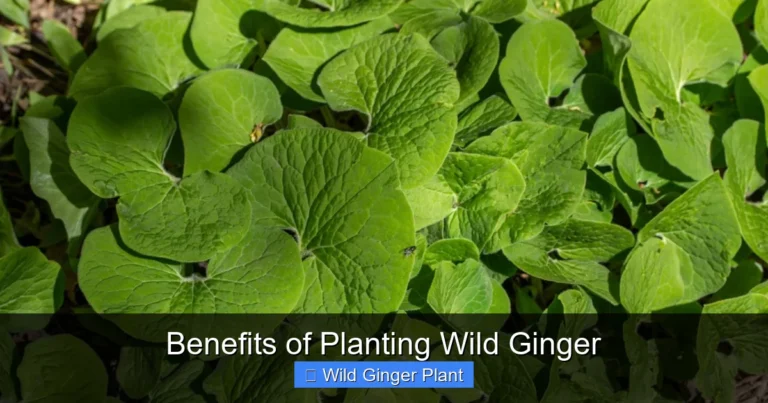
The wild ginger plant in ohio shows distinctive leaf traits. Leaves grow in opposite pairs at ground level. Each leaf is heart shaped with a deep notch. The surface is glossy dark green and smooth. Veins radiate from the base like a fan. Leaf edges are entire without teeth. Crushing a leaf releases a faint sweet scent. The leaf stem is short and hidden. These features separate it from similar ground covers. Practice makes identification quick and reliable.
Leaf Traits
The wild ginger plant in ohio hides its flowers under leaf litter. Flowers are bell shaped, about half an inch wide. Color ranges from deep maroon to brownish purple. Three fleshy sepals form a tube around the center. Tiny hairs line the interior of the tube. Flies and beetles crawl inside for nectar. The flower produces a single seed capsule after pollination. Seeds have an oily appendage that attracts ants. Ants carry seeds away aiding dispersal. Observing flowers requires gentle lifting of leaves.
Flower Traits
The wild ginger plant in ohio has a thick creamy rhizome. The rhizome grows horizontally just below the surface. It can be several inches long and a quarter inch thick. Fresh rhizome snaps cleanly and smells strongly of ginger. Dried rhizome loses some aroma but stores well. The root tissue is fibrous and pale white. Harvest only a small segment from each colony. Replant the remaining pieces to encourage regrowth. Proper cleaning removes soil and debris. Store in a cool dry place for later use.
Root Traits
The wild ginger plant in ohio is easy to recognize once you know the clues. Heart shaped leaves, hidden flowers, and ginger scented rhizome are key. Carry a field guide or phone app for confirmation. Take photos instead of pulling plants when unsure. Teach friends the identification points on walks. Accurate ID protects both you and the plant. Confidence grows with each successful find. Enjoy the satisfaction of naming a forest friend. Keep a notebook of locations and dates. Share observations with local naturalist groups.
The wild ginger plant in ohio reveals its identity through leaf, flower, and root. Carry a magnifying lens for close inspection. Compare the heart shaped leaf to similar species. Note the hidden bell shaped flower under litter. Smell the rhizome for a gentle ginger aroma. Photograph each part for later reference. Join a local plant identification walk for practice. Share photos on citizen science platforms. Accurate records help researchers monitor health. Enjoy the puzzle of nature’s design. The wild ginger plant in ohio remains a forest gem.
Ecological Role and Benefits
The wild ginger plant in ohio feeds early season pollinators. Flies, beetles, and small bees visit the hidden flowers. These insects emerge before many other blooms appear. Nectar and pollen provide vital energy for reproduction. Pollinator visits increase genetic diversity in colonies. Healthy pollinator populations benefit nearby gardens and farms. Planting wild ginger in shade beds supports this cycle. Avoid pesticide use near colonies to protect visitors. Observe the buzz of life on a spring morning. Celebrate the quiet partnership between plant and insect.
Pollinator Support
The wild ginger plant in ohio improves forest soil health. Its dense leaf litter adds organic matter each year. Decomposing leaves release nutrients slowly for neighbors. Rhizome exudates suppress some soil borne pathogens. This natural defense helps seedlings establish nearby. The root network binds soil particles on slopes. Erosion is reduced where colonies are thick. Gardeners can mulch with wild ginger leaves for similar effect. Healthy soil supports diverse plant communities. Protecting wild ginger protects the living soil beneath.
Soil Health
The wild ginger plant in ohio creates microhabitat for many creatures. Ground nesting birds hide nests under the leaf canopy. Salamanders find cool moist refuges among the stems. Small mammals forage for insects in the dense foliage. The plant structure buffers temperature extremes at ground level. This shelter increases survival during hot dry spells. Amphibians benefit from the constant humidity. Invertebrates thrive in the rich leaf litter layer. Biodiversity rises where wild ginger forms thick mats. Conserving the plant conserves the whole community.
Wildlife Habitat
The wild ginger plant in ohio is a keystone of the spring forest floor. Its flowers feed pollinators when food is scarce. Its leaves build soil and protect the ground. Its roots stabilize slopes and filter water. Wildlife finds shelter and food within its mats. Every benefit ripples through the ecosystem. Protecting this herb safeguards many other species. Simple actions like staying on trails help. Support local conservation groups that monitor populations. Celebrate the hidden power of a humble plant.
The wild ginger plant in ohio supports pollinators, soil, and wildlife simultaneously. Plant a few rhizomes in a shaded garden corner. Mulch with leaf litter to mimic forest floor. Observe insects visiting the hidden flowers. Note changes in soil moisture over weeks. Invite neighbors to watch the mini ecosystem. Document findings in a simple spreadsheet. Share results with a community garden group. Collective observation builds local ecological knowledge. Small actions create big ripple effects. The wild ginger plant in ohio remains a forest gem.
Harvesting and Using Wild Ginger Responsibly
The wild ginger plant in ohio can be harvested with care. Take only a small piece of rhizome from each colony. Leave at least two thirds of the underground stem intact. Harvest in late spring after flowering when energy stores are high. Use a clean knife to cut a segment about two inches long. Replant the remaining rhizome pieces right away. Mark the spot so you do not return too soon. Rotate harvest areas each year to reduce pressure. Follow any posted rules on public lands. Sustainable harvest keeps the population thriving.
Sustainable Harvest
The wild ginger plant in ohio adds a mild ginger flavor to dishes. Fresh rhizome can be grated into stir fries and soups. It pairs well with carrots, garlic, and soy sauce. A simple tea uses one teaspoon chopped rhizome steeped five minutes. Dried powder works in spice rubs for meat and vegetables. Baked goods like ginger cookies gain a subtle warmth. Experiment with small amounts to find your taste. The flavor is less sharp than true ginger. Share recipes with friends who enjoy foraging. Enjoy the forest taste in your kitchen.
Culinary Uses
The wild ginger plant in ohio has a history in herbal medicine. Traditional healers used the rhizome for nausea and colds. A tincture made from fresh root can soothe upset stomachs. Tea brewed from dried rhizome may ease congestion. Always start with a tiny dose to test tolerance. Pregnant women should avoid large amounts due to uterine effects. Consult a qualified practitioner before regular use. Store preparations in dark glass bottles away from heat. Label clearly with date and dosage. Respect the plant’s power and use wisely.
Herbal Uses
The wild ginger plant in ohio can be confused with toxic look alikes. Wild arum has arrow shaped leaves and a central spike. Wild ginger never produces a spadix or bright berries. Always verify identification before any harvest. Wear gloves when handling rhizomes to avoid skin irritation. Wash hands thoroughly after processing the root. Do not consume large quantities at once. Keep harvested material away from children and pets. If any adverse reaction occurs seek medical help. Safety first ensures a positive foraging experience.
Safety Tips
The wild ginger plant in ohio rewards careful foragers with flavor and tradition. Sustainable harvest protects the colony for future years. Culinary experiments bring the forest to your table. Herbal uses connect you to generations of knowledge. Safety awareness prevents mistakes and harm. Share your harvest stories with the community. Teach others the ethics of responsible foraging. Keep a journal of dates, locations, and amounts taken. Celebrate each successful, respectful gathering. The forest thanks you for your stewardship.
The wild ginger plant in ohio offers flavor, medicine, and tradition in one root. Try a pinch of dried powder in morning oatmeal. Brew a soothing tea after a long hike. Make a simple syrup for cocktails or desserts. Label all preparations with date and source. Store in airtight jars away from light. Gift a small jar to a fellow forager friend. Teach the recipe and the harvest story together. Sharing knowledge spreads sustainable practices. Enjoy the connection from forest to table. The wild ginger plant in ohio remains a forest gem.
Conservation and Legal Considerations
The wild ginger plant in ohio is not listed as endangered statewide. However, many state parks limit collection to personal use only. A permit is required for any commercial harvest of rhizomes. County ordinances may further restrict digging on public land. Always check the Ohio Department of Natural Resources website before gathering. Private landowners set their own rules for foraging. Respect posted signs and ask permission when unsure. Violations can result in fines and loss of access. Staying informed protects both you and the plant. Legal compliance is part of ethical foraging.
State Regulations
The wild ginger plant in ohio benefits from simple stewardship actions. Mark harvested spots with a small flag for future reference. Rotate collection sites each season to allow recovery. Participate in citizen science projects that track population trends. Report any sudden die back to the local extension office. Avoid trampling surrounding vegetation when accessing colonies. Use hand tools instead of heavy equipment to minimize soil disturbance. Educate fellow foragers about sustainable limits. Support habitat restoration projects in your area. Collective care ensures long term survival.
Best Practices
The wild ginger plant in ohio faces challenges from climate change. Warmer summers may reduce the moist shade it needs. Shifts in rainfall patterns could dry critical habitats. Invasive species compete for space and nutrients. Conservation groups are planting wild ginger in restored woods. Seed banking preserves genetic material for future reintroduction. Monitoring programs track range changes over time. Public awareness campaigns encourage protective behavior. Your observations contribute valuable data to scientists. Together we can secure a future for this forest gem.
Future Outlook
The wild ginger plant in ohio thrives when people respect its needs. Legal knowledge, sustainable harvest, and habitat care form a strong triad. Each small action adds up to big conservation impact. Share what you learn with neighbors and online communities. Support local land trusts that protect woodland corridors. Volunteer for monitoring events in nearby parks. Celebrate successes and learn from setbacks. The plant’s quiet presence reminds us of nature’s resilience. Commit to being a guardian of the forest floor. Future generations will thank you for your effort.
The wild ginger plant in ohio benefits from community vigilance and science. Join a local conservation volunteer day. Help remove invasive species that threaten shade. Plant native understory companions to support diversity. Report any unusual leaf discoloration to experts. Advocate for protective ordinances at town meetings. Educate children about the value of native herbs. Celebrate each successful restoration planting. Long term commitment ensures the species endures. Your voice matters in shaping future policy. The wild ginger plant in ohio remains a forest gem.
The wild ginger plant in ohio is a humble yet valuable forest resident. Its heart shaped leaves and hidden flowers invite curiosity. The aromatic rhizome offers flavor, medicine, and tradition. Responsible identification, harvest, and stewardship keep populations strong. Legal awareness ensures we follow the rules that protect it. Community science and education amplify conservation efforts. Every walk in the woods can become a lesson in respect. Share the wonder of wild ginger with friends and family. Together we preserve a piece of Ohio’s natural heritage. Let the forest floor inspire your next adventure.
Frequently Asked Questions
Where can I find wild ginger in Ohio?
Wild ginger grows in moist, shady woodlands across southern and central Ohio, especially in ravines, stream banks, and state parks like Hocking Hills.
How do I sustainably harvest wild ginger?
Take only a small rhizome segment from each colony, leave at least two‑thirds of the underground stem, and replant the remainder immediately.
What are the culinary uses of wild ginger?
The rhizome can be grated into stir‑fries, brewed as tea, dried and powdered for spice rubs, or added to baked goods for a subtle ginger flavor.
Are there any medicinal uses for wild ginger?
Traditional herbalists use it for nausea, colds, and digestive upset; a tincture or tea can soothe stomach discomfort, but consult a professional before regular use.
What are the legal restrictions on collecting wild ginger in Ohio?
Personal use is often allowed on public lands, but commercial harvest needs a permit from the Ohio Department of Natural Resources; private landowners set their own rules.
How can I help conserve wild ginger populations?
Practice sustainable harvest, report observations to citizen‑science projects, support habitat restoration, and educate others about the plant’s ecological value.