Wild Ginger Plant Washington
The wild ginger plant Washington is a low‑growing native herb that thrives in moist, shady forests across the state. It offers culinary flavor, traditional medicine, and garden appeal when cultivated responsibly.
The wild ginger plant Washington is a quiet treasure of the Pacific Northwest. It hides beneath ferns and moss, often unnoticed by hikers. Yet this modest herb carries a big story of flavor, healing, and ecology.
In this guide you will learn how to spot the wild ginger plant Washington, where it grows, how to use it safely, and how to grow it in your own yard. We also cover the rules that keep wild populations healthy for future generations.
Key Takeaways
- Native habitat: Wild ginger plant Washington prefers damp, shaded woods and stream banks.
- Identification: Heart‑shaped leaves and a distinctive spicy aroma set it apart from look‑alikes.
- Edible uses: The rhizome adds a ginger‑like flavor to teas, syrups, and baked goods.
- Medicinal history: Indigenous peoples used wild ginger plant Washington for colds, digestion, and wound care.
- Garden cultivation: It grows well in rich, moist soil with partial shade and minimal disturbance.
- Conservation: Harvest sparingly, leave roots intact, and follow local regulations to protect populations.
- Legal note: Some public lands restrict collection; always check permits before foraging.
Quick Answers to Common Questions
What does wild ginger plant Washington taste like?
It tastes like a mild, sweet ginger with a peppery finish.
Can I eat the leaves of wild ginger plant Washington?
Leaves are not commonly eaten; the rhizome is the edible part.
Is wild ginger plant Washington endangered?
It is not federally listed, but local populations can be vulnerable.
How do I store harvested rhizomes?
Keep them refrigerated in a paper bag for up to two weeks or freeze for longer storage.
Do I need a permit to forage on state land?
Many state lands require a permit; always check the managing agency’s rules.
📑 Table of Contents
- What Is Wild Ginger Plant Washington?
- Where to Find Wild Ginger Plant Washington
- Identifying Wild Ginger Plant Washington
- Edible and Medicinal Uses of Wild Ginger Plant Washington
- Growing Wild Ginger Plant Washington in Your Garden
- Conservation and Responsible Foraging of Wild Ginger Plant Washington
- Conclusion
What Is Wild Ginger Plant Washington?
Botanical background
The wild ginger plant Washington belongs to the genus Asarum. The most common species in the state is Asarum caudatum. It is a perennial herb that spreads by underground rhizomes. The plant stays low, usually under six inches tall.
Unique features
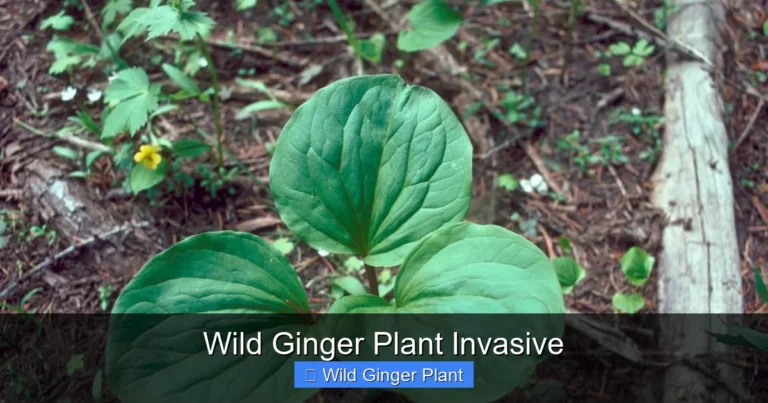
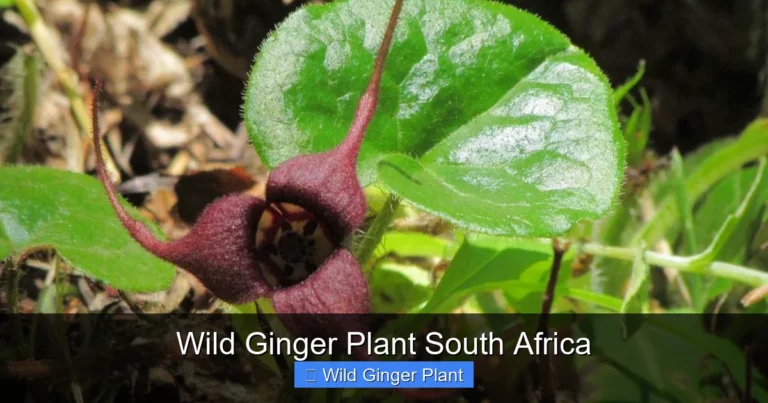
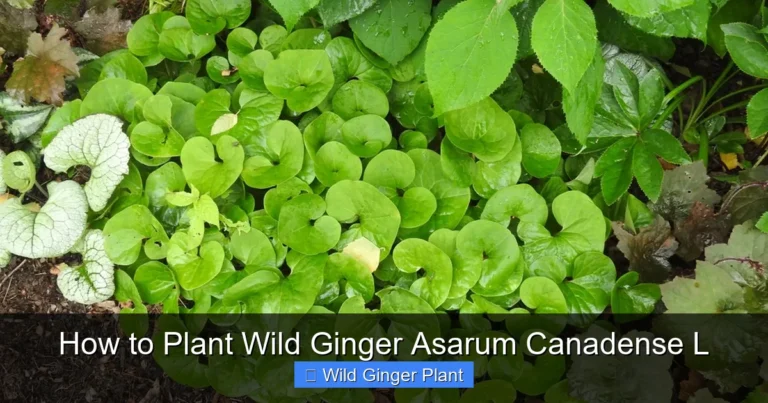
Leaves are heart‑shaped, dark green, and often have a slight sheen. The flowers are hidden at ground level, brownish‑purple, and shaped like tiny jugs. When you crush a leaf, a warm, spicy scent rises, reminiscent of true ginger but milder.
Why the name matters
Despite the name, wild ginger plant Washington is not related to the tropical ginger used in cooking. It earned its common name because the rhizome tastes and smells like ginger. This similarity makes it a popular substitute in regional recipes.
Where to Find Wild Ginger Plant Washington
Preferred ecosystems
Look for wild ginger plant Washington in moist, shaded forests. It loves the cool, humid understory of coniferous and mixed woods. Stream banks, ravines, and north‑facing slopes are prime spots.
Geographic range
In Washington the plant appears from the Olympic Peninsula east to the Cascades. It thrives at elevations up to 4,000 feet. Coastal rainforests and inland mountain valleys both host healthy colonies.
Seasonal timing
Leaves emerge early in spring, often before the canopy fully leafs out. This window makes identification easiest. By midsummer the foliage may die back in drier sites, but the rhizome persists underground.
Public lands access
Many state parks, national forests, and wilderness areas contain wild ginger plant Washington. Check the managing agency’s foraging policy before you collect. Some areas require a permit or prohibit harvest altogether.
Identifying Wild Ginger Plant Washington
Leaf shape and texture
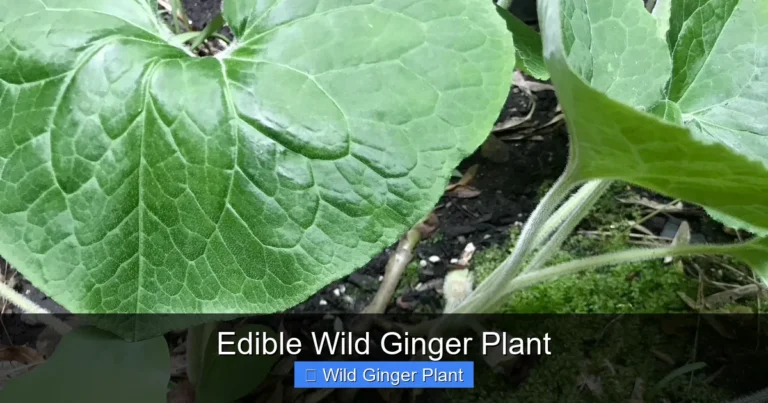
Each leaf is broadly heart‑shaped with a smooth margin. The upper surface is glossy; the underside is paler and slightly hairy. Leaves grow in pairs from a single node on the rhizome.
Flower details
The solitary flower sits at ground level, often hidden by leaf litter. It has three fused sepals forming a tube, with a dark maroon interior. Blooming occurs from April to June.
Rhizome characteristics
The rhizome is thin, creeping, and aromatic. When broken it releases a sweet, peppery fragrance. The interior is white to pale yellow. This root is the part used for flavor and medicine.
Common look‑alikes
False lily of the valley (Maianthemum dilatatum) shares similar habitat but has lance‑shaped leaves and lacks the ginger scent. Wild ginger plant Washington’s aroma is the quickest field test.
Safety note
Never consume a plant you cannot positively identify. If unsure, photograph the specimen and consult a local field guide or expert before use.
Edible and Medicinal Uses of Wild Ginger Plant Washington
Culinary applications
The rhizome can be peeled, sliced, and steeped to make a fragrant tea. It adds a subtle heat to syrups, marinades, and baked goods. A small amount goes a long way; start with a teaspoon of fresh grated root per cup of liquid.
Traditional medicine
Coast Salish and other Indigenous groups used wild ginger plant Washington for colds, sore throats, and digestive upset. Poultices of mashed rhizome were applied to wounds and insect bites. Modern herbalists value its anti‑inflammatory and antimicrobial compounds.
Preparation tips
Wash the rhizome thoroughly. Remove any soil and small rootlets. For tea, simmer sliced pieces in water for ten minutes. For a tincture, cover chopped rhizome with high‑proof alcohol and let sit four weeks, shaking daily.
Dosage caution
Large doses may cause stomach irritation. Pregnant women and people on blood‑thinning medication should consult a healthcare provider before using wild ginger plant Washington medicinally.
Flavor pairings
Pair the root with honey, lemon, cinnamon, or mint. It complements salmon, roasted vegetables, and fruit compotes. Experiment in small batches to find your preferred balance.
Growing Wild Ginger Plant Washington in Your Garden
Site selection
Choose a shady spot with rich, well‑drained soil. A north‑facing bed under deciduous trees mimics its natural home. Avoid full sun, which scorches the leaves.
Soil preparation
Amend the planting area with compost and leaf mold. Aim for a slightly acidic pH between 5.5 and 6.5. Good organic matter retains moisture without waterlogging.
Planting method
Plant rhizome sections horizontally, just below the surface, spacing them six inches apart. Water gently after planting. Mulch with shredded leaves to keep the soil cool and moist.
Care and maintenance
Keep the soil consistently damp, especially during the first year. Remove competing weeds by hand. The plant spreads slowly; division every three to four years rejuvenates clumps.
Harvesting from cultivation
Wait until the patch is well established, usually after two growing seasons. Harvest only a portion of the rhizomes, leaving enough for regrowth. This mirrors sustainable wild harvest practices.
Companion plants
Ferns, trilliums, and native violets thrive alongside wild ginger plant Washington. They share similar moisture and light needs, creating a resilient woodland garden.
Conservation and Responsible Foraging of Wild Ginger Plant Washington
Population pressures
Habitat loss, invasive species, and over‑harvest threaten wild ginger plant Washington in some regions. Climate change may shift suitable moisture zones upward in elevation.
Ethical harvest guidelines
Take no more than ten percent of a colony’s rhizomes. Use a small hand trowel to minimize soil disturbance. Replant any severed pieces to encourage regrowth.
Legal considerations
Washington State law protects certain native plants on public land. Check the Washington Department of Natural Resources and U.S. Forest Service regulations before foraging. Private land requires landowner permission.
Supporting conservation
Join local native plant societies. Volunteer for habitat restoration projects. Report sightings to citizen‑science platforms like iNaturalist to help track distribution.
Propagation for restoration
Collect seed or rhizome divisions from healthy populations (with permits) for re‑introduction in degraded sites. Nursery‑grown stock reduces pressure on wild stands.
Education and outreach
Teach others how to identify wild ginger plant Washington correctly. Share sustainable harvest practices. Knowledge spreads stewardship.
Conclusion
The wild ginger plant Washington is more than a forest floor curiosity. It connects people to the land through flavor, healing, and ecology. By learning to identify, use, and protect this native herb, you become part of a long tradition of respectful relationship with the Pacific Northwest’s botanical heritage. Whether you sip a warm tea on a rainy afternoon or watch a colony expand in your shade garden, the wild ginger plant Washington rewards patience and care. Enjoy the journey, and tread lightly.
Frequently Asked Questions
What is the scientific name of wild ginger plant Washington?
The most common species is Asarum caudatum, known as western wild ginger.
When is the best time to harvest wild ginger plant Washington?
Early spring, when leaves are fresh and rhizomes are plump, offers the highest quality.
Can wild ginger plant Washington be grown in containers?
Yes, use a deep pot with rich, moist soil and place it in shade; keep soil consistently damp.
Are there any toxic look‑alikes to avoid?
False lily of the valley resembles it but lacks the ginger scent and has different leaf shape.
How does wild ginger plant Washington benefit the ecosystem?
It provides ground cover, prevents erosion, and supports native pollinators with its hidden flowers.
What are the legal limits for personal harvest?
Limits vary by jurisdiction; generally, a small personal amount is allowed with a permit, but commercial harvest is prohibited.