Where Can I Buy Wild Ginger Plants
Looking for where to buy wild ginger plants? This guide covers the best online native plant nurseries, local garden centers, and specialty sellers for Asarum canadense and other species. Learn how to choose healthy plants, when to order, and what to expect for shipping and planting success.
If you’ve ever wandered through a rich, moist woodland in eastern North America and spotted those heart-shaped leaves hugging the forest floor, you’ve likely met wild ginger. This charming native groundcover, known botanically as Asarum canadense, has won the hearts of shade gardeners everywhere. Its velvety leaves create a lush carpet, and its unusual jug-shaped flowers hide at soil level, pollinated by early spring insects. But here’s the thing: finding where to buy wild ginger plants isn’t always straightforward. Big box stores rarely carry it, and not every local nursery stocks native woodlanders.
I’ve spent years helping gardeners source native plants, and wild ginger is one of the most requested species. The good news? There are excellent sources out there if you know where to look. Whether you want a few plants to tuck under a maple tree or enough to carpet a woodland slope, this guide will walk you through every option. We’ll cover the best online nurseries, how to find local sellers, what to watch for when ordering, and how to give your new plants the best start. Let’s dig in.
Key Takeaways
- Native plant nurseries are your best source: Specialized growers offer true Asarum canadense and other native species with proper provenance.
- Order in late winter or early spring: Most nurseries ship bare-root plants during dormancy for the highest survival rates.
- Check for ethical sourcing: Avoid wild-collected plants; choose nursery-propagated stock to protect natural populations.
- Local extension offices can help: University extension services often maintain lists of reputable native plant vendors in your region.
- Consider plant size and format: Bare-root divisions establish faster than small plugs but cost more upfront.
- Prepare your site before plants arrive: Wild ginger needs rich, moist, well-drained soil in full to part shade.
- Join native plant societies: Member plant sales offer affordable, locally adapted plants and expert growing advice.
Quick Answers to Common Questions
What is the best time of year to buy and plant wild ginger?
Early spring is ideal for most regions. Order in January or February for April shipping. Fall planting works in zones 7-8 if plants are available.
Can I buy wild ginger at Home Depot or Lowe’s?
Rarely. Big box stores typically carry European wild ginger (Asarum europaeum) if any. For native Asarum canadense, you need specialty native plant nurseries.
How many wild ginger plants do I need for a 10×10 foot area?
Space plants 12-18 inches apart. For 100 square feet at 15-inch spacing, you need about 64 plants. Start with fewer and let them spread, or buy more for faster coverage.
Is wild ginger the same as cooking ginger?
No. Wild ginger (Asarum) is unrelated to culinary ginger (Zingiber officinale). The rhizomes smell similar but contain aristolochic acid and should not be eaten in quantity.
Will wild ginger grow in dry shade under large trees?
Not well without supplemental water. It prefers consistently moist soil. In dry shade, use irrigation or choose tougher natives like Pennsylvania sedge (Carex pensylvanica).
📑 Table of Contents
- Understanding What You’re Buying: Wild Ginger Species and Varieties
- Best Online Native Plant Nurseries for Wild Ginger
- Finding Local Sources: Nurseries, Sales, and Plant Swaps
- What to Look for When Buying Wild Ginger Plants
- When and How to Order for Best Results
- Common Mistakes to Avoid When Buying and Planting
- Companion Plants and Design Ideas for Wild Ginger
- Growing Wild Ginger from Seed: The Patient Path
- Conclusion: Your Wild Ginger Journey Starts Now
Understanding What You’re Buying: Wild Ginger Species and Varieties
Before you start shopping, it helps to know exactly what “wild ginger” means. The common name applies to several different plants, and not all are the same species. Getting the right one matters for your garden’s ecology and aesthetics.
The True Native: Asarum canadense
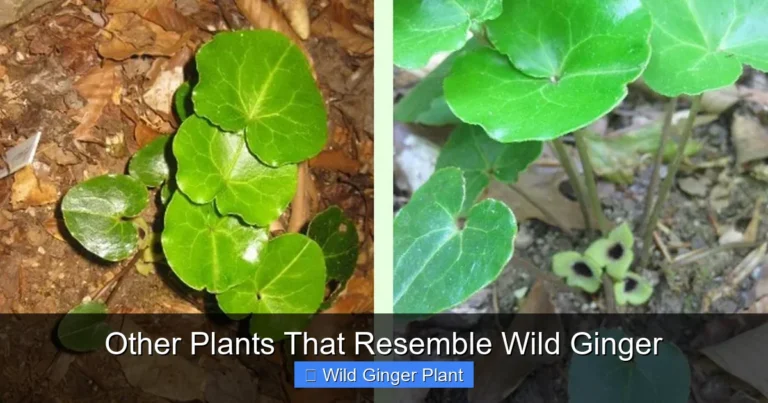
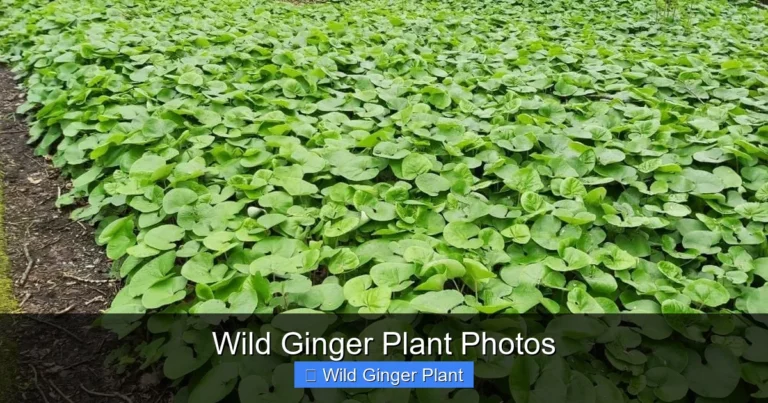
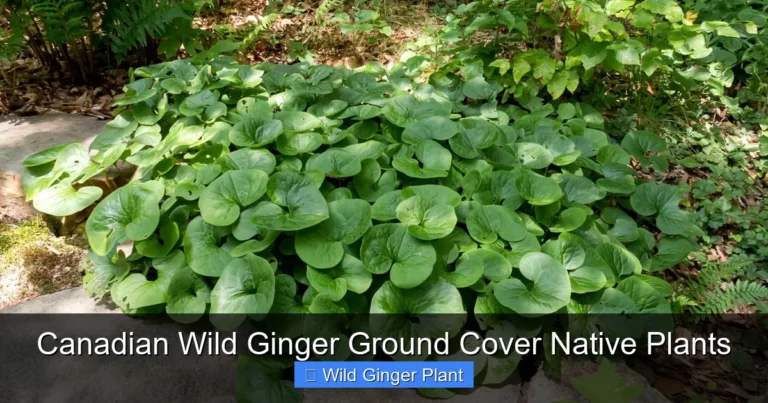
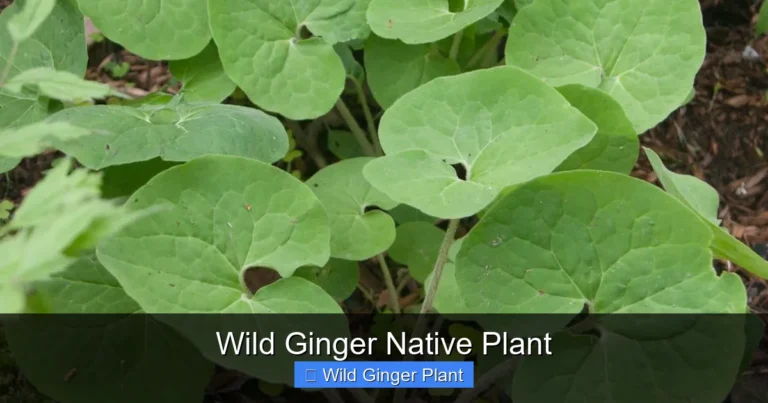
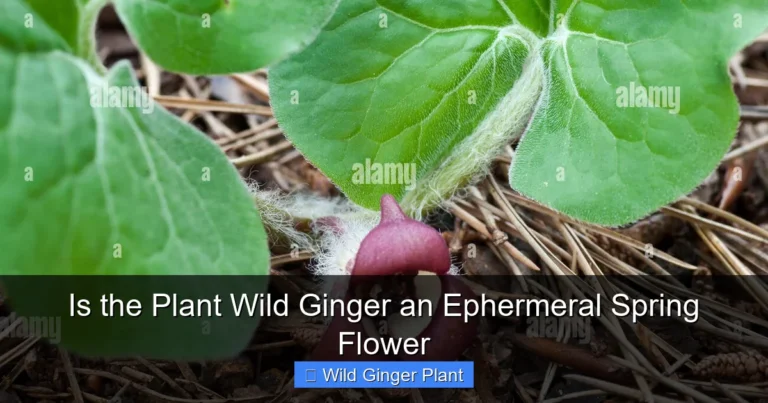
When most eastern North American gardeners say wild ginger, they mean Asarum canadense. This is the species native to rich, deciduous forests from Manitoba to Nova Scotia, south to Georgia and west to Missouri. It’s a low, spreading perennial that forms dense colonies over time. The leaves are kidney-shaped to heart-shaped, soft and downy, reaching 6 to 12 inches tall. Flowers appear in April or May, tucked at ground level, a deep reddish-brown that mimics fungi to attract gnat pollinators.
This is the plant you want if your goal is ecological gardening, supporting native insects, or restoring a woodland understory. It’s hardy in USDA zones 3 through 8, maybe 9 with consistent moisture. The rhizomes have a ginger-like scent when crushed, hence the name, but it’s not the culinary ginger (Zingiber officinale) used in cooking. Indigenous peoples used the roots medicinally and as a flavoring, but modern herbalists caution about aristolochic acid content.
Western Wild Ginger: Asarum caudatum
Gardeners in the Pacific Northwest have their own native wild ginger, Asarum caudatum. Often called long-tailed wild ginger, it’s native from British Columbia to California, east to Montana. The leaves are similar but often larger and glossier. The flowers are distinctive, with three long, tapering “tails” on the calyx lobes. It’s evergreen in mild climates, hardy zones 6 to 9, and prefers the same moist, shady conditions. If you live west of the Rockies, this is the species to seek.
European Wild Ginger: Asarum europaeum
You’ll also encounter Asarum europaeum, the European wild ginger. It’s widely sold in the nursery trade, often just labeled “wild ginger.” The leaves are smaller, shinier, and more leathery than the North American species. It’s evergreen, slower spreading, and hardy zones 4 to 8. It’s a lovely garden plant, but it’s not native to North America. If you’re planting for wildlife value or ecological restoration, stick with the native species for your region.
Asian Species and Cultivars
The genus Asarum contains over 60 species, many from Japan, China, and the Himalayas. Specialty nurseries offer stunning selections like Asarum splendens with silver-marked leaves, Asarum maximum with huge flowers, and numerous Japanese cultivars with intricate leaf patterns. These are collector’s plants, often pricey, and best suited for dedicated shade gardens where their details can be appreciated up close. They’re not ecological equivalents of our native species.
Best Online Native Plant Nurseries for Wild Ginger
The internet has made finding native plants dramatically easier. Several excellent mail-order nurseries specialize in woodland natives and ship across wide regions. Here are the standouts for wild ginger.
Prairie Moon Nursery (Minnesota)
Prairie Moon is a gold standard for native plants. They offer Asarum canadense as bare-root divisions in spring and sometimes fall. Their plants are nursery-propagated, not wild-dug, and they provide detailed planting instructions. They ship at the right planting time for your zone, which is huge for success. Their website includes range maps, bloom times, and companion plant suggestions. Prices are reasonable, and they sell in quantities from single plants to flats.
Prairie Nursery (Wisconsin)
Another Midwest native plant powerhouse, Prairie Nursery carries wild ginger as bare-root stock. They’ve been at this since 1972 and know woodland plants cold. Their catalog is a treasure trove of information, and they offer pre-planned garden kits that include wild ginger paired with ferns, sedges, and spring ephemerals. Great if you’re designing a new shade bed from scratch.
Izel Native Plants (Online Marketplace)
Izel works differently. It’s an online marketplace connecting you with multiple native plant nurseries across the country. You search for Asarum canadense, and it shows which nurseries have it in stock, their prices, and shipping policies. You buy directly from the grower. This is fantastic for comparing options and finding a nursery relatively close to you, which reduces shipping stress on plants.
Native Plant Trust (Massachusetts)
Formerly New England Wild Flower Society, Native Plant Trust runs Nasami Farm, a fantastic native plant nursery. They sell Asarum canadense and sometimes Asarum caudatum for western gardeners. Their plants are grown from locally sourced seed, ensuring genetic diversity. They ship in spring and fall. Members get discounts and early access.
Woodlanders (South Carolina)
Woodlanders is a legendary mail-order nursery for rare and native plants. They carry several Asarum species, including the native A. canadense and A. caudatum, plus Asian species. Their plants are often larger, well-established specimens in pots rather than bare-root. Shipping costs more, but you get bigger plants that establish faster.
Far Reaches Farm (Washington)
For West Coast gardeners, Far Reaches Farm is a must-know source. They specialize in shade and woodland plants, including Asarum caudatum and an incredible selection of Asian Asarum species. Their plants are top-quality, often in 4-inch or gallon pots. They ship nationally but are especially valuable for Pacific Northwest gardeners seeking locally adapted stock.
Mt. Cuba Center (Delaware)
Mt. Cuba Center is a native plant garden and research facility. Their nursery sells plants evaluated in their trial gardens, including Asarum canadense. They focus on plants with proven garden performance and ecological value. Sales are typically on-site or at special events, but they sometimes offer mail order. Check their website for current availability.
Finding Local Sources: Nurseries, Sales, and Plant Swaps
Buying locally has real advantages. You can inspect plants before buying, avoid shipping stress, get advice from local experts, and often find plants grown in your specific climate. Plus, you support local businesses. Here’s how to track down wild ginger near you.
Search for Native Plant Nurseries in Your Area
Start with a web search for “native plant nursery” plus your city, county, or state. Many states have native plant society websites with nursery directories. Look for nurseries that specialize in woodland plants, shade perennials, or ecological restoration. Call ahead and ask specifically for Asarum canadense (or A. caudatum out west). Even if they don’t have it in stock, they may know who does or can order it for you.
Check University Extension Offices
Your county or state Cooperative Extension office is a goldmine. Many maintain lists of native plant vendors, hold plant sales, or run master gardener programs with plant swaps. Extension websites often have searchable databases of nurseries carrying natives. The staff can also advise on species suited to your specific county conditions.
Attend Native Plant Society Sales
Almost every state has a native plant society, and most hold annual plant sales. These are incredible events. Members propagate plants from their own gardens or rescue them from development sites. You’ll find wild ginger at prices far below retail, often as robust divisions from established patches. You also meet local experts who can give you site-specific growing tips. Join the society, you’ll get early-bird access and a newsletter with sale dates.
Visit Botanical Garden and Arboretum Plant Sales
Major botanical gardens and arboreta typically hold spring and fall plant sales. These feature plants propagated from their collections, often including woodland natives. The quality is excellent, and staff horticulturists are usually on hand to answer questions. Some gardens have retail nurseries open seasonally or year-round.
Explore Conservation District Sales
Many county Soil and Water Conservation Districts hold annual tree and plant sales. While they focus on trees and shrubs for conservation, many now offer native perennials including wild ginger. Prices are often subsidized, making this a budget-friendly option. Check your local conservation district website in late winter for sale announcements.
Ask at Independent Garden Centers
Don’t overlook your local independent garden center. Many have expanded their native plant sections in response to demand. Ask for the native plant buyer or manager. Even if they don’t carry wild ginger regularly, they may be able to special order it from their wholesale growers. Building a relationship with a good local nursery pays off long-term.
Join Local Gardening Groups and Plant Swaps
Facebook groups, Nextdoor, and local garden clubs often organize plant swaps or have members dividing plants. Wild ginger spreads steadily in happy gardens, so established gardeners often have divisions to share. This is the cheapest way to get plants, and they come with local growing knowledge. Just be sure the source garden isn’t dealing with invasive pests like jumping worms.
What to Look for When Buying Wild Ginger Plants
Not all wild ginger plants are created equal. Knowing how to evaluate what you’re buying, whether in person or from photos online, saves disappointment and money.
Nursery-Propagated vs. Wild-Collected
This is the single most important factor. Always buy nursery-propagated plants. Wild-collected plants deplete natural populations, often fail to transplant well, and may introduce pests or diseases. Reputable nurseries will state clearly that their plants are nursery-grown, seed-grown, or division-propagated. If a seller can’t or won’t tell you the source, walk away. Ethical sourcing protects the species in the wild and gives you better plants.
Bare-Root vs. Container-Grown
You’ll encounter both formats. Bare-root plants are dug while dormant, soil removed, and shipped with roots wrapped in damp moss or paper. They’re lighter, cheaper to ship, and often establish faster because roots make direct contact with your soil. Container-grown plants come in pots with soil. They’re heavier, cost more to ship, but can be planted anytime the ground isn’t frozen. For wild ginger, bare-root divisions shipped in early spring are ideal. The plants wake up in your soil and take off.
Division Size and Vigor
Whether bare-root or potted, look for healthy divisions. Each piece should have at least one growing point (a bud or emerging leaf) and a good length of rhizome with fibrous roots attached. Tiny plugs with just a nub of rhizome will take years to form a decent clump. Larger divisions, 3 to 5 inches of rhizome with multiple buds, give you a head start. Ask the nursery about division size if it’s not clear from the description.
Foliage Condition (for Container Plants)
If buying potted plants in person, check the leaves. They should be rich green, not yellowing, spotted, or chewed. Some insect nibbling is normal and actually a good sign, it means the plant supports wildlife. But avoid plants with fungal spots, wilting despite moist soil, or roots circling tightly in the pot. Gently slip the plant out to check roots if the nursery allows it. Healthy roots are white or light tan, firm, and smell earthy.
Genetic Diversity and Local Ecotype
For ecological projects, ask about seed source. Plants grown from seed collected in your ecoregion (local ecotype) are adapted to your climate, soils, and pollinators. They’ll perform better and support local genetics. Some nurseries track this carefully; others don’t. For a home garden, it’s less critical, but still a nice bonus.
Pricing Expectations
Prices vary widely. Bare-root divisions from large nurseries might run $5 to $12 each, with discounts for quantities. Potted plants at retail nurseries often cost $12 to $25 for a quart or gallon. Specialty Asian species can go $30 to $100+. Plant society sales might be $3 to $7 per division. Remember that wild ginger spreads. A few healthy divisions will fill in over a few years. You don’t need to buy a hundred plants to start.
When and How to Order for Best Results
Timing your purchase and preparing for arrival makes a huge difference in survival rates. Wild ginger has a specific seasonal rhythm that smart gardeners work with.
The Ideal Ordering Window
Most native plant nurseries take orders starting in January or February for spring shipping. The earlier you order, the better the selection. Popular species like wild ginger often sell out by March. If you’re reading this in fall, some nurseries offer fall shipping for bare-root plants, usually October to November. Spring is generally safer in cooler zones (3-5), fall in warmer zones (7-8). Spring planting gives a full growing season before winter.
Understanding Shipping Schedules
Good nurseries ship by hardiness zone. They won’t send bare-root plants to zone 4 in March when the ground is frozen. They’ll hold your order and ship when it’s time to plant in your area. This is a sign of a quality nursery. When you order, you’ll usually get an estimated ship week. Track the package and plan to plant within a day or two of arrival.
Preparing Your Planting Site in Advance
Don’t wait for the box to arrive to prep your bed. Wild ginger wants rich, moist, well-drained soil with plenty of organic matter. If your soil is heavy clay or sandy, amend a wide area with compost, leaf mold, or aged manure. Remove weeds and grass thoroughly. Wild ginger doesn’t compete well with aggressive weeds while establishing. Have mulch ready, shredded leaves, pine straw, or wood chips. Aim for a site with dappled shade or morning sun only. Deep shade is fine; hot afternoon sun will scorch the leaves.
Handling Plants on Arrival
Open the box immediately. Bare-root plants should have damp (not soggy) packing material around the roots. If they seem dry, soak the roots in cool water for an hour. If you can’t plant right away, store them in the refrigerator in their packing, or heel them in a shady trench in the garden. Potted plants should be watered and kept in shade until planting. Don’t let either dry out or bake in the sun.
Planting Technique for Success
Plant wild ginger shallow. The rhizome should sit just below the soil surface, barely covered. Spread the roots out horizontally. Space divisions 12 to 18 inches apart for a groundcover effect; they’ll fill in. Water deeply after planting to settle soil around roots. Apply 2 inches of mulch, keeping it off the crown. Water weekly during dry spells the first growing season. Once established, wild ginger is remarkably drought-tolerant for a woodland plant, but it looks best with consistent moisture.
Common Mistakes to Avoid When Buying and Planting
Even experienced gardeners stumble with wild ginger. Here are the pitfalls I see most often, and how to sidestep them.
Mistake 1: Buying the Wrong Species for Your Region
Ordering Asarum canadense for a Seattle garden, or A. caudatum for a Maine garden, sets you up for struggle. The eastern species may rot in wet western winters; the western species may not survive eastern humidity and cold. Match the species to your native range. If you’re on the border, check with your local extension or native plant society.
Mistake 2: Planting in the Wrong Spot
Wild ginger is not a plant for dry shade under thirsty maples, at least not without irrigation. It’s not a sun plant. It’s not a bog plant (though it likes moisture, it needs drainage). It’s not a rock garden plant. Give it the rich, moist, shady woodland conditions it evolved in, and it thrives. Fight the site, and you’ll fight the plant.
Mistake 3: Expecting Instant Groundcover
Wild ginger is slow. A single division might take 3 to 5 years to form a 2-foot clump. It spreads by rhizomes, not runners, so it’s polite but deliberate. If you need quick coverage, buy more divisions, plant closer, or interplant with faster spreaders like native sedges (Carex spp.) or foamflower (Tiarella cordifolia). Patience pays off with a nearly weed-proof mat eventually.
Mistake 4: Mulching Too Deeply or With the Wrong Material
Wild ginger rhizomes creep at or just below the surface. Heavy mulch (3+ inches) or coarse, matting mulch like whole leaves can smother them. Use shredded leaves, fine pine straw, or a thin layer of composted wood chips. Keep mulch pulled back from the crowns. In nature, these plants grow in leaf litter that decomposes quickly, not thick bark mulch.
Mistake 5: Confusing It with Invasive Lookalikes
Several invasive plants get called “wild ginger” or resemble it. Lesser celandine (Ficaria verna) has similar heart-shaped leaves but yellow flowers and aggressive tuberous roots. It’s a nightmare weed. Garlic mustard (Alliaria petiolata) has kidney-shaped leaves but a garlic smell and white flowers. Know your plant. If it smells like ginger when you crush a leaf, it’s likely Asarum. If it smells like garlic, pull it immediately.
Mistake 6: Not Protecting New Plants from Wildlife
Deer generally avoid wild ginger, but rabbits and voles may nibble new plantings. In areas with high pressure, use temporary cages or repellents for the first season. Once established, the plants are tough enough to withstand some browsing. Slugs can damage emerging leaves in wet springs; beer traps or diatomaceous earth help.
Companion Plants and Design Ideas for Wild Ginger
Wild ginger shines in community. Thinking about companions helps you plan your order and create a functioning plant community, not just a collection of plants.
Spring Ephemerals: The Classic Pairing
In nature, wild ginger grows alongside spring ephemerals, plants that bloom, set seed, and go dormant before summer. Think Virginia bluebells (Mertensia virginica), trilliums (Trillium spp.), bloodroot (Sanguinaria canadensis), Dutchman’s breeches (Dicentra cucullaria), and trout lilies (Erythronium americanum). The ephemerals provide early color; wild ginger’s emerging leaves hide their yellowing foliage. It’s a perfect succession.
Ferns for Texture and Height
Ferns add vertical structure and contrasting texture. Christmas fern (Polystichum acrostichoides) is evergreen and tough. Maidenhair fern (Adiantum pedatum) brings delicate, airy foliage. Lady fern (Athyrium filix-femina) and ostrich fern (Matteuccia struthiopteris) add lush height. All share wild ginger’s love of moist, rich shade.
Native Sedges: The Living Mulch
Carex species are the unsung heroes of shade gardens. Carex plantaginea (plantain-leaved sedge) has broad, puckered leaves that echo wild ginger’s shape. Carex laxiculmis ‘Bunny Blue’ offers silvery-blue foliage. Carex pensylvanica (Pennsylvania sedge) forms a soft matrix. Sedges suppress weeds, hold soil, and provide caterpillar host plants.
Woodland Phlox and Foamflower for Blooms
For flowers above the ginger carpet, add woodland phlox (Phlox divaricata) with its fragrant blue or pink spring blooms, and foamflower (Tiarella cordifolia) with spikes of white or pink flowers and maple-like leaves. Both spread gently and play well with others.
Designing a Woodland Garden Bed
Start with the bones: a few shrubs like spicebush (Lindera benzoin) or witch-hazel (Hamamelis virginiana). Add a drift of ferns. Plant wild ginger in sweeping drifts of 7, 9, or more divisions, not onesies. Tuck ephemerals between them. Edge the bed with sedges. Let it evolve. A woodland garden isn’t static; it’s a conversation between plants and time.
Growing Wild Ginger from Seed: The Patient Path
Buying plants is the fast route. Growing from seed is the cheap, rewarding, genetic-diversity route. It’s not hard, but it takes time and specific conditions.
Seed Collection and Timing
Wild ginger seeds mature in early to mid-summer. The capsules split open, revealing seeds with fleshy appendages called elaiosomes. Ants carry them off, eating the elaiosome and dispersing the seed. If you have access to a wild population (with permission!), collect seeds as capsules begin to split. Never take more than 10% of seeds. Better yet, buy seed from a native seed company like Prairie Moon or Ernst Seeds.
Double Dormancy: The Key to Germination
Wild ginger seeds have double dormancy. They need a warm-moist period followed by a cold-moist period to germinate. In nature, this takes two years: summer warmth, winter cold, then germination the second spring. You can mimic this. Sow fresh seeds in pots in summer, keep them moist and warm (70-80°F) for 60-90 days, then move to refrigerator (35-40°F) for 60-90 days, then move to cool, bright conditions. Or just sow outdoors in a prepared bed in summer and wait. Nature knows the schedule.
Seedling Care
Seedlings are tiny, just a single leaf the first year. They need consistent moisture, shade, and protection from slugs. Don’t transplant until they have several true leaves, usually year two or three. It takes 4-5 years from seed to a plant the size of a purchased division. But you get dozens of plants for the price of a seed packet, and each is genetically unique.
Why Bother With Seed?
Genetic diversity. Purchased divisions are often clones. Seed-grown plants vary in vigor, leaf pattern, flower color, and timing. This resilience matters in a changing climate. Plus, it’s deeply satisfying to watch a woodland community arise from seed you sowed. Many native plant enthusiasts do both: buy a few divisions for immediate impact, sow seed for the long game.
Conclusion: Your Wild Ginger Journey Starts Now
Finding where to buy wild ginger plants takes a little effort, but the rewards are immense. This unassuming native groundcover brings so much: lush texture, ecological value, deer resistance, and a connection to the ancient woodlands that once covered much of the continent. Whether you order bare-root divisions from a legendary nursery like Prairie Moon, score healthy clumps at your native plant society sale, or propagate your own from seed, you’re participating in something bigger than gardening. You’re restoring a piece of the native flora, one heart-shaped leaf at a time.
Start by identifying which species is native to your area. Then explore the sources in this guide. Order early. Prepare your site. Plant with care. And then, be patient. Wild ginger teaches us that the best things in a garden, like in a forest, take time. In a few years, you’ll push aside the mulch in early spring and find those strange, beautiful flowers at ground level, a secret shared between you and the gnats. That’s the moment you’ll know it was worth every bit of effort.
Happy planting. Your woodland garden is waiting.
Frequently Asked Questions
Where can I buy wild ginger plants online?
Top online sources include Prairie Moon Nursery, Prairie Nursery, Izel Native Plants, Native Plant Trust, Woodlanders, and Far Reaches Farm. All sell nursery-propagated native species.
How much do wild ginger plants cost?
Bare-root divisions typically cost $5-12 each from mail-order nurseries. Potted plants at retail nurseries run $12-25. Native plant society sales often offer divisions for $3-7.
What’s the difference between Asarum canadense and Asarum europaeum?
Asarum canadense is native to eastern North America, deciduous, with larger soft leaves. Asarum europaeum is European, evergreen, with smaller glossy leaves. Both make good groundcovers but only the native supports local ecology.
Can I find wild ginger at local nurseries?
Many independent garden centers now carry natives. Call ahead and ask for Asarum canadense by botanical name. Native plant society sales and conservation district sales are also excellent local sources.
How long does it take wild ginger to spread?
A single division takes 3-5 years to form a 2-foot clump. It spreads slowly by rhizomes. Plant multiple divisions 12-18 inches apart for faster coverage.
Is wild ginger deer resistant?
Yes, deer generally avoid wild ginger due to its aromatic compounds. However, rabbits may nibble new plantings. Protect young plants in high-pressure areas.