Where to Buy Wild Ginger Plants Near Me
Finding wild ginger plants locally is easier than you think when you know where to look. This guide covers local nurseries, online retailers, native plant societies, and specialty shade nurseries that carry Asarum canadense.
Finding where to buy wild ginger plants near me used to feel like a treasure hunt. I remember driving to three different garden centers in one weekend, only to find empty shelves or mislabeled plants. The good news is that sourcing this beautiful native groundcover has become much easier in recent years. More nurseries are recognizing the demand for native woodland plants, and online shipping has improved dramatically.
Whether you are creating a shade garden, restoring a woodland edge, or simply want a low-maintenance groundcover that supports local wildlife, wild ginger deserves a spot in your landscape. This guide walks you through every reliable source I have discovered over years of native plant gardening. You will learn where to look locally, which online retailers deliver quality plants, and how to ensure you are getting the real thing.
Key Takeaways
- Local nurseries offer immediate pickup: You can inspect plants in person and get expert advice from staff who know your growing zone.
- Online retailers provide wider selection: Mail-order nurseries often carry rare cultivars and ship bare-root plants at optimal planting times.
- Native plant societies connect you with local growers: These organizations host sales and maintain lists of ethical wild ginger suppliers in your region.
- Specialty shade nurseries focus on woodland plants: These experts understand the specific soil and light requirements wild ginger needs to thrive.
- Timing matters for successful establishment: Spring and fall are the best seasons to plant wild ginger, whether from local or online sources.
- Verify botanical names before purchasing: True wild ginger is Asarum canadense, not to be confused with culinary ginger or other groundcovers.
- Consider ethical sourcing practices: Choose nurseries that propagate their own plants rather than wild-collecting from natural populations.
Quick Answers to Common Questions
What is the best time of year to buy and plant wild ginger?
Spring and fall are the ideal seasons. Spring offers the widest selection at nurseries. Fall planting allows roots to establish before winter. Avoid summer planting due to heat stress.
How can I tell if a nursery sells ethically propagated wild ginger?
Ask about their propagation methods. Ethical nurseries grow from seed or divisions of nursery stock. They can show stock beds and provide seed source information. Avoid sellers who cannot explain their sources.
What is the difference between wild ginger and culinary ginger?
Wild ginger (Asarum canadense) is a native North American woodland perennial. Culinary ginger (Zingiber officinale) is a tropical Asian plant. They are unrelated botanically, though wild ginger roots have a similar scent.
How far apart should I space wild ginger plants?
Space plants twelve to eighteen inches apart. They spread slowly by rhizomes and will fill in over three to five years. Closer spacing creates faster coverage but costs more initially.
Can I grow wild ginger in containers?
Yes, wild ginger grows well in containers with rich, moisture-retentive potting mix and consistent shade. Use a pot at least twelve inches wide. Keep soil evenly moist and protect from freezing in winter.
📑 Table of Contents
- Understanding Wild Ginger Before You Buy
- Local Nurseries and Garden Centers
- Online Retailers and Mail-Order Nurseries
- Native Plant Societies and Botanical Gardens
- Specialty Shade and Woodland Nurseries
- Propagation and Ethical Sourcing Considerations
- Planting and Establishment Success
- Companion Plants and Design Ideas
- Troubleshooting Common Issues
- Budget-Friendly Sourcing Strategies
- Conclusion
Understanding Wild Ginger Before You Buy
What Makes Asarum Canadense Special
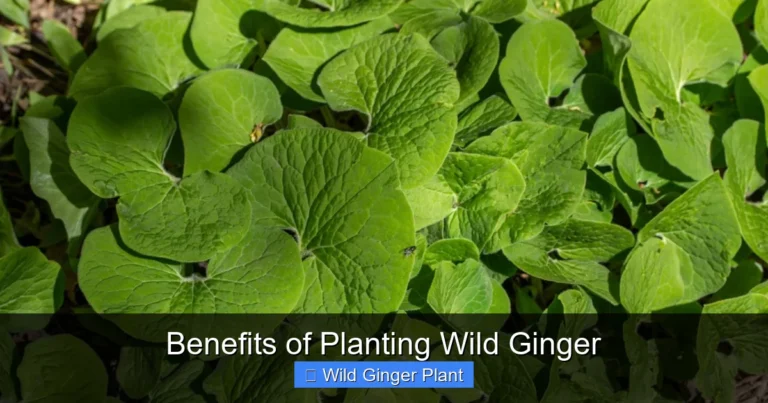
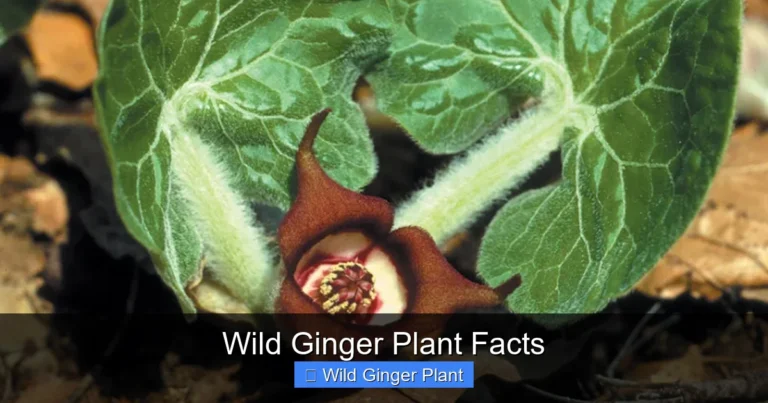
Wild ginger is not related to the culinary ginger you find in grocery stores. Asarum canadense is a native North American perennial that forms dense mats of heart-shaped leaves in shaded woodlands. The flowers hide beneath the foliage, bell-shaped and reddish-brown, pollinated by early spring flies and beetles. This plant spreads slowly by rhizomes, creating a living mulch that suppresses weeds and holds soil on slopes.
The leaves stay green from spring through fall in most zones, providing reliable coverage when many spring ephemerals have gone dormant. Deer and rabbits typically avoid it. The roots have a genuine ginger scent when crushed, which is how early settlers identified it as a spice substitute. Today we value it more for its ecological role than its flavor.
Know Your Growing Conditions First
Before you search where to buy wild ginger plants near me, assess your planting site. This plant demands shade — dappled to full shade works best. It prefers rich, moist, well-drained soil with plenty of organic matter. Heavy clay can work if amended with compost. Sandy soil needs organic material to retain moisture. The ideal pH ranges from slightly acidic to neutral.
Wild ginger thrives in USDA zones 4 through 8. In warmer zones, it needs consistent moisture and deep shade. In colder zones, it emerges early and tolerates late frosts. Understanding your conditions helps you ask the right questions when contacting nurseries. Staff at quality nurseries will ask about your site before selling you plants.
Distinguishing True Wild Ginger From Lookalikes
Several plants share the common name wild ginger. European wild ginger (Asarum europaeum) has glossier, more leathery leaves and is not native to North America. Some nurseries sell it as wild ginger without clarification. Hexastylis species, sometimes called little brown jugs or heartleaf, are southeastern natives with similar habits but different flowers.
Culinary ginger (Zingiber officinale) is tropical and completely unrelated. When shopping, always check the botanical name on the label. Reputable nurseries list Asarum canadense clearly. If a label only says wild ginger, ask for the scientific name. This simple step prevents disappointment and ensures you support native ecosystems.
Local Nurseries and Garden Centers
Independent Nurseries vs. Big Box Stores
Independent nurseries are your best bet for finding wild ginger locally. These businesses often specialize in perennials and natives. The owners and staff usually have deep plant knowledge and connections with regional growers. They can tell you exactly where their stock originated and how it was propagated.
Big box garden centers occasionally carry wild ginger in spring, but selection is hit or miss. Plants may come from distant wholesale growers and sit in parking lots for weeks. Staff rarely have specific knowledge about native woodland plants. If you find wild ginger at a big box store, inspect it carefully for pests, diseases, and root health before purchasing.
How to Search Effectively
Start your search for where to buy wild ginger plants near me with specific terms. Try “native plant nursery” plus your city or county. Search “woodland plants” or “shade perennials” with your location. Many native plant nurseries do not advertise widely — they rely on word of mouth and native plant society referrals.
Call ahead before visiting. Ask if they carry Asarum canadense. Inquire about pot sizes and prices. Ask whether plants are seed-grown or divided from stock beds. Seed-grown plants have more genetic diversity. Divisions establish faster but represent clones. Both are fine; the answer reveals the nursery’s propagation practices.
Questions to Ask Nursery Staff
When you contact or visit a nursery, good questions include: Where was this plant propagated? Is it local ecotype or from a different region? What potting mix do you use? When was it last repotted? Can you recommend companion plants? The answers help you gauge quality and expertise.
Local ecotype plants are adapted to your specific climate and soils. They often outperform plants from distant sources. Some nurseries track seed collection locations by county or ecoregion. This level of detail indicates serious commitment to native plant integrity.
Timing Your Local Purchase
Spring is the most common time to find wild ginger at nurseries. Plants emerge early, so they are often available in April or May. Fall is another excellent planting window, and some nurseries offer fall-dug divisions. Summer availability is rare because wild ginger goes dormant in heat.
If you find plants in summer, they may be stressed. Fall purchases should go in the ground at least six weeks before hard frost. Spring plants can be planted as soon as soil is workable. Ask the nursery when they recommend planting in your area — they know local conditions best.
Online Retailers and Mail-Order Nurseries
Advantages of Buying Online
Online nurseries vastly expand your options when searching where to buy wild ginger plants near me — or rather, where to buy them for delivery to you. Specialty native plant nurseries ship across regions. You can access cultivars and local ecotypes unavailable locally. Bare-root plants ship lighter and cheaper than potted ones.
Mail-order nurseries often provide detailed growing guides specific to their stock. Many guarantee live arrival and offer replacement policies. You can order in winter for spring delivery at the perfect planting time. This planning advantage is huge for gardeners who want to be ready when conditions are right.
Reputable Online Native Plant Nurseries
Several nurseries have earned strong reputations among native plant enthusiasts. Prairie Moon Nursery in Minnesota offers bare-root wild ginger with detailed planting instructions. They provide seed source information for many species. Izel Native Plants aggregates inventory from multiple wholesale growers, letting you compare prices and pot sizes.
Gardens of the Blue Ridge in North Carolina specializes in Appalachian natives. Their wild ginger comes from local seed sources. Toadshade Wildflower Farm in New Jersey focuses on mid-Atlantic ecotypes. They ship potted plants with well-developed root systems. Each nursery has its shipping schedule — some ship only spring, others spring and fall.
Evaluating Online Plant Quality
When you cannot inspect plants in person, look for these quality indicators. Clear photos showing root systems, not just foliage. Detailed descriptions of pot size, plant age, and propagation method. Customer reviews mentioning plant condition on arrival. Guarantee policies that cover more than just live delivery.
Bare-root plants should ship dormant with moist packing material. Potted plants should be well-rooted but not root-bound. Avoid nurseries that ship actively growing plants in summer heat. The best online nurseries time shipments to your planting zone and weather conditions.
Shipping Considerations and Costs
Shipping live plants adds cost. Bare-root wild ginger typically ships for $10 to $20 depending on quantity. Potted plants cost more to ship due to weight and box size. Some nurseries offer free shipping on orders over a threshold. Consolidating orders with gardening friends can save everyone money.
Schedule delivery for a day you can plant immediately. Have your planting area prepared before plants arrive. If weather delays planting, know how to store plants temporarily. Bare-root plants can be heeled into a shaded trench. Potted plants need shade and daily water checks.
Native Plant Societies and Botanical Gardens
Connecting With Local Experts
Native plant societies are goldmines for finding where to buy wild ginger plants near me. These organizations maintain lists of reputable nurseries, host plant sales, and connect members with propagation groups. Members often share divisions from their own gardens. The knowledge base in these groups is incredible.
Most states have a native plant society with local chapters. The North American Native Plant Society maintains a directory. Wild Ones chapters focus on natural landscaping. Many botanical gardens have native plant programs and seasonal sales. These institutions vet their suppliers carefully.
Plant Sales and Member Exchanges
Spring and fall plant sales hosted by native plant societies offer exceptional value. Plants are often grown by members or sourced from ethical local nurseries. Prices are lower than retail. You can talk directly with the person who grew the plant. These sales are also great places to learn about companion plants and site preparation.
Some chapters organize plant swaps or rescue digs. Rescue digs save plants from development sites with landowner permission. These events require membership and often fill quickly. The plants are free or low-cost, but you provide the labor. It is a wonderful way to acquire local ecotype wild ginger.
Botanical Garden Resources
Major botanical gardens often have plant shops selling nursery-propagated natives. The New England Wild Flower Society (now Native Plant Trust) operates Garden in the Woods with an excellent nursery. The Lady Bird Johnson Wildflower Center in Texas has seasonal sales. Regional arboretums frequently offer native plant weekends.
These institutions also provide educational resources. Their websites often have searchable plant databases with growing requirements. Some offer classes on native plant propagation. Staff horticulturists can answer specific questions about wild ginger cultivation in your region.
Building Relationships in the Native Plant Community
Join a native plant society even if you only attend occasionally. The newsletter alone is worth the membership fee. You will learn about upcoming sales, field trips, and lectures. Volunteer at a plant sale — you get first pick and meet knowledgeable gardeners. These connections lead to plant shares and trusted source recommendations.
Many experienced native plant gardeners are generous with divisions. Wild ginger spreads slowly but steadily in happy conditions. A mature patch can spare a few rhizomes without harm. Offer to trade plants from your garden. The native plant community runs on reciprocity and shared enthusiasm.
Specialty Shade and Woodland Nurseries
Why Specialty Nurseries Excel
Nurseries focusing on shade and woodland plants understand wild ginger deeply. They replicate forest floor conditions in their growing areas. Their stock beds mimic the dappled light, humus-rich soil, and consistent moisture wild ginger prefers. Plants from these nurseries transition to your garden with less shock.
These specialists often carry companion plants that naturally grow with wild ginger — ferns, trilliums, bloodroot, mayapple, and foamflower. They can design plant communities, not just sell individual species. Their catalogs read like ecology lessons, with notes on pollinators, seed dispersal, and natural associations.
Finding Specialty Nurseries in Your Region
Search terms like “woodland nursery,” “shade plant nursery,” or “native fern nursery” plus your state. Many specialty nurseries are small, family-run operations. They may not have sophisticated websites. A phone call often works better than email. Some operate by appointment only.
Regional native plant conferences and symposiums feature vendor areas with these specialists. The Cullowhee Native Plant Conference in North Carolina, the New England Wild Flower Society symposium, and similar events gather the best nurseries in one place. Attending is like a master class in native plant sourcing.
What to Expect From a Quality Woodland Nursery
Quality woodland nurseries grow plants in conditions similar to your garden. They use leaf mold, composted bark, and fungal inoculants in their mixes. They avoid synthetic fertilizers that create weak, floppy growth. Their plants are hardened off properly before sale.
Staff can discuss mycorrhizal associations — the fungal partnerships wild ginger needs. They understand that wild ginger seeds are dispersed by ants (myrmecochory) and what that means for propagation. This ecological knowledge translates to healthier plants and better advice for you.
Visiting Specialty Nurseries
If you can visit a specialty nursery, go on a weekday when staff have time to talk. Bring photos of your planting site. Ask to see their stock beds — not just the sales area. Observe how they grow their wild ginger. Is it in deep shade? In rich organic soil? Mulched with leaves?
Take notes on companion plantings you see. Specialty nurseries often display plants in community groupings. These displays teach you more than any book. Purchase a few companions while you are there. Your wild ginger will thank you for the company.
Propagation and Ethical Sourcing Considerations
Why Propagation Method Matters
When searching where to buy wild ginger plants near me, ask how the plants were propagated. Seed-grown plants maintain genetic diversity. This diversity helps populations adapt to changing conditions and resist diseases. Divisions are genetic clones — fine for garden use, but many divisions from one parent reduce diversity.
Tissue culture (micropropagation) produces thousands of identical plants quickly. Some nurseries use this for rare cultivars. For straight species wild ginger, seed propagation is preferred. Ask nurseries about their methods. Ethical growers are transparent and often proud of their propagation programs.
Avoiding Wild-Collected Plants
Never buy wild ginger that was dug from natural populations. Wild collection depletes local populations, disturbs soil, and introduces invasive species. It is often illegal on public land without permits. On private land, it requires landowner permission and should follow ethical guidelines — never take more than 10% of a population.
Reputable nurseries propagate their own stock from seed or divisions of nursery-grown mother plants. They can show you their stock beds. If a nursery cannot explain their propagation process, that is a red flag. Low prices on large, mature plants may indicate wild collection. Wild ginger takes years to reach selling size from seed.
Supporting Conservation Through Purchasing
Some nurseries contribute to conservation directly. They may donate a percentage of sales to land trusts. They might participate in seed banking programs. Some grow plants for restoration projects. Buying from these nurseries amplifies your positive impact.
Look for nurseries that are members of native plant industry associations. The American Native Plants Association and regional equivalents have ethical guidelines for members. Certification programs like “Native Plant Trust Grower” indicate adherence to best practices. Your purchasing decisions shape the market.
Growing Your Own From Seed
Once you have established wild ginger, you can collect and sow seeds. The seeds have elaiosomes — fatty attachments that attract ants. Ants carry seeds to their nests, eat the elaiosome, and discard the seed in nutrient-rich waste piles. This natural process plants the seeds perfectly.
To mimic this, collect seeds when capsules split in early summer. Sow immediately in pots with leaf mold mix. Keep moist and shaded. Germination occurs the following spring. It takes three to four years to reach transplant size. Growing from seed is slow but deeply rewarding and produces genetically unique plants.
Planting and Establishment Success
Preparing Your Site Before Plants Arrive
Whether you buy locally or online, prepare the planting area first. Remove existing vegetation, especially aggressive groundcovers like English ivy or periwinkle. Loosen soil to eight inches deep. Incorporate two to three inches of leaf compost or well-rotted leaves. Avoid mushroom compost — it can be too alkaline.
Test soil pH if you are unsure. Wild ginger prefers 5.5 to 6.5. Elemental sulfur lowers pH slowly. Lime raises it. Adjustments take months, so test early. If your soil is heavy clay, add coarse sand and compost. Sandy soil needs extra organic matter. The goal is a spongy, moisture-retentive but well-drained medium.
Planting Techniques for Best Results
Space wild ginger plants twelve to eighteen inches apart. They will fill in over several years. Plant at the same depth they grew in the pot. For bare-root plants, spread roots horizontally and cover with one inch of soil. The growing point should be just below the surface.
Water thoroughly after planting. Apply two inches of shredded leaf mulch. Avoid wood chips — they tie up nitrogen as they decompose. Leaf mulch mimics the forest floor and feeds soil fungi. Mark planting locations with small stakes. Wild ginger emerges early but can be slow to show growth the first year.
First Year Care and Expectations
The first year is about root establishment, not top growth. Keep soil consistently moist but not waterlogged. Water deeply once a week during dry spells. Do not fertilize — wild ginger thrives in lean conditions. Excess nitrogen produces weak foliage susceptible to pests.
You may see little visible growth the first season. This is normal. The plant is building root mass and mycorrhizal connections. By year two, leaves increase in size and number. Year three brings noticeable spread. A mature patch forms a seamless carpet that excludes most weeds.
Long-Term Maintenance
Established wild ginger needs minimal care. Leave fallen leaves in place — they are free mulch and fertilizer. Remove any invasive seedlings that appear. Divide clumps every five to seven years if they become thin in the center. Replant divisions to expand your patch or share with friends.
Watch for slug damage in wet springs. Beer traps or diatomaceous earth help. Deer rarely browse wild ginger, but rabbits may nibble emerging leaves. A temporary cage protects young plants. Once established, the dense foliage deters most herbivores. Enjoy the subtle flowers — get down on your knees to appreciate them.
Companion Plants and Design Ideas
Natural Companions for Wild Ginger
Wild ginger evolved in rich deciduous forests alongside specific plant communities. Recreating these associations yields the most resilient and beautiful results. Spring ephemerals like trillium, bloodroot, and trout lily bloom before wild ginger leafs out fully. Their foliage fades as wild ginger peaks.
Ferns provide vertical contrast. Christmas fern, maidenhair fern, and lady fern thrive in the same conditions. Foamflower (Tiarella) offers frothy spring flowers and semi-evergreen foliage. Mayapple forms dramatic umbrella-like leaves. Solomon’s seal arches gracefully above the ginger carpet.
Consider adding shrubs like spicebush or witch hazel for structure. Their dappled shade is perfect. Understory trees such as dogwood or redbud complete the woodland layers. Each layer supports different wildlife. Your wild ginger patch becomes part of a functioning ecosystem.
Designing With Wild Ginger
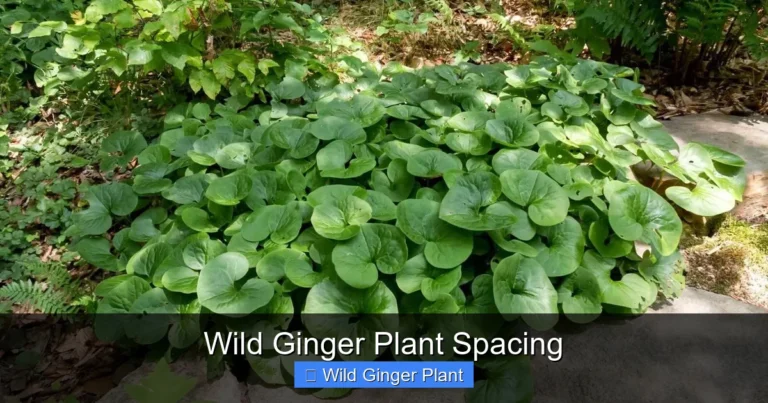
Use wild ginger as a living mulch under trees where grass fails. Plant it on shaded slopes for erosion control. Edge woodland paths with it — the foliage stays tidy and softens hard lines. Combine it with native sedges for textural variety. Create drifts of thirty or more plants for visual impact.
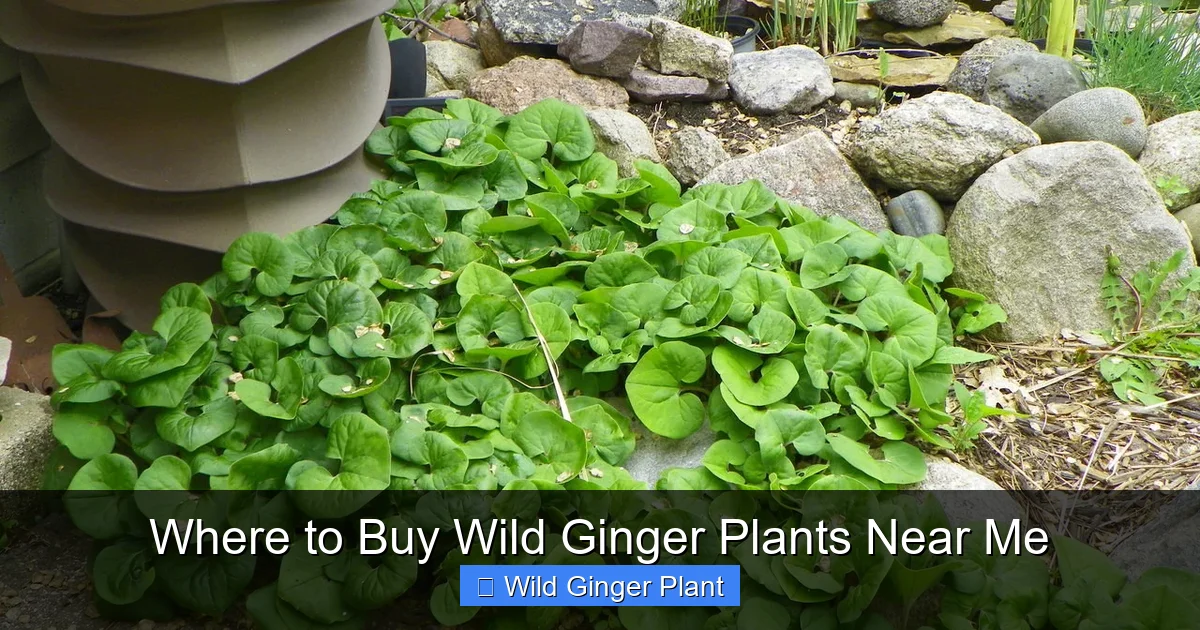
In smaller gardens, a single clump anchors a shade container. Pair it with heuchera for foliage contrast. Use it around the base of a bird bath or garden sculpture. The heart-shaped leaves create beautiful shadows in dappled light. Wild ginger works in formal or naturalistic designs equally well.
Seasonal Interest Throughout the Year
Spring brings fresh emerald leaves and hidden flowers. Summer offers a cool green carpet. Fall may add golden tones to the foliage. Winter reveals the plant’s structure — the leaves often persist, flattened but present. In mild winters, wild ginger stays nearly evergreen.
Plan for sequential bloom with companions. Early spring: hepatica, bloodroot. Mid-spring: trillium, wild ginger flowers. Late spring: foamflower, jack-in-the-pulpit. Summer: goat’s beard, bugbane. Fall: blue-stemmed goldenrod, white wood aster. The garden always has something happening.
Troubleshooting Common Issues
When Plants Struggle After Purchase
Sometimes plants from even good sources struggle. Transplant shock is common. Symptoms include wilting, yellowing leaves, or no new growth. First, check soil moisture. Both overwatering and underwatering cause similar symptoms. Feel the soil two inches down.
Verify the plant is not planted too deep. The crown should be at soil level. Check for vole or mouse damage at the base. Look for slug trails at night. Ensure the site gets enough shade — afternoon sun can scorch leaves. Most issues resolve with corrected conditions and patience.
Dealing With Pests and Diseases
Wild ginger is remarkably pest-resistant. Slugs and snails are the main concern. They chew irregular holes in leaves. Hand-pick at night or use iron phosphate baits. Avoid metaldehyde — it harms pets and wildlife. Diatomaceous earth works but must be reapplied after rain.
Fungal leaf spots occasionally appear in very wet conditions. Improve air circulation by thinning nearby plants. Remove affected leaves. Do not compost diseased material. Root rot occurs in poorly drained soil. Prevention through proper site preparation is far easier than treatment.
When to Contact the Seller
Reputable nurseries stand behind their plants. Contact them if plants arrive damaged, are mislabeled, or fail to break dormancy in spring. Most have a guarantee period — often thirty days for potted plants, one year for bare-root. Document with photos. Be polite but clear about the issue.
Good nurseries want to know about problems. It helps them improve. They may offer replacement, refund, or credit. They might ask about your planting methods — not to blame you, but to diagnose. This conversation is a learning opportunity. The best nurseries become long-term gardening partners.
Budget-Friendly Sourcing Strategies
Starting Small and Expanding Over Time
Wild ginger is an investment. Mature plants cost ten to twenty dollars each. A large area requires many plants. Start with a few in the best spot. Let them establish and spread. Divide them in year three or four. This approach costs less and teaches you the plant’s preferences in your specific garden.
Buy smaller pot sizes when available. Quart pots establish as well as gallons and cost half as much. Bare-root plants are the most economical. They establish quickly when planted at the right time. A bundle of five bare-root divisions often costs the same as one potted plant.
Finding Sales and Discounts
Native plant society sales offer the best prices. End-of-season nursery clearance can yield deals, but inspect carefully. Some nurseries offer volume discounts — ask. Coordinate with neighbors for a group order from an online nursery to reach free shipping thresholds.
Check if your municipality or county offers native plant subsidies. Some stormwater programs provide free or discounted natives for rain gardens. Conservation districts sometimes have annual tree and shrub sales that include herbaceous plants. Your tax dollars may already fund these programs.
Plant Swaps and Community Connections
Local gardening groups on social media often organize plant swaps. Bring divisions of something you have plenty of. Take home wild ginger from someone thinning their patch. These events build community and cost nothing. Always ask about the source — ethical gardeners share responsibly propagated plants.
Master Gardener programs often have plant sales. Extension offices maintain lists of local native plant sources. Library seed libraries sometimes include native perennials. Community gardens may have extra divisions. The more you connect with local gardeners, the more sources you discover.
Conclusion
Finding where to buy wild ginger plants near me has transformed from a frustrating quest into an enjoyable exploration of the native plant world. Each source — local nurseries, online specialists, native plant societies, botanical gardens, and community connections — offers unique advantages. The best approach combines several sources over time.
Start by visiting independent nurseries in spring. Join your state native plant society for sale notifications and expert contacts. Order bare-root plants online for fall planting to expand economically. Attend a native plant conference if one is within reach. Build relationships with fellow shade gardeners.
Remember that wild ginger is more than a groundcover. It is a keystone species in eastern forest ecosystems. It supports specialized pollinators, stabilizes soil, and creates habitat. Every patch planted in a garden extends this ecological web. Your search for plants becomes participation in restoration.
The heart-shaped leaves unfurling in your shade garden next spring will connect you to centuries of natural history. The hidden flowers will feed early insects. The spreading rhizomes will knit the soil together. And you will have the satisfaction of knowing exactly where your plants came from and why it matters.
Happy planting. May your wild ginger thrive and spread, bringing woodland beauty to your corner of the world.
Frequently Asked Questions
Where can I find wild ginger plants for sale locally?
Check independent nurseries specializing in native plants or shade perennials. Contact your state native plant society for nursery recommendations. Botanical gardens often have seasonal plant sales with nursery-propagated natives.
Is it better to buy wild ginger online or from a local nursery?
Both have advantages. Local nurseries let you inspect plants and get immediate advice. Online nurseries offer wider selection, specific ecotypes, and convenient shipping. Many gardeners use both sources.
How much does wild ginger typically cost?
Potted plants range from ten to twenty dollars depending on size. Bare-root divisions cost five to twelve dollars each. Native plant society sales often offer lower prices. Volume discounts may be available for larger orders.
What should I look for when buying wild ginger plants?
Verify the botanical name Asarum canadense. Check for healthy white roots, firm crowns, and undamaged leaves. Avoid plants with yellowing foliage, weeds in the pot, or signs of pests. Ask about propagation method and seed source.
Can I collect wild ginger from the woods to plant in my garden?
No. Wild collection harms natural populations and is often illegal on public land. It disturbs soil ecology and can spread invasive species. Always purchase nursery-propagated plants from ethical sources.
How long does it take for wild ginger to spread and fill in?
Wild ginger spreads slowly. Expect noticeable coverage in three to five years from small plants. Divisions establish faster than seedlings. A mature patch forms a dense carpet that suppresses weeds effectively.