Benefits of Planting Wild Ginger
Wild ginger thrives in shady spots and delivers benefits of planting wild ginger such as ground cover, erosion control, and a source of edible rhizomes. Its fragrant flowers attract native pollinators while its low‑maintenance nature makes it perfect for busy gardeners.
If you have a shady corner in your yard you may wonder what can thrive there. Wild ginger is a native perennial that loves low light and moist soil. It spreads slowly by underground stems called rhizomes. Many gardeners discover the benefits of planting wild ginger after they see how it fills empty spaces without much work.
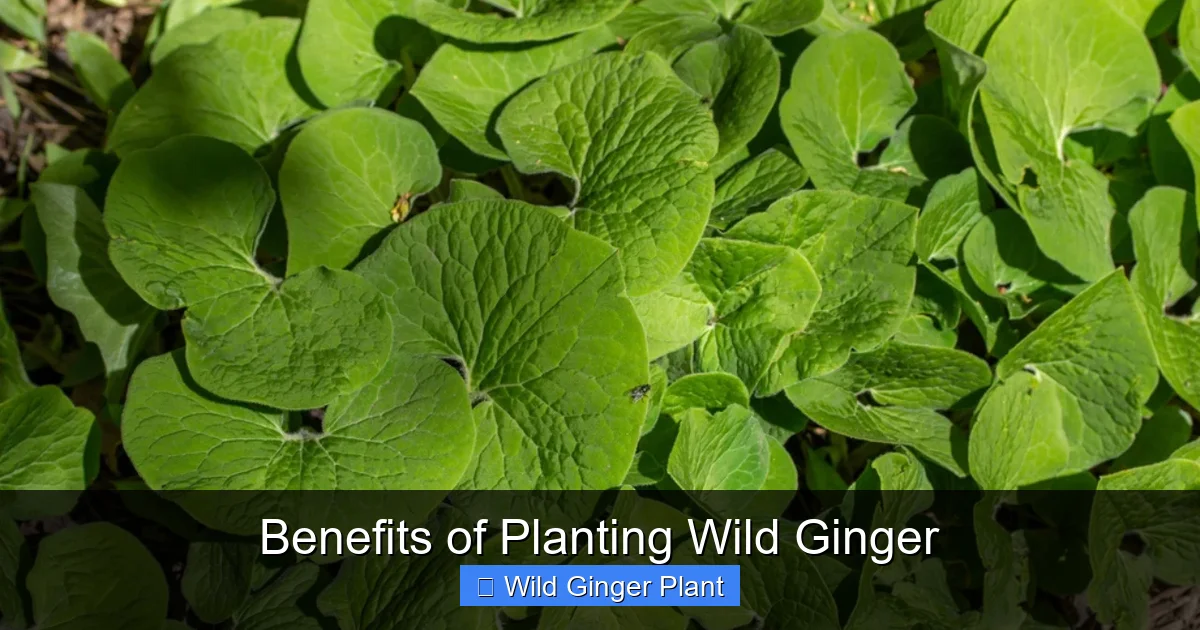
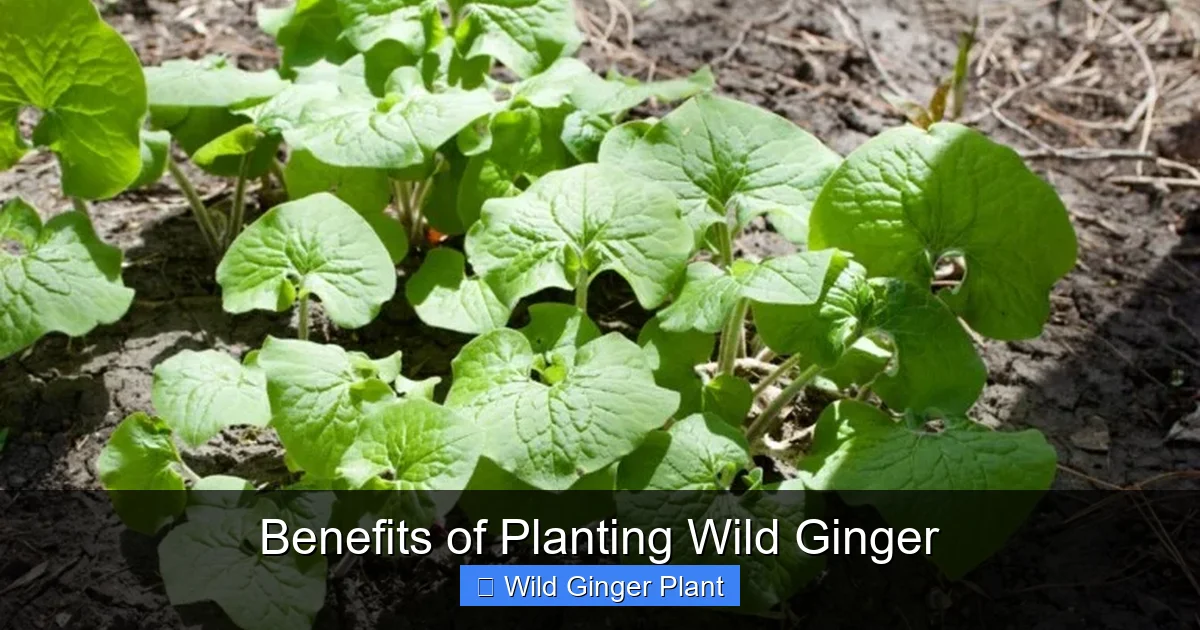
This plant is not the tropical ginger you buy at the store. It belongs to the genus Asarum and grows in North American woodlands. Its heart‑shaped leaves stay green all season. In early spring it produces hidden, jug‑shaped flowers that sit close to the ground. Those flowers are a secret snack for early pollinators.
Key Takeaways
- Shade tolerance: Wild ginger grows well under trees where many plants fail.
- Erosion control: Its dense rhizome mat holds soil on slopes.
- Pollinator magnet: Small flowers feed bees, flies, and beetles early in spring.
- Edible rhizomes: The roots have a mild ginger flavor for teas and cooking.
- Low maintenance: Once established it needs little water or fertilizer.
- Soil improvement: Decaying leaves add organic matter and improve structure.
- Design versatility: It works as ground cover, border edging, or woodland garden filler.
Quick Answers to Common Questions
What type of light does wild ginger prefer?
Wild ginger thrives in full to partial shade and struggles in direct sun.
Can I eat the rhizomes of wild ginger?
Yes, the rhizomes are edible and have a mild ginger flavor suitable for teas and cooking.
How fast does wild ginger spread?
It spreads slowly by rhizomes, forming a dense mat over several years without becoming invasive.
Does wild ginger attract pollinators?
Its early spring flowers provide nectar for native bees, flies, and beetles when few other sources are available.
Is wild ginger deer resistant?
Deer typically avoid the aromatic foliage, making it a good choice for areas with browsing pressure.
📑 Table of Contents
Why Choose Wild Ginger for Your Garden?
Native Adaptation
Wild ginger evolved in the forest understory. It handles deep shade, leaf litter, and fluctuating moisture. Because it is native, it resists many local pests and diseases. You spend less time spraying chemicals and more time enjoying the garden.
Its natural adaptation means it thrives without extra care. This trait adds to the benefits of planting wild ginger for low‑input landscapes.
Ground Cover That Stays Green
The foliage forms a thick carpet that suppresses weeds. You do not need to mulch heavily each year. The leaves also keep the soil cool and moist during hot summer days. This living mulch is one of the benefits of planting wild ginger that saves water.
A dense leaf layer also reduces soil temperature swings. This protects beneficial microbes that live near the surface.
Long Lived Perennial
Once established, a clump can live for decades. It expands slowly, so it never becomes invasive. You can divide clumps every few years to share with friends or fill new beds.
Longevity means you invest once and enjoy returns for many seasons. This durability is a core benefits of planting wild ginger for permanent garden designs.
Ecological Benefits of Planting Wild Ginger
Soil Stabilization
The rhizome network binds soil particles together. On slopes or stream banks this reduces runoff and prevents erosion. Gardeners on hilly sites often notice less soil loss after a rainstorm.
Visual guide about Benefits of Planting Wild Ginger
Image source: gardenot.com
Stabilized soil also keeps nutrients in place for neighboring plants. This indirect benefit supports overall garden health.
Habitat for Beneficial Insects
Early spring flowers provide nectar when few other sources exist. Small bees, hoverflies, and beetles visit the hidden blooms. These insects later pollinate fruit trees and vegetable crops. Supporting them is a hidden benefits of planting wild ginger that ripples through the whole garden.
Increased pollinator activity boosts yields in nearby edible beds. The effect can be seen within the same growing season.
Food for Wildlife
Deer and rabbits tend to avoid the aromatic foliage. However, the seeds are eaten by birds and small mammals. The plant contributes to a balanced food web without attracting heavy browsing.
Birds that feed on the seeds also disperse them to new areas. This natural spread helps the species colonize suitable spots.
Culinary and Medicinal Uses
Edible Rhizomes
The underground stems have a mild ginger flavor with a hint of citrus. You can harvest a small portion in fall, wash, and slice them for tea. They also work well in stir‑fries, soups, and baked goods. Remember to leave enough rhizomes for the plant to regrow.
Visual guide about Benefits of Planting Wild Ginger
Image source: epicgardening.com
Harvesting sparingly ensures the clump stays vigorous. This practice aligns with the sustainable benefits of planting wild ginger for home cooks.
Traditional Herbal Remedies
Indigenous peoples used wild ginger root for digestive upset and colds. Modern herbalists still value it as a gentle carminative. Always consult a healthcare professional before using any plant medicinally.
Historical use adds cultural depth to your garden. Knowing the story makes each harvest more meaningful.
Flavor Pairings
Try the rhizome with honey, lemon, and mint for a soothing tea. Add minced root to a carrot‑ginger soup for depth. The subtle heat pairs nicely with fish, chicken, and roasted vegetables.
Experimentation in the kitchen reveals new favorite recipes. The versatile flavor profile is a tasty benefits of planting wild ginger for culinary explorers.
Low Maintenance and Soil Improvement
Minimal Watering
After the first year the plant tolerates dry spells. Its deep rhizomes access moisture far below the surface. This drought tolerance is another benefits of planting wild ginger for water‑wise gardens.
Reduced irrigation saves time and lowers water bills. The plant thrives on natural rainfall once established.
Natural Mulch
Fallen leaves decompose in place, feeding microbes and improving soil structure. You spend less on bagged mulch and fertilizer. The organic matter also increases the soil’s ability to hold nutrients.
Healthy soil microbes break down organic material into plant‑available forms. This cycle reinforces the benefits of planting wild ginger for long‑term fertility.
Few Pest Problems
Slugs may nibble young leaves in very wet springs. A simple beer trap or copper tape solves the issue. Otherwise the plant stays clean and healthy without sprays.
Low pest pressure means you avoid chemical treatments. This keeps the garden safe for children and pets.
Attracting Pollinators and Wildlife
Early Season Nectar Source
Blooms appear before many garden flowers open. This timing fills a critical gap for pollinators emerging from winter. A single clump can support dozens of bee visits per day.
Early nectar builds pollinator populations that benefit later crops. This timing advantage is a strategic benefits of planting wild ginger for orchard owners.
Supporting Native Bees
Many native bee species are specialists on early woodland flowers. Wild ginger’s hidden blossoms match their foraging habits. Planting it helps conserve these often overlooked pollinators.
Conservation of native bees strengthens ecosystem resilience. Your garden becomes a refuge for biodiversity.
Creating a Mini Ecosystem
Combine wild ginger with ferns, trilliums, and woodland phlox. The layered planting mimics a natural forest floor. Birds, amphibians, and beneficial insects find shelter and food throughout the season.
A diverse understory supports a web of life. This holistic approach maximizes the benefits of planting wild ginger beyond the plant itself.
Design Tips for Incorporating Wild Ginger
Shade Garden Borders
Plant a row along a north‑facing fence or under a mature tree. Space clumps twelve inches apart for a seamless carpet. The uniform height creates a tidy edge without trimming.
Border plantings define pathways and guide the eye. The consistent texture adds a professional look to informal spaces.
Woodland Path Edging
Line a stepping‑stone path with wild ginger. The foliage softens hard edges and releases a faint spicy scent when brushed. It also prevents soil compaction from foot traffic.
Path edging protects roots of nearby trees. This practical benefit complements the aesthetic appeal.
Container Planting
Use a wide, shallow pot with rich, moisture‑retentive mix. Place the container in a shaded patio corner. Water regularly the first season, then taper off. The plant will thrive and can be moved as needed.
Containers let you enjoy wild ginger on balconies or decks. Mobility adds flexibility to garden design.
Companion Planting
Pair with hostas, astilbes, and heucheras for texture contrast. The broad ginger leaves complement fine fern fronds. Together they create a layered look that feels both wild and designed.
Companion groups share similar moisture and light needs. This harmony reduces maintenance and enhances the benefits of planting wild ginger in mixed beds.
Conclusion
Wild ginger offers a rare combination of beauty, ecology, and utility. Its shade tolerance solves the problem of dark garden corners. The dense rhizome mat protects soil and conserves water. Early flowers feed pollinators when they need it most. Edible rhizomes add a unique flavor to your kitchen. Low maintenance needs free up your time for other projects. When you weigh all these factors, the benefits of planting wild ginger become clear. Consider adding a few clumps this spring and watch your woodland garden come alive.
Frequently Asked Questions
How do I plant wild ginger in my garden?
Choose a shady, moist site with rich organic soil. Plant rhizome divisions just below the surface, spacing them about twelve inches apart. Water well after planting and keep the area mulched.
When is the best time to divide wild ginger clumps?
Early spring or early fall are ideal for division. Dig up the clump, separate healthy rhizome sections, and replant immediately.
What soil conditions does wild ginger need?
It prefers well‑drained, humus‑rich soil that stays consistently moist but not waterlogged. Adding leaf compost improves texture and fertility.
Can wild ginger be grown in containers?
Yes, use a wide shallow pot with a high‑quality potting mix that retains moisture. Place the container in shade and water regularly during the first season.
Are there any pests that commonly affect wild ginger?
Slugs may feed on young leaves in wet springs. Simple barriers like copper tape or beer traps control them effectively.
What are the medicinal uses of wild ginger?
Traditionally used for digestive discomfort and colds, the rhizome acts as a gentle carminative. Consult a healthcare professional before medicinal use.