Indiana Wild Ginger Plant
The indiana wild ginger plant is a low‑growing, shade‑loving perennial native to the Midwest. It features heart‑shaped leaves, hidden brown flowers, and a fragrant rhizome used in cooking and traditional medicine.
The indiana wild ginger plant is a charming forest dweller that many hikers overlook. It hugs the ground in shady woods and spreads slowly by underground stems. This guide will walk you through everything you need to know about the indiana wild ginger plant.
You will learn how to spot the indiana wild ginger plant in the wild, what conditions it loves, and how you can grow it in your own garden. We will also cover its culinary and medicinal uses, plus the conservation challenges it faces. By the end you will feel confident identifying and caring for the indiana wild ginger plant.
Let’s start with a quick overview of the indiana wild ginger plant’s taxonomy and appearance.
Exploring the forest floor reveals a hidden world of subtle beauty. The low‑growing habit makes it easy to miss without careful observation. Patience and a keen eye reward the curious naturalist. This guide aims to sharpen those skills for anyone interested.
Whether you are a hiker, gardener, or herbal enthusiast, there is something to learn. The following sections break down identification, cultivation, and stewardship. Practical tips are included for immediate application. Enjoy the journey into this woodland treasure.
Key Takeaways
- Native Range: The indiana wild ginger plant thrives in moist, deciduous forests across Indiana and neighboring states.
- Identification: Look for heart‑shaped leaves, a single hidden flower, and a creeping rhizome on the indiana wild ginger plant.
- Growing Conditions: It prefers rich, well‑drained soil, dappled shade, and consistent moisture for the indiana wild ginger plant.
- Uses: The rhizome adds a mild ginger flavor to dishes and has a history in herbal remedies of the indiana wild ginger plant.
- Conservation: Habitat loss and invasive species threaten populations of the indiana wild ginger plant; protection efforts matter.
- Cultivation: Gardeners can propagate by division or seed, planting in early spring for best results with the indiana wild ginger plant.
Quick Answers to Common Questions
What is the scientific name of the indiana wild ginger plant?
The scientific name is Asarum canadense.
Where does the indiana wild ginger plant naturally grow?
It grows in moist, deciduous forests across Indiana and neighboring Midwestern states.
Can I eat the rhizome of the indiana wild ginger plant?
Yes, the rhizome is edible and has a mild ginger flavor used in teas and cooking.
How do I propagate the indiana wild ginger plant at home?
Divide an established clump in early spring, ensuring each piece has a leaf bud, and replant immediately.
Is the indiana wild ginger plant endangered?
It is not federally endangered but is listed as a species of concern in several states due to habitat loss.
📑 Table of Contents
What Is the Indiana Wild Ginger Plant?
Botanical Classification
The indiana wild ginger plant belongs to the family Aristolochiaceae and the genus Asarum. Its scientific name is Asarum canadense, but the common name highlights its regional roots. The indiana wild ginger plant is a perennial herb that returns each spring from a thick rhizome.
Physical Description
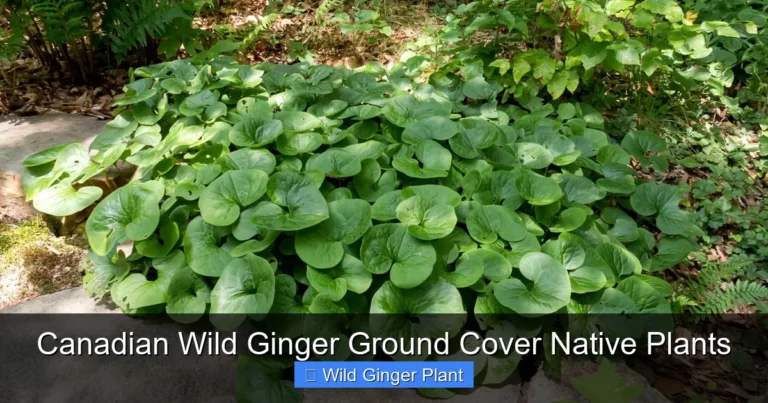
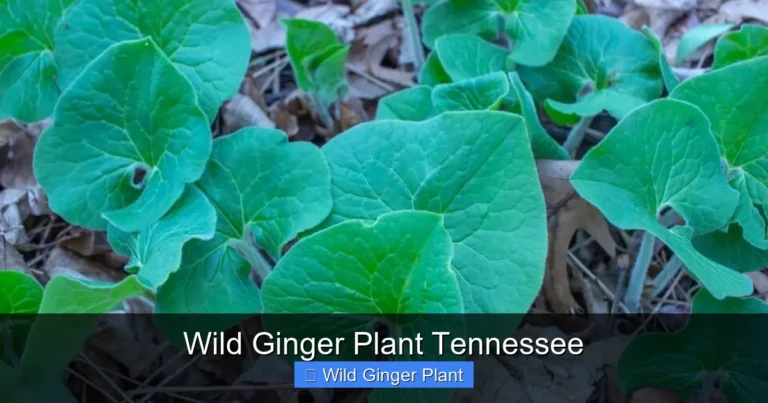
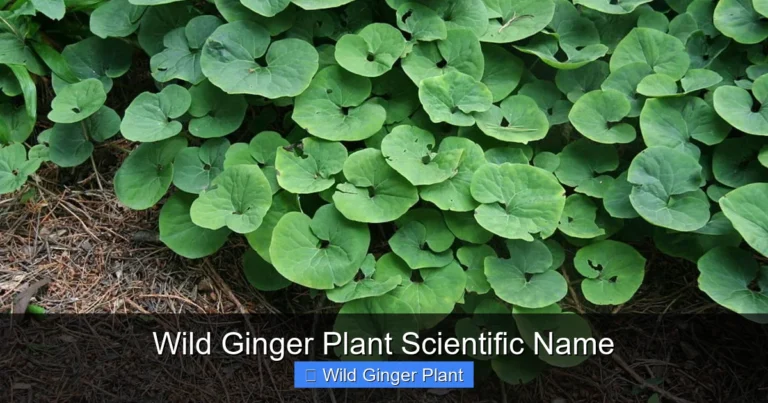
The indiana wild ginger plant produces a pair of broad, heart‑shaped leaves that emerge directly from the rhizome. Each leaf can reach up to six inches across and has a velvety texture. The flower of the indiana wild ginger plant hides at ground level, is brownish‑purple, and has three petal‑like sepals. Because the bloom sits low, many people never see it.
Habitat and Range
You will find the indiana wild ginger plant in rich, moist woods throughout Indiana, Illinois, Ohio, and parts of Michigan. It prefers the deep shade of mature deciduous forests where leaf litter keeps the soil damp. The indiana wild ginger plant often forms loose colonies that spread slowly over decades.
This species has a long history of use by indigenous peoples across the region. Early settlers noted its pleasant aroma and added it to stews. Modern foragers still appreciate its subtle flavor. The plant spreads slowly, forming modest colonies over many years. Observing its growth cycle can teach patience and respect for forest rhythms.
Researchers study its chemical compounds for potential health benefits. Laboratory tests show mild antimicrobial activity in extracts. These findings support traditional uses but more work is needed. Conservationists monitor populations to ensure sustainable harvest. Protecting its habitat benefits many other woodland organisms.
Botanists note that the species exhibits a unique pollination strategy relying on small flies attracted to the flower’s faint odor. This specialized relationship limits seed set but ensures genetic diversity within isolated patches. Understanding this biology helps explain why colonies remain relatively small. Researchers continue to monitor pollinator activity throughout the flowering period. Such studies inform conservation plans aimed at preserving both plant and insect partners.
Historical records indicate that early herbalists valued the root for its warming properties during harsh winters. Diaries from the 1800s describe teas brewed from the rhizome to ease chills and improve circulation. Modern phytochemical analysis confirms the presence of compounds that stimulate blood flow. These findings bridge traditional knowledge with contemporary science. Preserving the species ensures that future generations can explore its full potential.
The species also serves as an indicator of forest health because it requires stable moisture and shade. Its presence signals a mature, undisturbed ecosystem. Monitoring its abundance helps managers assess habitat quality.
Growing Conditions for the Indiana Wild Ginger Plant
Soil Preferences
The indiana wild ginger plant thrives in loamy soil that is high in organic matter. A pH between 5.5 and 6.5 is ideal. If your garden soil is heavy clay, amend it with compost and leaf mold to mimic the forest floor that the indiana wild ginger plant loves.
Light Requirements
Full shade to dappled shade works best for the indiana wild ginger plant. Direct sun can scorch the leaves and dry the rhizome. Plant the indiana wild ginger plant under taller shrubs or on the north side of a building where light filters through.
Moisture Needs
Consistent moisture is critical for the indiana wild ginger plant. The soil should stay evenly damp but not waterlogged. Mulch with shredded leaves to retain moisture and suppress weeds around the indiana wild ginger plant. During dry spells, water deeply once a week.
Gardeners can mimic forest soil by adding composted leaves and pine needles. A thick mulch layer keeps roots cool and moist during summer heat. Avoid heavy fertilization; the plant prefers lean, organic ground. Regularly check soil moisture with a finger test. Adjust watering based on rainfall and temperature.
Companion planting with ferns and shade‑tolerant wildflowers creates a natural community. These neighbors help suppress weeds and retain humidity. The combined leaf litter enriches the soil over time. A diverse understory also attracts beneficial insects. Such polycultures reduce the need for chemical inputs.
Soil testing before planting can reveal nutrient imbalances that affect root development. A simple kit from a garden center provides pH and major element readings. Adjustments with lime or sulfur bring the medium into the optimal range. Adding well‑rotted compost improves structure and water‑holding capacity. These steps create a stable environment for long‑term growth.
Microclimate manipulation can extend the growing season in cooler zones. Cold frames or row covers trap heat while still allowing filtered light. Ventilation on sunny days prevents overheating and fungal issues. Gradual acclimation of new divisions reduces transplant shock. These techniques make cultivation possible beyond the native range.
Mulching with pine straw mimics the natural forest floor and slowly releases nutrients. This practice also suppresses competing weeds. Reapply mulch annually to maintain depth and moisture retention.
How to Identify the Indiana Wild Ginger Plant in the Wild
Leaf Characteristics
When you search for the indiana wild ginger plant, look for two opposite, kidney‑shaped leaves that are soft to the touch. The leaf margins are smooth, and the veins form a subtle net pattern. These leaves stay green all summer, making the indiana wild ginger plant easy to spot even when not in bloom.
Flower Details
The flower of the indiana wild ginger plant appears in early spring, often before the leaves fully expand. It sits at the base of the leaf pair, hidden under leaf litter. The bloom is a small, cup‑shaped structure with three triangular sepals that are dark maroon. Because the flower is concealed, many foragers miss the indiana wild ginger plant entirely.
Root and Rhizome Features
Gently brush away soil to reveal the thick, creeping rhizome of the indiana wild ginger plant. The rhizome is aromatic, releasing a faint ginger scent when broken. It is brownish on the outside and white inside. This rhizome is the part used for flavor and medicine from the indiana wild ginger plant.
When scouting, move slowly and scan the forest floor for the characteristic leaf pair. The leaves often appear in early spring before many other plants emerge. A gentle tug on the leaf reveals the hidden rhizome beneath. Take care not to disturb the surrounding soil excessively. Photographing the find helps with later confirmation.
Field guides and smartphone apps can assist with verification. Compare leaf shape, vein pattern, and flower position with trusted references. Note the date and location for citizen‑science databases. Sharing observations supports distribution mapping. Responsible documentation protects the species from over‑collection.
Seasonal changes affect visibility of key traits. In late summer the foliage may yellow, making the leaf pair less obvious. Winter dormancy leaves only the rhizome visible beneath leaf litter. Knowing these phases prevents misidentification during off‑peak surveys. A year‑round observation schedule yields the most reliable data.
Photographic documentation should include a scale reference such as a coin or ruler. Capture the leaf pair, flower position, and rhizome texture in separate shots. Metadata like GPS coordinates and date enhance scientific value. Sharing images on verified platforms contributes to regional distribution maps. Consistent methodology improves data quality across observers.
When in doubt, consult a local botanist or extension service for confirmation. Expert eyes can spot subtle differences that guides may miss. Accurate identification protects both the plant and the forager.
Uses and Benefits of the Indiana Wild Ginger Plant
Culinary Uses
The rhizome of the indiana wild ginger plant can be sliced thin and added to stir‑fries, teas, or baked goods. Its flavor is milder than tropical ginger but adds a pleasant warmth. Try a simple tea by steeping a teaspoon of chopped indiana wild ginger plant rhizome in hot water for five minutes.
Medicinal Traditions
Native American tribes used the indiana wild ginger plant to treat colds, digestive upset, and headaches. Modern herbalists value the plant for its anti‑inflammatory and antimicrobial compounds. Always consult a healthcare professional before using the indiana wild ginger plant medicinally.
Ecological Role
The indiana wild ginger plant provides early‑season nectar for small flies and beetles that pollinate its hidden flowers. Its dense foliage offers shelter for woodland amphibians and insects. By planting the indiana wild ginger plant, you support a healthy forest understory.
Chefs experiment with the rhizome in modern cuisine, creating syrups, pickles, and infused oils. Its mild heat complements both sweet and savory dishes. Home cooks can grate a small amount into marinades for a subtle kick. Pair it with citrus or honey for balanced flavor profiles. Always start with a tiny quantity to gauge taste.
Herbalists prepare tinctures and salves using the root for topical relief. Traditional recipes combine it with other forest herbs for synergistic effects. Modern practitioners advise consulting a qualified professional before internal use. Sustainable harvesting ensures future supplies for both people and wildlife. Ethical wildcrafting respects plant populations and ecosystem health.
Culinary innovators have incorporated the rhizome into craft beverages, such as ginger‑infused kombucha and seasonal ales. The subtle spice adds complexity without overwhelming other flavors. Mixologists appreciate its ability to pair with citrus, herbs, and honey. Small batch experiments allow chefs to fine‑tune dosage. Consumer feedback often highlights a pleasant, lingering warmth.
Pharmacological studies explore the root’s potential as an anti‑nausea agent for chemotherapy patients. Preliminary trials show reduced vomiting episodes when a standardized extract is administered. Safety profiling indicates low toxicity at therapeutic doses. Ongoing research aims to isolate the active constituents responsible for the effect. Clinical validation could expand the plant’s role in supportive care.
The rhizome can be dried and powdered for long‑term storage. Powder retains flavor and can be sprinkled into baked goods. Proper drying prevents mold and preserves active compounds.
Cultivation Tips for Gardeners
Propagation Methods
You can start the indiana wild ginger plant from seed, but germination is slow and erratic. Division of established clumps in early spring is the most reliable method. Cut a section of rhizome with at least one leaf bud and replant it immediately.
Planting Steps
Choose a shady site with rich, moist soil for the indiana wild ginger plant. Dig a shallow trench, lay the rhizome horizontally, and cover with an inch of soil. Water thoroughly and mulch with leaf litter. Space plants about twelve inches apart to allow colony expansion.
Maintenance and Care
Keep the soil around the indiana wild ginger plant consistently moist during the first growing season. Remove any invasive weeds that compete for nutrients. In autumn, add a fresh layer of shredded leaves to protect the rhizome over winter. The indiana wild ginger plant is low‑maintenance once established.
Container growing works well for those with limited shade space. Choose a deep pot with drainage holes and fill with a rich, peat‑based mix. Place the pot on a north‑facing balcony or under a pergola. Water consistently and mulch the surface with shredded bark. Repot every few years as the rhizome expands.
Seasonal care includes a light feeding of compost in early spring. Remove any dead foliage to improve air flow. Watch for slugs and snails, which may nibble young leaves. Hand‑pick pests or use organic barriers like copper tape. Healthy plants rarely suffer serious disease problems.
Propagation by tissue culture offers a rapid way to produce large numbers of uniform plants. Laboratories can sterilize rhizome segments and induce shoot formation on nutrient media. This method bypasses the slow seed germination and variable division success. Resulting plantlets acclimate quickly when transferred to soil. Commercial growers use this technique to meet restoration demand.
Designing a shaded garden bed with layered plantings mimics natural forest structure. Tall canopy trees provide dappled light, while mid‑story shrubs create humidity pockets. Ground‑cover species like the subject plant fill the lowest stratum. This vertical diversity supports a wider array of wildlife. Maintenance becomes easier as each layer occupies its niche.
Rotate planting locations every few years to reduce soil‑borne pathogens. This practice also refreshes organic matter in the bed. Healthy rotations lead to vigorous, disease‑free colonies.
Conservation Status and Threats
Current Status
The indiana wild ginger plant is not federally listed as endangered, but several states consider it a species of concern. Habitat fragmentation from development reduces the forest patches where the indiana wild ginger plant thrives.
Threats
Invasive species such as garlic mustard outcompete the indiana wild ginger plant for light and nutrients. Over‑collection by foragers can deplete local populations of the indiana wild ginger plant. Climate change may alter the moisture regime that the indiana wild ginger plant depends on.
How You Can Help
Support local land trusts that protect woodland habitats for the indiana wild ginger plant. Practice sustainable foraging by taking only a small portion of rhizomes and leaving the rest to regrow. Plant the indiana wild ginger plant in your shade garden to create a refuge.
Land managers can create buffer zones around known colonies to limit disturbance. Controlled burns, when appropriate, reduce invasive competition. Monitoring plots over time reveal population trends. Collaboration with universities enhances scientific understanding. Public education programs raise awareness of the plant’s value.
Citizen scientists play a vital role by reporting sightings through online portals. Data contributed helps prioritize protection efforts. Simple actions like staying on trails reduce soil compaction. Supporting native plant nurseries encourages responsible propagation. Every effort adds up to a healthier forest ecosystem.
Policy makers can designate critical habitat corridors that link isolated populations. Legal protection of these corridors reduces fragmentation and promotes gene flow. Funding for land acquisition often comes from state wildlife grants. Community involvement in monitoring fosters stewardship. Long‑term management plans ensure that conservation actions adapt to changing conditions.
Education programs targeting schools and garden clubs raise awareness of the plant’s ecological role. Hands‑on activities like seed sowing and rhizome division teach practical skills. Participants often become advocates for native flora in their neighborhoods. Partnerships with botanical gardens amplify outreach impact. A well‑informed public is essential for lasting protection.
Support legislation that funds native plant restoration projects. Your voice can influence budget priorities at the state level. Collective advocacy drives meaningful policy change.
Conclusion
The indiana wild ginger plant is a subtle treasure of Midwestern forests. Its heart‑shaped leaves, hidden flowers, and fragrant rhizome make it a joy to discover and grow. By understanding its needs and threats, you can enjoy the indiana wild ginger plant in the wild or in your own backyard. Happy planting and exploring!
By applying the knowledge shared here, you can help preserve a piece of regional heritage. Small actions in your own yard ripple outward to broader landscapes. The plant’s quiet presence reminds us of nature’s intricate connections.
Thank you for reading and for caring about native flora. May your future walks be filled with discovery and respect. Happy exploring and planting!
Frequently Asked Questions
What type of soil does the indiana wild ginger plant prefer?
The indiana wild ginger plant prefers rich, loamy soil with high organic matter and a slightly acidic pH between 5.5 and 6.5.
How much sunlight does the indiana wild ginger plant need?
The indiana wild ginger plant thrives in full shade to dappled shade; direct sun can damage its leaves.
When does the indiana wild ginger plant bloom?
The indiana wild ginger plant blooms in early spring, often before the leaves fully expand, with a hidden brownish‑purple flower.
What are the medicinal uses of the indiana wild ginger plant?
Traditionally, the indiana wild ginger plant has been used for colds, digestive issues, and headaches; modern herbalists note anti‑inflammatory properties.
How can I protect the indiana wild ginger plant in the wild?
Avoid over‑harvesting, control invasive plants, and support conservation organizations that preserve forest habitat for the indiana wild ginger plant.
Can the indiana wild ginger plant be grown in containers?
Yes, the indiana wild ginger plant can grow in a deep, shaded container with rich, moist soil, but it spreads slowly and may need repotting over time.