Planting Bare Root Wild Ginger
Planting bare root wild ginger is a rewarding way to establish a lush, native ground cover in shady garden spots. This comprehensive guide walks you through every step — from choosing healthy roots and preparing the perfect woodland soil to proper spacing, planting depth, and essential first-year care — so your wild ginger thrives for years to come.
There is something deeply satisfying about tucking a bare root plant into the earth and imagining the quiet work it will do beneath the surface. Planting bare root wild ginger feels especially hopeful because this native woodland perennial asks for so little and gives so much in return. Once established, it forms a lush, weed-smothering carpet of heart-shaped leaves that stay green from spring through frost. The unusual, jug-shaped flowers hide at ground level — a secret delight for those who know to look. If you have a shady spot that needs life, wild ginger might be exactly what you have been waiting for.
I first discovered wild ginger on a hike through a damp, maple-shaded ravine. The leaves caught the filtered light like emeralds, and when I gently brushed aside the leaf litter, I found those strange, purplish-brown flowers resting on the soil. It felt like uncovering a secret. That moment stuck with me, and when I later moved to a property with a deep-shade side yard where grass refused to grow, I knew exactly what to try. Planting bare root wild ginger transformed that bare, muddy patch into a thriving green sanctuary within two seasons. The process is straightforward, but a few key details make all the difference between struggling plants and a spreading colony.
Key Takeaways
- Choose healthy bare roots: Look for firm, plump rhizomes with visible growth buds and no signs of mold or rot.
- Plant in early spring or fall: Cool, moist conditions give bare root wild ginger the best start before summer heat or winter freeze.
- Mimic woodland soil: Rich, loose, well-draining soil with plenty of organic matter replicates the plant’s native habitat.
- Space plants 12 to 18 inches apart: This allows room for the rhizomes to spread and form a dense, weed-suppressing mat over time.
- Plant shallow with buds up: Position rhizomes horizontally just below the soil surface, with growth buds facing upward.
- Mulch and water consistently: A thick layer of shredded leaves or bark retains moisture and protects roots during establishment.
- Expect slow first-year growth: Wild ginger invests energy in root development before spreading; patience yields a beautiful colony.
Quick Answers to Common Questions
When is the best time to plant bare root wild ginger?
Early spring, as soon as the soil can be worked, is ideal. Fall planting (six weeks before hard frost) also works in zones 5-8.
How deep should I plant bare root wild ginger rhizomes?
Plant horizontally with the top of the rhizome 1/2 to 1 inch below the soil surface. Growth buds must face upward.
How far apart should I space wild ginger plants?
Space rhizomes 12 to 18 inches apart. Closer spacing (12 inches) creates a solid ground cover faster.
Does wild ginger need fertilizer?
No. If planted in compost-amended soil, wild ginger needs no fertilizer. Excess nitrogen causes weak growth and attracts pests.
How long until bare root wild ginger spreads into a mat?
Expect 3-4 years for individual plants to merge into a continuous colony. First-year growth is minimal as roots establish.
📑 Table of Contents
- Understanding Wild Ginger Before You Plant
- When to Plant Bare Root Wild Ginger
- Selecting and Preparing the Perfect Site
- Step-by-Step Guide to Planting Bare Root Wild Ginger
- First-Year Care: Helping Your Wild Ginger Establish
- Long-Term Maintenance and Propagation
- Troubleshooting Common Problems
- Wild Ginger in the Ecological Garden
- Creative Uses Beyond Ground Cover
- Conclusion
Understanding Wild Ginger Before You Plant
What Is Wild Ginger?
Despite the name, wild ginger (Asarum canadense) is not related to the culinary ginger you buy at the grocery store. It belongs to the birthwort family (Aristolochiaceae) and is native to eastern North America, thriving in rich, deciduous forests from Canada down to the southeastern United States. The common name comes from the spicy, ginger-like aroma of its rhizomes when crushed — a scent that Indigenous peoples and early settlers recognized and used for flavoring and medicine. However, the plant contains aristolochic acid, which can be toxic in large quantities, so it is best appreciated as an ornamental ground cover rather than a kitchen ingredient.
Why Choose Bare Root Over Potted Plants?
Bare root wild ginger offers several advantages over container-grown specimens. First, bare root plants are significantly less expensive — often half the price or less — because you are not paying for soil, pots, or shipping weight. Second, they establish faster when planted correctly because their roots make direct contact with native soil immediately, without the transition shock that potted plants sometimes experience. Third, you can inspect the entire root system before planting, ensuring you start with healthy, viable rhizomes. The trade-off is timing: bare root stock is only available during dormancy, typically early spring or fall, and must be planted promptly upon arrival.
Growth Habit and Timeline Expectations
Wild ginger spreads slowly but steadily via underground rhizomes. In the first year after planting bare root wild ginger, you may see only a few leaves emerge from each rhizome. The plant is busy building its root network underground. By year two, the clumps widen noticeably. By year three or four, individual plants merge into a continuous mat that effectively suppresses weeds. A single rhizome can eventually spread to form a colony several feet across. This is not an instant ground cover — it is a long-term investment in your shade garden’s ecology.
When to Plant Bare Root Wild Ginger
Spring Planting Advantages
Early spring is the most common and often the most successful time for planting bare root wild ginger. Aim to plant as soon as the soil can be worked — typically when it crumbles in your hand rather than forming a sticky ball. In most regions, this falls between March and May. Spring planting gives the roots a full growing season to establish before winter. The natural rainfall and cool temperatures of spring reduce the need for supplemental watering. Just be sure to plant before the rhizomes break dormancy and begin active growth; once leaves emerge, the plant is more vulnerable to transplant stress.
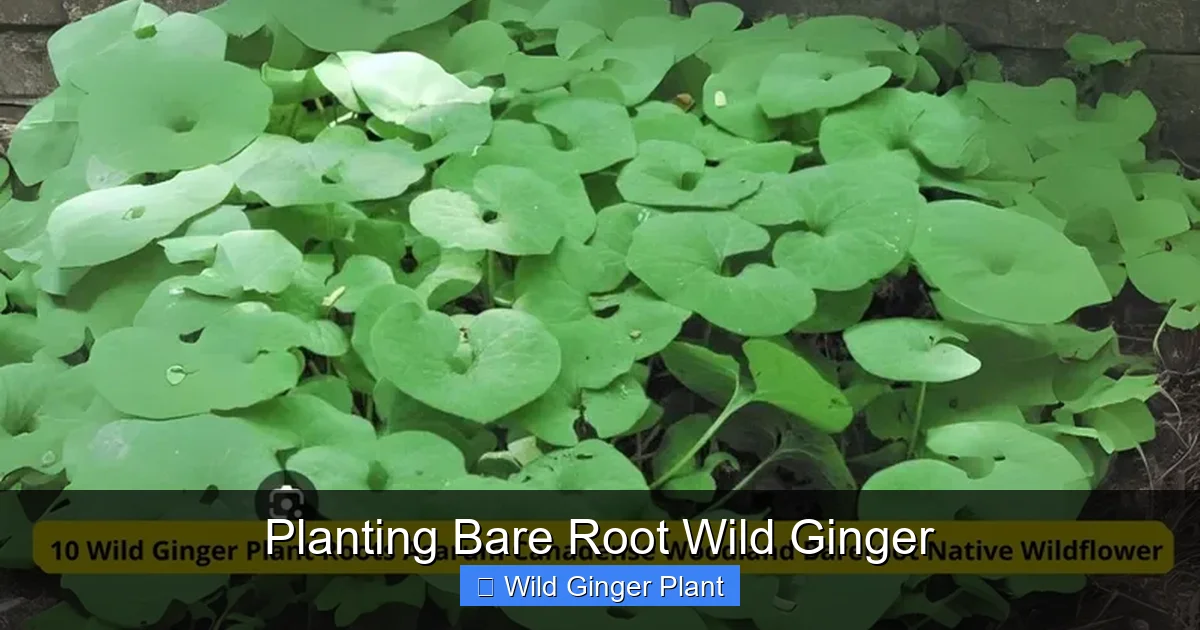
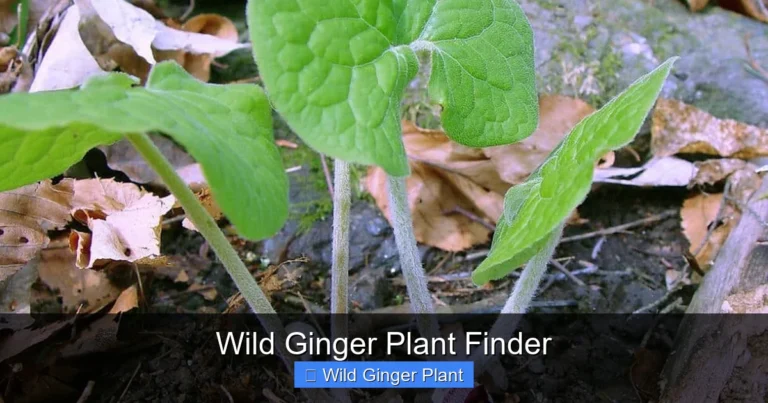
Visual guide about Planting Bare Root Wild Ginger
Image source: i.etsystatic.com
Fall Planting Considerations
Fall planting works well in zones 5 through 8, where the ground does not freeze solid until late November or December. Plant at least six weeks before your average first hard frost date. This allows roots to begin growing in the still-warm soil while top growth remains dormant. Fall-planted wild ginger often emerges earlier and stronger the following spring. Mulch heavily after planting to prevent frost heaving — the freeze-thaw cycle that can push shallow rhizomes out of the ground. In zones 3 and 4, spring planting is safer.
What If You Cannot Plant Immediately?
Bare root wild ginger should be planted within a few days of arrival. If weather or schedule delays you, store the rhizomes in a cool (35 to 45 degrees F), dark place. Keep them in their original packaging with the packing material slightly damp — not wet. A refrigerator crisper drawer works well for short-term storage. Check every couple of days for mold. If planting is delayed more than two weeks, consider heeling them in: dig a shallow trench in a shaded garden bed, lay the rhizomes horizontally, cover loosely with soil, and water lightly. This buys you several more weeks.
Selecting and Preparing the Perfect Site
Light Requirements: Deep Shade to Dappled Sun
Wild ginger evolved on the forest floor. It thrives in full shade — the kind found under mature deciduous trees or on the north side of buildings. It tolerates dappled morning sun but scorches in hot afternoon light, especially in southern zones. If your site receives more than two or three hours of direct sun daily, wild ginger will struggle. The leaves may yellow, curl, or develop brown edges. For sunnier spots, consider alternatives like foamflower (Tiarella) or barrenwort (Epimedium).
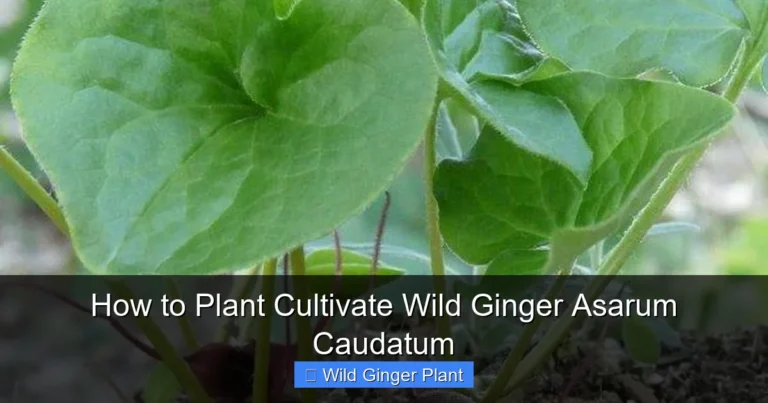
Visual guide about Planting Bare Root Wild Ginger
Image source: getbusygardening.com
Soil Type and Preparation
The ideal soil for planting bare root wild ginger is rich, loose, moisture-retentive, and well-draining — essentially, good woodland loam. Heavy clay holds too much water and suffocates roots. Pure sand drains too fast and lacks nutrients. If your soil is less than perfect, amend it before planting. Work in two to three inches of compost, leaf mold, or well-rotted manure to a depth of eight to ten inches. This improves structure, adds slow-release nutrients, and mimics the natural duff layer of a forest floor. Avoid fresh manure or high-nitrogen fertilizers; they encourage lush, weak growth prone to disease.
Drainage Test
Before committing to a site, perform a simple drainage test. Dig a hole twelve inches deep and twelve inches wide. Fill it with water and let it drain completely. Fill it again and time how long it takes to empty. Ideal drainage for wild ginger is one to three inches per hour. If water stands for more than four hours, the site is too wet. If it drains in under thirty minutes, the soil may be too dry unless you irrigate regularly. Amending with organic matter improves both extremes.
Companion Plants and Design Ideas
Wild ginger plays well with other shade-loving natives. Pair it with ferns (maidenhair, Christmas fern, lady fern), spring ephemerals (trillium, bloodroot, Virginia bluebells), and later-blooming perennials (solomon’s seal, jack-in-the-pulpit, wild geranium). Its dense foliage hides the dying foliage of spring ephemerals beautifully. Use it as a living mulch under shrubs like spicebush, witch hazel, or hydrangea. Because it stays low — typically six to eight inches tall — it works as an edging plant along shaded paths or as a transition between lawn and woodland.
Step-by-Step Guide to Planting Bare Root Wild Ginger
Tools and Materials You Will Need
Gather these before you start: a garden fork or spade, a hand trowel, a bucket of water, compost or leaf mold, mulch (shredded leaves, pine needles, or fine bark), and a watering can or gentle hose attachment. Gloves are optional but helpful if your soil is rocky. A soil knife (hori hori) makes quick work of planting holes. If planting a large area, consider a kneeling pad — your knees will thank you.
Inspect and Hydrate the Rhizomes
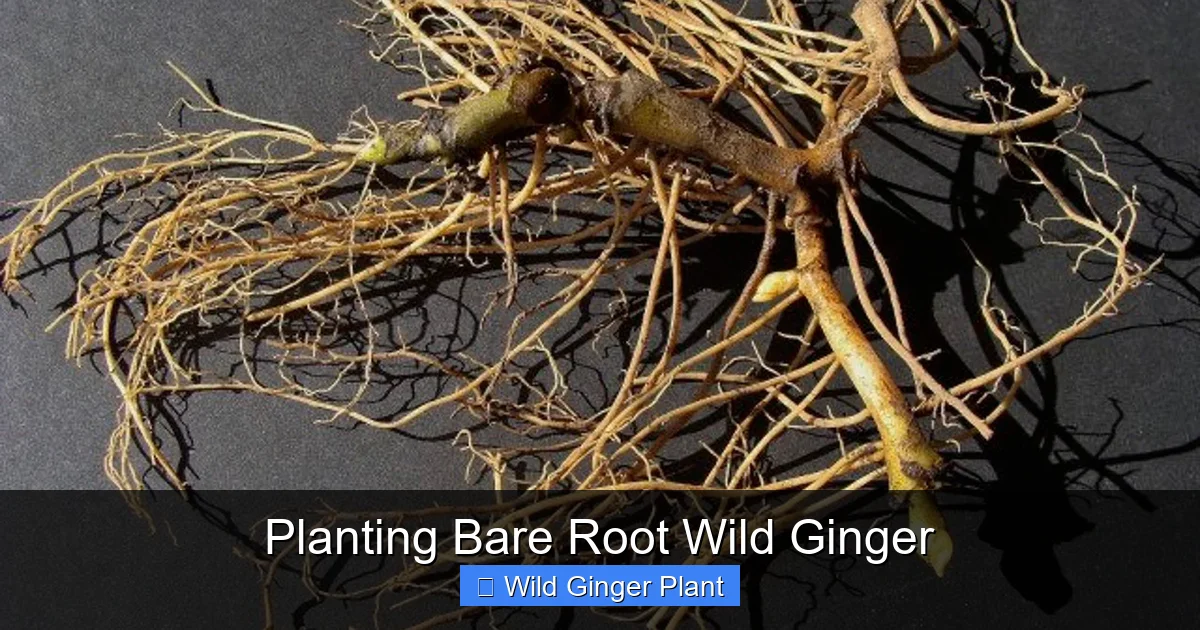
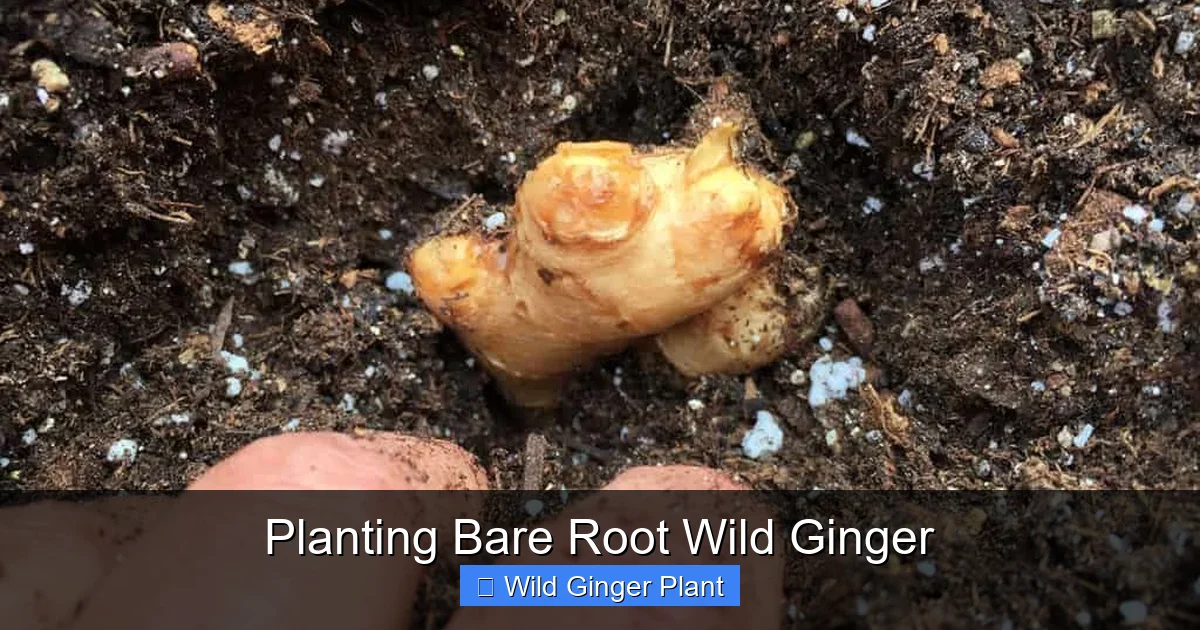
When your bare root wild ginger arrives, open the package immediately. Healthy rhizomes feel firm and slightly heavy for their size, like a fresh carrot. They should have a pale tan to light brown skin and visible growth buds — small, pointed nubs, often pinkish or white, spaced along the rhizome. Discard any that are mushy, shriveled, blackened, or smell sour. Soak the rhizomes in a bucket of room-temperature water for one to two hours before planting. This rehydrates tissues and jump-starts root initiation. Do not soak longer than four hours; oxygen deprivation can damage the roots.
Digging the Planting Holes
Space planting holes twelve to eighteen inches apart. For a faster fill-in, use twelve-inch spacing. For a more economical approach, eighteen inches works fine — the plants will just take an extra year or two to knit together. Dig each hole wide enough to spread the rhizome horizontally — about six to eight inches across — and deep enough so the rhizome sits just below the soil surface, typically two to three inches deep. Loosen the bottom and sides of the hole with your trowel or fork so roots can penetrate easily.
Positioning the Rhizome Correctly
This is the most critical step in planting bare root wild ginger. Lay the rhizome horizontally in the hole with the growth buds facing up. If the rhizome is curved or branched, position it so the maximum number of buds point upward. The rhizome should rest on the loosened soil at the bottom of the hole, not suspended in air. Gently spread any existing roots downward and outward. Backfill with the amended soil, firming it lightly with your fingers — not your foot — to eliminate air pockets without compacting. The top of the rhizome should be about half an inch to one inch below the final soil surface. Planting too deep smothers buds; planting too shallow exposes them to drying out.
Watering In and Initial Mulching
Water each newly planted rhizome thoroughly with a gentle stream. This settles the soil around the roots and ensures good contact. Apply a two- to three-inch layer of mulch around — not on top of — each plant. Shredded leaves are ideal because they mimic the natural forest duff and break down into rich humus. Pine needles work well too, especially in areas where you want to maintain slightly acidic soil. Avoid thick layers of whole leaves, which can mat and shed water. Keep mulch pulled back slightly from the crown to prevent rot.
Labeling and Mapping
Because wild ginger emerges late in spring — often not until May in cooler zones — it is easy to forget where you planted it. Place a small, durable label near each clump or group. Better yet, sketch a quick map of your planting layout. This prevents accidental digging or mulching over dormant plants during early spring cleanup. I learned this the hard way when I enthusiastically raked a bed in March and unearthed half a dozen newly planted rhizomes.
First-Year Care: Helping Your Wild Ginger Establish
Watering Schedule
Consistent moisture is the single most important factor in the first year. Wild ginger has shallow roots and no drought tolerance while establishing. Water deeply twice a week during dry spells, aiming for one inch of water per week including rainfall. Check soil moisture by sticking your finger two inches into the ground near a plant. If it feels dry at that depth, water. A soaker hose or drip irrigation line covered by mulch delivers water efficiently without wetting foliage. Reduce watering in fall as temperatures drop and rainfall increases.
Weed Management
Weeds compete aggressively with young wild ginger for moisture and nutrients. Hand-pull weeds regularly, especially in the first two seasons. Be careful not to disturb the shallow rhizomes. A thick mulch layer suppresses most annual weeds. Perennial weeds like bindweed or ground ivy require persistent removal. Avoid herbicides — even organic ones — near wild ginger. The broad, flat leaves intercept spray easily, and the plant is sensitive to chemical drift.
Fertilizing: Less Is More
Wild ginger does not need fertilizer if planted in properly amended soil. In fact, excess nitrogen produces soft, floppy growth that attracts slugs and fungal diseases. If your soil is very poor, apply a light top-dressing of compost in early spring before leaves emerge. A half-inch layer scratched gently into the surface is plenty. Alternatively, use a slow-release, balanced organic fertilizer (such as 5-5-5) at half the recommended rate. Skip fertilizing entirely after the first year unless plants show clear deficiency symptoms like yellowing leaves with green veins.
Pest and Disease Watch
Wild ginger is remarkably trouble-free. Slugs and snails occasionally chew holes in the leaves, especially in wet springs. Beer traps, copper tape, or diatomaceous earth around the planting area help. Deer and rabbits rarely browse wild ginger — the aromatic compounds that give it its scent also make it unpalatable. Fungal leaf spots can appear in prolonged wet, humid conditions with poor air circulation. Thin overcrowded plantings and avoid overhead watering to prevent this. Root rot is the main killer, caused by chronically soggy soil. Good drainage at planting time prevents it.
Winter Protection
In zones 3 through 5, apply an extra inch of mulch after the ground freezes in late fall. This prevents frost heaving and insulates the shallow rhizomes from extreme cold snaps. In zones 6 and warmer, the standard two- to three-inch mulch layer is sufficient year-round. Do not cut back the foliage in fall — the leaves protect the crown and mark the plant’s location. They will flatten and decompose naturally over winter, adding organic matter to the soil.
Long-Term Maintenance and Propagation
Dividing Established Clumps
After three to five years, wild ginger clumps become dense enough to divide. This rejuvenates the planting and gives you free plants to expand your colony or share with friends. The best time to divide is early spring, just as new growth emerges, or early fall. Dig up the entire clump with a garden fork, loosening soil widely to avoid cutting rhizomes. Gently pull or cut the rhizome network into sections, each with at least two to three growth buds and a healthy root system. Replant immediately at the same depth, water well, and mulch. Divisions may sulk for a few weeks but typically recover quickly.
Managing Spread
Wild ginger is not invasive in the ecological sense — it does not spread by seed aggressively or choke out native plant communities. However, in ideal conditions, a single planting can expand beyond its allotted space over many years. If it encroaches on paths or neighboring plants, simply dig out the advancing rhizomes with a sharp spade. The rhizomes are shallow and easy to sever. Install a shallow edging barrier (six inches deep) if you want a hard boundary. The removed divisions can be replanted elsewhere or potted up for plant swaps.
Seed Collection and Sowing
Wild ginger produces seeds in fleshy capsules that ripen in mid to late summer. Ants disperse the seeds in nature, attracted by an oily appendage called an elaiosome. You can collect capsules when they turn brown and split open. Sow seeds immediately in a prepared shaded bed or in pots sunk into the ground. They require cold stratification — a period of cold, moist conditions — to germinate, so fall sowing works naturally. Germination is slow and irregular; some seeds may take two years. Seed-grown plants take four to five years to reach flowering size. For most gardeners, division is faster and more reliable.
Refreshing the Mulch Layer
Each fall, after leaves drop, add a fresh inch of shredded leaves or pine needles to the planting area. This maintains the organic matter content of the soil, suppresses weeds, and protects rhizomes. Over time, this annual mulching creates a rich, spongy soil layer that wild ginger loves. If you have access to free leaf mulch from municipal collection, this is an easy, zero-cost way to build soil health year after year.
Troubleshooting Common Problems
Leaves Yellowing or Browning at Edges
This usually indicates too much sun, too little water, or both. Wild ginger in even partial afternoon sun will show stress during hot, dry spells. Increase watering and consider adding a temporary shade cloth during the hottest weeks. If the site is fundamentally too sunny, plan to transplant to a shadier location in early spring or fall. Nutrient deficiency (especially iron in alkaline soil) can also cause yellowing between leaf veins. A soil test will confirm this.
Plants Not Spreading
If your wild ginger stays as isolated clumps year after year, check these factors: Is the soil too compacted? Rhizomes cannot push through dense clay. Is it too dry? Consistent moisture fuels rhizome expansion. Is there too much root competition from nearby trees? Large tree roots can outcompete wild ginger for water. Are the plants too deep? Rhizomes buried more than two inches may lack energy to reach the surface. Lightly forking the soil around clumps in early spring (avoiding the rhizomes themselves) can alleviate compaction.
Crown Rot or Mushy Rhizomes
This is almost always a drainage problem. If water pools around the crowns after rain, the planting site is too wet. Improve drainage by incorporating coarse organic matter like pine bark fines, or create a slightly raised planting bed. In severe cases, dig up affected plants, trim away rotted tissue with a sterilized knife, dust cuts with cinnamon (a natural fungicide), and replant in a better-drained spot. Prevention through proper site selection is far easier than cure.
No Flowers Appearing
Wild ginger flowers are notoriously shy — they hide at ground level beneath the leaves. You have to get down on your hands and knees and gently push the foliage aside to find them. They typically appear in April or May, depending on your zone. If you truly see no flowers after three or four years, the plants may be too young, too shaded (paradoxically, very deep shade can reduce flowering), or too crowded. Division often stimulates flowering.
Wild Ginger in the Ecological Garden
Supporting Native Pollinators
The unusual flowers of wild ginger are pollinated primarily by small flies, beetles, and ants — not bees or butterflies. These early-season insects emerge when few other flowers are available. By planting bare root wild ginger, you provide a critical early nectar and pollen source. The flowers produce no nectar but offer pollen and shelter. Some researchers believe the flower’s ground-level position and meat-like color mimic fungal fruiting bodies, attracting fungus gnats and other decomposers. Whatever the mechanism, it works: wild ginger sets seed reliably in healthy populations.
Host Plant Relationships
Wild ginger serves as a larval host for the pipevine swallowtail butterfly (Battus philenor) in parts of its range. The caterpillars feed on the leaves, which contain aristolochic acids that make them toxic to predators. If you see chewed leaves in summer, check for the striking black caterpillars with orange spikes. They rarely defoliate the plant completely. Supporting this butterfly is a bonus reason to include wild ginger in your garden.
Erosion Control on Shady Slopes
The dense, fibrous root network of established wild ginger holds soil effectively on gentle to moderate slopes. Combined with its ability to thrive in shade where grass fails, it is an excellent choice for stabilizing wooded banks. Plant rhizomes perpendicular to the slope (horizontal across the hill) so the spreading habit works with gravity, not against it. Mulch heavily and consider biodegradable erosion control fabric on steep sites until plants knit together.
Deer Resistance in Practice
While no plant is truly deer-proof, wild ginger is consistently rated as rarely damaged. The aromatic compounds in the foliage and rhizomes deter browsing. In areas with extreme deer pressure, desperate animals may sample it, but they rarely return for seconds. This makes wild ginger a reliable choice for unfenced woodland gardens where hostas, trilliums, and other favorites disappear overnight.
Creative Uses Beyond Ground Cover
Container Culture for Small Spaces
If you lack in-ground shade, wild ginger grows well in containers. Choose a pot at least twelve inches wide and ten inches deep with good drainage holes. Use a high-quality potting mix amended with compost (one part compost to three parts potting mix). Plant rhizomes as you would in the ground, spacing them six inches apart for a full look. Keep the pot in full to dappled shade — a north-facing porch or under a dense tree canopy. Water frequently; containers dry out faster than ground soil. In winter, move pots to an unheated garage or bury them in the ground to protect roots from freeze-thaw cycles.
Edging and Pathway Softener
Plant wild ginger along the edges of shaded paths to soften hard lines and prevent soil compaction from foot traffic. The low foliage creates a natural transition zone. Because the leaves are soft and the rhizomes shallow, occasional stepping on established plants causes little damage — they simply spring back. Avoid planting where heavy foot traffic is constant; use stepping stones instead.
Living Mulch Under Shrubs
Instead of hauling bags of bark mulch every spring, plant wild ginger under mature shrubs. It suppresses weeds, retains soil moisture, and adds seasonal interest. The shrub’s fallen leaves become the wild ginger’s mulch — a self-sustaining cycle. Choose shrubs with open enough canopies to allow some dappled light through, such as viburnums, dogwoods, or fothergilla. Avoid dense evergreens like yews or spruces that create deep, dry shade.
Conclusion
Planting bare root wild ginger is one of those gardening acts that feels small in the moment but compounds beautifully over time. You tuck a few knobby rhizomes into the dark soil, water them in, cover them with a blanket of leaves, and wait. The first spring brings a handful of leaves. The second brings a wider clump. By the third or fourth year, you have a living tapestry that asks for nothing but gives shade, stability, habitat, and quiet beauty. It connects your garden to the ancient woodland that once covered this land. It feeds the early flies that feed the birds that sing in your trees. It holds the soil when rain falls hard. And it rewards you every time you crouch down to find those strange, hidden flowers — a secret shared between you and the forest floor.
If you have been hesitating over that bare patch under the maple, or the muddy strip beside the garage, or the slope where the mower cannot go — order a bundle of bare root wild ginger this season. Prepare the soil with care. Plant with intention. Mulch with generosity. Then step back and let time do its work. Your future self, pushing aside leaves to find a purple-brown bloom in April, will thank you.
Frequently Asked Questions
Can I plant bare root wild ginger in summer?
Summer planting is not recommended. Heat and dry conditions stress dormant rhizomes and reduce survival rates. Stick to early spring or fall planting when temperatures are cool and soil moisture is reliable.
Will wild ginger grow under pine trees?
Yes, wild ginger tolerates the acidic, dry shade under pines better than many plants. Amend soil with compost and mulch with pine needles. Water consistently during establishment since pine roots compete heavily for moisture.
Is wild ginger invasive?
No. Wild ginger spreads slowly by rhizomes and does not aggressively seed into natural areas. It is a well-behaved native ground cover that stays where you plant it, expanding gradually over years.
Can I walk on wild ginger once it’s established?
Occasional light foot traffic is fine — the foliage springs back. However, regular walking compacts soil and damages rhizomes. Use stepping stones for frequent paths.
Why are my wild ginger leaves turning yellow?
Yellowing usually signals too much sun, insufficient water, or poor drainage. Check soil moisture two inches down. If the site gets afternoon sun, consider relocating plants to deeper shade in spring or fall.
Do I need to cut back wild ginger in winter?
No. Leave the foliage in place over winter. It protects the crown, marks the plant’s location, and decomposes naturally to enrich the soil. Remove any tattered leaves in early spring if desired.