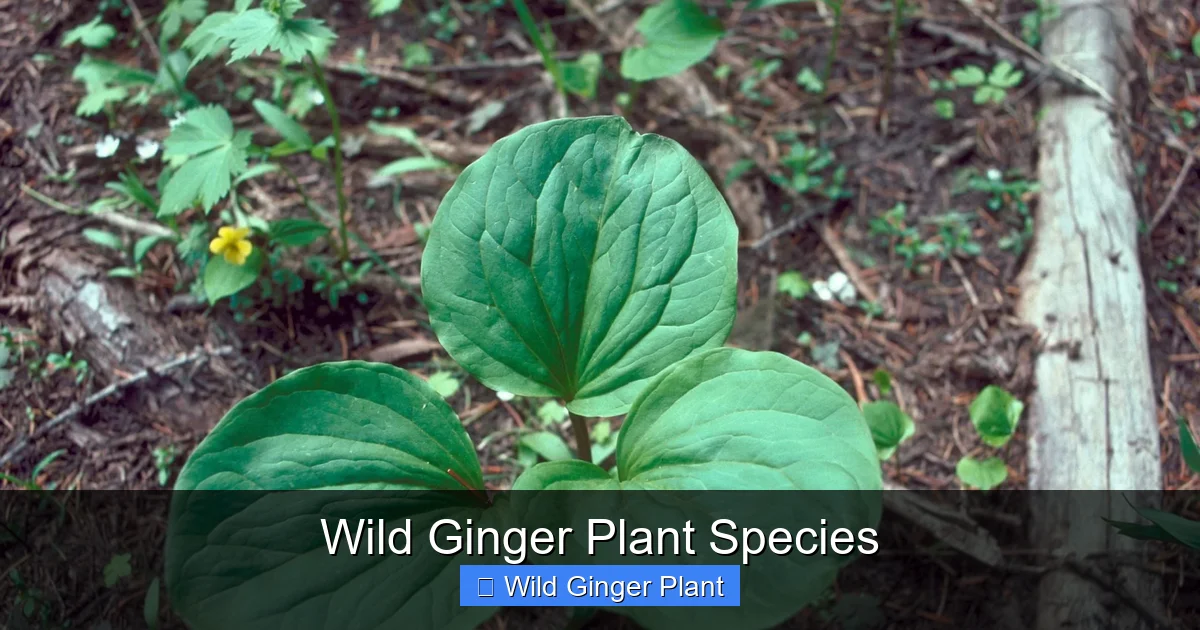
Wild Ginger Plant Species
Wild ginger plant species are shade-loving perennials native to woodland floors across the Northern Hemisphere. These low-growing plants feature heart-shaped leaves and unique jug-shaped flowers that bloom at ground level. Despite the name, they are not related to culinary ginger but offer their own aromatic roots and ecological benefits.
If you have ever walked through a moist, shady forest in spring, you may have noticed a low carpet of heart-shaped leaves hugging the ground. That plant is likely one of the many wild ginger plant species that call North American and European woodlands home. These unassuming perennials often go unnoticed because their flowers hide beneath the foliage. But once you know what to look for, you will spot them everywhere.
Despite the common name, wild ginger plant species share no family ties with the spicy root found in grocery stores. Culinary ginger belongs to the Zingiberaceae family. Wild ginger belongs to the Aristolochiaceae family. The name comes from the scent of the rhizomes. When crushed, they release a warm, ginger-like aroma. This similarity led early settlers and Indigenous peoples to use the roots as a flavoring and medicine. Today, gardeners value these plants for their ability to thrive in deep shade where grass and hostas struggle.
Key Takeaways
- Not true ginger: Wild ginger belongs to the Aristolochiaceae family, not Zingiberaceae like culinary ginger.
- Shade specialists: These plants thrive in deep woodland shade where few other plants survive.
- Unique flowers: Blooms hide beneath leaves at soil level, pollinated by beetles and flies.
- Aromatic roots: Rhizomes smell like ginger but contain aristolochic acid, requiring caution.
- Ground cover value: Forms dense mats that suppress weeds and prevent erosion on slopes.
- Wildlife support: Provides early season nectar and serves as host plant for pipevine swallowtail butterflies.
- Easy propagation: Spreads readily by rhizome division in spring or fall.
Quick Answers to Common Questions
Is wild ginger related to culinary ginger?
No, wild ginger belongs to the Aristolochiaceae family while culinary ginger belongs to the Zingiberaceae family. They are not related despite the similar scent.
Can you eat wild ginger roots?
Wild ginger roots contain aristolochic acid which can cause kidney damage and cancer. Consumption is not recommended despite historical use.
What conditions do wild ginger plants need?
Wild ginger thrives in deep to dappled shade with rich, moist, well-drained soil high in organic matter. They prefer slightly acidic to neutral pH.
How fast does wild ginger spread?
Wild ginger spreads slowly by rhizomes, forming colonies over several years. Division every 4-5 years rejuvenates clumps and provides new plants.
Which wild ginger species is best for my region?
Asarum canadense suits eastern North America, Asarum caudatum suits the Pacific Northwest, and Asarum europaeum adapts well to many temperate regions.
📑 Table of Contents
What Is Wild Ginger
Taxonomy and Classification
The genus Asarum contains roughly sixty to seventy species. Most grow in temperate forests of the Northern Hemisphere. North America hosts about ten native species. Europe and Asia host the rest. Botanists sometimes split the genus into several groups. Hexastylis includes the evergreen species of the southeastern United States. Asarum sensu stricto includes the deciduous northern species. For gardeners, the distinction matters less than knowing which species suits your region.
All wild ginger plant species share key traits. They are low perennials. They spread by underground rhizomes. Leaves are kidney-shaped or heart-shaped. Flowers are solitary, three-parted, and lack true petals. Instead, they have three fused sepals forming a cup or jug shape. Colors range from brownish-purple to greenish-yellow. The flowers sit at ground level, often hidden by leaf litter.
Common Names and Confusion
You will hear many names for these plants. Canada wild ginger refers to Asarum canadense. European wild ginger refers to Asarum europaeum. Long-tailed wild ginger refers to Asarum caudatum. Little brown jugs describes the flower shape. Heartleaf refers to the foliage. Colic root and Indian ginger reference historical medicinal use. None of these plants are true ginger. True ginger is Zingiber officinale. The confusion persists because the rhizome scent is remarkably similar.
Major Wild Ginger Plant Species
Asarum canadense (North American Wild Ginger)
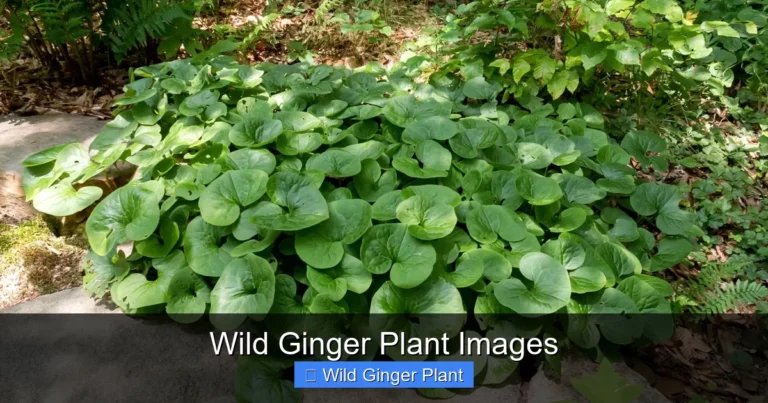
This is the most widespread native species in eastern North America. It ranges from Manitoba to Nova Scotia, south to Georgia and Louisiana. It grows in rich, moist deciduous woods. The leaves are large, soft, and deeply heart-shaped. They can reach six inches wide. The flowers are purplish-brown, jug-shaped, and about one inch long. They bloom in April and May. The rhizomes are thick and aromatic. This species is deciduous. Leaves die back in winter.
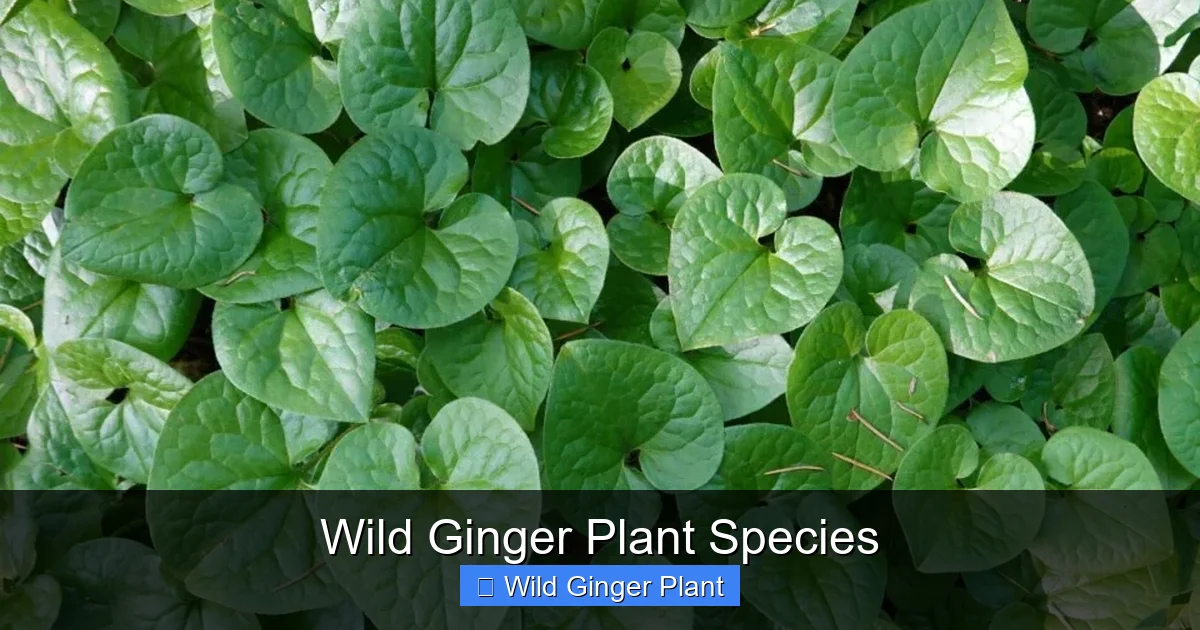
Visual guide about Wild Ginger Plant Species
Image source: epicgardening.com
Asarum canadense forms loose colonies. It spreads slowly but steadily. It makes an excellent ground cover for shaded borders. It pairs well with ferns, trilliums, and bloodroot. Deer rarely browse it. The foliage stays attractive all season if moisture is adequate. In drought, leaves may wilt but recover with rain.
Asarum europaeum (European Wild Ginger)
This species is native to Europe and western Asia. It has been cultivated in gardens for centuries. It was brought to North America by early colonists. It has naturalized in parts of the northeast. The leaves are smaller than Asarum canadense. They are leathery, glossy, and evergreen in mild winters. The flowers are similar but smaller and greener. This species tolerates drier conditions once established. It forms a tighter, denser mat than the North American species.
Gardeners prize Asarum europaeum for its tidy habit. It works well in formal shade gardens. The evergreen foliage provides winter interest. It handles root competition from trees better than many perennials. It spreads at a moderate pace. It is less aggressive than some ground covers.
Asarum caudatum (Long-Tailed Wild Ginger)
This western North American native grows from British Columbia to California, east to Montana and Idaho. It prefers moist, shaded coniferous forests. The leaves are large, thin, and softly hairy. They are heart-shaped with a pointed tip. The flowers are distinctive. The three sepals taper into long, slender tails up to two inches long. The color is greenish-white to purple-brown. The tails give this species its common name.
Asarum caudatum is evergreen in its native range. It forms lush carpets in redwood and Douglas fir forests. It needs consistent moisture. It struggles in hot, humid summers. Gardeners in the Pacific Northwest love it. Those in the eastern US may find it challenging. It pairs beautifully with native ferns and oxalis.
Other Notable Species
Asarum splendens comes from China. It has stunning silver-marked leaves. The foliage is evergreen and leathery. The flowers are large and showy, dark purple with white interiors. It is a collector’s plant. It commands high prices. It needs rich, well-drained soil.
Asarum maximum, also from China, has the largest flowers in the genus. They can reach three inches across. The color is deep velvet purple with a white center. The leaves are plain green. It is deciduous. It emerges late in spring.
Hexastylis species, often called little brown jugs or heartleaf, grow in the southeastern US. They are evergreen. The leaves are thick, leathery, and often mottled with silver. Flowers are small and jug-shaped. Hexastylis arifolia is the most common. These species prefer acidic soils. They are slower growing than northern species.
Habitat and Growing Conditions
Native Range and Distribution
Wild ginger plant species occupy a broad range. Asarum canadense covers most of eastern North America. Asarum caudatum covers the Pacific Northwest. Asarum europaeum covers Europe and western Asia. Asian species center in China, Japan, and the Himalayas. All share a preference for forest understories. They grow where light is filtered. They grow where soil stays moist but not waterlogged.
In the wild, you find them on north-facing slopes. You find them along stream banks. You find them in coves and ravines. They avoid south-facing slopes that dry out. They avoid areas with heavy clay that bakes hard. They avoid deep, dry shade under conifers with dense needle mats.
Soil and Light Requirements
Soil is the key to success. Wild ginger plant species want rich, humusy soil. Think forest floor. Lots of decomposed leaves. Lots of organic matter. The pH should be slightly acidic to neutral. 5.5 to 7.0 works well. Drainage must be good. Standing water rots rhizomes. But the soil must not dry out completely.
Light needs are specific. Deep shade is ideal. Dappled shade works. Morning sun with afternoon shade works in cool climates. Full sun burns the leaves. Full sun dries the soil. In the deep south, even dappled sun may be too much. In the far north, more light is tolerated.
Mimic nature. Add leaf mold or compost yearly. Mulch with shredded leaves. Do not use wood chips. They tie up nitrogen. They create fungal issues. A two-inch leaf mulch is perfect. It feeds the soil. It keeps roots cool. It suppresses weeds.
Companion Plants
Choose companions that share the same needs. Ferns are classic partners. Christmas fern, lady fern, and maidenhair fern all work. Spring ephemerals bloom before the ginger fills in. Trilliums, bloodroot, and Virginia bluebells are perfect. They finish blooming as ginger leaves expand.
Hostas work but can outcompete slower species. Choose small hostas. Heucheras add foliage color. Tiarellas foamflower bloom in spring. Wild geranium cranesbill blooms early. Solomon’s seal adds height. All these plants play nice together.
Avoid aggressive spreaders. English ivy will smother ginger. Periwinkle vinca will win. Bishop’s weed goutweed is a thug. Keep these away from your wild ginger plantings.
Identification Guide
Leaf Characteristics
Leaves are your primary ID tool. They emerge in pairs from the rhizome. Each leaf has a long petiole. The blade is kidney-shaped to heart-shaped. The base has a deep sinus. The tip is pointed or rounded. Texture varies. Asarum canadense leaves are soft and pubescent. Asarum europaeum leaves are leathery and glossy. Hexastylis leaves are thick and often mottled.
Size varies by species and conditions. Asarum canadense leaves reach six to eight inches wide. Asarum europaeum leaves reach two to three inches. Asarum caudatum leaves reach four to six inches. Shade produces larger leaves. Sun produces smaller, thicker leaves.
Veins are palmate. They radiate from the base. On some species, the veins are lighter than the blade. This creates a subtle pattern. On Hexastylis, silver mottling follows the veins. This is a key ID feature for that group.
Flower Structure
Flowers are weird. They have no petals. Three sepals fuse into a tube or jug. The mouth may flare or stay narrow. The interior often has contrasting colors. Twelve stamens line the inside. Six styles sit in the center. The ovary is inferior. The whole flower sits on a short pedicel at ground level.
Color ranges from greenish-yellow to deep maroon. Asarum canadense is purplish-brown. Asarum europaeum is greenish-purple. Asarum caudatum is greenish with long tails. Asarum splendens is dark purple with white. Hexastylis flowers are small, brownish jugs.
Bloom time is early spring. April to May in most areas. March in the deep south. June in the far north. Flowers last two to three weeks. They are easy to miss. You must part the leaves to see them.
Root and Rhizome Features
The rhizome is the namesake feature. It creeps horizontally just below the surface. It is about pencil-thick. The color is light brown to tan. Nodes are spaced every inch or two. Roots emerge from nodes. Leaf pairs emerge from nodes. When broken, the rhizome snaps cleanly. The scent is immediate. Warm, spicy, gingery. This scent confirms identity.
Warning. The rhizome contains aristolochic acid. This compound damages kidneys. It causes cancer. Do not eat wild ginger. Do not make tea. Do not use as a supplement. Historical use does not equal safety. Modern science has identified the risks. Enjoy the scent. Do not consume.
Uses and Benefits
Traditional Medicinal Uses
Indigenous peoples used wild ginger extensively. The Cherokee used root tea for colds and coughs. The Iroquois used it for digestive issues. The Ojibwe used it for convulsions. Early settlers adopted these uses. They made syrups and tinctures. They candied the roots as a treat. The plant was in the US Pharmacopeia until 1882.
European species saw similar use. Asarum europaeum was called asarabacca. It was used as an emetic. It was used as a snuff to clear sinuses. It was used for gout and rheumatism. The name “colic root” comes from use for stomach pain.
Modern herbalists avoid internal use. The aristolochic acid risk is too great. Topical use as a poultice for wounds appears in old texts. Even this carries absorption risk. The historical record is interesting. The modern reality is caution.
Culinary Applications
Early settlers used the rhizome as a ginger substitute. They grated it into baked goods. They steeped it for tea. They candied it with sugar. The flavor is milder than true ginger. It has earthy notes. It lacks the sharp heat of Zingiber.
Today, foragers sometimes harvest small amounts. They use it in syrups for cocktails. They infuse it into cream for ice cream. They make wild ginger simple syrup. The amount used is tiny. The risk remains. Most experts advise against any consumption. The flavor can be replicated with true ginger and a pinch of allspice.
The leaves are not eaten. They are tough. They have no culinary value. The flowers are not eaten. They are too small. The only edible part is the rhizome. And that comes with a warning label.
Ecological Value
This is where wild ginger plant species shine. They are ecological powerhouses. The dense mats prevent soil erosion on slopes. They hold leaf litter. They build humus. They create habitat for invertebrates. Salamanders hunt beneath the leaves. Toads shelter there. Insects overwinter in the crowns.
The flowers have a specialized pollination strategy. They emit a faint fungal odor. This attracts fungus gnats and small beetles. These insects crawl inside. They get dusted with pollen. They carry it to the next flower. The flowers offer no nectar. They trick pollinators. This is called deceptive pollination.
Pipevine swallowtail butterflies use some species as host plants. The caterpillars eat the leaves. They sequester aristolochic acid. This makes them toxic to predators. The butterfly range matches the plant range. Planting wild ginger supports this beautiful butterfly.
Ants disperse the seeds. Each seed has an elaiosome. This is a fatty attachment. Ants carry seeds to their nests. They eat the elaiosome. They discard the seed in their midden. The seed germinates in rich ant trash. This is myrmecochory. It moves seeds short distances.
Cultivation and Care
Propagation Methods
Division is the easiest method. Do it in early spring. Do it in early fall. Dig a clump. Tease apart the rhizomes. Each piece needs a node and roots. Replant immediately. Water well. Mulch with leaves. New plants establish in weeks.
Seed propagation is slow but rewarding. Collect seeds in early summer. They are in a capsule that splits open. Sow immediately. Do not let them dry. Fresh seed germinates best. Sow in pots of rich mix. Cover lightly. Keep moist. Place in shade. Germination takes one to three months. Some need cold stratification. Seedlings take three to four years to flower.
Rhizome cuttings work too. Cut two-inch sections. Ensure each has a node. Lay horizontally in moist mix. Cover with half inch of soil. Keep humid. Roots and shoots form in weeks. This produces many plants from one clump.
Maintenance Tips
Wild ginger plant species are low maintenance. Once established, they need little. Water during dry spells. First year is critical. After that, they tolerate drought better. Mulch annually with shredded leaves. This feeds them. It keeps weeds down.
Remove dead leaves in late winter. This is cosmetic. It shows off early flowers. It improves air flow. It reduces slug habitat. Do not fertilize. Rich soil is enough. Excess nitrogen makes weak growth. It invites pests.
Divide clumps every four to five years. Centers die out. Outer rings are vigorous. Division rejuvenates. It gives you plants to share. Spring division lets plants establish before winter.
Watch for slugs and snails. They love the tender new leaves. Beer traps work. Diatomaceous earth works. Copper tape works. Hand picking at night works. Avoid metaldehyde baits. They harm pets and wildlife.
Common Problems
Few problems plague these plants. Root rot occurs in wet, heavy clay. Improve drainage before planting. Add grit. Add compost. Plant on a slight mound. Crown rot occurs if mulch buries the crown. Keep mulch off the growing points.
Leaf scorch happens in too much sun. Leaves brown at edges. They crisp. Move the plant. Or provide more shade. A shade cloth helps temporarily.
Voles and mice sometimes eat rhizomes. They tunnel under the mulch. Hardware cloth barriers help. Cats help. Traps help. This is rare but happens in winter.
Fungal leaf spots appear in humid, stagnant air. Space plants for air flow. Remove affected leaves. Do not compost diseased material. This is cosmetic, not fatal.
Deer rarely browse wild ginger. The aromatic compounds deter them. Rabbits rarely bother it. This is a major plus in suburban gardens.
Designing with Wild Ginger
Woodland Garden Integration
Use wild ginger plant species as a living mulch. Plant them under trees. Plant them along shaded paths. Plant them on north-facing banks. They knit together into a seamless carpet. They suppress weeds better than bark mulch. They look natural. They look like they belong.
Space plants twelve inches apart for quick cover. Space eighteen inches for budget planting. They will fill in. Stagger rows. Do not plant in straight lines. Nature does not plant in lines. Curved drifts look best.
Mix species for extended interest. Combine deciduous and evergreen types. Asarum canadense for summer lushness. Asarum europaeum for winter green. Hexastylis for silver patterns. The tapestry changes through seasons.
Container Culture
Yes, you can grow wild ginger in pots. Choose a wide, shallow container. Use rich potting mix with extra compost. Ensure drainage holes. Place in full shade. Water consistently. Never let dry out. Fertilize lightly in spring. Repot every two years.
Containers let you enjoy the flowers up close. Place pots on a shaded patio. Place them where you sit. The hidden flowers become visible. The scent becomes noticeable. It is a different experience than ground planting.
Restoration Projects
Wild ginger is valuable for ecological restoration. It stabilizes stream banks. It rebuilds forest floor diversity. It outcompetes invasive garlic mustard. It outcompetes invasive Japanese stiltgrass. Land managers use it in revegetation mixes.
Source plants locally. Use genotypes from your ecoregion. This preserves genetic diversity. It ensures adaptation. Avoid cultivars from distant nurseries. Local ecotypes perform better. They support local insects better.
Conservation and Ethics
Wild Harvesting Concerns
Never dig wild plants. It destroys populations. It damages habitat. It is often illegal. Many states list species as threatened. Asarum canadense is exploitably vulnerable in New York. Hexastylis species are rare in parts of their range. Asian species face severe pressure from herbal trade.
Buy from reputable nurseries. Look for “nursery propagated” labels. Ask about source. Ethical nurseries propagate from seed or division. They do not wild-collect. Support these businesses. They do the right thing.
Invasive Potential
Asarum europaeum has naturalized in some northeastern forests. It spreads slowly. It does not appear to displace natives aggressively. Monitor plantings near wild areas. Remove seedlings if they escape. Most native species stay put. They are not invasive.
Asian species have not naturalized widely. They are less cold-hardy. They are slower. They pose minimal risk. Still, garden responsibly. Do not plant near pristine natural areas.
Climate Change Impacts
Shifting ranges are documented. Southern species move north. Northern species retreat north. Elevation shifts occur in mountains. Phenology changes. Flowers bloom earlier. Leaves emerge earlier. This disrupts pollinator timing. It disrupts ant dispersal timing.
Gardeners can help. Plant diverse species. Plant from varied seed sources. Create microclimates. Mulch heavily. Water during extreme drought. Be a refuge for these plants. Your garden matters.
Conclusion
Wild ginger plant species offer so much to the shade gardener. They solve the problem of bare ground under trees. They provide texture and pattern all season. They support wildlife in subtle but vital ways. They connect us to the forest floor ecology. They ask for little and give much.
Start with one species suited to your region. Asarum canadense for eastern gardens. Asarum caudatum for western gardens. Asarum europaeum for versatile performance. Plant them in rich soil. Mulch with leaves. Water until established. Then step back and watch.
In a few years, you will have a carpet. You will see the hidden flowers in April. You will smell the spicy roots when you divide. You will notice the pipevine swallowtails. You will appreciate the quiet beauty of a plant that thrives where others fail. That is the gift of wild ginger.
Remember the caution. Do not eat the roots. Enjoy the scent. Enjoy the sight. Enjoy the ecology. Let wild ginger be a teacher. It teaches patience. It teaches observation. It teaches the value of the overlooked. In a world of showy flowers, wild ginger whispers. Lean in and listen.
Frequently Asked Questions
What is the difference between wild ginger and true ginger?
Wild ginger (Asarum species) and true ginger (Zingiber officinale) belong to different plant families. Wild ginger is a woodland perennial with heart-shaped leaves and hidden flowers, while true ginger is a tropical plant grown for its edible rhizome. The only similarity is the aromatic scent of their roots.
Are wild ginger plants deer resistant?
Yes, wild ginger plants are highly deer resistant. The aromatic compounds in the leaves and rhizomes deter browsing. Deer rarely eat them even in areas with high deer pressure, making them excellent choices for shaded gardens in deer country.
How do I propagate wild ginger in my garden?
The easiest method is rhizome division in early spring or fall. Dig up a clump, separate sections with nodes and roots, and replant immediately. Seed propagation is possible but slow, taking 3-4 years to reach flowering size. Fresh seeds sown immediately germinate best.
Why are my wild ginger flowers hiding under the leaves?
This is normal. Wild ginger flowers bloom at ground level, often concealed by leaf litter and foliage. This adaptation protects the flowers from late frosts and positions them for their specialized pollinators—small beetles and flies that crawl on the forest floor.
Can wild ginger grow in dry shade?
Once established, some species like Asarum europaeum tolerate drier conditions better than others. However, all wild ginger species perform best with consistent moisture. In dry shade, add organic matter, mulch heavily, and water during extended droughts for best results.
Is wild ginger invasive in gardens?
Native wild ginger species are not invasive. They spread slowly by rhizomes and are easy to control. Asarum europaeum has naturalized in some northeastern US forests but does not aggressively displace native vegetation. Asian species show minimal invasive potential in North America.