Plants That Look Like Wild Ginger
Wild ginger has several look‑alikes that can confuse gardeners. This guide highlights the most common plants that look like wild ginger and shows key differences.
Key Takeaways
- Wild ginger basics: True wild ginger has heart‑shaped leaves and a distinctive spicy scent.
- Common mimics: Heartleaf ginger, Canadian wild ginger, and false ginger often grow in the same woods.
- Leaf shape matters: Look for subtle differences in leaf margins and vein patterns.
- Flower clues: True wild ginger hides its flowers at ground level; many mimics bloom above the foliage.
- Root aroma test: Crush a small root piece; true wild ginger smells like ginger, mimics usually do not.
- Regional variations: The mix of look‑alikes changes across North America, Europe, and Asia.
- Safety first: Never eat a plant unless you are 100 % sure of its identity.
Quick Answers to Common Questions
What is the easiest way to tell wild ginger from its mimics?
Crush a small piece of rhizome and smell it; true wild ginger has a strong ginger aroma.
Do all plants that look like wild ginger have hidden flowers?
No, many mimics push their flowers above the leaf litter, which is a key difference.
Can I eat heartleaf ginger safely?
Heartleaf ginger lacks the strong ginger scent and may contain compounds not recommended for consumption.
Where does false ginger typically grow?
False ginger prefers warm, moist climates and often escapes from gardens into disturbed woods.
Is a field guide necessary for identification?
A good regional field guide greatly reduces the risk of misidentification.
📑 Table of Contents
What Is Wild Ginger?
Basic Description
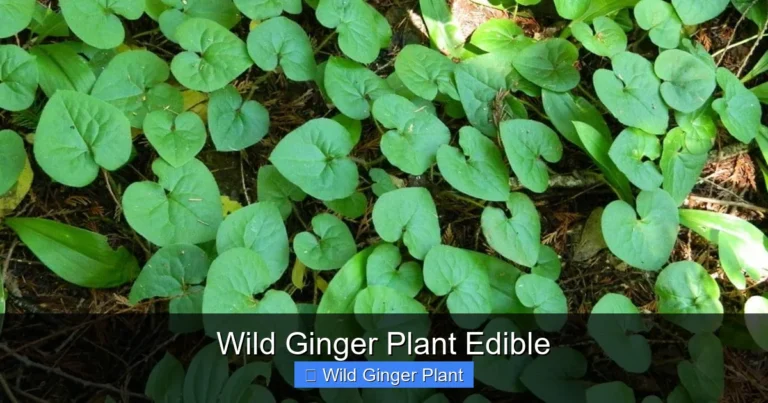
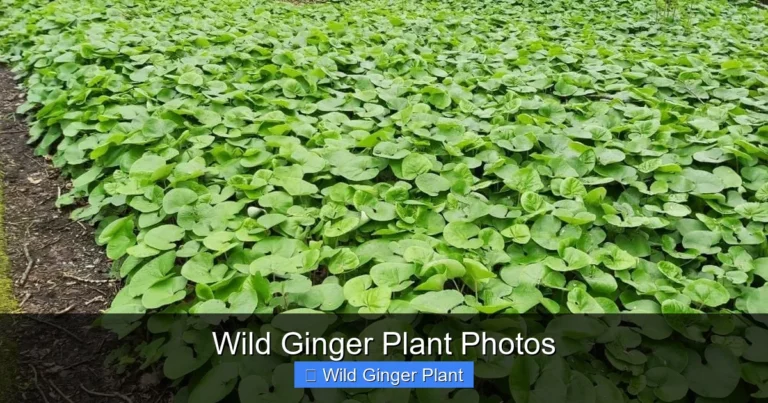
Wild ginger is a low growing perennial that loves shady moist woods. Its scientific name is Asarum canadense in North America. The plant spreads by rhizomes and forms a dense carpet. The leaves are broad heart shaped and have a glossy surface. When you crush a leaf or root a warm ginger like aroma rises. This scent is the most reliable clue for identification. Many gardeners value wild ginger for its ground cover ability and its subtle flavor in teas.
Why It Matters
Understanding the true wild ginger helps you spot the many plants that look like wild ginger. These mimics share similar leaf shapes and habitats. However they differ in flower position root scent and subtle leaf details. Knowing the real thing is the first step to avoid confusion. If you learn the basic traits you will see the differences more easily.
Growth Cycle
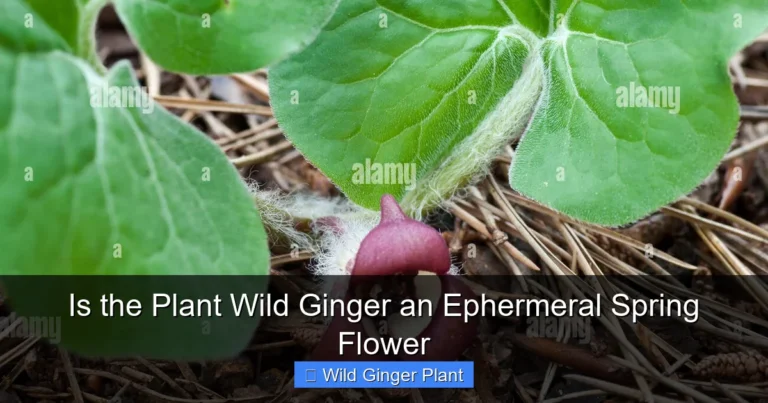
Wild ginger emerges early in spring before the canopy closes. The leaves unfurl quickly and stay green through summer. In late summer the tiny flowers appear at ground level. They are often hidden under leaf litter. The rhizomes store energy for the next year. This cycle repeats each season and makes the plant a reliable ground cover.
Common Uses
People use wild ginger in herbal teas and as a mild spice. The rhizome can be dried and powdered. Some cultures use it for medicinal purposes. The plant also provides habitat for small insects. Its dense mat protects soil from erosion. These uses make it a valuable native species.
Historical Uses
Indigenous peoples have used wild ginger for centuries as a flavoring and a remedy. The rhizome was boiled to make a tea that eased stomach upset. Early settlers adopted the practice and called the plant colic root. Today herbalists still value the mild spice for digestive support. Knowing this history helps you appreciate why plants that look like wild ginger have been studied so closely.
Propagation Basics
You can propagate wild ginger by dividing the rhizomes in early spring. Each division should have at least one healthy bud. Plant the pieces just below the soil surface in a shaded bed. Keep the soil moist until new shoots appear. This method also works for many plants that look like wild ginger but be sure to label each clone.
Conservation Status
Wild ginger is listed as secure in most of its range but some local populations are declining. Habitat loss and overharvest are the main threats. Protecting the forest understory benefits wild ginger and the many plants that look like wild ginger that share its niche. Simple actions like staying on trails help preserve these communities.
Why Identification Matters
Safety Concerns
Correct identification protects both people and ecosystems. Some plants that look like wild ginger are toxic if eaten. Others may be endangered and should not be harvested. If you mistake a mimic for wild ginger you could ingest a harmful compound. Accurate ID also helps conservationists track the spread of invasive species. When you know the key traits you can enjoy foraging safely and responsibly.
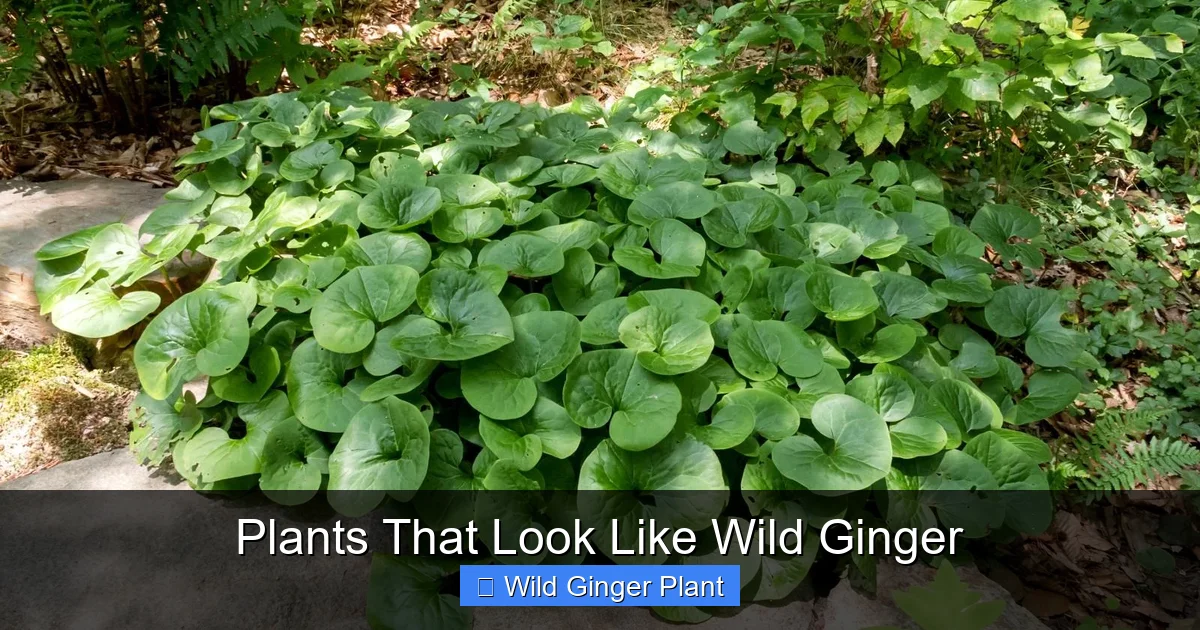
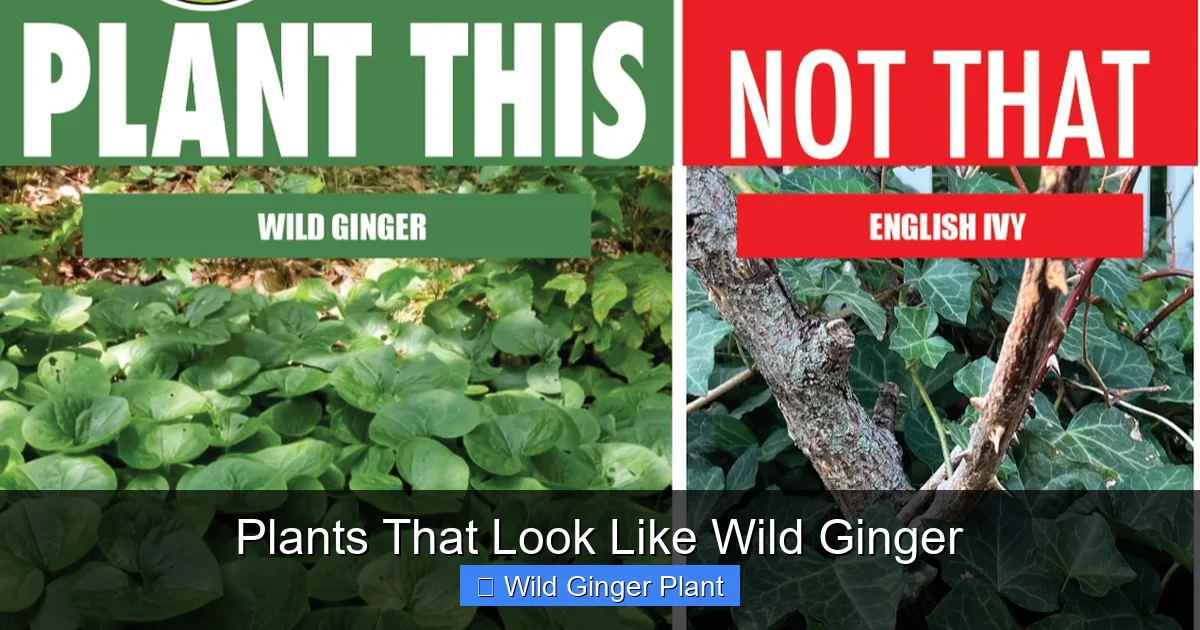
Visual guide about Plants That Look Like Wild Ginger
Image source: extension.umd.edu
Ecological Impact
Misidentification can lead to overharvest of a rare look alike. It can also cause accidental spread of a non native species. Gardeners who plant a mimic may think they are growing the native wild ginger. This mistake changes the local plant community. Proper ID keeps the ecosystem balanced.
Common Questions
Many beginners ask about plants that look like wild ginger because the group is confusing. Field guides often list several species side by side. The differences are small but important. A quick smell test a glance at the flower and a note on leaf texture can settle the question. Practice makes the process faster.
Legal Considerations
In some regions wild ginger is protected by law. Harvesting it without a permit can result in fines. Some mimics are also protected. Knowing which species you have avoids legal trouble. Always check local regulations before you collect any plant material.
Community Science
Citizen scientists can help map the distribution of wild ginger and its mimics. Simple observation forms let you record leaf shape flower position and scent. The data feeds into regional databases that track plants that look like wild ginger. Your contributions improve conservation planning and reduce misidentification.
Education Resources
Many universities offer free online keys for Asarum and related genera. Workshops hosted by native plant societies teach hands on identification. Field guides with color plates are especially useful for spotting plants that look like wild ginger. Investing time in these resources builds confidence for foragers and gardeners alike.
Legal Protections
Several states classify wild ginger as a species of special concern. Collecting without a permit can result in fines. The same regulations often cover plants that look like wild ginger because they are difficult to distinguish. Always check the current law before you dig or harvest any rhizome.
Common Plants That Look Like Wild Ginger
Heartleaf Ginger
Heartleaf ginger is a frequent neighbor of true wild ginger. Its leaves are also heart shaped but often have a slightly wavy margin. The leaf surface feels a bit rougher. Flowers of heartleaf ginger sit on short stalks just above the leaf litter. They are usually maroon or brown and have three petals. The root scent is faint lacking the strong ginger punch. This makes heartleaf ginger a classic example of plants that look like wild ginger.
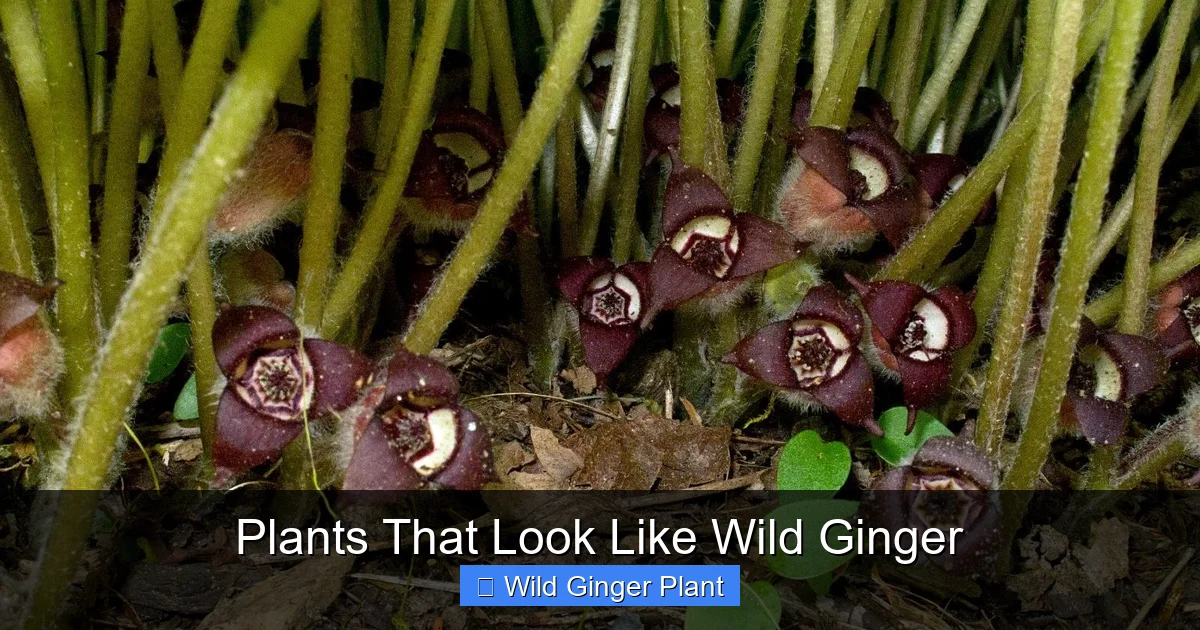
Visual guide about Plants That Look Like Wild Ginger
Image source: extension.umd.edu
Canadian Wild Ginger Variety
This variety looks almost identical to the main species. The main difference is the leaf tip which tapers to a sharp point. The flower structure remains hidden at ground level. The rhizome scent is still strongly ginger. Because the variation is subtle many foragers treat it as the same plant. Still noting the leaf tip helps separate it from other mimics.
European Wild Ginger
European wild ginger grows in similar shady woods across Europe. Its leaves are kidney shaped rather than heart shaped. The leaf margins are smooth. Flowers are purplish and also hide near the soil. The root aroma is comparable to the North American species. Gardeners in Europe often confuse it with local look alikes like false ginger.
False Ginger
False ginger is a tropical ornamental that has escaped in some warm regions. It forms tall clumps with large lance shaped leaves. The flowers are showy yellow with red throats and rise well above the foliage. The rhizome smells sweet not spicy. Because of its size and flower display it is easy to separate from true wild ginger once you see it in bloom.
Other Look Alikes
Several lesser known species join the list of plants that look like wild ginger. These include Asarum caudatum with its long tailed leaves and various Hexastylis species with unique leaf venation. Each has a distinct combination of leaf shape flower position and root scent. A good regional field guide will list the most relevant mimics for your area.
Regional Distribution
In the eastern United States heartleaf ginger and Canadian wild ginger dominate. In the Pacific Northwest Asarum caudatum adds a long tailed leaf variant. European woods host Asarum europaeum and several Hexastylis species. Asian forests contain many Asarum species with diverse leaf forms. Knowing the local list of plants that look like wild ginger prevents mistakes.
Hybrid Varieties
Occasionally wild ginger hybridizes with close relatives producing intermediate forms. These hybrids can display mixed leaf margins and variable flower heights. They add another layer to the group of plants that look like wild ginger. Genetic testing is the only sure way to confirm a hybrid.
Identification Keys
Dichotomous keys break down the group into a series of yes no questions. Start with leaf shape then move to flower position then scent. Each step narrows the list of plants that look like wild ginger. Printable keys are handy for field work where phone signal is weak.
Rare Variants
Some regions host rare color forms such as albino leaf wild ginger. These variants lack chlorophyll and appear white. They are highly prized by collectors but are extremely vulnerable. Documenting these plants that look like wild ginger helps conservationists monitor genetic diversity.
Key Identification Features
Leaf Shape and Texture
True wild ginger leaves are broad heart shaped and glossy. The veins run parallel from the base to the tip. Mimics often have wavy margins a rougher feel or a different overall outline. Run your fingers over the leaf a smooth waxy surface points to the real plant. This simple touch test works even when flowers are absent.
Flower Structure and Position
Wild ginger flowers are tiny bell shaped and sit at ground level. They are usually hidden under leaf litter. Many plants that look like wild ginger push their flowers up on short stalks. Some have showy petals. Spotting a flower above the leaves is a strong sign you are not looking at true wild ginger.
Root and Rhizome Scent
Crush a small piece of rhizome between your fingers. True wild ginger releases a sharp ginger like fragrance. Most mimics give off a faint earthy or sweet smell. This scent test is quick non destructive and highly reliable. It works in any season.
Growth Habit and Habitat
Wild ginger forms a tight low mat that spreads slowly. It prefers rich moist deciduous forest floors. Some mimics tolerate drier sites or open edges. Others grow taller and form clumps. Observing the overall habit helps narrow the possibilities.
Seasonal Changes
In early spring the leaves are fresh and bright green. By midsummer they may darken slightly. The hidden flowers appear in late summer. In autumn the foliage dies back leaving only the rhizomes. Recognizing these stages helps you identify the plant year round.
Common Confusion Points
One common mistake is assuming any heart shaped leaf in shade is wild ginger. Another is ignoring the scent test because the rhizome is hard to reach. A third is overlooking the flower position. Keep these three checks in mind and you will avoid most errors.
Microscopic Traits
Under a hand lens the leaf epidermis of true wild ginger shows a smooth cuticle with few stomata. Many mimics have a rougher surface with dense trichomes. This microscopic difference is a reliable clue for plants that look like wild ginger. A 10x loupe is enough to see the detail.
Chemical Markers
Laboratory analysis can detect specific sesquiterpenes unique to Asarum canadense. These compounds are absent in most mimics. While not practical for casual foragers the chemical profile confirms identity for research on plants that look like wild ginger. Portable kits are being developed for field use.
Diagnostic Checklist
Use this quick checklist in the field: 1 leaf heart shaped glossy, 2 flower hidden at ground level, 3 rhizome smells strongly of ginger, 4 growth forms low mat in deep shade. If any item fails suspect a mimic. This list separates true wild ginger from most plants that look like wild ginger.
Tips for Safe Foraging and Gardening
Use a Reliable Field Guide
Carry a guide that covers your specific region. Look for books with clear photos of leaves flowers and rhizomes. Many guides highlight plants that look like wild ginger side by side. Compare the images in the field before you harvest. A good guide saves time and reduces risk.
Perform the Smell Test
When you find a candidate gently scratch the rhizome. Inhale the aroma. A strong ginger scent confirms the identity. If the smell is weak or different leave the plant alone. This test works even when flowers are absent.
Note Habitat Clues
Record the soil type moisture level and canopy cover. True wild ginger thrives in deep shade with rich humus. Mimics may appear on rocky slopes or in disturbed areas. Habitat notes add another layer of confidence.
Avoid Toxic Species
Some look alikes contain aristolochic acid a known kidney toxin. Never consume a plant unless you are absolutely certain. When in doubt photograph the specimen and consult an expert. Safety outweighs any culinary curiosity.
Cultivation Tips
If you want to grow wild ginger plant rhizomes in humus rich soil. Keep the area moist and mulch with leaf litter. Provide dappled shade and avoid full sun. The plant will spread slowly and form a lovely carpet. This method also reduces pressure on wild populations.
Ethical Harvesting
Take only a small portion of a colony. Leave enough rhizomes for the plant to regenerate. Do not harvest from protected areas. Share your knowledge with others to promote responsible foraging. Ethical practices ensure the species persists for future generations.
Tool Kit Essentials
A basic foraging kit includes a sharp knife a hand lens a notebook and a small vial for scent samples. Gloves protect your hands from irritants. A GPS unit helps you mark locations of plants that look like wild ginger for future visits. Keep the kit light and organized.
Record Keeping
Write down the date habitat description and any distinctive traits you observe. Photograph the leaf flower and rhizome from multiple angles. Over time your notes build a personal reference for plants that look like wild ginger. This habit also aids scientists who may request voucher data.
Seasonal Foraging Calendar
Early spring is best for leaf identification before the canopy closes. Late summer reveals the hidden flowers. Autumn allows rhizome scent testing when the plant is dormant. Winter is a good time to map colonies of plants that look like wild ginger for future visits. Timing your trips improves accuracy.
Frequently Confused Species in Different Regions
North America
In the eastern United States heartleaf ginger and Canadian wild ginger are the main mimics. In the Pacific Northwest Asarum caudatum adds a long tailed leaf variant. Knowing the local list of plants that look like wild ginger prevents mistakes. Check a regional guide before you forage.
Europe
European woods host Asarum europaeum and several Hexastylis species. False ginger occasionally appears in garden escapes. Regional guides separate these by leaf shape and flower color. A quick scent test also helps.
Asia
Asian forests contain many Asarum species with diverse leaf forms. Some have striking silver markings. The same identification principles apply leaf texture flower position and root scent. Local experts can point out the most common mimics.
Australia and New Zealand
These regions have few native Asarum species but several introduced mimics. Garden escapes like false ginger can naturalize in moist gullies. Always verify the species with a local flora guide.
Global Trade Considerations
Plants sold as wild ginger in nurseries may be mislabeled. Ask for the scientific name before buying. This reduces the chance of planting a mimic in your garden. Accurate labeling protects both growers and buyers.
Climate Change Effects
Shifting temperatures may expand the range of some mimics. New areas could see plants that look like wild ginger appearing where they were absent before. Ongoing monitoring helps track these changes.
Citizen Science Projects
Programs like iNaturalist let you upload photos of wild ginger and its mimics. Experts review the observations and confirm IDs. The growing database maps the spread of plants that look like wild ginger across continents. Participation is free and contributes to real science.
Future Research
Scientists are studying how climate change shifts the range of Asarum species. They also explore the chemical ecology of the rhizome scent. New findings will refine the keys for plants that look like wild ginger. Staying updated keeps your identification skills sharp.
Data Sharing Platforms
Online portals such as GBIF and iNaturalist let you upload georeferenced records of wild ginger and its mimics. Researchers use these datasets to model the distribution of plants that look like wild ginger. Sharing your finds accelerates science and helps protect vulnerable populations.
By learning these details you can confidently tell true wild ginger from its many look alikes, especially the many plants that look like wild ginger. Take your time use all the clues and enjoy the forest floor safely.
Remember to respect nature share your knowledge and continue observing the subtle differences among these fascinating plants, including the many plants that look like wild ginger.
Frequently Asked Questions
What are the most common plants that look like wild ginger in North America?
The most common mimics are heartleaf ginger (Hexastylis spp.), Canadian wild ginger varieties, and Asarum caudatum. Each shares heart‑shaped leaves but differs in flower position and root scent.
How can I use leaf texture to identify wild ginger?
True wild ginger leaves feel smooth and waxy, while many mimics have a slightly rough or wavy margin. Running a finger across the surface is a quick field test.
Are any look‑alikes toxic to humans?
Yes, some Hexastylis and Asarum species contain aristolochic acid, which can damage kidneys. Never ingest a plant unless you are certain it is true wild ginger.
Does wild ginger grow in full sun?
Wild ginger prefers deep shade and moist, rich soil. It rarely thrives in full sun, so a plant in an open sunny spot is likely a mimic.
Can I cultivate wild ginger in my garden?
Yes, wild ginger makes an excellent shade ground cover. Plant rhizomes in humus‑rich soil, keep the area moist, and mulch with leaf litter.
What should I do if I am unsure about a plant’s identity?
Take clear photos of leaves, flowers, and rhizomes, then consult a local botanist or a trusted plant identification app before any use.