Awapuhi Wild Ginger Plant for Sale
Awapuhi wild ginger is a stunning tropical plant native to Hawaii, prized for its fragrant flowers and lush foliage. This guide covers everything you need to know about finding, growing, and caring for your own awapuhi wild ginger plant for sale.
Have you ever caught a whiff of that sweet, spicy floral scent drifting through a Hawaiian breeze? Chances are, you were smelling awapuhi wild ginger in full bloom. This remarkable plant has captured hearts worldwide, not just for its intoxicating fragrance but for its striking tropical beauty. If you have been searching for an awapuhi wild ginger plant for sale, you have come to the right place. We will walk through everything you need to know to bring a piece of paradise into your own garden.
Finding a genuine awapuhi wild ginger plant for sale can feel like a treasure hunt. Many sellers label common ginger or other ornamental gingers as awapuhi, but true Hedychium coronarium — the white ginger lily known as awapuhi in Hawaii — has distinct characteristics. This guide cuts through the confusion. We will cover how to identify authentic plants, where to buy them, and exactly how to help them thrive in your care.
Key Takeaways
- Authentic sourcing matters: Buy from reputable Hawaiian nurseries or certified sellers to ensure you get true awapuhi wild ginger, not common ginger substitutes.
- Tropical conditions required: This plant thrives in warm, humid environments with filtered light and consistent moisture.
- Rhizome propagation is easiest: Most awapuhi wild ginger plant for sale listings offer rhizome divisions, which establish faster than seeds.
- Fragrant flowers appear in summer: The iconic pinecone-shaped blooms produce a sweet, ginger-spice scent used in premium hair and body products.
- Container growing works well: Gardeners in cooler zones can grow awapuhi in pots and move them indoors during winter.
- Pest resistance is high: This hardy tropical resists most common garden pests when grown in proper conditions.
- Cultural significance runs deep: Awapuhi has been used in Hawaiian traditions for centuries, from ceremonial leis to natural shampoo.
Quick Answers to Common Questions
Can I grow awapuhi wild ginger in a cold climate?
Yes, you can grow it in containers and bring it indoors for winter, or dig and store the rhizomes in a cool, dark place above freezing.
How long does it take for awapuhi to bloom after planting?
Divisions often bloom in the first year. Seed-grown plants take three to five years to reach flowering size.
Is awapuhi wild ginger the same as culinary ginger?
No, they are different species. Awapuhi (Hedychium coronarium) is ornamental and fragrant. Culinary ginger (Zingiber officinale) is grown for its edible rhizome.
Why are my awapuhi leaves turning brown at the tips?
Brown tips usually indicate low humidity, underwatering, or fertilizer salt buildup. Increase humidity and flush the soil with clean water.
Can I harvest the flower fluid for homemade shampoo?
Yes! Squeeze mature, plump flower cones to collect the clear fluid. Use fresh or freeze in ice cube trays for a natural hair rinse.
📑 Table of Contents
- Understanding the Awapuhi Wild Ginger Plant
- Where to Find Authentic Awapuhi Wild Ginger Plant for Sale
- Preparing the Perfect Growing Environment
- Planting and Establishing Your Awapuhi
- Ongoing Care Through the Seasons
- Propagation: Multiply Your Awapuhi
- Harvesting and Using Awapuhi Flowers
- Troubleshooting Common Problems
- Designing with Awapuhi in Your Garden
- Choosing the Right Awapuhi Variety for You
- Conclusion
Understanding the Awapuhi Wild Ginger Plant
What Makes Awapuhi Special
Awapuhi wild ginger belongs to the Zingiberaceae family, making it a cousin to culinary ginger, turmeric, and cardamom. But do not let the family ties fool you. This plant is grown for ornament and fragrance, not for the kitchen. The name “awapuhi” comes from the Hawaiian language, where “wai” means water and “puhi” means to flow or gush. This refers to the clear, fragrant liquid that fills the mature flower heads. Hawaiians traditionally squeezed this natural shampoo into their hair.
The plant grows from underground rhizomes, sending up tall, leafy stalks that can reach four to seven feet in ideal conditions. The leaves are lance-shaped, glossy, and arranged alternately along the stem. But the real show starts in late summer. Dense, pinecone-shaped flower heads emerge from the tips of the stalks. Pure white, butterfly-like blooms open sequentially from the bottom up, each lasting just a day but releasing an incredible sweet-spicy perfume that intensifies at night.
Botanical Identity and Common Confusion
When you browse listings for an awapuhi wild ginger plant for sale, you will see several scientific names. The true white ginger lily is Hedychium coronarium. However, Hedychium gardnerianum (Kahili ginger) and Hedychium flavescens (yellow ginger) are often sold under the awapuhi name. All are beautiful, but only H. coronarium produces the classic clear floral fluid and the specific fragrance profile used in high-end cosmetics.
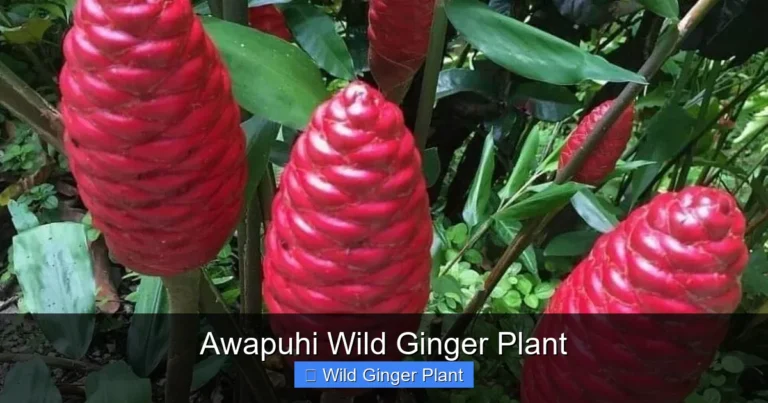
Another common mix-up involves Zingiber zerumbet, known as shampoo ginger or pinecone ginger. This is a different genus entirely. Its flower heads are red and produce a larger volume of fragrant liquid, but the scent is sharper, more medicinal. Both plants have traditional uses, but they are not the same. Always verify the botanical name before you buy.
Where to Find Authentic Awapuhi Wild Ginger Plant for Sale
Hawaiian Nurseries and Specialty Growers
The gold standard for buying awapuhi wild ginger plant for sale is purchasing directly from Hawaiian growers. Nurseries on the Big Island, Maui, Kauai, and Oahu have been cultivating these plants for generations. They understand the specific microclimates and soil conditions that produce the healthiest rhizomes. Many offer certified pest-free shipments with agricultural inspection certificates, which is crucial if you live in a state with strict plant import regulations like California, Arizona, or Florida.
Look for nurseries that specialize in Hawaiian native and Polynesian-introduced plants. These growers often sell rhizome divisions rather than potted plants. Divisions are more affordable to ship, establish quickly, and carry the genetic lineage of the mother plant. Reputable sellers will provide photos of the mother plants in bloom so you know exactly what you are getting.
Online Marketplaces and Plant Shops
If you cannot buy directly from Hawaii, several mainland specialty nurseries carry awapuhi wild ginger plant for sale. Search for retailers that focus on tropicals, gingers, or ethnobotanical plants. Read reviews carefully. Look for mentions of “true awapuhi,” “white ginger lily,” or “Hedychium coronarium” in the product description. Avoid listings that only say “ginger plant” or “fragrant ginger” without botanical specificity.
Etsy, eBay, and Amazon have numerous sellers, but quality varies wildly. Filter for sellers with high ratings, detailed descriptions, and clear photos of actual plants — not stock images. Check shipping policies. Rhizomes should be shipped bare-root, wrapped in damp sphagnum moss or paper towels, and sent via priority mail. Avoid sellers who ship potted plants in soil across state lines without proper certification.
Local Botanical Gardens and Plant Sales
Do not overlook your local botanical garden, arboretum, or university horticulture department. Many hold annual plant sales where divisions from their living collections are offered. These plants are often well-adapted to your regional climate because they have been grown locally for years. Staff can give you personalized growing advice based on their experience. Plus, your purchase supports conservation and education programs.
What to Look for When Buying
Whether you shop online or in person, know how to evaluate an awapuhi wild ginger plant for sale. Healthy rhizomes are firm, plump, and heavy for their size. They should have visible growth buds — often called “eyes” — which look like small, pointed nubs on the surface. The skin should be tan to light brown, not shriveled, moldy, or mushy. If buying a potted plant, check for bright green leaves without yellowing, brown tips, or signs of spider mites (fine webbing on leaf undersides).
Ask the seller about the plant’s provenance. Was it tissue-cultured? Division from a mature clump? Seed-grown? Division-grown plants bloom fastest, often within the first year. Tissue-cultured plants are disease-free but may take longer to reach flowering size. Seed-grown plants show genetic variation and can take three to five years to bloom.
Preparing the Perfect Growing Environment
Climate and Hardiness Considerations
Awapuhi wild ginger is a tropical to subtropical plant. It thrives in USDA zones 8b through 11. In zone 8b, the foliage will die back after frost, but the rhizomes survive underground and resprout in spring. In zones 9 and 10, it may stay evergreen through mild winters. Zone 11 gardeners enjoy year-round growth. If you live in zone 7 or colder, you can still grow awapuhi — you will just need to treat it as a container plant or dig and store rhizomes over winter.
Temperature-wise, awapuhi loves warmth. Active growth happens between 70 and 90 degrees Fahrenheit. Growth slows below 60 degrees. The rhizomes can survive brief dips to 20 degrees if well-mulched, but prolonged freezes will kill them. Humidity is the other key factor. This plant evolved in rainforests and coastal valleys where humidity rarely drops below 60 percent. Dry air causes leaf tip burn and reduces flowering.
Light Requirements
Contrary to what you might expect for a “ginger,” awapuhi does not want full, blazing sun. In its native habitat, it grows at forest edges and in clearings where it receives dappled light or morning sun with afternoon shade. Aim for bright, filtered light or two to four hours of direct morning sun. Deep shade will produce lush foliage but few flowers. Harsh afternoon sun, especially in hot climates, scorches the leaves and stresses the plant.
If you are growing in a container, you have the advantage of mobility. Place the pot where it gets gentle morning light on a patio or under a high tree canopy. In winter, move it to the brightest indoor spot you have — a south-facing window, sunroom, or under grow lights. Rotate the pot weekly for even growth.
Soil Preparation
Rich, moist, well-draining soil is non-negotiable. Awapuhi rhizomes rot quickly in soggy, heavy clay. But they also suffer in sandy soil that dries too fast. The sweet spot is a loamy mix high in organic matter. If planting in the ground, amend your native soil with generous amounts of compost, aged manure, or leaf mold. Work it in at least twelve inches deep. The rhizomes spread horizontally, so prepare a wide area, not just a planting hole.
For containers, use a high-quality potting mix designed for tropicals or make your own: two parts peat moss or coco coir, one part perlite or pumice, one part compost or worm castings, and a handful of slow-release organic fertilizer. Ensure the pot has ample drainage holes. A layer of gravel at the bottom is not necessary and can actually impede drainage.
Water and Humidity Management
Consistent moisture is the secret to happy awapuhi. The soil should never dry out completely, but it should never be waterlogged either. Think “evenly moist like a wrung-out sponge.” In the ground, this usually means deep watering two to three times per week during the growing season, more in extreme heat. Mulch heavily with straw, wood chips, or leaves to conserve moisture and keep rhizomes cool.
For humidity, you have several options. Group plants together to create a microclimate. Run a humidifier nearby if growing indoors. Place the pot on a pebble tray filled with water (ensure the pot bottom sits above the water line). Mist the foliage daily in dry climates or heated indoor environments. A simple humidity gauge helps you monitor — aim for 60 percent or higher.
Planting and Establishing Your Awapuhi
When to Plant
Timing depends on your climate and whether you are planting in ground or in containers. In zones 9 through 11, you can plant almost any time, but spring is ideal. The warming soil and increasing day length trigger vigorous root and shoot growth. In zone 8, wait until after the last frost date when soil temperatures reach at least 60 degrees. Container growers in any zone can start in early spring indoors, then move plants out after frost danger passes.
If you receive rhizomes by mail in fall or winter, pot them up immediately in slightly moist mix and keep them in a warm, bright spot indoors. Do not let them sit bare-root. They have no protective tunic like tulip bulbs and will desiccate quickly. Light watering once a week keeps them viable until spring planting.
How to Plant Rhizomes
Planting awapuhi rhizomes is straightforward. Dig a shallow trench or hole about three to four inches deep. Lay the rhizome horizontally with the growth buds facing up. If the rhizome is long, you can coil it gently — it will send up shoots from each bud. Space multiple rhizomes eighteen to twenty-four inches apart. They spread! Cover with soil, firm gently, and water thoroughly to settle soil around the rhizome.
For container planting, choose a pot at least fourteen inches wide and twelve inches deep for a single rhizome. Wider is better than deeper since rhizomes run horizontally. Fill the pot halfway with your prepared mix. Place the rhizome, buds up. Add more mix until the rhizome is covered by two to three inches of soil. Leave an inch of headspace for watering. Water until it drains freely from the bottom.
First Season Care
The first growing season is all about root establishment. You may see shoots emerge within two to four weeks if soil is warm. Keep the soil consistently moist. Do not fertilize for the first month — the rhizome has stored energy. After you see active leaf growth, begin feeding with a balanced, water-soluble fertilizer at half strength every two weeks. Or apply a slow-release granular fertilizer once in spring and again in midsummer.
Watch for pests. Slugs and snails love the tender new shoots. Use organic slug bait or copper tape around pots. Spider mites can appear in hot, dry conditions — increase humidity and spray leaf undersides with water to deter them. Aphids sometimes cluster on flower buds. Blast them off with a strong jet of water or treat with insecticidal soap.
Staking and Support
Mature awapuhi stalks can reach six feet or more. In windy locations or rich soil that promotes fast, soft growth, they may lean or snap. Install stakes at planting time to avoid damaging rhizomes later. Bamboo stakes, tomato cages, or decorative metal supports work well. Tie stalks loosely with soft twine or plant clips. For a natural look, plant awapuhi behind shorter, sturdy perennials that act as living supports.
Ongoing Care Through the Seasons
Spring Awakening
In late winter or early spring, depending on your zone, you will see the first pinkish-green shoots poking through the soil. This is the signal to resume regular watering and feeding. If you mulched heavily for winter, pull the mulch back a few inches from the emerging shoots to prevent rot. Apply a top-dressing of compost around the clump. This feeds the plant slowly and improves soil structure.
Check container plants for root binding. If roots circle the pot bottom or emerge from drainage holes, it is time to repot. Spring is the best time. Move up one pot size or divide the clump (more on division later). Refresh the potting mix completely — old mix breaks down and loses drainage.
Summer Glory
Summer is showtime. The foliage reaches full height, and flower buds form at stalk tips. Keep watering consistent. Heat waves demand daily checks. Fertilize every two to three weeks with a bloom-boosting formula higher in phosphorus (the middle number on fertilizer labels). This encourages more and larger flower heads.
Deadhead spent blooms by cutting the entire flower stalk down to the first leaf node after all flowers on that head have finished. This tidies the plant and may encourage a second, smaller flush. But leave the foliage! The leaves photosynthesize and send energy back to the rhizomes for next year’s growth.
Fall Transition
As days shorten and temperatures drop, growth slows. Reduce watering frequency but do not let the soil bone-dry. Stop fertilizing by early fall. You want the plant to harden off, not push tender new growth that frost will kill. In zones 8 and 9, apply a thick winter mulch — four to six inches of straw, leaves, or pine needles — over the rhizome zone after the first frost kills the foliage.
Container growers in cold zones should move pots to a protected location: an unheated garage, basement, or crawl space that stays above freezing but below 50 degrees. The plant will go dormant. Water lightly once a month — just enough to keep rhizomes from shriveling. No light needed during dormancy.
Winter Dormancy
In tropical zones (10 and 11), awapuhi may not go fully dormant. It might keep foliage year-round and even bloom sporadically. Continue light watering and skip fertilizer. In marginal zone 9, the plant may lose leaves in a cold snap but resprout from the base. Do not panic. The rhizomes are alive underground.
If you are storing bare rhizomes (dug in fall), keep them in a box of slightly damp peat moss or vermiculite in a cool, dark place at 40 to 50 degrees. Check monthly for mold or desiccation. Discard any that turn mushy. Plant them out in spring.
Propagation: Multiply Your Awapuhi
Division — The Easy, Reliable Method
Division is how most gardeners propagate awapuhi, and it is how most awapuhi wild ginger plant for sale rhizomes are produced. Every two to three years, mature clumps become crowded. The center may die out, and flowering declines. Spring is the perfect time to divide. Dig up the entire clump. Wash off soil so you can see the rhizome structure.
Using a clean, sharp knife or pruning saw, cut the rhizome mass into sections. Each division needs at least two to three growth buds and a healthy root system. Dust cut surfaces with cinnamon or sulfur powder to prevent fungal infection. Replant divisions immediately at the same depth. Water well. They often bloom the same year.
Growing from Seed — The Patient Approach
Awapuhi produces seed capsules after flowering, but germination is slow and variable. Fresh seeds have the best viability. Sow them on the surface of a sterile seed-starting mix. Do not cover — they need light to germinate. Keep warm (75 to 80 degrees) and moist under a humidity dome. Germination can take one to six months. Seedlings grow slowly for the first year. Expect flowers in year three to five. The reward? Genetic diversity. Each seedling is unique.
Tissue Culture — For Commercial Scale
Large nurseries use tissue culture (micropropagation) to produce thousands of identical, disease-free plantlets from a tiny piece of meristem tissue. This is how many awapuhi wild ginger plant for sale offerings in big-box stores originate. The plants are uniform and vigorous but lack the “heirloom” connection of division-grown stock. For home gardeners, division remains the most practical and satisfying method.
Harvesting and Using Awapuhi Flowers
The Famous Floral Fluid
The clear, fragrant liquid inside mature flower heads is awapuhi’s claim to fame. Traditional Hawaiian use involved squeezing the ripe, heavy flower cones directly onto hair and body. The fluid contains saponins — natural surfactants that cleanse gently — along with aromatic compounds that condition and scent. Modern cosmetic companies harvest this fluid for premium shampoos, conditioners, and lotions.
To harvest your own, wait until the flower head is fully mature — plump, heavy, and the lowest flowers have opened. Squeeze gently over a clean bowl. The fluid is clear and slightly viscous. Use it fresh as a hair rinse, facial toner, or add it to homemade lotions. It does not preserve well without refrigeration and even then lasts only a few days. Freeze in ice cube trays for longer storage.
Cut Flowers and Lei Making
The blooms themselves make exquisite, fragrant cut flowers. Cut stems in the morning when the lowest two or three flowers are open. The rest will open sequentially indoors. Place in cool water immediately. Change water daily. They last five to seven days. In Hawaii, the flowers are strung into leis — often combined with tuberose, pikake, or plumeria. The scent is unforgettable.
Culinary and Medicinal Notes
While not a culinary ginger, awapuhi has traditional medicinal uses. The rhizomes were pounded and applied as a poultice for bruises, sprains, and headaches. The leaf sheaths were used to strain kava. The flower fluid treated skin irritations. Modern research has identified anti-inflammatory and antioxidant compounds in Hedychium coronarium extracts. However, this is an ornamental plant first. Do not consume large quantities. The rhizomes are fibrous and bitter.
Troubleshooting Common Problems
Yellowing Leaves
Yellow leaves usually signal a water issue. Too much water causes lower leaves to yellow first, often with mushy rhizomes. Too little water causes tip burn and yellowing from the top down. Check soil moisture at root level. Adjust watering. Nutrient deficiency (especially nitrogen) can also cause uniform yellowing. Feed with a balanced fertilizer.
No Flowers
If your awapuhi grows lush leaves but no blooms, check three things: light, maturity, and nutrition. Too much shade is the most common cause. The plant needs bright light to initiate flower buds. Young plants (first year from small divisions) may not bloom until they build sufficient rhizome mass. Excess nitrogen fertilizer promotes leaves at the expense of flowers. Switch to a bloom formula.
Pest Issues
Awapuhi is remarkably pest-resistant, but a few bugs can appear. Spider mites thrive in dry, hot conditions — increase humidity. Mealybugs hide in leaf axils and rhizome crevices — dab with alcohol on a cotton swab. Scale insects attach to stalks — scrape off and spray with horticultural oil. Caterpillars (ginger butterfly larvae) may chew leaves — handpick or use Bt. Root knot nematodes can infest rhizomes in sandy soil — solarize soil or grow in containers.
Disease Concerns
Fungal leaf spots appear in wet, stagnant air. Improve air circulation. Avoid overhead watering. Remove affected leaves. Rhizome rot is the killer. It happens in poorly drained soil or from planting damaged rhizomes. Prevention is everything: well-draining soil, healthy planting stock, proper watering. If rot occurs, dig the plant, cut away all soft tissue, dust with fungicide, and replant in fresh soil — if enough healthy rhizome remains.
Designing with Awapuhi in Your Garden
Tropical Border Star
Awapuhi makes a stunning backdrop for a tropical-themed border. Its tall, architectural foliage creates a living screen. Plant it behind lower tropicals like caladiums, coleus, impatiens, or ferns. The white flowers glow in evening light, perfect for a moon garden. Pair with night-blooming jasmine, angel’s trumpet, or gardenia for a fragrance symphony.
Water Feature Companion
Because awapuhi loves moisture, it thrives at the edge of ponds, streams, or bog gardens. Its rhizomes help stabilize banks. The reflection of those white blooms in dark water is magical. Just ensure the crown stays above water level — it is not a true aquatic plant. Plant on a slight mound at the water’s edge.
Container Specimen
A large, decorative pot with a mature awapuhi clump is a showstopper on a patio, deck, or poolside. Underplant with trailing tropicals like sweet potato vine, creeping jenny, or dichondra. The height and fragrance make it a natural focal point. Move it to center stage when in bloom, then tuck it back when foliage-only.
Indoor Tropical Oasis
Bright sunrooms, atriums, or greenhouses can host awapuhi year-round. The key is humidity. Group with other moisture-lovers: orchids, anthuriums, ferns, bromeliads. A small indoor fountain or humidifier benefits all. The fragrance perfumes the whole space when in bloom. Just watch the height — you may need to prune or choose a dwarf variety for lower ceilings.
Choosing the Right Awapuhi Variety for You
Classic White Ginger Lily (Hedychium coronarium)
This is the true awapuhi. Pure white, intensely fragrant flowers. Tall (five to seven feet). The standard for fragrance production. Best for zones 8b to 11. If you want the authentic Hawaiian experience, this is the one.
Kahili Ginger (Hedychium gardnerianum)
Larger, showier flower heads in pale yellow with red stamens. Resembles a feather standard (kahili). Very fragrant but different scent profile — more floral, less spicy. Can be invasive in tropical climates (Hawaii, New Zealand, South Africa). Check local regulations.
Yellow Ginger (Hedychium flavescens)
Creamy yellow flowers, very fragrant. Slightly shorter (four to six feet). Also potentially invasive in some areas. Beautiful but know your local rules.
Shampoo Ginger (Zingiber zerumbet)
Red pinecone flower heads, larger fluid volume. Sharper scent. Goes fully dormant in winter. Hardy to zone 7b. A great alternative for cooler zones wanting the “shampoo ginger” experience.
Dwarf and Compact Selections
Breeders have developed shorter cultivars like ‘White Wings’ (three to four feet) and ‘Mini White’ (two to three feet). These are excellent for containers, small gardens, and indoor growing. Flower power is slightly reduced but still impressive.
Conclusion
Bringing an awapuhi wild ginger plant for sale into your garden is like inviting a piece of Hawaiian heritage to take root in your soil. This plant asks for warmth, moisture, dappled light, and rich earth — and in return, it gives you architecture, fragrance, and a connection to centuries of island tradition. Whether you grow it in a backyard border in Florida, a patio pot in California, or a sunroom in Ohio, the experience of squeezing that first fragrant flower cone is pure magic.
Take your time sourcing a healthy, authentic plant. Prepare the soil with care. Water with attention. And then wait. The first bloom may take a season, but when those white butterflies open and the evening air fills with sweet spice, you will know every effort was worth it. Your awapuhi will multiply, season after season, becoming a living legacy you can share — divisions for friends, flowers for leis, fluid for homemade spa treatments. That is the true gift of this remarkable plant.
Ready to start your awapuhi journey? Seek out a reputable grower, choose your spot, and plant with intention. The tropics are closer than you think.
Frequently Asked Questions
What is the difference between awapuhi and shampoo ginger?
Awapuhi (Hedychium coronarium) has white flowers and a sweet-spicy fragrance. Shampoo ginger (Zingiber zerumbet) has red pinecone flowers and a sharper scent. Both produce fragrant fluid but are different genera.
Does awapuhi wild ginger spread aggressively?
It spreads steadily via rhizomes but is not considered invasive in most of the continental US. In Hawaii and other tropical regions, some Hedychium species can be invasive. Check local guidelines.
Can I grow awapuhi indoors year-round?
Yes, with bright light (south window or grow lights), high humidity (60%+), and consistent moisture. It may not go dormant indoors and can bloom intermittently.
When is the best time to divide my awapuhi clump?
Early spring, just as new shoots emerge, is ideal. The plant has stored energy and the whole growing season to establish divisions before winter.
What fertilizer is best for awapuhi wild ginger?
Use a balanced fertilizer (10-10-10) in spring, then switch to a bloom booster (higher phosphorus like 10-20-10) in early summer to encourage flowering.
Are awapuhi flowers edible?
The flowers are not toxic but are not commonly eaten. They are primarily used for fragrance, leis, and the floral fluid. The rhizomes are fibrous and bitter, not culinary quality.