Wild Ginger Plant Wisconsin
Wild ginger plant Wisconsin is a native woodland perennial that thrives in shady, moist forests across the state. Its heart-shaped leaves and hidden maroon flowers make it a unique groundcover for shade gardens and natural landscapes.
Walking through a Wisconsin woodland in early spring, you might miss one of the state’s most fascinating native plants. The wild ginger plant Wisconsin hugs the forest floor, its heart-shaped leaves creating a living carpet that many hikers step right over. This unassuming perennial holds secrets beneath its foliage – strange little flowers that never see the sun, a spicy scent when crushed, and a history that stretches back centuries.
I first discovered wild ginger plant Wisconsin on a damp May morning in the Kettle Moraine. The air smelled of wet leaves and earth. There it was, spreading in colonies beneath sugar maples and basswoods. The leaves felt like velvet between my fingers. When I gently lifted a leaf, I found the flower – a weird, fleshy thing the color of dried blood, sitting right on the soil. That moment sparked a fascination that has only grown deeper over the years.
Key Takeaways
- Native perennial: Wild ginger plant Wisconsin grows naturally in rich, moist woodlands throughout the state.
- Distinctive foliage: Heart-shaped, velvety leaves form dense mats that suppress weeds effectively.
- Hidden flowers: Unusual jug-shaped blooms appear at ground level in early spring, often hidden by leaves.
- Shade garden star: This plant excels in deep shade where few other groundcovers survive.
- Historical uses: Indigenous peoples and early settlers used the rhizomes as a spice substitute and medicine.
- Wildlife value: Provides cover for small woodland creatures and hosts pipevine swallowtail butterflies.
- Easy propagation: Spreads slowly by rhizomes and can be divided in spring or fall for garden expansion.
Quick Answers to Common Questions
Is wild ginger plant Wisconsin edible?
While historically used as a spice substitute, wild ginger plant Wisconsin contains aristolochic acid which can cause kidney damage and cancer with regular consumption. Modern experts advise against eating it.
How fast does wild ginger plant Wisconsin spread?
Wild ginger plant Wisconsin spreads slowly, typically a few inches per year via rhizomes. It forms dense colonies over decades rather than aggressively invading like some groundcovers.
Can wild ginger plant Wisconsin grow in full sun?
No, wild ginger plant Wisconsin requires deep to dappled shade. Full sun will scorch the leaves and stress the plant, leading to decline or death.
When is the best time to plant wild ginger plant Wisconsin?
Early spring as leaves emerge or early fall are ideal planting times. Both allow root establishment before temperature extremes.
Does wild ginger plant Wisconsin attract pollinators?
Yes, its unusual ground-level flowers attract small flies and beetles. It also hosts pipevine swallowtail butterfly caterpillars.
📑 Table of Contents
- Getting to Know Wild Ginger Plant Wisconsin
- Natural Habitat and Distribution Across Wisconsin
- Ecological Role and Wildlife Value
- Cultivating Wild Ginger Plant Wisconsin in Your Garden
- Historical Uses and Cultural Significance
- Propagation Methods for Gardeners
- Conservation Status and Ethical Considerations
- Troubleshooting Common Issues
- Seasonal Care Calendar
- Wild Ginger Plant Wisconsin in Landscape Design
- Comparing Wild Ginger Species
- Conclusion
Getting to Know Wild Ginger Plant Wisconsin
What Exactly Is This Plant?
Wild ginger plant Wisconsin (Asarum canadense) belongs to the birthwort family, Aristolochiaceae. Despite its common name, it is not related to culinary ginger (Zingiber officinale). The name comes from the spicy, ginger-like aroma released when the rhizomes or leaves are crushed. This native perennial grows throughout eastern North America, including every county in Wisconsin.
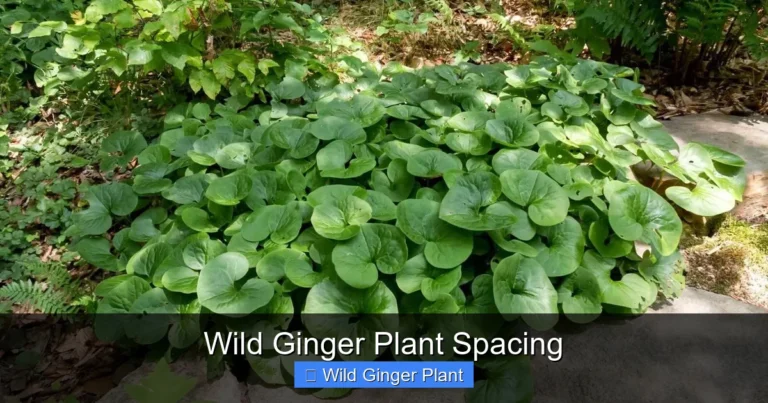
The plant forms colonies through slow-spreading rhizomes that creep just below the soil surface. Each growing season adds a few inches of spread. Over decades, a single plant can form an impressive patch. The leaves emerge in early spring, often before the trees fully leaf out, capturing precious sunlight on the forest floor.
Physical Characteristics That Set It Apart
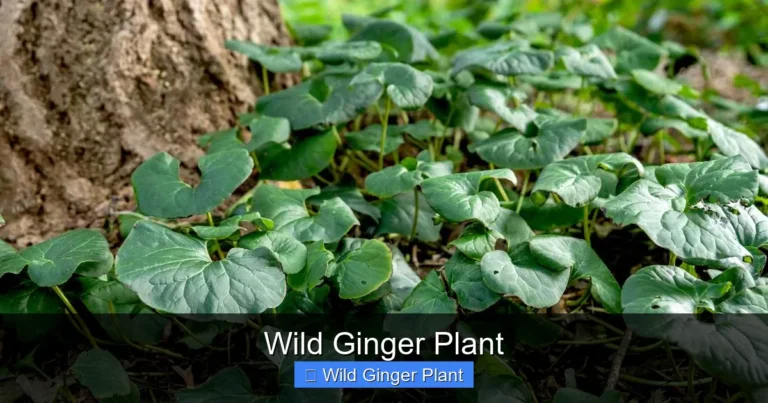
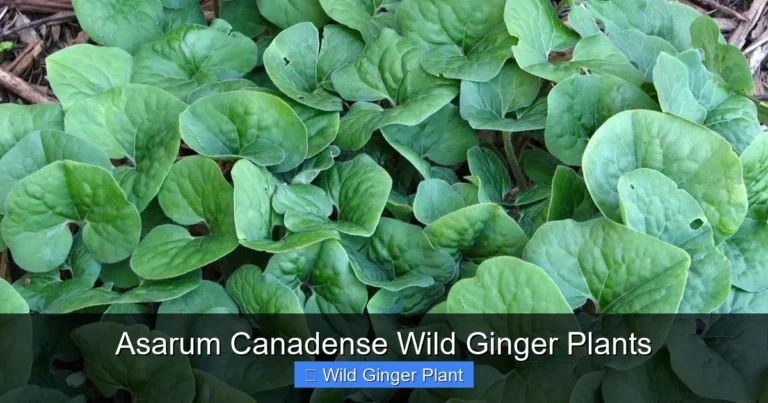
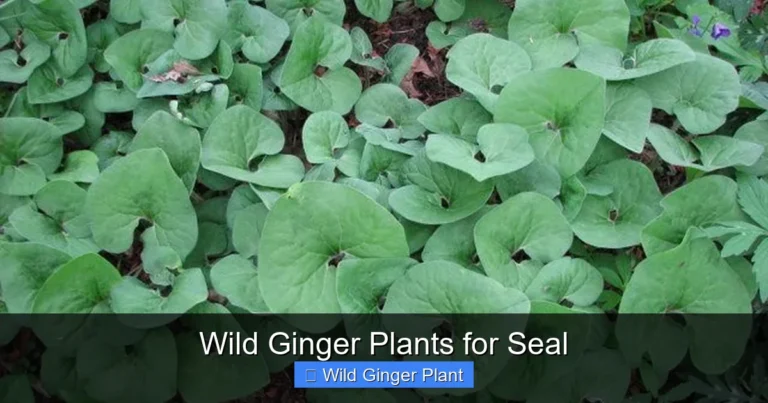
Identifying wild ginger plant Wisconsin becomes easy once you know what to look for. The leaves are the most obvious feature – heart-shaped or kidney-shaped, growing in pairs on hairy stems that rise four to eight inches tall. The leaf surface feels soft and velvety, covered in fine hairs. Each leaf spans three to six inches across.
The flowers are the real oddity. They bloom in April and May, but you have to search for them. Each flower sits at ground level, nestled between the leaf stems. The bloom has no petals. Instead, three pointed sepals form a cup-shaped tube, colored deep maroon to brownish-purple. The inside often shows a lighter, mottled pattern. The flower emits a faint, musty odor that attracts its primary pollinators – small flies and beetles that normally feed on fungi and decaying matter.
Root Structure and Growth Habit
The rhizomes of wild ginger plant Wisconsin grow horizontally, just beneath the duff layer. They are about the thickness of a pencil, with a brown, slightly rough exterior. When broken, the interior reveals a pale, aromatic flesh. Roots emerge from the rhizome nodes, anchoring the plant and absorbing nutrients from the rich woodland soil.
New leaf pairs emerge from the rhizome tips each spring. The plant is long-lived, with individual clones potentially surviving for many decades. The slow growth rate means wild ginger plant Wisconsin rarely becomes aggressive in garden settings. It plays well with other shade-loving natives.
Natural Habitat and Distribution Across Wisconsin
Where to Find It in the Wild
Wild ginger plant Wisconsin thrives in mesic to wet-mesic forests throughout the state. You will find it in maple-basswood forests, beech-maple forests, and rich northern hardwood swamps. The Driftless Area in southwestern Wisconsin harbors extensive populations. The northern counties, with their sugar maple and yellow birch forests, also provide ideal conditions.
Look for it on north-facing slopes, in ravines, and along stream corridors where the soil stays consistently moist. The plant prefers deep, humus-rich soils with a slightly acidic to neutral pH. It often grows alongside other spring ephemerals like trillium, bloodroot, and Dutchman’s breeches.
Soil and Light Requirements
The ideal soil for wild ginger plant Wisconsin is rich in organic matter, well-drained but moisture-retentive. Think of the black, crumbly soil found in old-growth forests. The plant struggles in sandy soils that dry out quickly or heavy clay that stays waterlogged.
Light needs are specific. Wild ginger plant Wisconsin wants deep shade to dappled shade. Morning sun with afternoon shade works. Full sun burns the leaves and stresses the plant. In nature, it grows where the canopy closes early and stays closed all summer. This makes it perfect for those difficult garden spots under mature trees or on the north side of buildings.
Associated Plant Communities
When you find wild ginger plant Wisconsin, take note of its neighbors. Common companions include:
- Sugar maple (Acer saccharum) and basswood (Tilia americana) overhead
- Trillium species (Trillium grandiflorum, T. erectum)
- Bloodroot (Sanguinaria canadensis)
- Mayapple (Podophyllum peltatum)
- Jack-in-the-pulpit (Arisaema triphyllum)
- Woodland phlox (Phlox divaricata)
- Various ferns – maidenhair, lady fern, interrupted fern
These associations tell you the soil and moisture conditions are right. If you see these plants thriving, wild ginger plant Wisconsin will likely do well too.
Ecological Role and Wildlife Value
Pollination Strategy
The strange flowers of wild ginger plant Wisconsin have evolved a clever deception. They mimic the appearance and smell of fungal fruiting bodies or decaying matter. This attracts small flies (particularly fungus gnats) and beetles that normally lay eggs in such substrates. The insects enter the flower tube, pick up pollen, and move to the next flower.
This pollination strategy is called “sapromyophily” – pollination by insects attracted to decay. It works well in the dim forest floor environment where showy, colorful flowers would go unnoticed. The flowers are self-fertile but cross-pollination increases genetic diversity.
Seed Dispersal by Ants
After pollination, the flower develops into a capsule that splits open when ripe. Each seed bears a fleshy appendage called an elaiosome. Ants love these nutrient-rich structures. They carry the seeds back to their nests, eat the elaiosomes, and discard the intact seeds in their midden piles – perfect germination sites.
This ant-mediated dispersal, called myrmecochory, moves seeds short distances. It explains why wild ginger plant Wisconsin forms discrete colonies rather than spreading widely. The ants essentially plant the seeds in nutrient-rich, aerated soil.
Host Plant for Butterflies
Wild ginger plant Wisconsin serves as a larval host for the pipevine swallowtail butterfly (Battus philenor). The caterpillars feed on the leaves, sequestering aristolochic acids that make them toxic to predators. While pipevine swallowtails are more common in southern Wisconsin, their range extends throughout the state in suitable habitat.
The dense foliage also provides cover for salamanders, small mammals, and ground-nesting birds like ovenbirds and wood thrushes. The rhizomes may be nibbled by chipmunks and mice, but the plant generally tolerates this browsing.
Cultivating Wild Ginger Plant Wisconsin in Your Garden
Site Selection and Preparation
Choose a shady spot that mimics the plant’s natural habitat. Under deciduous trees is ideal – the spring sun reaches the emerging leaves before the canopy closes. The north side of a fence or building works too. Avoid areas with aggressive tree roots like silver maple or black walnut.
Prepare the soil by incorporating generous amounts of leaf compost or well-rotted manure. Aim for a loose, humus-rich texture that holds moisture but drains well. If your soil is heavy clay, add coarse sand and lots of organic matter. Sandy soils need extra compost to improve water retention.
Planting Techniques
Spring and fall are both good planting times for wild ginger plant Wisconsin. Spring planting lets the plant establish before summer heat. Fall planting gives a head start on root growth before winter. Space plants twelve to eighteen inches apart for a groundcover effect. They will fill in over three to five years.
Plant at the same depth the rhizome was growing – just below the soil surface with the growing tip slightly exposed or barely covered. Water well after planting. Mulch with shredded leaves or pine needles to conserve moisture and suppress weeds. Avoid wood chip mulch, which can rob nitrogen during decomposition.
Ongoing Care and Maintenance
Once established, wild ginger plant Wisconsin needs minimal care. Water during dry spells, especially in the first two years. The plant has no serious pest or disease problems. Slugs may nibble leaves in wet springs, but damage is usually cosmetic.
Leave the leaves in place over winter – they protect the rhizomes and provide habitat for beneficial insects. In spring, you can gently rake off any matted leaves if they are smothering new growth. No fertilizer is needed in rich soil. A light top-dressing of compost every few years maintains vigor.
Companion Planting Ideas
Create a layered woodland garden with wild ginger plant Wisconsin as the ground layer. Excellent companions include:
- Ferns for vertical texture – ostrich fern, cinnamon fern, Christmas fern
- Spring ephemerals that bloom before the ginger leaves fully expand
- Woodland sedges (Carex species) for grassy texture
- Wild geranium (Geranium maculatum) for pink flowers
- Solomon’s seal (Polygonatum biflorum) for arching stems
- Virginia bluebells (Mertensia virginica) for early blue blooms
This combination provides season-long interest and supports diverse wildlife.
Historical Uses and Cultural Significance
Indigenous Knowledge and Uses
Numerous Native American tribes across the Great Lakes region used wild ginger plant Wisconsin. The Menominee, Ojibwe, Potawatomi, and Ho-Chunk peoples all recognized its value. The rhizomes were harvested in spring or fall, washed, and used fresh or dried.
Primary uses included flavoring for meats and stews, especially to mask strong game flavors. The rhizomes were also made into a tea for digestive complaints, colds, and fevers. Some tribes used a poultice of mashed leaves for headaches and skin irritations. The plant held spiritual significance in some ceremonies.
Early European Settler Adoption
European settlers quickly learned about wild ginger plant Wisconsin from Indigenous neighbors. They used the rhizomes as a substitute for tropical ginger, which was expensive and hard to obtain. Candied wild ginger became a treat. The root was also used in patent medicines of the 18th and 19th centuries.
However, settlers noted the flavor was stronger and more bitter than true ginger. Large quantities could cause digestive upset. The plant never became a major commercial crop, remaining a local foraging item.
Modern Safety Considerations
Here is where things get important. Wild ginger plant Wisconsin contains aristolochic acid, a compound linked to kidney damage and cancer with long-term use. The FDA warns against consuming products containing aristolochic acid. While traditional use involved small, occasional amounts, modern herbalists generally advise against internal use.
The leaves and rhizomes can cause skin irritation in sensitive individuals. Wear gloves when handling large quantities. Do not confuse wild ginger plant Wisconsin with European wild ginger (Asarum europaeum), which has higher aristolochic acid concentrations.
For culinary curiosity, a tiny piece of rhizome in a stew probably won’t hurt a healthy adult. But regular or medicinal use is not recommended. Enjoy the plant for its beauty and ecological value instead.
Propagation Methods for Gardeners
Division – The Easiest Method
Dividing established clumps is the most reliable way to propagate wild ginger plant Wisconsin. Do this in early spring as leaves emerge, or in early fall after summer heat passes. Dig up a section of rhizome with at least one growing tip and some roots attached. Replant immediately at the same depth.
Water well and mulch. Divisions may look a bit rough the first year but usually recover fully. This method produces mature plants quickly and maintains the genetic traits of the parent plant.
Growing from Seed
Seed propagation requires patience but allows for genetic diversity. Collect seeds in summer when capsules split open. Sow immediately in a prepared seed bed or pots – the seeds need a warm period followed by cold stratification to break dormancy.
Natural stratification works well: sow in a shaded cold frame or protected garden bed in summer. Seedlings appear the following spring. They grow slowly, reaching transplant size in two to three years. Seed-grown plants may vary in leaf size, flower color, and vigor.
Rhizome Cuttings
For larger quantities, rhizome cuttings work well. In early spring, cut rhizome sections two to three inches long, each with at least one node. Lay horizontally in a tray of moist peat-perlite mix, barely covered. Keep humid and shaded. Roots and shoots develop in four to six weeks.
This method is used by native plant nurseries to produce saleable plants in one growing season. Home gardeners can try it with a simple setup – a plastic container with a clear lid works as a mini greenhouse.
Conservation Status and Ethical Considerations
Current Population Trends
Wild ginger plant Wisconsin remains common throughout its range in the state. It is not listed as threatened or endangered. However, local populations face pressures from habitat loss, invasive species, and over-collection. Woodland fragmentation reduces the continuous forests are cleared for development or agriculture. Invasive garlic mustard and European buckthorn outcompete native understory plants.
Climate change poses longer-term risks. Warmer, drier summers stress plants adapted to cool, moist conditions. Earlier spring warm-ups may disrupt pollinator synchronization. Monitoring programs through the Wisconsin DNR and citizen science projects track these changes.
Ethical Foraging and Gardening Practices
Never dig wild ginger plant Wisconsin from public lands or private property without permission. Many state parks and natural areas prohibit plant collection. Even on private land with permission, take only a small percentage of a colony – no more than ten percent. Leave the rest to maintain the population.
Better yet, purchase plants from reputable native plant nurseries that propagate their own stock. Look for nurseries that source seeds locally – this preserves regional genetic adaptations. The Wisconsin Native Plant Nursery directory lists verified sources.
Supporting Wild Populations
If you have wild ginger plant Wisconsin on your property, you can help it thrive. Remove invasive species that compete for space and light. Avoid compacting soil in wooded areas. Let fallen leaves remain as natural mulch. Consider collecting and scattering seeds from your plants to expand colonies.
Participate in citizen science through iNaturalist or the Wisconsin Rare Plant Monitoring Program. Your observations help scientists track distribution and phenology changes. Every data point contributes to conservation planning.
Troubleshooting Common Issues
Leaves Turning Yellow or Brown
Summer leaf scorch usually indicates too much sun or not enough moisture. Wild ginger plant Wisconsin planted in a spot that gets afternoon sun will struggle. Move it to deeper shade or increase watering. Mulch heavily to keep roots cool and moist.
Yellowing in spring may be normal as old leaves die back before new ones fully expand. But persistent yellowing suggests nutrient deficiency or poor drainage. Check soil pH – extremely acidic or alkaline conditions limit nutrient availability.
Failure to Spread
If your wild ginger plant Wisconsin stays as isolated clumps for years, check the conditions. Is the soil too dry? Too sandy? Too compacted? Is there too much root competition from nearby trees? The plant needs consistent moisture and loose, organic soil to spread well.
Sometimes patience is the answer. This is a slow plant. Three to five years for noticeable spread is normal. If conditions are right, it will eventually form a solid mat.
Slug and Snail Damage
In wet springs, slugs can shred the tender new leaves. Beer traps, diatomaceous earth, or copper barriers help. Encourage natural predators like ground beetles and toads by providing habitat. The damage rarely kills the plant – it just looks ragged for a season.
Seasonal Care Calendar
Spring (March – May)
- Watch for emerging leaves – a sure sign winter is over
- Gently remove any matted leaves smothering new growth
- Divide established clumps if desired
- Look for hidden flowers at ground level
- Water if spring is dry
Summer (June – August)
- Maintain consistent moisture during dry spells
- Monitor for slug damage after rains
- Enjoy the lush green carpet
- Collect seeds when capsules split (usually July)
- Pull any invasive plants encroaching on colonies
Fall (September – November)
- Plant new divisions or nursery stock
- Apply a light compost top-dressing
- Leave fallen leaves as winter mulch
- Mark plant locations if they might be disturbed
- Water until ground freezes if fall is dry
Winter (December – February)
- No active care needed
- Snow cover provides excellent insulation
- Plan next year’s garden additions
- Order plants from native nurseries for spring
- Dream of spring ephemerals
Wild Ginger Plant Wisconsin in Landscape Design
Groundcover for Difficult Shade
Every gardener has that spot – deep shade, dry soil, tree roots everywhere. Wild ginger plant Wisconsin solves this problem beautifully. Once established, it tolerates dry shade better than most groundcovers. The dense foliage suppresses weeds and holds soil on slopes.
Use it under mature oaks, maples, or pines. Plant in drifts of five to seven plants for immediate impact. Combine with spring bulbs like snowdrops or scilla that bloom before the ginger leaves emerge fully. The ginger foliage then hides the ripening bulb foliage.
Woodland Garden Path Edging
Line a shady garden path with wild ginger plant Wisconsin. The low height keeps sightlines open. The velvety leaves invite touch. The hidden flowers reward curious visitors who bend down to look. The plant stays tidy without trimming.
Space plants twelve inches apart along the edge. They will knit together in a few years. The rhizomes generally stay on their side of the path if you edge occasionally. This creates a soft, natural border that feels like part of the woods.
Rain Garden and Streamside Planting
In moist, shady areas of a rain garden or along a stream, wild ginger plant Wisconsin thrives. It tolerates periodic flooding once established. The rhizomes help stabilize soil on banks. Combine with other moisture-loving natives like swamp milkweed, cardinal flower, and various sedges.
Ensure the site doesn’t stay waterlogged for weeks at a time. The plant needs oxygen at the roots. A slight slope or raised hummock provides better drainage while maintaining moisture access.
Comparing Wild Ginger Species
European Wild Ginger (Asarum europaeum)
This introduced species sometimes escapes cultivation in Wisconsin. It has glossier, more leathery leaves that are evergreen in mild winters. The flowers are similar but smaller. European wild ginger spreads faster and can be more aggressive. It contains higher levels of aristolochic acid.
Gardeners sometimes prefer it for the evergreen foliage. But for ecological value and local adaptation, native wild ginger plant Wisconsin is the better choice. It supports native insects and fits naturally into Wisconsin plant communities.
Other North American Species
Several other Asarum species grow in North America, mostly in the Appalachians and West Coast. Asarum caudatum (western wild ginger) has larger, more showy flowers with long “tails” on the sepals. Asarum virginicum has mottled leaves. None are native to Wisconsin, though some are sold in nurseries.
Stick with Asarum canadense for Wisconsin gardens. It is adapted to our climate, soils, and ecological relationships. Local ecotype plants from Wisconsin seed sources perform best.
Conclusion
Wild ginger plant Wisconsin offers so much more than meets the eye. This humble woodland native connects us to the deep history of our landscapes – to Indigenous knowledge, to early settler resourcefulness, to the quiet work of ants and flies that sustain its populations. In the garden, it solves the deep-shade dilemma with grace and resilience.
I still smile when I find those weird little flowers in spring. They remind me that nature’s ingenuity often hides in plain sight, right at our feet. Whether you are restoring a woodland, designing a shade garden, or simply curious about the plants beneath the trees, wild ginger plant Wisconsin deserves your attention.
Next time you walk a Wisconsin woodland trail in April or May, slow down. Look down. Lift a leaf gently. You might just discover a maroon jewel hiding in the shadows – a small miracle that has been blooming here for thousands of years. And if you are lucky enough to have a shady garden spot, consider inviting this ancient native home. Your woodland garden will thank you.
Frequently Asked Questions
What is the scientific name for wild ginger plant Wisconsin?
The scientific name is Asarum canadense. It belongs to the Aristolochiaceae family and is native to eastern North America including all of Wisconsin.
How do I identify wild ginger plant Wisconsin in the woods?
Look for pairs of heart-shaped, velvety leaves on hairy stems 4-8 inches tall. In April-May, lift leaves to find maroon, jug-shaped flowers at ground level. Crushing a leaf releases a ginger-like scent.
Will wild ginger plant Wisconsin choke out other plants?
No, it spreads slowly and coexists well with other shade natives. It forms a polite groundcover that suppresses weeds without overwhelming desirable plants.
Where can I buy wild ginger plant Wisconsin for my garden?
Purchase from Wisconsin native plant nurseries that propagate from local seed sources. Avoid digging from the wild. The Wisconsin DNR maintains a list of certified native plant nurseries.
Is wild ginger plant Wisconsin deer resistant?
Yes, deer generally avoid wild ginger plant Wisconsin due to its aromatic compounds. However, hungry deer may sample anything in severe winters.
Can I grow wild ginger plant Wisconsin in a container?
Yes, use a wide, shallow pot with rich, moisture-retentive potting mix. Keep in full shade and water consistently. Overwinter in a protected location or sink the pot in the ground.