Wild Ginger Plant Waxy Leaves
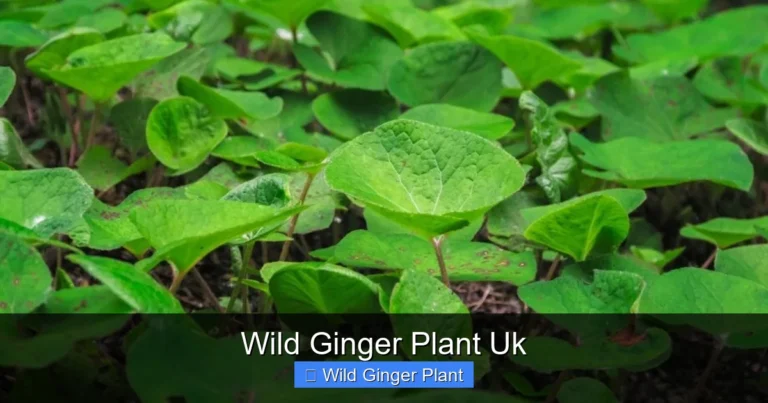
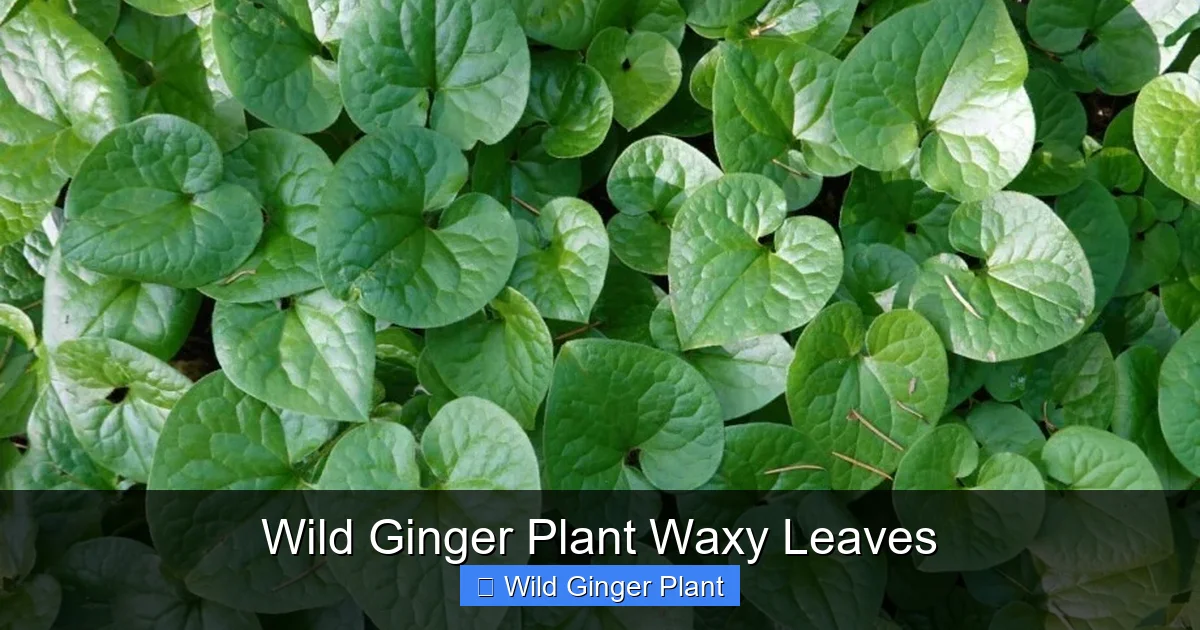
Wild ginger plant waxy leaves are a striking feature of this native groundcover. The glossy coating helps the plant conserve moisture and resist pests. Gardeners love the low‑maintenance beauty it brings to shady spots.
Key Takeaways
- Glossy coating: The waxy layer reduces water loss.
- Shade lover: Thrives in low‑light forest floors.
- Natural pest barrier: Wax deters many insects.
- Easy care: Needs little fertilizer or pruning.
- Edible roots: The rhizomes have a mild ginger flavor.
- Medicinal history: Used by Indigenous peoples for colds.
- Propagation: Divide clumps in early spring.
Quick Answers to Common Questions
What makes wild ginger plant waxy leaves shiny?
A thin layer of natural wax crystals on the leaf surface reflects light, creating the glossy appearance.
Can I grow wild ginger plant waxy leaves in full sun?
No, full sun can scorch the delicate wax coating; dappled shade is best.
How often should I water wild ginger plant waxy leaves?
Water only during prolonged dry spells; the wax layer helps the plant retain moisture.
Are the roots of wild ginger plant waxy leaves edible?
Yes, the rhizomes have a mild ginger flavor and can be used fresh or dried.
When is the best time to divide wild ginger plant waxy leaves?
Early spring, before new growth emerges, is the ideal time for division.
📑 Table of Contents
Introduction
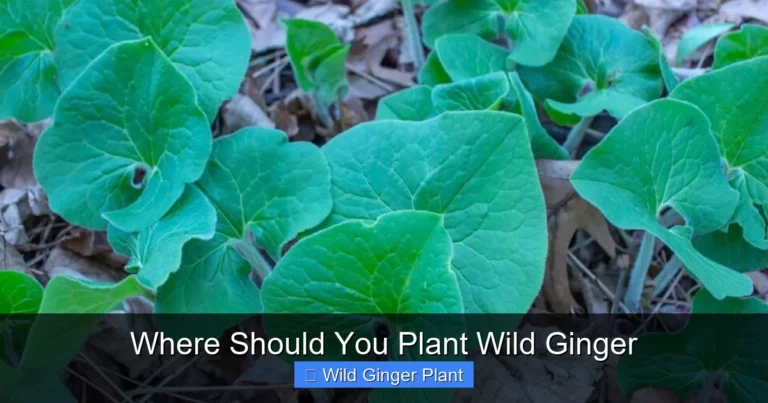
When you walk through a damp woodland you may notice a low plant with heart‑shaped leaves that gleam in the filtered light. Those leaves belong to the wild ginger plant waxy leaves. The shine is not just for show. It is a natural adaptation that helps the plant survive in tough conditions. In this guide we explore the science, the garden value, and the many uses of this remarkable foliage.
Gardeners often ask why the leaves look so slick. The answer lies in a thin cuticle that covers each leaf surface. This cuticle is made of waxes and cutin. It forms a barrier that locks in water and keeps out harmful microbes. Understanding this feature can help you grow healthier plants and appreciate the hidden engineering of nature.
What Are Wild Ginger Plant Waxy Leaves
Structure of the Leaf Surface
The leaf of the wild ginger plant waxy leaves is broad and slightly cupped. The upper side feels smooth and cool to the touch. Under a microscope you can see tiny crystals of wax arranged in a dense layer. These crystals reflect light, giving the leaf its characteristic gloss. The lower side is paler but still coated, though less thick.
Function of the Wax Layer
The wax layer serves three main jobs. First it reduces transpiration by blocking water vapor from escaping. Second it repels rain droplets, preventing fungal spores from settling. Third it makes the surface slippery for crawling insects. All three functions increase the plant’s chance of survival in a humid, shaded understory.
Appearance Through the Seasons
In early spring the wild ginger plant waxy leaves emerge bright green and highly reflective. As summer progresses the gloss may dull slightly due to dust and pollen. In autumn the leaves turn a soft yellow but retain a faint sheen. Even in winter, when the plant dies back, the rhizomes stay protected underground.
Why Do Wild Ginger Plant Waxy Leaves Matter
Water Retention in Shade
Shade gardens often have moist soil but low air movement. The waxy coating on wild ginger plant waxy leaves locks in the moisture that the plant absorbs from the soil. This means the plant can go longer between waterings. For a gardener this translates to less work and lower water bills.
Pest and Disease Defense
Many leaf‑eating insects avoid slippery surfaces. The wax on wild ginger plant waxy leaves makes it hard for aphids, slugs, and beetles to gain a foothold. Additionally, the coating blocks fungal spores from germinating. This natural defense reduces the need for chemical sprays.
Light Management
In deep shade every photon counts. The glossy surface of wild ginger plant waxy leaves reflects excess light away from the leaf tissue, preventing photo‑oxidative stress. At the same time the slight curvature of the leaf captures diffuse light from the forest floor. This balance helps the plant photosynthesize efficiently.
Growing Wild Ginger Plant Waxy Leaves in Your Garden
Choosing the Right Site
Pick a spot that mimics a woodland floor. Dappled shade under deciduous trees works best. Avoid full sun, which can scorch the delicate wax layer. The soil should be rich, humus‑y, and well‑drained. A pH between 5.5 and 6.5 is ideal.
Preparing the Soil
Loosen the top twelve inches of soil. Mix in compost or leaf mold to improve texture and fertility. Add a handful of coarse sand if the soil is heavy clay. This preparation gives the rhizomes room to spread and the roots access to oxygen.
Planting Steps
Dig a shallow trench about two inches deep. Lay the rhizome horizontally with the buds facing up. Cover lightly with soil and press gently. Water thoroughly to settle the soil around the roots. Space plants twelve to eighteen inches apart to allow for clump expansion.
Ongoing Care Tips
Mulch with shredded leaves each fall to mimic natural leaf litter. This keeps the soil moist and adds organic matter. Water during dry spells, but do not overwater. Fertilize once in early spring with a balanced organic fertilizer. Remove any dead foliage in late winter to reduce disease pressure.
Common Problems and Solutions
Leaf Spot
Small brown spots may appear on wild ginger plant waxy leaves during wet periods. Improve air circulation by thinning nearby plants. Remove affected leaves promptly. Apply a copper‑based fungicide if the problem persists.
Root Rot
Overly soggy soil leads to mushy rhizomes. Ensure the planting site drains well. Add coarse grit to heavy soils. If rot is detected, dig up the plant, trim away blackened roots, and replant in fresh, well‑drained medium.
Insect Damage
Although the wax deters many pests, slugs can still chew holes. Use beer traps or diatomaceous earth around the base. Hand‑pick slugs at night. Encourage natural predators like ground beetles by providing shelter.
Harvesting and Using Wild Ginger Plant Waxy Leaves
Culinary Uses
The rhizomes of the wild ginger plant waxy leaves have a mild, aromatic flavor reminiscent of true ginger. Dig them in early spring before new growth starts. Wash, peel, and slice thinly. Use fresh in stir‑fries, teas, or pickles. The leaves themselves can be used as a wrapper for steaming fish.
Medicinal Uses
Indigenous peoples brewed a tea from the roots to ease colds and digestive upset. Modern herbalists value the plant for its anti‑inflammatory compounds. Always consult a qualified practitioner before using any wild plant medicinally.
Craft and Ornamental Uses
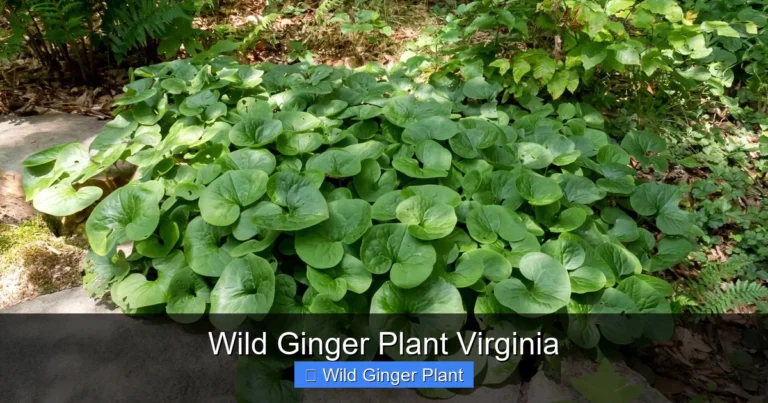
The glossy foliage adds texture to shade gardens and woodland borders. Pressed leaves retain their shine and make beautiful botanical art. Dried rhizomes can be strung into natural garlands for seasonal décor.
Conclusion
The wild ginger plant waxy leaves are more than a pretty face. Their waxy coating is a masterpiece of evolutionary engineering. It conserves water, repels pests, and manages light in the dim forest understory. By understanding these traits you can cultivate a thriving patch that requires little input and gives back in beauty, flavor, and tradition. Whether you are a seasoned gardener or a curious beginner, adding this native groundcover to your shade garden will reward you for years to come.
Frequently Asked Questions
What soil conditions do wild ginger plant waxy leaves prefer?
They thrive in rich, humus‑y, well‑drained soil with a slightly acidic pH between 5.5 and 6.5.
Do wild ginger plant waxy leaves need fertilizer?
A single application of balanced organic fertilizer in early spring is sufficient; they are low‑maintenance.
How do I prevent leaf spot on wild ginger plant waxy leaves?
Improve air circulation, avoid overhead watering, and remove infected leaves promptly.
Can wild ginger plant waxy leaves be grown in containers?
Yes, use a deep pot with a loose, organic mix and keep it in a shaded location.
Are wild ginger plant waxy leaves deer resistant?
The waxy texture and bitter compounds make them unpalatable to most deer.
What companion plants work well with wild ginger plant waxy leaves?
Ferns, hostas, and woodland phlox share similar shade and moisture needs.