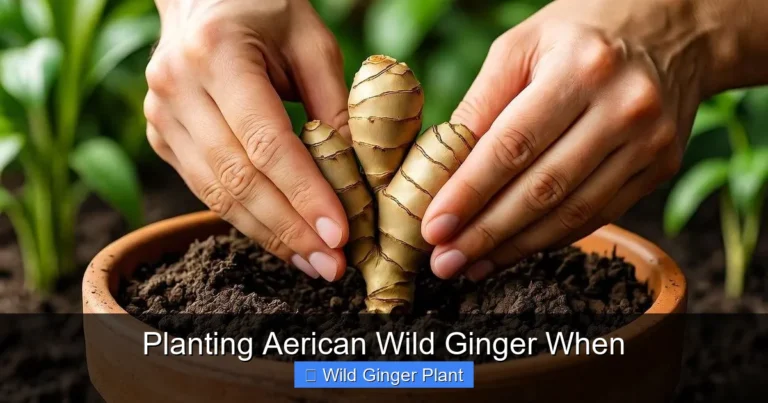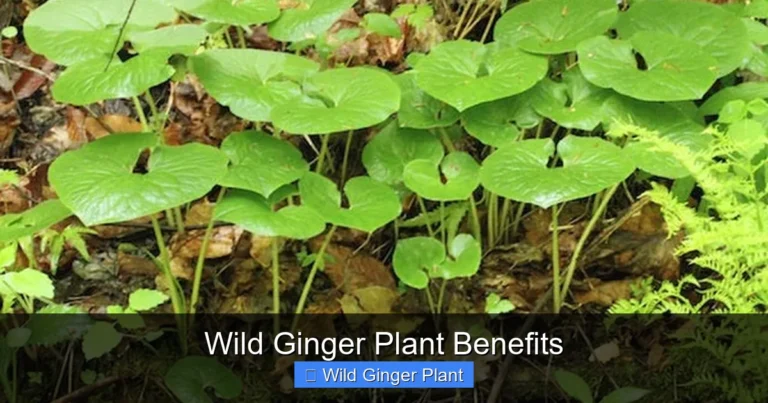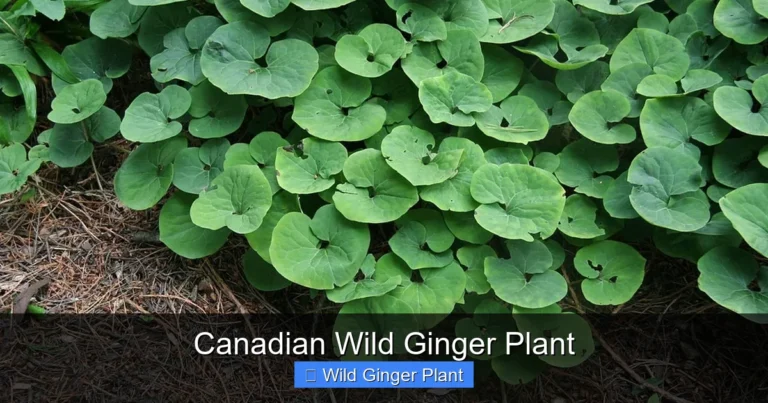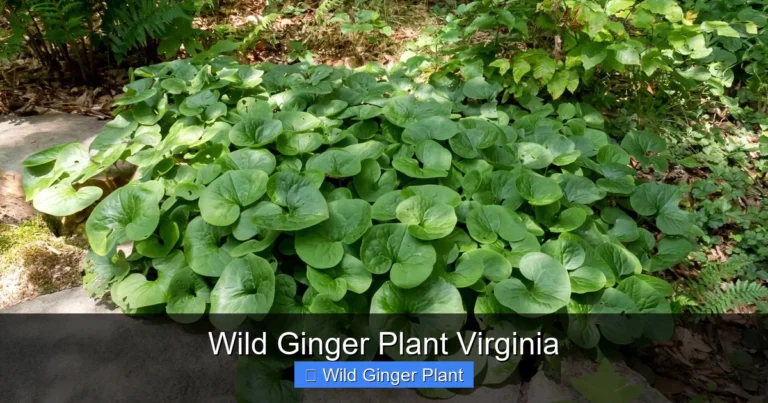
Wild Ginger Oregon Native Plant
Wild ginger Oregon native plant (Asarum caudatum) is a stunning evergreen groundcover native to Pacific Northwest forests. This low-maintenance perennial features heart-shaped leaves and unique bell-shaped flowers that bloom hidden beneath foliage. Perfect for shade gardens, it spreads slowly to form beautiful carpets while supporting local ecosystems.
Walking through an Oregon forest in spring, you might miss one of the most fascinating plants growing right at your feet. The wild ginger Oregon native plant hugs the forest floor with glossy, heart-shaped leaves that catch dappled sunlight. Most hikers step right past it without a second glance. But this unassuming perennial holds secrets worth discovering.
I first encountered wild ginger Oregon native plant on a misty morning hike near the Columbia River Gorge. My guide knelt down, brushed aside leaf litter, and revealed a strange little flower tucked under the leaves. It looked like a tiny burgundy jug with three long tails. That moment sparked a fascination that led me to grow this remarkable plant in my own shade garden. Now I want to share everything I’ve learned about this Pacific Northwest treasure.
Key Takeaways
- Native identity: Wild ginger Oregon native plant (Asarum caudatum) is a true Pacific Northwest native, distinct from culinary ginger.
- Shade lover: This plant thrives in deep to partial shade, making it perfect for woodland gardens and north-facing beds.
- Evergreen beauty: Heart-shaped leaves provide year-round interest in mild climates, staying green through winter.
- Hidden flowers: Unique jug-shaped blooms appear in spring but hide beneath foliage, pollinated by beetles and flies.
- Slow spreader: Forms dense mats over time via rhizomes without becoming aggressive or invasive.
- Cultural significance: Indigenous peoples used the root for medicinal and ceremonial purposes for thousands of years.
- Conservation matters: Always source from ethical nurseries rather than wild collecting to protect natural populations.
Quick Answers to Common Questions
Is wild ginger Oregon native plant edible?
While historically used as a ginger substitute, modern research identifies aristolochic acid in the roots which can cause kidney damage and cancer. Culinary use is not recommended today.
How fast does wild ginger Oregon native plant spread?
Very slowly. A single plant may take 5-10 years to form a 1-2 foot colony. It spreads via rhizomes but is never aggressive or invasive.
Can wild ginger Oregon native plant grow in full sun?
No. This plant requires full to partial shade. Full sun causes leaf scorch and decline even with ample moisture.
When is the best time to plant wild ginger Oregon native plant?
Early spring or fall are ideal planting times. Cool, moist conditions help establish roots before summer heat or winter cold.
Does wild ginger Oregon native plant flower every year?
Yes, mature plants flower annually in early spring (March-May). Flowers are often hidden beneath leaves and leaf litter.
📑 Table of Contents
What Is Wild Ginger Oregon Native Plant?
Scientific Classification and Names
The wild ginger Oregon native plant goes by the scientific name Asarum caudatum. It belongs to the birthwort family, Aristolochiaceae. Common names include western wild ginger, long-tailed wild ginger, and British Columbia wild ginger. Despite the name, it shares no relation to culinary ginger (Zingiber officinale). The name comes from the ginger-like aroma released when roots are crushed.
Physical Characteristics
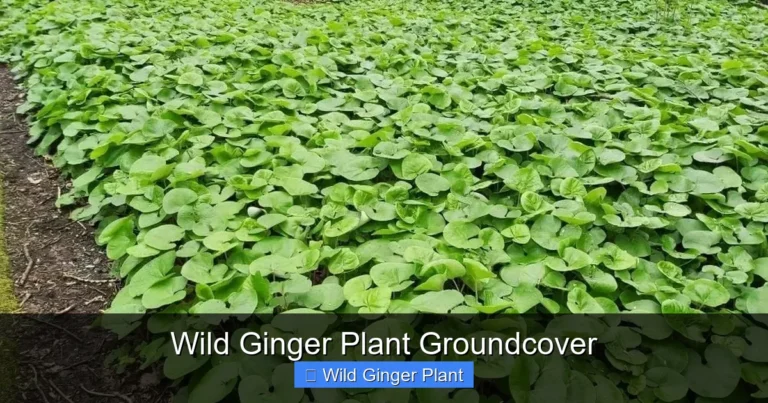
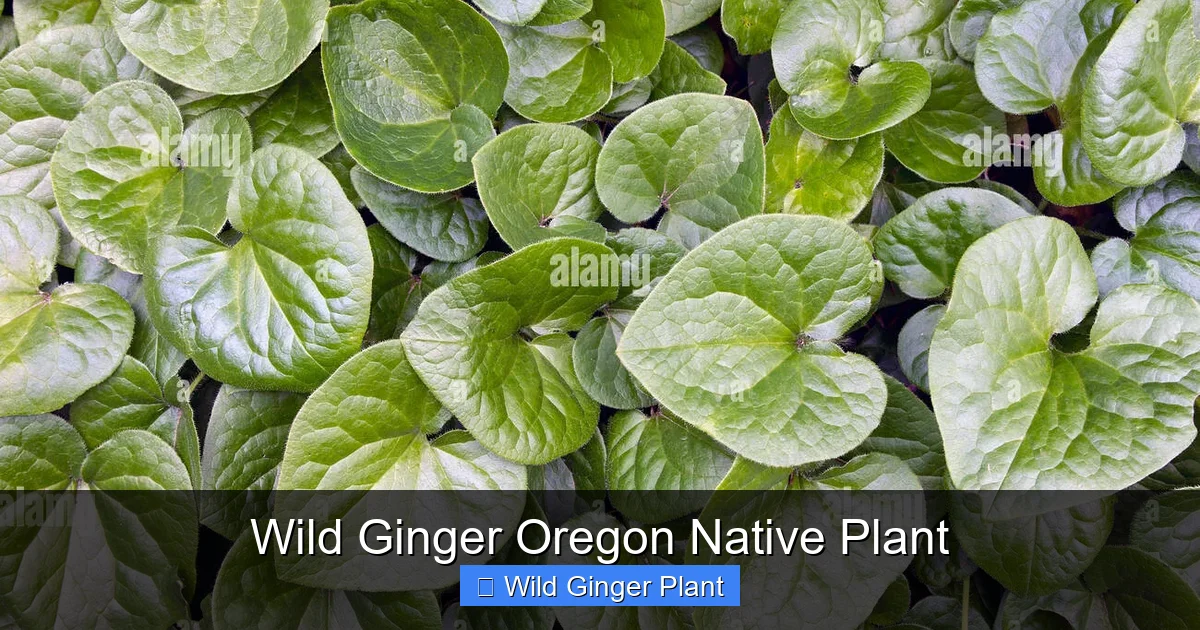
This evergreen perennial grows four to eight inches tall. Each plant produces two to three kidney-shaped or heart-shaped leaves per stem. Leaves measure three to six inches wide with a glossy, leathery texture. The upper surface shines deep green while the underside appears paler with fine hairs.
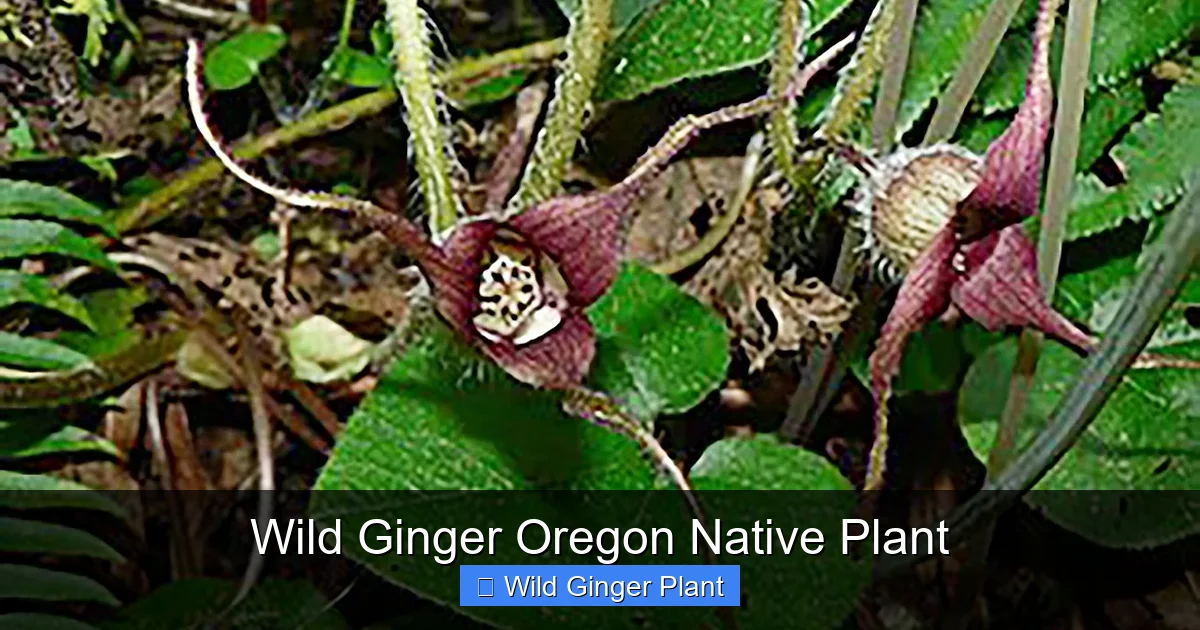
Flowers emerge in early spring, typically March through May. Each bloom sits on a short stalk at ground level, hidden beneath leaf litter. The flower lacks true petals. Instead, three sepals fuse into a cup shape with three distinctive long tails extending up to two inches. Colors range from brownish-purple to deep maroon. The interior often shows intricate white or yellow patterns.
Growth Habit and Spread
Wild ginger Oregon native plant spreads slowly via underground rhizomes. A single plant expands outward forming a colony over many years. Individual plants live for decades. The rhizomes grow just below the soil surface, sending up new leaf pairs at intervals. This creates a continuous groundcover that suppresses weeds naturally.
Where to Find Wild Ginger in Oregon
Natural Range and Habitat
The wild ginger Oregon native plant occurs naturally west of the Cascade crest. Its range extends from southwestern British Columbia through western Washington and Oregon into northwestern California. In Oregon, you’ll find it in the Coast Range, western Cascades, and Siskiyou Mountains. It grows from sea level to about 4,000 feet elevation.
Visual guide about Wild Ginger Oregon Native Plant
Image source: c8.alamy.com
Preferred Growing Conditions
This plant demands specific conditions to thrive. It needs deep, rich soil with abundant organic matter. Consistent moisture is essential but drainage must be good. The ideal spot receives dappled to deep shade year-round. You’ll often find it on north-facing slopes, along stream banks, and in moist ravines. It grows alongside sword fern, oxalis, trillium, and vanilla leaf.
Best Places to See It in the Wild
Several Oregon locations offer excellent wild ginger viewing. Try the old-growth forests of Opal Creek Wilderness. The Trail of Ten Falls in Silver Falls State Park has abundant patches. Columbia River Gorge trails like Eagle Creek and Wahkeena Trail showcase large colonies. In the Coast Range, check Drift Creek Wilderness and Cummins Creek Wilderness. Always stay on trails and never dig plants from wild populations.
Identifying Wild Ginger Oregon Native Plant
Key Identification Features
Learning to identify wild ginger Oregon native plant prevents confusion with look-alikes. Focus on these definitive traits. Leaves grow in pairs or threes from a single point on the rhizome. Leaf stems (petioles) are hairy and six to twelve inches long. The leaf blade feels thick and leathery, not papery. Crush a leaf stem gently – you’ll detect a distinct ginger-spice fragrance.
Distinguishing from Similar Species
Several plants resemble wild ginger Oregon native plant. Canadian wild ginger (Asarum canadense) grows in eastern North America and has shorter flower tails. European wild ginger (Asarum europaeum) appears in cultivation but isn’t native. Violet species have similar heart-shaped leaves but different flower structure and lack the ginger scent. Wild geranium leaves are more deeply lobed. When in doubt, the unique jug-shaped flower with long tails confirms identity.
Seasonal Appearance Changes
Wild ginger Oregon native plant maintains presence year-round. In spring, new leaves emerge folded like umbrellas before expanding. Flowers appear as leaves reach full size. Summer brings mature, glossy foliage. Fall may show some leaf yellowing at colony edges. Winter leaves persist but may lie flatter against the ground. In harsh winters at higher elevations, some leaves die back but rhizomes survive.
Growing Wild Ginger in Your Garden
Site Selection and Preparation
Choose a location mimicking natural habitat. Full to partial shade is mandatory – morning sun only if soil stays consistently moist. North or east sides of structures work well. Under deciduous trees provides perfect conditions: spring sun before leaf-out, then summer shade. Prepare soil by incorporating generous amounts of compost, leaf mold, or well-rotted manure. Aim for a rich, moisture-retentive but well-drained medium.
Planting Techniques
Plant wild ginger Oregon native plant in early spring or fall. Space plants twelve to eighteen inches apart for eventual groundcover. Dig holes twice the width of the root ball. Position so the rhizome sits just below soil surface. Water thoroughly after planting. Apply two to three inches of leaf mulch or shredded bark. Keep mulch away from crowns to prevent rot.
Watering and Maintenance
Consistent moisture is the single most important factor. Water deeply once or twice weekly during dry periods. Never let soil dry completely. Established plants tolerate brief drought but suffer aesthetically. Remove any fallen leaves that mat down and smother plants in winter. Divide colonies every five to ten years in early spring if they become too dense. Simply dig sections with healthy rhizomes and replant.
Companion Planting Ideas
Create a native woodland community around your wild ginger Oregon native plant. Excellent companions include western sword fern (Polystichum munitum), inside-out flower (Vancouveria hexandra), western trillium (Trillium ovatum), and Oregon oxalis (Oxalis oregana). Add taller elements like vine maple (Acer circinatum) or salal (Gaultheria shallon) for structure. Spring bulbs like fawn lily (Erythronium oregonum) bloom before ginger leaves expand fully.
Container Growing Tips
Wild ginger Oregon native plant adapts well to containers. Choose a wide, shallow pot at least twelve inches across. Use high-quality potting mix amended with compost and fine bark. Ensure excellent drainage. Place in full shade on a covered porch or north-facing balcony. Water frequently – containers dry faster than ground soil. Fertilize lightly with organic fertilizer in spring. Repot every three years.
Traditional Uses and Benefits
Indigenous Knowledge and Uses
Pacific Northwest tribes have utilized wild ginger Oregon native plant for millennia. The Quinault, Quileute, Hoh, and other coastal peoples harvested rhizomes in fall. They used fresh or dried root for digestive complaints, colds, and respiratory issues. Some tribes considered it a spiritual protector. The plant features in origin stories and ceremonial practices. This knowledge represents thousands of years of careful observation and stewardship.
Medicinal Properties and Cautions
Modern analysis reveals compounds including asarones, essential oils, and aristolochic acid. The latter raises serious safety concerns. Aristolochic acid can cause kidney damage and cancer with prolonged use. Traditional preparation methods likely reduced toxicity, but this knowledge is largely lost. Contemporary herbalists generally avoid internal use. External applications as poultices for wounds and joint pain appear safer but lack clinical validation.
Culinary Applications
Early settlers adopted wild ginger Oregon native plant as a culinary ginger substitute. Rhizomes were candied, made into syrup, or dried and ground. The flavor resembles ginger but with earthier, more resinous notes. However, given aristolochic acid concerns, culinary use is not recommended today. Enjoy the aromatic foliage in potpourri or sachets instead. The scent released when brushing past plants in the garden provides its own reward.
Ecological Benefits
Beyond human uses, wild ginger Oregon native plant serves vital ecological functions. Dense mats prevent soil erosion on slopes. Flowers provide early-season nectar for native beetles, flies, and gnats. These insects, often overlooked, are important pollinators. The plant hosts larvae of several moth species. Seeds feature elaiosomes – fatty attachments that attract ants for dispersal. This ant-plant mutualism benefits both species.
Conservation and Ethical Harvesting
Current Conservation Status
Wild ginger Oregon native plant is not currently listed as threatened or endangered. However, local populations face pressure from habitat loss, invasive species, and over-collection. Logging, development, and climate change reduce suitable habitat. English ivy and other invasives outcompete it in disturbed areas. Ethical gardeners play a crucial role in conservation through responsible sourcing and cultivation.
Why Not Wild Collect
Digging wild ginger Oregon native plant from natural areas causes lasting damage. Rhizomes break easily, leaving fragments that may not survive. Removal creates openings for invasive species. Wild populations have specific genetic adaptations to local conditions. Nursery-grown plants from regional seed sources perform better in gardens anyway. Many public lands prohibit collection without permits. Respect these protections.
Sourcing Ethically Grown Plants
Purchase wild ginger Oregon native plant from reputable native plant nurseries. Look for nurseries that propagate from seed or division of cultivated stock. Ask about seed source – ideally from your ecoregion. The Oregon Native Plant Society maintains nursery lists. Local chapter plant sales offer excellent options. Some botanical gardens sell propagated natives. Expect to pay more than for common ornamentals – you’re supporting conservation horticulture.
Creating Habitat Corridors
Your garden can connect fragmented wild populations. Plant wild ginger Oregon native plant alongside other natives to create stepping stones for pollinators and seed dispersers. Even small urban shade gardens contribute. Encourage neighbors to add native shade plants. Advocate for native plantings in parks and green spaces. Collective action builds resilience for this and countless other native species.
Common Problems and Solutions
Pest Issues
Wild ginger Oregon native plant resists most pests. Slugs and snails occasionally nibble young spring leaves. Apply organic slug bait or use copper barriers if damage is severe. Root weevil larvae may feed on rhizomes in container plants. Beneficial nematodes control them effectively. Deer rarely browse this plant due to aromatic compounds. Rabbits may sample but seldom cause serious harm.
Disease Concerns
Fungal issues arise primarily from poor air circulation or excessive moisture on foliage. Leaf spot diseases appear as brown lesions with yellow halos. Improve spacing and avoid overhead watering. Crown rot occurs in poorly drained soil. Ensure excellent drainage at planting. Powdery mildew is rare but possible in humid, stagnant conditions. Remove affected leaves promptly.
Environmental Stress
Sun scorch appears as bleached, crispy leaf edges when plants receive too much light. Relocate or provide additional shade. Drought stress shows as wilting, followed by leaf browning and drop. Increase watering and mulch deeply. Winter damage at high elevations or in harsh winters may kill exposed leaves. Plants typically recover from rhizomes in spring. Avoid late-season fertilization that promotes tender growth.
Growth Rate Expectations
Patience is essential with wild ginger Oregon native plant. First-year plants focus on root establishment. Visible spread may be minimal for two to three years. By year five, a single plant may cover one to two square feet. Full groundcover density takes a decade or more. This slow pace is why nursery plants cost more – growers invest years. The reward is a long-lived, low-maintenance plant that outlives most gardeners.
Conclusion
The wild ginger Oregon native plant represents everything wonderful about Pacific Northwest flora. It’s beautiful, ecologically valuable, culturally significant, and perfectly adapted to our region. Growing it connects us to ancient forests and indigenous wisdom. It teaches patience – this plant operates on forest time, not garden center time.
Whether you’re creating a woodland garden, restoring habitat, or simply appreciating native plants on a hike, take time to know this species. Brush aside the leaves to find those strange, wonderful flowers. Inhale the spicy scent of crushed stems. Notice the ants carrying seeds, the beetles visiting blooms, the way leaves catch rain. The wild ginger Oregon native plant offers endless small wonders to those who look closely.
Start with one plant from an ethical nursery. Give it the shade, moisture, and rich soil it craves. Then wait. Watch. Learn. In a decade, you’ll have a living carpet with its own ecosystem. You’ll be part of a story that stretches back thousands of years. That’s the real magic of growing natives – we don’t just plant them. They plant us more firmly in this place we call home.
Frequently Asked Questions
What is the difference between wild ginger Oregon native plant and culinary ginger?
They are completely unrelated plants. Culinary ginger (Zingiber officinale) is a tropical Asian plant in the Zingiberaceae family. Wild ginger Oregon native plant (Asarum caudatum) is a temperate North American perennial in the Aristolochiaceae family. They share only a similar root aroma.
How do I propagate wild ginger Oregon native plant?
Division is the easiest method. In early spring, dig a mature clump and separate rhizome sections with at least one growing point. Replant immediately. Seed propagation is possible but slow – seeds require cold stratification and plants take years to mature.
Will wild ginger Oregon native plant choke out other plants?
No. It forms a dense but polite groundcover that coexists well with other shade perennials. It lacks aggressive runners and respects neighboring plant boundaries. Taller companions like ferns and shrubs grow through it easily.
Is wild ginger Oregon native plant deer resistant?
Yes, highly deer resistant. The aromatic compounds in leaves and stems deter browsing. Deer may sample it in extreme hunger but rarely cause significant damage.
Can I grow wild ginger Oregon native plant indoors?
It’s challenging but possible in a terrarium or very humid environment with low light. Most homes are too dry and bright. It performs far better outdoors in a shaded garden bed or container on a north-facing porch.
Where can I buy wild ginger Oregon native plant ethically?
Purchase from native plant nurseries that propagate their own stock. The Oregon Native Plant Society website lists reputable sources. Local chapter plant sales, botanical garden sales, and specialty native nurseries are good options. Never buy from sellers who wild-collect.