Wild Ginger on Hillside Plant Top or Middle
Wild ginger on hillside plant top or middle thrives in shady, moist spots and adds a lovely ground cover to slopes. Plant it near the middle of the hill for best spread and enjoy its heart‑shaped leaves all season.
Key Takeaways
- Ideal Position: Plant wild ginger on hillside plant top or middle near the middle of the slope for best coverage.
- Soil Preference: It likes rich, loamy soil that holds moisture but drains well.
- Water Needs: Keep the soil consistently damp, especially during the first growing season.
- Erosion Control: The dense mat of leaves helps hold soil on steep banks.
- Low Maintenance: Once established, wild ginger on hillside plant top or middle needs little care.
- Division Timing: Divide clumps in early spring or fall for new plants.
Quick Answers to Common Questions
Where does wild ginger on hillside plant top or middle grow best?
It grows best in the middle of a shady, moist slope where soil is rich and well‑drained.
How often should I water wild ginger on hillside plant top or middle?
Water deeply once a week during dry periods; keep the soil consistently damp.
Can wild ginger on hillside plant top or middle tolerate full sun?
No, it prefers full to partial shade and will scorch in direct afternoon sun.
When is the best time to divide wild ginger on hillside plant top or middle?
Divide in early spring or fall when the plant is dormant for the least stress.
Does wild ginger on hillside plant top or middle attract pests?
It is rarely bothered; slugs may appear in wet weather but are easy to control.
📑 Table of Contents
Why Choose Wild Ginger on Hillside Plant Top or Middle
Benefits for Slopes
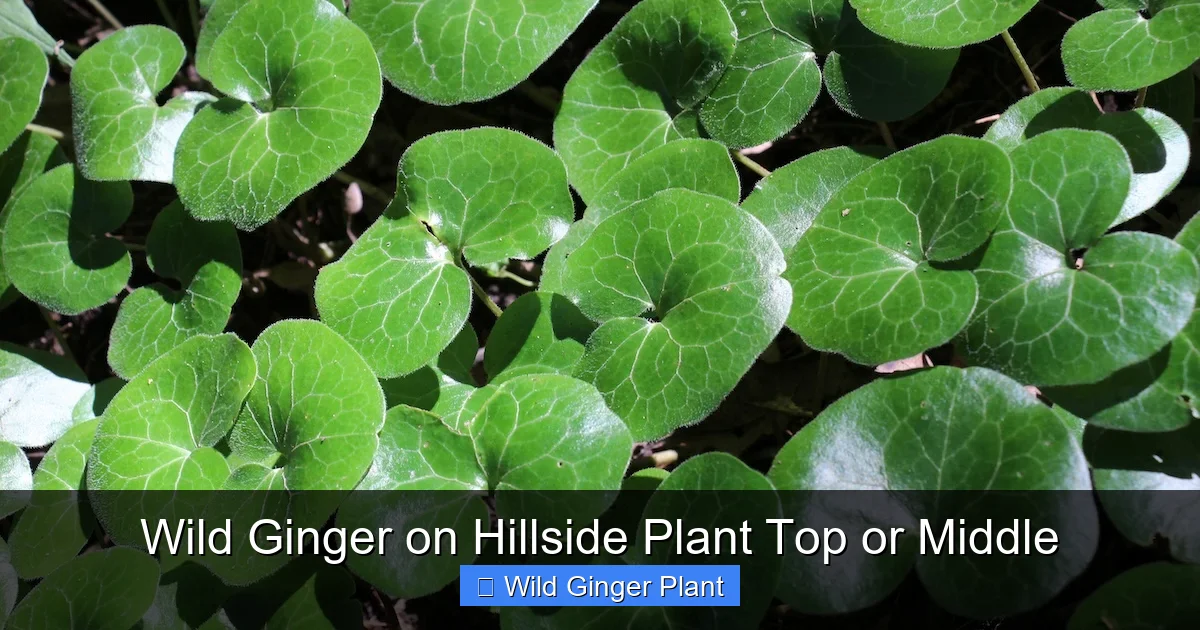
Wild ginger on hillside plant top or middle thrives on steep ground. It tolerates deep shade under trees. The plant forms a thick carpet that covers bare soil. This carpet reduces the force of raindrops. It also slows surface water flow. The result is less soil loss on the slope. Gardeners love the natural look it gives. It blends well with ferns and mosses.
The dense foliage of wild ginger on hillside plant top or middle also shades the soil surface. This keeps the ground cooler in summer. Cooler soil reduces evaporation. It also discourages weed seeds from germinating. The plant’s low height means it does not compete with taller natives. You can pair it with ferns for a layered look. Over time the slope becomes a stable, green carpet. Maintenance stays minimal once established.
Erosion Control
The rhizomes of wild ginger on hillside plant top or middle bind soil particles. They create a network that holds the hill together. When rain falls, the leaves intercept drops. This reduces splash erosion. The roots also absorb excess water. That lowers the risk of landslides. Many restoration projects use this plant for that reason. It is a living barrier against erosion.
When wild ginger on hillside plant top or middle forms a continuous mat, rainwater spreads evenly. The water infiltrates rather than running off in sheets. This reduces gully formation on steep banks. The rhizome network also anchors loose stones. In heavy storms the slope holds together better. Many land managers plant it after construction to stabilize cuts. It is a natural, low‑cost erosion solution. The benefits increase each year as the clump expands.
Shade Tolerance
Wild ginger on hillside plant top or middle grows well in full shade. It does not need direct sun to thrive. The leaves stay green even under dense canopy. This makes it perfect for north‑facing slopes. It also works under large trees where grass fails. The plant prefers cool, moist conditions. You will see healthy growth in low light. It is a true shade specialist.
Because wild ginger on hillside plant top or middle evolved under forest canopies, it photosynthesizes efficiently in low light. Its broad leaves capture filtered sun. The plant stores energy in rhizomes for spring growth. Even in deep shade it produces a few delicate flowers. These flowers are hidden but add charm. You can plant it under evergreen trees where grass fails. It will thrive where few other ground covers survive. This makes it a valuable shade garden asset.
Best Planting Position: Top, Middle, or Bottom
Top of the Hill
Planting wild ginger on hillside plant top or middle at the very top can be tricky. The soil there is often thin and dry. Wind can dry the surface quickly. However, if you amend the soil with compost, it can work. The plant will spread downhill over time. You may need extra watering in the first year. Mulch helps retain moisture at the top. Consider this spot only with good preparation.
If you decide to plant wild ginger on hillside plant top or middle at the summit, add a windbreak. A row of shrubs or a fence reduces drying gusts. Incorporate a thick layer of organic mulch to hold moisture. Consider installing a drip irrigation line for consistent water. The extra effort pays off as the colony spreads downhill. Within two seasons you will see a green ribbon moving down the slope. Patience and preparation make the top viable.
Middle of the Hill
The middle of the hill is often the sweet spot for wild ginger on hillside plant top or middle. Soil depth is usually better there. Moisture runs down from above and collects. The plant gets consistent dampness without standing water. It can spread both up and down the slope. This gives a full, even carpet over time. Most gardeners report the best coverage from the middle. It is the recommended planting zone.
The middle zone also benefits from natural nutrient flow. Decomposing leaf litter from above enriches the soil. Wild ginger on hillside plant top or middle taps into this steady supply. You can enhance it by adding a thin compost top‑dress each spring. The plant’s rhizomes will follow the moisture gradient. This creates a self‑sustaining colony that expands both ways. Gardeners often report the fastest fill‑in from this position. It is the most reliable spot for success.
Bottom of the Hill
At the bottom, wild ginger on hillside plant top or middle may face wet feet. Water can pool after heavy rain. The plant likes moisture but not standing water. If drainage is poor, roots may rot. You can improve drainage with raised beds or grit. The bottom can still work if you manage water. It also catches runoff, helping the plant stay moist. Choose this spot only with good drainage.
To make the bottom work for wild ginger on hillside plant top or middle, build a slight berm. The berm directs excess water away from the crown. Mix coarse sand into the planting hole to improve drainage. Monitor the area after heavy rain for standing water. If water pools, add more grit or raise the planting bed. With these steps the bottom can host a healthy patch. It also acts as a filter for runoff before it leaves the property.
Soil and Moisture Needs
Soil Type
Wild ginger on hillside plant top or middle prefers rich, loamy soil. It likes a high organic matter content. Add compost or leaf mold before planting. The soil should be loose enough for rhizomes to spread. Heavy clay can be improved with sand and compost. A slightly acidic pH around 5.5 to 6.5 is ideal. Test your soil if you are unsure. Good soil sets the stage for strong growth.
A soil test will tell you the exact pH and nutrient levels for wild ginger on hillside plant top or middle. If the pH is too high, add elemental sulfur to lower it. If the soil is sandy, blend in well‑rotted compost to increase water holding. A balanced loam gives the best rhizome expansion. Avoid heavy compaction by limiting foot traffic on the planting area. Loose soil lets the underground stems travel freely. This leads to a thicker, more uniform carpet.
Moisture Levels
Consistent moisture is key for wild ginger on hillside plant top or middle. The soil should feel damp a few inches down. Water deeply once a week during dry spells. Avoid letting the soil dry out completely. Mulch with shredded leaves to keep moisture steady. In very hot summers, check daily. The plant will wilt if it gets too dry. Regular watering ensures a lush carpet.
During the first growing season, wild ginger on hillside plant top or middle needs daily checks. Stick your finger two inches into the soil; it should feel damp. If it feels dry, water deeply until the moisture reaches the root zone. A soaker hose works well on slopes. Mulch reduces the frequency of watering. Once established, the plant tolerates short dry periods. Consistent moisture early on sets the foundation for drought resilience later.
Improving Drainage
Even though wild ginger on hillside plant top or middle loves moisture, it hates soggy roots. If your hill has heavy clay, improve drainage. Mix coarse sand or fine gravel into the planting hole. Create a slight mound to let excess water run off. You can also install a French drain at the base. Good drainage prevents root rot and fungal issues. The plant will thank you with vigorous growth.
If you notice yellowing leaves on wild ginger on hillside plant top or middle, poor drainage may be the cause. Dig a small trench beside the planting row and fill it with gravel. This French drain carries excess water away. You can also plant on a slight mound to elevate the crown. Avoid low spots where water collects after rain. Good drainage keeps roots oxygenated and disease free. The plant will reward you with vigorous, green growth.
Step‑by‑Step Planting Guide
Prepare the Site
Start by clearing weeds and debris from the planting area. Loosen the top six inches of soil with a fork. Add a two‑inch layer of compost and mix it in. Rake the surface smooth for even planting. Mark the spacing at twelve inches apart. This gives each wild ginger on hillside plant top or middle room to spread. Water the prepared bed lightly before planting. A moist bed helps the rhizomes settle quickly.
Before you plant wild ginger on hillside plant top or middle, remove any invasive weeds by hand. Weeds compete for moisture and nutrients. A clean bed reduces future maintenance. Lay down a landscape fabric if weeds are persistent, but cut holes for each rhizome. This barrier stops weed seeds while letting water through. After fabric, add your compost layer and rake smooth. The extra step saves time later. A well‑prepared site is the key to a thriving colony.
Plant the Rhizomes
Lay each rhizome horizontally just below the soil surface. Cover with about one inch of soil. Firm gently to remove air pockets. Space the pieces as marked earlier. Water thoroughly after planting. The wild ginger on hillside plant top or middle will send up shoots in a few weeks. Keep the soil evenly moist during this period. Avoid stepping on the new planting area. Patience yields a dense mat.
When placing wild ginger on hillside plant top or middle rhizomes, orient the growth buds upward. The buds are small, pointed nodes on the rhizome. Cover them with just enough soil to hide them. Firm the soil gently to eliminate air pockets. Space each piece twelve inches apart for even spread. Water the bed until the soil is uniformly moist. Mark the rows with small stakes so you can track progress. Proper planting depth ensures quick emergence.
Water and Mulch
Apply a two‑inch layer of shredded leaf mulch around the plants. Mulch conserves moisture and suppresses weeds. Water the mulch layer until it is damp. Check the soil moisture every few days. Add water if the top inch feels dry. The wild ginger on hillside plant top or middle will establish faster with consistent care. In the first season, water weekly unless rain provides enough. Mulch also protects rhizomes in winter.
After the initial watering, apply a two‑inch mulch layer around wild ginger on hillside plant top or middle. Shredded leaves, straw, or pine needles work well. Mulch keeps the soil temperature stable. It also reduces evaporation on sunny days. Check the mulch depth monthly and replenish as it breaks down. In winter, a thicker mulch protects rhizomes from freeze damage. Consistent mulching is a simple habit that pays big dividends.
Care Tips for Long‑Term Success
Seasonal Maintenance
In spring, remove any dead leaves from the previous year. Apply a thin layer of fresh compost around the clumps. This feeds the wild ginger on hillside plant top or middle for new growth. In summer, keep the soil moist during dry spells. In fall, cut back any flower stalks if you prefer a tidy look. Winter care is minimal; the plant is hardy in most zones. A light mulch layer protects roots from freeze‑thaw cycles.
In early spring, rake away any dead foliage from wild ginger on hillside plant top or middle. This opens the crown to light and air. Apply a thin side‑dressing of compost around each clump. The nutrients boost new leaf production. During summer, watch for signs of drought stress like curled leaves. Water deeply if the top inch of soil feels dry. In autumn, cut back any flower stems to tidy the patch. A light mulch before frost insulates the roots.
Pest and Disease Watch
Wild ginger on hillside plant top or middle is rarely bothered by pests. Slugs may nibble young leaves in wet weather. Hand‑pick slugs or use beer traps. Fungal leaf spots can appear in overly wet conditions. Improve air flow by thinning dense clumps. Remove affected leaves promptly. Good sanitation keeps problems low. The plant’s natural resilience makes it a low‑worry choice.
Although wild ginger on hillside plant top or middle is tough, keep an eye out for slugs in wet springs. Slugs leave irregular holes in the leaves. Hand‑pick them at night or set up copper tape barriers. Fungal spots appear as brown patches with yellow halos. Remove infected leaves and improve air flow by thinning crowded areas. Avoid overhead watering to keep foliage dry. Good hygiene prevents most problems before they start.
Dividing Clumps
Every three to four years, divide the clumps to renew vigor. Dig up the rhizomes in early spring or fall. Separate healthy sections with a sharp knife. Replant each piece at the same depth. Water well and mulch after division. The wild ginger on hillside plant top or middle will quickly fill in gaps. Division also gives you new plants for other slopes. Share extras with friends or expand your own garden.
Divide wild ginger on hillside plant top or middle every three years to maintain vigor. The best time is early spring before new growth starts. Lift the clump with a garden fork, keeping soil on the roots. Separate into sections each with at least two buds. Replant immediately at the same depth. Water well and mulch the new divisions. Within a season the divisions will knit together. This practice also gives you free plants for other slopes.
Conclusion
Wild ginger on hillside plant top or middle is a versatile, beautiful ground cover for shady slopes. It controls erosion, thrives in low light, and asks for little maintenance. By choosing the middle of the hill, preparing rich soil, and keeping moisture steady, you will enjoy a lush carpet for years. Follow the planting steps and care tips in this guide. Your hillside will become a green, stable haven. Happy planting!
Frequently Asked Questions
What soil type does wild ginger on hillside plant top or middle prefer?
It prefers rich, loamy soil with high organic matter and a slightly acidic pH between 5.5 and 6.5. Good drainage is essential to prevent root rot.
How does wild ginger on hillside plant top or middle help with erosion?
The dense mat of leaves and rhizome network holds soil in place, reduces raindrop impact, and slows surface runoff on steep slopes.
Is wild ginger on hillside plant top or middle deer resistant?
Yes, deer typically avoid this plant because of its aromatic foliage, making it a good choice for areas with browsing pressure.
Can I grow wild ginger on hillside plant top or middle in containers?
It can be grown in large, shaded containers with consistent moisture, but it performs best when allowed to spread naturally on a slope.
What companion plants work well with wild ginger on hillside plant top or middle?
Ferns, hostas, and native woodland wildflowers complement its texture and share similar shade and moisture requirements.
How long does it take for wild ginger on hillside plant top or middle to form a full carpet?
Under ideal conditions, a noticeable carpet appears within two to three growing seasons, with full coverage often reached by year four.