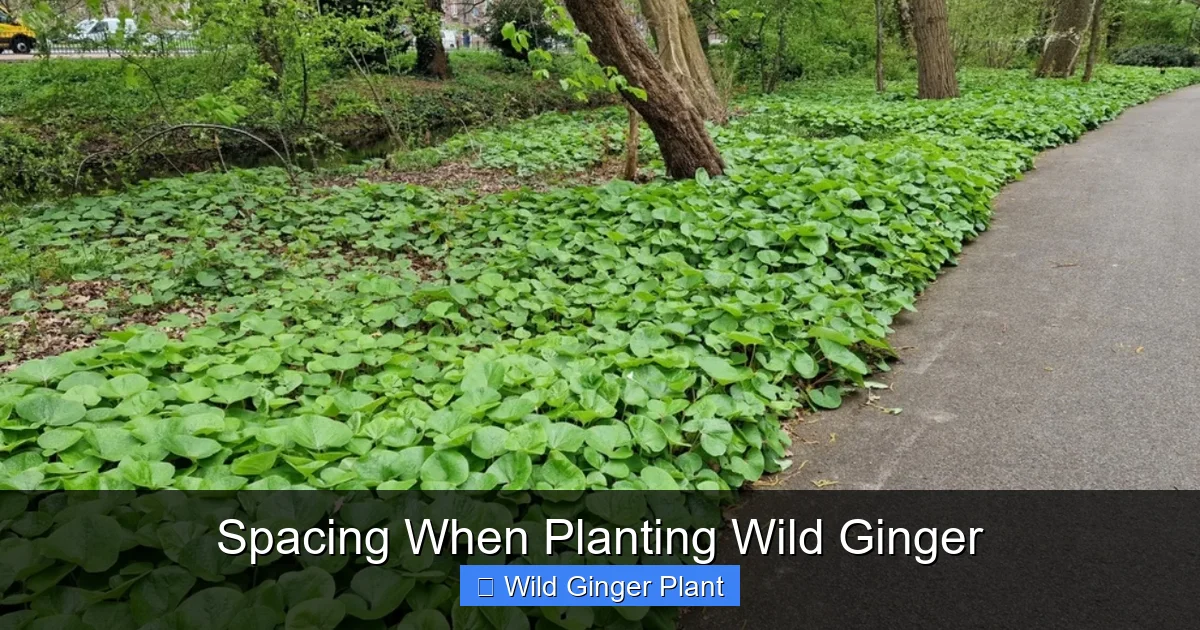
Spacing When Planting Wild Ginger
Proper spacing when planting wild ginger gives each rhizome room to spread and absorb nutrients. Aim for 12 to 18 inches between plants for a dense, healthy carpet. Adjust the distance based on soil richness and how quickly you want full coverage.
Wild ginger loves shade and moist soil. It spreads by rhizomes that creep underground. spacing when planting wild ginger controls how fast the mat forms. Good spacing when planting wild ginger gives each rhizome room to grow. You should measure the distance before you dig. A spacing of twelve to eighteen inches works well. Rich soil lets you plant a little closer. Poor soil needs a wider gap. Mulch helps keep the ground damp. Watch the plants as they fill in.
You will see a lush green carpet in a few seasons. Proper spacing when planting wild ginger also reduces disease. Crowded plants trap moisture and invite fungus. Keep the distance right for health. Water gently after planting to settle the soil. Check the spacing again after the first growth spurt. Adjust if any rhizomes are too tight. This early care sets the stage for a strong stand.
Key Takeaways
- Ideal distance: Space rhizomes 12 to 18 inches apart for best growth.
- Soil fertility matters: Rich soil lets you plant a bit closer.
- Closer spacing speeds cover: But it raises disease risk.
- Wider spacing cuts competition: Plants get more water and nutrients.
- Planting depth pairs with spacing: Set rhizomes just below the surface.
- Mulch helps: It keeps moisture even at your chosen spacing.
Quick Answers to Common Questions
What is the best spacing when planting wild ginger?
Space rhizomes 12 to 18 inches apart for optimal growth.
Can I plant wild ginger closer in rich soil?
Yes, rich moist soil allows spacing near 12 inches.
Does spacing affect disease risk?
Wider spacing improves air flow and lowers fungal problems.
How deep should I plant the rhizomes?
Plant about one inch deep with buds facing up.
When should I mulch after planting?
Apply mulch immediately after watering the new plants.
📑 Table of Contents
Understanding Wild Ginger Growth Habits
Wild ginger is a low growing perennial that thrives in dappled light. Its heart shaped leaves hug the ground. The plant spreads by thick rhizomes that run just below the surface. spacing when planting wild ginger determines how quickly those rhizomes meet. When rhizomes meet they share resources and create a continuous mat. Good spacing when planting wild ginger lets each piece develop a strong root system. A strong root system means better drought tolerance. Observe the natural colonies in woods for clues. They often show a spacing of about a foot apart.
Shade Preference
Wild ginger prefers deep shade but tolerates filtered sun. Too much sun scorches the leaves. In full shade the rhizomes grow slower. spacing when planting wild ginger in deep shade can be a bit tighter because growth is slower. In brighter spots give a little more room. This balance helps the plants stay healthy. Mulch mimics forest floor conditions and keeps roots cool.
Rhizome Spread
The rhizomes extend horizontally and send up new shoots. Each segment can become a new plant. spacing when planting wild ginger influences how many segments you start with. Planting too close forces segments to compete early. Planting too far apart leaves bare gaps for weeds. A spacing of twelve to eighteen inches gives a good start. Over time the rhizomes will knit together into a solid carpet.
Seasonal Growth Cycle
In early spring the buds swell and new shoots emerge. spacing when planting wild ginger at the right distance lets each shoot capture light. Summer brings steady rhizome expansion underground. Fall the foliage dies back but the rhizomes store energy. Winter dormancy protects the crowns under mulch. Understanding this cycle helps you time planting and division.
Why Spacing Matters
Spacing affects air flow, light penetration, and moisture distribution. Good spacing when planting wild ginger improves air flow around each leaf. Better air flow reduces fungal diseases like leaf spot. It also lets light reach lower leaves for photosynthesis. Proper spacing when planting wild ginger ensures each rhizome gets enough water. Crowded plants steal water from each other. This leads to stress and poor growth. A well spaced bed looks tidy and is easier to maintain.
Air Flow and Disease
Fungal spores thrive in stagnant humid air. When leaves touch, moisture lingers. spacing when planting wild ginger creates gaps for breezes. Those breezes dry the foliage quickly. Dry foliage means fewer infections. Gardeners who ignore spacing often see brown spots. A simple ruler check at planting prevents this problem.
Water and Nutrient Access
Each rhizome needs a zone of soil to draw nutrients. spacing when planting wild ginger defines that zone. If zones overlap, the stronger plant wins. The weaker plant stays stunted. Even spacing gives every plant a fair share. Fertilizer applied to a well spaced bed reaches all roots. In a crowded bed fertilizer may be wasted on the dominant plants.
Long Term Health
Plants spaced correctly develop deeper roots and thicker rhizomes. spacing when planting wild ginger with adequate room reduces the need for frequent division. Over the years the colony remains vigorous and resistant to pests. A crowded colony often declines after a few seasons. Regular monitoring of spacing preserves long term vitality.
Ideal Spacing Guidelines
Most experts recommend twelve to eighteen inches between rhizomes. spacing when planting wild ginger at twelve inches yields a fast cover. At eighteen inches the cover takes longer but plants are healthier. Choose the distance based on your goal. For a quick ground cover use the tighter end. For a low maintenance garden use the wider end. Measure with a tape or a marked stick. Consistency across the bed gives an even look.
Twelve Inch Spacing
Twelve inch spacing works well in rich, moist soil. The rhizomes quickly meet and form a dense mat. spacing when planting wild ginger at this distance gives a lush carpet in two years. Watch for signs of crowding as the mat thickens. Thin out any excess shoots if needed. This keeps air moving and disease low.
Eighteen Inch Spacing
Eighteen inch spacing suits poorer soils or drier sites. The plants have more room to search for water. spacing when planting wild ginger at this distance reduces competition. The cover may take three to four years to close. Patience pays off with stronger individual plants. Mulch heavily to conserve moisture during establishment.
Measuring Tools
A simple garden tape marked every twelve inches makes spacing easy. Lay the tape along the planting row and place a rhizome at each mark. spacing when planting wild ginger using a tape eliminates guesswork. For wider spacing use an eighteen inch tape or a marked stick. Keep the tape taut for straight lines. Consistent measuring yields a uniform stand.
Adjusting Spacing for Different Conditions
Soil type, moisture, and climate all influence the best distance. spacing when planting wild ginger in sandy soil should be wider because water drains fast. In clay soil you can plant a bit closer because moisture stays longer. In hot climates give extra space to reduce heat stress. In cool, wet regions a tighter spacing works fine. Always test your soil before you decide.
Sandy Soil
Sandy soil dries quickly and holds few nutrients. spacing when planting wild ginger at eighteen inches helps each plant find water. Add organic matter to improve retention. A thick mulch layer also slows evaporation. Monitor the bed during dry spells and water deeply.
Clay Soil
Clay holds water and nutrients well. spacing when planting wild ginger at twelve inches is often safe. Ensure good drainage to avoid rot. Raised beds or mounded rows improve aeration. The rhizomes will spread steadily in the rich medium.
Microclimate Effects
Small changes in shade, wind, or slope create microclimates. spacing when planting wild ginger should reflect these spots. A sunny ridge may need wider gaps than a shaded hollow. Observe the site throughout the day before planting. Adjust the grid locally for the best results.
Planting Steps and Spacing Tips
Follow a simple routine for consistent results. First, clear the area of weeds and debris. Loosen the top six inches of soil. spacing when planting wild ginger begins with a measured grid. Use a string line or a marked board to keep rows straight. Place each rhizome horizontally with the buds facing up. Cover lightly with soil and press gently. Water thoroughly after planting.
Marking the Grid
A garden tape marked every twelve inches makes spacing easy. Lay the tape along the planting row. Place a rhizome at each mark. spacing when planting wild ginger using a tape eliminates guesswork. For wider spacing use an eighteen inch tape. Keep the tape taut for straight lines.
Depth and Orientation
Plant rhizomes just below the surface, about one inch deep. The growing buds should point upward. spacing when planting wild ginger at the right depth prevents drying out. Too deep and shoots struggle to emerge. Too shallow and rhizomes may desiccate. Firm the soil around each piece to remove air pockets.
Aftercare Basics
Water the new planting daily for the first week. spacing when planting wild ginger with consistent moisture encourages quick root growth. Apply a two inch mulch layer to lock in moisture. Check for any displaced rhizomes after heavy rain. Re‑firm soil if needed. Light feeding with compost in early spring supports vigorous spread.
Common Mistakes and How to Avoid Them
Many gardeners plant too close because they want instant cover. spacing when planting wild ginger too tight leads to disease and weak plants. Another mistake is ignoring soil preparation. Poor soil forces you to widen spacing later. Forgetting to mulch exposes rhizomes to temperature swings. Skipping the first watering leaves roots dry. Avoid these errors by planning ahead and following the guidelines.
Overcrowding
Overcrowding creates a humid canopy that favors fungus. spacing when planting wild ginger with a ruler prevents this. If you notice crowding later, thin the excess shoots. Use clean scissors to cut unwanted stems at ground level. This restores air flow and light penetration.
Neglecting Mulch
Mulch conserves moisture and suppresses weeds. spacing when planting wild ginger works best with a two inch mulch layer. Organic mulch like shredded leaves breaks down and feeds the soil. Reapply mulch each spring to maintain depth. A mulched bed stays cooler in summer and warmer in winter.
Monitoring and Adjusting
Walk the bed each season and measure the gaps. spacing when planting wild ginger may shift as rhizomes expand. If gaps become too wide, add a division from a healthy clump. If gaps shrink, thin the center to improve air flow. Ongoing attention keeps the colony balanced and beautiful.
Conclusion
Proper spacing when planting wild ginger is the foundation of a thriving shade garden. Measure carefully, respect the soil, and mulch generously. With the right distance your wild ginger will form a beautiful, low maintenance carpet. Enjoy the subtle flowers and the rich green texture for years to come.
Frequently Asked Questions
What spacing when planting wild ginger works for sandy soil?
Use an eighteen inch spacing in sandy soil to give each plant room to find water.
Can I change spacing after the plants are established?
You can thin crowded areas or add divisions, but major changes are best done at planting.
Does wild ginger need full shade?
It prefers deep shade but tolerates dappled light; spacing may be tighter in full shade.
How often should I water newly planted wild ginger?
Water daily for the first week, then keep the soil consistently moist.
What mulch is best for wild ginger?
Shredded leaves or bark mulch two inches deep works well.
When is the best time to divide wild ginger?
Early spring before new growth starts is ideal for division.