European Wild Ginger Plant for Sale
European wild ginger (Asarum europaeum) is a low-maintenance, shade-loving perennial prized for its glossy heart-shaped leaves and unique hidden flowers. This guide covers everything you need to know before buying, planting, and caring for this beautiful ground cover in your woodland garden.
Key Takeaways
- Shade specialist: European wild ginger thrives in deep to partial shade where other plants struggle to grow.
- Evergreen foliage: The glossy, kidney-shaped leaves provide year-round interest in mild climates.
- Slow but steady spread: This plant forms dense mats over time through rhizomes, making it an excellent long-term ground cover.
- Deer resistant: The aromatic foliage naturally deters deer and rabbit browsing.
- Unique flowers: Small, bell-shaped purple-brown flowers bloom at ground level in spring, often hidden beneath the leaves.
- Low maintenance: Once established, it requires minimal care beyond occasional watering during dry spells.
- Buy from reputable nurseries: Choose healthy, disease-free plants from specialists in native or woodland perennials.
Quick Answers to Common Questions
How fast does European wild ginger spread?
European wild ginger spreads slowly, typically expanding six to twelve inches per year via rhizomes. It forms a dense mat over several years rather than rapidly colonizing an area.
Can European wild ginger grow in full sun?
No, European wild ginger cannot tolerate full sun. It requires deep to partial shade. Direct afternoon sun will scorch the leaves and stress the plant, especially in warmer climates.
Is European wild ginger deer resistant?
Yes, European wild ginger is highly deer resistant. The aromatic foliage contains compounds that deter browsing by deer and rabbits, making it an excellent choice for gardens with wildlife pressure.
When is the best time to divide European wild ginger?
The best times to divide European wild ginger are early spring as new growth emerges or early fall, at least six weeks before the ground freezes. Spring division is preferred in colder zones (4-5).
Does European wild ginger stay green in winter?
In zones 6 and warmer, European wild ginger is typically evergreen. In zones 4-5, it is semi-evergreen; leaves may brown at the edges but often persist until spring. In zone 3, it may be fully deciduous.
📑 Table of Contents
- Why Gardeners Love European Wild Ginger
- Understanding the Plant Before You Buy
- Where to Find European Wild Ginger Plant for Sale
- Site Selection and Soil Preparation
- Planting and Establishment
- Ongoing Care and Maintenance
- Design Ideas and Companion Plants
- Common Questions About European Wild Ginger
- Troubleshooting Common Problems
- Buying Tips: Getting the Best Value
- Conclusion: A Quiet Investment in Garden Beauty
Why Gardeners Love European Wild Ginger
If you have a shady corner in your garden where grass refuses to grow and hostas look tired by August, let me introduce you to a quiet superstar. European wild ginger plant for sale listings have been popping up more frequently at specialty nurseries, and for good reason. This unassuming perennial has been a staple in European woodland gardens for centuries, yet it remains something of a secret weapon for American gardeners dealing with deep shade.
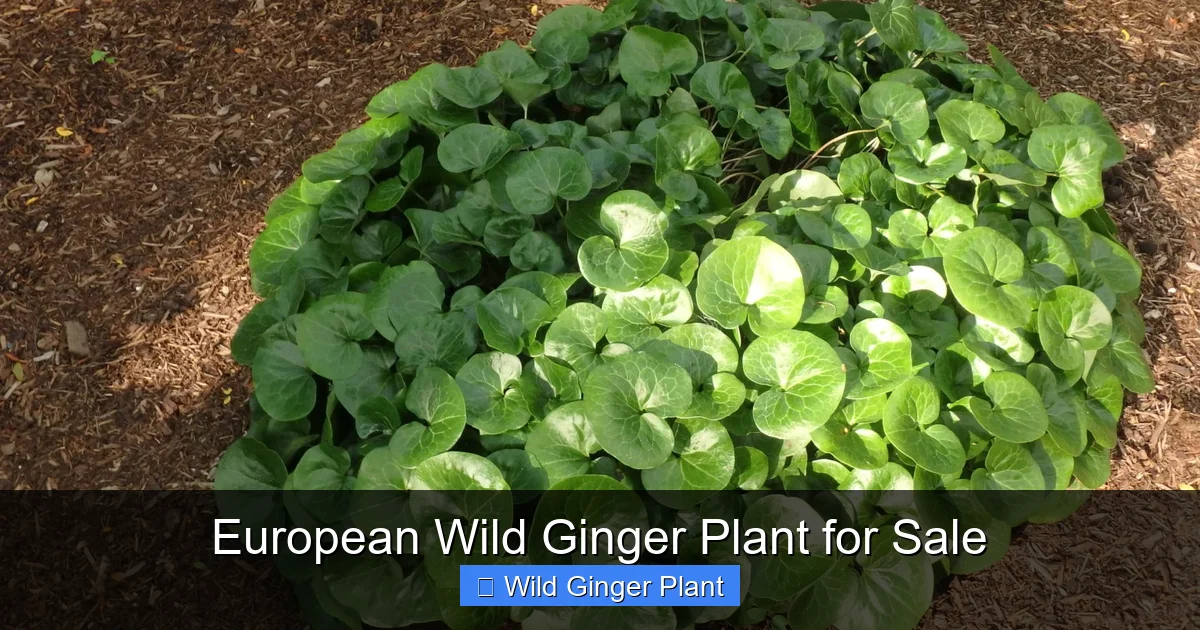
Unlike its flashier cousins, European wild ginger doesn’t demand attention with showy blooms or dramatic foliage changes. Instead, it offers something arguably more valuable: reliability. The leathery, deep green leaves stay handsome from early spring through winter in most zones. They form a living mulch that suppresses weeds, retains soil moisture, and creates a polished, intentional look in areas that often feel neglected. When you buy European wild ginger, you are investing in a plant that solves problems quietly and beautifully.
Understanding the Plant Before You Buy
Botanical Background and Native Range
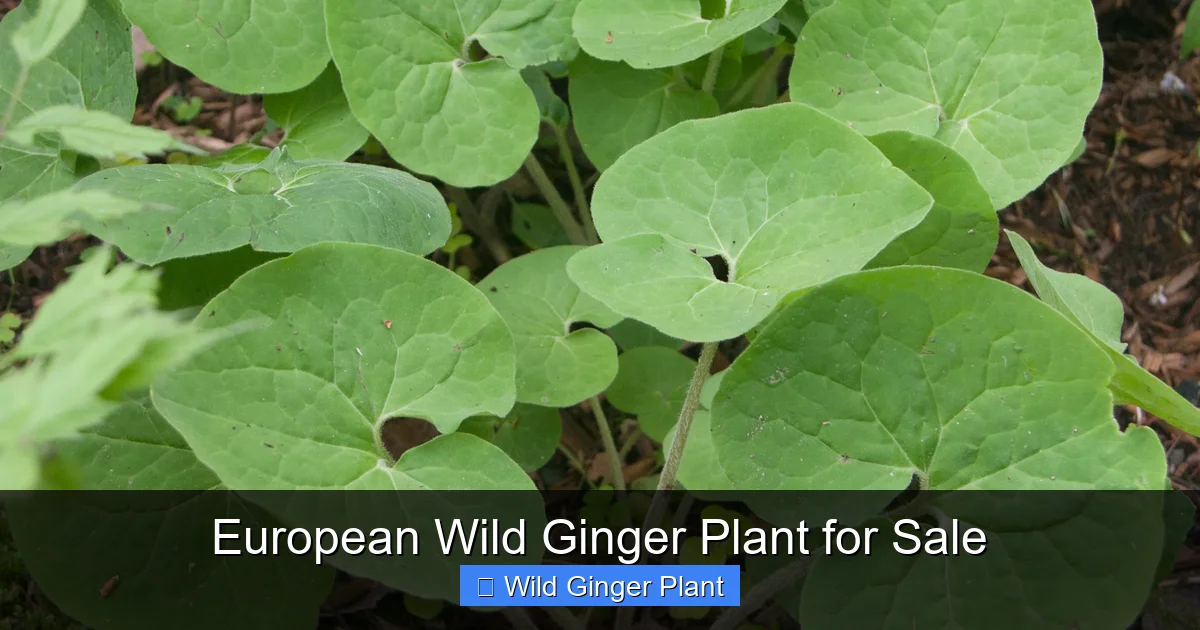
European wild ginger, known botanically as Asarum europaeum, belongs to the birthwort family, Aristolochiaceae. Despite the common name, it is not related to culinary ginger (Zingiber officinale). The name comes from the spicy, ginger-like fragrance released when the roots or leaves are crushed. This aromatic quality is exactly what makes the plant unpalatable to deer and rabbits, a huge plus for rural and suburban gardeners alike.
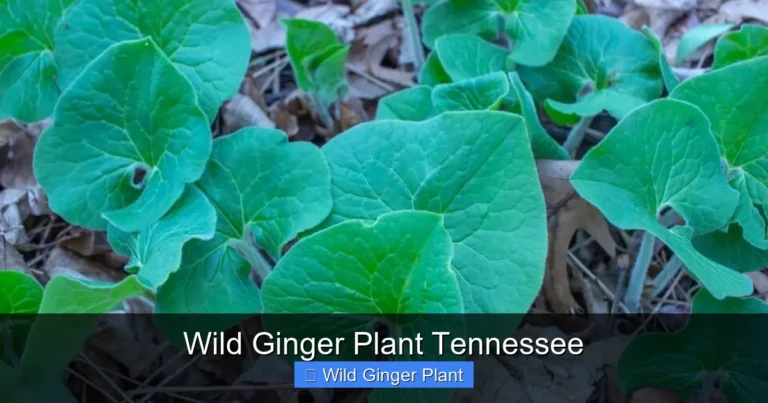
Visual guide about European Wild Ginger Plant for Sale
Image source: backyardforager.com
Native to deciduous forests across Europe, from southern Scandinavia down to Italy and eastward into Russia, this plant has adapted to life under dense tree canopies. It grows in humus-rich, well-drained soils where leaf litter accumulates year after year. Understanding this native habitat is the key to success when you bring European wild ginger into your own garden. You are not just buying a plant; you are adopting a piece of European woodland ecology.
Growth Habit and Seasonal Interest
European wild ginger is a low-growing perennial, typically reaching just four to six inches in height. It spreads slowly by underground rhizomes, forming a dense, weed-suppressing mat over time. A single plant might span six to twelve inches after a few years. Patience is required, but the payoff is a ground cover that only gets better with age.
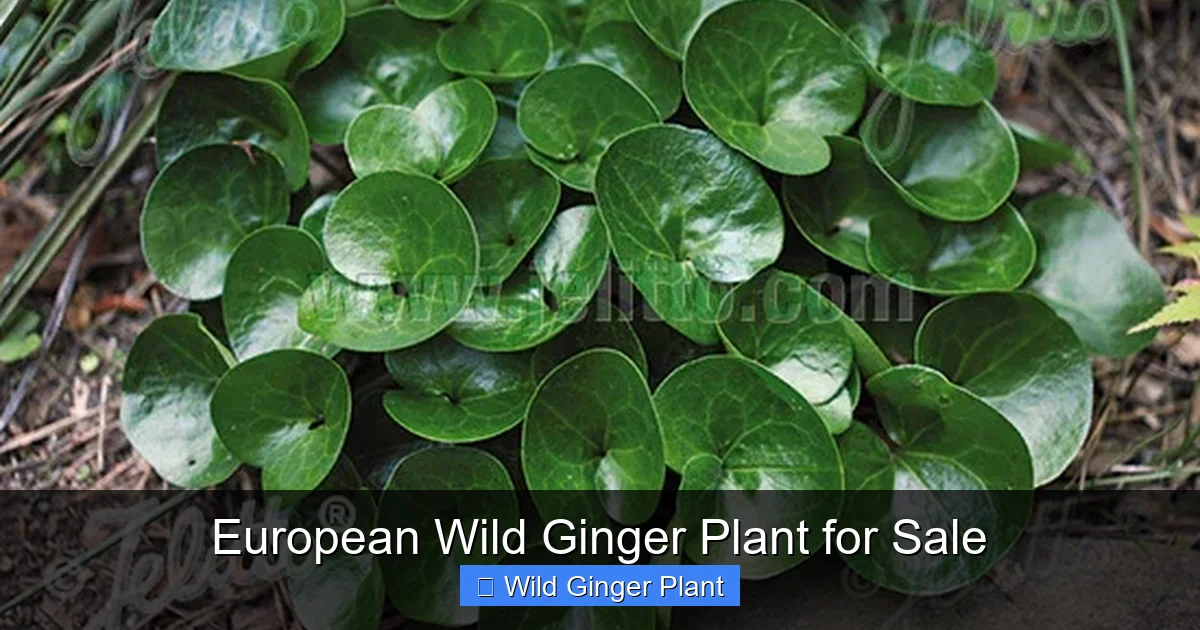
The leaves are the main attraction. Each one is shaped like a kidney or heart, measuring two to three inches across, with a glossy, almost waxy surface that catches the light beautifully in dim conditions. In milder climates (zones 6 and above), the foliage remains evergreen through winter. In colder zones, the leaves may brown at the edges but often persist until new growth pushes them aside in spring.
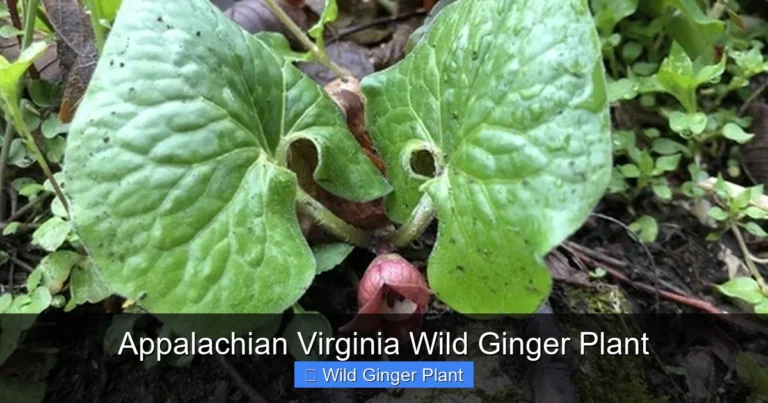
Flowers appear in early to mid-spring, usually April or May depending on your zone. They are small, about half an inch wide, with three pointed petals in a deep purple-brown color. Because they sit at ground level, often tucked beneath the leaf litter or the plant’s own foliage, many gardeners never notice them. But get down on your knees and take a look. They are strangely beautiful, like tiny velvet bells, and they are pollinated by early-emerging flies and beetles attracted to their faint, musty scent.
Where to Find European Wild Ginger Plant for Sale
Local Specialty Nurseries
Your best bet for healthy, well-rooted European wild ginger is often a local nursery that specializes in shade perennials, native plants, or woodland gardens. These nurseries typically grow their own stock or source from regional wholesale growers who understand the specific needs of Asarum species. The staff can also give you site-specific advice based on your local soil and climate conditions.
Visual guide about European Wild Ginger Plant for Sale
Image source: cdn.shopify.com
Call ahead before visiting. Because European wild ginger is a slower-growing crop, not every nursery carries it year-round. Spring and early fall are the peak availability windows. Some nurseries may only offer it in small quart or four-inch pots, which is actually ideal. Smaller plants establish more quickly and suffer less transplant shock than large, root-bound specimens.
Online Mail-Order Sources
If local options are limited, several reputable online nurseries offer European wild ginger plant for sale with shipping across the country. Look for companies that specialize in perennials, woodland plants, or native species. Read reviews carefully, paying attention to comments about plant size upon arrival, packaging quality, and customer service responsiveness.
When ordering online, timing matters. Most nurseries ship during specific windows in spring (March through May) and fall (September through October) to avoid extreme heat or cold in transit. Order early in the season for the best selection. Plants are typically shipped as bare-root divisions or in small pots with minimal soil to reduce shipping weight. Have your planting site prepared before the box arrives so you can get them in the ground within a day or two.
What to Look for When Buying
Whether shopping in person or evaluating photos online, know what a healthy European wild ginger plant looks like. The leaves should be deep green, glossy, and free of yellowing, brown spots, or holes. Avoid plants with leggy, stretched stems, which indicate they have been grown in too much shade or crowded conditions.
Check the crown, where the leaves emerge. It should be firm, not mushy or rotting. If you can see the roots (bare-root or by gently tipping a potted plant), they should be white or light tan and fibrous, not black, slimy, or circling tightly at the bottom of the pot. A few healthy roots visible at the drainage holes are a good sign. Pass on any plant with weeds growing in the pot, as this suggests poor nursery hygiene.
Price Expectations
European wild ginger is not an inexpensive impulse buy. Because it is slow to propagate, either by division or seed, nursery production costs are higher than for fast-growing perennials like daylilies or hostas. Expect to pay eight to fifteen dollars for a quart-sized pot, and twenty to thirty dollars or more for a gallon-sized plant or a multi-division clump. Bare-root divisions from mail-order sources may be slightly cheaper per unit but often require buying in multiples.
Consider the value proposition. A single, well-placed plant will live for decades, slowly expanding into a beautiful colony. Unlike annuals that need replacing every year, or perennials that decline after a few seasons, European wild ginger is a long-term garden asset. The initial cost per square foot of eventual coverage is actually quite low.
Site Selection and Soil Preparation
Light Requirements: Deep Shade to Dappled Sun
This is the most critical factor for success. European wild ginger evolved on the forest floor. It wants shade. Deep, consistent shade from buildings, fences, or mature evergreens is ideal. Dappled shade under deciduous trees works beautifully too, provided the soil doesn’t dry out completely in summer. Morning sun with afternoon shade is tolerated in cooler climates (zones 4 to 6), but in warmer zones, even a few hours of direct afternoon sun can scorch the leaves and stress the plant.
If you are unsure about your light conditions, observe the site throughout a sunny day. Take photos or notes every two hours from 9 AM to 6 PM. True full shade receives less than two hours of direct sun, usually only early morning or late evening. Part shade gets two to four hours. European wild ginger thrives in full shade and tolerates part shade only with consistent moisture.
Soil Preferences: Rich, Moist, and Well-Drained
Think forest floor. The ideal soil is high in organic matter, slightly acidic to neutral (pH 5.5 to 7.0), moist but never soggy, and loose enough for the rhizomes to creep through easily. Heavy clay that stays wet in winter and bakes hard in summer will cause root rot. Pure sand that drains instantly will leave the plant drought-stressed.
Before planting, amend the entire planting area, not just the individual holes. Spread two to three inches of compost, leaf mold, or well-rotted manure over the bed and work it into the top eight to ten inches of soil. This creates a uniform root zone that encourages the rhizomes to spread outward rather than circling in a pocket of amended soil. If your soil is extremely alkaline (common near concrete foundations or in some western regions), incorporate elemental sulfur or peat moss to lower the pH gradually.
Drainage Test
Do a simple drainage test before you commit. Dig a hole twelve inches deep and twelve inches wide. Fill it with water and let it drain completely. Fill it again. If the water disappears in two to four hours, drainage is excellent. Four to eight hours is acceptable. More than eight hours indicates poor drainage that will need improvement, such as raised beds or extensive grit incorporation, before planting European wild ginger.
Planting and Establishment
When to Plant
Spring and early fall are the two planting windows. Spring planting (as soon as the soil can be worked, typically March through May) gives the plant a full growing season to establish roots before winter. Fall planting (September through October, at least six weeks before the ground freezes) takes advantage of cooler temperatures and autumn rains, with less heat stress on the foliage. In zones 7 and warmer, fall is often the better choice. In zones 4 and 5, spring is safer to avoid winter heaving of newly planted, shallow-rooted divisions.
Spacing and Layout
Space plants eight to twelve inches apart for a ground cover effect. Closer spacing (eight inches) fills in faster but costs more upfront. Wider spacing (twelve inches) saves money but requires two to three extra years for the plants to knit together. For a naturalistic look, avoid straight rows. Stagger the plants in a loose grid or random pattern, mimicking how they would spread naturally from a central clump.
If you are planting under trees, be careful not to damage large tree roots. Use a hand trowel to create individual planting pockets between roots rather than tilling the whole area. Tree roots and wild ginger rhizomes can coexist happily in the same soil layer, but severing major tree roots can harm the tree.
Planting Technique
Dig a hole just deep enough so the crown (where leaves meet roots) sits at soil level. Planting too deep invites crown rot. Planting too shallow exposes the rhizomes to drying out. Gently firm the soil around the roots, water thoroughly to settle the soil and eliminate air pockets, and apply a one-inch layer of shredded leaf mulch or fine bark. Keep mulch pulled back slightly from the crown.
The First Year: Patience Required
Do not expect rapid growth the first season. European wild ginger spends its initial energy on root establishment. You may see only a few new leaves. Keep the soil consistently moist but not waterlogged. A deep soaking once a week during dry spells is better than frequent light sprinklings. Do not fertilize the first year. The compost you incorporated at planting provides sufficient nutrients.
Weed diligently. Because the plant is low and slow, aggressive weeds like garlic mustard, creeping Charlie, or tree seedlings can smother it before it gains a foothold. Hand-pull weeds carefully to avoid disturbing the shallow rhizomes. A thick mulch layer helps suppress weed germination.
Ongoing Care and Maintenance
Watering Established Plants
Once established (usually after the first full growing season), European wild ginger is surprisingly drought-tolerant for a shade plant, thanks to its rhizomatous roots that store moisture. However, it performs best with consistent moisture. In a typical garden setting with decent soil and mulch, supplemental watering is only needed during extended dry periods of two weeks or more without rain. Water deeply at the base of the plants, avoiding wetting the foliage excessively, which can encourage fungal issues in humid climates.
Fertilizing: Less Is More
European wild ginger is a light feeder. In rich, organic soil, no fertilizer is needed. In poorer soils, a single application of a balanced, slow-release organic fertilizer (such as 5-5-5) in early spring as new growth emerges is sufficient. Alternatively, top-dress with a half-inch of compost or leaf mold each spring. Avoid high-nitrogen fertilizers, which promote soft, lush growth that is more susceptible to slug damage and fungal diseases.
Mulching for Moisture and Weed Control
Maintain a one- to two-inch layer of organic mulch year-round. Shredded leaves are ideal because they mimic the natural forest floor and break down to feed the soil. Pine needles, fine bark, or cocoa hulls also work well. Avoid large wood chips, which can create a barrier too coarse for the shallow rhizomes to penetrate. Refresh mulch annually in spring after cleaning up any winter-damaged foliage.
Dividing and Propagating
Division is the easiest way to increase your stock or rejuvenate an old clump that has developed a dead center. The best time is early spring, just as new growth begins, or early fall. Dig up the entire clump carefully. Use a sharp knife or your hands to separate the rhizomes into sections, each with at least two to three leaf shoots and a healthy root system. Replant immediately at the same depth, water well, and mulch. Divisions may sulk for a few weeks but typically recover quickly.
Seed propagation is possible but slow. The seeds require a period of cold stratification (moist cold for 60 to 90 days) and can take two years to germinate. Seedlings take three to four years to reach a plantable size. For the home gardener, division is far more practical.
Pest and Disease Management
European wild ginger is remarkably trouble-free. Slugs and snails are the most common pests, especially in wet springs. They chew irregular holes in the leaves. Hand-pick at night, use beer traps, or apply iron phosphate bait (safe for pets and wildlife). Avoid metaldehyde baits, which are toxic to dogs and birds.
Fungal leaf spots can occur in crowded, humid conditions with poor air circulation. Prevent by spacing adequately, watering at the base, and removing affected leaves promptly. Crown rot is a risk in poorly drained soil or if planted too deep. There is no cure; prevention through proper site selection and planting technique is essential.
Design Ideas and Companion Plants
Woodland Garden Combinations
European wild ginger shines as a living carpet beneath taller shade perennials and shrubs. Pair it with ferns like Christmas fern (Polystichum acrostichoides), lady fern (Athyrium filix-femina), or Japanese painted fern (Athyrium niponicum ‘Pictum’) for textural contrast. The fine, airy fronds of ferns floating above the bold, glossy ginger leaves create a classic woodland vignette.
Hostas are natural companions, but choose slug-resistant varieties with thick leaves (like ‘Sum and Substance’ or ‘Blue Angel’) to minimize competition for the same pests. Heucheras (coral bells) add foliage color in shades of purple, caramel, or lime. Their mounding habit complements the creeping spread of wild ginger.
For spring ephemeral magic, plant wild ginger among Virginia bluebells (Mertensia virginica), trilliums, bloodroot (Sanguinaria canadensis), or wood anemone (Anemone nemorosa). The ephemerals bloom and fade before the wild ginger hits its stride, leaving the ginger to cover the dying foliage.
Edging and Pathway Softener
Use European wild ginger to soften the edges of a shaded path or patio. Its low, uniform height keeps sightlines clear while hiding the bare legs of taller plants behind it. It tolerates occasional light foot traffic better than many ground covers, though it is not a lawn substitute. Plant it where it can spill slightly over the edge of a stone wall or step for a romantic, established look.
Container Culture
Yes, you can grow European wild ginger in containers. Choose a wide, shallow pot (twelve inches wide, eight inches deep minimum) with excellent drainage. Use a high-quality potting mix amended with compost and fine bark. Keep it in full shade. Water more frequently than in-ground plants, as containers dry out faster. Overwinter in an unheated garage or buried in the ground in zones 5 and colder. Repot or divide every three to four years as the rhizomes fill the container.
Common Questions About European Wild Ginger
Is It Invasive?
No. European wild ginger spreads slowly by rhizomes and does not produce runners that shoot across the garden. It does not self-seed aggressively. It stays where you put it, gradually forming a polite clump. In over twenty years of gardening, I have never seen it jump a path or invade a lawn. It is well-behaved, unlike some other ground covers that shall remain nameless (looking at you, goutweed and English ivy).
Can You Eat It?
Technically, the roots have been used historically as a ginger substitute and flavoring. However, the plant contains aristolochic acid, a compound linked to kidney damage and cancer with long-term use. Modern herbalists and food safety experts strongly advise against consuming any part of Asarum europaeum. Enjoy it for its beauty and fragrance only. If you want culinary ginger, grow Zingiber officinale in a pot.
Does It Flower Reliably?
Yes, mature plants flower every spring. But remember, the flowers are at ground level and often hidden by leaves or leaf litter. You have to look for them. If you want to see the flowers, gently pull back the leaves in April or plant on a slight slope where the flowers are more visible. The flowers are fascinating up close but are not a landscape feature from a standing position.
How Long Does It Live?
Individual plants can live for decades. The original clump expands outward, and the center may eventually die out after fifteen to twenty years, creating a fairy ring effect. This is normal. Simply divide the living outer portions and replant them to fill the center, or let nature take its course. The colony as a whole can persist indefinitely with minimal intervention.
Winter Care
In zones 4 through 7, no special winter care is needed. The evergreen or semi-evergreen foliage protects the crown. In zone 3 (the cold edge of its hardiness), apply a loose, airy mulch of straw or pine boughs after the ground freezes to prevent freeze-thaw cycles from heaving the shallow rhizomes. Remove the heavy mulch in early spring. Do not cut back the foliage in fall; it insulates the plant.
Troubleshooting Common Problems
Leaves Turning Yellow
Yellowing leaves usually indicate one of three issues: too much sun (scorch), too much water (root rot), or nutrient deficiency (usually nitrogen or iron in alkaline soil). Check the site conditions first. If the plant gets afternoon sun, move it or provide more shade. If the soil stays soggy, improve drainage or relocate. If the soil is alkaline, apply a chelated iron supplement and acidifying mulch like pine needles.
Leaves Disappearing or Chewed to Stems
This is almost always slug or snail damage, though deer will occasionally browse if desperate. Look for slime trails. Apply iron phosphate bait. Encourage natural predators like ground beetles, toads, and birds by avoiding broad-spectrum insecticides and providing habitat (logs, rock piles, water source).
Plant Not Spreading
If your European wild ginger sits at the same size for years, check these factors: Is it too dry? Is the soil compacted or nutrient-poor? Is it getting too much sun? Is it competing with aggressive tree roots? Sometimes a light top-dressing of compost and consistent summer watering will kickstart growth. Division and replanting in a better spot can also reset a stalled plant.
Center of Clump Dying Out
This is natural aging. The oldest rhizomes in the center exhaust the soil and die. The plant is essentially migrating outward. Dig up the clump in spring, discard the dead center, divide the healthy outer rings, and replant the divisions in a refreshed bed with added compost. You will end up with more plants than you started with.
Buying Tips: Getting the Best Value
Buy in Groups
If you need to cover a large area, ask the nursery about quantity discounts. Many offer ten to fifteen percent off when you buy five or more of the same perennial. Even without a formal discount, buying multiple plants at once saves shipping costs if ordering online.
Consider Bare-Root Divisions in Fall
Fall bare-root divisions from reputable mail-order nurseries are often the most economical way to acquire multiple plants. They are lighter to ship, so shipping costs are lower. Planted in early fall, they establish roots before winter and hit the ground running in spring. Just be prepared for them to look unimpressive on arrival: a few roots and a bud or two. That is normal.
Ask About Guarantees
Reputable nurseries stand behind their plants. Ask about their guarantee policy before buying. Many offer a one-year guarantee on perennials, provided you follow planting and care instructions. Keep your receipt and take photos of the plants upon arrival and at planting time. This documentation makes any claim process smoother.
Watch for Mislabeling
Occasionally, Asarum canadense (Canadian wild ginger) is sold as European wild ginger. They are similar but distinct. Canadian wild ginger has larger, matte (not glossy) leaves, is deciduous (dies to the ground in winter), and is native to eastern North America. It is also a lovely plant, but if you specifically want the evergreen, glossy foliage of Asarum europaeum, verify the botanical name on the tag.
Conclusion: A Quiet Investment in Garden Beauty
European wild ginger plant for sale opportunities are worth seeking out if you value substance over flash in your garden. This plant will not stop traffic with neon blooms or architectural drama. What it will do is transform a difficult shady spot into a lush, green sanctuary that asks for little and gives back year after year. It connects your garden to centuries of European horticultural tradition while solving one of the most common landscape challenges: what to grow in deep shade.
Start with a few plants. Give them the rich, moist, shady site they crave. Be patient during the establishment year. Then watch as they slowly, surely, inexorably knit together into a living tapestry that makes your woodland garden feel complete. The glossy leaves catching filtered light, the hidden flowers rewarding the curious observer, the weeds suppressed without chemicals or labor. This is gardening at its most satisfying: working with nature, not against it.
Whether you find your European wild ginger at a local nursery, a specialty mail-order catalog, or a plant sale hosted by a native plant society, you are acquiring more than a perennial. You are gaining a reliable partner for the shady places. And in gardening, as in life, reliable partners are rare treasures.
Frequently Asked Questions
What is the difference between European wild ginger and Canadian wild ginger?
European wild ginger (Asarum europaeum) has glossy, evergreen leaves and is native to Europe. Canadian wild ginger (Asarum canadense) has larger, matte leaves, is deciduous, and is native to eastern North America. Both are excellent shade ground covers.
Can I grow European wild ginger under pine trees?
Yes, European wild ginger grows well under pine trees. It tolerates the acidic soil and needle drop. Ensure the soil is amended with compost to improve moisture retention, as pine roots can be competitive for water.
How often should I water newly planted European wild ginger?
Water newly planted European wild ginger deeply once or twice a week during the first growing season, depending on rainfall. Keep the soil consistently moist but not soggy. Reduce frequency once established.
Will European wild ginger choke out other plants?
No, European wild ginger is not aggressive enough to choke out established perennials. It forms a polite ground cover that knits around other shade plants. It may smother very small, delicate seedlings if planted too closely.
What type of mulch is best for European wild ginger?
Shredded leaves are the ideal mulch for European wild ginger, as they mimic the natural forest floor. Pine needles, fine bark, or cocoa hulls also work well. Avoid large wood chips that can hinder rhizome spread.
Can European wild ginger be grown indoors as a houseplant?
European wild ginger is not suited for typical indoor conditions. It requires a winter dormancy period, high humidity, and excellent air circulation. It is best grown outdoors in a shaded garden bed or container.