Wild Ginger Plant Georgia
Wild ginger plant Georgia is a low‑growing native perennial that thrives in the moist, shaded woodlands of the state. Its heart‑shaped leaves and unique, hidden flowers make it a favorite for native‑plant gardens and foragers alike.
When you walk through a Georgia forest in early spring you may spot a quiet green carpet hugging the ground. That carpet is often the wild ginger plant Georgia. It hides its flowers under the leaves, so many hikers miss it at first glance. I love finding it because it feels like a secret gift from the woods.
The plant belongs to the genus Asarum. Two common species grow here: Asarum canadense and Asarum arifolium. Both share the same low habit and aromatic rhizome. They are not related to the tropical ginger you buy in the store, but they smell similar when crushed. That scent is a clue for foragers and gardeners alike.
People value the wild ginger plant Georgia for three reasons. First, it adds a lush ground cover to shady gardens. Second, the rhizome can flavor teas, soups, and baked goods. Third, it has a long history of use in traditional medicine for stomach aches and colds. Knowing how to identify, grow, and protect it makes every forest visit more rewarding.
Key Takeaways
- Identification: Heart‑shaped leaves, solitary flower at ground level.
- Habitat: Moist, rich soils in deciduous forests across North Georgia.
- Edible Uses: Rhizome can be used as a ginger substitute in teas and cooking.
- Medicinal History: Traditionally used by Indigenous peoples for digestive relief.
- Garden Cultivation: Prefers shade, consistent moisture, and leaf litter mulch.
- Conservation: Harvest responsibly; follow state guidelines to protect wild populations.
Quick Answers to Common Questions
What does wild ginger plant Georgia look like?
It has heart‑shaped, glossy green leaves that lie flat on the ground and a hidden maroon flower at soil level.
Can I eat the rhizome of wild ginger plant Georgia?
Yes, the rhizome is edible and can be used as a mild ginger substitute in cooking and teas.
Where is the best place to find wild ginger plant Georgia in the wild?
Look in moist, shady deciduous forests, especially on north‑facing slopes and near streams in the Blue Ridge and Piedmont regions.
How do I grow wild ginger plant Georgia in my garden?
Plant rhizome pieces in rich, shaded soil, keep the area moist, mulch with leaf litter, and avoid high‑nitrogen fertilizers.
Is wild ginger plant Georgia protected by law?
It is not federally endangered, but many public lands prohibit digging; always check local regulations before harvesting.
📑 Table of Contents
What Is Wild Ginger?
Scientific Background
The wild ginger plant Georgia is a perennial herb in the birthwort family. It spreads by thick, creeping rhizomes that stay just below the soil surface. The scientific name Asarum comes from a Greek word meaning “to hide,” which fits the hidden flowers. Botanists note that the plant is native to eastern North America, including the entire state of Georgia.
Growth Habit
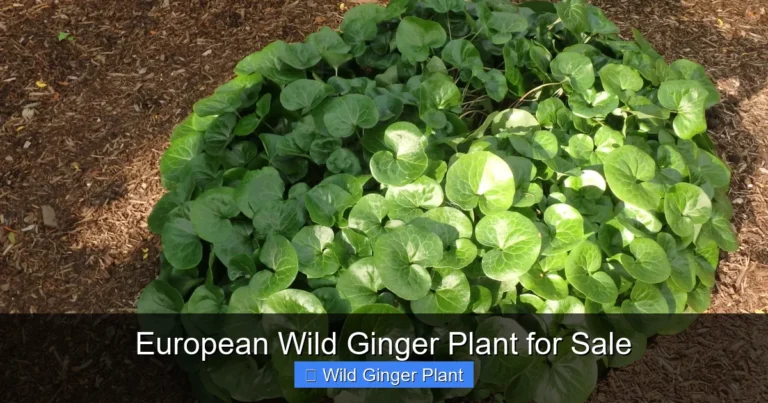
Each stem produces a pair of broad, kidney‑shaped leaves that lie flat on the ground. The leaves can reach six inches across. The plant forms dense mats that suppress weeds and keep soil moist. In late winter the rhizome stores energy for the next growing season.
Seasonal Cycle
New leaves emerge in early March. The solitary, bell‑shaped flower appears in April, often hidden beneath the leaf litter. Pollination is done by small flies attracted to the flower’s faint odor. By June the flower fades and the plant focuses on leaf growth and rhizome expansion.
Where to Find Wild Ginger in Georgia
Preferred Habitats
You will most often see the wild ginger plant Georgia in moist, deciduous woods. It likes rich, loamy soil with plenty of organic matter. Stream banks, ravines, and north‑facing slopes are prime spots. The plant avoids dry, sunny ridges and heavy clay.
Regional Hotspots
In the Blue Ridge Mountains the species thrives at elevations between 1,000 and 3,000 feet. The Chattahoochee National Forest and the Cohutta Wilderness have large populations. In the Piedmont region look for it in mature hardwood stands near creeks. Coastal plain sites are rare but can occur in shaded wetlands.
Elevation and Soil
Higher elevations provide cooler, wetter conditions that the wild ginger plant Georgia prefers. Soil pH between 5.5 and 6.5 is ideal. A thick layer of leaf litter mimics the forest floor and keeps the rhizomes cool. If you are scouting, bring a small hand trowel to check soil moisture without damaging roots.
Identifying Wild Ginger
Leaves
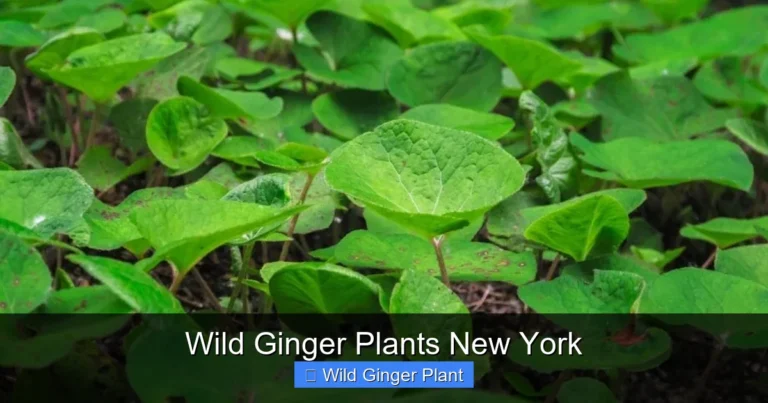
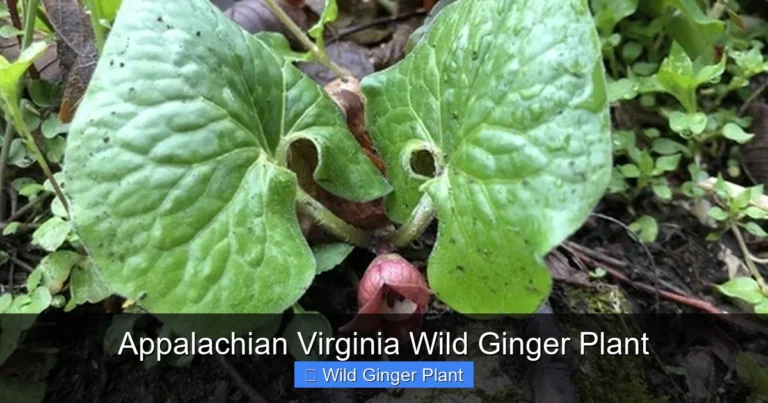
The leaves are the easiest feature to spot. They are heart‑shaped, dark green, and have a slightly glossy surface. The leaf veins form a neat pattern that radiates from the base. When you crush a leaf, a mild ginger aroma rises.
Flowers
The flower sits at ground level, often concealed by leaf litter. It has three maroon‑brown petals that form a tube. The interior is pale yellow with tiny hairs. Because the flower is low, you may need to kneel and gently move leaves aside to see it.
Rhizome
The rhizome is thick, fleshy, and creamy white inside. It grows horizontally just under the soil. A small section can be harvested without killing the plant if you leave at least two inches of rhizome attached to the mother plant. The rhizome scent is stronger than the leaves.
Uses and Benefits
Culinary Uses
Chefs and home cooks use the rhizome as a mild ginger substitute. It works well in teas, stir‑fries, and baked goods. Because the flavor is subtle, you can use a larger amount than store‑bought ginger. Always wash the rhizome thoroughly and peel the outer skin before use.
Traditional Medicine
Indigenous peoples brewed a tea from the rhizome to ease nausea, indigestion, and colds. Modern herbalists still recommend a weak infusion for stomach comfort. The plant contains aristolochic acid in small amounts, so moderation is key. Consult a healthcare provider before using it medicinally.
Landscape Value
Gardeners prize the wild ginger plant Georgia for its ability to fill shady beds where grass fails. It forms a living mulch that retains moisture and suppresses weeds. The foliage stays attractive through summer and turns a pleasant bronze in fall. It pairs well with ferns, hostas, and native wildflowers.
Growing Wild Ginger in Your Garden
Site Selection
Choose a spot with dappled shade or full shade. Morning sun is okay, but afternoon sun will scorch the leaves. The soil should be rich, well‑drained, and high in organic matter. Amend heavy clay with compost and leaf mold before planting.
Planting Steps
Plant rhizome pieces in early spring or fall. Dig a shallow trench about two inches deep. Lay the rhizome horizontally with the buds facing up. Space pieces twelve inches apart to allow for spread. Cover with soil and water gently. Mulch with shredded leaves to mimic forest floor conditions.
Ongoing Care
Keep the soil consistently moist, especially during the first year. Avoid fertilizers high in nitrogen; a light top‑dressing of compost in spring is enough. Remove any invasive weeds by hand to protect the shallow rhizomes. In winter, leave the leaf litter in place for insulation.
Conservation and Final Thoughts
Legal Status
The wild ginger plant Georgia is not listed as endangered, but many public lands have rules against digging plants. Always check the regulations for the specific forest or park you visit. On private land, obtain permission from the landowner before harvesting.
Sustainable Harvest
If you decide to harvest rhizomes, take only a small portion from a large colony. Leave at least two-thirds of the rhizome network intact. Replant any disturbed soil and replace leaf litter. This practice ensures the colony can recover and continue to thrive.
Supporting Populations
You can help by planting native wild ginger in your own shade garden. Share divisions with friends and local native‑plant societies. Participate in citizen‑science projects that map wild ginger populations across the state. Every small action adds up to healthier forests for future generations.
Exploring the world of the wild ginger plant Georgia connects you to the hidden rhythms of the forest. Whether you enjoy a cup of ginger‑scented tea, a lush garden bed, or a quiet walk among the trees, this humble plant offers many rewards. Respect its habitat, learn its signs, and you will find a lasting companion in the Georgia woods.
Frequently Asked Questions
What is the scientific name of wild ginger plant Georgia?
The most common species are Asarum canadense and Asarum arifolium, both native to the eastern United States including Georgia.
Does wild ginger plant Georgia have any toxic compounds?
It contains small amounts of aristolochic acid; moderate culinary use is generally safe, but large or long‑term medicinal use should be avoided.
When does wild ginger plant Georgia bloom?
Flowers typically appear in April, hidden beneath the leaf litter, and are pollinated by small flies.
Can wild ginger plant Georgia tolerate full sun?
No, it prefers dappled to full shade; afternoon sun will scorch the leaves and reduce vigor.
How fast does wild ginger plant Georgia spread?
It spreads slowly via rhizomes, forming a dense mat over several years; spacing plants twelve inches apart helps manage spread.
What wildlife benefits from wild ginger plant Georgia?
Small flies pollinate the flowers, and the dense foliage provides cover for amphibians and ground‑dwelling insects.