Wild Ginger Plant for Sale Ct
Looking for wild ginger plant for sale CT options? This native groundcover thrives in Connecticut’s shady woodlands and makes a beautiful, low-maintenance addition to any garden. Learn where to buy, how to plant, and essential care tips for success.
If you have been wandering through Connecticut garden centers lately searching for that perfect shade plant, you have probably heard whispers about wild ginger. This charming native perennial has been gaining popularity among gardeners who want something beautiful, practical, and perfectly suited to our New England climate. The search for wild ginger plant for sale CT leads many gardeners down a rewarding path toward creating lush, woodland-inspired landscapes.
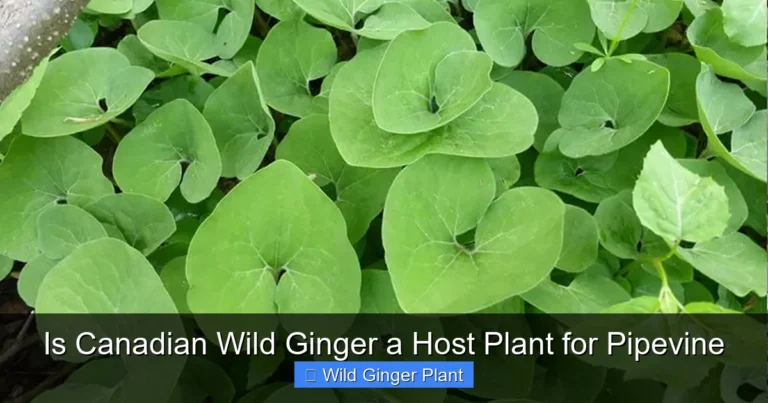
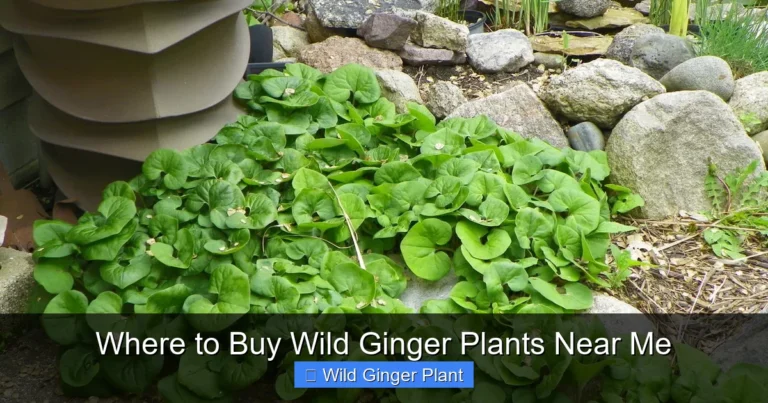
Wild ginger, known botanically as Asarum canadense, is not the tropical spice ginger you find in the grocery store. Instead, it is a hardy native groundcover that has called Connecticut forests home for thousands of years. Its heart-shaped leaves create a living carpet that suppresses weeds, holds soil moisture, and provides habitat for beneficial insects. Best of all, it asks for very little in return.
Key Takeaways
- Native to Connecticut: Wild ginger (Asarum canadense) grows naturally in CT woodlands and adapts perfectly to local climate conditions.
- Shade-loving groundcover: This plant thrives in full to partial shade, making it ideal for woodland gardens and shaded borders.
- Deer resistant: The aromatic foliage naturally repels deer and other browsing animals.
- Spring blooms: Unique jug-shaped flowers appear in early spring, often hidden beneath the leaves.
- Spreads slowly: Forms dense colonies over time through rhizomes without becoming invasive.
- Local nurseries best: Purchase from Connecticut native plant nurseries for plants adapted to regional conditions.
- Low maintenance: Once established, requires minimal care beyond occasional watering during drought.
Quick Answers to Common Questions
Where can I buy wild ginger plants in Connecticut?
You can buy wild ginger at native plant nurseries like Earth Tones Native Plants in Woodbury, at botanical garden sales, from conservation organization fundraisers, and through online nurseries offering local pickup.
When is the best time to plant wild ginger in CT?
Spring (April through early June) and fall (September through October) are both excellent planting times in Connecticut.
Does wild ginger spread aggressively?
No, wild ginger spreads slowly through rhizomes and is not considered aggressive or invasive. It forms dense colonies over many years.
Is wild ginger deer resistant?
Yes, wild ginger is highly deer resistant due to aromatic compounds in the foliage that browsing animals avoid.
Can wild ginger grow in deep shade?
Yes, wild ginger thrives in full to partial shade, including deep shade under evergreens, making it ideal for difficult woodland sites.
📑 Table of Contents
- Understanding Wild Ginger: A Connecticut Native
- Where to Find Wild Ginger Plant for Sale in CT
- Preparing Your Garden for Wild Ginger
- Planting and Establishing Wild Ginger
- Long-Term Care and Maintenance
- Designing with Wild Ginger in Connecticut Gardens
- Ecological Benefits of Planting Wild Ginger
- Common Questions About Wild Ginger in Connecticut
- Seasonal Calendar for Wild Ginger Care in CT
- Troubleshooting Common Problems
- Where to See Wild Ginger in the Wild in Connecticut
- Buying Wild Ginger: A Checklist for Success
- Conclusion
Understanding Wild Ginger: A Connecticut Native
What Makes This Plant Special
Wild ginger belongs to the birthwort family, Aristolochiaceae. It grows naturally throughout eastern North America, including every corner of Connecticut. You will find it in rich, moist woodlands, often carpeting the forest floor beneath maples, oaks, and hickories. The plant forms colonies that spread slowly through underground rhizomes, creating dense mats of foliage that stay green from spring through fall.
The leaves are the main attraction. Each one is kidney-shaped or heart-shaped, measuring three to six inches across. They have a soft, almost velvety texture and a deep green color that looks fresh even in summer heat. When you crush a leaf, it releases a spicy, ginger-like aroma. That scent comes from compounds that also make the plant unpalatable to deer and rabbits.
The Hidden Flowers
Many gardeners grow wild ginger for years without ever noticing its flowers. The blooms appear in early spring, usually April or May in Connecticut. They sit at ground level, tucked beneath the leaf litter. Each flower is shaped like a tiny jug or bell, about an inch long, with three pointed tips. The color is a curious brownish-purple, designed to mimic fungi and attract early-season pollinators like beetles and flies.
Because the flowers hide under the leaves, you need to gently lift the foliage to see them. It feels like discovering a secret. The flowers are pollinated by small insects that crawl inside. After pollination, the plant produces seeds with fleshy appendages called elaiosomes. Ants carry these seeds to their nests, eat the elaiosomes, and discard the seeds in their nutrient-rich waste piles. This ant dispersal helps the plant colonize new areas.
Not Culinary Ginger
Let us clear up a common confusion right away. Despite the name and the ginger scent, wild ginger is not related to culinary ginger (Zingiber officinale). The tropical ginger we cook with is a completely different plant family. Native Americans and early settlers did use wild ginger roots as a flavoring and medicine, but modern herbalists caution against consuming it. The plant contains aristolochic acid, which can damage kidneys. Enjoy it for its beauty and ecological value instead.
Where to Find Wild Ginger Plant for Sale in CT
Local Native Plant Nurseries
The best place to start your search for wild ginger plant for sale CT is at nurseries specializing in native plants. These businesses grow plants from local seed sources, ensuring the genetics are adapted to Connecticut conditions. Plants grown from local ecotypes handle our winters, summers, and soil types better than plants shipped from other regions.
Connecticut has several excellent native plant nurseries. Earth Tones Native Plants in Woodbury carries a wide selection of woodland perennials including wild ginger. They grow their plants from seed collected in Connecticut and nearby states. Nasami Farm in Whately, Massachusetts, just over the border, is the native plant nursery of the Native Plant Trust. They offer exceptional quality and expertise. Planters’ Choice in Watertown is a wholesale nursery that also sells retail on certain days, with a strong native plant focus.
Botanical Garden Sales
Connecticut’s botanical gardens and arboreta hold plant sales that are treasure troves for native plant enthusiasts. The Connecticut College Arboretum in New London has an annual plant sale featuring natives grown on their grounds. The Bartlett Arboretum in Stamford and the New Canaan Nature Center also host sales. These events usually happen in spring, sometimes with a fall sale too. Arrive early for the best selection.
Plant Sales by Conservation Organizations
Local land trusts, Audubon chapters, and garden clubs often hold native plant sales as fundraisers. The Connecticut Audubon Society centers in Fairfield, Glastonbury, and Pomfret frequently offer wild ginger. The New England Wild Flower Society (now Native Plant Trust) holds sales at Garden in the Woods in Framingham, worth the short drive from eastern Connecticut. Check organization websites in late winter for sale dates.
Online Sources with Local Pickup
Some online native plant nurseries offer shipping or local pickup in Connecticut. Prairie Moon Nursery in Minnesota ships bare-root plants in spring and fall. They provide detailed planting instructions and guarantee their plants. Izel Plants is an online marketplace connecting buyers with native plant nurseries across the country, including several in New England. You can filter by location to find Connecticut sources.
What to Look for When Buying
Whether you shop in person or online, know what healthy wild ginger looks like. Choose plants with multiple growing points or “eyes” on the rhizome. Each eye will produce a new leaf cluster. Avoid plants with yellowing leaves, mushy rhizomes, or signs of fungal disease. Container-grown plants should have roots filling the pot but not circling tightly. Bare-root divisions should be firm, plump, and have visible buds.
Ask the seller about the plant’s origin. “Connecticut ecotype” or “local genotype” means the plant comes from seed collected in our region. This matters for long-term success. Also ask whether the plant was propagated by division or grown from seed. Seed-grown plants have more genetic diversity, which benefits the population. Divisions are clones of the parent plant.
Preparing Your Garden for Wild Ginger
Choosing the Right Spot
Wild ginger evolved on forest floors. It wants dappled shade to full shade. Morning sun with afternoon shade works well. Deep shade under evergreens is fine too. Avoid hot, sunny locations. The leaves will scorch and the plant will struggle. In Connecticut, the north or east side of a building, under deciduous trees, or in a woodland garden are ideal spots.
Soil matters. Wild ginger prefers rich, humusy soil that holds moisture but drains well. Think of the spongy forest floor. If your soil is heavy clay or sandy, amend it generously with compost, leaf mold, or well-rotted manure before planting. Aim for a slightly acidic to neutral pH, around 5.5 to 7.0. Most Connecticut woodland soils fall in this range naturally.
Soil Preparation Steps
Start by removing any grass, weeds, or invasive plants from the planting area. Do not use herbicides if you can avoid it. Hand-pulling or smothering with cardboard and mulch works well. Once the area is clear, loosen the soil to a depth of eight to ten inches. Incorporate two to three inches of organic matter. Leaf compost is perfect because it mimics the natural forest floor.
If you are planting under trees, be careful not to damage tree roots. Use a garden fork rather than a rototiller. Work around large roots. You can create individual planting pockets rather than tilling the whole area. This protects the tree and gives the wild ginger a good start.
Timing Your Planting
Spring and fall are both excellent times to plant wild ginger in Connecticut. Spring planting, April through early June, gives the plant a full growing season to establish before winter. Fall planting, September through October, takes advantage of cooler temperatures and reliable rainfall. The plant focuses energy on root growth rather than top growth. Avoid planting during summer heat or when the ground is frozen.
If you buy bare-root plants in early spring, plant them as soon as possible. Keep them cool and moist until planting. Container plants are more forgiving but should still be planted within a week or two of purchase. Water them well while they wait.
Planting and Establishing Wild Ginger
Spacing and Layout
Space plants twelve to eighteen inches apart. This seems generous for small plants, but wild ginger spreads. In three to five years, they will fill in completely. For faster coverage, plant twelve inches apart in a grid pattern. For a more natural look, stagger the spacing in loose drifts. Plant in groups of three, five, or seven for the best visual impact.
Consider the mature spread. A single plant can form a colony two to three feet wide over time. Plan accordingly. Wild ginger plays well with other shade perennials. Good companions include foamflower (Tiarella), wild geranium (Geranium maculatum), Solomon’s seal (Polygonatum), and ferns like Christmas fern (Polystichum acrostichoides) and lady fern (Athyrium filix-femina).
Planting Technique
Dig a hole wide enough to spread the roots horizontally. The rhizome should sit just below the soil surface, about half an inch to an inch deep. The growing points (eyes) should face upward. If you cannot tell which end is up, plant the rhizome horizontally. It will figure it out. Backfill with amended soil, firm gently, and water thoroughly.
For container plants, remove the pot and loosen any circling roots. Plant at the same depth it was in the container. The crown should be at soil level. Water well after planting. Apply a two-inch layer of shredded leaves, pine needles, or bark mulch around the plants. Keep mulch away from the crowns to prevent rot.
First Season Care
The first growing season is critical. Water deeply once or twice a week unless rainfall provides an inch or more. Check soil moisture by sticking your finger two inches down. If it feels dry, water. Do not let the plants dry out completely. Consistent moisture helps them develop strong root systems.
Do not fertilize the first year. The compost you added during soil preparation provides enough nutrients. Too much fertilizer encourages weak, lush growth that is susceptible to disease and winter damage. In subsequent years, a light top-dressing of compost in spring is all they need.
Remove any weeds that appear. Hand-pull carefully to avoid disturbing the shallow rhizomes. As the wild ginger spreads, it will naturally suppress most weeds. Be patient. The first year, the plants focus on roots. You may see little top growth. By year two or three, the colony takes off.
Long-Term Care and Maintenance
Watering Established Plants
Once established, wild ginger is surprisingly drought-tolerant for a woodland plant. The thick rhizomes store water. However, it looks best with consistent moisture. During dry spells in summer, water deeply every two weeks. A soaker hose or drip irrigation works well. Mulch helps retain soil moisture and keeps roots cool.
In Connecticut, we often get enough rainfall that supplemental watering is rarely needed after the first year. Pay attention during August and September, which can be dry. If the leaves start to look limp or develop brown edges, water deeply.
Seasonal Cleanup
Wild ginger is semi-evergreen in Connecticut. The leaves often persist through winter, especially in protected spots. They may look a bit tattered by March. In early spring, before new growth emerges, you can gently remove any dead or damaged leaves. Use your hands or light pruners. Be careful not to damage the emerging flower buds or new leaf shoots.
Leave the fallen leaves from nearby trees as natural mulch. They break down and feed the soil, just like in a forest. If you prefer a tidier look, shred the leaves first with a mower and spread them back. Do not use heavy wood chip mulch right up to the crowns. It can hold too much moisture and cause rot.
Dividing and Propagating
Wild ginger spreads slowly but steadily. Every five to ten years, the center of a colony may thin out. This is a good time to divide. Early spring or fall are best. Dig up a section of the colony with a garden fork. Tease apart the rhizomes. Each piece with a growing point can become a new plant. Replant the divisions immediately at the same depth.
You can also grow wild ginger from seed, but it requires patience. Collect seeds in summer when the capsules split open. Sow them immediately in pots or a prepared seed bed. They need a period of cold stratification (winter) to germinate. Seedlings take two to three years to reach planting size. Division is much faster.
Pest and Disease Issues
Wild ginger has few serious problems. Slugs and snails occasionally nibble the leaves, especially in wet springs. Hand-pick them at night or use iron phosphate bait if damage is severe. Fungal leaf spots can appear in very wet, humid conditions with poor air circulation. Improve spacing and avoid overhead watering to prevent this.
Root rot is the main killer, caused by poorly drained soil or excessive mulch against the crowns. Ensure good drainage and keep mulch pulled back. Deer and rabbits avoid wild ginger due to the aromatic compounds. This is one of its greatest assets in Connecticut gardens where browsing pressure is high.
Designing with Wild Ginger in Connecticut Gardens
Woodland Garden Classic
Wild ginger shines in a woodland garden. Plant it in sweeping drifts beneath native trees like sugar maple, red oak, or white pine. Mix it with other native groundcovers like Canada mayflower (Maianthemum canadense), partridgeberry (Mitchella repens), and goldenstar (Chrysogonum virginianum). Add vertical accents with ferns, Solomon’s seal, and black cohosh (Actaea racemosa). The result is a garden that looks like it has always been there.
Consider the seasonal progression. In early spring, the wild ginger flowers hide beneath last year’s leaves. Soon, fresh green leaves unfurl. Through summer, the carpet stays lush and green. Fall brings yellow tones. Winter reveals the persistent foliage dusted with snow. It provides year-round interest with minimal effort.
Shade Border Edge
Use wild ginger to soften the edge of a shaded border. Plant it along a path or at the front of a bed where taller plants like hostas, astilbes, or hydrangeas grow behind it. The low, dense habit hides the bare legs of taller plants. The heart-shaped leaves create a beautiful textural contrast with feathery ferns or bold hosta leaves.
In a formal shade garden, plant wild ginger in a repeating pattern along the border edge. Space plants evenly for a structured look. In a naturalistic garden, let it meander and merge with other groundcovers. Both approaches work. The plant adapts to your design style.
Rain Garden and Moist Areas
Wild ginger tolerates moist soil well, making it suitable for rain garden edges or low spots that stay damp. It does not want standing water, but it handles seasonal wetness better than many shade plants. Pair it with swamp azalea (Rhododendron viscosum), winterberry (Ilex verticillata), and cardinal flower (Lobelia cardinalis) for a native rain garden planting.
Erosion Control on Shady Slopes
The rhizomatous root system holds soil effectively on gentle slopes. If you have a shaded bank that erodes, wild ginger can help stabilize it. Plant in a grid pattern across the slope. Mulch well with shredded leaves or jute netting until the plants establish. Combine with other spreading natives like hay-scented fern (Dennstaedtia punctilobula) or Pennsylvania sedge (Carex pensylvanica) for faster coverage.
Container Gardening
Wild ginger grows well in containers, which is great for patio gardens or areas with poor soil. Choose a wide, shallow pot at least twelve inches across. Use a high-quality potting mix amended with compost. Ensure good drainage. Place the container in full to partial shade. Water regularly, as containers dry out faster than ground soil. In winter, move the pot to an unheated garage or bury it in the ground to protect roots from freeze-thaw cycles.
Ecological Benefits of Planting Wild Ginger
Supporting Native Insects
Native plants support native insects. Wild ginger has co-evolved with specific pollinators, particularly small beetles and flies that are active in early spring when few other flowers bloom. These insects, in turn, feed birds and other wildlife. By planting wild ginger, you are providing a critical early-season resource.
The plant also hosts the larvae of the pipevine swallowtail butterfly (Battus philenor) in its southern range. In Connecticut, this butterfly is rare but occasionally seen. Other insects use the foliage for shelter. The dense leaf cover creates a microhabitat for spiders, beetles, and amphibians like salamanders.
Ant Partnerships
The relationship between wild ginger and ants is fascinating. The seeds have elaiosomes, nutrient-rich structures that ants love. Ants carry seeds to their nests, feed the elaiosomes to their larvae, and discard the intact seeds in their midden heaps. These waste piles are rich in nitrogen and phosphorus, perfect for seedling growth. This mutualism helps the plant disperse and establishes new colonies in favorable spots.
Soil Health and Carbon Sequestration
Like all perennial plants, wild ginger contributes to soil health. Its roots exude compounds that feed beneficial soil microbes. The decaying leaves add organic matter. The dense cover protects soil from erosion and temperature extremes. Over time, a colony of wild ginger builds topsequesters carbon in its biomass and the soil. It is a small but meaningful contribution to a healthier ecosystem.
Replacing Invasive Groundcovers
Many Connecticut gardens still have invasive groundcovers like English ivy (Hedera helix), periwinkle (Vinca minor), pachysandra (Pachysandra terminalis), or bishop’s weed (Aegopodium podagraria). These plants escape into natural areas and outcompete natives. Wild ginger is an excellent native alternative. It fills the same niche, dense shade groundcover, without the ecological damage. Replacing invasives with wild ginger is a direct conservation action you can take in your own yard.
Common Questions About Wild Ginger in Connecticut
Is Wild Ginger Aggressive?
No, wild ginger is not aggressive or invasive. It spreads slowly through rhizomes, forming a colony over many years. It does not produce runners that pop up feet away. It does not smother other plants. It stays where you put it and gradually expands. If it ever spreads beyond where you want it, you can easily dig out the excess rhizomes. It is a well-behaved garden citizen.
Can I Grow Wild Ginger from Seed?
Yes, but it requires patience. Seeds need cold stratification, meaning they must experience winter conditions before germinating. Sow fresh seeds in summer in pots or a prepared bed. Leave them outdoors through winter. Seedlings appear in spring. They grow slowly for the first few years. Most gardeners prefer buying established plants or divisions for faster results.
Will Wild Ginger Grow Under Pine Trees?
Yes, wild ginger tolerates the acidic, dry conditions under pine trees better than many shade plants. The needles create acidic soil, which wild ginger likes. However, dense pine shade and root competition can be challenging. Amend the soil well with compost, water regularly the first year, and mulch with pine needles. It often succeeds where other plants fail.
Does Wild Ginger Need Fertilizer?
Generally, no. Wild ginger is adapted to nutrient-poor forest soils. Too much fertilizer, especially nitrogen, produces soft growth that is prone to disease and winter injury. A light top-dressing of compost or leaf mold in spring is plenty. If your soil is very poor, a slow-release organic fertilizer at half the recommended rate is okay, but rarely necessary.
Can I Walk on Wild Ginger?
Occasional light foot traffic is fine. The leaves are somewhat resilient. However, regular walking will damage the plants and compact the soil. If you need a path through a wild ginger planting, install stepping stones or a boardwalk. This protects the plants and keeps your feet dry.
What If My Wild Ginger Looks Bad in Summer?
In hot, dry summers, wild ginger may go dormant early. The leaves yellow and die back. This is a survival strategy. The rhizomes remain alive underground. Do not panic. Keep the area mulched. The plants will return next spring, often more vigorous. If this happens regularly, consider providing more shade or moisture.
Seasonal Calendar for Wild Ginger Care in CT
March to April: Early Spring
Remove winter mulch if it is heavy against crowns. Gently clean up dead leaves. Watch for the curious flowers at ground level. This is a good time to divide established colonies if needed. Apply a thin layer of compost around plants. Check for slug damage as temperatures warm.
May to June: Late Spring
New leaves fully expand. The colony looks fresh and green. Water if rainfall is less than an inch per week. Weed carefully. This is the last chance to divide before summer heat. Enjoy the lush carpet effect. Take photos for reference.
July to August: Summer
Monitor soil moisture during dry spells. Water deeply every two weeks if no rain. The foliage remains attractive. Watch for fungal leaf spots in humid weather. Improve air circulation if needed. Remove any invasive plants trying to establish.
September to October: Fall
Excellent planting time for new wild ginger. Divide and transplant if desired. The leaves may start to yellow. Reduce watering as temperatures cool. Apply a light mulch of shredded leaves after the first frost. Plant spring ephemerals like trillium or bloodroot among the wild ginger for a layered effect.
November to February: Winter
The leaves often persist, providing winter interest. In harsh winters, they may die back. Either way, the plant is dormant underground. No care needed. Avoid walking on frozen plants. Plan next year’s garden additions. Order plants early for spring pickup.
Troubleshooting Common Problems
Leaves Turning Yellow
Yellow leaves usually indicate one of three things: too much sun, too little water, or nutrient deficiency. If the plant gets afternoon sun, move it to a shadier spot or provide shade cloth. If the soil is dry, water deeply and mulch. If the soil is poor, top-dress with compost. In late summer, some yellowing is natural dormancy.
Leaves with Brown Edges
Brown, crispy edges mean the plant is too dry or too hot. Increase watering and mulch. Check if a nearby tree was removed, exposing the plant to more sun. Consider transplanting to a shadier location in fall. Brown edges can also indicate salt damage from road runoff. Flush the soil with water.
Plants Not Spreading
Wild ginger is slow. Give it time. If after three years there is no spread, check soil conditions. Compaction, poor drainage, or extreme pH can stall growth. Loosen soil around the colony gently with a fork. Add compost. Ensure adequate moisture. Sometimes a light application of mycorrhizal fungi helps.
Holes in Leaves
Slugs and snails are the usual culprits. They feed at night. Look for slime trails. Hand-pick after dark with a flashlight. Use iron phosphate bait (safe for pets and wildlife). Diatomaceous earth around plants helps. Encourage natural predators like toads and ground beetles by providing habitat.
Crown Rot
Mushy, blackened crowns with a foul smell indicate rot. This is caused by excessive moisture and poor drainage. Dig up affected plants. Cut away rotted parts. Replant in a better-drained location or raised bed. Improve soil drainage with coarse sand or grit. Keep mulch away from crowns.
Where to See Wild Ginger in the Wild in Connecticut
State Parks and Forests
Connecticut’s state parks offer excellent opportunities to see wild ginger in its natural habitat. Visit Macedonia Brook State Park in Kent, Peoples State Forest in Barkhamsted, or Pachaug State Forest in Voluntown. Look in rich, moist woodlands on north-facing slopes. Spring is the best time, when the flowers are visible before the canopy leafs out.
Nature Preserves
The Nature Conservancy preserves like Sunny Valley Preserve in New Milford and Devil’s Den Preserve in Weston have beautiful wild ginger colonies. Audubon centers such as Bent of the River in Southbury and Sharon Audubon Center also protect woodland habitats where wild ginger thrives. Stay on trails and do not dig plants from the wild.
Botanical Gardens
Connecticut College Arboretum in New London has a native plant collection featuring wild ginger. The Bartlett Arboretum in Stamford and the New York Botanical Garden (just over the border) also display it in woodland gardens. These are great places to see mature colonies and get design ideas.
Buying Wild Ginger: A Checklist for Success
Before you head out to find wild ginger plant for sale CT, run through this mental checklist. It will save you time, money, and disappointment.
- Know your site: Assess the shade level, soil type, and moisture. Wild ginger needs shade and decent soil.
- Measure your space: Calculate how many plants you need at twelve to eighteen inch spacing.
- Research sources: Call ahead to confirm availability. Native plant nurseries often sell out of popular species by early summer.
- Ask about provenance: Request Connecticut or local ecotype plants for best adaptation.
- Inspect plants: Look for firm rhizomes, multiple eyes, healthy green leaves, no pests or disease.
- Plan for planting: Have your site prepared before you buy. Plants should go in the ground within days.
- Budget for amendments: Factor in compost, mulch, and any soil amendments needed.
- Consider companions: Think about what else you will plant with the wild ginger. Buy everything at once if possible.
Conclusion
Finding wild ginger plant for sale CT opens the door to one of the most rewarding native plants you can grow. This unassuming groundcover brings so much to a Connecticut garden: beauty through four seasons, ecological value for pollinators and wildlife, deer resistance, erosion control, and the satisfaction of growing a plant that truly belongs here. It asks for little, just shade, decent soil, and a bit of patience while it establishes.
Whether you are creating a woodland garden, softening a shady border, stabilizing a slope, or simply replacing invasive pachysandra, wild ginger is a choice you will not regret. Visit a local native plant nursery this spring. Talk to the staff. They love sharing knowledge. Bring home a few plants. Get them in the ground. In a few years, you will have a lush green carpet that connects your garden to the ancient forests of Connecticut. That is a pretty wonderful thing.
Start your search today. Your shade garden is waiting.
Frequently Asked Questions
What is the difference between wild ginger and culinary ginger?
Wild ginger (Asarum canadense) is a native North American woodland perennial unrelated to culinary ginger (Zingiber officinale). While wild ginger roots have a ginger-like aroma, they contain aristolochic acid and should not be consumed.
How far apart should I space wild ginger plants?
Space wild ginger plants 12 to 18 inches apart. They will slowly fill in to form a continuous groundcover over 3 to 5 years.
Does wild ginger need fertilizer?
Wild ginger generally does not need fertilizer. A light top-dressing of compost or leaf mold in spring is sufficient. Excess fertilizer can cause weak growth susceptible to disease.
Can I grow wild ginger in a container?
Yes, wild ginger grows well in wide, shallow containers (at least 12 inches across) with good drainage. Place in shade, water regularly, and protect from freeze-thaw cycles in winter.
Why are my wild ginger leaves turning yellow in summer?
Yellow leaves usually indicate too much sun, insufficient water, or natural summer dormancy during hot, dry periods. Ensure the plant has adequate shade and moisture.
How do I propagate wild ginger?
Divide established colonies in early spring or fall by digging up rhizome sections with growing points. Replant immediately. Seed propagation is possible but requires cold stratification and takes years to mature.