Wild Ginger Plant Florida
Wild ginger plant Florida species thrive in shady, moist woodlands across the state. These low-growing perennials offer unique foliage and hidden flowers while supporting local ecosystems.
Walking through a Florida hardwood hammock in early spring, you might miss one of the state’s most fascinating ground-hugging plants. The wild ginger plant Florida gardeners and nature lovers seek stays low, hides its flowers, and asks for little beyond shade and moisture. These unassuming perennials have called Florida woodlands home for thousands of years.
Many people hear “ginger” and think of the spicy root in their kitchen. Wild ginger is something entirely different. It belongs to the birthwort family, Aristolochiaceae, while culinary ginger sits in Zingiberaceae. The common name comes from the ginger-like scent released when you crush the roots or stems. Early settlers and indigenous peoples used it as a spice substitute and medicine. Today, we value these plants for their ecological role and quiet beauty in shade gardens.
Key Takeaways
- Native Species: Florida hosts several native wild ginger species including Hexastylis arifolia and Hexastylis speciosa
- Shade Lovers: These plants require deep shade and consistently moist, rich soil to thrive
- Unique Flowers: Blooms hide beneath leaf litter at ground level, pollinated by beetles and flies
- Not Culinary Ginger: Despite the name, wild ginger is not related to culinary ginger (Zingiber officinale)
- Slow Spreaders: Plants form colonies slowly through rhizomes, making them well-behaved garden additions
- Conservation Concern: Some species face habitat loss; never collect from wild populations
- Wildlife Value: Provides ground cover for small creatures and hosts pipevine swallowtail butterfly larvae
Quick Answers to Common Questions
Is wild ginger related to the ginger root I buy at the grocery store?
No, wild ginger (Asarum and Hexastylis species) belongs to the birthwort family (Aristolochiaceae), while culinary ginger (Zingiber officinale) is in the ginger family (Zingiberaceae). They share a similar scent but are botanically unrelated.
Can I eat wild ginger from my garden?
We strongly advise against consuming wild ginger. All species contain aristolochic acids, which are proven kidney toxins and carcinogens. Traditional use doesn’t equal safety — modern research shows serious, irreversible health risks.
How fast does wild ginger spread in the garden?
Wild ginger spreads slowly via rhizomes, typically expanding a clump 2-4 inches per year. A single plant may take 5-10 years to form a 12-18 inch colony. It’s well-behaved and non-aggressive — you won’t need to contain it.
Will wild ginger grow in South Florida (zones 10-11)?
Native wild ginger species generally cannot tolerate South Florida’s heat, humidity, and lack of winter chill. Gardeners in zones 10-11 should consider heat-tolerant non-native alternatives like Asarum maximum or Asarum splendens instead.
Where can I legally buy native wild ginger plants in Florida?
Purchase nursery-propagated plants from members of the Florida Association of Native Nurseries (FANN), native plant society sales, or reputable mail-order native plant nurseries. Never collect from the wild — it’s illegal on public land and damages wild populations.
📑 Table of Contents
- Native Wild Ginger Species in Florida
- Identifying Wild Ginger in the Field
- Natural Habitat and Growing Conditions
- Cultivating Wild Ginger in Your Garden
- Ecological Role and Wildlife Value
- Traditional Uses and Modern Cautions
- Conservation Status and Threats
- Designing with Wild Ginger in the Landscape
- Propagation Methods for Gardeners
- Common Problems and Solutions
- Conclusion
Native Wild Ginger Species in Florida
Hexastylis arifolia — Little Brown Jug
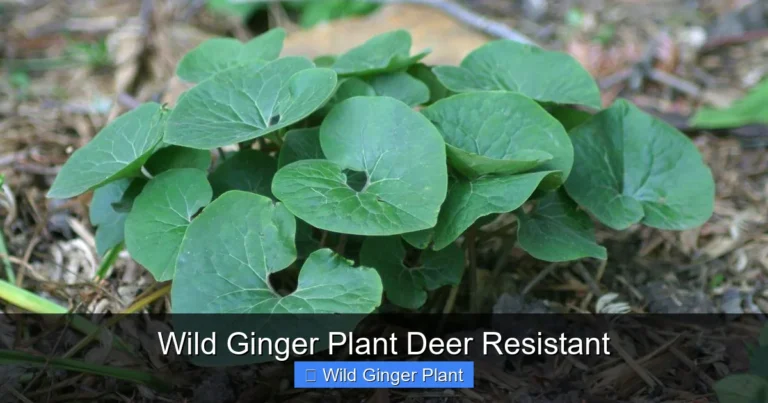
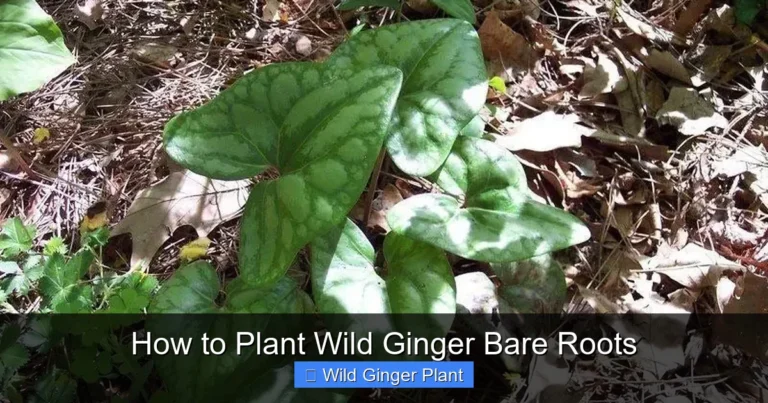
Little brown jug ranks as the most widespread wild ginger plant Florida residents encounter. Its range spans the northern and central counties, extending south to around Orlando. The leaves steal the show — leathery, evergreen, and beautifully mottled with silver-white patterns on deep green. Each leaf sits atop a long petiole arising directly from the rhizome.
The flowers earn the “little brown jug” nickname. Shaped like tiny urns or jugs, they sit at ground level, often buried under leaf litter. Purple-brown to greenish, they measure barely half an inch across. You have to get on hands and knees to spot them. Bloom time runs February through April, before the new leaf flush.
Hexastylis speciosa — Harper’s Heartleaf
Harper’s heartleaf occupies a much smaller range, limited to a few counties in the central panhandle. This rare species resembles little brown jug but with larger, more dramatically patterned leaves. The silver mottling can cover most of the leaf surface, creating an almost frosted appearance. Flowers tend toward a richer purple hue.
Because of its restricted range, Harper’s heartleaf appears on Florida’s threatened plant list. If you’re lucky enough to have it on your property, consider yourself a steward of something special. Never dig plants from the wild — seek nursery-propagated specimens instead.
Hexastylis lewisii — Lewis’s Heartleaf
Another panhandle endemic, Lewis’s heartleaf grows in the Apalachicola River region. It differs from its cousins with narrower leaves and less pronounced mottling. The leaf shape approaches a true heart form, hence the common name. This species prefers the steephead ravines and slope forests unique to that part of Florida.
Asarum canadense — Canadian Wild Ginger
While primarily a northern species, Canadian wild ginger reaches its southern limit in Florida’s northernmost counties. It differs from the Hexastylis species in being deciduous — the large, soft, kidney-shaped leaves die back each winter. The flowers are larger and more conspicuous, though still ground-level. This species spreads more vigorously, forming impressive colonies over time.
Identifying Wild Ginger in the Field
Leaf Characteristics
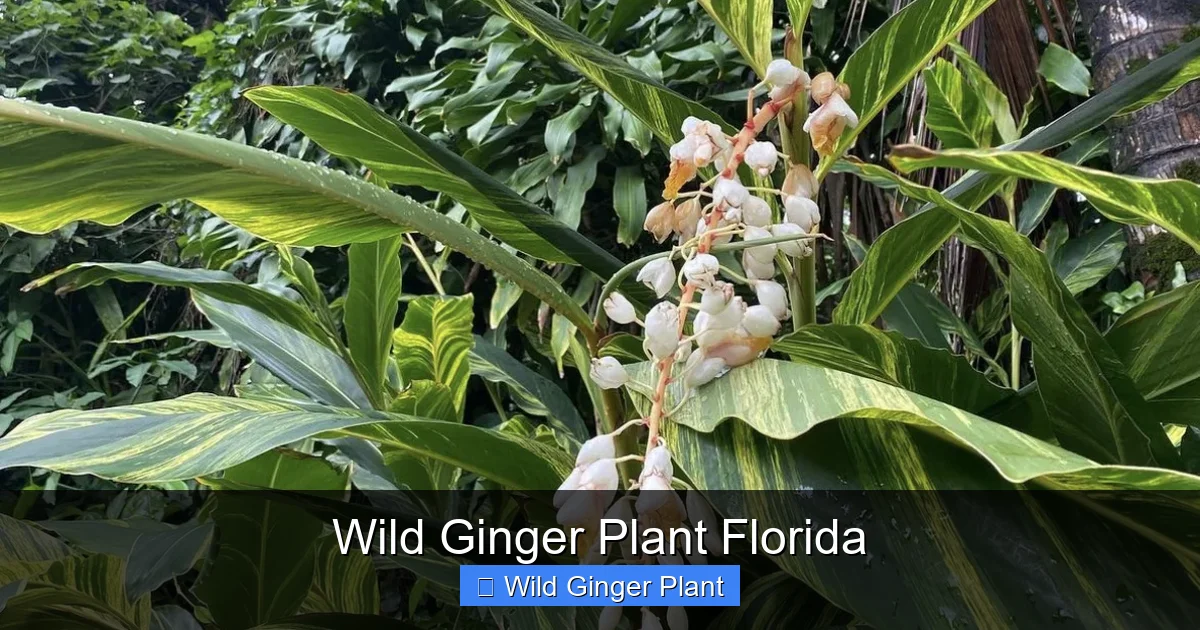
Start with the leaves. All wild ginger plant Florida species share a basal growth pattern — leaves arise directly from the rhizome, not from a central stem. The leaf blades are simple, entire (smooth-edged), and usually heart-shaped or kidney-shaped. Texture ranges from thin and soft (Asarum) to thick and leathery (Hexastylis).
Visual guide about Wild Ginger Plant Florida
Image source: jmclandscapingfl.com
Mottling provides the best quick ID feature. Little brown jug shows irregular silver-white blotches. Harper’s heartleaf displays more extensive, almost geometric patterns. Lewis’s heartleaf has minimal mottling. Canadian wild ginger lacks mottling entirely — solid medium green.
Flower Structure
Flowers unite the genus. Three fused sepals form a tube or urn shape with three flared tips. No petals exist. Colors span greenish-yellow through purple-brown. The interior often shows contrasting patterns — spots, stripes, or solid color. Size ranges from 1/4 inch to nearly an inch across.
Here’s the trick: flowers hide. They emerge at soil level, often beneath last year’s leaf litter. You’ll need to gently pull back debris to find them. This isn’t shyness — it’s strategy. The flowers mimic fungal fruiting bodies, attracting fungus gnats and small beetles as pollinators.
Rhizome and Root Features
Gently brush away soil at the base (without uprooting!) to reveal the rhizome. It creeps horizontally just below the surface, about pencil-thick, with distinct nodes. Roots emerge from the nodes. When fresh, the rhizome smells distinctly of ginger — spicy, earthy, warm. This scent confirms identity but please don’t dig plants to check.
Seasonal Timing
Hexastylis species stay evergreen. Old leaves persist through winter, looking a bit ragged by spring. New leaves emerge after flowering, typically March to April. Asarum canadense follows a different calendar — leaves emerge early spring, flower shortly after, then yellow and vanish by late summer in Florida’s heat.
Natural Habitat and Growing Conditions
Where They Grow Wild
Wild ginger plant Florida populations favor specific niches. Look in mature hardwood hammocks, slope forests, and floodplain forests. They need the deep shade of closed canopies — think 80% shade or more. The soil stays consistently moist but not waterlogged, rich in organic matter from decades of leaf fall.
Associated species tell the story. You’ll find them alongside trilliums, bloodroot, mayapple, ferns like Christmas fern and southern lady fern, and spring ephemerals. The canopy typically includes southern magnolia, live oak, hickories, and beech. In the panhandle, they grow with Florida torreya and other rare ravine species.
Soil Requirements
Rich, humusy, well-drained but moisture-retentive — that’s the gold standard. pH leans acidic, typically 5.5 to 6.5. The organic layer (duff) matters as much as the mineral soil beneath. This layer holds moisture, suppresses weeds, and slowly releases nutrients. Clay subsoil helps retain water during dry spells.
If your garden soil is sandy (classic Florida), you’ll need serious amendment. Work in compost, leaf mold, and rotted wood chips to a depth of 8-12 inches. Create a raised bed if drainage is questionable. The goal: soil that feels like a wrung-out sponge — moist but not soggy.
Light and Temperature
Deep shade is non-negotiable. Morning sun might be tolerated in northern counties, but afternoon sun will scorch leaves and dry the soil. Dappled light under high canopy works. Dense shade under evergreens works. Full sun kills these plants quickly.
Temperature tolerance varies by species. Hexastylis species handle Florida’s heat and humidity well — they evolved here. Asarum canadense struggles south of Gainesville. Summer heat combined with humidity stresses it. If you’re in central or south Florida, stick with the native Hexastylis species.
Moisture Needs
Consistent moisture drives success. These plants lack deep taproots — their roots stay in the upper few inches of soil. Drought, even brief, causes leaf scorch and decline. In nature, the duff layer and canopy reduce evaporation. In gardens, you must replicate this.
Irrigate during dry spells. Soaker hoses or drip irrigation work best — they wet soil without splashing foliage. Mulch heavily with oak leaves, pine straw, or shredded bark. Two to three inches of mulch conserves moisture and builds the organic layer these plants crave.
Cultivating Wild Ginger in Your Garden
Choosing the Right Species
Match species to your location. North Florida gardeners (zones 8a-8b) can grow any native species. Central Florida (zone 9a) should focus on Hexastylis arifolia and possibly Hexastylis speciosa. South Florida (zones 9b-10) — wild ginger plant Florida species generally won’t thrive. The heat, insufficient winter chill, and sandy soils create insurmountable challenges.
Consider non-native but well-adapted options for southern gardens. Asarum maximum (panda face ginger) from China handles zone 9 better. Asarum splendens (Chinese wild ginger) offers stunning silver-mottled foliage. These aren’t native but behave well and provide similar aesthetic and ecological function.
Sourcing Plants Ethically
Never, ever dig from the wild. Wild ginger plant Florida populations grow slowly. A colony you see might be decades old. Removing plants destroys genetics, disturbs soil, and opens space for invasives. It’s also illegal on public land and requires permits on private land.
Buy from reputable native nurseries. Look for “nursery propagated” not “nursery grown” — the latter sometimes means dug from wild and potted up. Good sources include the Florida Association of Native Nurseries members, native plant society sales, and specialty mail-order nurseries. Expect to pay $10-20 per plant for small pots. They’re worth it.
Planting Techniques
Fall planting works best — October through November. The soil stays warm, encouraging root establishment before winter. Spring planting (March) works too but requires more diligent watering. Space plants 12-18 inches apart. They’ll fill in over years.
Dig a hole twice the pot width, same depth. Loosen the root ball gently. Position so the rhizome sits just below soil surface — not buried deep, not exposed. Backfill with amended soil. Water thoroughly. Mulch with 2-3 inches of leaf litter or pine straw. Keep mulch off the crown to prevent rot.
Establishment Care
The first year tests your patience. Water deeply twice weekly unless rain provides an inch. Don’t fertilize — rich soil provides plenty. Weed carefully by hand; roots are shallow. Expect minimal top growth. The plant invests in roots and rhizome expansion.
Year two brings more leaves, maybe a flower or two. Year three — a recognizable clump. Year five — a small colony. These are slow plants. That’s okay. They live for decades, slowly expanding, outcompeting weeds, creating habitat. Think long-term.
Long-term Maintenance
Once established, wild ginger plant Florida specimens need little. No pruning. No deadheading (flowers are inconspicuous anyway). No division required — they self-manage. Just maintain the mulch layer. Add an inch of leaf litter annually. Let fallen leaves stay where they land.
Watch for slugs and snails in wet springs. They’ll chew holes in leaves. Beer traps, diatomaceous earth, or hand-picking at night control them. Deer rarely browse these plants — the aromatic compounds deter them. Rabbits might nibble new growth. Fencing helps if pressure is high.
Ecological Role and Wildlife Value
Pollination Ecology
The hidden flowers tell an evolutionary story. Wild ginger plant Florida species practice “sapromyiophily” — pollination by flies and beetles attracted to decaying matter mimicry. The flowers emit faint fungal or fermented odors. Fungus gnats (Mycetophilidae), small beetles (Staphylinidae, Scydmaenidae), and ants enter the floral tube.
Inside, the insects encounter receptive stigmas first (female phase), depositing pollen from previous visits. Later, anthers mature (male phase), dusting exiting insects with fresh pollen. The flower structure traps visitors temporarily, ensuring contact. It’s a clever system — no nectar reward, just deception.
Seed Dispersal
After pollination, the ovary swells into a fleshy capsule. When ripe, it splits open, revealing seeds with elaiosomes — fatty appendages ants love. Ants carry seeds to their nests, eat the elaiosome, discard the seed in nutrient-rich waste piles. This myrmecochory disperses seeds short distances, typically a few meters.
The result? Colonies expand slowly, genetically structured. Seeds rarely travel far. This makes habitat fragmentation devastating — populations can’t recolonize isolated patches. Garden plants rarely self-sow aggressively. You control the spread.
Butterfly and Moth Hosts
Pipevine swallowtail butterflies (Battus philenor) use wild ginger as larval host. The caterpillars sequester aristolochic acids from the leaves, becoming toxic to predators. Other aristolochia specialists — certain moths, sawflies — also depend on these plants. By growing wild ginger, you support these specialists.
Small mammals use the dense foliage for cover. Shrews, mice, and salamanders hunt insects in the moist microclimate beneath the leaves. The plants create habitat structure at ground level — critical in forests where deer have browsed the understory.
Soil and Microclimate Effects
Wild ginger colonies modify their immediate environment. The dense leaf mat reduces soil temperature fluctuation, conserves moisture, suppresses competing plants. The rhizomes bind soil on slopes. Decomposing leaves enrich the duff layer. Over decades, colonies improve the very soil they need — positive feedback.
Traditional Uses and Modern Cautions
Indigenous and Historical Uses
Native peoples across eastern North America used wild ginger extensively. The Cherokee, Creek, Seminole, and others harvested rhizomes for flavoring, medicine, and ceremonial purposes. Roots were dried, powdered, used as spice — hence “wild ginger.” Teas treated colds, fevers, digestive upset, menstrual cramps. Poultices addressed wounds, headaches, joint pain.
Early European settlers adopted these uses. Wild ginger appeared in 18th and 19th century pharmacopeias. It flavored beers, tonics, candies. The essential oil found use in perfumery. Commercial harvest occurred into the early 1900s. Then concerns arose.
Aristolochic Acid Concerns
Modern research revealed a serious problem. All Aristolochiaceae contain aristolochic acids — potent nephrotoxins and carcinogens. These compounds cause aristolochic acid nephropathy (kidney failure) and urothelial cancers. The FDA banned botanical products containing aristolochic acids in 2001.
Traditional preparation methods (long boiling, specific harvest times) may have reduced toxicity. But we lack safety data. Individual sensitivity varies. Cumulative exposure matters. The risk is real and irreversible. Please — admire these plants, grow them, conserve them. Don’t eat them.
Safe Alternatives
Want a native ginger flavor? Try spicebush (Lindera benzoin) twigs and berries. Or sassafras (Sassafras albidum) root bark (in moderation — safrole concerns). For true ginger flavor, grow Zingiber officinale in pots — it thrives in Florida summers. Many native mints (Pycnanthemum, Monarda) offer wonderful aromatics without toxicity.
Conservation Status and Threats
Species of Concern
Hexastylis speciosa (Harper’s heartleaf) ranks as state-threatened. Its global rank is G2 — imperiled. Fewer than 20 populations exist, all in Florida’s central panhandle. Hexastylis lewisii (Lewis’s heartleaf) is state-endangered, G1 — critically imperiled. Known from perhaps 10 sites in the Apalachicola region.
Asarum canadense is secure globally but at its southern range edge in Florida. Peripheral populations often hold unique genetic adaptations — valuable for climate resilience. Hexastylis arifolia appears secure but faces local threats.
Habitat Loss and Fragmentation
Hardwood hammocks and slope forests — prime wild ginger plant Florida habitat — have declined dramatically. Conversion to agriculture, pine plantations, development. Remaining patches are fragmented, isolated. Small populations suffer inbreeding depression, lose genetic diversity, face extinction vortices.
Edge effects penetrate fragments — more light, wind, invasive species, altered hydrology. Wild ginger needs deep interior conditions. A 10-acre woodlot may have zero suitable microhabitat if edges dominate.
Invasive Species Pressure
Japanese climbing fern (Lygodium japonicum), coral ardisia (Ardisia crenata), heavenly bamboo (Nandina domestica), and camphor tree (Cinnamomum camphora) invade shaded woodlands. They outcompete native groundcovers, alter soil chemistry, change light regimes. Wild ginger cannot compete with these aggressive invaders.
Feral hogs root through colonies, destroying rhizomes, eating seeds, spreading invasives. Armadillos dig for insects, disturbing soil. Overabundant deer browse everything — though they avoid wild ginger, they remove companion species, simplifying the community.
Climate Change Impacts
Rising temperatures push suitable habitat northward. Species at southern range edges (Asarum canadense in Florida) face extirpation. Altered rainfall patterns — more intense droughts, heavier downpours — stress moisture-dependent plants. Sea level rise threatens coastal hammock populations.
Phenological mismatches loom. Flowers bloom earlier; pollinators may not adjust synchronously. Seed set declines. Long-term, assisted migration — moving species northward — may be necessary. But that’s controversial and complex.
How You Can Help
Grow nursery-propagated plants. Support land conservation — Florida Forever, local land trusts, conservation easements. Remove invasives on your property. Volunteer for monitoring programs (Florida Natural Areas Inventory, iNaturalist). Advocate for prescribed fire in appropriate habitats — it maintains open understory, controls invasives.
Never collect from wild populations. Never share wild-collected plants. Educate others. A single wild ginger plant Florida enthusiast protecting a colony makes a difference. These plants have survived ice ages, sea level fluctuations, human arrival. With help, they’ll survive this century too.
Designing with Wild Ginger in the Landscape
Shade Garden Combinations
Wild ginger plant Florida species shine in woodland gardens. Pair with native ferns — Christmas fern (Polystichum acrostichoides), southern lady fern (Athyrium asplenioides), ebony spleenwort (Asplenium platyneuron). Add spring ephemerals — trilliums, bloodroot (Sanguinaria canadensis), Virginia bluebells (Mertensia virginica) in north Florida.
Include shrub layer natives — Florida anise (Illicium floridanum), needle palm (Rhapidophyllum hystrix), dwarf palmetto (Sabal minor). Canopy trees — southern magnolia, live oak, pignut hickory. The goal: layered forest structure. Wild ginger anchors the ground layer.
Groundcover Applications
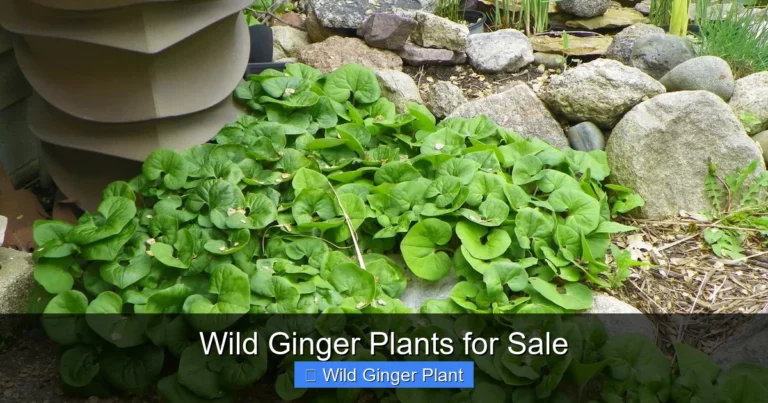
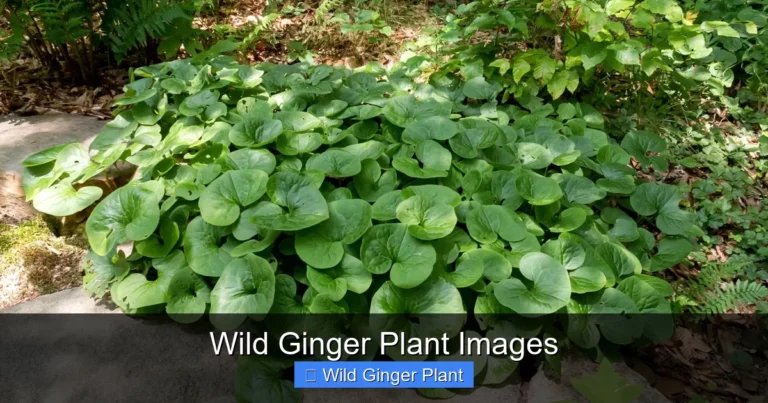
Use wild ginger as living mulch under trees where grass fails. It suppresses weeds, conserves moisture, builds soil. Plant in drifts of 7-15 plants for visual impact. Space 12 inches apart — they’ll knit together in 3-5 years. Avoid high-traffic areas; leaves tear easily.
On slopes, wild ginger stabilizes soil. The rhizome network holds duff and mineral soil. Combine with other rhizomatous natives — green-and-gold (Chrysogonum virginianum), foamflower (Tiarella cordifolia) in north Florida. The matrix approach creates resilient plant communities.
Container Culture
Yes, you can grow wild ginger in pots. Use wide, shallow containers — rhizomes spread horizontally. Mix: 50% pine bark fines, 30% compost, 20% coarse sand. Keep consistently moist. Fertilize sparingly — slow-release organic at half rate annually. Repot every 3-4 years when rhizomes fill the pot.
Containers let gardeners in unsuitable zones (south Florida, alkaline soils) enjoy these plants. Move pots to deepest shade in summer. Protect from freezing in rare cold snaps — pots freeze faster than ground. Bring into garage if sustained below 25°F expected.
Seasonal Interest
Hexastylis species provide year-round foliage interest. The mottled leaves catch light in winter when little else is green. Spring brings the treasure-hunt flowers. Summer shows fresh, perfect leaves. Fall — the leaves just persist, reliable and quiet.
Asarum canadense offers a different rhythm. Bare ground in winter. Dramatic emergence in early spring — fuzzy leaves unfurling like fists opening. Flowers at leaf base. Lush summer foliage. Then yellowing, collapse, disappearance by August. Both patterns have charm.
Propagation Methods for Gardeners
Division
Division is the easiest propagation method. Wait until a colony is at least 5 years old, 12+ inches across. Best timing: early fall (October) or very early spring (February) before new growth. Dig the entire clump. Gently tease apart rhizome segments — each needs at least one growing point (leaf bud) and some roots.
Replant immediately at same depth. Water well. Mulch. Expect some transplant shock — leaves may wilt, yellow. They’ll recover. Divisions establish faster than seedlings — flowering in 1-2 years. Share divisions with friends. Build a network of cultivated genetics.
Seed Propagation
Growing from seed tests patience but preserves genetic diversity. Collect capsules when they split open (May-June). Seeds lose viability quickly if dried. Sow immediately in pots with the same mix as containers. Cover barely — light aids germination. Keep moist, shaded.
Germination is erratic. Some sprout in 30 days. Others need cold stratification — 60-90 days at 40°F — then warm. Some take two years. Don’t discard pots prematurely. Label carefully. Seedlings resemble grass initially — single narrow leaf. True leaves appear in year two. Flowering in 4-6 years.
Rhizome Cuttings
For larger-scale propagation, rhizome cuttings work. Cut 2-3 inch rhizome segments, each with a node. Dust cut ends with cinnamon (natural fungicide). Lay horizontally in propagation tray, barely covered. High humidity, bottom heat (70°F), bright shade. Roots and shoots emerge in 4-8 weeks.
This method produces many plants from one donor. Use only cultivated plants — never wild. It’s how nurseries build stock. Home gardeners can do it too with a simple humidity dome setup.
Common Problems and Solutions
Leaf Scorch and Desiccation
Brown leaf edges, curling, crisping — classic drought stress. Cause: insufficient moisture, too much sun, sandy soil without amendment. Fix: deep watering, more mulch, add organic matter, ensure shade. Severely damaged leaves won’t recover — new growth will replace them.
Crown Rot
Mushy rhizome base, foul smell, leaves pull away easily. Cause: poor drainage, buried crown, excessive mulch against stem. Fix: improve drainage, expose crown, reduce mulch depth near plant. Remove rotted sections. Dust with cinnamon. Replant in better site if needed.
Slug and Snail Damage
Irregular holes in leaves, slime trails. Worse in wet springs, heavy mulch. Fix: beer traps, copper tape around beds, diatomaceous earth, hand-picking at night. Encourage predators — toads, snakes, birds. Reduce mulch depth temporarily if pressure is extreme.
Poor Growth, No Spread
Plants sit same size year after year. Cause: insufficient light (paradoxically — too dark), nutrient-poor soil, root competition from aggressive trees, wrong species for zone. Fix: soil test, amend, consider thinning canopy slightly, ensure species matches your zone.
Viral Symptoms
Mottling that’s not the natural pattern — ringspots, line patterns, distortion. Viruses occur but are rare. No cure. Remove and destroy affected plants to prevent spread. Sterilize tools. Source new plants from clean stock.
Conclusion
The wild ginger plant Florida woodlands harbor represents something precious — ancient lineages adapted to this specific place. These aren’t showy plants. They don’t shout for attention. They persist, quietly, doing their ecological work: feeding specialized insects, stabilizing soil, building humus, creating microhabitats.
Growing them connects you to that persistence. It asks for patience — the gardener’s virtue. It rewards with subtlety — the naturalist’s joy. A colony you plant today might outlive you, expanding slowly, supporting life you’ll never see, enriching soil your grandchildren’s grandchildren will walk on.
Start small. One plant, right spot, right care. Learn its rhythms. Add companions. Build community — plant and human. Share divisions. Share knowledge. Advocate for the wild places where these plants still grow on their own terms. The wild ginger plant Florida heritage depends on people who notice, care, and act.
Next time you’re in a north Florida hammock in March, get down low. Pull back the oak leaves. Find that little brown jug. Smell the rhizome — ginger, earth, time. Then stand up, leave it be, and carry that moment forward.
Frequently Asked Questions
What are the main differences between Hexastylis and Asarum wild ginger species?
Hexastylis species are evergreen with leathery, often mottled leaves and smaller flowers. Asarum canadense is deciduous with soft, large, solid green leaves and larger flowers. Hexastylis species are native to the Southeast, while Asarum canadense ranges further north.
When is the best time to plant wild ginger in Florida?
Fall planting (October-November) is ideal in Florida. Warm soil encourages root establishment before winter, and natural rainfall reduces watering needs. Early spring (February-March) works too but requires more supplemental irrigation.
Do wild ginger plants attract pollinators to my garden?
Yes, but not typical showy pollinators. Wild ginger flowers attract fungus gnats, small beetles, and flies that mimic fungal spore dispersal. They also host pipevine swallowtail butterfly caterpillars, making them valuable for specialist insect conservation.
How do I know if my soil is suitable for wild ginger?
Test for pH (target 5.5-6.5), organic matter content (aim for 5%+), and drainage. Dig a 12-inch hole, fill with water — it should drain in 2-4 hours. Soil should feel moist but not soggy 2 inches down. Amend sandy Florida soils heavily with compost and leaf mold.
Can wild ginger be grown indoors as a houseplant?
Wild ginger makes a poor houseplant. It requires high humidity, cool temperatures, deep shade, and a winter dormancy period (for Asarum) or consistent conditions (for Hexastylis). Indoor air is too dry, and light levels are usually inappropriate.
What should I do if I find wild ginger growing on my property?
Consider yourself fortunate! Protect the area from disturbance, avoid foot traffic, remove invasive plants nearby, and let fallen leaves accumulate naturally. If you want to expand the population, contact a native nursery about propagating from your plants legally — never dig and divide wild colonies yourself.