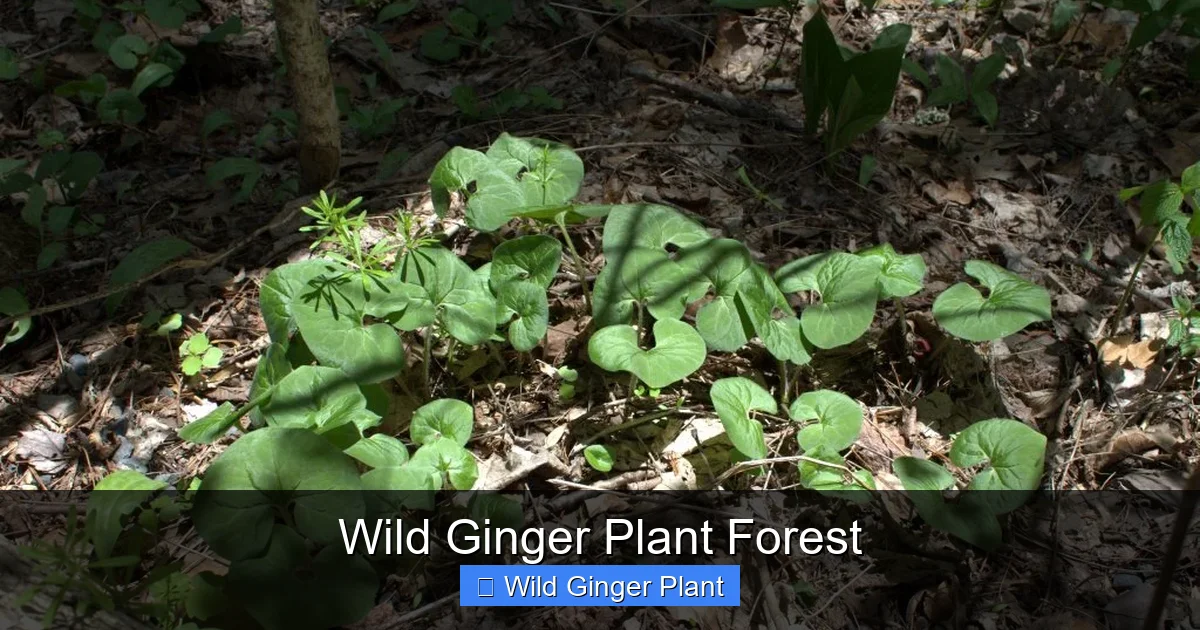
Wild Ginger Plant Forest
A wild ginger plant forest is a cool, shaded woodland where the herb forms a dense carpet. Its roots have been used for medicine and its leaves add a peppery note to dishes.
I walk into a wild ginger plant forest and feel the cool air. The ground is soft and damp. Small green leaves cover the floor. The scent is spicy and sweet. Light filters through the canopy. Birds sing low in the trees. You can hear a creek nearby. The forest feels alive and calm. This place is a hidden treasure. I want to share what I see.
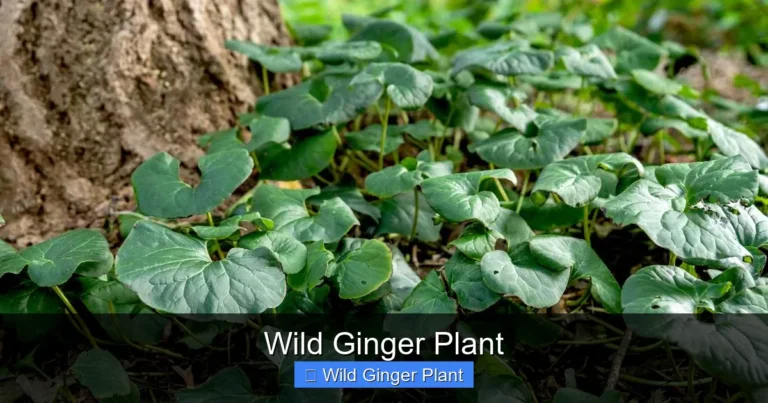
A wild ginger plant forest grows in moist shade. The soil is rich and dark. The plant spreads by underground stems. Each stem sends up a pair of leaves. The leaves are heart shaped and glossy. In spring tiny brown flowers appear. They hide under the foliage. The rhizome stores energy for the plant. People have used the root for centuries. It is a valuable forest herb.
When you visit a wild ginger plant forest you notice the quiet. The air smells of earth and spice. You may see deer browsing the edges. Insects buzz around the low flowers. The forest floor feels like a soft carpet. Children love to explore the hidden paths. Scientists study the plant for medicine. Conservation groups protect the area. You can help by staying on trails. Every step matters in this fragile place.
Key Takeaways
- Habitat: Wild ginger thrives in moist, shady woods with rich soil.
- Identification: Look for heart‑shaped leaves, small brown flowers, and a spicy scent.
- Medicinal value: The rhizome helps with nausea, colds, and inflammation.
- Culinary use: Fresh leaves spice up salads, soups, and teas.
- Conservation: Protect the forest floor from trampling and overharvest.
- Community role: Local groups can monitor populations and share data.
Quick Answers to Common Questions
What is a wild ginger plant forest?
A wild ginger plant forest is a shaded woodland where the low growing herb forms a dense ground cover.
How do you identify wild ginger in the forest?
Look for heart shaped leaves, small brown flowers at the base, and a spicy ginger scent when crushed.
What are the medicinal uses of wild ginger?
The rhizome helps with nausea, colds, inflammation, and can be made into a soothing tea.
Can you harvest wild ginger sustainably?
Yes, take only one rhizome segment per plant per year, replant a piece, and follow local guidelines.
What threats face wild ginger plant forests?
Habitat loss, overharvesting, climate change, and invasive species are the main threats.
📑 Table of Contents
What Is a Wild Ginger Plant Forest?
Definition
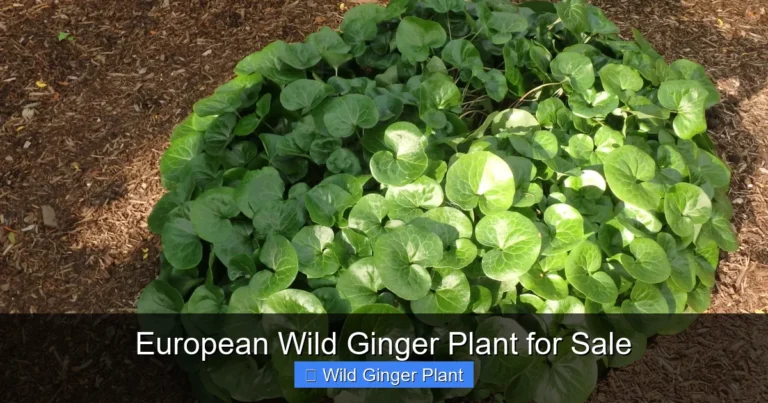
A wild ginger plant forest is a woodland where the herb dominates the ground layer. The plant prefers deep shade and constant moisture. It forms a thick mat that suppresses weeds. The rhizome grows horizontally just below the surface. This growth habit creates a living carpet. The carpet holds soil and retains water. Many small animals find shelter in the mat. The forest feels cool even on hot days. Researchers call this community a unique ecosystem. Protecting it keeps biodiversity high.
Habitat
The ideal habitat for a wild ginger plant forest is a north facing slope. The soil stays moist from rain and runoff. Deciduous trees drop leaves that enrich the ground. The canopy blocks most direct sunlight. Humidity stays high throughout the year. Mosses and ferns often grow alongside the ginger. The microclimate is stable and gentle. Disturbance is rare in these spots. Logging or clearing can destroy the habitat quickly. Restoration takes many decades.
Ecological Role
In a wild ginger plant forest the herb plays many roles. The dense mat prevents soil erosion on slopes. It holds rainwater and releases it slowly. This helps streams stay clear and cool. The rhizome feeds insects and small mammals. Birds eat the insects that live in the mat. The plant also adds organic matter as leaves decay. This enriches the soil for other species. The forest floor becomes a nursery for seedlings. Overall the herb supports a healthy food web.
Seasonal Changes
In a wild ginger plant forest the seasons bring visible shifts. Spring shows fresh green shoots and tiny flowers. Summer the mat becomes thick and holds moisture well. Autumn leaves turn gold and drop adding nutrients. Winter the forest floor stays insulated under snow. The rhizome rests but stays alive underground. Temperature swings are buffered by the canopy. Moisture levels stay relatively stable year round. Observing these changes helps you time visits and harvest. Each season offers a different view of the same forest.
Identifying Wild Ginger in a Wild Ginger Plant Forest
Leaf Shape
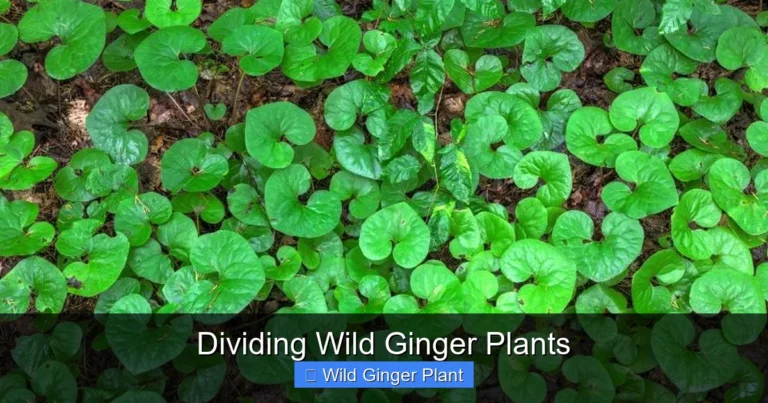
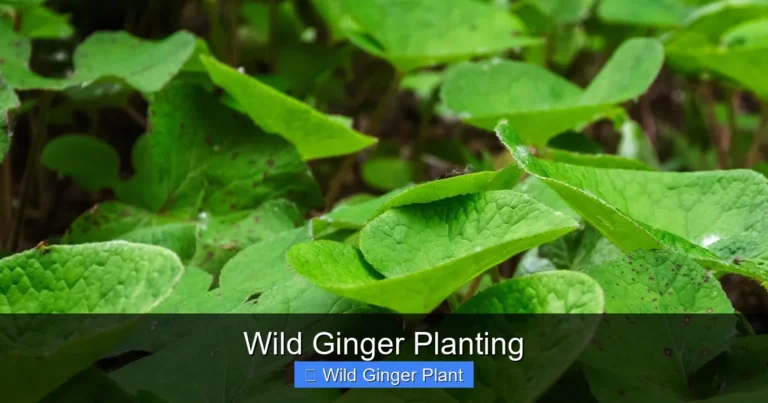
Leaf shape is the easiest clue in a wild ginger plant forest. Each leaf is broad and heart shaped. The edges are smooth and slightly wavy. The surface feels soft and velvety. Leaves grow in pairs on a short stem. The pair sits close to the ground. When you turn a leaf over you see fine hairs. The color is deep green with a faint shine. In autumn the leaves may turn yellow. This pattern helps you spot the plant quickly.
Flower Characteristics
Flowers in a wild ginger plant forest are small and hidden. They appear at the base of the leaf pair. Each flower is bell shaped and brownish purple. The petals are fused into a tube. There is no strong fragrance from the bloom. Pollination is done by tiny flies and beetles. The flower lasts only a few days. After pollination a capsule forms with seeds. Seeds drop close to the mother plant. This keeps the colony tight and local.
Scent
The scent of a wild ginger plant forest is unmistakable. Crush a leaf and you smell a warm peppery aroma. The rhizome has a stronger ginger like fragrance. This scent helps foragers locate the plant. It also deters some herbivores from eating the leaves. In the morning the air carries the spice far. At night the fragrance fades but lingers near the ground. You can use the smell to confirm identification. Always sniff gently to avoid damaging the plant. The aroma is a key field marker.
Root Morphology
The root system in a wild ginger plant forest is a network of thin rhizomes. Each rhizome is about the thickness of a pencil. Nodes appear every few centimeters along the length. From each node a new shoot can emerge. The outer skin is pale brown and slightly rough. Inside the flesh is creamy white and aromatic. Fine root hairs absorb water and minerals efficiently. The rhizome stores starch for winter survival. When you dig carefully you see the branching pattern. Understanding root morphology aids sustainable harvest decisions.
Benefits of a Wild Ginger Plant Forest
Medicinal Uses
People have used the rhizome from a wild ginger plant forest for medicine. It helps calm upset stomachs and nausea. A tea made from the root eases colds and sore throats. The compound gingerol reduces inflammation in joints. Traditional healers apply a paste to bruises and swelling. Modern studies confirm antioxidant properties in the extract. Dosage should be small because the root is potent. Pregnant women should consult a doctor before use. Always harvest sustainably to keep the population healthy. The plant offers a natural pharmacy in the woods.
Culinary Uses
The leaves from a wild ginger plant forest add a bright peppery flavor. You can chop fresh leaves into salads for a kick. A few leaves in soup give a warm depth. The rhizome can be grated like ginger in stir fries. Candied root makes a sweet spicy snack. Tea brewed from the root is soothing and aromatic. Chefs value the unique taste in wild food dishes. Always wash the plant parts before cooking. Use only what you need and leave the rest. This keeps the forest productive for future meals.
Soil Health
A wild ginger plant forest improves soil health in many ways. The dense mat adds organic matter as leaves fall. Decomposing material feeds microbes and earthworms. This creates a crumbly structure that holds water. The rhizome releases compounds that suppress harmful fungi. Nutrient cycling speeds up in the rich humus. Tree seedlings establish faster on the improved ground. Erosion is reduced on steep slopes. The forest becomes more resilient to drought. Healthy soil supports the whole ecosystem.
Economic Value
A wild ginger plant forest can provide income for local communities. Fresh leaves sell at farmers markets as a specialty herb. Dried rhizome powder is marketed as a natural supplement. Eco tours guide visitors through the scented woods for a fee. Sustainable harvest permits generate revenue for park management. Value added products like teas and salves increase profit margins. Fair trade certification can open international markets. Economic incentives encourage landowners to keep the forest intact. Balancing profit with conservation ensures long term benefits. The forest becomes a living asset rather than a liability.
Threats to a Wild Ginger Plant Forest
Habitat Loss
Habitat loss is the biggest danger to a wild ginger plant forest. Logging removes the canopy and dries the floor. Road building fragments the habitat into small patches. Agriculture converts the land to crops or pasture. Urban expansion pushes the forest edge inward. Each loss reduces the area where the plant can survive. Small isolated populations become vulnerable to disease. Genetic diversity drops when patches are far apart. Restoration is slow because the plant spreads slowly. Protecting large continuous tracts is essential.
Overharvesting
Overharvesting threatens a wild ginger plant forest when people take too much root. The rhizome is the most sought part for medicine and spice. Digging up the root kills the whole plant. Repeated removal leaves gaps in the mat. Gaps invite invasive species to move in. The population cannot recover quickly because growth is slow. Ethical foragers take only a small fraction each year. They also replant pieces of rhizome to help regrowth. Regulations and education reduce illegal harvest. Sustainable use keeps the forest alive for everyone.
Climate Change
Climate change adds pressure to a wild ginger plant forest. Warmer summers dry the soil faster than before. Reduced snowpack lowers spring moisture levels. Extreme storms can wash or blow away the thin mat. Shifts in phenology may mismatch pollinator timing. The plant may not adapt quickly enough to new conditions. Conservationists monitor temperature and moisture trends. Assisted migration is considered for the most at risk sites. Reducing carbon emissions helps the whole forest. Long term planning must include climate resilience.
Invasive Species
Invasive species pose a growing threat to a wild ginger plant forest. Garlic mustard and Japanese stiltgrass spread quickly in disturbed gaps. They outcompete the native herb for light and nutrients. Their dense growth prevents the ginger mat from re establishing. Early detection and rapid removal are critical. Volunteers can hand pull invaders before they set seed. Herbicide use is limited to avoid harming the ginger. Restoring native ground cover helps resist future invasions. Monitoring plots each year tracks invasion progress. Controlling invasives protects the forest’s unique character.
How to Explore a Wild Ginger Plant Forest Safely
Trail Etiquette
When you walk in a wild ginger plant forest stay on marked trails. Foot traffic off trail crushes the delicate mat. Keep your steps light and quiet. Do not pick leaves or flowers unless you have a permit. Pack out all trash and leftover food. Respect wildlife by observing from a distance. Use a walking stick to test ground stability. Stay with a group for safety in remote areas. Follow any posted signs from the managing agency. Good etiquette protects the forest for future visitors.
Harvest Guidelines
If you plan to harvest from a wild ginger plant forest follow strict rules. Take only one rhizome segment per plant per year. Leave at least two healthy leaf pairs on each plant. Replant a small piece of rhizome in the same spot. Harvest in late summer when energy stores are high. Use a clean knife to avoid disease spread. Do not harvest from protected or rare populations. Record the location and amount taken for personal logs. Share data with local conservation groups. Responsible harvest ensures the forest remains productive.
- Take only a small piece: one segment per plant each season.
- Replant a piece: helps the plant regrow.
- Harvest late summer: energy reserves are highest.
- Use clean tools: prevents disease.
- Report your take: aids monitoring.
Citizen Science
You can help scientists study a wild ginger plant forest by joining citizen projects. Use a smartphone app to record plant locations and health. Take clear photos of leaves flowers and rhizomes. Note the date weather and any disturbances. Upload data to the regional database each month. Researchers use the data to track population trends. Your observations fill gaps in remote areas. Training workshops teach proper identification methods. Participation builds a community of forest stewards. Every record adds value to conservation planning.
Photography Tips
Capturing a wild ginger plant forest on camera requires patience and low light skills. Use a tripod to keep the camera steady in dim shade. A wide aperture lets in more light and blurs the background. Focus on the heart shaped leaves for striking detail. Morning dew adds sparkle to the mat. Shoot from ground level to show the carpet effect. Include a person for scale and story. Respect the plants by staying on the trail while shooting. Share photos with conservation groups to raise awareness. Good images inspire others to protect the forest.
Conserving a Wild Ginger Plant Forest for the Future
Protection Strategies
Effective protection of a wild ginger plant forest starts with legal designation. Designate the area as a nature reserve or special management zone. Enforce rules against logging mining and off road vehicles. Install boardwalks to concentrate foot traffic on durable surfaces. Monitor the mat thickness and species composition annually. Control invasive plants that compete for light and nutrients. Restore degraded patches by planting nursery grown rhizomes. Engage local landowners in stewardship agreements. Funding from grants and donations supports ongoing work. A strong legal framework gives the forest a fighting chance.
Community Involvement
Community involvement makes conservation of a wild ginger plant forest lasting. Schools can adopt a plot for long term monitoring. Volunteers organize annual clean up and planting days. Local herbalists share traditional knowledge with researchers. Festivals celebrate the plant and raise awareness. Social media groups spread alerts about threats quickly. Partnerships with universities bring scientific expertise. Indigenous groups contribute cultural perspectives on use. Joint management plans reflect diverse values. Together the community becomes the forest’s strongest guardian.
Research Needs
Future research on a wild ginger plant forest should address several gaps. Genetic studies can reveal population structure and diversity. Climate models need fine scale data for microhabitat predictions. Pollinator interactions remain poorly documented. Long term plots track growth rates and mortality. Soil microbiome analysis may explain disease resistance. Economic valuation of ecosystem services guides policy. Collaboration across borders shares best practices. Open access databases accelerate discovery. Focused research ensures the forest thrives for generations.
Funding Strategies
Securing money for a wild ginger plant forest project involves multiple avenues. Grant applications to government agencies can fund research and restoration. Crowdfunding campaigns engage the public and raise small donations. Corporate sponsorships from eco friendly brands provide steady support. Membership programs give donors regular updates and perks. Sale of sustainably harvested products returns profit to the forest. Partnerships with universities unlock research funding. Local businesses can sponsor trail signs and boardwalks. Diversified income reduces reliance on a single source. A solid financial plan keeps conservation work ongoing.
Policy Advocacy
Advocating for strong policy protects a wild ginger plant forest at the landscape level. Write to elected officials about the forest’s ecological and economic value. Support legislation that limits logging in sensitive watersheds. Join coalitions that push for habitat connectivity corridors. Attend public hearings to voice community concerns. Provide scientific data to back up policy proposals. Encourage schools to include forest ecology in curricula. Media outreach raises public pressure on decision makers. Consistent advocacy turns local care into lasting legal protection. Your voice helps secure the forest for future generations.
Visiting a wild ginger plant forest teaches you how a single herb can shape an entire woodland. The cool shade the spicy scent and the soft mat all work together. When you respect the trails and harvest wisely you become part of the forest story. Your actions today protect the medicine the food and the wildlife of tomorrow. I hope you feel inspired to explore and defend this special place.
Remember that every small step matters in a wild ginger plant forest. Share what you learn with friends and family. Support local conservation groups with time or donations. Advocate for policies that protect shaded woodlands. Together we can keep the forest healthy for future hikers foragers and scientists. The forest will thank you with fresh air clean water and a taste of wild spice.
Frequently Asked Questions
Is wild ginger the same as culinary ginger?
No, wild ginger belongs to a different genus and has a milder flavor, but it can be used similarly in cooking. The rhizome is less pungent than true ginger.
Where can I find a wild ginger plant forest?
They grow in moist, shaded deciduous woods across temperate regions of North America and Asia. Look for north‑facing slopes with rich, damp soil.
When is the best time to see wild ginger flowers?
Flowers appear in early spring, usually April to May, hidden beneath the leaf pairs. They are small, bell‑shaped, and brownish purple.
Are there any poisonous look‑alikes?
Some species of aristolochia resemble wild ginger but have different leaf venation and lack the ginger scent. Always confirm identification by crushing a leaf.
How can I help conserve wild ginger?
Stay on trails, report sightings to citizen science apps, and support local land trusts that protect forest habitat. Your observations help researchers track population health.
What permits are needed for harvesting?
Permits vary by jurisdiction; check with the managing agency or park service before collecting any plant material. Unauthorized harvest can damage the population and is often illegal.