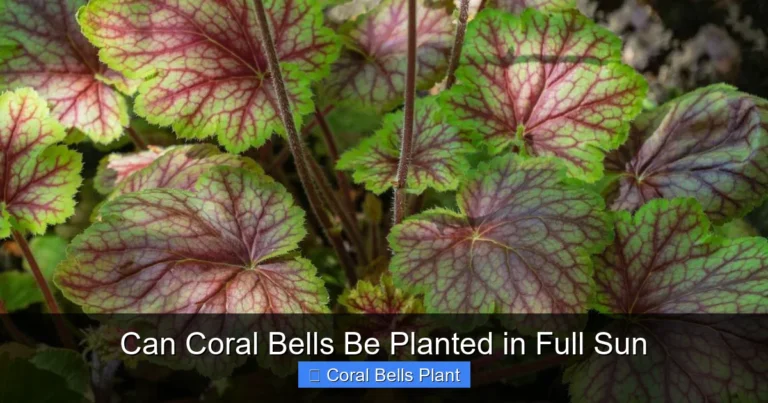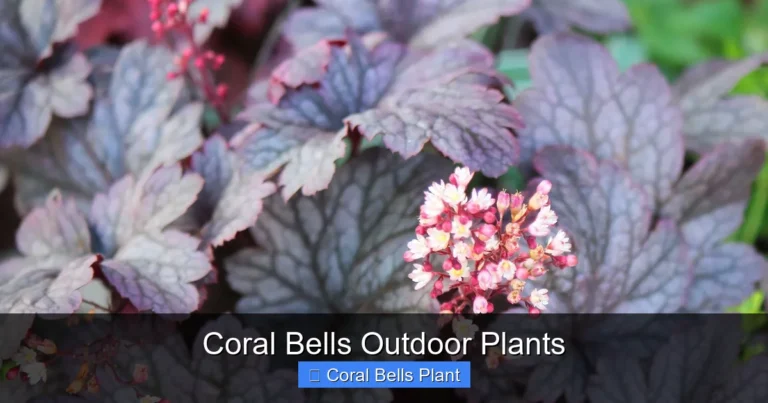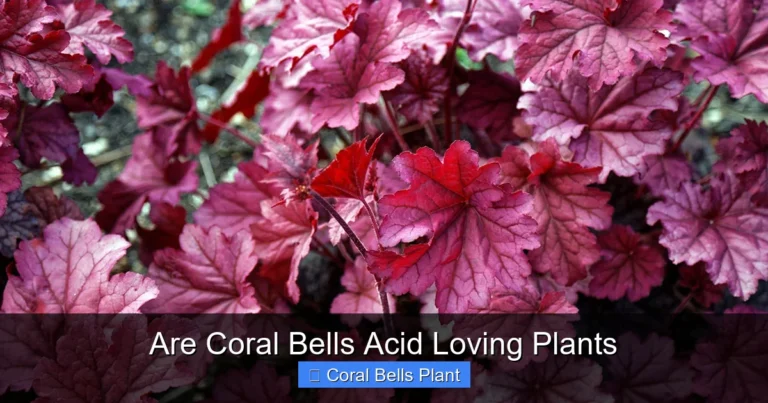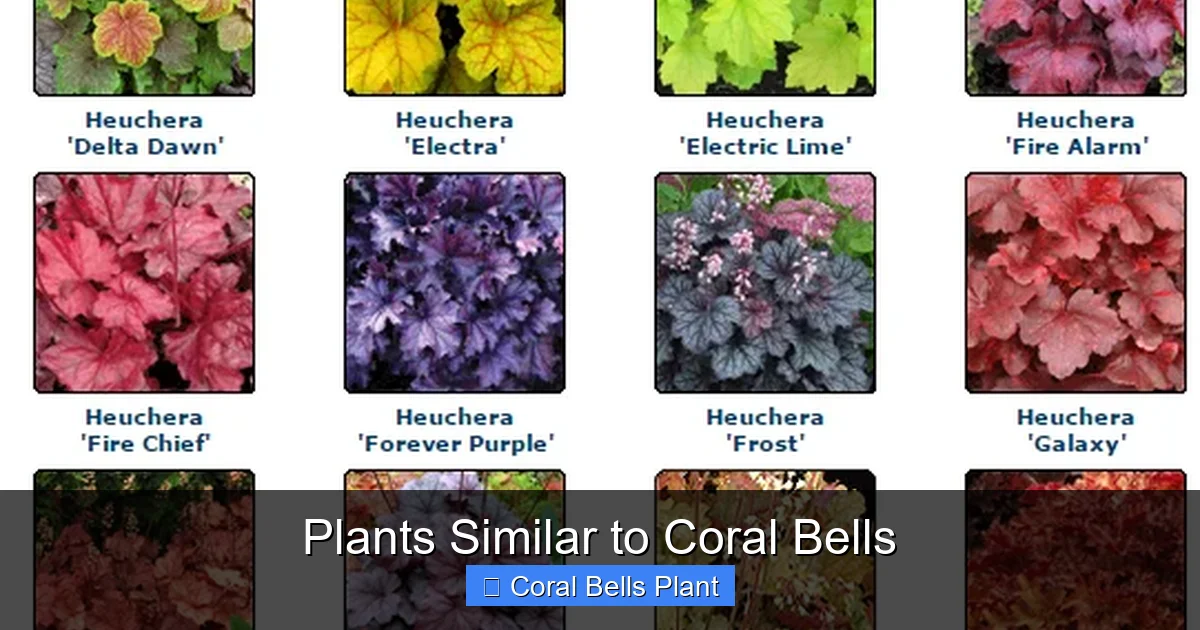
Plants Similar to Coral Bells
Coral bells (Heuchera) are beloved for their vibrant foliage and airy flower spikes, but many stunning alternatives offer similar charm. This guide explores the best plants similar to coral bells, including foamflower, alumroot, and Japanese painted fern, helping you create a lush, colorful shade garden with diverse textures and seasons of interest.
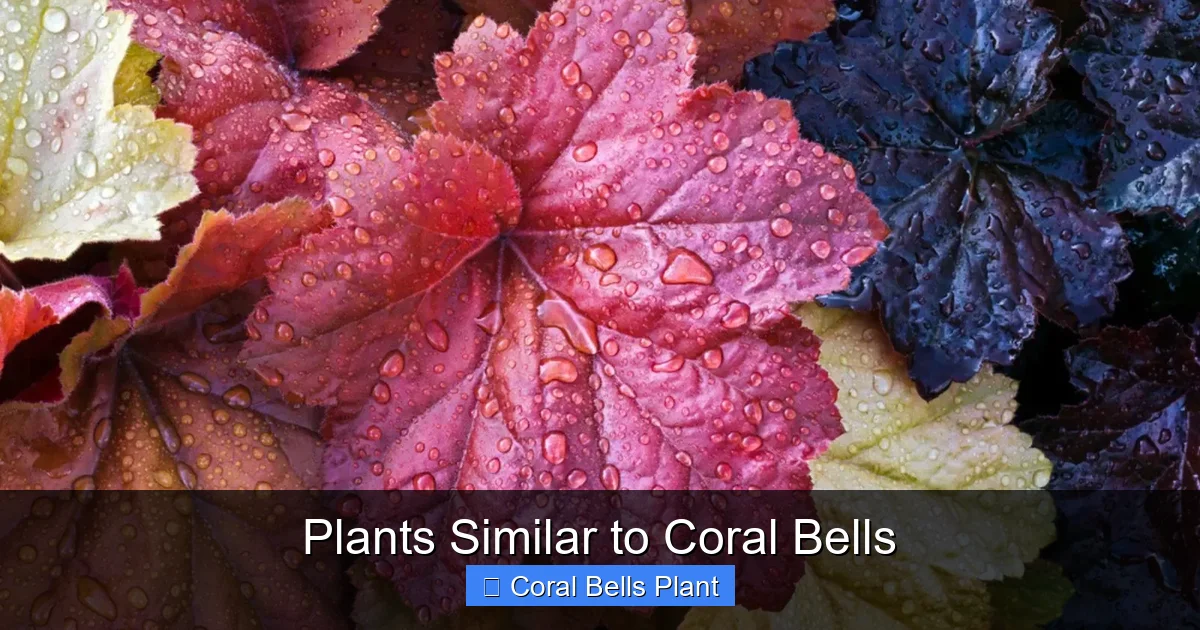
If you love coral bells, you already know their magic. Those ruffled leaves in shades of purple, caramel, lime, and near-black create instant drama in shady spots. The delicate flower wands dancing above the foliage in late spring add a fairy-tale touch. But here is the thing — a garden filled with only one plant can feel a bit flat. The real excitement happens when you mix in companions that play well together.
Finding plants similar to coral bells opens up a world of design possibilities. You get to keep that lush, colorful foliage look while adding new textures, bloom times, and growth habits. Some relatives are so close they could be siblings. Others are perfect neighbors that fill in the gaps when coral bells take a rest. Let us walk through the best options together, like we are planning a garden over coffee.
Key Takeaways
- Foamflower (Tiarella) is the closest cousin: It shares the same family as coral bells and offers similar maple-shaped leaves with beautiful spring blooms.
- Alumroot (Heuchera villosa) provides heat tolerance: This native species handles humidity better than many hybrid coral bells varieties.
- Japanese painted fern adds metallic shimmer: Its silver and burgundy fronds create stunning contrast alongside coral bells in shade gardens.
- Lungwort (Pulmonaria) blooms early: It provides late winter to early spring flowers when coral bells are still dormant.
- Hostas offer bold texture contrast: Their large, smooth leaves complement the ruffled, textured foliage of coral bells perfectly.
- Astilbe brings feathery plumes: Its colorful flower spikes rise above fern-like foliage, extending the bloom season in shade beds.
- Mix companions for year-round interest: Combine plants with different bloom times, leaf shapes, and colors for a dynamic shade garden.
Quick Answers to Common Questions
What is the closest plant relative to coral bells?
Foamflower (Tiarella) is the closest relative, sharing the same family (Saxifragaceae) and similar rosette growth habit, lobed leaves, and airy flower spikes.
Which coral bells alternatives handle heat and humidity best?
Heuchera villosa (hairy alumroot) and its cultivar ‘Autumn Bride’ are native to the Southeast and tolerate heat and humidity far better than fancy hybrids.
Can I plant hostas and coral bells together?
Absolutely. Hostas provide bold, smooth foliage that contrasts beautifully with the ruffled, textured leaves of coral bells. They share the same shade and moisture preferences.
What plants bloom earlier than coral bells in shade?
Lungwort (Pulmonaria), brunnera, primroses, and foamflower all bloom in early to mid-spring, weeks before coral bells send up their flower wands.
Which groundcovers work well under coral bells?
Wild ginger, green-and-gold, and epimedium make excellent living mulch beneath coral bells, suppressing weeds while adding their own foliage and flower interest.
📑 Table of Contents
- Understanding What Makes Coral Bells Special
- Closest Relatives: The Tiarella Connection
- Native Alumroot Species for Tough Conditions
- Ferns for Texture and Movement
- Early Bloomers for Spring Color
- Bold Foliage Companions
- Feathery Plumes and Vertical Accents
- Groundcovers for Living Mulch
- Designing With Coral Bells and Companions
- Cultural Care for a Happy Shade Garden
- Troubleshooting Common Issues
- Creating Your Shade Garden Masterpiece
Understanding What Makes Coral Bells Special
The Heuchera Family Tree
Coral bells belong to the genus Heuchera, part of the Saxifragaceae family. This family includes several genera that share similar traits — rosette-forming habits, attractive foliage, and airy flower panicles. Knowing the family connections helps you predict how a plant will behave. Most members prefer part shade, well-drained soil, and consistent moisture. They also tend to be deer resistant, which is a huge bonus.
Why Gardeners Seek Alternatives
Even devoted coral bells fans look for companions. Maybe you want earlier spring color. Perhaps your climate is too hot and humid for fancy hybrids. You might crave different leaf shapes — broader, finer, or more deeply lobed. Or you simply want to extend the bloom season from early spring through fall. Plants similar to coral bells solve all these desires while keeping the cohesive woodland garden vibe.
Closest Relatives: The Tiarella Connection
Foamflower (Tiarella cordifolia)
If coral bells had a twin, it would be foamflower. Both belong to the Saxifragaceae family. Foamflower forms low, spreading mounds of heart-shaped, often lobed leaves. The foliage frequently shows beautiful burgundy veining or central blotches, especially in spring. In mid to late spring, foamy white or pink flower spikes rise above the leaves, looking like tiny bottlebrushes.
Visual guide about Plants Similar to Coral Bells
Image source: positivebloom.com
Native to eastern North American woodlands, foamflower thrives in dappled shade with rich, moist soil. It spreads gently by runners, making a lovely groundcover. Varieties like ‘Spring Symphony’ offer pink buds opening to white flowers with deeply cut leaves. ‘Sugar and Spice’ has lacy foliage with dark centers. These plants similar to coral bells naturalize beautifully under trees.
Hybrid Heucherella (Foamy Bells)
Plant breeders crossed Heuchera and Tiarella to create Heucherella, often called foamy bells. These hybrids combine the best of both parents. You get the colorful, ruffled foliage of coral bells with the foamflower’s profuse flowering habit and spreading nature. The leaves come in stunning shades — ‘Sweet Tea’ shows cinnamon-orange with dark centers, while ‘Solar Eclipse’ has burgundy leaves edged in lime green.
Heucherella tends to be more vigorous and heat-tolerant than many coral bells. They bloom heavily in spring with airy sprays of white or pink flowers. Some varieties rebloom sporadically through summer. For gardeners wanting plants similar to coral bells with extra flower power, these hybrids are a dream come true.
Native Alumroot Species for Tough Conditions
Heuchera villosa (Hairy Alumroot)
While fancy hybrids get the spotlight, the straight species Heuchera villosa deserves attention. Native to the southeastern United States, this alumroot handles heat and humidity like a champ. Its large, hairy, maple-shaped leaves form substantial mounds up to 18 inches tall. In late summer to fall, tall wands of creamy white flowers appear, much later than most coral bells.
The cultivar ‘Autumn Bride’ is a standout. It features fuzzy green leaves and blooms in September when the garden needs fresh energy. ‘Purpurea’ offers purple-tinged foliage. These plants similar to coral bells are workhorses for southern gardens where hybrids often melt away. They also support native pollinators beautifully.
Heuchera americana (American Alumroot)
Another native gem, Heuchera americana, grows throughout eastern and central North America. It varies widely in the wild, but garden selections offer gorgeous silver-veined green leaves, often with purple undersides. The cultivar ‘Dale’s Strain’ is prized for its striking silver marbling on green leaves with purple backs. ‘Green Spice’ shows silver leaves with dark green veins and red centers.
This species tolerates drier conditions once established, making it useful for tough spots under trees where root competition is fierce. It blooms in late spring with greenish-white flowers. For gardeners seeking plants similar to coral bells that are tough as nails, American alumroot delivers.
Ferns for Texture and Movement
Japanese Painted Fern (Athyrium niponicum ‘Pictum’)
No shade garden feels complete without ferns, and Japanese painted fern is a superstar. Its fronds unfurl in metallic shades of silver, burgundy, and green — colors that echo the best coral bells cultivars. The finely divided foliage creates a soft, feathery texture that contrasts beautifully with the broad, ruffled leaves of heuchera.
This fern grows 12 to 18 inches tall and spreads slowly by rhizomes. It prefers consistent moisture and rich soil. ‘Regal Red’ offers deeper burgundy tones. ‘Godzilla’ is a giant selection reaching 3 feet tall. Pair these with purple-leaved coral bells for a monochromatic scheme, or with chartreuse varieties for high contrast. These plants similar to coral bells in color palette but totally different in texture.
Autumn Fern (Dryopteris erythrosora)
Autumn fern brings a different kind of drama. New fronds emerge coppery-orange to red in spring, maturing to glossy deep green. The color show repeats with each flush of growth through the season. This evergreen fern forms a vase-shaped clump 18 to 24 inches tall. It handles drier shade better than many ferns once established.
‘Brilliance’ is a cultivar selected for especially vivid spring color. The leathery fronds persist through winter in mild climates. Plant autumn fern behind lower-growing coral bells for a layered look. The vertical habit contrasts with the mounding heuchera. These plants similar to coral bells in their season-long foliage interest but add height and structure.
Christmas Fern (Polystichum acrostichoides)
For native plant enthusiasts, Christmas fern is a must. This tough, evergreen fern thrives in dry shade under trees. Its leathery, dark green fronds stay attractive all winter — hence the name. The fountain-like clumps reach 1 to 2 feet tall. It does not spread aggressively, staying put as a polite clump.
Christmas fern provides a calm, dark green backdrop that makes colorful coral bells pop. It also solves the “what looks good in January” problem. While heuchera foliage may look tattered after winter, Christmas fern stands tall. These plants similar to coral bells in shade tolerance but offer four-season structure.
Early Bloomers for Spring Color
Lungwort (Pulmonaria)
If you want flowers before coral bells wake up, lungwort is your answer. These low perennials bloom in late winter to early spring, often alongside hellebores. The funnel-shaped flowers open pink and turn blue, creating a two-tone effect on the same plant. The foliage is equally showy — green leaves splashed, spotted, or streaked with silver or white.
Pulmonaria ‘Diana Clare’ has long, silver leaves with green edges and violet-blue flowers. ‘Silver Bouquet’ offers nearly all-silver foliage. ‘Raspberry Splash’ features deep pink blooms and heavily spotted leaves. Lungwort goes summer dormant in hot climates, but in cooler regions the foliage stays attractive. These plants similar to coral bells in their shade-loving nature and decorative leaves but bloom much earlier.
Brunnera (Siberian Bugloss)
Brunnera macrophylla, often called false forget-me-not, creates a cloud of tiny blue flowers in mid-spring above heart-shaped leaves. The species has solid green foliage, but variegated cultivars steal the show. ‘Jack Frost’ displays silver leaves with green veins — a stunning foil for purple coral bells. ‘Looking Glass’ is even more silver. ‘Alexander’s Great’ offers giant leaves up to 12 inches across.
Brunnera forms a dense mound 12 to 18 inches tall. It prefers moist, rich soil but tolerates average conditions. The rough-textured leaves resist deer and rabbits. After flowering, the foliage carries the show all season. These plants similar to coral bells in their mound shape and shade preference but bring true blue flowers to the palette.
Primrose (Primula)
Primroses offer an incredible range of colors — yellow, pink, red, purple, white, and bicolors. Many species thrive in the same moist, part-shade conditions as coral bells. Primula vulgaris (English primrose) blooms early with clusters of pale yellow flowers. Primula japonica (Japanese primrose) sends up tiered whorls of flowers on 18-inch stems in late spring.
Candelabra primroses like Primula beesiana create dramatic vertical accents. The rosettes of crinkled leaves stay low and neat. Primroses appreciate consistent moisture and rich soil. They combine beautifully with coral bells, blooming as the heuchera foliage reaches full size. These plants similar to coral bells in cultural needs but completely different in flower form.
Bold Foliage Companions
Hostas (Plantain Lily)
Hostas are the classic shade garden partners for coral bells. Their large, smooth leaves — whether blue, green, gold, or variegated — provide perfect textural contrast to ruffled heuchera foliage. A blue hosta like ‘Halcyon’ next to a purple coral bells like ‘Palace Purple’ creates sophisticated color harmony. A gold hosta like ‘Sum and Substance’ beside chartreuse heuchera glows in dappled light.
Hostas range from tiny ‘Mouse Ears’ at 6 inches to massive ‘Empress Wu’ at 4 feet tall. This variety lets you create layers. Plant small hostas in front, coral bells in middle, large hostas behind. Hostas emerge later in spring, so coral bells carry the early show. These plants similar to coral bells in shade tolerance but opposite in leaf texture — smooth versus ruffled.
Bergenia (Pigsqueak)
Bergenia offers thick, leathery, evergreen leaves that turn beautiful burgundy-bronze in winter. The large, rounded foliage creates bold rosettes 12 to 18 inches across. In early spring, sturdy stems carry clusters of pink, magenta, or white flowers above the leaves. The common name “pigsqueak” comes from the sound when you rub two leaves together.
‘Winter Glow’ is prized for intense red winter color. ‘Bressingham White’ offers pure white flowers. Bergenia tolerates more sun than coral bells if kept moist, making it useful for transition zones. The heavy texture contrasts wonderfully with airy heuchera. These plants similar to coral bells in their evergreen rosette habit but much bolder in presence.
Rodgersia
For dramatic architecture, Rodgersia cannot be beat. Its large, compound leaves resemble horse chestnut foliage, creating a tropical look in temperate shade gardens. The leaves emerge bronze in spring, mature to deep green, and often color up again in fall. In early summer, tall plumes of creamy white or pink flowers rise 3 to 5 feet high.
Rodgersia aesculifolia has the classic chestnut-like leaves. Rodgersia pinnata ‘Superba’ offers bronze-red emerging foliage and pink flowers. These plants need consistent moisture and rich soil. They spread slowly by rhizomes to form impressive clumps. Plant coral bells at their feet for a layered effect. These plants similar to coral bells in loving shade and moisture but operating on a grander scale.
Feathery Plumes and Vertical Accents
Astilbe (False Spirea)
Astilbe brings the feather boa to the shade garden party. Its fern-like foliage forms attractive mounds, but the showstopper is the flower plumes. Dense, feathery spikes in white, pink, red, lavender, or rose rise above the leaves in early to mid-summer. The blooms last for weeks and dry beautifully on the plant.
‘Fanal’ offers deep red plumes on bronze-tinted foliage. ‘Bridal Veil’ has pure white flowers on green leaves. ‘Visions’ series features compact habits with raspberry-pink blooms. Astilbes need consistent moisture — they will crisp up in dry shade. Plant them where soil stays damp, perhaps near a downspout or in a low spot. These plants similar to coral bells in their mound shape and part-shade preference but bloom in summer when heuchera flowers have faded.
Goat’s Beard (Aruncus dioicus)
If you want astilbe on steroids, meet goat’s beard. This native perennial forms a massive mound 4 to 6 feet tall and wide. The compound leaves are deeply cut and fern-like. In early summer, enormous creamy white plumes tower above the foliage, creating a cloud-like effect. It is dioecious — male plants have showier flowers.
Aruncus aethusifolius is a dwarf version at 12 inches, perfect for smaller spaces. Goat’s beard prefers moist, rich soil and can handle full sun in cool climates with enough water. It makes a stunning backdrop for coral bells. These plants similar to coral bells in their love of woodland conditions but completely different in scale and flower form.
Thalictrum (Meadow Rue)
Thalictrum adds an airy, see-through quality that lightens heavy shade plantings. The delicate, columbine-like foliage forms a soft mound. Tall, wiry stems carry clouds of tiny flowers — no petals, just showy stamens in purple, white, yellow, or lavender. The effect is a hazy veil above lower plants.
Thalictrum rochebrunianum ‘Lavender Mist’ reaches 4 to 6 feet with lavender stamens. Thalictrum delavayi ‘Hewitt’s Double’ has double pom-pom flowers on 3-foot stems. Thalictrum kiusianum is a tiny alpine form at 4 inches. These plants similar to coral bells in their part-shade preference but bring vertical transparency and unique flower architecture.
Groundcovers for Living Mulch
Wild Ginger (Asarum)
Native wild ginger (Asarum canadense) forms a dense carpet of heart-shaped, velvety leaves 6 to 8 inches tall. It spreads steadily by rhizomes to suppress weeds. The bizarre, jug-shaped flowers hide at ground level in spring — pollinated by beetles. European wild ginger (Asarum europaeum) has glossier, evergreen leaves and stays more compact.
Both species thrive in deep shade with moist, humus-rich soil. They create a living mulch under and around coral bells, keeping roots cool and moist. The solid green foliage provides a calm foil for colorful heuchera. These plants similar to coral bells in their native woodland habitat and shade tolerance but function as groundcovers rather than specimen plants.
Green-and-Gold (Chrysogonum virginianum)
This cheerful native forms a low mat of fuzzy green leaves studded with yellow daisy flowers from spring through fall. It blooms heaviest in spring but reblooms sporadically all season. ‘Pierre’ is a compact, heavy-flowering selection. Green-and-gold handles dry shade once established, making it useful under trees.
The bright yellow flowers pop against purple or red coral bells. The fuzzy foliage adds tactile interest. It spreads gently by stolons, filling gaps without being aggressive. These plants similar to coral bells in their native range and adaptability but offer long-blooming yellow flowers instead of foliage color.
Barrenwort (Epimedium)
Epimedium, also called bishop’s hat or fairy wings, is a sophisticated groundcover for dry shade. The heart-shaped or arrow-shaped leaves are often semi-evergreen, with beautiful bronze or red tints on new growth. In spring, delicate four-petaled flowers dangle on wiry stems — like tiny columbines in yellow, white, pink, orange, or red.
‘Sulphureum’ has yellow flowers and red-tinted new leaves. ‘Rubrum’ offers red-and-yellow blooms. ‘Domino’ flowers prolifically with white spurs and pink cups. Epimedium spreads slowly by rhizomes to form weed-suppressing mats. Cut back old foliage in late winter before new growth emerges. These plants similar to coral bells in their shade tolerance and ornamental foliage but with completely different flower charm.
Designing With Coral Bells and Companions
Color Echoes and Contrasts
Great plant combinations often rely on color echoes — repeating a hue across different plants. Pair purple coral bells with Japanese painted fern’s burgundy highlights. Match chartreuse heuchera with gold hosta or creeping Jenny. Echo the silver of ‘Jack Frost’ brunnera with silver-spotted lungwort. These subtle connections unify the planting.
Contrast works equally well. Dark purple coral bells glow against chartreuse hakonechloa grass. Silver brunnera shines beside deep green Christmas fern. Red-tipped epimedium flowers pick up the veining in foamflower leaves. Think about leaf color, flower color, and seasonal changes when planning combinations of plants similar to coral bells.
Layering for Depth
Nature grows in layers, and your shade garden should too. Start with a canopy layer — existing trees or large shrubs. Add an understory layer with larger perennials like rodgersia, goat’s beard, or big hostas. The middle layer holds coral bells, astilbe, brunnera, and foamflower. The ground layer features wild ginger, epimedium, green-and-gold, and chrysogonum.
This layering creates habitat for wildlife and visual depth for humans. It also maximizes space — you fit more plants in the same footprint. When choosing plants similar to coral bells, consider their mature height and spread to place them in the right layer.
Seasonal Succession Planning
A well-designed shade garden has something interesting every month. Late winter: hellebores and early pulmonaria. Early spring: primroses, brunnera, foamflower. Mid-spring: coral bells foliage peaks, brunnera blooms, epimedium flowers. Late spring: coral bells flower wands, Japanese primrose tiers. Early summer: astilbe plumes, goat’s beard clouds. Mid-summer: rodgersia flowers, thalictrum haze. Fall: heuchera villosa blooms, autumn fern color, bergenia winter prep. Winter: Christmas fern, bergenia leaves, epimedium evergreen foliage.
By selecting plants similar to coral bells with staggered interest periods, you ensure the garden never has a dull moment. Keep a bloom calendar or photo journal to track gaps and plan additions.
Cultural Care for a Happy Shade Garden
Soil Preparation Is Everything
Most plants similar to coral bells originate in woodland environments with rich, humusy, well-drained soil. Before planting, amend your soil generously with compost, leaf mold, or aged manure. Aim for a loose, crumbly texture that holds moisture but drains excess water. Heavy clay kills these plants faster than anything else — they rot in wet, airless soil.
If you have clay, consider raised beds or mounding the planting area. Incorporate coarse organic matter like pine bark fines to improve drainage. Sandy soil benefits from extra compost to increase water retention. A 2 to 3 inch layer of shredded leaves or pine straw mulch maintains moisture, suppresses weeds, and slowly feeds the soil.
Water Wisdom
Consistent moisture is the golden rule for shade perennials. “Consistent” does not mean soggy — it means the soil never fully dries out. Water deeply once or twice a week during dry spells rather than light daily sprinkling. Soaker hoses or drip irrigation deliver water efficiently without wetting foliage, which reduces disease.
New plantings need more frequent watering until established — usually the first full season. Pay special attention to plants under large trees, where root competition is fierce. These “dry shade” spots may need supplemental water even in normal rainfall years. Mulch heavily to reduce evaporation.
Feeding Lightly
Woodland plants are not heavy feeders. In nature, they get nutrients from slowly decomposing leaf litter. Mimic this with a light application of balanced organic fertilizer in early spring as growth resumes. A top-dressing of compost around the crowns works beautifully. Avoid high-nitrogen fertilizers that push lush, weak growth susceptible to disease and frost damage.
Some plants similar to coral bells, like astilbe and rodgersia, appreciate slightly richer conditions. Others, like epimedium and Christmas fern, thrive on neglect. Observe your plants — yellowing leaves may indicate nutrient deficiency, while excessive soft growth suggests overfeeding.
Seasonal Maintenance
Spring cleanup sets the stage. Remove winter-damaged foliage from evergreen perennials like bergenia, epimedium, Christmas fern, and heuchera. Cut back herbaceous plants like astilbe, rodgersia, and thalictrum to the ground. Divide crowded clumps of coral bells, foamflower, and hostas every 3 to 4 years in early spring or fall.
Deadhead spent flowers on coral bells, astilbe, and brunnera to tidy the appearance — though leaving some seed heads feeds birds. In fall, leave most foliage in place for winter protection and habitat. Apply a fresh mulch layer after the ground freezes to prevent frost heaving. Remove any diseased foliage promptly to prevent overwintering pathogens.
Troubleshooting Common Issues
Crown Rot and Root Rot
The number one killer of coral bells and their companions is wet crowns in heavy soil. Symptoms include yellowing leaves, wilting despite moist soil, and mushy crowns. Prevention is everything: plant high, with the crown slightly above soil level. Ensure excellent drainage. Avoid mulch volcanoes — keep mulch away from crowns. In wet climates, consider planting on slopes or in raised beds.
If you catch it early, you can sometimes save a plant by digging it up, cutting away rotted tissue, dusting with sulfur or cinnamon, and replanting in better conditions. But prevention beats cure every time. Choose plants similar to coral bells that match your soil drainage — epimedium and Christmas fern tolerate heavier soil better than heuchera.
Sun Scorch and Heat Stress
Even “sun-tolerant” coral bells can fry in intense afternoon sun, especially in hot climates. Bleached, crispy leaf edges signal too much light. Most plants similar to coral bells prefer morning sun only or dappled shade all day. If your site gets harsh afternoon sun, choose the toughest varieties: Heuchera villosa, bergenia, Christmas fern, and green-and-gold handle more light.
Heat stress shows as stalled growth, leaf drop, and general decline. In the Deep South, many fancy heuchera hybrids struggle. Focus on native species and heat-tested cultivars. Provide afternoon shade with strategic tree placement or shade cloth. Ensure consistent moisture — heat stress compounds drought stress.
Pest and Disease Management
Good news: most shade perennials have few serious pests. Deer and rabbits generally avoid them, though they may sample new growth in spring. Slugs and snails can damage hostas, brunnera, and lungwort — use iron phosphate baits or beer traps. Vine weevil larvae eat roots of heuchera and Bergenia; beneficial nematodes control them.
Fungal leaf spots appear in humid conditions with poor air circulation. Space plants properly, water at soil level, and remove affected leaves. Powdery mildew occasionally hits astilbe and phlox — improve airflow and avoid overhead watering. Most issues resolve with better cultural practices rather than sprays.
Creating Your Shade Garden Masterpiece
Building a shade garden around coral bells and their companions is like composing music. Each plant plays a part — some are soloists with showy flowers, others provide steady rhythm with evergreen foliage. The magic happens in the combinations: the way Japanese painted fern’s silver catches light beside purple heuchera. How foamflower’s foamy spikes dance above wild ginger’s velvet leaves. The surprise of autumn fern’s copper new growth in October.
Start with a few reliable performers that match your conditions. Add one or two new plants each season. Observe what thrives, what struggles, what combinations make you smile. Share divisions with friends. Visit botanical gardens for inspiration. Take photos through the seasons. Before you know it, you will have a shade garden that feels like a woodland sanctuary — layered, dynamic, and alive with texture and color all year round.
Remember, there is no single “right” way to garden. The best plants similar to coral bells are the ones that make you happy in your specific space. Trust your instincts, learn from your plants, and enjoy the journey. Your shade garden is waiting to unfold.
Frequently Asked Questions
Are coral bells and foamflower the same plant?
No, they are different genera (Heuchera vs. Tiarella) in the same family. They look similar and hybridize to create Heucherella, but foamflower has more pronounced leaf lobes, spreads by runners, and blooms earlier with foamier flowers.
What is the best coral bells alternative for deep shade?
Christmas fern, wild ginger, and epimedium thrive in deep shade where coral bells might struggle. They maintain attractive foliage with very little direct light.
Do plants similar to coral bells need acidic soil?
Most prefer slightly acidic to neutral soil (pH 6.0-7.0), but they adapt to a range. Japanese painted fern and astilbe appreciate more acidity, while bergenia and Christmas fern tolerate alkaline conditions better.
Can I grow coral bells companions in containers?
Yes, many thrive in containers. Use a high-quality potting mix with good drainage. Heuchera, tiarella, heucherella, and small hostas do especially well. Ensure consistent watering and winter protection in cold climates.
Which coral bells look-alikes are deer resistant?
Most shade perennials in this group are deer resistant due to fuzzy, leathery, or bitter-tasting foliage. Top choices: foamflower, brunnera, epimedium, Christmas fern, bergenia, and lungwort.
How do I prevent crown rot in coral bells and similar plants?
Plant with the crown slightly above soil level, ensure excellent drainage, avoid piling mulch against stems, and water at soil level rather than overhead. In heavy clay, plant in raised beds or amend heavily with organic matter.