Coral Bells Plant Varieties
Coral bells plant varieties offer incredible foliage colors from deep purple to bright lime green. These shade-loving perennials provide year-round interest with minimal maintenance. Learn which Heuchera cultivars will thrive in your specific garden conditions.
If you have ever walked through a garden center in spring, you have probably seen coral bells. They sit there in neat rows, showing off leaves that look like they were painted by a rainbow. Some are deep purple. Some are bright caramel. Some are silver with dark veins. The variety is honestly stunning.
I remember the first time I planted coral bells in my own yard. I picked three different types just because I could not decide. That was five years ago. Those plants are still going strong. They have survived harsh winters, hot summers, and my occasional neglect. If you want a plant that gives you huge impact for very little work, this is it. Let me walk you through everything you need to know about coral bells plant varieties so you can pick the perfect ones for your space.
Key Takeaways
- Foliage diversity: Coral bells come in purple, silver, green, orange, red, and near-black shades
- Shade tolerance: Most varieties thrive in partial to full shade with some morning sun
- Year-round interest: Evergreen foliage provides winter color in many climates
- Low maintenance: Once established, these perennials need little care beyond occasional dividing
- Pollinator friendly: Bell-shaped flowers attract hummingbirds and bees in late spring
- Versatile uses: Perfect for borders, containers, woodland gardens, and ground cover
- Climate adaptability: Varieties exist for zones 4-9 with specific heat and cold tolerances
Quick Answers to Common Questions
What are the easiest coral bells varieties for beginners?
‘Caramel’, ‘Palace Purple’, ‘Lime Rickey’, and ‘Autumn Bride’ are the most forgiving. They tolerate a range of conditions and bounce back from mistakes.
Do coral bells spread aggressively?
No. They form tidy clumps that slowly widen. They do not run or seed aggressively. Divide every 3-4 years to control size and rejuvenate.
Can coral bells grow in full sun?
In cool climates (zones 4-6), many varieties tolerate full sun with adequate moisture. In hot climates, they need afternoon shade. Chartreuse and gold types handle more sun than dark varieties.
Why are my coral bells leaves turning brown and crispy?
Usually sun scorch or drought stress. Move to more shade or increase watering. Mulch helps. Crispy edges can also indicate vine weevil damage on roots.
When is the best time to divide coral bells?
Early spring as new growth emerges. Fall works in mild climates. Avoid dividing in summer heat or winter freeze. Water divisions well after replanting.
📑 Table of Contents
- Understanding Coral Bells Basics
- Top Coral Bells Plant Varieties by Color
- Species and Hybrid Groups Explained
- Choosing Varieties for Your Specific Conditions
- Designing with Coral Bells Plant Varieties
- Care and Maintenance Through the Seasons
- Propagation: Making More Plants
- Buying Tips: Getting Healthy Plants
- Conclusion
Understanding Coral Bells Basics
Before we dive into specific varieties, let us cover what coral bells actually are. The botanical name is Heuchera. They are native to North America. You will find them growing wild in woodlands, on rocky cliffs, and in mountain meadows from Canada down to Mexico. This wide native range is exactly why there are so many different types today. Plant breeders have had a huge genetic palette to work with.
What Makes Them Special
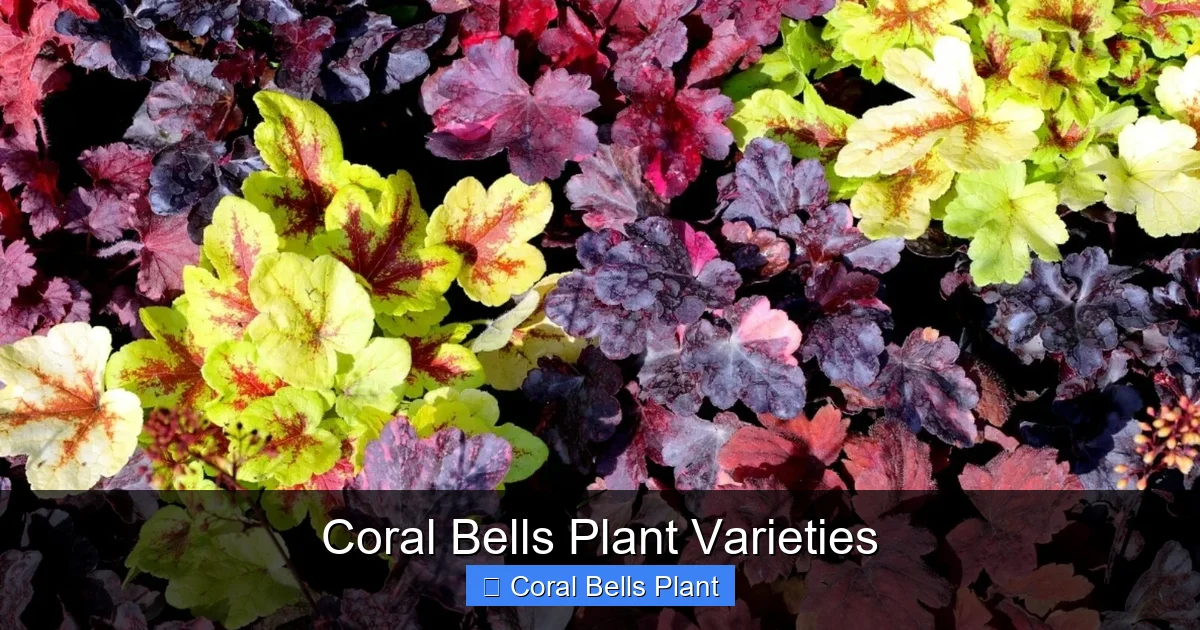
The main event with coral bells is the foliage. The leaves form a neat mound, usually 12 to 18 inches tall and wide. Each leaf has a lobed, almost maple-like shape. The colors are intense. We are talking deep plum, fiery orange, electric lime, rich chocolate, and metallic silver. Many varieties change color through the seasons. A plant that starts spring as bright red might mature to deep burgundy by fall.
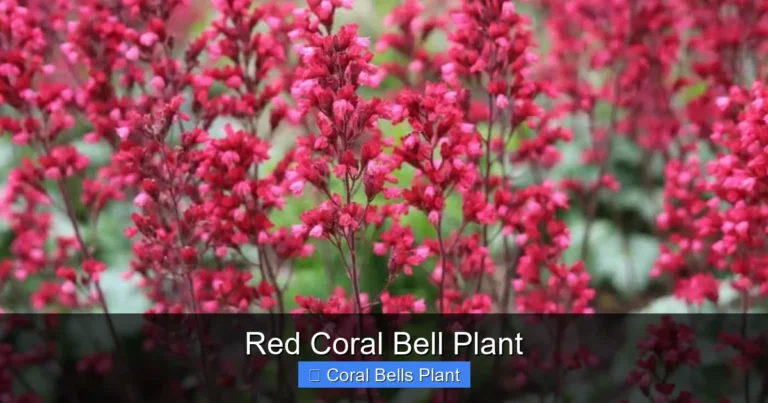
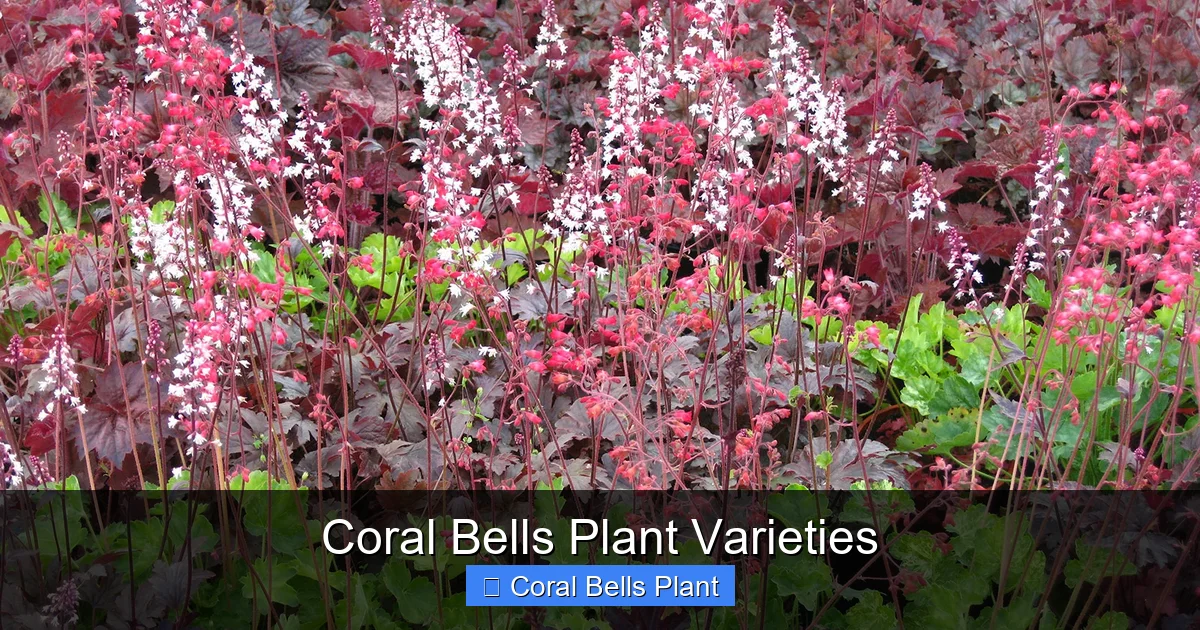
The flowers are a bonus. They appear on thin, wiry stems that rise above the foliage in late spring to early summer. The blooms look like tiny bells, hence the common name. Colors range from white to pink to coral red. Hummingbirds love them. Bees do too. But honestly? Most gardeners grow these plants for the leaves. The flowers are just a sweet extra.
Growing Conditions They Prefer
Coral bells are woodland plants at heart. They want dappled shade. Think about the light under a big oak tree. That is perfect. Some newer varieties handle more sun, especially in cooler climates. But as a general rule, protect them from hot afternoon sun. The leaves can scorch.
Soil matters too. They need good drainage. Wet clay will rot the crown. If you have heavy soil, amend it with compost or plant in raised beds. Slightly acidic to neutral pH is ideal. Once established, they are surprisingly drought tolerant. But they look best with regular moisture. Mulch helps keep roots cool and moist.
Top Coral Bells Plant Varieties by Color
Color is usually how we choose plants. So let us group the best coral bells plant varieties by their dominant foliage shade. This makes it easier to design your garden palette.
Visual guide about Coral Bells Plant Varieties
Image source: cdn.mos.cms.futurecdn.net
Deep Purple and Near-Black Varieties
These are the drama queens. They create instant depth in a shade garden. Pair them with chartreuse or silver plants for knockout contrast.
‘Obsidian’ is probably the most famous dark variety. The leaves are shiny, broad, and truly black-purple. They hold this color all season. It is a vigorous grower and handles heat better than many dark types. ‘Black Pearl’ is similar but with ruffled leaf edges that catch light beautifully. ‘Midnight Rose’ adds a twist. The dark leaves are splashed with hot pink spots. The spots are brightest in spring and fade a bit by summer, but the effect is unique.
If you want something slightly lighter, ‘Plum Pudding’ has been a staple for decades. The leaves are metallic plum with a silver overlay. It is incredibly reliable. ‘Forever Purple’ lives up to its name. The color stays saturated even in summer heat when many purples fade to green.
Silver and Pewter Varieties
Silver foliage lights up a shady corner like nothing else. These varieties often have darker veins that create a stained-glass effect.
‘Silver Scrolls’ is a classic. The leaves are metallic silver with charcoal veins and a purple underside. It forms a tight, tidy mound. ‘Looking Glass’ takes silver to another level. The leaves are almost mirror-like. Very little veining shows. It glows in evening light. ‘Appletini’ is newer. It starts chartreuse in spring, then develops a heavy silver overlay with green veins. The color shift is fun to watch.
For a softer look, ‘Caramel’ (which we will talk about more in the orange section) has a strong silver sheen over its amber base. ‘Steel City’ offers pewter-gray leaves with a subtle pink blush in cool weather. It is exceptionally cold hardy.
Chartreuse, Lime, and Gold Varieties
These are your shade garden highlighters. They make everything around them pop. Use them to draw the eye into dark corners.
‘Lime Rickey’ is a powerhouse. Ruffled, electric lime leaves on a vigorous plant. It handles more sun than most chartreuse types. ‘Electra’ has gold leaves with dramatic red veins. The contrast is stunning. In more shade, the gold softens to lime. ‘Citronelle’ is a large, bold variety with clean yellow-green leaves. No veining, just pure color. It makes a statement as a specimen plant.
‘Lemon Supreme’ is newer and more compact. Great for containers. ‘Gold Zebra’ has gold leaves with dark red centers that feather out along the veins. It looks tropical but is fully hardy. ‘Fire Alarm’ starts bright red in spring, shifts to gold with red veins, then goes orange in fall. Three seasons of color from one plant.
Caramel, Orange, and Peach Varieties
This color range has exploded in popularity recently. These warm tones bridge the gap between green and red. They play beautifully with purple and silver neighbors.
‘Caramel’ is the variety that started the craze. The leaves emerge gold, mature to soft caramel, and develop a silver frosting. It is heat tolerant, vigorous, and widely available. ‘Georgia Peach’ has huge, ruffled leaves in a true peachy-orange with a silver overlay. It is a showstopper. ‘Marmalade’ offers deeper, richer orange with pink undersides. The ruffled texture adds dimension.
‘Peach Flambe’ lives up to its fiery name. Bright peach spring leaves turn to hot coral-red by summer. ‘Copper King’ is newer with metallic copper-orange leaves and a compact habit. ‘Southern Comfort’ has large, cinnamon-peach leaves that take on pink tones in cool weather. It is bred for heat and humidity tolerance.
Red and Rose Varieties
True red foliage is rare in the plant world. These varieties deliver it in spades.
‘Firefly’ is a seed-grown strain with bright red spring foliage that matures to green with red veins. Very floriferous. ‘Cherry Cola’ has reddish-brown leaves with a silver overlay. The color reminds me of the soda. ‘Red Lightning’ is dramatic. Dark red leaves with electric gold veins. It looks like lightning bolts. ‘Wild Rose’ offers purplish-rose leaves with charcoal veining. The color deepens in cool weather.
‘Berry Smoothie’ is a standout. Huge, ruffled leaves in rose-pink with a metallic sheen. It holds color well into summer. ‘Rave On’ has pinkish-red leaves and incredible flower power. The blooms are deep pink and rebloom through summer.
Green Varieties with a Twist
Do not overlook green varieties. The best ones have patterning that makes them anything but boring.
‘Green Spice’ has green leaves with strong silver overlay and dark red veins. It is a classic for a reason. ‘Pistache’ offers chartreuse-green leaves with red veining that intensifies in cool weather. ‘Tiramisu’ changes through the seasons. Yellow-green with red centers in spring, greener in summer, then amber with red veins in fall.
‘Autumn Bride’ is a Heuchera villosa hybrid. Large, fuzzy, bright green leaves. Very heat and humidity tolerant. White flowers in late summer. It is a workhorse. ‘Mocha’ has deep brown-green leaves with a silver sheen. Sophisticated and subtle.
Species and Hybrid Groups Explained
Understanding the species behind the hybrids helps you pick plants suited to your climate. Most modern coral bells plant varieties are complex hybrids. But they trace back to a few key species.
Heuchera americana – The Alumroot
This is the eastern North American species. It brings cold hardiness and the classic lobed leaf shape. Many purple and silver varieties have strong americana genetics. They tend to be clump-formers with good winter persistence. If you garden in zones 4-6, look for varieties with americana parentage.
Heuchera villosa – The Hairy Alumroot
Native to the southern Appalachians. This species brings heat and humidity tolerance. The leaves are larger, often fuzzy, and the plant forms a bigger mound. Varieties with villosa blood (like ‘Autumn Bride’, ‘Caramel’, ‘Mocha’) thrive in the Southeast and Midwest summers. They also tend to bloom later, often into August.
Heuchera sanguinea – The Coral Bells
This is the species that gave the group its common name. Native to the Southwest. It has the showiest flowers. Bright coral-red bells on tall stems. The leaves are smaller and often evergreen. It brings drought tolerance and flower power. Many heavy-blooming varieties have sanguinea in them.
Heuchera micrantha – The Small-Flowered Alumroot
From the Pacific Northwest. It contributes ruffled leaves and a wide color range. The popular ‘Palace Purple’ (the first purple-leaved cultivar) came from this species. It brings a more open habit and interesting leaf textures.
Heuchera cylindrica – The Poker Alumroot
Western species with cylindrical flower spikes. It adds compact habit and cold tolerance. Not as showy foliage-wise, but valuable for breeding tough, tidy plants.
The Modern Hybrids
Today’s best coral bells plant varieties are complex crosses. Breeders like Terra Nova Nurseries, Walters Gardens, and Primrose Path have created lines that combine the best traits. You will see series names like the Dolce series (Proven Winners), the Primo series (larger plants), the Forever series (color stability), and the Carnival series (compact, colorful). These series help you know what to expect in habit and performance.
Choosing Varieties for Your Specific Conditions
Not every variety works everywhere. Matching the plant to your site saves heartache. Here is how to choose.
Hot, Humid Climates (Zones 7-9, Southeast, Midwest)
You need villosa hybrids. They resist the meltdown that kills many coral bells in southern summers. Top picks: ‘Caramel’, ‘Autumn Bride’, ‘Mocha’, ‘Southern Comfort’, ‘Georgia Peach’, ‘Citronelle’, ‘Electra’. These have the thick, fuzzy leaves and tough crowns that handle heat. Plant them where they get morning sun only. Mulch well.
Cold Climates (Zones 3-5, North, Mountains)
Look for americana and micrantha hybrids. They have the crown hardiness to survive freeze-thaw cycles. Reliable choices: ‘Palace Purple’, ‘Plum Pudding’, ‘Obsidian’, ‘Silver Scrolls’, ‘Green Spice’, ‘Berry Smoothie’. Mulch heavily after ground freezes. Snow cover helps. Avoid varieties known to heave (push out of the ground).
Dry Shade (Under Trees, Western Regions)
Once established, coral bells are surprisingly drought tolerant. But some are tougher. Sanguinea hybrids and villosa hybrids lead here. ‘Autumn Bride’, ‘Caramel’, ‘Obsidian’, ‘Palace Purple’, ‘Green Spice’. Water regularly the first year. After that, they can handle dry spells. Mulch is non-negotiable.
Containers and Small Spaces
Compact varieties shine in pots. Look for the Primo series (bigger but tidy), Dolce series, or Carnival series. Specific varieties: ‘Lemon Supreme’, ‘Appletini’, ‘Wild Rose’, ‘Cherry Cola’, ‘Red Lightning’. Use good potting mix. Water more often than in-ground plants. Fertilize lightly in spring. In cold zones, move pots to a protected spot or sink them in the ground for winter.
Sun Tolerance (Coastal, High Elevation, Cool Summers)
In cool climates, many varieties take full sun. The lighter the leaf, the more sun it usually needs to develop best color. Chartreuse, gold, and orange types often color up better with some direct light. ‘Lime Rickey’, ‘Electra’, ‘Fire Alarm’, ‘Georgia Peach’, ‘Southern Comfort’ can handle more sun if moisture is consistent. Watch for leaf scorch. Afternoon shade is still safer.
Designing with Coral Bells Plant Varieties
These plants are design chameleons. Here are real ways to use them.
Shade Border Combinations
Create a tapestry by mixing foliage colors and textures. A classic combo: ‘Obsidian’ (black), ‘Caramel’ (amber), ‘Silver Scrolls’ (silver), ‘Lime Rickey’ (chartreuse). Space them 14-18 inches apart. They will knit together into a weed-suppressing mat. Add early bulbs (snowdrops, crocus) between them for spring color before the Heuchera fills in.
For a cooler palette: ‘Looking Glass’ (silver), ‘Green Spice’ (green-silver-red), ‘Berry Smoothie’ (rose), ‘Citronelle’ (gold). The silver and gold light up the shade. The rose and green-spice add depth.
Woodland Garden Drifts
Plant in sweeps of 5, 7, or 9 of a single variety. This mimics nature. ‘Autumn Bride’ is perfect for this. Its large green leaves and late white flowers look native. ‘Palace Purple’ works too. Let them self-sow gently. They will naturalize over time.
Container Recipes
Coral bells are container superstars. They look good all season. Try this thriller-filler-spiller recipe: Center with a small evergreen shrub or ornamental grass (thriller). Ring with 3 coral bells plants (filler). Edge with trailing ivy, creeping jenny, or lamium (spiller).
Color-themed pots: “Sunset” – ‘Georgia Peach’, ‘Marmalade’, ‘Fire Alarm’ with yellow calibrachoa. “Moonlight” – ‘Looking Glass’, ‘Silver Scrolls’, ‘Citronelle’ with white bacopa. “Jewel Box” – ‘Obsidian’, ‘Berry Smoothie’, ‘Red Lightning’, ‘Electra’ with purple petunia.
Edging and Pathways
Use compact varieties to line a shady path. ‘Appletini’, ‘Wild Rose’, ‘Cherry Cola’, ‘Lemon Supreme’. They stay tidy. The foliage hides the bare legs of taller plants behind them. They soften hard edges beautifully.
Underplanting Shrubs and Trees
Plant coral bells in the drip zone of deciduous trees. They get spring sun before leaves emerge, then shade in summer. Perfect. Good partners for hydrangeas, rhododendrons, Japanese maples, dogwoods. The Heuchera foliage covers the bare ground and adds color at knee level.
Care and Maintenance Through the Seasons
One reason gardeners love coral bells plant varieties is the low maintenance. But a little attention goes a long way.
Spring
Clean up winter-damaged leaves. Cut them off at the base. Do not pull. You might damage the crown. Apply a light layer of compost around (not on) the crown. This feeds slowly and improves soil. Divide congested clumps now. Every 3-4 years keeps them vigorous. Replant divisions at the same depth. Water well.
Summer
Deadhead flower stems after blooming. Cut them to the base. This keeps the plant tidy and may encourage a light rebloom. Water during dry spells. Mulch to conserve moisture. Watch for sun scorch if a tree limb falls and exposes them to sudden sun. Move pots to shadier spots in heat waves.
Fall
Leave the foliage. It protects the crown over winter. In very cold zones, add a light mulch of shredded leaves or straw after the ground freezes. Do not use whole leaves. They mat and rot the crown. Fall is also a good planting time. Roots establish before winter.
Winter
In mild climates, coral bells stay evergreen. Enjoy the winter color. In cold zones, they may die back to the crown. That is fine. Do not cut them back until spring. The dead leaves insulate. If they heave (push up), gently press them back down during a thaw. Mulch helps prevent heaving.
Common Problems and Solutions
Crown rot: Caused by wet soil or planting too deep. Fix drainage. Replant higher. Vine weevil: Notches in leaf edges. Adults eat leaves. Larvae eat roots. Use beneficial nematodes in spring. Foliar nematodes: Angular brown spots between veins. Remove affected leaves. Improve air flow. Powdery mildew: White coating in humid weather. Space plants. Water at base. Choose resistant varieties (villosa hybrids). Heaving: Freeze-thaw pushes plants up. Mulch. Press back gently.
Propagation: Making More Plants
Coral bells are easy to multiply. Three main methods.
Division
Best done in spring. Dig the whole clump. Wash off soil. Pull or cut apart into sections. Each needs roots and a growing point (crown with leaves). Replant immediately. Water well. This rejuvenates old plants too. Do it every 3-4 years.
Seed
Species types come true from seed. Hybrids do not. But seedlings are fun. Collect seed when pods turn brown. Sow fresh or store cool and dry. Surface sow on moist mix. Light helps germination. 65-70°F. Seedlings vary. You might get something great.
Leaf Cuttings
Advanced but doable. Take a leaf with a bit of petiole (stem). Dip in rooting hormone. Stick in moist perlite. Cover with humidity dome. Roots form at the base. Pot up when rooted. This works best with villosa types.
Buying Tips: Getting Healthy Plants
Smart shopping saves money and disappointment.
At the Garden Center
Look for full, symmetrical plants. Avoid ones with yellowing lower leaves. Check the crown. It should be firm, not mushy. Gently lift the pot. Roots should be white and fill the pot but not be a solid mat. Avoid plants with weeds growing in the pot. That means they have been sitting a while.
Mail Order
Order from reputable perennial specialists. They ship bare root or in small pots. Bare root is fine. Plant immediately. Soak roots in water for an hour first. Spring shipping is best. Fall works in mild zones.
Reading Labels
Labels should show: variety name, zone hardiness, mature size, light needs, and patent info (PP or PPAF means it is patented, cannot be propagated for sale). Series names (Dolce, Primo, etc.) indicate breeding lines. This helps predict performance.
Conclusion
Coral bells plant varieties have transformed shade gardening. They give us color without flowers. They give us texture without fuss. They come back year after year, asking for so little. Whether you have a tiny urban balcony or a sprawling woodland, there is a Heuchera for you.
Start with three. Pick one dark, one light, one warm. Plant them where you will see them daily. Watch how they change through the seasons. Notice the hummingbirds on the flowers. See how they suppress weeds. Feel the satisfaction of a garden that looks great in January too.
The world of coral bells keeps expanding. Breeders introduce new colors every year. But the classics remain classics for a reason. ‘Palace Purple’, ‘Caramel’, ‘Obsidian’, ‘Lime Rickey’ — these have proven themselves in gardens across the continent. You cannot go wrong with them.
So go ahead. Add a few coral bells to your cart this spring. Tuck them into that shady spot where nothing else thrives. Put one in a pot by your front door. Give them a try. I think you will find, like I did, that they become the backbone of your shade garden. The kind of plants you recommend to every gardening friend. The kind you divide and share. The kind that make you look like a better gardener than you are. And really, what more can we ask?
Frequently Asked Questions
How many coral bells plant varieties exist?
There are over 500 named Heuchera cultivars on the market, with new introductions every year. They range from species selections to complex hybrids bred for specific colors, habits, and climate tolerances.
Are coral bells deer resistant?
Yes, coral bells are generally deer resistant due to their fuzzy or tough foliage and astringent taste. However, hungry deer may sample young growth in spring. They rarely cause serious damage.
Do coral bells come back every year?
Yes, coral bells are herbaceous perennials hardy in zones 4-9. They return reliably each spring. In mild climates, foliage stays evergreen. In cold zones, leaves die back but the crown survives underground.
What plants pair well with coral bells?
Great companions include hostas, ferns, astilbes, brunnera, hakonechloa grass, hellebores, foamflower, and spring bulbs. Choose plants with contrasting foliage textures and colors for the best visual impact.
Can I grow coral bells indoors as houseplants?
Coral bells can grow indoors temporarily but prefer outdoor conditions. They need a winter dormancy period, good air circulation, and brighter light than most homes provide. They are best enjoyed as garden plants.
How do I prevent my coral bells from heaving out of the ground?
Heaving happens from freeze-thaw cycles. Apply 2-3 inches of shredded leaf mulch after the ground freezes in late fall. Plant with the crown slightly below soil level. Spring division of old clumps also reduces heaving.