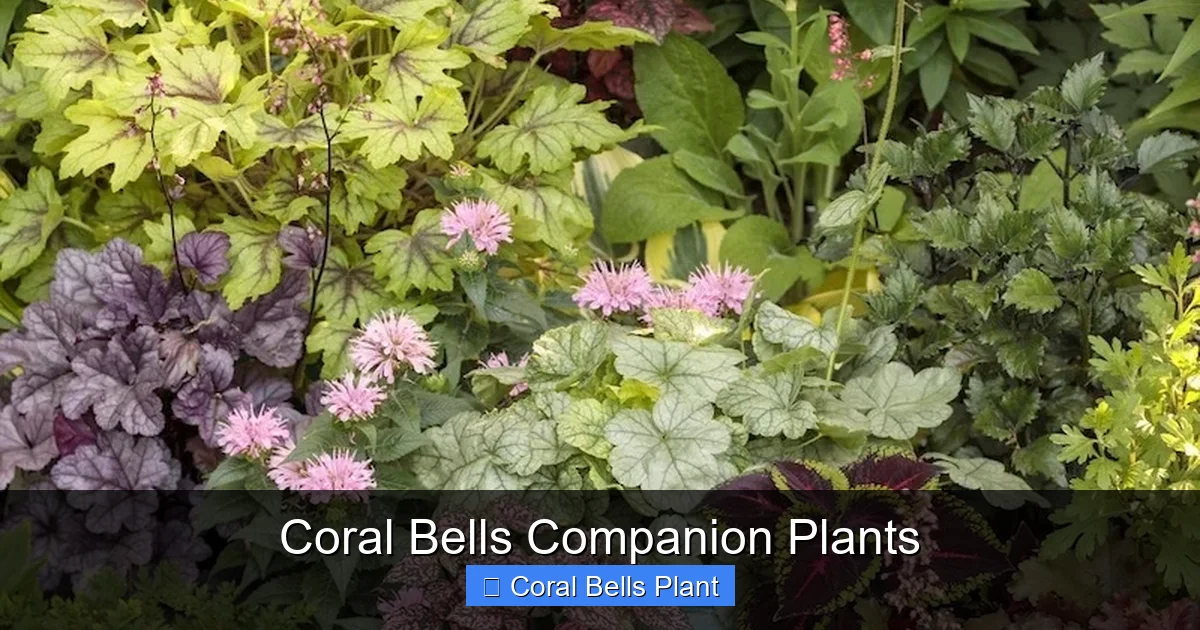
Coral Bells Companion Plants
Choosing the right coral bells companion plants boosts color texture and health in your garden. Pair shade lovers with ferns and hostas for a lush look. Match water needs and give each plant room to grow.
Coral bells companion plants add bright foliage to shady spots. They thrive in cool moist soil. Choosing the right neighbors makes them stronger. This guide shows the best partners for a healthy bed.
Good companions share light and water needs. They also bring contrasting texture and color. A well planned mix reduces maintenance. The result is a garden that looks full all year.
Read on to learn which plants work best in shade, sun, and dry conditions. You will also get design tips and common mistakes to avoid. Your coral bells companion plants will thank you.
Key Takeaways
- Choose shade lovers: Ferns and hostas thrive in the same low light as coral bells companion plants.
- Match water needs: Group plants that like similar moisture to keep coral bells companion plants happy.
- Add texture: Mix fine leaves with bold foliage for visual interest around coral bells companion plants.
- Plan for bloom time: Select partners that flower at different times to extend color near coral bells companion plants.
- Watch soil pH: Keep soil slightly acidic for best growth of coral bells companion plants.
- Give space: Avoid crowding so air flows around coral bells companion plants.
- Use mulch: Mulch conserves moisture and protects roots of coral bells companion plants.
Quick Answers to Common Questions
What are the best shade partners for coral bells companion plants?
Ferns and hostas thrive in the same low light and moisture as coral bells companion plants.
Can coral bells companion plants grow with full sun plants?
Only if the sun lovers are placed at the bed edge where coral bells companion plants stay shaded.
How do I match water needs for coral bells companion plants?
Group plants that like similar moisture levels to avoid over or under watering coral bells companion plants.
What soil pH suits coral bells companion plants?
A slightly acidic pH of six to six point five is ideal for coral bells companion plants.
Why is mulch important for coral bells companion plants?
Mulch keeps soil moist, cool, and weed free which benefits coral bells companion plants.
📑 Table of Contents
Why Companion Plants Matter for Coral Bells
Benefits of Good Neighbors
Coral bells companion plants grow best when they share light and water needs. Good neighbors shade the soil and keep roots cool. They also add color contrast that makes foliage pop. A mixed bed attracts beneficial insects that help control pests. The right partners reduce the need for extra fertilizer. This synergy creates a low maintenance garden that looks full all season.
When coral bells companion plants have friendly neighbors they develop stronger stems. The shared canopy holds moisture longer. This reduces watering frequency. The combined root zone improves soil structure. Healthier plants resist disease better. A diverse planting also supports pollinators throughout the year.
Risks of Bad Pairings
Plants that demand full sun can scorch coral bells companion plants. Heavy feeders may steal nutrients from coral bells companion plants. Aggressive spreaders can crowd out coral bells companion plants. Mismatched water needs lead to root rot or drought stress. Poor pairings increase disease risk and reduce vigor. Choosing wisely avoids these problems.
If coral bells companion plants are paired with invasive species they lose space. Invasive roots choke the shallow roots of coral bells companion plants. Chemical allelopathy from some plants can inhibit growth. The result is weak foliage and fewer flowers. Careful selection prevents these hidden dangers.
Top Shade Loving Partners
Ferns
Ferns thrive in the same dappled shade that coral bells companion plants prefer. Their delicate fronds add soft texture beside the bold leaves of coral bells companion plants. Both like moist, well drained soil rich in organic matter. Ferns stay low so they do not compete for light. Plant ferns in groups of three for a natural look. This pairing creates a woodland feel that is calm and inviting.
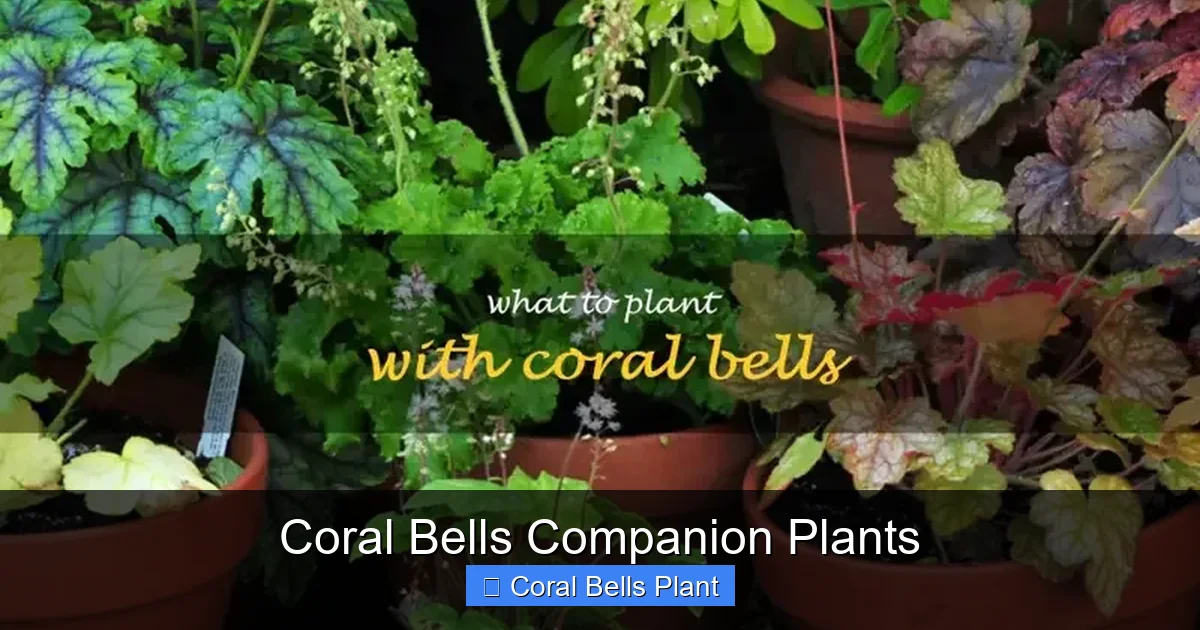
Visual guide about Coral Bells Companion Plants
Image source: shuncy.com
Maidenhair fern and japanese painted fern are top choices for coral bells companion plants. Their fine leaves contrast with the ruffled foliage of coral bells companion plants. Both ferns tolerate the same slightly acidic soil. They also appreciate a thick mulch layer. Together they form a lush carpet that suppresses weeds.
Hostas
Hostas share the love of shade and consistent moisture with coral bells companion plants. Their broad leaves provide a striking backdrop for the colorful foliage of coral bells companion plants. Choose hosta varieties with blue or gold leaves for contrast. Space hostas about eighteen inches apart to give coral bells companion plants room. The combination stays attractive from spring through fall. Both plants benefit from a thick layer of mulch.
Large leaf hostas like ‘Sum and Substance’ create drama near coral bells companion plants. Small leaf hostas like ‘Mouse Ears’ fill gaps without overwhelming coral bells companion plants. Both types enjoy the same organic rich soil. Regular watering keeps both happy. The mix of leaf sizes adds depth to the shade garden.
Heuchera Relatives
Other heuchera varieties make excellent coral bells companion plants because they have similar cultural needs. They enjoy the same partial shade and slightly acidic soil. Mixing different leaf colors creates a tapestry effect. Plant them in drifts of five or more for impact. Their flower spikes rise above the foliage adding vertical interest. This group works well in borders and containers alike.
Varieties such as ‘Palace Purple’ and ‘Caramel’ echo the hues of coral bells companion plants. Their foliage stays vibrant through summer heat. They also attract hummingbirds with tiny bells. The combined display extends the color season. Minimal care is needed once established.
Sun Tolerant Companions
Daylilies
Daylilies tolerate more sun than coral bells companion plants but can handle light shade. Their strap like leaves contrast nicely with the ruffled foliage of coral bells companion plants. Blooms appear in early summer extending the color show. Daylilies are drought tolerant once established. Plant them at the edge of the bed where sun is stronger. This placement lets coral bells companion plants stay in their preferred shade.
Choose reblooming daylily cultivars for a longer flower period near coral bells companion plants. Their bright trumpets draw bees and butterflies. The foliage remains tidy after bloom. Deadheading encourages a second flush. This partnership adds movement to the border.
Sedum
Sedum thrives in full sun and dry soil yet can survive in light shade near coral bells companion plants. Its succulent leaves store water reducing competition for moisture. Low growing sedum forms a carpet that suppresses weeds. The pink or yellow flowers add late season color. Keep sedum at the front of the border for a tidy edge. This mix balances water needs across the bed.
Stonecrop varieties like ‘Autumn Joy’ provide sturdy stems that stand up to wind near coral bells companion plants. Their late summer blooms complement the foliage of coral bells companion plants. Sedum requires little fertilizer. A thin layer of grit improves drainage. The duo creates a low maintenance sunny edge.
Ornamental Grasses
Ornamental grasses like hakonechloa add movement and fine texture beside coral bells companion plants. They tolerate a range of light from part shade to full sun. Their arching blades catch the breeze creating a dynamic scene. Grasses require little fertilizer and are pest resistant. Plant them in clumps of three for a natural rhythm. The combination stays attractive through winter.
Feather reed grass and blue fescue are compact choices for coral bells companion plants. Their upright habit does not shade the lower foliage. Both grasses tolerate dry spells once established. Cutting back in early spring refreshes growth. The grass blades provide a soft backdrop for the bright leaves of coral bells companion plants.
Plants That Share Water Needs
Moisture Lovers
Plants such as astilbe and lobelia love consistently moist soil like coral bells companion plants. Their feathery plumes and bright spikes add vertical accents. Both prefer rich, humus rich soil that holds water. Group them near a water feature or low spot for easy irrigation. Mulch heavily to keep the root zone cool and damp. This cluster creates a lush, cool corner in the garden.
Japanese iris and marsh marigold also thrive in wet conditions near coral bells companion plants. Their bold flowers appear in early summer. They share the same acidic soil preference. A shallow pond edge makes an ideal planting zone. The combined display attracts dragonflies and frogs.
Drought Tolerant Picks
For drier sites choose companions like lavender and yarrow that need less water than coral bells companion plants. Plant them on the sunny fringe where soil drains fast. Their aromatic foliage repels pests naturally. Lavender blooms in midsummer while yarrow flowers late summer. Both have low fertility requirements. This strategy reduces overall watering chores.
Russian sage and catmint are additional drought tolerant partners for coral bells companion plants. Their silvery leaves reflect heat. They bloom for months with minimal care. Plant them in well drained gritty soil. The combination creates a Mediterranean feel in a mixed border.
Design Tips for a Balanced Bed
Layer Heights
Arrange plants by height to give coral bells companion plants a clear view. Place tall grasses or daylilies at the back. Mid height hostas and ferns fill the middle. Low sedum and groundcovers sit at the front. This tiered layout ensures light reaches every layer. It also creates depth that makes the bed look larger.
Use a measuring tape to space each tier correctly for coral bells companion plants. Keep at least twelve inches between rows. This prevents shading of lower foliage. A staggered planting pattern adds a natural look. The result is a garden that feels open and airy.
Color Echoes
Repeat a hue from coral bells companion plants in nearby flowers or foliage. If coral bells companion plants have purple leaves add purple salvia or violet iris. Echoing color ties the design together. Use contrasting shades for highlights. This simple trick makes the planting look intentional and cohesive.
Consider foliage color as well as bloom color for coral bells companion plants. Silver foliage plants like artemisia mirror the cool tones. Chartreuse leaves from heuchera add a pop. Balancing warm and cool tones creates visual harmony. The garden feels curated rather than random.
Seasonal Interest
Select partners that shine at different times to keep the bed lively. Early spring bulbs bloom before coral bells companion plants leaf out. Summer perennials take over as coral bells companion plants peak. Fall grasses provide texture after frost. Winter evergreens give structure when others sleep. A succession plan guarantees year round appeal.
Add a few late blooming asters for autumn color near coral bells companion plants. Plant winter blooming hellebores for early spring interest. The overlapping bloom windows keep pollinators fed. This layered timing maximizes garden enjoyment. Planning ahead saves work later.
Common Mistakes to Avoid
Overcrowding
Planting too many specimens close together shades coral bells companion plants and limits airflow. Crowded roots compete for water and nutrients. Thin seedlings early to maintain proper spacing. Follow label recommendations for mature width. A well spaced bed stays healthier and looks cleaner.
Overcrowding also makes it hard to spot pests on coral bells companion plants. Dense foliage hides slugs and aphids. Regular thinning improves air circulation. Better airflow reduces fungal diseases. A tidy bed is easier to maintain.
Ignoring Soil pH
Coral bells companion plants prefer slightly acidic soil around pH six to six point five. Alkaline soil can cause leaf chlorosis and poor growth. Test soil before planting and amend with sulfur if needed. Regular mulching with pine needles helps maintain acidity. Ignoring pH leads to weak plants and dull color.
A simple soil test kit costs little and gives quick results for coral bells companion plants. Adjust pH gradually to avoid shock. Incorporate organic matter to buffer changes. Consistent monitoring keeps the bed in the optimal range. Healthy soil equals vibrant foliage.
Skipping Mulch
Mulch conserves moisture, suppresses weeds, and protects roots of coral bells companion plants. A two inch layer of shredded bark or leaf mold works well. Reapply mulch each spring as it breaks down. Skipping mulch forces more frequent watering and weeding. Consistent mulching is a low effort habit with high rewards.
Organic mulch also feeds the soil as it decomposes for coral bells companion plants. It encourages beneficial microbes. A mulch ring around each plant prevents collar rot. Avoid piling mulch against stems. Proper mulching extends the life of the planting.
By choosing the right coral bells companion plants and following these guidelines you can create a vibrant, low maintenance garden that delights every season.
Frequently Asked Questions
Do coral bells companion plants need fertilizer?
Light feeding in spring with a balanced organic fertilizer helps coral bells companion plants stay vigorous.
How often should I water coral bells companion plants?
Water coral bells companion plants when the top inch of soil feels dry, usually once a week.
Can I grow coral bells companion plants in containers?
Yes, use a well draining potting mix and choose compact partners for coral bells companion plants.
What pests affect coral bells companion plants?
Slugs and aphids are common; hand pick slugs and spray neem oil for aphids on coral bells companion plants.
When is the best time to divide coral bells companion plants?
Early spring or fall when the plant is dormant gives the best results for coral bells companion plants.
Do coral bells companion plants attract pollinators?
Their small bell shaped flowers draw bees and hummingbirds to coral bells companion plants.