Compaion Plants with Purple Palace Coral Bells
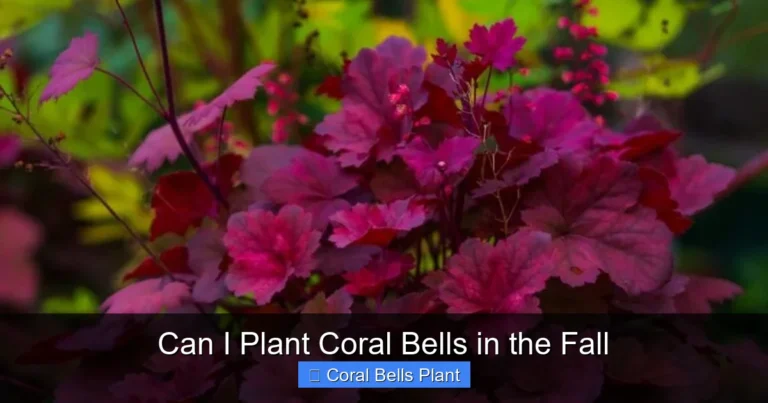
Purple Palace coral bells (Heuchera micrantha ‘Purple Palace’) create dramatic foliage contrast in shade gardens with their deep purple-bronze leaves. Pair them with chartreuse hostas, silver ferns, and spring bulbs for year-round visual interest and complementary textures.
If you have ever walked through a shade garden in late spring and felt your breath catch at a combination of colors so perfect it looked painted, chances are you were looking at Purple Palace coral bells paired with the right neighbors. This cultivar of Heuchera micrantha has been a garden favorite since it won the Perennial Plant Association’s Plant of the Year award back in 1991, and for good reason. Those ruffled, maple-shaped leaves emerge in a rich purple-bronze that deepens to near-black in cool weather, then lightens to a warm mahogany as summer heat arrives. But here is the thing: Purple Palace does not just sit there looking pretty. It plays well with others, and when you choose its companions thoughtfully, the whole bed becomes greater than the sum of its parts.
I have spent years experimenting with coral bells in my own shade borders and helping clients design theirs. The most successful combinations always share a few things in common. They respect the same cultural needs: partial to full shade, consistent moisture, and soil rich in organic matter. They offer contrasting foliage shapes and colors that make each plant pop. And they stagger their peak seasons so the bed never has a dull moment. In this guide, I will walk you through the best companion plants for Purple Palace coral bells, organized by the role they play in the garden. You will find specific cultivar recommendations, design principles you can apply immediately, and a few hard-won tips from the trenches.
Key Takeaways
- Color contrast is key: Pair deep purple foliage with chartreuse, silver, or variegated plants for maximum visual impact.
- Match growing conditions: Choose companions that thrive in partial shade with moist, well-draining soil.
- Layer by height: Use taller plants like ferns behind coral bells and lower groundcovers in front for depth.
- Plan for seasons: Combine with spring bulbs, summer perennials, and evergreen companions for year-round interest.
- Consider texture variety: Mix broad hosta leaves, feathery fern fronds, and coral bells’ ruffled foliage.
- Group in odd numbers: Plant companions in groups of three or five for natural-looking drifts.
- Divide regularly: Divide coral bells every 3-4 years to maintain vigor and create more planting opportunities.
Quick Answers to Common Questions
What are the best companion plants for Purple Palace coral bells?
The best companions include chartreuse hostas like ‘Sum and Substance’, Japanese painted ferns, silver-leaved brunnera ‘Jack Frost’, golden Japanese forest grass ‘Aureola’, and spring bulbs such as snowdrops and species tulips. These plants share similar shade and moisture requirements while providing contrasting foliage colors and textures.
Can Purple Palace coral bells grow in full sun?
In cooler climates (zones 4-5), Purple Palace can tolerate morning sun or even half-day sun, which intensifies its purple color. In warmer zones (7-9), it requires afternoon shade or full dappled shade to prevent leaf scorch. Always provide consistent moisture in sunnier locations.
How far apart should I plant Purple Palace coral bells?
Space Purple Palace coral bells 12 to 18 inches apart, measured from center to center. This allows each plant to reach its mature width of 12-18 inches without overcrowding, ensuring good air circulation to prevent crown rot and fungal diseases.
When should I divide Purple Palace coral bells?
Divide Purple Palace coral bells every 3 to 4 years in early spring or fall when the center becomes woody and flowering declines. Lift the clump, pull or cut apart healthy outer sections with roots attached, and replant at the same depth with the crown slightly above soil level.
Do Purple Palace coral bells stay evergreen in winter?
In zones 6 and warmer, Purple Palace coral bells remain semi-evergreen through winter, providing foliage interest. In colder zones (4-5), foliage may flatten or brown but typically rebounds in spring. Mulch heavily after ground freeze in cold zones to prevent frost heaving.
📑 Table of Contents
- Understanding Purple Palace Coral Bells
- Chartreuse and Gold Companions for High Contrast
- Silver and Blue Companions for Cool Elegance
- Variegated and Patterned Foliage for Complexity
- Spring Bulbs and Ephemerals for Early Season Magic
- Summer and Fall Performers for Extended Interest
- Groundcovers and Edgers for the Front Layer
- Design Principles for Successful Combinations
- Container Combinations for Small Spaces
- Common Mistakes to Avoid
- Maintenance Tips for Long-Term Success
- Regional Considerations
- Creating a Complete Shade Garden Plan
- Conclusion
Understanding Purple Palace Coral Bells
Before we talk about companions, let us get to know the star of the show. Purple Palace coral bells forms a neat mound about 12 to 18 inches tall and wide, with flower spikes reaching up to 24 inches in late spring to early summer. The flowers themselves are tiny, creamy-white bells on wiry stems. They are charming but not the main event. The foliage is why we grow this plant. Each leaf is deeply lobed with ruffled edges, creating a texture that catches light beautifully. In spring, new growth emerges with an almost metallic sheen. By midsummer, the color settles into a sophisticated purple-brown that reads as a neutral in the garden, bridging warm and cool tones effortlessly.
Cultural Requirements
Purple Palace is hardy in USDA zones 4 through 9. It prefers morning sun with afternoon shade or dappled light throughout the day. In cooler climates, it can handle more sun, which intensifies the purple pigment. In hot southern zones, full shade is essential to prevent leaf scorch. Soil should be humus-rich, well-draining, and consistently moist but never soggy. Crown rot is the number one killer of coral bells, so plant them with the crown slightly above soil level and mulch carefully around, not over, the base. They appreciate a top-dressing of compost in spring and benefit from division every three to four years when the center gets woody and flowering declines.
Seasonal Interest Timeline
Understanding the seasonal arc helps you choose companions that fill the gaps. In early spring, fresh purple leaves emerge alongside spring bulbs. Late spring brings the delicate flower spikes, which last several weeks and make excellent cut flowers. Summer foliage holds its color well with adequate moisture. Fall often brings a second flush of vibrant new growth as temperatures drop. In mild winters, the foliage persists semi-evergreen, providing structure when most perennials have disappeared. This long season of interest means companions should ideally offer something different at each stage.
Chartreuse and Gold Companions for High Contrast
If you want the garden equivalent of a spotlight, pair purple with chartreuse. The color wheel puts these opposite each other, creating maximum vibration. Your eye cannot help but bounce between them. This is the most dramatic direction you can take a Purple Palace planting, and it works beautifully in shade where dark colors can otherwise recede into shadows.
Hostas with Golden Foliage
Hostas are the classic coral bells companion for a reason. They share identical cultural needs, and their broad, substantial leaves contrast perfectly with the ruffled, smaller foliage of Heuchera. For chartreuse impact, Hosta ‘Sum and Substance’ is a powerhouse. Its massive, corrugated leaves can reach two feet across, glowing like lanterns in deep shade. Plant one behind a group of three Purple Palace for a backdrop that makes the coral bells look like jewels. For a medium-sized option, Hosta ‘Guacamole’ offers chartreuse centers with wide blue-green margins and fragrant pale lavender flowers in late summer. Hosta ‘August Moon’ is a reliable, sun-tolerant gold that holds its color all season. Space hostas according to their mature width, usually 3 to 5 feet for the large ones, 2 to 3 feet for medium. Interplant coral bells 12 to 15 inches apart in a sweeping curve along the front edge.
Japanese Forest Grass
Hakonechloa macra ‘Aureola’ or the all-gold ‘All Gold’ cultivar brings movement and fine texture that coral bells lack. This graceful, arching grass forms cascading mounds 12 to 18 inches tall, perfect for the middle layer of a shade border. Its bamboo-like leaves are striped green and gold (‘Aureola’) or solid chartreuse (‘All Gold’). Plant it in drifts of three or five, weaving through and around your coral bells. The grass catches the slightest breeze, animating the whole composition. It emerges later in spring than coral bells, so the Heuchera carries the early show alone. By early summer, the grass fills in and the combination hits its stride. Both plants appreciate the same rich, moist soil. Cut the grass back to the ground in late winter before new growth appears.
Golden Creeping Jenny
For a groundcover layer, Lysimachia nummularia ‘Aurea’ (golden creeping Jenny) spreads a carpet of coin-sized chartreuse leaves that knit together beautifully around the base of coral bells. It trails over edges, softens stone walls, and fills gaps between stepping stones. A word of caution: in ideal conditions, it can be aggressive. Plant it where boundaries like paths or edging contain it, or where you welcome its enthusiasm. The color echo with chartreuse hostas or forest grass ties the whole planting together vertically. In winter, it dies back in cold zones but returns reliably in spring.
Silver and Blue Companions for Cool Elegance
If high-voltage contrast feels too loud for your garden personality, silver and blue companions create a sophisticated, moonlit mood. These cool tones make the warm undertones in Purple Palace foliage sing without shouting. The effect is especially magical in evening light or on overcast days.
Japanese Painted Fern
Athyrium niponicum ‘Pictum’ is arguably the single best fern companion for coral bells. Its fronds are a tapestry of silver, burgundy, and green, with purple-red midribs that directly echo the coral bells’ color. Each plant reaches 12 to 18 inches tall and wide, forming a graceful vase shape. Plant them in groups of three behind or beside your Heuchera. The fern’s finely divided texture is the perfect foil to the coral bells’ broad, ruffled leaves. Both emerge early in spring, the fern’s fiddleheads unfurling alongside the Heuchera’s new growth. ‘Pictum’ was the Perennial Plant of the Year in 2004, and it earned that title. It is tough, long-lived, and deer-resistant. Other painted fern cultivars like ‘Silver Falls’ or ‘Burgundy Lace’ work equally well.
Brunnera macrophylla Cultivars
Siberian bugloss has undergone a renaissance in recent years, and the silver-leaved cultivars are shade garden gold. Brunnera ‘Jack Frost’ features heart-shaped leaves heavily overlaid with silver crackle, revealing green veins like stained glass. In mid-spring, it produces clouds of tiny true-blue forget-me-not flowers that hover above the foliage for weeks. ‘Looking Glass’ is even more intensely silver, almost mirror-like. ‘Sea Heart’ and ‘Silver Heart’ offer thicker, more heat-tolerant leaves. Brunnera reaches 12 to 15 inches tall and spreads slowly to form a substantial clump. Plant it near the front of the border where the leaf detail can be appreciated up close. The blue flowers are a bonus color note that bridges purple and silver beautifully.
Pulmonaria (Lungwort)
Modern pulmonaria cultivars have come a long way from the mildew-prone plants of old gardens. Pulmonaria ‘Silver Bouquet’ offers long, lance-shaped leaves that are almost entirely silver. ‘Majesté’ is similar. ‘Trevi Fountain’ has deep green leaves heavily spotted with silver and cobalt-blue flowers that age to pink, giving you two colors on one plant. Pulmonaria blooms in early spring, often before coral bells push new growth, extending the season of interest. It forms low clumps 8 to 12 inches tall, perfect for the front edge. The rough, hairy texture contrasts nicely with the smooth, ruffled Heuchera leaves. Cut back ratty foliage after flowering; fresh growth will follow quickly.
Variegated and Patterned Foliage for Complexity
Variegation adds a layer of visual complexity that keeps the eye moving. When you combine Purple Palace’s solid, deep color with leaves that are splashed, streaked, or margined in cream, white, or yellow, you create a tapestry effect that rewards close inspection. These companions work best when repeated through the border to create rhythm.
Variegated Solomon’s Seal
Polygonatum odoratum ‘Variegatum’ is a shade garden aristocrat. Arching stems 2 to 3 feet tall carry pairs of oval leaves edged in creamy white. In late spring, fragrant greenish-white bell flowers dangle from the leaf axils. The overall effect is airy and architectural. Plant it behind coral bells where its height provides a vertical accent. The white leaf margins pick up any dappled light, brightening the shade. Solomon’s seal spreads slowly by rhizomes to form elegant colonies. It dies back cleanly in fall, leaving no messy crown. A native alternative is Polygonatum biflorum ‘Variegatum’, equally beautiful.
Variegated Japanese Sedge
Carex morrowii ‘Ice Dance’ or ‘Variegata’ forms neat, fountain-like clumps of narrow leaves striped green and white. At 12 inches tall, it occupies the same vertical space as coral bells but with a completely different texture: linear versus lobed, stiff versus ruffled. The white striping acts like pinstripes in a suit, adding refinement. Carex is evergreen in most zones, providing winter structure when coral bells may look tired. It tolerates drier shade than many companions once established, making it useful under shallow-rooted trees. Plant in groups of three or five for a contemporary, grassy drift.
Hellebores with Marbled Foliage
New hellebore breeding has given us cultivars grown as much for foliage as flowers. Helleborus ‘Anna’s Red’ or ‘Penny’s Pink’ (the Rodney Davey Marbled Group) feature leathery, evergreen leaves heavily marbled with silver and pink. The late winter to early spring flowers are a bonus: deep pink to red, outward-facing, and long-lasting. Hellebores reach 18 to 24 inches tall and wide, anchoring the middle of the border. They are among the earliest perennials to bloom, often flowering while snow still threatens. Their tough, persistent leaves contrast with coral bells’ softer texture. Plant them where you can see the flowers from a window in February. They dislike being moved, so choose their spot carefully.
Spring Bulbs and Ephemerals for Early Season Magic
Coral bells are in their prime in spring, but they do not emerge the moment snow melts. Spring bulbs and ephemerals fill that early gap, blooming and fading before coral bells hit full stride. The key is choosing bulbs that naturalize well in shade and have foliage that disappears gracefully.
Species Tulips and Daffodils
Forget the big hybrid tulips. They rarely return reliably in shade. Instead, plant species tulips like Tulipa clusiana (lady tulip) with its red-and-white striped petals, or Tulipa sylvestris (woodland tulip), fragrant and yellow. They naturalize in light shade and their narrow foliage is unobtrusive. For daffodils, choose early, small-cup or jonquilla types like Narcissus ‘Tête-à-Tête’ or N. ‘Hawera’. Their foliage ripens quickly. Plant bulbs in drifts of 10 to 15, tucked between coral bells crowns. The Heuchera’s expanding leaves will hide the yellowing bulb foliage perfectly.
Crocus and Snowdrops
Crocus tommasinianus (tommies) self-sow gently in shades of lavender and pale purple, a lovely color echo. Galanthus nivalis (common snowdrop) and its double form ‘Flore Pleno’ bloom in January or February, the very first sign of spring. Both have grassy foliage that disappears by late spring. Scatter them generously — 50 or more for impact — throughout the planting. They require zero maintenance once established.
Trillium and Virginia Bluebells
For a native woodland look, Trillium grandiflorum (large-flowered trillium) offers pristine white three-petaled flowers that age to pink. Mertensia virginica (Virginia bluebells) produces clusters of pink buds opening to sky-blue bells. Both are spring ephemerals: they bloom, set seed, and go completely dormant by midsummer. Plant them where coral bells will cover the bare ground later. They prefer the same rich, moist soil. Mark their locations so you do not accidentally dig them up during summer dormancy.
Summer and Fall Performers for Extended Interest
A common mistake is designing shade garden bed peaks in May and then fades. By choosing companions that take the baton in summer and fall, you keep the show going until frost. These plants should tolerate the same conditions but offer different forms: vertical spikes, airy panicles, or bold late-season foliage.
Astilbe for Feathery Plumes
Astilbe is the classic summer shade perennial, and for good reason. Its feathery plumes in white, pink, red, or lavender rise above ferny foliage when coral bells have finished flowering. Astilbe ‘Visions’ series (chinensis types) are more drought-tolerant than the japonica hybrids. ‘Visions in Pink’ or ‘Visions in Red’ are compact at 12 to 15 inches. ‘Bridal Veil’ offers pure white plumes that glow in twilight. Plant astilbe in groups of three behind or beside coral bells. They need consistent moisture to prevent leaf scorch. The dried flower heads persist into winter, adding texture.
Japanese Anemone for Fall Flowers
Anemone hupehensis var. japonica ‘Pamina’ (deep pink, semi-double) or ‘Honorine Jobert’ (single white) bloom from late August through October on wiry stems 3 to 4 feet tall. Their maple-shaped leaves form a handsome mound at ground level all summer. The flowers dance above the coral bells, extending the vertical layer. Japanese anemones spread by running roots, so give them room or contain them with a barrier. They are late to emerge in spring, so coral bells carry the early show alone.
Toad Lily for Exotic Late Blooms
Tricyrtis hirta and hybrids like ‘Sinonome’ or ‘Miyazaki’ produce orchid-like flowers heavily spotted with purple, blooming in September and October on arching stems 2 to 3 feet tall. The foliage is glossy green with a ladder-like leaf arrangement. Toad lilies prefer the same moist, rich soil and dappled shade. Their exotic flowers are a surprise in the autumn shade garden. Plant them where you can appreciate the detail up close — along a path or near a bench.
Black Cohosh for Vertical Drama
Actaea racemosa (formerly Cimicifuga) sends up bottlebrush white spikes 4 to 6 feet tall in late summer, fragrant and alive with pollinators. The cultivar ‘Hillside Black Beauty’ has deep purple-black foliage that creates a stunning color echo with Purple Palace coral bells at its feet. This is a architectural plant for the back of the border. It takes a few years to reach full stature but is long-lived and trouble-free. The seed heads persist into winter.
Groundcovers and Edgers for the Front Layer
The front edge of a border is where the garden meets the viewer. Low, spreading plants soften the transition, hide bare legs of taller perennials, and suppress weeds. They should be shallow-rooted so they do not compete with coral bells.
Epimedium (Barrenwort)
Epimedium is the ultimate dry shade groundcover once established, though it prefers moisture. Heart-shaped leaves on wiry stems form a dense mat 8 to 12 inches tall. In spring, delicate spider-like flowers in yellow, white, pink, or orange dangle below the new foliage. Epimedium × versicolor ‘Sulphureum’ (yellow) and ‘Cupreum’ (copper-orange) are vigorous spreaders. E. grandiflorum ‘Lilafee’ offers lavender flowers. The foliage often colors beautifully in fall, turning bronze, red, or purple — another echo with coral bells. Cut back old foliage in late winter before flowers emerge.
Asarum (Wild Ginger)
Asarum europaeum (European wild ginger) has glossy, kidney-shaped evergreen leaves that form a slow but impenetrable mat 4 to 6 inches tall. Asarum canadense (native wild ginger) is deciduous with larger, matte leaves. Both hide curious brownish flowers at ground level in spring. Wild ginger is the plant for the deepest, driest shade under trees where little else thrives. Its leathery texture contrasts with coral bells’ softer leaves. Plant it as a living mulch around the base of larger perennials.
Tiarella (Foamflower)
Tiarella is a close relative of Heuchera (both in the Saxifragaceae family) and shares the same preferences. Tiarella cordifolia spreads by runners to form a loose groundcover with maple-shaped leaves often marked with dark centers. ‘Spring Symphony’ and ‘Sugar and Spice’ are clump-forming cultivars with showy pink or white foam-like flower spikes in spring. The foliage colors beautifully in fall. Tiarella and Heuchera hybridize naturally (× Heucherella), so they are truly kindred spirits. Plant them together for a seamless tapestry of texture.
Design Principles for Successful Combinations
Knowing which plants work is half the battle. Arranging them artfully is the other half. These principles apply whether you are planting a new bed or editing an existing one.
Plant in Drifts, Not Polka Dots
One of each plant creates a restless, busy look. Instead, plant in groups of three, five, or seven of the same cultivar. Let the drifts intermingle at the edges. A drift of five Purple Palace, flowing into three ‘Jack Frost’ brunnera, meeting a drift of five ‘Aureola’ forest grass — this reads as intentional and natural. Odd numbers look more organic than even numbers. Repeat key plants or colors at intervals down the border to create rhythm.
Layer by Height and Texture
Think in vertical layers: groundcover (under 6 inches), front edge (6 to 12 inches), middle (12 to 24 inches), back (24 to 48 inches), and vertical accents (4 feet plus). Purple Palace sits in the front-to-middle range. Behind it, place taller ferns, astilbe, or hellebores. In front, tuck epimedium, wild ginger, or creeping Jenny. For texture, alternate broad leaves (hosta, brunnera), fine texture (fern, grass, astilbe), and ruffled or lobed leaves (coral bells, tiarella). This variation keeps the eye engaged.
Consider the View Angles
Where will you see this planting? From a patio? A kitchen window? A woodland path? Place the most detailed plants — variegated brunnera, intricate toad lily flowers — where you will be close. Use bold, large-scale plants — big hostas, tall anemones — where the view is distant. If the bed is viewed from one side only, grade heights from front to back. If viewed from multiple sides, place tallest plants in the center and step down to the edges.
Plan for Succession of Interest
Make a simple chart: list each plant and its peak months. Aim for at least two plants looking good in every month of the growing season. Spring: bulbs, pulmonaria, hellebores, coral bells new growth, brunnera flowers. Early summer: coral bells flowers, astilbe, hosta foliage. Midsummer: hosta flowers, forest grass, carex. Late summer: anemone, actaea, toad lily. Fall: coral bells fresh growth, anemone, toad lily, epimedium foliage color. Winter: hellebore foliage, carex, coral bells (in mild zones), dried seed heads.
Container Combinations for Small Spaces
No shade border? No problem. Purple Palace coral bells thrives in containers, and the same companion principles apply on a smaller scale. A well-designed pot can be a jewel on a shaded porch or balcony.
Thriller, Filler, Spiller Formula
In a 16 to 20 inch container, use Purple Palace as the filler — the mounding middle layer. Add a thriller: a vertical element like Carex ‘Ice Dance’, Athyrium ‘Pictum’, or a dwarf Astilbe ‘Visions’. Add a spiller: Lysimachia ‘Aurea’, Glechoma hederacea ‘Variegata’ (variegated ground ivy), or Lamium maculatum ‘White Nancy’. Use high-quality potting mix amended with compost. Water consistently — containers dry faster than ground. Fertilize monthly with dilute balanced fertilizer. In zones 6 and colder, move pots to an unheated garage for winter or sink them in the ground.
Seasonal Container Swaps
Keep the coral bells as the permanent anchor. Swap companions seasonally. Spring: add potted bulbs (tulips, daffodils) and primroses. Summer: add impatiens, begonias, or coleus for flowers. Fall: add ornamental kale, mums, or heucherella. Winter: add evergreen boughs, red-twig dogwood stems, and pinecones for holiday interest. The coral bells provide continuity through it all.
Common Mistakes to Avoid
Even experienced gardeners stumble with coral bells combinations. Here are the pitfalls I see most often, so you can sidestep them.
Planting Too Deep
This is the number one killer. The crown — where leaves meet roots — must sit at or slightly above soil level. Bury it, and crown rot follows. Mulch around the plant, not over the crown. When top-dressing with compost, keep it away from the base.
Choosing Sun-Loving Companions
Lavender, salvia, sedum, and ornamental grasses like miscanthus need full sun. They will languish in the shade coral bells prefer. Stick to shade-tolerant plants. Check labels and trust them.
Ignoring Root Competition
Planting under mature trees means competing with tree roots for water and nutrients. Coral bells have shallow roots. Add a layer of compost annually. Water deeply during dry spells. Consider a raised bed or containers if tree roots are too dense.
Overcrowding
It is tempting to pack plants tightly for instant impact. But coral bells need air circulation to prevent fungal issues. Space them at their mature width (12 to 18 inches). Fill temporary gaps with annuals or bulbs that you can remove later.
Forgetting Winter Interest
In zones 6 and warmer, coral bells foliage persists through winter. In colder zones, it may flatten or brown. Include evergreen companions (hellebore, carex, wild ginger, painted fern in mild zones) so the bed is not bare for months. Leave dried seed heads of astilbe, actaea, and anemone for winter architecture.
Maintenance Tips for Long-Term Success
A great planting stays great with a little routine care. These tasks keep your Purple Palace and its companions looking their best year after year.
Spring Cleanup
In early spring, before new growth emerges, cut back any tattered evergreen foliage (hellebore, carex, epimedium, wild ginger). Remove winter mulch from crowns. Apply a balanced slow-release fertilizer or a 1-inch layer of compost around plants. Divide any coral bells that have woody centers or diminished flowering — every 3 to 4 years is ideal.
Summer Watering
Consistent moisture is non-negotiable. Water deeply once or twice a week during dry spells, more for containers. Soaker hoses or drip irrigation keep foliage dry, reducing disease. Mulch 2 inches deep with shredded leaves or bark to conserve moisture and suppress weeds.
Deadheading and Grooming
Remove spent coral bells flower stems at the base to tidy the plant and sometimes encourage a light rebloom. Cut back astilbe plumes if you dislike the dried look, or leave them for winter interest. Remove any yellowed or damaged leaves throughout the season.
Fall Preparation
After frost, you can cut back herbaceous perennials (astilbe, anemone, toad lily, brunnera) to the ground, or leave them for winter habitat and interest. Evergreen and semi-evergreen plants (hellebore, carex, epimedium, wild ginger, coral bells in mild zones) stay. Apply a light mulch layer after the ground freezes to prevent frost heaving, which can push coral bells crowns out of the soil.
Regional Considerations
Your climate shapes which companions will thrive. Here are adjustments for major regions.
Cool Climates (Zones 4-5)
Purple Palace handles more sun here — even half-day sun intensifies color. Winter protection is key. Mulch heavily after freeze. Choose the hardiest companions: hostas, painted fern, brunnera, pulmonaria, astilbe, hellebores, epimedium, wild ginger, tiarella. Avoid borderline plants like carex (may brown) and Japanese anemone (may not establish before winter). Spring bulbs are especially reliable.
Mid-Atlantic and Midwest (Zones 6-7)
This is the sweet spot for coral bells and the widest range of companions. All plants mentioned thrive. Watch for summer heat waves — provide afternoon shade and consistent water. Japanese anemone and actaea reach full glory here. Toad lilies are reliable. Container overwintering in unheated garage works well.
Hot, Humid South (Zones 8-9)
Full shade is mandatory. Morning sun only, and even that may scorch in July. Choose heat-tolerant cultivars: ‘Jack Frost’ and ‘Silver Heart’ brunnera over ‘Looking Glass’. ‘Visions’ series astilbe over japonica types. Carex and epimedium handle heat better than many ferns. Ensure excellent drainage — crown rot risk is highest here. Water deeply but avoid wet crowns. Mulch to keep roots cool.
Pacific Northwest
Mild winters mean coral bells stay evergreen. Slugs and snails are the main pest. Use iron phosphate bait. Excellent drainage is critical in wet winters. Raised beds or mounded planting help. All companions thrive. Watch for vine weevil larvae eating coral bells roots — beneficial nematodes in spring control them.
Creating a Complete Shade Garden Plan
Let us put it all together into a sample 10 by 12 foot border plan you can adapt. This assumes a bed viewed primarily from one side (against a fence or wall), in zone 6, with dappled shade from high-limbed trees.
Back Row (3-4 feet tall)
- 3 Actaea racemosa ‘Hillside Black Beauty’ (purple foliage, white spikes in late summer)
- 3 Anemone hupehensis ‘Pamina’ (deep pink fall flowers)
Middle Row (18-24 inches)
- 5 Athyrium niponicum ‘Pictum’ (silver-painted fern)
- 3 Helleborus ‘Anna’s Red’ (marbled foliage, late winter flowers)
- 3 Astilbe ‘Visions in Pink’ (feathery summer plumes)
- 3 Tricyrtis ‘Sinonome’ (spotted fall flowers)
Front-Middle Row (12-18 inches)
- 7 Heuchera micrantha ‘Purple Palace’ (the star)
- 5 Brunnera macrophylla ‘Jack Frost’ (silver crackle leaves, blue spring flowers)
- 3 Carex morrowii ‘Ice Dance’ (variegated sedge, evergreen)
- 3 Polygonatum odoratum ‘Variegatum’ (variegated Solomon’s seal, arching)
Front Edge (6-12 inches)
- 5 Epimedium × versicolor ‘Sulphureum’ (yellow spring flowers, spreading)
- 5 Asarum europaeum (glossy evergreen ginger)
- 3 Tiarella cordifolia ‘Spring Symphony’ (pink foam flowers, runner)
Groundcover Layer (under 6 inches)
- Lysimachia nummularia ‘Aurea’ planted sparingly at edges, contained by path
Bulbs and Ephemerals (tucked throughout)
- 50 Crocus tommasinianus (lavender, early)
- 25 Galanthus nivalis (snowdrops, very early)
- 15 Narcissus ‘Tête-à-Tête’ (mini daffodils, early)
- 15 Tulipa sylvestris (woodland tulip, mid-spring)
- 10 Trillium grandiflorum (white, late spring)
- 10 Mertensia virginica (Virginia bluebells, spring ephemeral)
This plan gives you something in bloom from February through October, evergreen presence in winter, and a rich tapestry of textures. Adjust quantities for your bed size. The principles — drifts, layers, succession, contrast — scale up or down.
Conclusion
Designing with Purple Palace coral bells is an invitation to play with color, texture, and season in the shade garden. Its deep, ruffled foliage is a versatile anchor that makes almost any neighbor look better. Whether you crave the electric jolt of chartreuse hostas and gold forest grass, the cool elegance of silver ferns and brunnera, the intricate detail of variegated Solomon’s seal and carex, or the seasonal parade of bulbs, astilbe, anemone, and toad lily — the combinations are limited only by your imagination and your site conditions.
Start small if you are new to this. Plant three Purple Palace with a ‘Jack Frost’ brunnera and a clump of ‘Aureola’ forest grass. Watch how they interact through the seasons. Notice which moments delight you. Then add another layer next year. Shade gardening is not about instant perfection. It is about building relationships between plants, between plants and place, and between the garden and the gardener. Purple Palace has been nurturing those relationships for over three decades. It is ready to nurture yours.
Grab your trowel. The shade is waiting.
Frequently Asked Questions
What soil conditions do Purple Palace coral bells prefer?
Purple Palace coral bells thrive in humus-rich, well-draining soil with consistent moisture. Amend planting holes with compost and top-dress annually. The crown should sit slightly above soil level to prevent crown rot, which is the most common cause of failure.
Are Purple Palace coral bells deer resistant?
Yes, Purple Palace coral bells are generally deer resistant due to their tough, astringent foliage. However, deer may browse flowers or new growth in high-pressure areas. Companions like hellebores, ferns, and epimedium are also deer resistant, creating a resilient shade planting.
Can I grow Purple Palace coral bells in containers?
Absolutely. Purple Palace performs beautifully in containers 16 inches or larger. Use high-quality potting mix with compost, ensure drainage holes, and water consistently. In zones 6 and below, move pots to an unheated garage or sink them in the ground for winter protection.
Why are my coral bells leaves turning brown and crispy?
Brown, crispy leaves usually indicate too much sun, insufficient water, or both. Coral bells have shallow roots and dry quickly. Provide afternoon shade, water deeply during dry spells, and mulch to retain moisture. Avoid overhead watering which can promote fungal issues.
What is the difference between Purple Palace and other purple coral bells?
Purple Palace (Heuchera micrantha ‘Purple Palace’) is a seed-grown cultivar with ruffled, maple-shaped leaves that shift from metallic purple to mahogany. Newer tissue-cultured varieties like ‘Obsidian’, ‘Black Pearl’, or ‘Forever Purple’ offer more consistent color, better heat tolerance, and stronger vigor, but Purple Palace remains a classic for its naturalistic habit and seedling variation.
How do I prevent crown rot in coral bells?
Plant with the crown at or slightly above soil level, never buried. Mulch around plants, not over crowns. Ensure excellent drainage — amend heavy clay with compost or plant in raised beds. Water at the base, not overhead. Divide congested clumps every 3-4 years to improve air circulation.