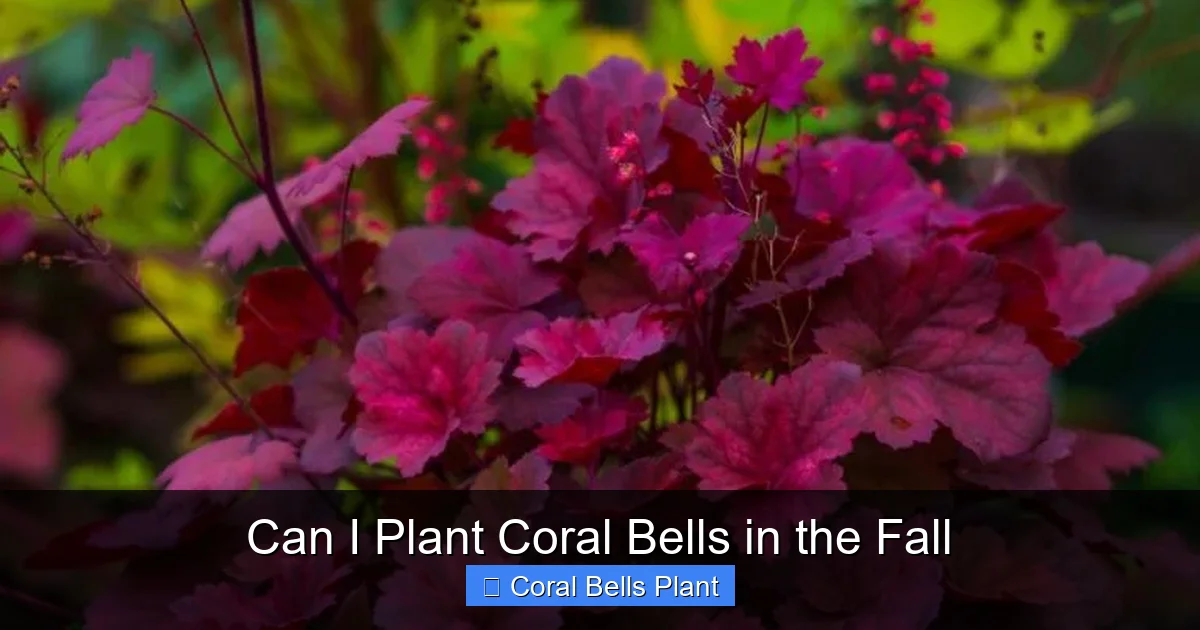
Can I Plant Coral Bells in the Fall
Yes, you can plant coral bells in the fall and it’s often the ideal time for these perennials. Fall planting gives roots time to establish before winter, leading to stronger spring growth and better blooms.
If you’ve been staring at those gorgeous coral bells at the garden center and wondering can i plant coral bells in the fall, you’re asking the right question. The short answer is yes, absolutely. In fact, many experienced gardeners consider autumn the very best time to get these stunning perennials in the ground.
I remember my first attempt at fall planting coral bells. I was nervous. The leaves were already turning colors, the air had that crisp bite, and every gardening instinct told me to wait until spring. But a wise nursery owner convinced me to give it a try. The result? Those heucheras exploded with growth the following May, putting my spring-planted ones to shame. Let me share everything I’ve learned since then.
Key Takeaways
- Fall is ideal: Cooler temperatures and consistent moisture help coral bells establish strong root systems before winter dormancy.
- Timing matters: Plant 6-8 weeks before your first hard frost date for best results.
- Soil preparation is key: Well-draining, organic-rich soil prevents root rot during wet winter months.
- Mulch heavily: A 2-3 inch layer of mulch protects crowns from freeze-thaw cycles.
- Water consistently: Keep soil evenly moist until the ground freezes, even after foliage dies back.
- Choose healthy plants: Select coral bells with vigorous roots and no signs of disease for fall planting success.
- Spring reward: Fall-planted coral bells emerge earlier and bloom more prolifically than spring-planted ones.
Quick Answers to Common Questions
Can I plant coral bells in October?
Yes, in zones 6-8, October is often ideal. In zones 3-5, aim for September. In zone 9+, October through November works well. The key is 6-8 weeks before your first hard frost.
Do coral bells come back every year?
Yes, coral bells are hardy perennials that return reliably in zones 4-9. Some varieties are hardy to zone 3 with protection. They’re long-lived when planted in suitable conditions.
Should I cut back coral bells in fall?
No, leave foliage until it dies back naturally. The leaves feed the roots. Clean up dead foliage in late fall or early spring. In very cold zones, leave foliage as extra winter protection.
How late can you plant perennials in fall?
Generally 6-8 weeks before ground freezes. This varies by zone. Plant earlier for bare root divisions, later for container plants. When in doubt, plant earlier rather than later.
Do coral bells spread on their own?
They slowly expand by clumping, not aggressive spreading. Most varieties form neat mounds 12-24 inches wide. They may self-seed lightly but rarely become invasive. Divide every 3-4 years to maintain vigor.
📑 Table of Contents
- Why Fall Planting Works for Coral Bells
- Best Time to Plant Coral Bells in Fall
- How to Plant Coral Bells in Autumn
- Caring for Fall-Planted Coral Bells
- Common Mistakes to Avoid
- Spring Expectations After Fall Planting
- Special Considerations for Different Climates
- Troubleshooting Fall-Planted Coral Bells
- Design Ideas for Fall-Planted Coral Bells
- Conclusion
Why Fall Planting Works for Coral Bells
Root Growth Continues in Cool Soil
Here’s the secret most beginners don’t know: roots keep growing long after the tops go dormant. Soil temperatures stay warm well into autumn, often 10-15 degrees warmer than air temperatures. This means your coral bells can focus entirely on root development without the stress of supporting active foliage growth.
When you plant in spring, the plant has to juggle root establishment AND leaf production AND flower formation all at once. Fall planting lets the roots get a head start. By the time spring arrives, your coral bells already have a robust underground network ready to fuel spectacular growth.
Natural Rainfall Reduces Watering Work
Autumn typically brings more reliable rainfall than summer. This means less dragging hoses around for you. Consistent moisture is crucial for new plantings, and fall weather often provides it naturally. Just keep an eye on things during dry spells. You still need to water if Mother Nature doesn’t cooperate.
Fewer Pest and Disease Problems
Many common coral bells pests like vine weevils and foliar nematodes are less active in cooler weather. Fungal diseases that thrive in humid summer conditions also slow down. Your new plants face fewer threats during their vulnerable establishment period.
Less Transplant Shock
Cooler temperatures and shorter days mean less water loss through leaves. The plant experiences significantly less transplant shock compared to a summer planting. This is especially important for coral bells, which can be sensitive to root disturbance.
Best Time to Plant Coral Bells in Fall
The 6-8 Week Rule
The golden rule for fall planting any perennial: get them in the ground 6-8 weeks before your average first hard frost date. This window gives roots enough time to anchor and begin spreading before the soil freezes solid.
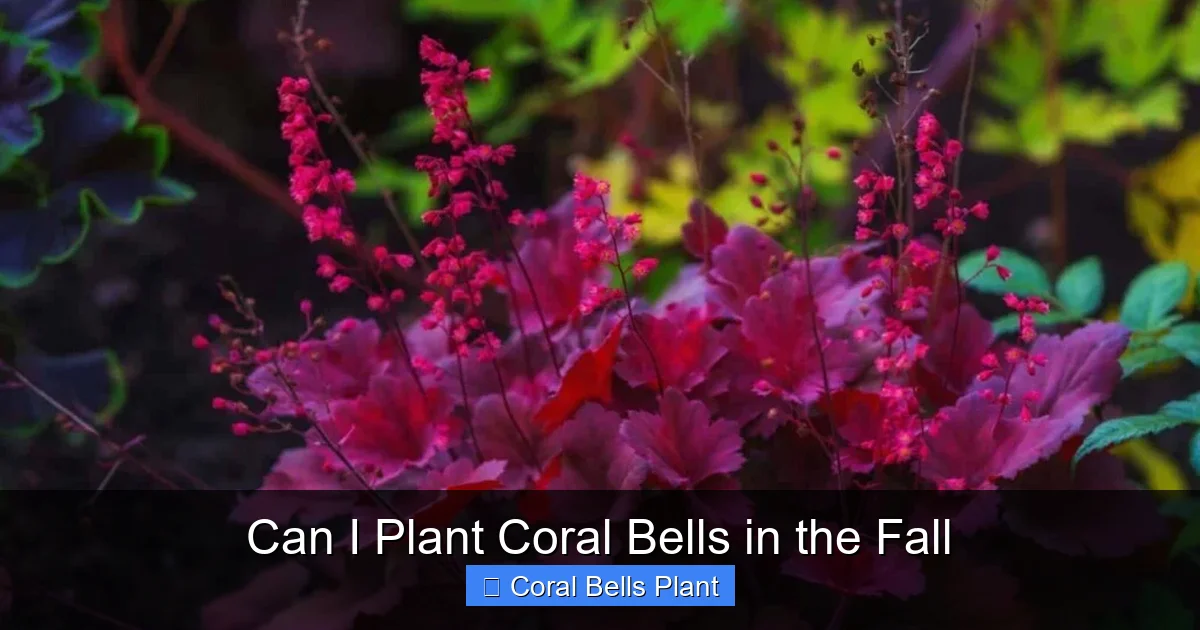
Visual guide about Can I Plant Coral Bells in the Fall
Image source: planetnatural.com
For most of the US, this means:
- Zones 3-4: Late August to mid-September
- Zones 5-6: Mid-September to early October
- Zones 7-8: October to early November
- Zones 9+: November through December
Don’t know your frost date? Check with your local extension office or use the USDA Plant Hardiness Zone Map. Local garden centers also know the perfect timing for your specific area.
Watch the Weather, Not Just the Calendar
Dates are guidelines. The real signal is soil temperature. You want soil consistently below 65°F but not yet frozen. A soil thermometer takes the guesswork out of it. They’re inexpensive and available at any garden center.
If an early cold snap hits, don’t panic. A few frosty nights won’t hurt newly planted coral bells. What you want to avoid is planting into already-frozen ground or during a deep freeze cycle.
Container vs. Bare Root Timing
Container-grown coral bells from the nursery have a wider planting window. Their roots are already established in soil. Bare root divisions need more time, so plant those earlier in the fall window. If you’re dividing existing plants, do it early in the season.
How to Plant Coral Bells in Autumn
Choosing the Right Spot
Coral bells prefer partial shade, especially in hotter climates. Morning sun with afternoon shade is ideal. In cooler northern zones, they can handle more sun. The key is avoiding scorching afternoon rays that can bleach those beautiful leaves.
Look at where you want to plant at different times of day. That spot under the maple tree? Perfect in spring but maybe too shady once the tree leafs out fully. The area by the east-facing fence? Gets gentle morning light. Perfect.
Soil Preparation Makes All the Difference
This step separates thriving plants from struggling ones. Coral bells hate wet feet. They need excellent drainage. Heavy clay soil? Amend it generously with compost, leaf mold, or aged bark fines. Sandy soil? Add organic matter to improve moisture retention.
Work amendments 12-18 inches deep. Yes, it’s work. But coral bells are long-lived perennials. You’re creating their home for years to come. A little extra effort now pays dividends for a decade.
Test your drainage: dig a 12-inch hole, fill with water, let it drain, fill again. If the second fill doesn’t drain in a few hours, you have a drainage problem. Consider raised beds or mounding the planting area.
Planting Depth Is Critical
This is where many gardeners go wrong. Coral bells have a crown, the point where stems meet roots. This crown must sit at or slightly above soil level. Plant too deep, and the crown rots. Plant too shallow, and roots dry out.
Here’s my foolproof method: place the plant in the hole, lay a straight stick or tool handle across the top. The crown should touch the stick. Backfill gently, firming soil around roots with your fingers, not your feet. Water thoroughly to settle soil and eliminate air pockets.
Spacing for Future Growth
Check the plant tag for mature width. Most coral bells spread 12-24 inches. Space accordingly. It’s tempting to plant closer for instant impact, but crowded plants develop poor air circulation, leading to fungal issues. They also compete for nutrients and water.
If you want a fuller look faster, plant annuals or spring bulbs between young coral bells. The bulbs will be done by the time the heucheras need the space.
Mulch Like You Mean It
Apply 2-3 inches of shredded leaves, pine straw, or bark mulch after planting. Keep mulch pulled back slightly from the crown. This insulating layer moderates soil temperature, prevents frost heaving, and conserves moisture.
In colder zones, add an extra layer of evergreen boughs or straw after the ground freezes. This prevents the freeze-thaw cycles that push plants out of the ground. Remove the extra layer gradually in early spring.
Caring for Fall-Planted Coral Bells
Watering Through Autumn
Don’t stop watering just because temperatures drop. Until the ground freezes, your coral bells need consistent moisture. Check soil weekly by sticking your finger in 2 inches. If it’s dry, water deeply.
Pay special attention during windy, dry periods. Wind desiccates plants faster than you’d think. A good soak before a predicted hard freeze helps protect roots. Moist soil holds heat better than dry soil.
Fertilizing: Less Is More
Skip the fertilizer at planting time. You want roots, not top growth. Nitrogen encourages tender new leaves that winter will kill. If your soil is poor, incorporate compost or a slow-release organic fertilizer low in nitrogen.
Wait until spring growth emerges to apply a balanced, slow-release fertilizer. A light hand is best. Coral bells aren’t heavy feeders. Too much fertilizer produces lush foliage at the expense of those delicate flower spikes.
Dealing with Fall Foliage
Your newly planted coral bells may look a bit ragged by late fall. Lower leaves yellow and drop. This is normal. Don’t cut back the foliage until it’s fully dead. Those leaves are still photosynthesizing and sending energy to the roots.
Once foliage is completely brown and dry, you can trim it back to about 2-3 inches above the crown. Or leave it as extra winter protection and clean up in spring. Both approaches work.
Winter Protection Strategies
In zones 4-5, consider additional protection. A cage filled with dry leaves around the plant creates a cozy microclimate. Burlap screens on the windward side prevent desiccation from drying winter winds.
Snow is actually great insulation. If you get reliable snow cover, your coral bells are well-protected. It’s the freeze-thaw cycles in low-snow areas that cause damage.
Common Mistakes to Avoid
Planting Too Late
This is the number one reason fall plantings fail. Roots need time. If you plant in late October in zone 5, the ground may freeze before roots establish. The plant heaves out of the ground, roots dry out, and it’s game over.
If you missed the window, overwinter pots in a protected spot. An unheated garage, cold frame, or sunk into a vegetable bed with heavy mulch. Plant first thing in spring.
Ignoring Drainage
I’ve killed more coral bells with kindness (overwatering) and poor drainage than anything else. These plants evolved on rocky slopes and woodland edges. They need air around their roots. Soggy soil = root rot = dead plant.
If your soil is heavy clay, plant in raised beds or mounds. Mix in coarse sand or fine gravel with your compost. Create a planting hole wider than deep to encourage lateral root spread.
Choosing the Wrong Variety for Your Zone
Not all coral bells are created equal. Some varieties are bred for heat tolerance, others for cold hardiness. Heuchera villosa hybrids handle heat and humidity. Heuchera americana types are super cold hardy. Research before you buy.
Local nurseries stock varieties suited to your area. Big box stores often ship the same varieties nationwide. Ask questions. Read labels. Match the plant to your conditions.
Overcrowding
It’s so tempting to plant them close for instant impact. Resist. Crowded coral bells develop crown rot, powdery mildew, and weak growth. They also need dividing sooner. Give them room to breathe.
Forgetting to Label
By spring, you’ll forget which variety is which. Trust me. Use durable plant markers. Write with permanent marker or paint pen. Include variety name and planting date. Future you will be grateful.
Spring Expectations After Fall Planting
Emergence Timing
Fall-planted coral bells typically emerge 2-3 weeks earlier than spring-planted ones. You’ll see fresh leaves pushing through as soon as soil warms. This early start translates to larger plants and more flowers by summer.
Don’t panic if they’re slow to appear. Different varieties emerge at different times. Some are early birds, others fashionably late. As long as the crown is firm and not mushy, the plant is alive.
First Year Blooms
Many coral bells bloom their first spring after fall planting. The flowers may be fewer or smaller than mature plants, but you’ll get a show. Deadhead spent flower stems to redirect energy to root and foliage growth.
Some varieties bloom heavily in spring, others in summer, some rebloom. Know what you planted so you know what to expect.
Dividing Timeline
Fall-planted coral bells establish faster, but still wait 3-4 years before dividing. The center of the clump will eventually become woody and die out. That’s your signal. Divide in early fall or early spring.
Companion Planting Ideas
Now that your coral bells are settled, think about neighbors. They pair beautifully with:
- Hostas for contrasting leaf textures
- Ferns for woodland charm
- Astilbe for feathery plumes
- Japanese forest grass for movement
- Spring bulbs that finish before heucheras peak
- Lungwort for early flowers and spotted foliage
Special Considerations for Different Climates
Hot Southern Gardens
In zones 8-9, fall planting is even more critical. Spring-planted coral bells face brutal summer heat before establishing. Fall gives them the longest possible cool season. Choose heat-tolerant varieties like ‘Caramel,’ ‘Citronelle,’ or ‘Southern Comfort.’
Provide afternoon shade. Mulch heavily. Water consistently through winter dry spells. Southern winters can be surprisingly dry.
Cold Northern Gardens
Zones 3-4 gardeners should plant early, late August to early September. Choose the hardiest varieties. Heuchera americana and Heuchera richardsonii are native to cold regions. ‘Palace Purple,’ ‘Dale’s Strain,’ and the Northern Exposure series are reliable.
Mulch heavily after ground freezes. Consider a burlap windbreaks. Snow cover is your best friend. Pray for snow.
Pacific Northwest and Wet Climates
Drainage is everything here. Plant in raised beds or mounds. Add extra grit to soil. Space plants wider for air circulation. Choose varieties with good fungal resistance. Avoid overhead watering.
Fall planting works well because roots establish before the wettest months. But winter wet is the enemy. Sharp drainage saves lives.
Container Planting in Fall
Yes, you can plant coral bells in containers in fall! Use a high-quality potting mix with added perlite. Choose a pot at least 12 inches deep. Ensure excellent drainage holes.
Containers freeze harder than ground soil. In cold zones, move pots to an unheated garage or sink them in the ground for winter. In mild zones, they’re fine outdoors with a mulch top-dressing.
Troubleshooting Fall-Planted Coral Bells
Frost Heaving
If you see plants pushed partly out of the ground in late winter, gently press them back down during a thaw. Don’t force frozen soil. Add more mulch. This is why proper planting depth and heavy mulching matter.
Crown Rot
Mushy, blackened crown with foul smell. Usually caused by planting too deep or poor drainage. If caught early, dig up, trim rot, dust with cinnamon (natural fungicide), replant higher in amended soil. Often fatal though.
Deer and Rabbit Damage
Fall-planted coral bells are tender treats for hungry wildlife. Apply repellent at planting. Reapply after rain. Consider temporary fencing. Once established, coral bells are less palatable but not deer-proof.
Vine Weevil Damage
Notches in leaf edges mean adult weevils. But the real damage is larvae eating roots. Fall planting reduces this risk since adults are less active. But check roots if plant declines. Beneficial nematodes applied in spring control larvae.
Design Ideas for Fall-Planted Coral Bells
Color Echoes
Plant purple-leaved varieties near purple-flowering fall asters. Chartreuse types next to golden sedum. The color repetition creates cohesion. Coral bells hold their foliage color well into winter in mild climates.
Mass Plantings
Drifts of a single variety make a bold statement. Space 15 inches apart for a carpet effect. ‘Obsidian’ for deep purple. ‘Lime Rickey’ for electric green. ‘Caramel’ for warm amber. The impact is stunning.
Container Combinations
Coral bells are container superstars. Pair with trailing ivy, upright grasses, and seasonal annuals. They provide the foliage anchor. Swap annuals each season while heucheras remain the constant.
Edging and Borders
Line a shaded path with coral bells. Their neat mounds create a tidy edge. Mix varieties for a tapestry effect. The foliage stays attractive long after flowers fade.
Conclusion
So, can i plant coral bells in the fall? Not only can you, but you probably should. The benefits are clear: stronger roots, less maintenance, earlier spring emergence, and better first-year performance. The key is timing, preparation, and a little winter care.
I’ve planted coral bells in spring and fall. Fall wins every time. Those first spring leaves unfurling weeks ahead of schedule, the robust flower spikes, the sheer vigor of a plant that spent winter building its foundation underground. It’s gardening magic.
Don’t let the shortening days fool you. The gardening season isn’t over. For coral bells, it’s just beginning. Grab that shovel, pick your favorites, and give them the autumn start they deserve. Your spring garden will thank you.
Remember: 6-8 weeks before frost, well-draining soil, crown at soil level, heavy mulch, consistent water until freeze. Follow these basics and you’ll join the ranks of gardeners who know the secret. Fall is for planting. Especially coral bells.
Frequently Asked Questions
Can I plant coral bells in the fall in zone 5?
Yes, plant coral bells in early to mid-September in zone 5. This gives 6-8 weeks before the typical mid-October to early November hard frost. Choose cold-hardy varieties and mulch heavily after the ground freezes.
What happens if I plant coral bells too late in fall?
Late-planted coral bells may not establish roots before the ground freezes. This leads to frost heaving, where plants are pushed out of the soil, exposing roots to drying winds and freezing temperatures. The plants often die or emerge very weak in spring.
Do I need to water coral bells after planting in fall?
Yes, water thoroughly at planting and then weekly until the ground freezes. Check soil moisture 2 inches down. Even after foliage dies back, roots need moisture. Don’t water frozen soil.
Can I divide and transplant coral bells in the fall?
Yes, early fall is an excellent time to divide mature coral bells. Do it at least 6 weeks before frost. Replant divisions immediately at the same depth. Water well and mulch. They’ll establish quickly in cool soil.
What soil do coral bells need for fall planting?
Well-draining, humus-rich soil with pH 6.0-7.0. Amend heavy clay with compost and coarse sand. Amend sandy soil with compost and peat moss. Good drainage is essential to prevent winter crown rot.
Will fall-planted coral bells bloom the first spring?
Most fall-planted coral bells will bloom their first spring, though the display may be lighter than mature plants. Deadhead spent flowers to encourage root and foliage growth. Full flowering potential reaches in year 2-3.