Coral Bells Plant Full Sun
Coral bells (Heuchera) can thrive in full sun with the right varieties and care. Choose sun-tolerant cultivars like ‘Palace Purple’ or ‘Caramel,’ provide consistent moisture, and mulch well to protect roots. With proper selection and maintenance, these colorful perennials deliver stunning foliage and delicate blooms even in bright locations.
If you have ever wandered through a garden center in spring, you have probably seen coral bells. Those ruffled leaves in shades of purple, caramel, lime, and near-black catch the eye instantly. The plant tag usually says “part shade to full shade.” But what if your garden bakes in sun all day? Can you still grow these stunners? The short answer is yes. The longer answer involves picking the right varieties, prepping your soil, and adjusting your watering routine. I have grown coral bells plant full sun in my own Zone 6 garden for years. Some experiments failed spectacularly. Others thrived beyond expectation. Let me share what I have learned so you can skip the heartbreak and head straight to success.
Coral bells, botanically known as Heuchera, are North American natives. In the wild, they cling to rocky cliffs and woodland edges. That tells you two things: they like excellent drainage, and they adapt to varying light. Modern breeding has exploded the color palette. You can find foliage in chartreuse, peach, silver, burgundy, and chocolate. The flowers are dainty bells on wiry stems, usually pink, white, or red. They attract hummingbirds and make great cut flowers. But the foliage is the real show. It stays colorful from spring through frost, and in mild winters, it remains evergreen. That four-season interest makes them invaluable in garden design.
Key Takeaways
- Not all coral bells tolerate full sun: Select varieties bred for sun exposure like ‘Palace Purple,’ ‘Caramel,’ ‘Obsidian,’ or ‘Fire Alarm’ for best results.
- Consistent moisture is critical: Full sun increases water loss; water deeply 2-3 times weekly and mulch heavily to retain soil moisture.
- Afternoon shade helps in hot climates: Even sun-tolerant varieties benefit from some protection during peak heat hours in zones 7-9.
- Soil preparation makes the difference: Amend with organic matter for moisture retention and excellent drainage to prevent crown rot.
- Color intensity changes with light: Full sun often deepens foliage colors but may cause scorching on lighter varieties.
- Division every 3-4 years maintains vigor: Regular division prevents woody centers and keeps plants healthy in sunny locations.
- Companion planting enhances success: Pair with drought-tolerant perennials like sedum, ornamental grasses, or lavender for cohesive design.
Quick Answers to Common Questions
Can all coral bells grow in full sun?
No, only sun-tolerant varieties like those with Heuchera villosa or sanguinea parentage handle full sun well. Traditional shade varieties will scorch.
How often should I water coral bells in full sun?
Water deeply 2-3 times per week during hot weather, checking that the top 2 inches of soil are dry before watering again. Daily watering may be needed during extreme heat waves.
What is the best mulch for coral bells in sunny locations?
Pine straw, shredded bark, or leaf mold applied 2-3 inches deep keeps soil cool and moist while preventing crown rot when kept away from the plant center.
When should I divide coral bells grown in full sun?
Divide every 3-4 years in early spring when the center becomes woody and growth declines. Replant divisions immediately at the same depth.
Why are my coral bells leaves turning brown and crispy?
This indicates sun scorch or underwatering. Provide afternoon shade, increase watering, or relocate to a spot with morning sun only.
📑 Table of Contents
- Understanding Light Requirements for Coral Bells
- Best Coral Bells Varieties for Full Sun
- Soil Preparation and Planting for Success
- Watering and Mulching Strategies
- Fertilizing and Maintenance
- Design Ideas for Sunny Coral Bells
- Common Problems and Solutions
- Regional Considerations
- Companion Plants for Sunny Coral Bells
- Propagation Methods
- Buying Guide: What to Look For
- Seasonal Care Calendar
- Conclusion
Understanding Light Requirements for Coral Bells
What Full Sun Really Means
Full sun means six or more hours of direct sunlight daily. In northern gardens, that light is gentler. In southern gardens, it is intense. A coral bells plant full sun in Minnesota behaves differently than one in Texas. Morning sun is kinder than afternoon sun. If your site gets blasted from noon to 5 PM in July, that is a different challenge than a site with morning sun and dappled afternoon light. Know your specific conditions before you buy.
Why Traditional Advice Says Shade
Older varieties like ‘Palace Purple’ (the 1991 Perennial Plant of the Year) were selected from woodland species. They evolved in dappled light. Their thin leaves scorch easily. Breeders have since crossed those with heat-tolerant species like Heuchera villosa and Heuchera sanguinea. The villosa lineage brings thick, fuzzy leaves that handle sun and humidity. The sanguinea lineage brings compact habit and sun tolerance. Modern hybrids combine the best traits. That is why you can now grow coral bells plant full sun successfully.
Signs Your Plant Gets Too Much Sun
Watch for bleached patches on leaves. Crispy brown edges. Leaves that curl inward to reduce surface area. Stunted growth. Fewer flowers. If you see these, your plant is stressed. Move it in early spring or fall. Or provide a shade cloth during the hottest weeks. A temporary fix can save a permanent planting.
Best Coral Bells Varieties for Full Sun
Top Picks from the Villosa Group
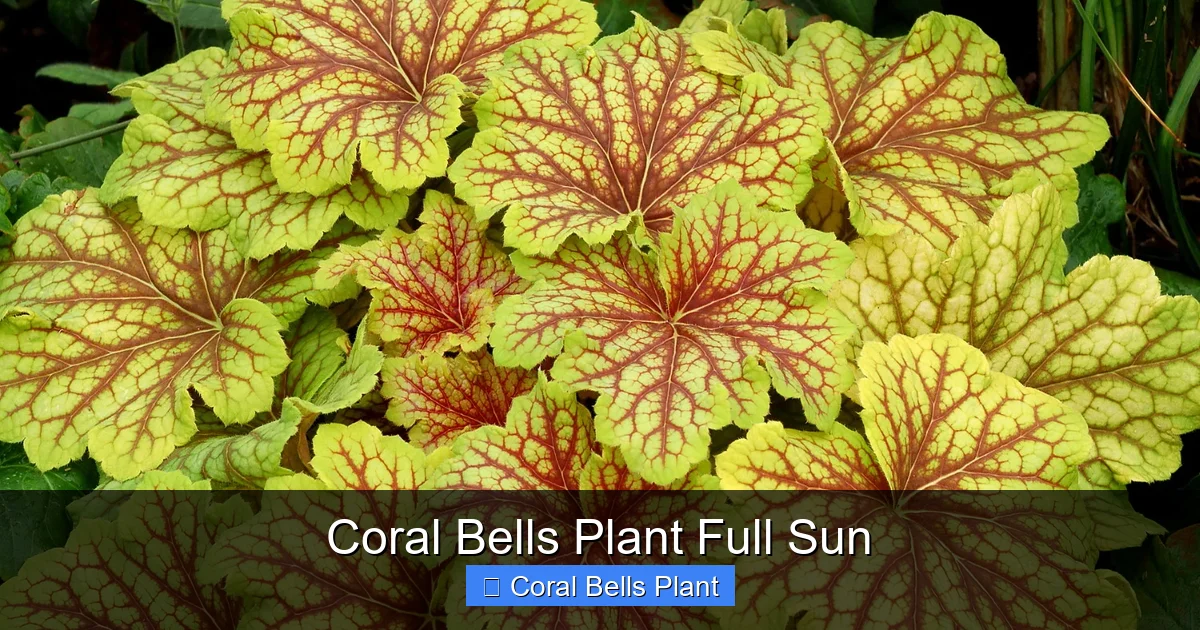
Heuchera villosa hybrids are the gold standard for sun. ‘Caramel’ is a standout. Its leaves emerge gold, mature to peachy-caramel, and hold color all season. The foliage is thick and slightly fuzzy. It handles heat and humidity like a champ. ‘Citronelle’ offers electric lime foliage that brightens dark corners even in sun. ‘Mocha’ delivers deep chocolate leaves with a silvery overlay. ‘Brownies’ has huge, ruffled leaves in metallic brown. All of these keep their color in full sun without burning.
Visual guide about Coral Bells Plant Full Sun
Image source: findingseaturtles.com
Sanguinea Hybrids for Compact Sun Performance
Heuchera sanguinea hybrids stay smaller, usually 8-12 inches tall. ‘Fire Alarm’ lives up to its name with bright red spring foliage that matures to deep burgundy. It blooms heavily with coral-red flowers. ‘Cherry Cola’ has reddish-brown leaves and cherry-red flowers. ‘Georgia Peach’ offers peachy-gold leaves with a silver veil. These bloom longer than villosa types. They work great at the front of a sunny border.
Micrantha Hybrids with Sun Tolerance
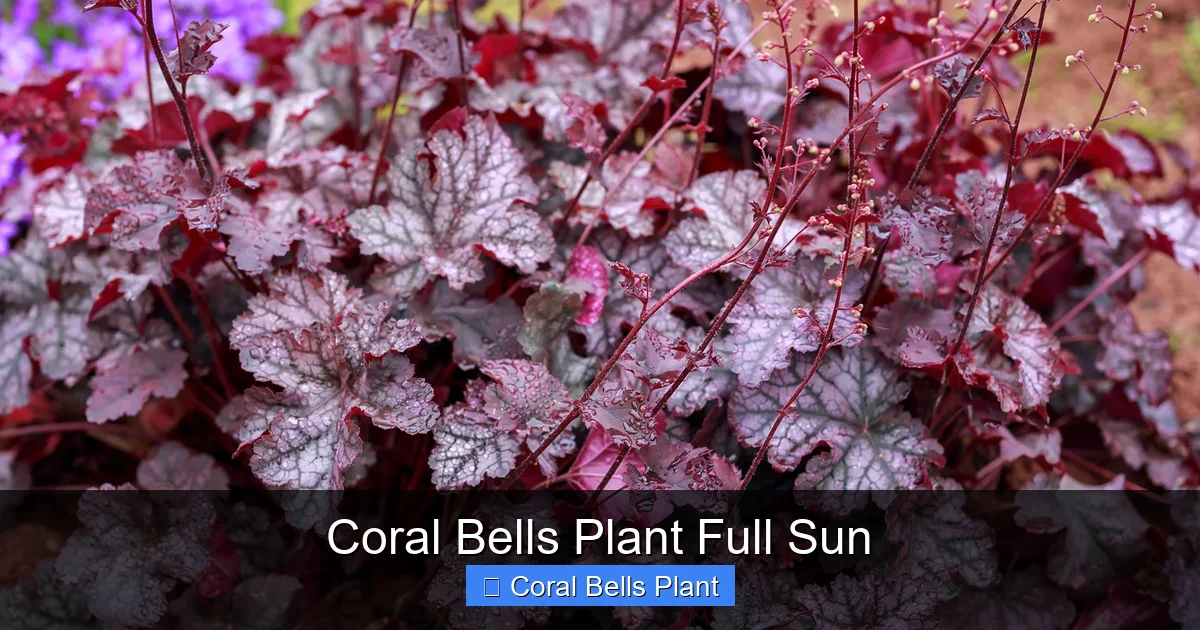
‘Palace Purple’ is the classic. It handles more sun than people think, especially in cooler zones. ‘Obsidian’ is a game-changer. Its leaves are so dark they look black. The color holds in full sun. ‘Midnight Rose’ adds pink speckles to that dark base. ‘Plum Pudding’ offers plum-purple leaves with silver highlights. These have thinner leaves than villosa types. They need more consistent moisture in sun.
New Introductions Worth Trying
Breeders release new cultivars yearly. ‘Forever Purple’ keeps its intense purple without fading. ‘Wildberry’ has large, ruffled purple leaves with charcoal veins. ‘Carnival Watermelon’ offers peachy-pink leaves. ‘Primo Black Pearl’ forms a large mound of jet-black foliage. Many of these are marketed as sun-tolerant. Read tags carefully. Look for “full sun” or “sun tolerant” on the label. When in doubt, ask nursery staff. They know what performs well in your area.
Varieties to Avoid in Full Sun
Skip the thin-leaved, heavily silvered varieties like ‘Silver Scrolls’ or ‘Rave On.’ They scorch fast. Light-colored chartreuse types like ‘Lime Rickey’ often bleach to white in intense sun. Variegated varieties with white edges burn at the margins. If you love these, give them afternoon shade. Save your sunny spots for the tough stuff.
Soil Preparation and Planting for Success
The Drainage Imperative
Coral bells hate wet crowns. In full sun, soil dries fast on top but can stay soggy below. That kills plants. Test drainage by digging a hole 12 inches deep. Fill with water. If it drains in under an hour, you are good. If it takes hours, amend heavily. Mix in coarse sand, perlite, or fine gravel. Raised beds work beautifully. So do mounded planting areas. I plant mine on a slight berm. Water runs away from the crown. Problem solved.
Organic Matter for Moisture Balance
You want soil that holds moisture but drains well. Compost is magic. Work in 2-3 inches of good compost before planting. Leaf mold is even better. It mimics the forest floor these plants evolved on. Avoid fresh manure. It burns roots. Avoid heavy clay without amendment. The goal is a rich, loose soil that feels like a wrung-out sponge. Your coral bells plant full sun will thank you.
Planting Depth Matters
This is where most people go wrong. Plant too deep, and the crown rots. Plant too shallow, and roots dry out. The crown (where leaves meet roots) should sit at soil level. Not buried. Not exposed. Gently firm soil around roots. Water well to settle. Mulch after planting, but keep mulch away from the crown. A donut of mulch, not a volcano. This one detail saves more plants than anything else.
Spacing for Air Flow
Crowded plants get fungal diseases. In full sun, humidity around leaves can still build up. Space plants 12-18 inches apart depending on mature size. Check the tag. Good air flow dries leaves fast after rain or watering. It also lets each plant show its form. A crowded mass loses the individual beauty of each cultivar.
Timing Your Planting
Spring and early fall are best. Summer planting works if you are diligent with water. Fall planting gives roots time to establish before winter. In hot climates, fall is strongly preferred. Spring planting in the South means the plant faces summer heat before roots are ready. If you must plant in summer, provide temporary shade cloth for two weeks. Water daily for the first week, then taper off.
Watering and Mulching Strategies
The Goldilocks Watering Rule
Not too wet. Not too dry. Just right. In full sun, soil dries faster. Check daily during the first month. Stick your finger 2 inches deep. If dry, water. If moist, wait. Deep watering beats frequent sprinkles. Soak the root zone. This encourages deep roots. Shallow roots fry in summer heat. A soaker hose or drip irrigation is ideal. It keeps water off leaves, reducing disease risk.
Mulch: Your Best Friend
Two to three inches of mulch does wonders. Shredded bark. Leaf mold. Pine straw. Compost. All work. Mulch keeps soil cool. It reduces evaporation. It suppresses weeds. It breaks down to feed soil. Refresh annually. Keep it off the crown. I use pine straw in my sunny beds. It looks natural, stays in place, and lets water through easily.
Seasonal Watering Adjustments
Spring: Water when top inch is dry. Plants are growing fast. Summer: Water deeply 2-3 times weekly in heat. Daily in extreme heat waves. Fall: Reduce as temps cool. Stop when ground freezes. Winter: Water monthly during dry, snowless periods if ground isn’t frozen. Evergreen foliage loses water all winter. Desiccation kills more plants than cold.
Signs of Water Stress
Wilting in afternoon that recovers by morning is normal in heat. Wilting that persists into morning means water now. Crispy leaf edges mean chronic underwatering. Yellowing lower leaves can mean overwatering. Mushy crown means rot. Learn to read your plants. They communicate clearly if you pay attention.
Fertilizing and Maintenance
Light Feeding for Strong Growth
Coral bells are not heavy feeders. Too much nitrogen makes soft growth that burns and attracts aphids. Apply a balanced slow-release fertilizer in early spring. Something like 10-10-10 or 5-5-5. Scratch it in around the drip line. Water well. That is usually enough for the year. In poor soil, a second light feeding in early summer helps. Skip fall feeding. You want plants hardening off for winter.
Deadheading and Grooming
Remove spent flower stalks at the base. This redirects energy to foliage. It also looks tidy. Pull off any tattered or sunburned leaves. New growth will replace them. In late winter, remove any winter-damaged foliage before new growth emerges. Be gentle. The crown is fragile. Use your fingers, not a rake.
Division: The Fountain of Youth
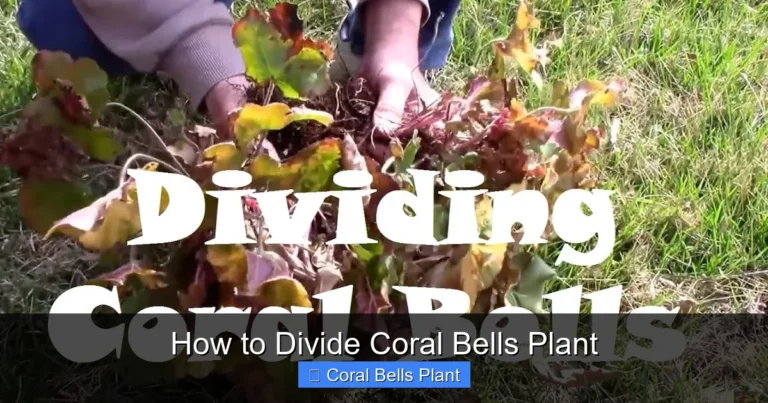
Every 3-4 years, the center gets woody and dies out. The plant becomes a ring. Spring is division time. Dig the whole clump. Pull or cut apart into sections with roots and 3-5 shoots each. Replant immediately at correct depth. Water well. Discard the woody center. Division rejuvenates the plant. It also gives you free plants. Win-win.
Winter Protection in Cold Zones
In zones 4-5, winter sun and freeze-thaw cycles heave plants. The crown pushes out of the ground. Roots dry and die. After ground freezes, apply 4-6 inches of loose mulch. Pine boughs work great. They trap snow for insulation. Remove gradually in spring. Do not use leaves that mat down. They smother the crown.
Design Ideas for Sunny Coral Bells
Front-of-Border Brilliance
Plant in drifts of 3, 5, or 7 along a sunny path. Mix colors for a tapestry effect. ‘Caramel’ next to ‘Obsidian’ next to ‘Citronelle’ creates living art. The low mounds (12-18 inches) edge beds perfectly. They hide the bare legs of taller perennials behind them. The evergreen foliage gives winter structure when everything else is gone.
Rock Garden Stars
Coral bells love the sharp drainage of rock gardens. Tuck them between stones. Their roots follow crevices. The foliage softens hard edges. Pair with sedums, creeping thyme, and dwarf conifers. The color contrast against stone is stunning. ‘Plum Pudding’ against gray limestone stops traffic.
Container Combinations
Coral bells thrive in pots. Use a quality potting mix with added perlite. Ensure drainage holes. In containers, they need more frequent watering. Daily in summer heat. Fertilize monthly with dilute liquid feed. Combine ‘Fire Alarm’ with purple fountain grass and trailing verbena. Or ‘Citronelle’ with blue fescue and white calibrachoa. Move pots to shade during heat waves. That mobility is a huge advantage.
Woodland Edge Transitions
If your yard shifts from sun to shade, coral bells bridge the gap. Plant sun-tolerant varieties in the sunny section. Transition to shade-loving types as light decreases. The consistent foliage texture unifies the space. This works beautifully under deciduous trees. Spring sun before leaf-out. Summer shade after. Coral bells handle both.
Pollinator and Wildlife Gardens
The flowers feed hummingbirds, bees, and butterflies. Plant in groups for maximum impact. ‘Cherry Cola’ and ‘Fire Alarm’ bloom heavily. Deadhead to encourage rebloom. Leave some seed heads for birds. The dense foliage shelters beneficial insects. A coral bells plant full sun planting becomes a mini ecosystem.
Common Problems and Solutions
Sun Scorch
Brown, crispy patches on leaves. Usually on the side facing afternoon sun. Solution: Move plant. Or install shade cloth for July-August. Or plant a taller companion to cast afternoon shade. Ornamental grasses work well. They move in the breeze, providing dappled shade.
Crown Rot
Plant collapses at base. Leaves pull off easily. Black, mushy crown. Caused by buried crown, poor drainage, or overwatering. Solution: Improve drainage. Replant at correct depth. Reduce watering. Sometimes you lose the plant. Learn and replant better next time.
Heuchera Rust
Orange pustules on leaf undersides. Yellow spots on top. Favors humid, crowded conditions. Solution: Space plants. Water at soil level. Remove infected leaves. Apply copper fungicide if severe. Choose resistant varieties. Villosa types show good resistance.
Root Weevils
Notches chewed in leaf edges at night. Adults feed on leaves. Larvae eat roots. Plants decline slowly. Solution: Beneficial nematodes applied to soil in spring and fall. Sticky traps for adults. Diatomaceous earth around plants. Healthy plants tolerate some damage.
Frost Heaving
Plant pushed out of ground in winter. Roots exposed. Solution: Mulch heavily after ground freezes. Replant in spring at correct depth. Firm soil gently. Water well. This is why fall planting needs 6 weeks before freeze.
Regional Considerations
Cool Climates (Zones 3-5)
Full sun is rarely too intense. Most varieties handle it well. Winter survival is the challenge. Choose hardy varieties. Mulch heavily. Plant in spring. ‘Palace Purple,’ ‘Obsidian,’ and ‘Plum Pudding’ are reliable. Villosa hybrids may need extra winter protection.
Mid-Atlantic and Midwest (Zones 6-7)
Sweet spot for coral bells plant full sun. Enough sun for color. Enough rain for moisture. Hot spells happen but are brief. Most sun-tolerant varieties thrive. Watch for July-August heat waves. Water extra during those weeks.
Hot Humid South (Zones 8-9)
Only villosa hybrids and sanguinea hybrids stand a chance. Afternoon shade is mandatory. ‘Caramel,’ ‘Citronelle,’ ‘Mocha,’ ‘Fire Alarm,’ ‘Georgia Peach.’ Plant in fall. Mulch heavily. Irrigation is non-negotiable. Fungal diseases are the main threat. Space widely. Water at dawn so leaves dry fast.
Arid West (Zones 5-9)
Intense sun, low humidity, alkaline soil. Amend soil heavily with compost and sulfur. Acidify water if possible. Drip irrigation essential. Mulch thick. ‘Obsidian,’ ‘Midnight Rose,’ and ‘Palace Purple’ handle alkaline soil better than most. Afternoon shade from a wall or tree helps tremendously.
Pacific Northwest (Zones 7-9)
Mild summers, wet winters. Drainage is the issue. Raised beds. Gritty soil. Full sun works great here. Colors are incredibly vibrant. Slugs can be a problem. Use slug bait or copper tape. Villosa hybrids love this climate.
Companion Plants for Sunny Coral Bells
Ornamental Grasses
Blue fescue (Festuca glauca) echoes the mounding habit. Its steel-blue needles contrast with purple or caramel leaves. Prairie dropseed (Sporobolus heterolepis) adds movement and fragrance. Little bluestem (Schizachyrium scoparium) turns copper in fall. Grasses provide the dappled afternoon shade coral bells appreciate.
Drought-Tolerant Perennials
Sedum ‘Autumn Joy’ blooms when coral bells fade. Russian sage (Perovskia) adds airy purple spikes. Lavender brings scent and silver foliage. Yarrow (Achillea) offers flat flower heads in many colors. All share the same love of sun and drainage. They create a cohesive, low-water planting.
Spring Bulbs
Plant daffodils, species tulips, or alliums among coral bells. The bulbs bloom early. Coral bells foliage hides the ripening bulb leaves. Perfect partnership. The coral bells are just waking up when bulbs peak. No competition.
Shrubs for Structure
Dwarf conifers like bird’s nest spruce or mugo pine give year-round bones. Spirea ‘Gold Mound’ echoes chartreuse coral bells. Ninebark ‘Tiny Wine’ mirrors dark foliage. Shrubs also cast that precious afternoon shade. Plant coral bells on the east side of a shrub for morning sun, afternoon relief.
Propagation Methods
Division
Covered earlier. Easiest. Most reliable. Spring or early fall. You get mature plants fast.
Leaf Cuttings
Take a leaf with a bit of petiole (stem). Dip in rooting hormone. Stick in moist perlite. Cover with a plastic bag. Place in bright indirect light. Roots in 4-6 weeks. Pot up. This works best with villosa types. Thin-leaved varieties rot more easily.
Seed
Collect seed from spent flower stalks. Sow fresh on moist seed-starting mix. Do not cover. Light aids germination. Keep at 65-70°F. Germinates in 2-4 weeks. Seedlings vary from parents. Fun for experimenting. Not for preserving cultivar traits.
Tissue Culture
How nurseries produce thousands of identical plants. Not for home gardeners. But it explains why new cultivars appear so fast. And why they are virus-free.
Buying Guide: What to Look For
At the Nursery
Check the crown. It should be firm, not mushy. Leaves should be turgid, not wilted. No orange rust spots underneath. No notched edges from weevils. Roots should be white and fill the pot but not circle tightly. Avoid plants flowering in tiny pots. They are stressed. Buy in spring for best selection. Fall buys can be bargains but check for root health.
Mail Order
Reputable specialists ship bare-root or in plugs. Open immediately. Soak bare roots in water for an hour. Pot up or plant right away. They may look rough. They will recover. Order early spring for best availability. Read reviews. Good nurseries guarantee plants.
Reading Labels
Look for “Sun tolerant” or “Full sun to part shade.” Check the species lineage if listed. Villosa and sanguinea in the parentage is a good sign. Patent numbers (PP#) indicate modern breeding. Series names like Primo, Dolce, or Carnival often have sun-tolerant members. But verify each cultivar.
Seasonal Care Calendar
March-April
Remove winter mulch gradually. Clean up dead foliage. Apply slow-release fertilizer. Divide if needed. Plant new acquisitions. Water well.
May-June
Deadhead spent flowers. Monitor for pests. Water deeply as heat builds. Mulch if not done. Enjoy peak foliage color.
July-August
Water vigilantly. Provide shade cloth during heat waves. Watch for rust. Remove affected leaves. Keep mulch topped up.
September-October
Plant new divisions. Reduce watering as temps drop. Stop fertilizing. Apply compost around plants. Enjoy fall color deepening.
November-February
After ground freezes, apply winter mulch in cold zones. Water monthly in dry winters. Plan next year’s additions. Dream over catalogs.
Conclusion
Growing coral bells plant full sun is absolutely possible. It just takes the right plant in the right place with the right care. Choose villosa or sanguinea hybrids. Give them drainage, moisture, and mulch. Watch for stress signals. Adjust as needed. The payoff is months of incredible foliage color in spots where you thought nothing pretty would grow. My sunny border now features a river of ‘Caramel’ flowing into pools of ‘Obsidian’ and ‘Citronelle.’ Hummingbirds dart among the flower wands. Neighbors stop to ask. You can have this too. Start with one or two proven varieties. Learn their rhythms. Expand from there. Gardening is a conversation with your land. Listen. Respond. Enjoy the beauty that follows.
Remember, every garden is unique. What works in my Zone 6 Pennsylvania garden might need tweaking in your Zone 8 Georgia garden or Zone 4 Minnesota garden. The principles remain the same. Good varieties. Good soil. Good water. Good mulch. Observe. Adapt. That is the real secret to success with coral bells plant full sun, and with gardening in general. Now go plant something beautiful.
Frequently Asked Questions
What are the best coral bells varieties for full sun in hot climates?
Heuchera villosa hybrids like ‘Caramel,’ ‘Citronelle,’ ‘Mocha,’ and ‘Brownies’ excel in hot, humid climates. Heuchera sanguinea hybrids like ‘Fire Alarm’ and ‘Georgia Peach’ also perform well with afternoon shade.
How do I prevent crown rot when growing coral bells in full sun?
Plant with the crown at soil level, not buried. Ensure excellent drainage with amended soil or raised beds. Water at the base, not overhead. Keep mulch pulled back from the crown.
Will coral bells grown in full sun have different foliage colors than those in shade?
Yes, full sun often intensifies colors, making purples darker and golds brighter. However, light-colored varieties may bleach or scorch. Dark varieties like ‘Obsidian’ hold color best.
Can I grow coral bells in full sun in containers?
Absolutely. Use a well-draining potting mix with added perlite. Water daily in summer heat. Fertilize monthly with dilute liquid fertilizer. Move to afternoon shade during extreme heat waves.
What companion plants work well with coral bells in sunny beds?
Ornamental grasses (blue fescue, prairie dropseed), drought-tolerant perennials (sedum, lavender, Russian sage, yarrow), spring bulbs, and dwarf conifers all share similar sun and drainage needs.
How do I know if my coral bells are getting too much sun?
Look for bleached patches, crispy brown leaf edges, inward-curling leaves, stunted growth, and reduced flowering. These are stress signals indicating the need for more shade or water.