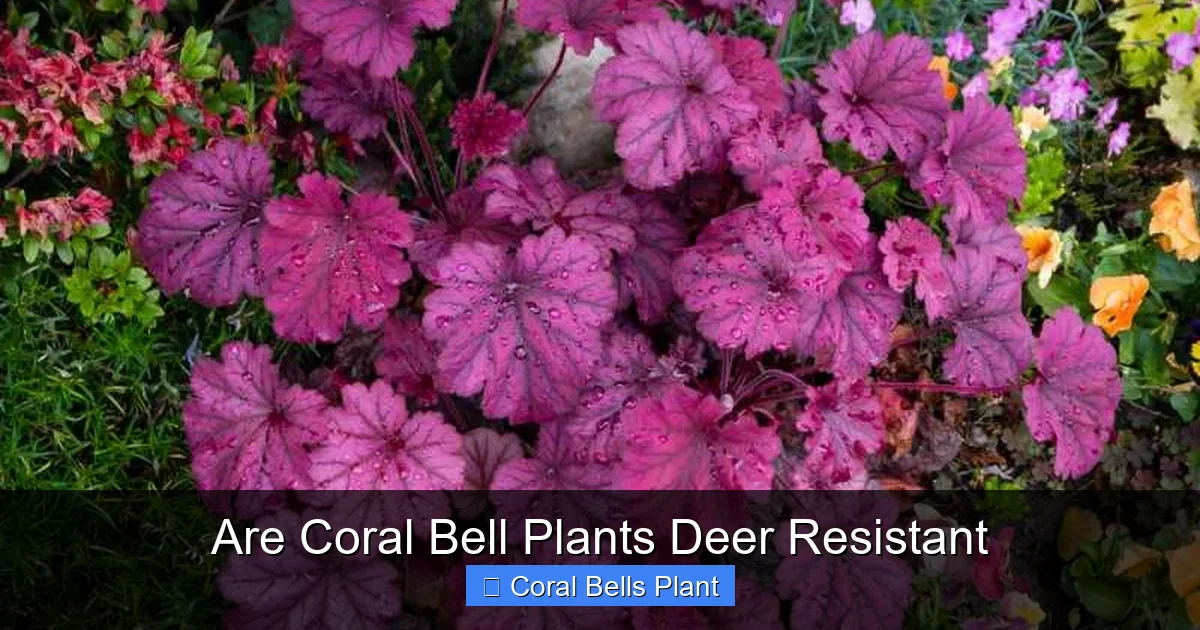
Are Coral Bell Plants Deer Resistant
Coral bell plants (Heuchera) are considered moderately deer resistant due to their fuzzy leaves and bitter taste, but hungry deer may still nibble them during food shortages. No plant is completely deer-proof, so combining coral bells with other deterrent strategies offers the best protection for your shade garden.
If you have ever walked into your garden at dawn to find your prized perennials trimmed to the ground, you know the frustration of deer damage. These graceful but voracious visitors can turn a lush shade border into a salad bar overnight. Many gardeners wonder are coral bell plants deer resistant enough to survive without constant protection. The short answer is yes, they offer moderate resistance, but the full story involves understanding deer behavior, plant characteristics, and smart gardening strategies.
Coral bells, botanically known as Heuchera, have become stars of the shade garden thanks to their stunning foliage colors ranging from deep purple to bright lime green, caramel, and silver. Their delicate bell-shaped flowers attract hummingbirds and pollinators. But their real appeal lies in those leaves — ruffled, veined, and often fuzzy. That texture plays a big role in whether deer decide to dine on them. Let us dig into the details so you can plan a garden that thrives alongside local wildlife.
Key Takeaways
- Moderate resistance: Coral bells rank as moderately deer resistant due to their textured foliage and unpalatable compounds.
- Not deer-proof: During harsh winters or droughts, desperate deer will eat almost any plant, including Heuchera.
- Variety matters: Some cultivars with thicker, hairier leaves tend to be less appealing to deer than others.
- Companion planting helps: Surrounding coral bells with highly aromatic or toxic plants creates a natural barrier.
- Physical barriers work best: Fencing, netting, and cages provide the most reliable protection for valuable specimens.
- Repellents need rotation: Deer adapt to scents quickly, so alternating repellent types maintains effectiveness.
- Healthy plants recover faster: Well-watered, fertilized coral bells bounce back better from occasional browsing damage.
Quick Answers to Common Questions
Are coral bells completely deer proof?
No plant is completely deer proof. Coral bells are moderately deer resistant but may be browsed during food shortages or high deer pressure.
Which coral bell varieties are most deer resistant?
Heuchera villosa hybrids like ‘Caramel’, ‘Citronelle’, and ‘Brownies’ have the thickest, fuzziest leaves and show the highest deer resistance.
Do deer eat coral bell flowers?
Yes, deer often nip off the delicate flower stalks in late spring, even when they leave the foliage alone.
What is the best way to protect coral bells from deer?
A combination of physical barriers (cages or fencing), rotating repellents, and companion planting with aromatic herbs provides the most reliable protection.
Will coral bells grow back after deer eat them?
Yes, as long as the central crown remains intact, coral bells typically recover fully within a growing season.
📑 Table of Contents
Understanding Deer Resistance in Garden Plants
What Does Deer Resistant Really Mean
First, let us clear up a common misconception. When nurseries and plant labels say “deer resistant,” they do not mean deer proof. No plant is completely safe from a hungry deer. The term simply indicates that deer tend to avoid that plant when other tastier options are available. Think of it like a buffet — deer will hit the prime rib (hostas, daylilies, roses) before they touch the questionable casserole (fuzzy, bitter, or aromatic plants).
Deer preferences also change with the seasons, local population pressure, and individual deer habits. A fawn might sample something its mother avoids. During drought or harsh winter, survival instincts override pickiness. So when we ask are coral bell plants deer resistant, we are really asking where they fall on the preference spectrum.
Factors That Influence Deer Browsing
Several factors determine whether deer will target your coral bells. Plant texture tops the list. Deer dislike fuzzy, leathery, or spiny foliage because it feels unpleasant in their mouths. Heuchera leaves often have a fine pubescence — tiny hairs — that creates a slightly rough or velvety feel. Many cultivars also have thick, almost leathery leaves as they mature.
Taste matters too. Coral bells contain tannins and other compounds that create a bitter, astringent flavor. Deer learn to associate that taste with discomfort. Scent plays a role as well. While Heuchera flowers have a light, sweet fragrance, the foliage lacks strong aromatic oils that would repel deer by smell alone. This puts them in the middle ground — not a first choice, but not a last resort either.
Regional and Seasonal Variations
Deer pressure varies wildly by region. Suburban areas with high deer densities and limited wild forage see more browsing damage than rural areas with abundant natural food. In the Northeast and Midwest, where white-tailed deer populations are high, gardeners report more Heuchera damage than in the West with mule deer. Seasonally, spring brings tender new growth that deer find irresistible. Late winter, when fat reserves run low, drives deer to sample plants they normally ignore.
How Coral Bells Stack Up Against Deer
Natural Defenses of Heuchera
Coral bells possess several traits that make them less appealing to deer. The foliage texture is their primary defense. Run your fingers over a mature Heuchera leaf — you will feel a slight roughness, almost like fine sandpaper or velvet. This comes from trichomes, microscopic hair-like structures. Deer have sensitive mouths and prefer smooth, succulent leaves. The effort required to chew fuzzy foliage simply is not worth it when hostas sit nearby.
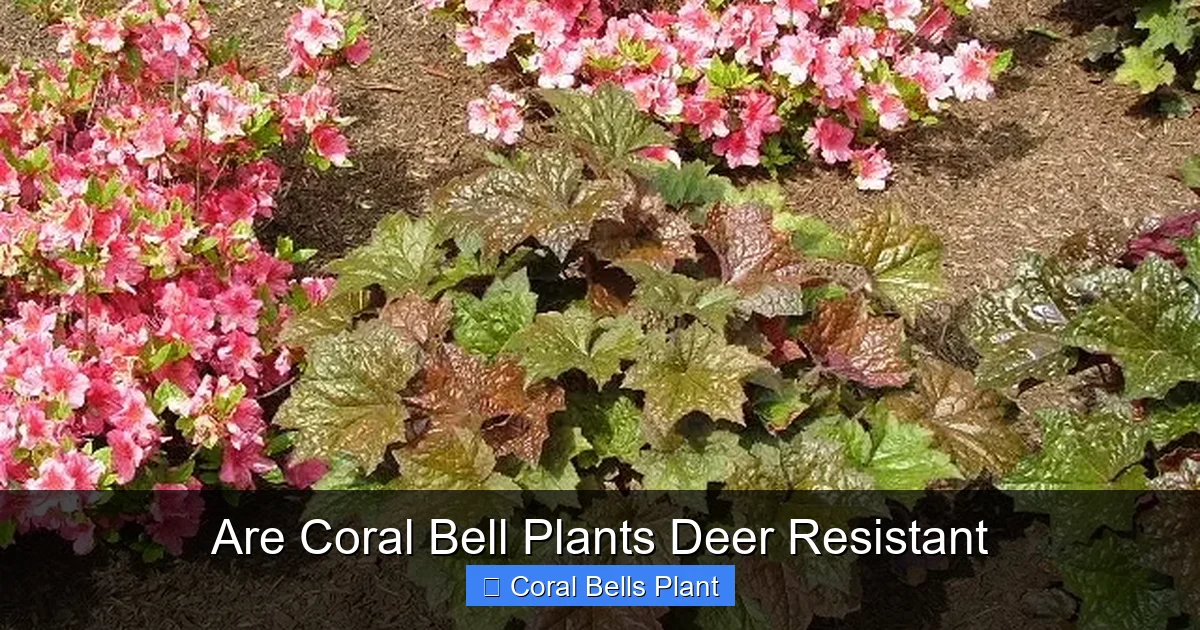
Visual guide about Are Coral Bell Plants Deer Resistant
Image source: kleinberg.com
Chemical defenses add another layer. Heuchera belongs to the Saxifragaceae family, many members of which produce tannins and phenolic compounds. These create an astringent, puckering sensation — think of over-steeped black tea. Deer avoid plants that make their mouths feel dry or bitter. While not toxic, these compounds reduce palatability significantly.
Cultivar Differences in Deer Resistance
Not all coral bells are created equal when it comes to deer resistance. Generally, cultivars with thicker, hairier, more ruffled leaves fare better. Heuchera villosa hybrids like ‘Caramel’, ‘Citronelle’, and ‘Brownies’ have exceptionally fuzzy, substantial foliage that deer tend to avoid. The villosa species hails from the Appalachian Mountains where it evolved tougher leaves to handle harsh conditions — and those same traits deter browsers.
On the other hand, some of the showiest ruffled hybrids with very thin, delicate leaves — like certain Heuchera sanguinea crosses — may suffer more damage. The popular ‘Palace Purple’ has moderately resistant foliage but its new spring growth is tender. Dark-leaved varieties sometimes attract less attention than bright chartreuse ones, possibly because deer key in on high-contrast, luminous foliage in low light.
Real-World Gardener Experiences
Garden forums and extension surveys tell a consistent story. In low-pressure areas, coral bells often go completely untouched for years. In high-pressure zones, gardeners report occasional browsing on flower stalks and new spring leaves, but mature foliage usually survives. One Connecticut gardener noted: “Deer eat the flowers and sometimes nip new leaves in April, but they leave the established clumps alone by May.” A Pennsylvania master gardener shared: “I grow twenty varieties. They might taste test one or two plants each spring, but never destroy them like they do hostas.”
These anecdotes align with university ratings. Rutgers University rates Heuchera as “Seldom Severely Damaged” — their second-highest category. Michigan State Extension lists coral bells as “Rarely Damaged.” The consensus: coral bells are a solid choice for deer-prone gardens, but they should not be your only line of defense.
Protecting Your Coral Bells from Deer
Physical Barriers That Work
If you have invested in rare cultivars or simply want guaranteed protection, physical barriers are the gold standard. For individual plants, wire cages made from hardware cloth or chicken wire work beautifully. Cut a cylinder 18-24 inches tall, stake it securely, and leave it year-round. The cage becomes invisible once the foliage fills out. For entire beds, a 4-foot fence with an outward-angled top deters most deer. They can jump higher, but they hesitate to jump into a confined space where they feel trapped.
Netting draped over plants offers a cheaper, seasonal option. Use black plastic deer netting supported by stakes so it does not rest on foliage. Apply it in early spring before new growth emerges and remove it after the first hard frost. Just check regularly — birds and small mammals can get tangled.
Repellents: Types and Application Timing
Commercial repellents fall into two categories: contact (taste-based) and area (scent-based). Contact repellents like putrescent egg solids, capsaicin, or thiram make plants taste terrible. Area repellents use predator urine, garlic oil, or blood meal to create a “danger zone” scent perimeter. Both work, but neither lasts forever. Rain washes them off. Deer habituate to scents within weeks.
The key is rotation. Start with a scent repellent in early spring. Switch to a taste repellent when flower stalks appear. Alternate brands with different active ingredients every 3-4 weeks. Always apply to dry foliage on a calm day. Reapply after heavy rain. For coral bells specifically, focus applications on flower stalks and new basal leaves — the parts deer target most.
Homemade Repellent Recipes
Many gardeners swear by DIY sprays. A popular recipe blends one beaten egg, one cup milk, one tablespoon dish soap, one tablespoon cooking oil, and a gallon of water. Let it ferment for a day, then strain and spray. The sulfur compounds in rotting egg mimic predator scent. Another option: blend hot peppers, garlic, and water, strain, add a drop of dish soap as a sticker. These cost pennies but require weekly application.
Companion Planting Strategies
Creating a Deer-Resistant Border
Smart companion planting turns your coral bells into part of a defensive perimeter. Surround Heuchera with plants deer truly hate. The strategy works on two levels: physical masking and olfactory confusion. If deer cannot easily see or reach the coral bells, and the air smells like plants they avoid, they often move on.
Plant a front row of highly aromatic herbs and perennials: lavender, Russian sage, catmint, salvia, and ornamental onions (Allium). Their strong essential oils mask the subtle scent of coral bells. Behind them, place textural plants like lamb’s ear (Stachys), lungwort (Pulmonaria), and brunnera — all fuzzy-leaved and unpalatable. Your coral bells sit safely in the middle or back, shielded by layers of “do not eat” signals.
Best Companion Plants for Coral Bells
Beyond deer resistance, choose companions that share coral bells’ cultural needs: part shade, moist well-drained soil, neutral to slightly acidic pH. Excellent partners include:
- Ferns: Japanese painted fern, autumn fern, Christmas fern — all deer ignore them.
- Hellebores: Toxous alkaloids make them completely deer proof. Early bloomers too.
- Epimedium: Tough, leathery leaves; deer walk right past.
- Wild ginger (Asarum): Glossy, heart-shaped leaves hug the ground — uninteresting to deer.
- Solomon’s seal (Polygonatum): Arching stems with dangling flowers; rarely touched.
- Foamflower (Tiarella): Close cousin to Heuchera, similar resistance, beautiful foliage.
This combination creates a tapestry of texture and color that looks intentional and lush while functioning as a deer deterrent system.
Plants to Avoid Near Coral Bells
Just as important as what to plant is what not to plant. Avoid placing coral bells next to “deer candy” — plants that act as magnets. Hostas top this list. Daylilies, roses, tulips, arborvitae, and yews also draw deer like a beacon. If you must grow these, put them in a fenced area far from your shade border. Do not create a salad bar that leads straight to your Heuchera collection.
Cultural Practices That Reduce Deer Damage
Maintaining Plant Vigor
Healthy plants withstand and recover from browsing better than stressed ones. Coral bells prefer consistent moisture — not soggy, not bone dry. Mulch with shredded leaves or pine bark to retain moisture and keep roots cool. Fertilize lightly in spring with a balanced slow-release fertilizer. Avoid high nitrogen, which produces lush, tender growth that deer find extra tasty.
Divide clumps every 3-4 years in early spring or fall. Overcrowded plants lose vigor and produce weaker foliage. Division also lets you inspect roots for vine weevil larvae, a common pest that weakens plants and makes them more susceptible to all stressors, including deer.
Strategic Pruning and Cleanup
Remove flower stalks after blooming unless you want seeds. This redirects energy to foliage production and removes the most tender, tempting part of the plant. In late fall, do not cut back foliage. The evergreen or semi-evergreen leaves protect the crown through winter and provide photosynthetic energy for early spring growth. Clean up only in early spring before new leaves emerge.
If deer do nip leaves, resist the urge to shear the plant. Instead, snip individual damaged leaves at the base. This preserves the plant’s natural form and photosynthetic capacity. A few missing leaves rarely hurt an established clump.
Garden Design to Discourage Deer
Deer are creatures of habit. They follow established paths. Observe where they enter your yard and travel. Place your most vulnerable plants far from these routes. Create “dead ends” with dense shrubbery or fencing that forces deer to turn back. Motion-activated sprinklers startle them and break patterns. Even a radio playing talk radio at low volume near the garden at night can help — human voices signal danger.
Lighting matters too. Deer prefer to feed in darkness. Solar path lights or low-voltage landscape lighting along garden edges makes them uncomfortable. Not a standalone solution, but part of a layered approach.
What to Do When Deer Eat Your Coral Bells
Assessing the Damage
First, do not panic. Examine the plant. Are just a few outer leaves nipped? Are flower stalks gone? Or is the crown chewed down to the soil? Coral bells grow from a central woody crown with fibrous roots. As long as the crown remains intact, the plant will almost always recover. Even if all leaves are gone, dormant buds on the crown will push new growth when conditions are right.
Immediate Care Steps
Water the plant deeply if soil is dry. Apply a light side-dressing of compost or balanced fertilizer to support regrowth. If the crown is exposed, mulch around it (not over it) to protect from temperature swings. Reapply repellent immediately — the deer have already found this plant, so you need to reinforce the “bad experience that it tastes bad.
Consider a temporary cage for 2-3 weeks while new leaves emerge. This gives the plant a head start without browsing pressure. Once leaves mature and toughen, deer often lose interest.
Long-Term Recovery
Most coral bells bounce back fully within a growing season. You may see smaller leaves or fewer flower stalks the first year after heavy browsing. By year two, they typically return to normal size and vigor. If a particular plant gets hammered repeatedly despite protection, consider relocating it to a more protected spot or replacing it with a tougher cultivar like a villosa hybrid.
Keep a garden journal noting which varieties suffer damage and when. Over time, patterns emerge. You might discover that ‘Lime Rickey’ gets eaten every April but ‘Caramel’ never does. That knowledge lets you plant smarter each season.
Alternative Shade Plants for High Deer Pressure
When Coral Bells Are Not Enough
In areas with extreme deer pressure — think 50+ deer per square mile — even moderately resistant plants get decimated. If you have tried barriers, repellents, and companions without success, it may be time to shift your plant palette toward the “rarely damaged” and “seldom severely damaged” categories.
Top Deer-Proof Shade Perennials
These plants contain toxic compounds, extreme textures, or overpowering scents that deer virtually never eat:
- Hellebores (Lenten rose): Alkaloids make them toxic. Evergreen foliage, winter blooms.
- Monkshood (Aconitum): Highly toxic. Tall spires of blue/purple flowers. Handle with gloves.
- Bleeding heart (Dicentra): Toxic alkaloids. Ferny foliage, heart-shaped flowers.
- Lungwort (Pulmonaria): Rough, hairy leaves. Spotted foliage, spring flowers.
- Japanese forest grass (Hakonechloa): Ornamental grass deer ignore. Cascading habit.
- Christmas fern and other native ferns: Tough, leathery fronds. Zero deer interest.
- Wild ginger (Asarum canadense): Ground-hugging, shiny leaves. Inconspicuous flowers.
- Epimedium (Barrenwort): Leathery, often spiny leaves. Delicate spring flowers.
These can form the backbone of a truly deer-proof shade garden, with coral bells used as accents in the most protected spots.
Balancing Beauty and Practicality
You do not have to give up coral bells entirely. Many gardeners create a “deer sacrifice zone” — an unfenced area planted with things deer love (hostas, daylilies) to draw them away from prized collections. Others accept some spring browsing as the cost of growing these beautiful plants. There is no single right answer. Your tolerance for damage, budget for protection, and time for maintenance all factor in.
Conclusion
So, are coral bell plants deer resistant? The answer is a qualified yes. They possess natural defenses — fuzzy texture, bitter compounds, leathery mature leaves — that place them firmly in the “moderately resistant” category. In many gardens, they thrive untouched for years. In high-pressure areas, they may suffer occasional browsing on flowers and tender new growth but rarely die from deer damage alone.
The savvy gardener does not rely on resistance alone. Layer your defenses: choose tough cultivars like villosa hybrids, surround them with aromatic and textural companions, apply rotating repellents during vulnerable periods, and use physical barriers for your most treasured specimens. Keep plants vigorous with proper care so they recover quickly from any nibbling.
Remember that gardening with deer is a relationship, not a war. You are sharing habitat. Some years they win a few battles. Other years your coral bells put on a flawless show. The joy of seeing those ruffled leaves catch morning light — in shades of amber, plum, silver, and chartreuse — makes the effort worthwhile. With the strategies in this guide, you can tip the odds in your favor and enjoy a stunning shade garden that coexists with your four-legged neighbors.
Frequently Asked Questions
Are coral bell plants deer resistant in all regions?
Deer resistance varies by region based on local deer populations, available wild forage, and winter severity. In areas with high deer density and limited natural food, coral bells experience more browsing than in low-pressure regions.
When are coral bells most vulnerable to deer damage?
Coral bells face the highest risk in early spring when tender new leaves and flower stalks emerge, and in late winter when deer fat reserves are depleted and they sample less-preferred plants.
Can I use coffee grounds to deter deer from coral bells?
Coffee grounds may provide mild, short-term deterrence due to their strong scent, but they are not reliable as a standalone deer repellent. They work best as a soil amendment for acid-loving plants like coral bells.
Do rabbits eat coral bells like deer do?
Rabbits generally avoid coral bells for the same reasons as deer — fuzzy texture and bitter taste. However, young rabbits may sample them in spring. Rabbit damage appears as clean 45-degree cuts, unlike the torn leaves from deer.
Should I fertilize coral bells after deer damage?
Yes, a light application of balanced slow-release fertilizer or compost after browsing helps the plant regenerate foliage. Avoid high-nitrogen fertilizers that produce overly tender new growth.
Can I plant coral bells near hostas if I have deer?
It is not recommended. Hostas are deer magnets. Planting coral bells near hostas increases the likelihood deer will discover and sample your Heuchera while feasting on the hostas.