White Coral Bells Plant
The white coral bells plant is a low‑maintenance perennial that thrives in partial shade and adds elegant white flowers to any garden. With proper soil, watering, and occasional division, it rewards gardeners with long‑lasting beauty year after year.
Key Takeaways
- Shade tolerance: The white coral bells plant prefers dappled light and can handle full shade in cooler climates.
- Soil needs: Well‑draining, humus‑rich soil with a slightly acidic pH promotes healthy growth.
- Watering routine: Keep the soil consistently moist but not soggy; mulch helps retain moisture.
- Seasonal care: Cut back foliage in late fall and divide clumps every three to four years.
- Pest resistance: Generally deer‑ and rabbit‑resistant, though slugs may target young leaves.
- Companion planting: Pair with ferns, hostas, and astilbes for a layered shade garden.
- Propagation: Easy to propagate by division or seed, giving you more plants for free.
Quick Answers to Common Questions
What light does the white coral bells plant prefer?
It prefers partial shade with morning sun and afternoon shade, or full shade in hot climates.
How often should I water the white coral bells plant?
Water when the top inch of soil feels dry; keep the soil evenly moist but not soggy.
When is the best time to divide the white coral bells plant?
Early spring, before new growth starts, is the ideal time for division.
Is the white coral bells plant deer resistant?
Yes, it is generally deer and rabbit resistant, though slugs may feed on young leaves.
Can I grow the white coral bells plant in a container?
Absolutely, use a well‑draining potting mix and ensure the container has drainage holes.
📑 Table of Contents
Introduction to the White Coral Bells Plant
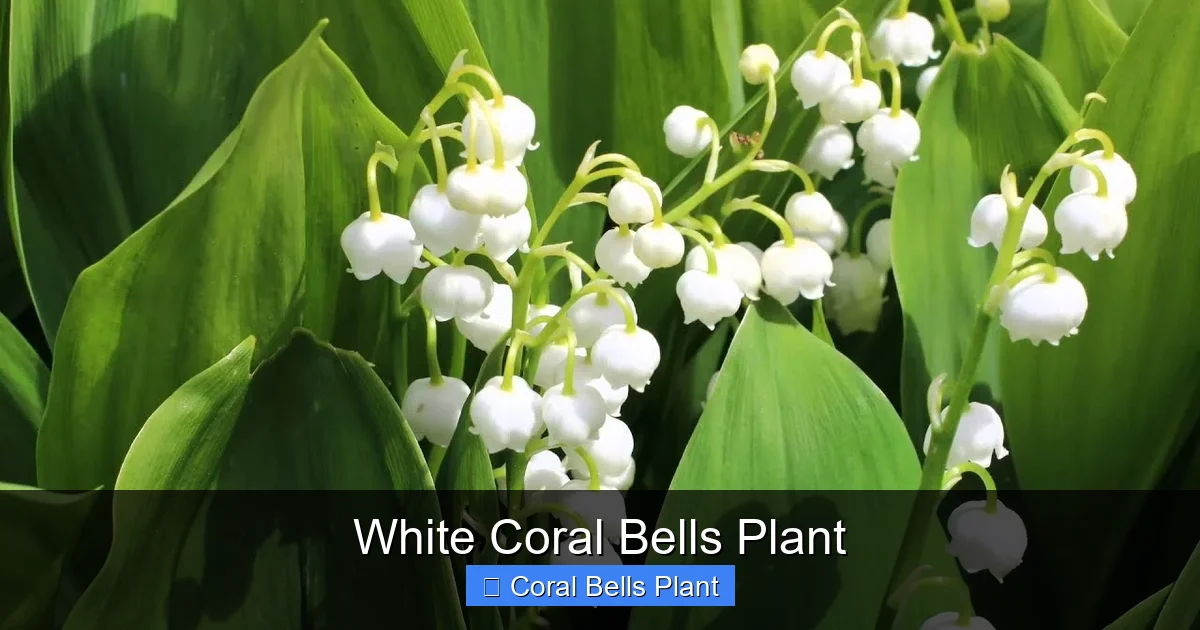
The white coral bells plant, known botanically as Heuchera ‘White Cloud’ or similar cultivars, is a favorite among shade gardeners. Its delicate, bell‑shaped flowers rise on slender stems above a mound of ruffled foliage. The blossoms are pure white, creating a soft glow in dim corners of the yard. Because it stays compact, it fits nicely in borders, containers, or woodland settings.
Gardeners love this plant for its long bloom period, often from late spring through early summer. The foliage remains attractive all season, offering colors ranging from deep green to silvery gray depending on the variety. With minimal fuss, the white coral bells plant delivers high impact for low effort.
Choosing the Right Spot
Light Requirements
The white coral bells plant thrives in partial shade. Morning sun with afternoon shade is ideal. In hotter regions, full shade prevents leaf scorch. If you place it in too much sun, the leaves may turn brown at the edges.
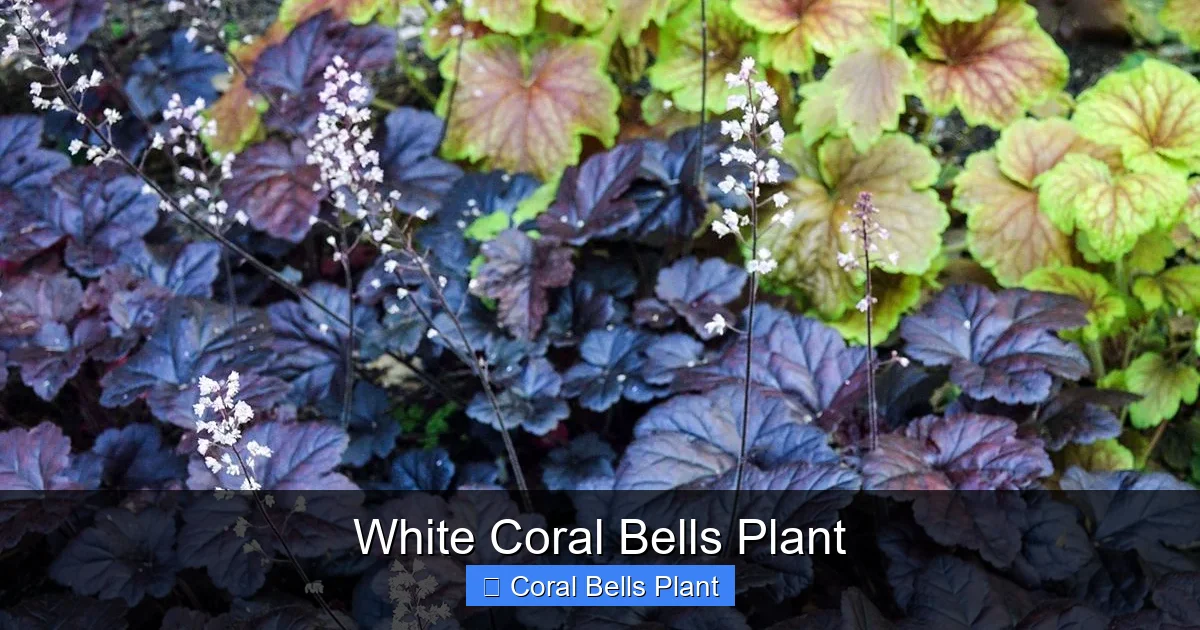
Visual guide about White Coral Bells Plant
Image source: cdn.mos.cms.futurecdn.net
Soil Preferences
A rich, well‑draining soil is essential. Amend heavy clay with compost or leaf mold to improve texture. Aim for a pH between 5.5 and 6.5. A simple soil test kit can confirm acidity before planting.
Spacing and Layout
Space plants about 12 to 18 inches apart. This allows air circulation, reducing fungal issues. Group several together for a massed effect, or interplant with other shade lovers for texture contrast.
Planting the White Coral Bells Plant
When to Plant
Early spring or early fall are the best times. Cool temperatures let roots establish before summer heat or winter freeze.
Step‑by‑Step Planting Guide
- Dig a hole twice as wide as the root ball and just as deep.
- Mix the excavated soil with compost at a 1:1 ratio.
- Place the plant so the crown sits level with the soil surface.
- Backfill, firm gently, and water thoroughly.
- Apply a 2‑inch layer of shredded bark mulch around the base.
Water the new planting daily for the first week, then taper to a regular schedule.
Watering and Feeding
Consistent Moisture
The white coral bells plant likes evenly moist soil. Check the top inch; if it feels dry, water deeply. Avoid overhead watering late in the day to prevent leaf spots.
Mulching Benefits
Mulch conserves moisture, suppresses weeds, and keeps roots cool. Refresh mulch each spring.
Fertilizer Tips
Apply a balanced, slow‑release fertilizer in early spring. A 10‑10‑10 formula works well. Over‑fertilizing can cause lush foliage but fewer flowers.
Seasonal Maintenance
Spring Clean‑Up
Remove any dead leaves from winter. Cut back old flower stems to the base. This encourages fresh growth.
Summer Care
Monitor for pests like slugs. Hand‑pick or use iron phosphate baits. Keep watering steady during dry spells.
Fall Preparation
After the first hard frost, cut foliage to about 2 inches above ground. Add a thick mulch layer for winter protection.
Dividing Clumps
Every three to four years, lift the clump in early spring. Separate into smaller sections with healthy roots. Replant immediately.
Common Problems and Solutions
Leaf Scorch
Brown leaf edges usually mean too much sun or insufficient water. Move the plant to a shadier spot and increase watering.
Powdery Mildew
White powdery spots appear in humid, stagnant air. Improve air flow by spacing plants and avoid overhead watering. Treat with a sulfur‑based fungicide if needed.
Root Rot
Soggy soil leads to black, mushy roots. Ensure good drainage and reduce watering frequency.
Pest Damage
Slugs and snails love tender leaves. Use copper tape around pots or diatomaceous earth on the soil surface.
Design Ideas with White Coral Bells Plant
Woodland Garden
Combine with ferns, hostas, and trilliums for a natural look. The white flowers brighten the forest floor.
Container Displays
Plant in a shallow pot with a mix of peat, perlite, and compost. Pair with trailing ivy or creeping jenny for a cascading effect.
Border Edging
Line a shady path with a row of white coral bells plant. The uniform height creates a tidy edge.
Pollinator Friendly
Though not a major nectar source, the flowers attract small bees and hoverflies. Add nearby lavender or salvia for more pollinator activity.
Propagation Methods
Division
Division is the quickest way to get new plants. Follow the same steps as seasonal division. Each piece should have at least three healthy shoots.
Seed Starting
Collect seeds after flowers fade. Sow in a seed tray with fine seed‑starting mix. Keep moist and provide bright, indirect light. Germination takes two to four weeks.
Root Cuttings
In late winter, take 2‑inch root sections. Lay horizontally in moist sand. Cover lightly and keep at 65°F. New shoots appear in six to eight weeks.
Conclusion
The white coral bells plant is a versatile, low‑maintenance perennial that brings elegance to any shaded garden. By selecting the right site, providing consistent moisture, and performing simple seasonal tasks, you can enjoy its delicate white bells for many years. Whether tucked into a woodland nook, showcased in a container, or lining a garden path, this plant rewards a little care with a lot of beauty. Give it a try, and watch your shady spaces come alive with soft, luminous blooms.
Frequently Asked Questions
What soil pH is best for the white coral bells plant?
A slightly acidic pH between 5.5 and 6.5 provides optimal nutrient availability for the white coral bells plant.
How do I prevent powdery mildew on my white coral bells plant?
Space plants for good air circulation, water at the base, and apply a sulfur‑based fungicide at the first sign of disease.
Does the white coral bells plant need fertilizer every year?
A single application of balanced slow‑release fertilizer in early spring is sufficient; avoid over‑fertilizing.
Can the white coral bells plant survive winter in zone 4?
Yes, with a thick mulch layer and well‑draining soil, it tolerates zone 4 winters.
How long does the white coral bells plant bloom?
Blooming typically lasts from late spring through early summer, about six to eight weeks.
What companion plants work well with the white coral bells plant?
Ferns, hostas, astilbes, and shade‑tolerant grasses create attractive, layered combinations.