Purple Coral Bells Plant
Purple coral bells (Heuchera) are versatile perennial plants prized for their vibrant foliage and delicate bell-shaped flowers. These shade-loving beauties offer year-round interest with minimal maintenance, making them perfect for both novice and experienced gardeners.
If you have ever wandered through a shade garden and spotted mounds of ruffled leaves in shades of deep plum, rich burgundy, or shimmering amethyst, you have likely met the purple coral bells plant. Known botanically as Heuchera, these perennials have exploded in popularity over the past two decades. Plant breeders have introduced hundreds of new cultivars, each offering unique leaf colors, textures, and forms. Yet the purple varieties remain some of the most sought after for their dramatic presence in low light conditions.
Growing purple coral bells is rewarding because they solve a common garden problem: what to plant in shade. Many flowering perennials demand full sun, leaving shady spots looking bare. Purple coral bells not only tolerate shade but often display their richest color there. Their mounding habit creates neat clumps that play well with hostas, ferns, and astilbes. Whether you are a seasoned gardener or just starting out, adding these plants to your landscape brings months of color with surprisingly little effort.
Key Takeaways
- Foliage First: Purple coral bells are grown primarily for their stunning leaves, which provide color from spring through fall and often into winter.
- Shade Tolerant: These plants thrive in partial to full shade, making them ideal for difficult garden spots under trees or on north-facing walls.
- Low Maintenance: Once established, purple coral bells require minimal care beyond occasional watering and division every few years.
- Year-Round Interest: Many varieties keep their colorful foliage through winter, providing structure when other perennials have died back.
- Pollinator Friendly: The delicate flower spikes attract hummingbirds, bees, and butterflies to your garden.
- Versatile Design: Use purple coral bells in borders, containers, rock gardens, or as ground cover for stunning visual impact.
- Deer Resistant: These plants are rarely browsed by deer or rabbits, making them reliable in wildlife-prone areas.
Quick Answers to Common Questions
What is the best time to plant purple coral bells?
Spring and early fall are the best times to plant purple coral bells, giving roots time to establish before extreme temperatures.
How often should I water purple coral bells?
Water deeply once a week during dry periods, more frequently in containers or sandy soil. Keep soil consistently moist but not soggy.
Do purple coral bells need fertilizer?
They are light feeders. A spring application of compost or balanced slow-release fertilizer is sufficient. Avoid high-nitrogen formulas.
Can purple coral bells grow in full sun?
In cooler northern zones, yes, with adequate moisture. In hot climates, they need afternoon shade to prevent leaf scorch.
How do I divide purple coral bells?
Dig the clump in spring or fall, separate into sections with healthy roots and growth buds, and replant immediately at the same depth.
📑 Table of Contents
- Understanding the Purple Coral Bells Plant
- Top Purple Coral Bells Varieties
- Ideal Growing Conditions
- Planting and Establishment
- Ongoing Care and Maintenance
- Common Problems and Solutions
- Design Ideas for Purple Coral Bells
- Propagation Methods
- Buying Guide: Selecting Healthy Plants
- Frequently Asked Questions About Purple Coral Bells
- Conclusion
Understanding the Purple Coral Bells Plant
What Are Coral Bells?
Coral bells belong to the genus Heuchera, a group of herbaceous perennials native to North America. There are roughly 50 species, but the garden hybrids we grow today are complex crosses selected for ornamental foliage. The common name coral bells comes from the tiny bell-shaped flowers that appear on slender stems in late spring to early summer. While the flowers are charming, most gardeners grow these plants for their foliage.
The purple coral bells plant stands out because of its pigment-rich leaves. Anthocyanins, the same compounds that give blueberries and eggplants their color, create the purple tones. Leaf color can shift with the seasons, temperature, and light exposure. A cultivar that looks deep purple in spring might take on bronze or silver overtones in summer heat. This chameleon-like quality adds to their appeal.
Botanical Background
Heuchera is part of the Saxifragaceae family, which includes other shade lovers like foamflower (Tiarella) and astilbe. The genus honors Johann Heinrich von Heucher, an 18th-century German physician and botanist. Wild species grow in diverse habitats from rocky cliffs to woodland floors, which explains their adaptability. Modern hybrids often trace their lineage to Heuchera americana, Heuchera micrantha, and Heuchera villosa, each contributing hardiness, heat tolerance, or leaf size.
Why Choose Purple Varieties?
Purple foliage creates depth in garden design. It acts as a dark foil that makes chartreuse, silver, and white plants pop. In shade, where green can feel monotonous, purple coral bells introduce drama without flowers. They also bridge seasons. When spring bulbs fade and summer perennials have not yet peaked, the foliage holds the scene together. Many purple cultivars keep color through winter in mild climates, offering structure when the garden is otherwise quiet.
Top Purple Coral Bells Varieties
Classic Favorites
‘Palace Purple’ launched the purple coral bells craze in the 1980s. It features large, maple-like leaves in bronzy purple with metallic undertones. This cultivar won the Perennial Plant Association Plant of the Year in 1991 and remains a reliable choice. ‘Plum Pudding’ offers ruffled, plum-purple leaves with a silvery veil. It forms a tidy mound about 12 inches tall and wide. ‘Purple Palace’ is often confused with ‘Palace Purple’ but has slightly different parentage and deeper color.
Modern Introductions
Breeders have pushed the color palette further. ‘Black Pearl’ from the Primo series boasts intensely black-purple, heavily ruffled leaves that hold color all season. It forms a large, vigorous clump up to 20 inches wide. ‘Wildberry’ displays bright purple leaves with charcoal veins and a rosy underside. The color stays vivid even in summer heat. ‘Forever Purple’ lives up to its name with ultra-saturated purple foliage that resists fading. Its compact habit suits containers and small spaces.
Specialty Types
For something different, consider ‘Berry Smoothie’ with large, rose-purple leaves that emerge bright pink in spring. ‘Grape Expectations’ offers grape-purple foliage with a heavy silver overlay, creating a frosted effect. ‘Midnight Rose’ splashes hot pink spots across dark purple leaves, like paint flicked from a brush. Each variety brings a unique personality to the shade garden.
Ideal Growing Conditions
Light Requirements
Purple coral bells perform best in partial shade, meaning four to six hours of morning sun or dappled light throughout the day. In cooler northern zones, they tolerate more sun, even full sun with adequate moisture. In hot southern climates, afternoon shade is essential to prevent leaf scorch and color bleaching. Deep shade reduces vigor and may cause stems to stretch. Observe your site through the day before planting.
Soil Preferences
Well-drained soil is non-negotiable. Purple coral bells rot quickly in heavy clay or soggy spots. They prefer humus-rich, slightly acidic to neutral soil with a pH between 6.0 and 7.0. Amend planting holes with compost, leaf mold, or aged bark to improve drainage and fertility. If your soil is alkaline, incorporate elemental sulfur or peat moss to lower pH. Raised beds or mounded planting areas work well in poorly drained gardens.
Water Needs
Consistent moisture keeps purple coral bells looking their best. Water deeply once a week during dry spells, more often in containers or sandy soil. Avoid overhead watering late in the day, as wet foliage overnight invites fungal diseases. A two-inch layer of shredded bark or leaf mulch conserves moisture and keeps roots cool. Established plants tolerate brief drought but may develop crispy leaf edges.
Temperature and Hardiness
Most purple coral bells are hardy in USDA zones 4 through 9. Some villosa hybrids extend heat tolerance into zone 10. In zone 3, provide winter mulch after the ground freezes. In zones 8 and 9, choose heat-tolerant cultivars like those with H. villosa parentage. Extreme temperature swings in late spring can damage emerging foliage. Cover plants with frost cloth if a hard freeze threatens after growth starts.
Planting and Establishment
When to Plant
Spring and early fall are ideal planting times. Spring planting gives roots a full season to establish before winter. Fall planting works well in zones 6 and warmer, allowing roots to grow in cool soil. Avoid planting during summer heat or when the ground is frozen. Container-grown plants can go in anytime the soil is workable, but they need extra attention to watering during hot weather.
Spacing and Depth
Space purple coral bells 12 to 18 inches apart depending on the mature size of the cultivar. Check the plant tag for specific spread. Plant at the same depth they grew in the pot. The crown, where stems meet roots, should sit at soil level. Burying the crown leads to rot. Planting too high exposes roots to drying air. Firm soil gently around roots and water thoroughly to settle.
Container Growing
Purple coral bells thrive in containers, bringing color to shaded patios and entryways. Choose a pot at least 12 inches wide with drainage holes. Use a high-quality potting mix amended with perlite or coarse sand for drainage. Position the crown slightly above the mix surface to prevent water pooling. Water when the top inch feels dry. Fertilize monthly with diluted liquid fertilizer during the growing season. Repot every two to three years as the crown expands.
Companion Planting
Design stunning combinations by pairing purple coral bells with contrasting textures and colors. Chartreuse partners: Japanese forest grass (Hakonechloa macra ‘Aureola’), golden hostas, or ‘Angelina’ sedum. Silver partners: Japanese painted fern, brunnera ‘Jack Frost’, or lungwort. White partners: White-flowering astilbe, variegated Solomon’s seal, or white bleeding heart. Deep shade partners: Hellebores, foamflower, and wild ginger. The mounding habit of coral bells also complements upright ferns and arching grasses.
Ongoing Care and Maintenance
Fertilizing
Purple coral bells are light feeders. In rich soil, a spring top-dressing of compost provides enough nutrients. In poorer soil or containers, apply a balanced slow-release fertilizer (10-10-10 or similar) in early spring as new growth emerges. Avoid high-nitrogen fertilizers, which promote lush leaves at the expense of color intensity. Over-fertilizing can also weaken stems and increase disease susceptibility.
Pruning and Deadheading
Remove spent flower stems at the base after blooming to redirect energy to foliage. Some gardeners remove flower stems before they bloom to keep the focus on leaves. In late winter or early spring, cut back any tattered or winter-damaged leaves to make room for fresh growth. Use clean, sharp scissors to avoid tearing. Do not cut into the woody crown. In mild climates, evergreen foliage may need only light grooming.
Division
Divide purple coral bells every three to four years in spring or fall to maintain vigor. Signs they need division include a woody, exposed crown, reduced flowering, or a dead center. Dig the entire clump, shake off soil, and pull or cut apart into sections with healthy roots and several growth buds. Replant divisions immediately at the same depth. Water well and mulch. Discard woody, unproductive centers.
Winter Care
In cold zones, apply a loose mulch of straw, pine needles, or shredded leaves after the ground freezes. This prevents freeze-thaw cycles from heaving plants out of the soil. Do not use heavy, wet leaves that mat down and smother crowns. Remove mulch gradually in spring as new growth appears. In zones 7 and warmer, purple coral bells often stay evergreen through winter with no protection needed.
Common Problems and Solutions
Fungal Diseases
Powdery mildew appears as white powdery patches on leaves, usually in humid conditions with poor air circulation. Space plants properly, water at the base, and choose resistant cultivars. Treat with neem oil or potassium bicarbonate spray if needed. Rust shows as orange pustules on leaf undersides. Remove affected leaves and improve air flow. Leaf spot causes brown or black lesions. Practice good sanitation and avoid overhead watering.
Root and Crown Rot
This is the number one killer of purple coral bells. Symptoms include wilting despite moist soil, yellowing leaves, and a mushy crown. Prevention is key: ensure excellent drainage, avoid burying crowns, and do not overwater. If caught early, dig the plant, trim rotted tissue, dust with fungicide, and replant in fresh, well-drained soil. Container plants need fast-draining mix and pots with ample drainage holes.
Pest Issues
Vine weevil adults notch leaf edges at night; larvae feed on roots, causing sudden wilting. Apply beneficial nematodes to soil in spring and fall. Foliar nematodes create angular brown patches between leaf veins. Remove infected leaves and avoid wet foliage. Deer and rabbits rarely bother mature plants but may nibble new growth in spring. Repellent sprays help during vulnerable periods.
Environmental Stress
Sun scorch bleaches purple leaves to tan or white. Move plants to shadier spots or provide afternoon shade cloth. Drought stress causes crispy leaf margins and premature dormancy. Water deeply and mulch. Frost heaving pushes crowns above soil in winter. Mulch after freeze-up and gently press plants back in spring. Nutrient deficiency shows as pale leaves or poor growth. Soil test and amend accordingly.
Design Ideas for Purple Coral Bells
Shade Garden Borders
Plant purple coral bells in drifts of three, five, or seven along a woodland path. Their mounding form creates a rhythm that leads the eye. Alternate with contrasting foliage plants for a tapestry effect. For a formal look, use a single cultivar as edging along a shaded border. The neat habit stays tidy without shearing. In informal gardens, let them mingle with self-seeding biennials like foxglove or forget-me-not.
Rock Gardens and Slopes
Many purple coral bells, especially those with H. villosa heritage, tolerate rocky, well-drained soil. Tuck them into crevices between stones on a shaded slope. Their fibrous roots help stabilize soil. Choose compact varieties like ‘Forever Purple’ or ‘Wildberry’ for tight spaces. The ruffled leaves soften hard edges of rocks. Pair with sedums, dwarf conifers, and creeping phlox for a multi-season display.
Container Combinations
Purple coral bells are container superstars. Use them as the “filler” in thriller-filler-spiller designs. A classic shade combo: thriller – Japanese maple or upright fern; filler – purple coral bells; spiller – creeping jenny or ivy. For a modern look, plant a single large specimen in a glazed ceramic pot. Underplant with spring bulbs like snowdrops or species tulips for early color before coral bells leaf out fully.
Understory Plantings
Plant purple coral bells beneath deciduous trees where they receive spring sun before leaf-out and summer shade. They compete well with tree roots once established. Create a living mulch by planting them densely around the base of mature shrubs like hydrangeas or viburnums. The coral bells suppress weeds and hide bare legs of larger shrubs. Choose vigorous cultivars like ‘Palace Purple’ or ‘Black Pearl’ for tough root competition.
Seasonal Color Echoes
Extend the purple theme through the seasons. Spring: pair with purple-flowering bulbs like grape hyacinth or early tulips. Summer: echo with purple-leaved annuals like alternanthera or perilla. Fall: combine with purple asters, ornamental kale, or beautyberry. Winter: in mild zones, the evergreen purple foliage carries the show alone. This repetition creates cohesion across months.
Propagation Methods
Division
Division is the easiest and most reliable way to propagate purple coral bells. Do it in early spring as growth resumes or in early fall. Dig the parent plant, wash roots to see structure, and separate into pieces with at least three to five growth buds each. Replant immediately. Divisions flower in their first year. This method preserves the exact characteristics of the cultivar.
Seed
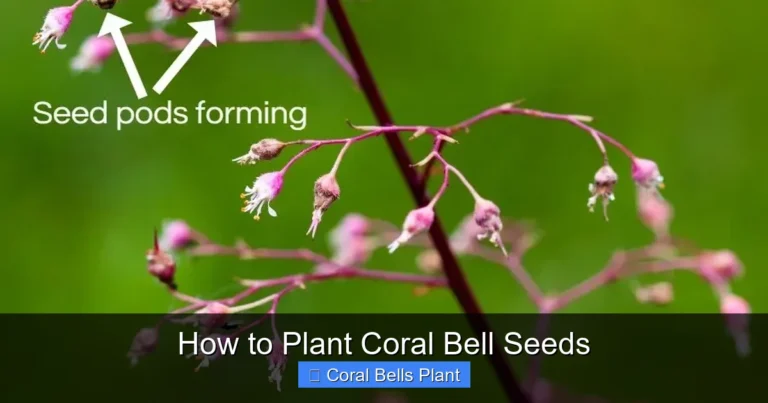
Growing from seed is fun but unpredictable. Hybrid cultivars do not come true from seed. Seedlings vary widely in leaf color and form. If you want to experiment, collect seed from dried flower pods in late summer. Sow fresh seed on the surface of moist seed-starting mix. Do not cover; light aids germination. Keep at 65 to 70 degrees Fahrenheit. Germination takes two to eight weeks. Transplant seedlings to individual pots when they have true leaves.
Leaf Cuttings
Some gardeners propagate from leaf cuttings, though success rates vary. In spring, remove a healthy leaf with a short piece of petiole. Dip the cut end in rooting hormone. Insert into moist perlite or sand. Cover with a plastic bag to maintain humidity. Place in bright, indirect light. Roots may form in four to six weeks. Pot up and grow on. This method works best with cultivars that have thick, succulent leaves.
Tissue Culture
Commercial nurseries use tissue culture to produce thousands of identical plants from a tiny piece of meristem tissue. This ensures disease-free, uniform stock. It is not practical for home gardeners but explains why new cultivars reach market quickly. If you buy a patented variety, the tag will indicate propagation is prohibited. Respect plant patents; they fund future breeding.
Buying Guide: Selecting Healthy Plants
What to Look For
Choose plants with vibrant, unblemished foliage. Avoid any with yellowing, brown edges, or spots. Check the crown: it should be firm, not mushy. Gently lift the pot to inspect roots. Healthy roots are white or light tan and fill the pot without circling excessively. Reject plants with weeds growing in the pot, a sign of poor nursery care. Select compact, well-branched plants over leggy ones.
Where to Buy
Local independent nurseries often carry regionally appropriate cultivars and can offer planting advice. Specialty perennial nurseries have the widest selection, including new introductions. Mail-order sources ship bare-root or potted plants in spring and fall. Reputable online retailers guarantee live arrival. Big-box stores may have lower prices but less variety and sometimes stressed plants. Shop early in the season for best selection.
Reading Plant Labels
Labels provide crucial information. Look for: Cultivar name (e.g., ‘Black Pearl’), Mature size (height and spread), Hardiness zone, Light requirement, Bloom time, and Patent status (PP# or PPAF). Some labels include QR codes linking to detailed care guides. Keep labels or photograph them for future reference. Knowing the exact cultivar helps when seeking advice or buying more later.
Timing Your Purchase
Spring offers the largest selection but plants may be forced into early growth, making them tender. Fall purchases establish roots before winter and often cost less. Summer clearance sales can yield bargains, but plants may be root-bound or heat-stressed. Inspect carefully. If buying in summer, plant immediately and provide extra shade and water until established.
Frequently Asked Questions About Purple Coral Bells
Do purple coral bells come back every year?
Yes, purple coral bells are herbaceous perennials that return reliably in zones 4 through 9. In colder zones, they may die back to the ground but resprout from the crown in spring. In warmer zones, many stay evergreen year-round. Proper drainage and winter mulch in cold areas ensure strong returns.
How much sun can purple coral bells tolerate?
In northern climates (zones 4-6), purple coral bells handle full sun with consistent moisture. In southern climates (zones 7-9), they need afternoon shade to prevent leaf scorch. Morning sun with afternoon shade is ideal everywhere. Deep shade reduces vigor and color intensity. Observe your specific site and adjust.
Why are my purple coral bells turning green?
Color fading to green usually means too much shade or high temperatures. Purple pigment (anthocyanin) production requires some light. In deep shade, plants produce more chlorophyll to capture light, masking purple tones. Summer heat can also cause color loss. Some cultivars hold color better than others. ‘Forever Purple’ and ‘Black Pearl’ are bred for color retention.
Can I grow purple coral bells indoors?
Purple coral bells are not ideal houseplants. They need a winter dormancy period triggered by cold temperatures and short days. Without it, they weaken and decline. However, you can overwinter container plants in an unheated garage or cold frame where temperatures stay above freezing but below 45 degrees Fahrenheit. Provide minimal water during dormancy.
Do purple coral bells spread aggressively?
No, purple coral bells are clump-forming perennials that spread slowly by expanding their crown. They do not run by rhizomes or stolons. A mature clump may reach 18 to 24 inches wide over several years. They are well-behaved garden citizens. Division every few years controls size and rejuvenates plants.
Are purple coral bells toxic to pets?
Heuchera species are generally considered non-toxic to dogs, cats, and horses. However, eating large amounts of any plant material can cause mild gastrointestinal upset. The ASPCA does not list Heuchera as toxic. As with any garden plant, discourage pets from chewing foliage. If ingestion occurs and symptoms persist, contact your veterinarian.
Conclusion
The purple coral bells plant earns its place in any shade garden. Few perennials offer such rich color, long season interest, and easy care. From the classic ‘Palace Purple’ to cutting-edge introductions like ‘Black Pearl’, there is a purple coral bells for every garden style and climate. Their versatility shines in borders, containers, rock gardens, and woodland plantings. They play well with others, elevate companion plants, and ask little in return.
Success with purple coral bells comes down to a few fundamentals: well-drained soil, appropriate light, consistent moisture, and periodic division. Master these, and you will enjoy mounds of jewel-toned foliage for years. Experiment with different cultivars to discover your favorites. Mix them with chartreuse, silver, and white partners for unforgettable combinations. Let them solve your shade garden challenges with grace.
Whether you are planting your first coral bells or adding to a growing collection, remember that these plants are more than pretty faces. They support pollinators, resist deer, stabilize soil, and bring life to dim corners. In a world of high-maintenance landscapes, purple coral bells stand out as a sustainable, beautiful choice. Plant some this season. Your shade garden will thank you.
Frequently Asked Questions
Will purple coral bells survive winter in zone 4?
Yes, most purple coral bells are hardy to zone 4. Apply a loose winter mulch after the ground freezes to prevent frost heaving. Remove mulch gradually in spring.
Why are the leaves on my coral bells turning brown and crispy?
Brown crispy edges usually indicate drought stress, sun scorch, or root rot from poor drainage. Check soil moisture and drainage, and ensure the plant gets afternoon shade in hot climates.
Do I need to deadhead purple coral bells?
Deadheading is optional. Removing spent flower stems keeps plants tidy and may encourage a light rebloom. Some gardeners remove flower stems before they bloom to emphasize foliage.
Can I grow purple coral bells under a black walnut tree?
Yes, Heuchera is juglone-tolerant and can grow under black walnut trees where many other plants fail. Ensure good drainage and adequate moisture.
How long do purple coral bells live?
With proper care and division every three to four years, purple coral bells can live indefinitely. Undivided plants may develop woody centers and decline after five to seven years.
What causes the center of my coral bells plant to die out?
A dead center indicates the plant needs division. As the crown ages, the middle becomes woody and unproductive. Dig and divide in spring or fall, replanting only the vigorous outer sections.