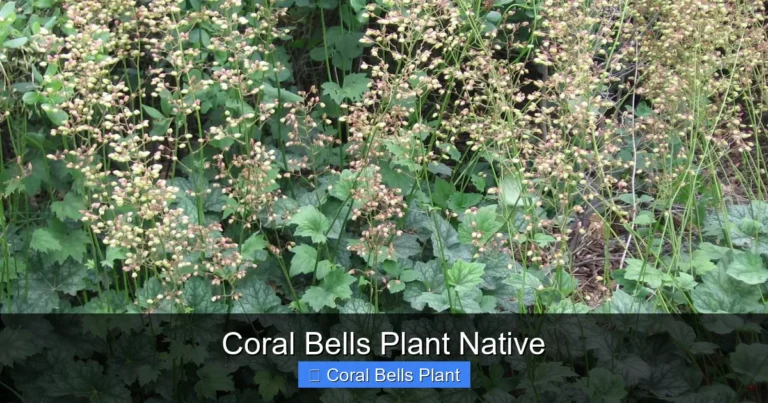
Rhododendron Companion Plants Coral Bells
Rhododendron companion plants coral bells create a magical woodland garden pairing that thrives in dappled shade. These shade-loving perennials offer stunning foliage contrast and seasonal blooms while sharing similar soil and moisture needs. Learn how to design, plant, and maintain this classic combination for years of garden beauty.
There is something truly magical about a shade garden done right. You walk through the dappled light, the air feels cooler, and the textures just seem to hug each other. If you have ever stood under a mature rhododendron in full bloom, you know the feeling. Those big, bold flower trusses are showstoppers. But what happens at their feet? Often, it is bare mulch or a patch of struggling grass. That is a missed opportunity. This is where the genius of pairing rhododendron companion plants coral bells comes into play. It is a classic combination for a reason. It works on every level.
Think of it as the perfect marriage of structure and carpet. The rhododendron brings the architecture. It gives you height, year-round evergreen presence, and that incredible spring flower power. The coral bells, or heuchera, bring the jewelry. They offer a kaleidoscope of foliage colors from deep plum to electric lime, forming a tidy mound that suppresses weeds and covers the ground. Together, they solve the “what do I plant underneath” puzzle with style. They share the same love for acidic soil, hate wet feet, and thrive in that tricky dappled shade. It is a low-maintenance dream team that looks high-end.
Key Takeaways
- Shared growing conditions: Both plants thrive in acidic, well-draining soil with consistent moisture and dappled shade
- Foliage contrast: Coral bells provide colorful mounded foliage that beautifully complements rhododendron’s broad evergreen leaves
- Seasonal interest: This pairing offers year-round appeal with rhododendron’s spring blooms and coral bells’ colorful leaves through fall
- Proper spacing matters: Plant coral bells 12-18 inches from rhododendron drip lines to avoid root competition
- Mulch benefits both: A 2-3 inch layer of pine bark or leaf mold conserves moisture and maintains soil acidity
- Choose complementary colors: Pair purple coral bells with pink rhododendrons or lime varieties with white blooms for striking contrast
- Low maintenance duo: Once established, these companions require minimal care beyond occasional watering and annual mulching
Quick Answers to Common Questions
Can I plant coral bells directly under a rhododendron?
Plant coral bells at the drip line or slightly beyond the rhododendron canopy, not directly against the trunk. This avoids intense root competition and ensures the heuchera receives enough dappled light for good foliage color.
Do coral bells and rhododendrons need the same fertilizer?
Yes, both thrive with an acid-forming, slow-release fertilizer designed for azaleas, camellias, and rhododendrons. Apply once in early spring around the drip line of both plants for optimal growth and bloom.
Which coral bells varieties handle heat and humidity best?
Varieties with Heuchera villosa parentage like ‘Caramel,’ ‘Citronelle,’ ‘Mocha,’ and ‘Brownies’ offer superior heat and humidity tolerance, making them ideal for southern gardens alongside heat-tolerant rhododendrons.
How often should I divide coral bells planted near rhododendrons?
Divide coral bells every 3-4 years in early fall when the center becomes woody and flowering declines. Replant vigorous outer sections immediately to maintain the living mulch effect under your rhododendrons.
Will deer eat coral bells if they are eating my rhododendrons?
Coral bells are generally deer-resistant due to their astringent, fuzzy foliage, but starving deer may sample them. Use repellents on rhododendrons and interplant with highly aromatic herbs like lavender or mint for added protection.
📑 Table of Contents
- Why This Pairing Works So Well
- Choosing the Best Coral Bells Varieties for Your Rhododendrons
- Design Strategies for a Cohesive Look
- Planting and Establishment Best Practices
- Seasonal Care Calendar for Long-Term Health
- Troubleshooting Common Issues
- Creative Companion Plant Combinations Beyond the Duo
- Conclusion
Why This Pairing Works So Well
Shared Cultural Needs Make Care Simple
The strongest argument for planting rhododendron companion plants coral bells together is simplicity. You do not need two different watering schedules or two different fertilizer regimens. Both plants are native to woodland environments. They evolved to grow in the rich, acidic, well-draining duff of the forest floor. They both want consistent moisture but will rot in standing water. They both prefer a soil pH between 4.5 and 6.0. When you amend the soil for one, you are automatically amending it for the other. This shared preference means less work for you and happier plants overall.
Root Architecture Avoids Competition
Gardeners often worry about planting under shrubs. They fear the tree roots will steal all the water and nutrients. Rhododendrons have a shallow, fibrous root system that spreads wide but stays near the surface. Coral bells also have relatively shallow, fibrous roots. You might think this spells disaster. However, because coral bells are low-growing mounds, they act as a living mulch. Their foliage shades the soil, keeping the rhododendron roots cool and moist. The key is planting them at the drip line or just beyond, not right against the main trunk. This gives both root zones room to breathe.
A Tapestry of Texture and Color
Visual interest in a shade garden comes from contrast. Rhododendrons offer large, leathery, deep green leaves. They are bold and coarse in texture. Coral bells offer the opposite. Their leaves are ruffled, veined, and often metallic or translucent. They are fine and delicate in texture. When you plant a swath of ‘Palace Purple’ heuchera under a pink rhododendron, the purple leaves make the pink flowers pop. When you plant ‘Lime Rickey’ under a white variety, the chartreuse foliage lights up the shadows. This textural interplay keeps the garden bed looking sophisticated long after the rhododendron flowers have faded.
Choosing the Best Coral Bells Varieties for Your Rhododendrons
Dark Foliage for Dramatic Contrast
If your rhododendrons bloom in shades of pink, lavender, or white, dark-leaved coral bells are a knockout choice. Varieties like ‘Palace Purple,’ ‘Obsidian,’ and ‘Black Pearl’ offer deep, glossy, near-black foliage. ‘Obsidian’ is particularly prized because its leaves hold that intense black color all season without fading to green. Imagine a ‘Catawbiense Album’ white rhododendron towering over a river of ‘Obsidian.’ The white flowers float like clouds over a dark sea. It is a high-contrast, modern look that feels intentional and designed.
Chartreuse and Gold to Brighten Deep Shade
Deep shade can feel heavy and dark. Golden or lime-green coral bells act like spotlights. Varieties such as ‘Lime Rickey,’ ‘Electra,’ and ‘Citronelle’ thrive in the shadier spots where rhododendrons often live. ‘Citronelle’ is a vigorous grower with large, ruffled leaves that stay bright yellow-green all summer. Plant these under a dark-leaved rhododendron variety or one with deep red flowers like ‘Nova Zembla.’ The lime foliage against the deep red blooms is electric. It draws the eye into the darkest corners of the bed.
Peach, Amber, and Caramel for Warmth
For a softer, more romantic cottage garden feel, reach for the warm-toned varieties. ‘Caramel,’ ‘Georgia Peach,’ ‘Peach Flambe,’ and ‘Marmalade’ offer leaves that shift through seasons. ‘Georgia Peach’ starts with peachy-orange leaves in spring, deepens to rose-purple in summer, and turns rosy-purple in fall. These chameleon varieties pair beautifully with rhododendrons that have yellow or cream blooms, like ‘Capistrano’ or ‘Horizon Monarch.’ The warm foliage echoes the warm undertones in the flowers, creating a harmonious, monochromatic color scheme.
Silver and Pewter for a Cool, Elegant Vibe
Silver-leaved heucheras bring a touch of moonlight to the shade. ‘Silver Scrolls,’ ‘Plum Pudding,’ and ‘Berry Smoothie’ have a metallic sheen that catches the filtered light. ‘Silver Scrolls’ features pewter-silver leaves with dark charcoal veining. It looks incredibly sophisticated planted en masse under a pale lavender rhododendron like ‘PJM Elite.’ The silver foliage reflects the flower color, doubling the visual impact. These varieties also tend to have excellent heat and humidity tolerance, making them reliable in tougher climates.
Design Strategies for a Cohesive Look
The Living Mulch Approach
Stop buying bags of shredded bark every spring. Plant coral bells as a living mulch. Space them 12 to 18 inches apart in a staggered grid pattern under the rhododendron canopy. Within two seasons, they will knit together into a solid carpet of foliage. This suppresses weeds far better than wood mulch. It moderates soil temperature. It prevents erosion on slopes. And it looks infinitely better. Choose one variety for a bold, unified block of color, or mix three varieties in a repeating pattern for a tapestry effect. Just ensure they have similar vigor so one does not swallow the others.
Creating Rivers and Drifts
Nature does not plant in perfect circles or grids. It plants in drifts. Mimic this by planting your coral bells in loose, flowing rivers that curve around the base of the rhododendrons. Let the drift widen and narrow. Let it cross a path or disappear behind a boulder. This creates movement and leads the eye through the garden. A river of ‘Caramel’ heuchera flowing between three ‘English Roseum’ rhododendrons looks like it has been there forever. It softens the hard line where the lawn meets the bed. It makes the garden feel larger and more exploratory.
Layering with Spring Bulbs and Ferns
Do not stop at two plants. The best woodland gardens have layers. The rhododendron is your canopy layer. The coral bells are your ground cover layer. Add a seasonal layer with early spring bulbs. Plant daffodils, scilla, or chionodoxa between the coral bells crowns in fall. The bulbs bloom before the heuchera fully leaf out. By the time the bulb foliage looks messy, the coral bells have expanded to hide it. Add a vertical accent layer with ferns. Japanese painted ferns, autumn ferns, or maidenhair ferns add fine, feathery texture that contrasts with both the broad rhododendron leaves and the ruffled heuchera leaves. This four-layer approach creates a rich, immersive plant community.
Container Combinations for Patio Rhododendrons
If you garden on a patio or have heavy clay soil, grow this duo in containers. Choose a large, wide pot at least 24 inches across. Plant a dwarf rhododendron variety like ‘PJM’ or ‘Yaku Princess’ in the center. Surround it with three to five coral bells plants around the edge. Use a high-quality acidic potting mix blended with pine bark fines. Water consistently. The coral bells will cascade over the pot rim, softening the container edge. In winter, the evergreen rhododendron and semi-evergreen heuchera provide structure. Move the pot to a protected spot in zone 5 and below to prevent root freeze.
Planting and Establishment Best Practices
Timing Is Everything
Spring and early fall are the golden windows for planting rhododendron companion plants coral bells. In spring, plant after the danger of hard frost has passed but before the heat of summer stresses new roots. The plants have the whole growing season to establish. In fall, plant at least six weeks before the ground freezes. The soil is still warm, encouraging root growth, but the air is cool, reducing top-growth demand. Avoid planting in the heat of July or August unless you can provide diligent daily watering and temporary shade cloth.
Soil Preparation: The Foundation of Success
Do not skimp here. These plants will live in this spot for decades. Dig a wide area, not just individual holes. Amend the native soil heavily with organic matter. Composted pine bark, leaf mold, and peat moss are excellent choices. They lower pH, improve drainage, and hold moisture. Aim for a mix that is 50% native soil and 50% organic amendment. If your soil is heavy clay, consider building a raised berm or mound 12 inches high. This ensures the perfect drainage these woodlanders demand. Test your soil pH. If it is above 6.0, incorporate elemental sulfur or iron sulfate at planting time to begin the acidification process.
Proper Planting Depth Saves Lives
This is the number one killer of both plants: planting too deep. Rhododendrons and coral bells both have crowns that must sit at or slightly above soil level. The crown is where the stems meet the roots. If you bury it, it rots. When you dig the hole, make it twice as wide as the root ball but no deeper. Place the plant in the hole. Check the level. The top of the root ball should be level with the surrounding ground, or a half-inch high. Backfill with your amended soil. Firm it gently with your hands, not your feet. Water thoroughly to settle the soil and eliminate air pockets.
The Critical First Year Watering Regime
New plants have tiny root systems. They cannot reach deep moisture. You must be the rain. Water deeply at the base of each plant two to three times a week for the first month. Then reduce to once a week, providing one inch of water each time. Use a soaker hose or drip irrigation. Keep foliage dry to prevent fungal issues. Check the soil with your finger. It should be moist two inches down, not soggy. Continue this regime through the first full growing season. Even in winter, if the ground is not frozen and it has not rained, water evergreen rhododendrons to prevent winter burn.
Seasonal Care Calendar for Long-Term Health
Spring: The Wake-Up Call
As temperatures rise, gently rake away any matted leaves covering the coral bells crowns. Check for heaving. Freeze-thaw cycles can push heuchera crowns out of the ground. If you see exposed roots, gently press the plant back down or top-dress with compost. Apply a slow-release, acid-forming fertilizer formulated for azaleas and rhododendrons. Sprinkle it around the drip line of the rhododendron and over the coral bells bed. Do not pile it against stems. Top-dress the whole bed with one inch of composted pine bark or leaf mold. This feeds the soil, not just the plants.
Summer: Vigilance in the Heat
Summer is stress season. Rhododendrons set next year’s flower buds in mid-summer. Drought now means fewer flowers next spring. Water deeply during dry spells. Watch for lace bugs on rhododendron leaves. They cause a stippled, silvery look on the upper leaf surface. The undersides will have black tar spots. Treat with insecticidal soap or horticultural oil, spraying the undersides thoroughly. Coral bells are generally pest-free but can get foliar nematodes in hot, humid weather. Remove any leaves with angular brown lesions bounded by veins. Mulch depth should be maintained at two to three inches.
Fall: Preparation for Rest
Fall is the best time to plant new additions or divide crowded coral bells. Heucheras benefit from division every three to four years. The center gets woody and dies out. Dig the clump in early fall. Pull or cut apart vigorous outer sections with roots attached. Replant the divisions immediately at the same depth. Water well. Stop fertilizing after September. You do not want tender new growth going into winter. Leave the rhododendron flower buds alone. They are next spring’s show. Rake heavy leaves off the coral bells mats so they do not smother, but leave a light layer for winter insulation.
Winter: Quiet Protection
In zones 5 and 6, apply an anti-desiccant spray to rhododendron foliage in late November and again in January. This reduces winter burn from drying winds. If heavy wet snow bends rhododendron branches, gently brush it off with a broom. Do not shake branches; they are brittle when frozen. Coral bells are semi-evergreen. Their foliage may look ratty by March. Resist the urge to cut it back until new growth emerges in spring. The old leaves protect the crown. If you have voles or deer are a problem, apply repellent to rhododendrons monthly. They love the flower buds.
Troubleshooting Common Issues
Yellowing Leaves: The Chlorosis Clue
If your rhododendron leaves turn yellow between green veins, that is chlorosis. It means the plant cannot access iron, usually because the soil pH is too high. The same issue affects coral bells, showing as pale new growth. Test the soil. If pH is above 6.0, apply soil sulfur or iron chelate. It takes months to lower pH. For a quick fix, use foliar iron spray on the leaves. Long term, mulch with pine needles or oak leaves. They naturally acidify as they break down. Avoid planting near concrete foundations or walkways. Lime leaching from concrete raises pH chronically.
Root Rot: The Silent Killer
Wilting that does not recover after watering is the classic sign of root rot (Phytophthora). The roots turn brown and mushy. It happens in poorly drained soil or from overwatering. Prevention is the only cure. Ensure excellent drainage at planting. Do not irrigate on a timer regardless of rain. Check soil moisture first. If you catch it early on a coral bells, you can sometimes save it by digging it up, cutting away rotten roots, dusting with copper fungicide, and replanting in a better spot. Rhododendrons are harder to save. Remove and destroy infected plants. Do not replant the same species in that spot.
Deer and Rabbit Damage
Rhododendrons are deer candy, especially in winter. Coral bells are usually deer-resistant due to their fuzzy leaves and astringent taste, but hungry deer eat anything. A tall fence is the only 100% solution. For smaller gardens, rotate repellents. Use a putrescent egg solid spray one month, a capsaicin spray the next. Deer habituate to one scent. Protect young rhododendrons with hardware cloth cages in winter. Rabbits girdle stems at the snow line. Wrap the bottom 24 inches of rhododendron trunks with tree wrap or hardware cloth in November.
Coral Bells Heaving and Crown Rot
Heucheras have a habit of pushing themselves out of the ground over winter. You will see the woody stem exposed with roots dangling in air. This leads to desiccation and crown rot. Fix it by top-dressing around the crown with compost or gritty soil mix in spring. Do not bury the crown deeper. Just fill in the gap. In fall, ensure the crown is slightly mounded, not in a depression where water pools. Planting in gravelly, well-drained soil prevents this. Varieties with H. villosa parentage like ‘Caramel’ and ‘Citronelle’ are much more resistant to heaving and humidity.
Creative Companion Plant Combinations Beyond the Duo
The Woodland Edge Trio
Add a third player to the rhododendron companion plants coral bells duo: the Japanese painted fern (Athyrium niponicum ‘Pictum’). Its silver, burgundy, and green fronds bridge the color gap between a purple heuchera and a green rhododendron. Plant the ferns in a drift behind the coral bells. They grow taller, 18 inches, creating a middle layer. The fine fern texture contrasts with both the coarse rhodo leaves and the ruffled heuchera leaves. This trio covers spring, summer, and fall with foliage interest alone. Add white wood aster (Eurybia divaricata) for September white flowers.
The Four-Season Foundation Planting
Foundation plantings often look dead in winter. Not this one. Use a compact rhododendron like ‘PJM’ (lavender-pink flowers, mahogany winter foliage). Underplant with ‘Berry Smoothie’ coral bells (rose-pink leaves with silver overlay). Add a dwarf Japanese pieris like ‘Cavatine’ for white spring bells and red new growth. Edge the bed with ‘Everillo’ carex (chartreuse evergreen grass). The rhodo and pieris give structure. The heuchera and carex give color. In winter, you have mahogany, rose, silver, and gold. No bare mulch. No brown sticks.
The Pollinator Powerhouse
Rhododendrons feed early bees. Extend the buffet. Plant coral bells ‘Green Spice’ (silver leaves, green veins, red flowers). Its airy flower spikes attract hummingbirds in June. Add native columbine (Aquilegia canadensis) for May hummingbirds. Add foamflower (Tiarella cordifolia) for April bees. Add turtlehead (Chelone glabra) for September bumblebees. All thrive in the same acidic, moist shade. You create a continuous bloom sequence from April to October. The coral bells foliage carries the visual weight when flowers are scarce. It is a garden that works as hard as you do.
The Modern Minimalist Block
Contemporary gardens love mass planting. Choose one rhododendron variety. Plant three or five in a loose triangle. Choose one coral bells variety. Plant 50 of them in a solid block underneath. ‘Obsidian’ heuchera under ‘Cunningham’s White’ rhododendron. The contrast is stark. The maintenance is low. The impact is high. Mulch with black lava rock or dark compost. No other plants. No clutter. It reads as a single design gesture. It makes a small urban shade garden feel expansive and intentional. Less is truly more here.
Conclusion
Creating a thriving shade garden does not have to be a puzzle with missing pieces. The partnership between rhododendrons and coral bells is one of those rare horticultural matches where one plus one equals three. You get the structural bones and spring spectacle of the shrub. You get the year-round foliage jewelry and weed-suppressing carpet of the perennial. You get a shared language of soil, water, and light that makes your job as a gardener easier, not harder.
Start small if you are new to this. Pick one rhododendron that fits your space and light. Choose three coral bells in colors that make your heart beat faster. Plant them with care. Mulch them well. Water them faithfully that first year. Then step back. Watch the seasons turn. See the rhododendron buds swell in February. Watch the coral bells flush fresh growth in April. Enjoy the flower trusses in May. Admire the foliage tapestry in August. Rake the leaves in November. This is gardening at its best. Beautiful. Functional. Alive. Your shade garden is waiting. Go plant it.
Frequently Asked Questions
What is the best spacing for rhododendron companion plants coral bells?
Space coral bells 12 to 18 inches apart on center to form a continuous ground cover. Plant them at least 18 to 24 inches from the rhododendron trunk, ideally at the drip line, to minimize root competition and allow air circulation.
Can I grow rhododendrons and coral bells in full shade?
Both plants prefer dappled shade or morning sun with afternoon shade. Deep, dense full shade will reduce rhododendron flowering and cause coral bells to become leggy with dull foliage color. Aim for 2-4 hours of filtered light daily.
Why are my coral bells dying under my rhododendron?
Common causes include planting too deep (crown rot), insufficient water during establishment, vole damage to roots, or soil pH above 6.5. Ensure the crown sits at soil level, water deeply weekly the first year, and test soil acidity annually.
Do I need to deadhead coral bells and rhododendrons?
Deadhead rhododendrons immediately after flowering by snapping off spent trusses to direct energy into next year’s buds. Remove coral bells flower stems after bloom if desired, but leave foliage intact through winter for crown protection.
What mulch is best for rhododendron companion plants coral bells?
Composted pine bark, pine needles, shredded oak leaves, or leaf mold are ideal. They maintain soil acidity, conserve moisture, suppress weeds, and break down slowly to feed the soil. Apply 2-3 inches deep, keeping mulch away from plant crowns.
Can I plant coral bells in a container with a rhododendron?
Yes, use a large container (24+ inches wide) with acidic, well-draining potting mix amended with pine bark fines. Choose a dwarf rhododendron variety and 3-5 coral bells. Water consistently and protect container roots from freezing in winter zones 5-6.