Coral Bells Plant Home Depot
Coral bells plant Home Depot selections offer gardeners an incredible range of colorful Heuchera varieties perfect for shade gardens, containers, and borders. This comprehensive guide covers everything from choosing the right cultivar to planting, care, and troubleshooting common issues.
Walking through the garden center at your local Home Depot, you’ll likely spot a stunning display of coral bells plant Home Depot offerings that catch your eye with their incredible foliage colors. These versatile perennials, botanically known as Heuchera, have become absolute superstars in the gardening world over the past couple of decades. What was once a modest native wildflower has been transformed through careful breeding into a dazzling array of cultivars that bring year-round interest to gardens across the country.
Whether you’re a seasoned gardener looking to expand your shade garden collection or a beginner hoping to add some low-maintenance color to your landscape, understanding the coral bells plant Home Depot selection can help you make the best choices for your specific growing conditions. These plants offer so much more than just pretty leaves — they’re drought-tolerant once established, deer-resistant, attract pollinators with their delicate bell-shaped flowers, and provide exceptional winter interest in many climates.
Key Takeaways
- Variety Selection: Home Depot carries 15+ coral bells cultivars with foliage colors ranging from deep purple to lime green and silver
- Ideal Planting Time: Spring and fall are optimal for establishing coral bells plant Home Depot purchases before extreme temperatures
- Light Requirements: Most varieties prefer partial shade, though some newer cultivars tolerate full sun with adequate moisture
- Soil Preferences: Well-draining, humus-rich soil with neutral to slightly acidic pH ensures healthy root development
- Watering Needs: Consistent moisture without waterlogging is key; mulch helps retain soil moisture and regulate temperature
- Division Timeline: Divide mature clumps every 3-4 years in early spring to maintain vigor and prevent center die-out
- Winter Care: Apply protective mulch after ground freezes to prevent frost heaving of shallow root systems
Quick Answers to Common Questions
When is the best time to buy coral bells at Home Depot?
Spring (March-May) offers the largest selection and healthiest plants, while fall (September-October) provides good availability with potential discounts.
Can coral bells grow in full sun?
Some newer cultivars tolerate full sun in cooler climates with consistent moisture, but most prefer partial shade, especially afternoon shade in hot regions.
How often should I water newly planted coral bells?
Water deeply 2-3 times per week during the first growing season, keeping soil evenly moist but not soggy. Established plants need less frequent watering.
Why are my coral bells dying in the center?
Center die-out is natural in mature clumps (3+ years). Divide the plant in early spring, discarding the woody center and replanting vigorous outer sections.
Do coral bells come back every year?
Yes, coral bells are hardy perennials in zones 4-9. Most are evergreen in mild winters and return reliably each spring with proper drainage and winter protection.
📑 Table of Contents
- Understanding Coral Bells: The Basics Every Gardener Should Know
- Navigating the Coral Bells Plant Home Depot Selection
- Planting Your Coral Bells for Long-Term Success
- Ongoing Care and Maintenance Throughout the Seasons
- Troubleshooting Common Problems and Solutions
- Creative Design Ideas Using Coral Bells
- Seasonal Care Calendar for Year-Round Success
- Conclusion: Embracing the Versatility of Coral Bells
Understanding Coral Bells: The Basics Every Gardener Should Know
What Are Coral Bells Exactly?
Coral bells belong to the genus Heuchera, which includes roughly 50 species native to North America. These herbaceous perennials form neat mounds of lobed or ruffled leaves that emerge from a central crown. The common name “coral bells” comes from the tiny, bell-shaped flowers that appear on wiry stems above the foliage in late spring to early summer. While the flowers are lovely — typically in shades of pink, red, or white — most gardeners grow these plants primarily for their spectacular foliage.
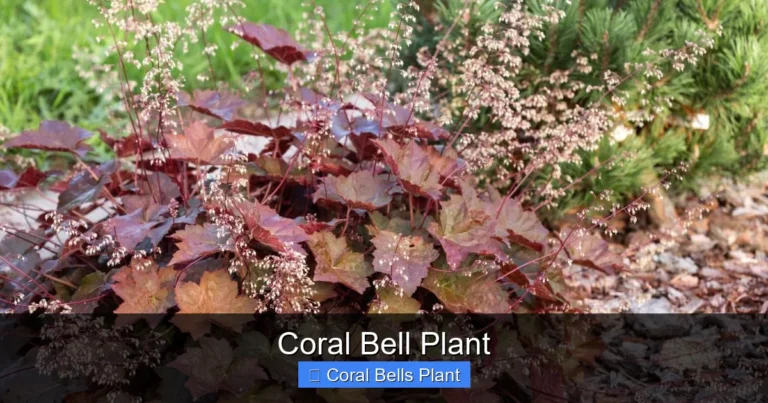
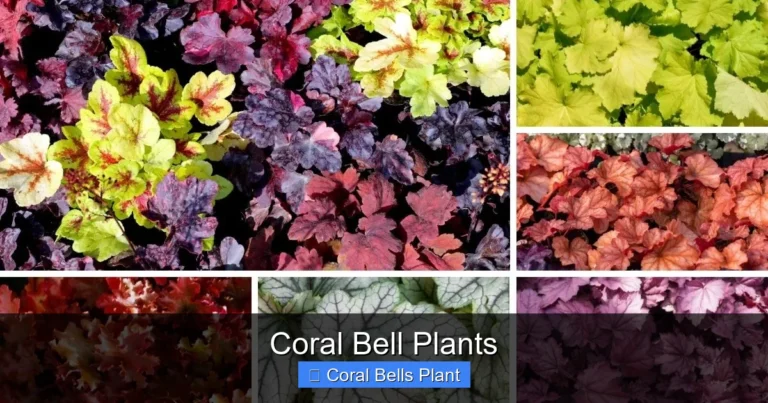
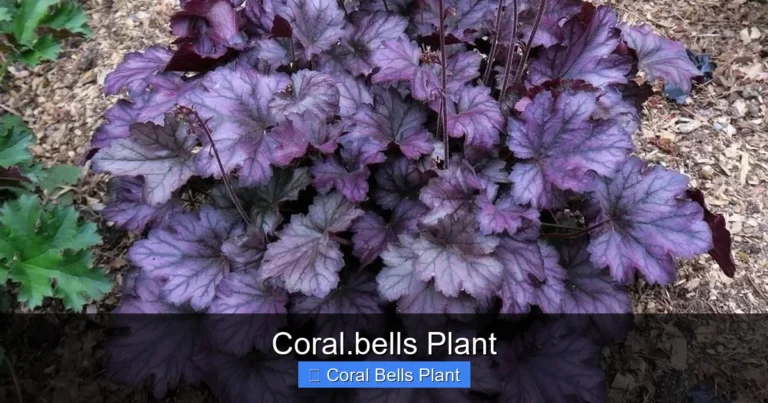
The coral bells plant Home Depot carries today bears little resemblance to the species plants found in the wild. Modern breeding programs have produced cultivars with leaves in virtually every color imaginable: deep burgundy, bright chartreuse, caramel, peach, silver, near-black, and variegated combinations. Many varieties also feature dramatic veining, ruffled edges, or a metallic sheen that catches the light beautifully.
Why Choose Coral Bells for Your Garden?
There are countless reasons to incorporate coral bells plant Home Depot varieties into your landscape design. First and foremost, they’re incredibly versatile. Their compact size — typically 12 to 18 inches tall and wide — makes them perfect for the front of borders, rock gardens, container plantings, and even as groundcover when planted en masse. They play nicely with other shade-loving perennials like hostas, ferns, astilbes, and Japanese forest grass.
Another major advantage is their season-long appeal. Unlike many perennials that bloom for a few weeks and then fade into the background, coral bells provide consistent color from spring through fall, and in milder climates, their foliage persists through winter. The flowers attract hummingbirds and butterflies, adding wildlife value to your garden. They’re also remarkably low-maintenance once established, requiring minimal fertilization and showing good resistance to most pests and diseases.
Navigating the Coral Bells Plant Home Depot Selection
Popular Varieties You’ll Find In-Store
When you visit the perennial section at Home Depot, you’ll typically encounter a rotating selection of coral bells cultivars. Some of the most reliable and popular varieties include ‘Palace Purple’ with its rich mahogany foliage, ‘Caramel’ featuring warm amber leaves that hold their color well in heat, ‘Lime Rickey’ with electric chartreuse foliage that brightens shady spots, and ‘Obsidian’ offering nearly black leaves with a glossy finish.
Newer introductions like the Dolce series from Proven Winners — including ‘Apple Twist,’ ‘Cherry Truffles,’ and ‘Wildberry’ — have been bred for improved heat tolerance and vigor. The Forever series offers exceptional winter hardiness and color retention. When shopping coral bells plant Home Depot options, look for plants with healthy, vibrant foliage and no signs of wilting, yellowing, or pest damage. Check the crown area for firm, white roots visible at the soil surface.
Reading Plant Tags and Labels Correctly
Every coral bells plant Home Depot purchase comes with a detailed plant tag that provides essential growing information. Pay close attention to the hardiness zone rating — most Heuchera are hardy in zones 4-9, but some varieties have more specific requirements. The tag will also indicate mature size, spacing recommendations, light preferences, and bloom time.
One crucial detail often overlooked is whether the variety is labeled as “sun tolerant” or “full shade.” While traditional coral bells prefer partial shade, many modern cultivars have been bred to handle more sun, especially in cooler climates or with consistent moisture. However, even sun-tolerant varieties benefit from afternoon shade in hot southern regions. The tag may also mention specific features like “evergreen in mild winters” or “attracts hummingbirds” which can help you choose the best fit for your garden goals.
Seasonal Availability and Best Buying Times
The coral bells plant Home Depot inventory follows distinct seasonal patterns. Spring brings the largest selection, with fresh shipments arriving weekly from March through May in most regions. This is ideal planting time in northern zones. Fall offers a second planting window — typically September through October — with good availability and often discounted prices as stores clear inventory before winter.
Summer availability varies by location; stores in cooler climates may carry coral bells throughout the growing season, while southern locations often reduce perennial stock during peak heat. Winter selection is minimal in most areas, though some stores in zones 7-9 may carry cold-hardy varieties year-round. For the best selection and healthiest plants, aim to shop early in the season when new stock has just arrived and hasn’t been sitting in nursery containers for months.
Planting Your Coral Bells for Long-Term Success
Choosing the Perfect Location
Site selection is arguably the most important factor in growing thriving coral bells plant Home Depot specimens. Most varieties perform best in what gardeners call “dappled shade” or “partial shade” — areas that receive morning sun and afternoon shade, or filtered light beneath deciduous trees. In cooler northern climates (zones 4-6), many cultivars can handle full sun if soil moisture is consistent. In hot southern zones (7-9), afternoon shade is non-negotiable to prevent leaf scorch and color fading.
Consider the mature size of your chosen variety when spacing plants. Most need 12-18 inches between centers, but some larger cultivars like ‘Big Top Caramel Apple’ can spread to 24 inches. Planting too closely leads to poor air circulation, which encourages fungal diseases. Also think about visual impact — coral bells look stunning in groups of three, five, or seven plants, creating drifts of color that catch the eye.
Soil Preparation: The Foundation of Healthy Plants
Coral bells have relatively shallow root systems, which makes soil quality critically important. They thrive in rich, well-draining soil with plenty of organic matter. Before planting your coral bells plant Home Depot purchases, amend the planting area with 2-3 inches of compost, well-rotted manure, or leaf mold worked into the top 8-10 inches of soil. This improves drainage while increasing moisture retention — the perfect balance for Heuchera roots.
Soil pH should be slightly acidic to neutral, ideally between 6.0 and 7.0. If your soil is heavy clay, incorporate coarse sand or fine gravel along with organic matter to improve drainage. Coral bells absolutely hate wet feet, especially in winter, and crown rot is the number one killer of these otherwise tough plants. If drainage is a persistent issue, consider planting in raised beds or mounded soil to elevate the crown above the surrounding grade.
Step-by-Step Planting Process
When you’re ready to plant your coral bells plant Home Depot selections, start by watering the plants thoroughly while they’re still in their nursery pots. This reduces transplant shock and makes removal easier. Dig holes twice as wide as the root ball but no deeper — the crown should sit at or slightly above soil level, never buried. Planting too deep is a common mistake that leads to crown rot.
Gently remove the plant from its container and loosen any circling roots. If the plant is severely root-bound, make a few vertical cuts in the root ball with a clean knife to encourage outward growth. Place the plant in the hole, backfill with amended soil, and firm gently around the roots. Water deeply to settle the soil and eliminate air pockets. Apply a 2-inch layer of shredded bark, pine straw, or leaf mulch, keeping it pulled back slightly from the crown to prevent moisture buildup.
Ongoing Care and Maintenance Throughout the Seasons
Watering Strategies for Different Conditions
Establishing a proper watering routine for your coral bells plant Home Depot plants is essential during the first growing season. Newly planted specimens need consistent moisture — water deeply 2-3 times per week during dry spells, ensuring the soil stays evenly moist but not soggy. Once established (typically after 6-8 weeks), most varieties become quite drought-tolerant, though they’ll look their best with regular water during extended dry periods.
Container-grown coral bells need more frequent attention since pots dry out faster than garden soil. Check daily during hot weather and water when the top inch of soil feels dry. Mulching containers with fine bark or cocoa hulls helps retain moisture. In all cases, water at the base of the plant rather than overhead to keep foliage dry and reduce disease risk. Drip irrigation or soaker hoses are ideal for garden beds.
Fertilizing: Less Is Often More
Coral bells are light feeders, and over-fertilizing can actually reduce foliage color intensity and increase susceptibility to pests. A single application of balanced, slow-release fertilizer (such as 10-10-10 or 14-14-14) in early spring as new growth emerges is usually sufficient for the entire season. Alternatively, top-dress with an inch of compost around the plants each spring — this provides gentle nutrition while improving soil structure.
Avoid high-nitrogen fertilizers, which promote lush green growth at the expense of the vibrant colors that make coral bells so appealing. If your plants show signs of nutrient deficiency — pale leaves, stunted growth, or poor flowering — a light application of liquid fertilizer at half strength can provide a quick boost. Always water thoroughly before and after fertilizing to prevent root burn.
Pruning and Grooming for Best Appearance
One of the joys of growing coral bells plant Home Depot varieties is how little pruning they require. In early spring, before new growth begins, remove any winter-damaged or dead leaves by gently pulling them away from the crown or snipping with clean scissors. This tidies the plant and reduces disease pressure. After flowering, you can cut back the spent flower stalks to the base to redirect energy into foliage production, though some gardeners leave them for the delicate seed heads.
Every 3-4 years, usually in early spring, mature clumps benefit from division. This rejuvenates the plant, prevents the center from dying out (a common issue with older Heuchera), and gives you free plants to expand your garden or share with friends. Dig up the entire clump, shake off excess soil, and use a sharp knife or spade to separate into sections, each with healthy roots and several growth points. Replant divisions immediately at the same depth.
Troubleshooting Common Problems and Solutions
Dealing with Pests: What to Watch For
While generally pest-resistant, coral bells plant Home Depot plants can occasionally attract a few unwanted visitors. The most common culprits are vine weevils, whose larvae feed on roots and adults notch leaf edges. If you notice notched leaves and declining plant vigor, check the soil around the crown for white, C-shaped grubs. Beneficial nematodes applied in spring or fall provide effective biological control.
Foliar nematodes can cause angular brown spots between leaf veins, typically appearing in late summer. Unfortunately, there’s no cure — affected plants should be removed and destroyed to prevent spread. Slugs and snails may chew holes in leaves, especially in damp, shady conditions. Beer traps, diatomaceous earth, or copper tape barriers offer organic control options. Aphids sometimes cluster on flower stems in spring; a strong blast of water or insecticidal soap usually handles them.
Disease Prevention and Management
Fungal diseases pose the biggest threat to coral bells, particularly in humid conditions with poor air circulation. Crown rot, caused by various soil-borne fungi, is the most serious — it manifests as wilting, yellowing leaves, and a mushy, dark crown. Prevention is key: ensure excellent drainage, avoid burying the crown, don’t overwater, and space plants properly. Once crown rot takes hold, the plant rarely recovers.
Powdery mildew appears as a white, powdery coating on leaves, usually in late summer. While unsightly, it rarely kills the plant. Improve air circulation, avoid overhead watering, and remove severely affected leaves. Rust shows as orange-brown pustules on leaf undersides; again, good sanitation and airflow help prevent it. Leaf spot diseases cause dark lesions on foliage — remove affected leaves promptly and avoid working among wet plants.
Environmental Stress Signals
Your coral bells plant Home Depot specimens will communicate their needs through their appearance. Scorched, crispy leaf edges typically indicate too much sun or insufficient water. Pale, washed-out colors often mean excessive light exposure — many dark-leaved varieties need shade to maintain their rich pigmentation. Leggy, stretched growth with small leaves suggests too much shade.
Frost heaving is a winter phenomenon where freeze-thaw cycles push shallow-rooted plants out of the ground, exposing roots to drying winds. If you notice this in early spring, gently press plants back into the soil and apply additional mulch. Winter burn appears as brown, desiccated foliage on evergreen varieties after harsh winters — simply remove damaged leaves in spring; the plant will usually recover from the crown.
Creative Design Ideas Using Coral Bells
Container Combinations That Shine
Coral bells are absolute superstars in container gardens, where their foliage colors can be appreciated up close. The coral bells plant Home Depot selection includes many compact varieties perfect for pots. Try pairing deep purple ‘Obsidian’ with chartreuse creeping Jenny and white bacopa for a dramatic thriller-filler-spiller combination. Or create a monochromatic scheme using ‘Caramel,’ ‘Peach Flambe,’ and ‘Georgia Peach’ for warm, sunset-toned containers.
For shade containers, combine coral bells with Japanese painted fern, variegated hostas, and trailing ivy. In sunnier spots, pair sun-tolerant varieties like ‘Southern Comfort’ or ‘Fire Alarm’ with ornamental grasses, sedums, and calibrachoa. Remember that container plants need more frequent watering and fertilizing than in-ground plantings. Use high-quality potting mix with added perlite for drainage, and choose pots at least 12 inches deep to accommodate the root system.
Landscape Design Strategies
In the landscape, coral bells plant Home Depot varieties excel as edging plants along pathways, where their neat mounds create a polished look. Plant them in sweeping drifts beneath deciduous trees — they’ll appreciate the spring sun before the canopy leafs out, then thrive in summer shade. Their shallow roots don’t compete aggressively with tree roots, making them ideal for difficult dry-shade areas.
Use color strategically: chartreuse varieties like ‘Lime Rickey’ or ‘Electric Lime’ brighten dark corners and draw the eye through the garden. Dark-leaved cultivars create depth and contrast when placed behind lighter foliage. Silver varieties like ‘Silver Scrolls’ or ‘Cinnamon Silver’ glow in evening light, perfect for moon gardens. Repeat the same variety at intervals along a border to create rhythm and cohesion in your design.
Companion Planting for Maximum Impact
The best companions for coral bells share similar cultural requirements — partial shade, well-drained soil, moderate moisture. Hostas are classic partners; their bold, broad leaves contrast beautifully with the ruffled, lobed foliage of Heuchera. Ferns add delicate texture — Japanese painted fern’s silver fronds echo silver-veined coral bells varieties. Astilbes provide feathery plumes in early summer when coral bells are blooming.
For spring interest, underplant coral bells with bulbs like daffodils, grape hyacinths, or species tulips. The coral bells’ emerging foliage hides the bulbs’ dying foliage later. In summer, pair with shade-tolerant annuals like impatiens, begonias, or coleus for continuous color. Groundcovers like foamflower (Tiarella), wild ginger (Asarum), or barrenwort (Epimedium) create a living mulch that suppresses weeds and conserves moisture.
Seasonal Care Calendar for Year-Round Success
Spring: The Season of Renewal
Early spring is the busiest time for coral bells plant Home Depot maintenance. As soon as the ground thaws, check for frost-heaved plants and reset them. Remove winter mulch gradually as temperatures rise. Clean up dead foliage, being careful not to damage emerging new leaves. This is the ideal time to divide overcrowded clumps — the cool, moist conditions promote quick root establishment.
Apply a balanced slow-release fertilizer or top-dress with compost. If you’re adding new plants, spring offers the widest selection at Home Depot. Plant as soon as the soil is workable and danger of hard frost has passed. Water new plantings consistently. Watch for early pest activity — vine weevil adults emerge in late spring and can be caught at night with a flashlight.
Summer: Maintenance and Monitoring
Summer care focuses on moisture management and grooming. Water deeply during dry spells, especially for first-year plants and containers. Deadhead spent flower stalks to maintain a tidy appearance, unless you want seeds for birds. Monitor for signs of heat stress — afternoon wilting that recovers by morning is normal, but persistent wilting indicates water issues.
In hot climates, provide temporary shade cloth for varieties showing leaf scorch. Refresh mulch as it decomposes to maintain a 2-inch layer. This is also a good time to take photos of your garden at peak bloom for future reference. If powdery mildew appears, improve air circulation by thinning nearby plants. Avoid fertilizing in mid-summer — it promotes tender growth vulnerable to heat damage.
Fall: Preparation for Winter
Fall is an excellent planting time for coral bells plant Home Depot purchases in zones 5-8. The soil is still warm, encouraging root growth, while cooler air temperatures reduce stress. Plant at least 6 weeks before your average first frost date. Reduce watering as temperatures drop, but don’t let plants enter winter dry — a deep soaking before the ground freezes is beneficial.
Stop fertilizing by late summer to allow plants to harden off. Leave foliage intact through winter — it protects the crown and provides winter interest. In late fall, after several hard frosts, apply a 3-4 inch layer of loose mulch like straw, pine needles, or shredded leaves. Avoid heavy, compacting mulches like whole leaves or grass clippings that can smother the crown.
Winter: Protection and Planning
In zones 4-6, winter protection is crucial for coral bells survival. The shallow crowns are vulnerable to freeze-thaw cycles. Once the ground freezes solid, apply protective mulch if you haven’t already. Evergreen boughs or straw work well — they trap snow for insulation while allowing air circulation. In zones 7-9, winter care is minimal; plants often remain evergreen and attractive.
Use winter downtime to plan next year’s garden. Browse catalogs and the Home Depot website for new coral bells introductions. Make notes on which varieties performed well and which struggled. Consider ordering bare-root plants for early spring planting — they’re often less expensive and establish quickly. Dream up new container combinations and color schemes for the coming season.
Conclusion: Embracing the Versatility of Coral Bells
After exploring the world of coral bells plant Home Depot offerings, it’s clear why these remarkable perennials have captured the hearts of gardeners everywhere. From their incredible foliage diversity to their adaptability across growing conditions, Heuchera truly earns its place as a garden essential. Whether you’re drawn to the dramatic near-black leaves of ‘Obsidian,’ the electric chartreuse of ‘Lime Rickey,’ or the warm caramel tones of ‘Caramel,’ there’s a coral bells variety perfectly suited to your garden’s personality.
Success with coral bells comes down to understanding their basic needs: well-drained soil, appropriate light for your chosen variety, consistent moisture during establishment, and protection from winter extremes. Once these fundamentals are in place, these plants reward you with years of low-maintenance beauty. They bridge seasons effortlessly, providing structure in winter, fresh growth in spring, delicate flowers in summer, and often their most vibrant foliage color in fall’s cooler temperatures.
Next time you visit Home Depot’s garden center, take a few extra minutes to really examine the coral bells selection. Read the tags, compare foliage colors side by side, and imagine how different varieties might work in your landscape. Don’t be afraid to try something new — the breeding advances in recent years have produced cultivars with unprecedented vigor, color stability, and climate adaptability. Your garden will thank you for the investment, and you’ll find yourself looking forward to each new season’s display of these remarkable plants.
Frequently Asked Questions
What coral bells varieties does Home Depot typically carry?
Home Depot commonly stocks popular varieties like ‘Palace Purple,’ ‘Caramel,’ ‘Lime Rickey,’ ‘Obsidian,’ ‘Georgia Peach,’ and Proven Winners Dolce series cultivars. Selection varies by region and season, with spring offering the widest range of 15+ varieties.
How do I know if my coral bells are getting too much sun?
Signs of excessive sun include scorched leaf edges, faded or washed-out foliage color, crispy brown patches on leaves, and wilting that doesn’t recover by morning. Move plants to a shadier location or provide afternoon shade cloth.
Can I grow coral bells in containers year-round?
Yes, coral bells thrive in containers with good drainage and quality potting mix. In zones 5-7, move pots to an unheated garage or bury them in the ground for winter protection. In zones 8-9, they can remain outdoors year-round.
Why are my coral bells not flowering?
Insufficient light is the most common reason for poor flowering. While grown primarily for foliage, coral bells need some direct morning sun or bright dappled light to bloom well. Excessive nitrogen fertilizer can also promote leaves over flowers.
How do I propagate coral bells from my existing plants?
Division in early spring is the easiest method. Dig up mature clumps, separate into sections with roots and growth points, and replant immediately. Seed propagation is possible but cultivars won’t come true from seed.
Are coral bells deer and rabbit resistant?
Yes, coral bells are generally deer and rabbit resistant due to their slightly fuzzy, astringent foliage. However, hungry animals may sample young plants or new growth in spring. Repellent sprays provide extra protection during vulnerable periods.