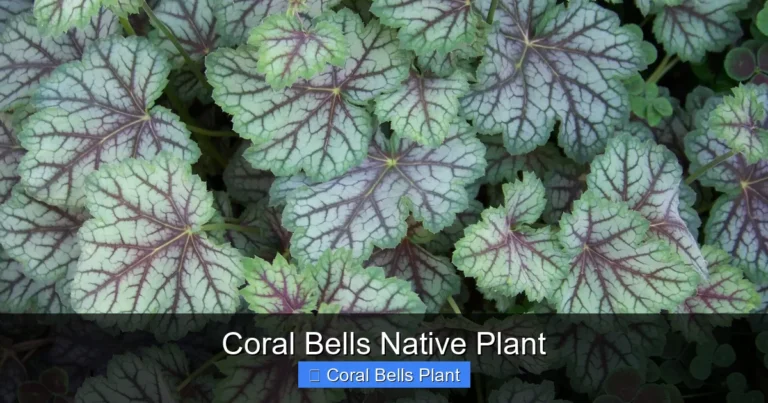
Coral Bell Carnival Plant
The Coral Bell Carnival plant is a vibrant series of Heuchera perennials known for their spectacular foliage colors and compact growth habit. These shade-loving plants offer year-round interest with minimal maintenance, making them perfect for borders, containers, and woodland gardens.
Key Takeaways
- Stunning foliage: The Carnival series features leaves in shades of peach, coral, rose, burgundy, and green with striking veining patterns
- Shade tolerant: These plants thrive in partial to full shade, making them ideal for difficult garden spots
- Compact size: Most varieties reach only 10-12 inches tall and 12-14 inches wide, perfect for small spaces
- Year-round interest: Evergreen in mild climates, providing winter color when other plants are dormant
- Low maintenance: Drought tolerant once established, deer resistant, and rarely troubled by pests
- Versatile uses: Excellent for borders, containers, rock gardens, and mass plantings
- Pollinator friendly: Delicate flower spikes attract hummingbirds and bees in late spring to early summer
Quick Answers to Common Questions
What is the Coral Bell Carnival plant?
The Coral Bell Carnival plant is a series of compact Heuchera perennials bred for vibrant foliage colors like peach, coral, rose, and burgundy, growing 10-12 inches tall and thriving in shade.
How much sun does a Coral Bell Carnival plant need?
It prefers partial shade with 3-5 hours of morning sun or dappled light; in cool climates it tolerates more sun, but in hot areas afternoon shade is essential to prevent leaf scorch.
When should I plant Coral Bell Carnival?
Plant in spring after the last hard freeze or in early fall at least 6 weeks before the ground freezes to allow root establishment before extreme temperatures.
How often should I water Coral Bell Carnival plants?
Water new plants regularly to keep soil evenly moist; established plants need about 1 inch of water weekly, more during hot dry spells, but avoid soggy soil to prevent crown rot.
Do Coral Bell Carnival plants come back every year?
Yes, they are hardy perennials in zones 4-9, returning each spring; they are evergreen in mild winters and benefit from division every 3-4 years to maintain vigor.
📑 Table of Contents
- Meet the Coral Bell Carnival Plant
- Why Gardeners Love the Carnival Series
- Top Carnival Varieties to Grow
- Planting Your Coral Bell Carnival Plant
- Ongoing Care and Maintenance
- Design Ideas and Companion Plants
- Propagation: Making More Plants
- Common Problems and Solutions
- The Coral Bell Carnival Plant Through the Seasons
- Buying Tips: Choosing Healthy Plants
- Frequently Asked Questions About Coral Bell Carnival Plant
- Conclusion: Bring the Carnival to Your Garden
Meet the Coral Bell Carnival Plant
If you are looking for a plant that brings nonstop color to shady corners, the Coral Bell Carnival plant might just become your new garden favorite. These little powerhouses pack a serious visual punch. They belong to the Heuchera family, commonly called coral bells or alumroot. The Carnival series is a standout group bred for bold foliage and a tidy, compact shape.
I first discovered these gems a few years ago when I needed something lively for a north-facing bed. Hostas were fine, but they felt a bit heavy. Ferns were pretty but lacked that pop of color. Then I planted a few Carnival varieties. The change was instant. The bed went from dull to dynamic in a single afternoon. That is the magic of this plant. It works hard so you don’t have to.
In this guide, we will walk through everything you need to know. We will cover the best varieties, planting steps, care routines, design ideas, and common problems. Whether you are a seasoned gardener or just starting out, you will find practical tips to help your Coral Bell Carnival plant thrive. Let us dig in.
Why Gardeners Love the Carnival Series
The Carnival series was developed with the home gardener in mind. Breeders focused on three things: intense leaf color, a neat mounding habit, and strong vigor. The result is a lineup that looks polished from spring through frost. Unlike some older Heuchera varieties that can get leggy or fade in heat, these hold their form and hue remarkably well.
Foliage That Steals the Show
The main attraction is the leaves. They come in a dazzling array of shades. Think watermelon pink, deep rose, burnt orange, amber, lime green, and rich burgundy. Many have contrasting veins that look like stained glass. Some varieties even shift color with the seasons. New spring growth might be bright peach, maturing to a sophisticated amber by summer, then deepening to rose in cool autumn air. This chameleon quality keeps the garden interesting month after month.
The leaves are ruffled or gently lobed, adding texture. They form a dense basal mound that suppresses weeds naturally. Because they are evergreen in many zones, you get winter structure too. In colder areas, the foliage may look a bit tired by March, but fresh growth appears quickly as temperatures rise.
Flowers Are a Sweet Bonus
While the foliage is the star, the flowers are charming in their own right. In late spring to early summer, slender stems rise above the mound. They carry clusters of tiny bell-shaped blooms in soft pink, cream, or white. These wands sway in the breeze, adding movement. Hummingbirds love them. Bees visit too. If you prefer a cleaner look, you can snip the stems after flowering. The plant puts energy back into leaves. Either way works.
Compact and Well Behaved
Most Carnival varieties top out around 10 to 12 inches tall. The flower stems add another 6 to 10 inches. The spread is typically 12 to 14 inches. This neat footprint makes them easy to place. They fit in tight spots, line a path, or fill a container without overwhelming neighbors. They do not run or spread aggressively. They just sit there looking gorgeous.
Top Carnival Varieties to Grow
The series includes several named cultivars. Each has a distinct personality. Here are some of the most popular and widely available options. You will often see them labeled as Heuchera Carnival followed by the variety name.
Carnival Watermelon
This is a showstopper. New leaves emerge a vivid watermelon pink with dark veins. As they mature, they soften to a lovely peachy coral. The color holds well in shade. It pairs beautifully with blue hostas or silver brunnera. It is one of the brightest in the series.
Carnival Rose Granita
Think of a frozen rose dessert. The leaves are a cool silvery rose with pronounced charcoal veining. The effect is elegant and frosty. It lights up a dark corner like a lantern. This variety has excellent heat tolerance too.
Carnival Peach Parfait
Layers of peach, amber, and gold create a warm glow. The veining is subtle, giving a soft, blended look. It complements purple heucheras or golden grasses. It feels like autumn captured in a plant.
Carnival Plum Crazy
Deep plum purple leaves with a glossy sheen. The undersides are often a rich burgundy. It adds drama and depth. Plant it near chartreuse foliage for high contrast. It holds its dark color better than many purple heucheras.
Carnival Cinnamon Stick
Warm cinnamon brown leaves with a metallic overlay. The edges are gently ruffled. It brings a sophisticated, earthy tone. It works well in rustic or woodland designs. It is surprisingly versatile.
Carnival Limeade
Bright lime green to chartreuse foliage. It practically glows in shade. Use it to highlight darker plants or brighten a gloomy spot. It is vigorous and reliable. A great choice for beginners.
Carnival Black Olive
Near black leaves with a subtle olive undertone. Very dramatic. It creates a “black hole” effect that makes nearby colors pop. It needs a bit more light to maintain the deepest pigment. Morning sun is ideal.
Planting Your Coral Bell Carnival Plant
Success starts with proper planting. These plants are not fussy, but they have preferences. Give them a good start and they will reward you for years.
When to Plant
Spring and early fall are the best times. In spring, wait until the soil is workable and hard freezes are past. This gives roots time to establish before summer heat. In fall, plant at least six weeks before the ground freezes. This allows root growth before dormancy. Avoid planting in the heat of midsummer unless you can water diligently.
Choosing the Right Spot
Light is the key factor. The Coral Bell Carnival plant prefers partial shade. This means 3 to 5 hours of morning sun or dappled light all day. In cooler northern zones, they can handle more sun, even full sun with ample moisture. In hot southern zones, afternoon shade is essential. Too much direct sun, especially in July and August, can scorch the leaves. Too much deep shade may reduce color intensity and flower production. Observe your site for a few days before deciding.
Soil drainage is critical. These plants hate wet feet. Crown rot is the number one killer. If your soil is heavy clay, amend it generously with compost, leaf mold, or fine bark. Raised beds or mounded planting areas work well. A slightly acidic to neutral pH (6.0 to 7.0) is ideal. They are adaptable but perform best in rich, humusy soil.
Step by Step Planting Guide
Follow these steps for a smooth start:
- Water the plant in its pot an hour before planting. This reduces transplant shock.
- Dig a hole twice as wide as the root ball and just as deep.
- Mix the excavated soil with compost at a 50/50 ratio.
- Gently remove the plant from its pot. Loosen any circling roots with your fingers.
- Place the plant in the hole. The crown (where stems meet roots) should sit slightly above soil level. This prevents rot.
- Backfill with the amended soil. Firm gently around the roots.
- Water thoroughly to settle the soil and eliminate air pockets.
- Apply a 2 inch layer of mulch. Keep mulch away from the crown. Shredded bark, pine straw, or leaf mold are good choices.
- Water regularly for the first 6 to 8 weeks. Keep soil evenly moist but not soggy.
Container Planting Tips
The Coral Bell Carnival plant shines in pots. Choose a container at least 12 inches wide with drainage holes. Use a high quality potting mix, not garden soil. Add perlite or coarse sand for extra drainage. Plant at the same depth as in the nursery pot. Water well. Containers dry out faster. Check daily in hot weather. Fertilize lightly with a slow release balanced fertilizer in spring. In cold zones, move pots to a protected spot (garage, shed) for winter, or sink them in the ground.
Ongoing Care and Maintenance
Once established, the Coral Bell Carnival plant is delightfully low maintenance. A few simple practices keep it looking its best.
Watering Wisdom
New plants need consistent moisture. Established plants are fairly drought tolerant. However, they look best with regular water during dry spells. Aim for about 1 inch of water per week, including rain. Water at the base, not overhead. Wet foliage invites fungal diseases. Morning watering is best so leaves dry quickly. Mulch helps retain moisture and keeps roots cool.
Fertilizing Lightly
These are not heavy feeders. Too much nitrogen produces lush green leaves at the expense of color. In spring, apply a balanced slow release fertilizer (like 10-10-10 or 14-14-14) at half the recommended rate. Or top dress with an inch of compost. That is usually enough for the year. Avoid fertilizing after midsummer. You want the plant to harden off before winter.
Pruning and Grooming
Remove spent flower stems after blooming to tidy the plant. In late winter or early spring, before new growth starts, cut away any tattered, brown, or damaged leaves. Use clean, sharp scissors. Cut at the base of the leaf stem. This makes room for fresh foliage. If the plant looks congested after a few years, you can divide it (see propagation section).
Winter Protection
In zones 4 to 6, a winter mulch helps. After the ground freezes, apply 3 to 4 inches of straw, pine boughs, or shredded leaves over the crown. This prevents freeze-thaw cycles that can heave the plant out of the ground. Remove the heavy mulch gradually in early spring. In zones 7 and up, they are usually evergreen with no extra care needed. Container plants need more protection. Move them to an unheated garage or bury the pot in the ground.
Design Ideas and Companion Plants
The Coral Bell Carnival plant is a designer’s dream. Its mounding habit, texture, and color range make it incredibly versatile. Here are ways to use it in your landscape.
Shade Garden Tapestry
Create a living tapestry by mixing several Carnival varieties. Plant them in drifts of 3, 5, or 7. Alternate warm tones (Watermelon, Peach Parfait) with cool tones (Rose Granita, Limeade). Add fine textured plants like Japanese painted fern, carex, or hakonechloa grass. The contrast of bold ruffled leaves and delicate fronds is stunning. Throw in some spring bulbs (daffodils, scilla) for early color before the heucheras fill in.
Border Edging
Line a shady path or border with a single variety for a cohesive look. Carnival Limeade or Watermelon makes a vivid edge. Space plants 12 inches apart. They will knit together into a colorful ribbon. This defines the space and suppresses weeds. It also protects the crowns from foot traffic.
Container Combinations
Use the “thriller, filler, spiller” formula. A tall shade grass or fern is the thriller. The Coral Bell Carnival plant is the perfect filler. Add a trailing plant like creeping jenny, ivy, or lobelia as the spiller. For a fall pot, pair Carnival Cinnamon Stick with ornamental kale and pansies. For spring, try Carnival Rose Granita with white violas and variegated ivy. The possibilities are endless.
Woodland and Rock Gardens
Tuck them between rocks or along a woodland trail. They naturalize beautifully. Pair with native wildflowers like foamflower (Tiarella), wild ginger (Asarum), or trillium. Their evergreen foliage covers the fading leaves of spring ephemerals. They thrive in the dappled light under deciduous trees.
Underplanting Shrubs and Trees
Plant them under hydrangeas, rhododendrons, or Japanese maples. They fill the bare legs of larger shrubs. Choose varieties that echo or contrast the shrub’s flowers or foliage. For example, Carnival Plum Crazy under a pink hydrangea creates a rich monochromatic scheme. Carnival Limeade under a red maple pops against the dark bark.
Best Companion Plants
- Hostas: Broad leaves contrast with ruffled heuchera foliage. Blue hostas make pink/orange heucheras sing.
- Ferns: Japanese painted fern, autumn fern, maidenhair fern. Texture contrast.
- Astilbe: Feathery plumes rise above the mounds. Similar cultural needs.
- Brunnera: Silver heart-shaped leaves. ‘Jack Frost’ is a classic partner.
- Hellebores: Early bloomers. Leathery leaves persist all year.
- Pulmonaria: Spotted leaves, spring flowers. Good ground cover.
- Carex (Sedges): Grass-like texture. ‘Ice Dance’, ‘Everillo’ (gold) or ‘Evergold’ (variegated) are great.
- Hakonechloa (Japanese Forest Grass): Cascading habit. ‘Aureola’ is gold striped.
- Tiarella (Foamflower): Close relative. Similar leaves, foamy flowers.
- Epimedium (Barrenwort): Tough, heart-shaped leaves. Delicate flowers.
Propagation: Making More Plants
You can expand your collection for free. The Coral Bell Carnival plant is easy to propagate by division. Seed is possible but varieties will not come true. Cuttings are tricky. Division is the way to go.
Division Step by Step
Do this in early spring (just as growth starts) or early fall. Water the plant well the day before.
- Dig up the entire clump with a spade or fork. Go wide to get roots.
- Shake or wash off excess soil to see the crown structure.
- Look for natural divisions. The plant grows as offsets around a woody center.
- Use a sharp knife or your hands to separate offsets. Each piece needs roots and at least 2 to 3 growth buds (eyes).
- Discard the old woody center if it is unproductive.
- Replant divisions immediately at the same depth. Water well.
- Mulch and keep moist until established.
Divide every 3 to 4 years to maintain vigor. Signs it is time: the center dies out, flowering decreases, or the plant pushes up out of the ground (heaving).
Leaf Cuttings (Advanced)
Some gardeners propagate from leaf cuttings with a bit of stem tissue. Take a mature leaf with a short piece of stem (petiole) in spring. Dip in rooting hormone. Stick in moist perlite/peat mix. Cover with a plastic bag. Place in bright indirect light. Roots may form in 4 to 6 weeks. Success rate varies. Division is more reliable.
Common Problems and Solutions
The Coral Bell Carnival plant is tough, but a few issues can arise. Knowing them helps you act fast.
Crown Rot
This is the big one. Caused by fungi (Phytophthora, Rhizoctonia) in wet, poorly drained soil. Symptoms: wilting despite moist soil, brown/black mushy crown, leaves pull off easily. Prevention is everything. Plant high. Ensure drainage. Do not overwater. Mulch away from crown. If caught early, you can sometimes save it by digging up, cutting away rot, dusting with fungicide, and replanting in fresh, dry soil. But often it is fatal. Replace with a new plant in a better spot.
Heuchera Rust
A fungal disease (Puccinia heucherae). Orange/brown pustules on leaf undersides. Yellow spots on top. Favored by humid, wet conditions. Remove affected leaves immediately. Improve air circulation. Water at base. Avoid overhead irrigation. Fungicides (copper, sulfur) can help if applied early. Choose resistant varieties if rust is common in your area.
Leaf Scorch
Brown, crispy leaf edges or patches. Caused by too much sun, wind, or drought. Move to a shadier spot. Water deeply. Mulch. Some afternoon sun is okay in cool climates, but not in heat.
Frost Heaving
Freeze-thaw cycles push the shallow crown out of the ground. Roots dry out and die. You see the plant sitting on top of the soil. Fix: push it back in gently if ground is soft. Or mound soil/mulch around exposed roots. Prevent with winter mulch after ground freezes.
Pests
Generally pest free. Occasionally:
- Vine weevils: Adults notch leaf edges at night. Larvae eat roots. Nematodes (biological control) work well for larvae. Sticky traps for adults.
- Slugs/snails: Holes in leaves. Beer traps, diatomaceous earth, or iron phosphate bait.
- Deer/rabbits: Usually resistant due to fuzzy leaves and astringent taste. But hungry animals eat anything. Repellents or fencing if needed.
- Foliar nematodes: Microscopic worms. Angular brown patches between veins. Hard to control. Remove affected leaves. Avoid overhead water.
Nutrient Issues
Yellowing leaves (chlorosis) can mean high pH (alkaline soil) locking up iron. Test soil. Amend with sulfur or use chelated iron. Pale leaves with dark veins = iron deficiency. Purple cast on older leaves = phosphorus deficiency (common in cold spring soil). Usually corrects as soil warms.
The Coral Bell Carnival Plant Through the Seasons
One of the joys of this plant is its year-round presence. Let us walk through the calendar.
Spring Awakening
As soil warms, fresh leaves unfurl. Colors are often at their most intense. This is the showiest time for many varieties. Flower stems begin to rise. Remove any winter damaged foliage. Apply compost or light fertilizer. Divide if needed. Watch for slugs on tender new growth.
Summer Bloom
Flowers appear in late spring to early summer. Wands of tiny bells dance above the mound. Hummingbirds visit daily. Deadhead spent stems to keep it tidy. Water during dry spells. In hot climates, colors may mellow slightly. Ensure afternoon shade. Mulch keeps roots cool.
Autumn Glory
Cool nights often deepen foliage colors. Reds, purples, and oranges intensify. It is a second peak of beauty. Stop fertilizing. Reduce watering as rains return. Plant spring bulbs between clumps. Apply winter mulch after ground freezes in cold zones.
Winter Structure
In zones 6 and warmer, the foliage persists all winter. It may flatten a bit under snow but bounces back. The colors mute to richer, deeper tones. Burgundy, bronze, and olive dominate. It provides rare winter interest. In colder zones, leaves may die back but the crown survives. Do not cut back until spring. The old leaves protect the crown.
Buying Tips: Choosing Healthy Plants
Whether at a nursery, garden center, or online, pick the best specimens.
- Check the crown: It should be firm, not mushy. No foul smell.
- Inspect leaves: Vibrant color for the variety. No yellowing, brown edges, or spots.
- Look for pests: Check undersides for aphids, whitefly, or weevil notches.
- Root check: Gently tip the pot. Roots should be white/tan and fill the pot but not be a solid mat circling the bottom.
- Label check: Ensure it says “Carnival” series and the specific variety name. Tags can get swapped.
- Size matters: A quart or gallon pot establishes faster than a tiny plug. But plugs are cheaper for mass planting.
- Buy local when possible: Plants acclimated to your region transition easier.
- Online orders: Choose reputable nurseries with guarantees. Open immediately. Water. Shade for a few days before planting.
Frequently Asked Questions About Coral Bell Carnival Plant
Here are answers to questions I hear often.
Is the Coral Bell Carnival plant deer resistant?
Yes, generally. The leaves have a slightly fuzzy texture and astringent compounds that deer dislike. However, no plant is deer proof. In high pressure areas, they may nibble new growth. Use repellent sprays as a precaution.
Can it grow in full sun?
In zones 4 to 6, yes, with consistent moisture. In zones 7+, afternoon shade is mandatory. Full sun in heat causes scorch and color fade. Morning sun is ideal everywhere.
How fast does it grow?
Moderate. A quart pot reaches mature size in one growing season. A small plug takes two years. Division rejuvenates and speeds growth.
Does it spread?
It forms a clump. It does not run by rhizomes or stolons. It may self seed lightly, but seedlings will not match the parent. Deadhead to prevent volunteers.
Why is my plant losing color?
Too much shade = greener leaves. Too much sun = bleached or scorched leaves. High nitrogen fertilizer = green growth. Age = older leaves fade. Nutrient deficiency = yellowing. Adjust conditions.
Can I grow it indoors?
Not long term. It needs a winter dormancy period (cold). You can overwinter a pot in a cold garage (35 to 45°F) with minimal light. But it is not a houseplant.
What is the difference between Carnival and other Heuchera series?
Carnival is bred for compact habit, bright colors, and heat/humidity tolerance. Other popular series: Dolce (Proven Winners, larger, ruffled), Forever (Terra Nova, glossy leaves), Primo (large, bold). Carnival is a great all rounder for small spaces.
How long does it live?
With division every 3 to 4 years, indefinitely. Individual clumps may decline after 5 to 7 years without division. The woody center rots out. Division resets the clock.
Conclusion: Bring the Carnival to Your Garden
The Coral Bell Carnival plant is one of those rare perennials that delivers maximum impact for minimum effort. Its kaleidoscope of foliage colors transforms shade from a challenge into an opportunity. Its tidy habit fits anywhere. Its evergreen nature bridges the seasons. And its flowers bring pollinators to the party.
Whether you tuck a single ‘Watermelon’ into a pot, line a path with ‘Limeade’, or paint a woodland tapestry with the whole series, you will not regret it. Start with one. Watch it thrive. Then make room for more. Your shady spots will thank you. And you will find yourself looking forward to spring just to see those fresh leaves unfurl again.
Happy planting!
Frequently Asked Questions
What are the best companion plants for Coral Bell Carnival?
Excellent companions include hostas, ferns, astilbe, brunnera, hellebores, pulmonaria, carex, hakonechloa, tiarella, and epimedium, all sharing similar shade and moisture preferences.
Why are my Coral Bell Carnival leaves turning brown and crispy?
Brown crispy edges usually indicate too much sun, wind exposure, or drought stress; move to a shadier spot, increase watering, and apply mulch to retain soil moisture.
Can Coral Bell Carnival be grown in containers?
Yes, they thrive in containers at least 12 inches wide with good drainage; use quality potting mix, water more frequently than in-ground plants, and protect pots in winter in cold zones.
How do I prevent crown rot on my Coral Bell Carnival plant?
Plant with the crown slightly above soil level, ensure excellent drainage, avoid overwatering, keep mulch away from the crown, and amend heavy clay soil with compost before planting.
When and how should I divide my Coral Bell Carnival plant?
Divide in early spring or early fall every 3-4 years; dig up the clump, separate offsets with roots and growth buds, discard the woody center, and replant divisions at the same depth.
Are Coral Bell Carnival plants deer and rabbit resistant?
They are generally resistant due to fuzzy leaves and astringent taste, but hungry deer or rabbits may still browse; use repellents in high-pressure areas for extra protection.