Coral Bells Plant Care
Coral bells plant care is simple when you focus on well‑drained soil, partial shade, and occasional feeding. With the right routine, these perennials reward you with colorful foliage all season.
Coral bells plant care begins with understanding the plant’s native habitat. These perennials thrive in woodland edges where light filters through trees. Gardeners love them for their ruffled leaves and long‑lasting color. A little knowledge goes a long way. Choose a site that mimics dappled shade for best results. Observe the area for a few days before planting.
When you start coral bells plant care, focus on three basics: light, soil, and water. Getting these right sets the stage for vigorous growth. The plant tolerates a range of conditions but performs best with consistent care. Small adjustments make a big difference. Test soil drainage before you commit. Amend heavy clay with compost to improve texture.
In this guide you will learn step‑by‑step coral bells plant care techniques for every season. Each section covers a key topic with practical tips you can apply today. Follow the advice and enjoy a garden full of bright, textured foliage year after year. Keep a garden journal to track what works. Share successes with fellow gardeners.
Key Takeaways
- Light: Partial shade works best for healthy foliage.
- Soil: Well‑drained, humus‑rich soil prevents root rot.
- Water: Water deeply but infrequently to encourage strong roots.
- Fertilizer: Apply a balanced slow‑release feed in early spring.
- Pruning: Remove spent flowers and divide clumps every three to four years.
- Pests: Watch for slugs and fungal leaf spots; treat early.
Quick Answers to Common Questions
How much sunlight do coral bells need?
Coral bells prefer partial shade with morning sun and afternoon protection.
What type of soil is best for coral bells?
Well‑drained, humus‑rich soil with a slightly acidic to neutral pH works best.
How often should I water coral bells?
Water deeply once a week during the growing season, adjusting for rain.
When should I fertilize coral bells?
Apply a balanced slow‑release fertilizer in early spring and optionally midsummer.
How do I divide coral bells?
Lift the clump in early spring, separate sections with a sharp spade, and replant at the same depth.
📑 Table of Contents
Choosing the Right Spot for Coral Bells Plant Care
Light Requirements
Coral bells plant care prefers dappled shade or morning sun with afternoon protection. Too much direct sun can scorch the leaves. A location under deciduous trees works well. Observe the site for a few days before planting. Morning light encourages vibrant leaf color. Afternoon shade prevents heat stress.
If your garden receives full sun, consider planting coral bells plant care near a taller shrub for filtered light. Use a shade cloth during the hottest weeks. Rotate containers to follow the sun pattern. This flexibility keeps foliage looking fresh. Experiment with different spots to find the sweet spot.
Soil Preferences
Well‑drained soil rich in organic matter is essential for coral bells plant care. Heavy clay holds water and leads to root rot. Amend the planting hole with compost or leaf mold. A slightly acidic to neutral pH supports nutrient uptake. Test pH with a simple kit before planting. Adjust with sulfur or lime as needed.
Adding a handful of coarse sand improves drainage in dense soils. Mulch with shredded bark to maintain moisture balance. Avoid planting in low‑lying areas where water pools. Raised beds work well for coral bells plant care in wet climates. Regularly check soil texture after heavy rains.
Spacing Tips
Space plants about twelve to eighteen inches apart for good air flow. Crowded clumps invite disease and reduce leaf size. Proper spacing also makes future division easier. Plan the layout before you dig. Use a measuring tape for accuracy. Mark positions with small stakes.
When planting in containers, choose a pot at least twelve inches wide. This gives roots room to expand. Group containers for a massed effect but keep each pot separate. Rotate pots each season to even out light exposure. Proper spacing ensures each plant gets enough nutrients.
Watering Basics for Coral Bells Plant Care
How Often to Water
Water deeply once a week during the growing season for coral bells plant care. Adjust frequency based on rainfall and temperature. The goal is moist but not soggy soil. Check the top inch before adding more water. Early morning watering reduces evaporation. Use a soaker hose for even distribution.
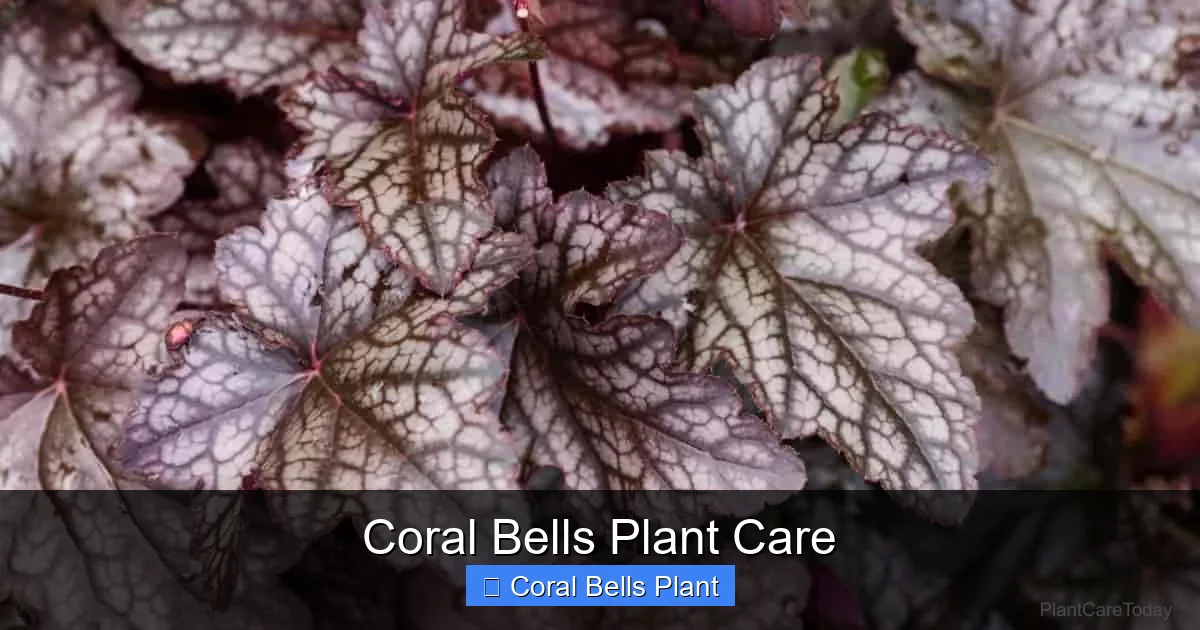
Visual guide about Coral Bells Plant Care
Image source: plantcaretoday.com
In hot spells, increase watering to twice a week for coral bells plant care. Mulch helps retain moisture between waterings. Avoid overhead sprinklers that wet foliage. Wet leaves can encourage fungal issues. A rain gauge helps you track natural precipitation.
Signs of Overwatering
Yellowing leaves and mushy stems indicate too much water in coral bells plant care. Reduce watering and improve drainage if you see these symptoms. A quick soil test can confirm excess moisture. Early action saves the plant. Feel the soil two inches down; it should be damp, not wet.
Root rot appears as blackened, foul‑smelling roots in coral bells plant care. If caught early, repot in fresh, well‑drained mix. Trim away damaged roots with sterile scissors. Apply a fungicide drench as a precaution. Monitor the plant closely for recovery signs.
Mulching Benefits
A two‑inch layer of shredded bark or straw conserves moisture for coral bells plant care. Mulch also suppresses weeds and moderates soil temperature. Replenish mulch each spring as it breaks down. Keep mulch away from the crown to prevent rot. Organic mulch adds nutrients as it decomposes.
In winter, a thicker mulch layer protects roots from freeze‑thaw cycles for coral bells plant care. Use evergreen boughs or straw for extra insulation. Remove excess mulch in early spring to allow new growth. Mulch also reduces soil splash on leaves during rain. This simple step boosts plant health year‑round.
Feeding and Fertilizing Coral Bells Plant Care
Best Fertilizer Types
A balanced slow‑release fertilizer with an N‑P‑K ratio of 10‑10‑10 works well for coral bells plant care. Organic options like fish emulsion or compost tea provide gentle nutrition. Avoid high‑nitrogen formulas that promote weak, leggy growth. Granular fertilizers release nutrients steadily over months. Choose a product labeled for perennials.
Test soil before fertilizing to avoid nutrient buildup in coral bells plant care. Excess phosphorus can lock up other minerals. A soil test kit is inexpensive and easy to use. Adjust fertilizer choice based on test results. This targeted approach saves money and protects the environment.
Timing Applications
Apply fertilizer in early spring as new growth emerges for coral bells plant care. A second light feeding in midsummer can boost foliage color. Do not fertilize late in the season; it encourages tender growth that winter can damage. Follow package rates to avoid burn. Water thoroughly after each application.
If you use liquid fertilizer, apply every four weeks during active growth for coral bells plant care. Dilute to half strength for safety. Stop feeding six weeks before the first expected frost. This hardening period prepares the plant for dormancy. Consistent timing yields the best leaf color.
Organic Options
Top‑dressing with well‑rotted manure or leaf mold enriches the soil for coral bells plant care. These amendments improve structure and microbial activity. They also reduce the need for synthetic products. Use a thin layer each year. Earthworms thrive in organically amended beds.
Compost tea sprayed on foliage provides a quick nutrient boost for coral bells plant care. Brew tea by steeping compost in water for 24 hours. Strain and apply with a sprayer in early morning. Repeat monthly during the growing season. Organic feeding supports long‑term soil health.
Pruning and Maintenance in Coral Bells Plant Care
When to Prune
Prune dead or damaged leaves in early spring for coral bells plant care. This encourages fresh growth and improves air circulation. Light trimming throughout the season keeps the plant tidy. Avoid heavy cuts in late fall. Use clean, sharp scissors to prevent disease spread.
Remove any foliage that shows signs of disease promptly in coral bells plant care. Cut back to healthy tissue just above a node. Disinfect tools between cuts with rubbing alcohol. This practice stops pathogens from moving through the plant. Regular inspection makes pruning easy.
Deadheading Flowers
Remove spent flower stalks promptly in coral bells plant care to redirect energy to foliage. Snip just above a healthy leaf node. Regular deadheading extends the bloom period. It also prevents self‑seeding where not desired. Use your fingers or small snips for precision.
After the main flush, a second light deadheading can trigger a modest rebloom in coral bells plant care. Cut back to the first set of leaves below the spent flower. This encourages a tidy habit. Deadheading also improves air flow around the crown. Enjoy a longer display of color.
Dividing Clumps
Divide mature clumps every three to four years in early spring for coral bells plant care. Lift the plant, separate sections with a sharp spade, and replant at the same depth. Division rejuvenates vigor and yields new plants for sharing. Water divisions well after replanting.
Each division should have at least three healthy shoots for coral bells plant care. Trim any overly long roots to fit the new hole. Space divisions as you would new plants. Mulch around each division to conserve moisture. Expect full recovery within a few weeks.
Pest and Disease Management for Coral Bells Plant Care
Common Pests
Slugs and snails love the tender leaves in coral bells plant care. Hand‑pick at night or use iron‑phosphate bait. Aphids may appear on new growth; a strong spray of water dislodges them. Encourage beneficial insects like lady beetles. Check undersides of leaves regularly.
Set up beer traps near the base for slug control in coral bells plant care. Replace bait after rain. Neem oil works on aphids and spider mites if infestations grow. Apply in early morning to avoid leaf burn. Integrated pest management keeps chemicals to a minimum.
Fungal Issues
Leaf spot and powdery mildew can develop in humid conditions for coral bells plant care. Space plants for airflow and water at the base to keep foliage dry. Apply a copper‑based fungicide at first sign of disease. Remove infected leaves promptly. Rotate fungicide classes to prevent resistance.
Improve air circulation by thinning nearby shrubs for coral bells plant care. Avoid overhead watering late in the day. A homemade baking soda spray can deter mildew. Mix one teaspoon baking soda per quart water with a few drops of soap. Spray weekly during humid periods.
Preventive Practices
Rotate planting locations every few years to reduce soil‑borne pathogens in coral bells plant care. Clean tools between uses to avoid spreading spores. Mulch with disease‑free material. Healthy plants resist pests naturally. Keep the garden free of debris where pests hide.
Inspect new plants before introducing them to the bed for coral bells plant care. Quarantine for two weeks if possible. Use sterile potting mix for containers. Remove any diseased foliage immediately. Prevention is far easier than cure.
Seasonal Care Calendar for Coral Bells Plant Care
Spring Tasks
In spring, clean up debris and apply a balanced fertilizer for coral bells plant care. Divide overcrowded clumps if needed. Water consistently as new shoots emerge. Mulch to retain moisture. Check for early pest activity and treat promptly.
Prune any winter‑damaged leaves to encourage fresh growth in coral bells plant care. Apply a thin layer of compost around the base. This feeds the soil as microbes break it down. Monitor soil temperature; wait until it reaches 50°F before heavy feeding. Spring sets the tone for the whole year.
Summer Care
During summer, monitor soil moisture daily for coral bells plant care. Deadhead spent blooms to encourage fresh foliage. Watch for slugs after rain. Provide afternoon shade in extreme heat. A light misting in the evening can cool leaves.
Fertilize lightly with a liquid feed if foliage looks pale in coral bells plant care. Avoid heavy nitrogen that promotes soft growth. Keep mulch thick to reduce watering frequency. Inspect for fungal spots after humid nights. Summer vigilance prevents larger problems.
Fall Preparation
In fall, cut back faded leaves and add a layer of compost for coral bells plant care. Reduce watering as temperatures drop. Apply a light mulch to protect roots over winter. Avoid heavy pruning now. This prepares the plant for dormancy.
Collect and destroy any diseased foliage to reduce overwintering spores in coral bells plant care. Store garden tools clean and dry. Plan next year’s divisions during this quiet period. Fall care ensures a strong start next spring.
Winter Protection
Winter care for coral bells plant care is minimal in mild zones. In colder areas, cover crowns with straw or evergreen boughs. Remove cover early spring to prevent rot. The plant will emerge strong when warmth returns. Check occasionally for rodent damage.
If grown in containers, move pots to a sheltered spot for coral bells plant care. Wrap pots with burlap for extra insulation. Water sparingly; only when soil is dry several inches down. Avoid fertilizing until new growth appears. Winter rest is essential for perennial vigor.
Coral bells plant care rewards patience with a tapestry of color that lasts from spring through frost. By following the simple steps outlined above, you give each plant the best chance to thrive. Remember to observe your garden, adjust as needed, and enjoy the process. Happy planting!
Frequently Asked Questions
Can coral bells tolerate full sun?
Coral bells can handle some morning sun but prolonged full sun often scorches the leaves. Partial shade is ideal for vibrant foliage.
What causes yellow leaves on coral bells?
Yellow leaves usually signal overwatering or poor drainage. Check soil moisture and improve aeration to correct the problem.
Do coral bells need deadheading?
Deadheading spent flower stalks encourages more leaf growth and keeps the plant looking tidy throughout the season.
Are coral bells deer resistant?
Yes, coral bells are generally deer resistant due to their slightly bitter foliage, though hungry deer may nibble in severe conditions.
How do I prevent slug damage on coral bells?
Use iron‑phosphate bait, hand‑pick at night, and keep the garden free of excess mulch where slugs hide.
When is the best time to divide coral bells?
Early spring, just as new growth begins, is the optimal time to divide coral bells for quick recovery.