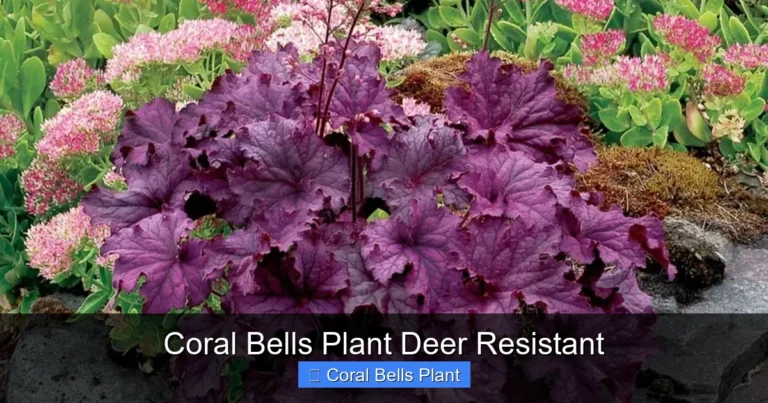
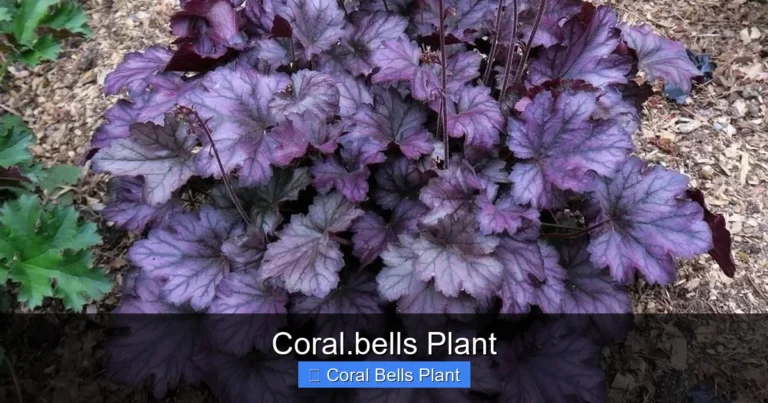
Coral Bells Plant Landscaping
Coral bells plant landscaping transforms gardens with year-round foliage color and delicate blooms. These versatile perennials thrive in shade to sun, offering endless design possibilities for borders, containers, and woodland gardens.
Key Takeaways
- Versatile Foliage: Coral bells offer year-round color with leaves in purple, silver, gold, green, and near-black shades that outshine most flowering plants.
- Shade Tolerance: Most varieties thrive in partial to full shade, making them perfect for difficult garden spots where other plants struggle.
- Low Maintenance: Once established, these perennials need minimal care — occasional watering, spring cleanup, and division every few years.
- Design Flexibility: Use coral bells in borders, rock gardens, containers, woodland settings, and as groundcover for texture and color contrast.
- Pollinator Friendly: The delicate bell-shaped flowers attract hummingbirds, bees, and butterflies throughout the growing season.
- Companion Planting: Pair with hostas, ferns, astilbe, and Japanese forest grass for stunning shade garden combinations.
- Seasonal Interest: Foliage persists through winter in mild climates, providing structure when other perennials have died back.
Quick Answers to Common Questions
Can coral bells grow in full sun?
In cooler zones (3-5) with consistent moisture, many varieties tolerate full sun. In warmer zones, afternoon shade is essential to prevent leaf scorch and color fading.
How often should I divide coral bells?
Divide every 3-4 years in early spring when the center becomes woody, flowering declines, or the crown rises above soil level.
Are coral bells deer resistant?
Yes, coral bells are rarely browsed by deer or rabbits due to bitter-tasting compounds in their leaves, though desperate animals may sample new plantings.
Why are my coral bells turning green?
Dark varieties need some direct sun to develop full pigment. In deep shade, purple and black leaves revert to green. Move to a brighter spot or accept the color change.
Can I grow coral bells in containers year-round?
Yes, in zones 6 and warmer. In colder zones, move pots to an unheated garage or bury them in the ground for winter protection.
📑 Table of Contents
- Why Coral Bells Plant Landscaping Changes Everything
- Getting to Know Your Coral Bells
- Design Principles for Coral Bells Plant Landscaping
- Site Selection and Soil Preparation
- Ongoing Care for Thriving Plants
- Solving Problems Before They Start
- Companion Planting Strategies
- Seasonal Showstoppers
- Advanced Design Techniques
- Regional Considerations
- Buying Smart
- Propagation for the Patient Gardener
- Troubleshooting Common Scenarios
- Creative Uses Beyond the Border
- Building a Collection Over Time
- Conclusion: Your Garden Deserves Coral Bells
Why Coral Bells Plant Landscaping Changes Everything
Walk into any garden center in spring and you will see tables packed with coral bells. Their leaves shimmer in colors you did not know plants could make. Deep purple. Bright lime. Burnt orange. Silver that catches moonlight. Gardeners grab them fast because they know a secret. Coral bells plant landscaping solves problems other plants cannot touch.
Maybe you have a shady corner where grass refuses to grow. Maybe deer eat everything you plant. Maybe you want color in November when the garden looks brown and sad. Coral bells handle all of it. They come back every year. They ask for little. They give a lot. This guide walks you through everything you need to know to use them like a pro.
Getting to Know Your Coral Bells
What Are Coral Bells Anyway
Coral bells belong to the genus Heuchera. They are native to North America. You find them growing wild on rocky cliffs, in woodland clearings, and along stream banks from Canada to Mexico. The name comes from the tiny bell-shaped flowers that dance on thin stems above the foliage. But honestly? Most gardeners grow them for the leaves.
Plant breeders have gone wild with this genus in the last twenty years. They have crossed different species to create hundreds of named varieties. Each one offers something slightly different. Leaf size. Leaf shape. Color intensity. Sun tolerance. Flower showiness. You could collect coral bells for a lifetime and never run out of new ones to try.
The Species Behind the Hybrids
Understanding the parent species helps you pick the right plant for your spot. Heuchera americana brings heat and humidity tolerance. Heuchera villosa adds large, hairy leaves that handle southern summers. Heuchera micrantha contributes ruffled foliage and cold hardiness. Heuchera sanguinea gives the classic coral-red flowers that started it all.
Most modern varieties are complex hybrids. Plant tags rarely list the full pedigree. But knowing the species background explains why some varieties fry in August sun while others sail through. It explains why some stay tight and neat while others spread into broad mounds.
Foliage Colors That Stop Traffic
The color range is almost ridiculous. You have deep purple-black varieties like ‘Obsidian’ and ‘Black Pearl’ that look like exotic tropical plants. You have electric lime ‘Lime Rickey’ and ‘Electra’ that glow in shade. Caramel tones. Peach. Amber. Silver with dark veins. Green with silver overlay. Some varieties change color through the seasons. ‘Caramel’ emerges gold, turns peach, then settles into warm amber by fall.
Veining adds another layer. Many varieties show contrasting veins — dark lines on light leaves or silver lines on dark leaves. This patterning shows best in spring and fall. Summer heat can wash it out. Cool nights bring it back.
Design Principles for Coral Bells Plant Landscaping
Think Foliage First Flowers Second
Most perennials give you two weeks of flowers and fifty weeks of green leaves. Coral bells flip that script. The foliage performs from April to November in most zones. In mild winters it never quits. The flowers are a bonus — delicate wands of pink, white, red, or cream that hover above the mound for weeks.
Design with the leaves. Place dark varieties where backlighting hits them. Put silver ones where they catch evening light. Use bright chartreuse to illuminate dark corners. Repeat colors through a bed to lead the eye. Contrast textures — ruffled leaves next to smooth ones, large leaves beside fine-textured ferns.
Mass Planting for Impact
One coral bell looks nice. Seven looks intentional. Fifteen looks like a design statement. Space plants twelve to eighteen inches apart depending on mature width. They will knit together into a living carpet that suppresses weeds and holds soil on slopes.
Mass a single variety for a bold block of color. Or blend three varieties in a planned pattern — dark, medium, light — for a tapestry effect. This works beautifully along pathways where people walk slowly and notice details.
Edge and Border Magic
Coral bells make exceptional edging plants. Their mounding habit stays neat without trimming. They define bed lines without blocking sight lines. Use them to soften hard edges — the corner of a patio, the transition from lawn to planting bed, the rim of a raised bed.
For formal gardens, choose uniform varieties like the ‘Primo’ series with consistent height and spread. For cottage gardens, mix ruffled and smooth varieties for a collected-over-time look.
Container Combinations That Sing
Coral bells thrive in pots. Their shallow root systems adapt perfectly to container life. They play well with others — they are not aggressive root competitors. Use them as the “filler” in thriller-filler-spiller designs. Their foliage covers soil and hides the bare legs of taller plants.
Try a shade container with ‘Silver Scrolls’ coral bells, a Japanese painted fern, and a trailing variegated ivy. Or a sun container with ‘Caramel’ coral bells, purple fountain grass, and yellow calibrachoa. The coral bells bridge the color gap between the other plants.
Containers also let you cheat zones. Grow varieties rated for zone 6 in zone 5 by moving pots to an unheated garage for winter. Or grow heat-sensitive varieties in zone 8 by giving them afternoon shade on a covered porch.
Site Selection and Soil Preparation
Light Requirements Decoded
Plant tags say “part shade to full sun.” That range is huge. Here is the practical truth. In northern zones (3-5), most varieties take full sun if soil stays moist. In southern zones (7-9), afternoon shade is mandatory for all but the toughest villosa hybrids. In the middle zones (5-7), morning sun with afternoon shade hits the sweet spot for almost everything.
Watch your site through a full day before planting. Note when direct sun hits. Note how long it lasts. Note reflected heat from walls or pavement. A spot that gets four hours of gentle morning sun is very different from four hours of brutal 3 PM sun.
Color intensity links to light. Dark varieties need some sun to develop full pigment. In deep shade they turn muddy green. Bright varieties like lime and gold hold color better in shade. Silver varieties need good air circulation to prevent fungal issues — avoid stuffy corners.
Soil That Makes Them Happy
Coral bells want well-drained soil rich in organic matter. They hate wet feet. Crown rot kills them faster than anything else. If your soil is heavy clay, amend aggressively. Mix in compost, aged bark fines, or coarse sand. Raise the planting area slightly. Create a berm or raised bed if drainage is truly poor.
Sandy soil works fine if you add organic matter to hold moisture and nutrients. These plants have shallow roots. They dry out fast in pure sand. A two-inch mulch layer helps tremendously.
Soil pH between 6.0 and 7.0 is ideal. They tolerate slightly acidic to slightly alkaline conditions. Test if you are unsure. Your local extension office can help.
Planting Technique Matters
Plant at the same depth they grew in the pot. The crown — where leaves emerge — must sit at soil level. Bury it and it rots. Plant too high and it dries out. Spread roots gently. Backfill with amended soil. Water thoroughly to settle soil and eliminate air pockets.
Space according to mature width. Check the tag. Most varieties spread twelve to twenty-four inches. Give them room. Crowding causes poor air flow and disease.
Spring planting is best in cold climates. Fall planting works in mild climates. Avoid summer planting unless you can water daily during establishment.
Ongoing Care for Thriving Plants
Watering Wisdom
New plants need consistent moisture for the first growing season. Water deeply twice a week unless rain handles it. Check soil with your finger. Top inch dry? Water. Established plants tolerate dry spells but perform best with regular moisture during active growth.
Water at the base. Wet foliage invites fungal diseases. Drip irrigation or soaker hoses are ideal. If you must overhead water, do it early so leaves dry before nightfall.
Mulch helps maintain even moisture. Use shredded leaves, pine straw, or bark. Keep mulch away from crowns. A two-inch layer is perfect. More invites voles and crown rot.
Feeding Lightly
Coral bells are light feeders. Too much fertilizer produces soft growth that bugs and diseases love. A shovelful of compost around each plant in spring is plenty. Or apply a balanced slow-release fertilizer at half the recommended rate.
Skip fertilizer after July. You want plants hardening off for winter, not pushing tender new growth.
Seasonal Maintenance
Spring cleanup is the big task. Remove winter-damaged leaves. Cut back flower stems from last year. Be gentle — new growth emerges from the crown early. You do not want to damage it.
Deadhead spent flowers if you want tidy looks. Or leave them for seed and wildlife. Birds eat the tiny seeds. The stems are pretty in frost.
Summer may bring leaf scorch on varieties in too much sun. Trim damaged leaves. The plant will push fresh ones when temperatures cool.
Fall care is minimal. Leave foliage in place for winter protection. In cold zones, add a light mulch layer after ground freezes. This prevents frost heaving — the freeze-thaw cycle that pushes plants out of the ground.
Division: The Reset Button
Every three to four years, coral bells develop woody centers. The crown rises above soil level. Flowering declines. Foliage gets smaller. Division fixes all of it.
Do it in early spring as growth starts. Dig the whole plant. Shake off soil. Pull or cut the crown into pieces. Each piece needs roots and several growth buds. Replant the vigorous outer sections. Discard the woody center. Water well. They bounce back fast.
Division also gives you free plants. Share with friends. Fill gaps in your garden. Pot some for plant sales.
Solving Problems Before They Start
Crown Rot: The Number One Killer
Crown rot strikes when soil stays wet around the crown. Fungi attack. The plant collapses. Leaves yellow and pull off easily. Prevention is everything. Plant high. Ensure drainage. Mulch correctly. Do not overwater.
If you catch it early — one or two rotting leaves — remove affected tissue. Improve drainage immediately. Dust crown with sulfur or copper fungicide. Sometimes the plant recovers.
Heuchera Rust
This fungal disease shows as orange pustules on leaf undersides. Upper surfaces show yellow spots. It thrives in humid, crowded conditions. Space plants for air flow. Water at soil level. Remove infected leaves promptly. Do not compost them.
Resistant varieties exist. ‘Caramel,’ ‘Citronelle,’ and many villosa hybrids show good resistance. Check catalog descriptions if rust is common in your area.
Vine Weevils
Adult weevils notch leaf edges at night. Larvae eat roots. Plants wilt and die suddenly. Check for notched leaves in spring. Apply beneficial nematodes to soil in late summer to target larvae. Or use sticky traps for adults.
Container plants are especially vulnerable. Inspect root balls when repotting.
Deer and Rabbits
Good news — coral bells are rarely browsed. The leaves contain compounds that taste bad. Deer may sample new plantings but usually move on. Rabbits sometimes nibble young leaves in spring. A temporary cage protects until plants establish.
Companion Planting Strategies
Shade Garden Dream Teams
Hostas and coral bells are classic partners. Hostas bring bold leaves. Coral bells bring color and texture. Choose hosta varieties with contrasting leaf shapes — big smooth hosta leaves next to ruffled coral bells. Blue hostas make purple coral bells pop. Gold hostas warm up silver coral bells.
Ferns add vertical movement. Japanese painted fern echoes silver tones. Maidenhair fern adds delicate texture. Christmas fern stays evergreen for winter structure.
Astilbe contributes feathery plumes in early summer. The flowers rise above coral bells foliage beautifully. Choose astilbe colors that complement your coral bells — pink astilbe with purple coral bells, white astilbe with dark varieties.
Japanese forest grass (Hakonechloa) cascades beside mounding coral bells. ‘All Gold’ forest grass with ‘Obsidian’ coral bells is a knockout combination.
Woodland Edge Plantings
At the woodland edge, mix coral bells with native companions. Foamflower (Tiarella) — a close relative — offers similar foliage with showier flowers. Wild ginger (Asarum) covers ground with glossy heart-shaped leaves. Solomon’s seal (Polygonatum) arches gracefully above.
Spring ephemerals like Virginia bluebells and trillium bloom before coral bells hit their stride. They disappear as coral bells foliage expands. Perfect succession.
Rock Garden and Slope Solutions
On slopes and in rock gardens, choose compact varieties. ‘Petite Pearl Fairy’ and the ‘Little Cutie’ series stay under ten inches. They tuck between stones. Their roots hold soil. Their evergreen foliage prevents winter erosion.
Pair with sedums, creeping thyme, and dwarf conifers. The coral bells add height and color the others lack.
Sun-Tolerant Combinations
In cooler climates with adequate moisture, coral bells join sun perennials beautifully. Pair with salvias, coneflowers, and ornamental grasses. The coral bells fill the front of the border, hiding bare stems of taller plants.
Choose villosa hybrids for these spots. ‘Caramel,’ ‘Citronelle,’ ‘Brownies,’ and ‘Mocha’ handle more sun than most.
Seasonal Showstoppers
Spring Awakening
New leaves emerge in intense colors. This is the showiest foliage period. Veining is crisp. Edges are ruffled. Colors are saturated. Take photos. This is peak coral bells.
Flowers begin in late spring on most varieties. Some bloom again in fall. Deadheading encourages rebloom on remontant varieties.
Summer Stability
Heat may fade colors slightly. Dark varieties green up. Light varieties hold well. Foliage remains attractive if watered. This is the quiet season — reliable, tidy, doing its job.
Fall Encore
Cool nights revive color intensity. Veining reappears. Some varieties develop new tones — pink blushes, orange highlights. This second wind lasts until hard freeze.
Fall is also planting season. Roots establish before winter. Spring growth explodes.
Winter Presence
In zones 6 and warmer, foliage persists all winter. It flattens under snow but bounces back. In colder zones, leaves may die back but crowns survive. The plant returns faithfully.
Winter containers with evergreen coral bells, dwarf conifers, and red-twig dogwood provide months of interest.
Advanced Design Techniques
Color Echoes Through the Garden
Repeat a coral bells color in other plants to unify your design. Purple coral bells near a purple-leaf Japanese maple. Gold coral bells beside golden hostas. Silver coral bells with dusty miller or lamb’s ears. The eye moves smoothly from plant to plant.
Use coral bells as the thread that ties different garden areas together. The same variety appears in the front border, the woodland path, and the patio containers. Visitors sense cohesion without knowing why.
Layering for Depth
Think in layers. Ground layer — coral bells as living mulch. Mid layer — ferns, hostas, astilbe. Upper layer — shrubs, small trees. Canopy — large trees. Each layer has a role. Coral bells anchor the ground layer with color that works year-round.
Focal Points and Specimens
Extraordinary varieties deserve solo spots. ‘Black Pearl’ with its ruffled near-black leaves. ‘Electra’ with shocking gold leaves and red veins. ‘Forever Purple’ that holds color all season. Place these where they catch light — backlit by late afternoon sun, uplighted at night, beside a water feature that reflects them.
Trough and Rock Garden Miniatures
Hypertufa troughs and rock gardens showcase the smallest varieties. ‘Petite Pearl Fairy,’ ‘Little Cutie Blondie,’ ‘Little Cutie Peppermint.’ These tiny mounds look like living jewels nestled in gravel. They need perfect drainage and gritty soil. They reward you with disproportionate impact.
Regional Considerations
Northern Gardens (Zones 3-5)
Cold hardiness is the filter. Most coral bells are hardy to zone 4. Some to zone 3. Look for varieties with H. micrantha and H. sanguinea parentage. Plant in spring. Mulch heavily after ground freezes. Snow cover is your friend — it insulates crowns.
Full sun works here. Colors intensify. Just do not let them dry out.
Mid-Atlantic and Midwest (Zones 5-7)
The sweet spot. Almost everything grows. Heat and humidity challenge some varieties. Villosa hybrids shine. Give afternoon shade. Watch for rust in humid summers. Divide regularly — plants grow fast here.
Southern Gardens (Zones 7-9)
Heat tolerance rules. Villosa hybrids are essential. ‘Caramel,’ ‘Citronelle,’ ‘Mocha,’ ‘Brownies,’ ‘Georgia Peach.’ Plant in bright shade or morning sun only. Ensure excellent drainage. Summer humidity breeds disease — space generously.
Winter is mild. Foliage stays evergreen. No mulch needed for cold protection.
Western Gardens
Arid climates need irrigation. Alkaline soils may need acidifying amendments. Intense sun requires shade cloth or strategic placement. Coastal gardens handle more sun. Inland valleys need protection.
Native Heuchera maxima and Heuchera sanguinea thrive in California gardens. Look for cultivars bred for western conditions.
Buying Smart
Reading Plant Tags
Tags give the basics. Mature height and spread. Light preference. Hardiness zone. Bloom time. But they miss nuances. “Part shade” means different things in Maine versus Texas. “Twelve inches” might be the leaf mound — flower stems add another foot.
Research varieties online before shopping. Read reviews from gardeners in your region. Nursery websites often have better details than tags.
Where to Shop
Local independent nurseries carry regionally appropriate varieties. Staff know what works. Specialty perennial nurseries offer the widest selection. Mail-order expands options enormously — but buy from reputable sources that ship healthy, well-rooted plants.
Avoid big box stores in midsummer. Plants sit on hot asphalt. Roots bake. Stress shows later.
What to Look For
Healthy crown — firm, not mushy. Multiple growth points. Roots filling the pot but not circling desperately. No weeds in the pot. No yellowing lower leaves. No signs of pests — check leaf undersides.
Buy in spring for best selection. Fall bargains can work if you plant six weeks before ground freeze.
Propagation for the Patient Gardener
Division: Fast and Reliable
Covered earlier. Spring division yields mature plants in one season. Every piece with roots and buds grows.
Seed: The Lottery
Coral bells hybridize promiscuously. Seed from your garden produces variable offspring. Most will be muddy green. A few might be spectacular. If you love surprises, collect seed when pods turn brown. Sow fresh on moist seed starting mix. Light required for germination. Keep at seventy degrees. Transplant seedlings when they have true leaves.
Named varieties do not come true from seed. Only species and open-pollinated strains are reliable.
Leaf Cuttings: For the Experimental
Some gardeners root leaf cuttings. Take a leaf with a bit of petiole. Dip in rooting hormone. Stick in moist perlite. Cover with a bag. Wait. Success rates are low. Division is better.
Tissue Culture: How Nurseries Do It
Commercial production uses tissue culture. Tiny plant pieces grow in sterile gel with precise nutrients. Thousands of identical clones result. This is how new varieties reach market fast. Not practical for home gardeners.
Troubleshooting Common Scenarios
Plant Looks Great Then Collapses in July
Classic crown rot. Usually from buried crown or poor drainage. Dig it. Check roots. If white and firm, replant higher in amended soil. If brown and mushy, it is done. Learn and replace.
Leaves Get Smaller Every Year
Woody center. Time to divide. The plant is exhausting itself trying to feed dead tissue.
Color Is Disappointing
Wrong light. Dark variety in deep shade turns green. Gold variety in hot sun bleaches. Move it. Or accept the color it gives.
Flower Stems Flop
Too much shade or too rich soil. Stems stretch weak. Stake discreetly. Or cut for bouquets — they last two weeks in a vase.
Center of Plant Dies Out
Age. Division time. The crown has risen above soil. Roots cannot reach moisture. Reset by dividing and replanting at correct depth.
Creative Uses Beyond the Border
Living Mulch Under Trees
Plant coral bells under deciduous trees. They get spring sun before leaves emerge. Summer shade protects them. Fall leaf drop feeds them. They suppress weeds and cover bare roots. Choose tough varieties — villosa hybrids handle root competition best.
Rain Garden Edges
On the upper edges of rain gardens (not the wet bottom), coral bells thrive. They handle occasional saturation and dry spells. Their roots filter runoff. Their foliage looks good all season.
Green Roof Candidates
Shallow roots and drought tolerance make some varieties green roof candidates. ‘Caramel’ and ‘Citronelle’ have been tested successfully on extensive green roofs in the Northeast. They need four to six inches of growing medium and irrigation for establishment.
Cut Flower Filler
Flower stems add airy movement to bouquets. Cut when half the bells are open. Condition in cool water. They last ten to fourteen days. Foliage also works in arrangements — cut individual leaves, condition, use as collar or base.
Building a Collection Over Time
Start With the Workhorses
Begin with proven performers. ‘Palace Purple’ — the classic that started the craze. ‘Caramel’ — heat tolerant, color-shifting, reliable. ‘Obsidian’ — deepest black, holds color. ‘Lime Rickey’ — electric chartreuse, ruffled. ‘Silver Scrolls’ — metallic silver, dark veins. These five give you a palette to build on.
Add Specialty Varieties Each Year
Try one new variety annually. Read trials from Chicago Botanic Garden, Mt. Cuba Center, or your local university. They test dozens of varieties side by side for years. Their top ratings are gold.
Track What Works
Keep a simple garden journal. Note variety, location, planting date, performance. Take photos. In five years you will know exactly which coral bells thrive in your specific conditions. You will stop wasting money on plants that fail.
Conclusion: Your Garden Deserves Coral Bells
Coral bells plant landscaping changes how you think about shade. It changes how you think about foliage. It changes how you think about maintenance. These plants give so much and ask so little. They solve problems. They create beauty. They come back every year stronger.
Start small. Plant three varieties in a difficult spot. Watch them through a full year. Notice how they change. Notice how they make the plants around them look better. Notice how you find yourself checking on them daily.
Then expand. Edge a pathway. Fill a container. Plant a drift under a tree. Mix them with ferns and hostas. Create color echoes through your beds. Divide them and share with neighbors.
Before you know it, you will be the gardener who knows the secret. The one with the garden that looks good in November. The one whose shade beds are the envy of the street. The one who understands that foliage is the real flower.
Coral bells make that garden possible. All you have to do is plant them.
Frequently Asked Questions
What is the best time to plant coral bells?
Spring is ideal in cold climates, giving roots a full season to establish before winter. In mild climates (zones 7-9), fall planting works well. Avoid summer planting unless you can water daily during establishment.
Do coral bells spread aggressively?
No, coral bells form neat clumps that slowly expand. They do not run or self-sow aggressively. Division every few years controls size and rejuvenates plants.
How much water do coral bells need?
New plants need consistent moisture for the first season. Established plants prefer evenly moist soil but tolerate brief dry spells. Water deeply at the base, avoiding wet foliage.
Should I cut back coral bells in fall?
Leave foliage in place through winter for crown protection. Remove damaged leaves in early spring before new growth emerges. In cold zones, add light mulch after ground freezes.
What causes coral bells to die suddenly?
Crown rot from poor drainage or buried crowns is the most common cause. Vine weevil larvae eating roots can also kill plants quickly. Check drainage and inspect roots if plants collapse.
Can I grow coral bells from seed?
You can, but named varieties will not come true from seed. Seedlings are variable — most revert to green. For specific colors and forms, buy vegetatively propagated plants or divide existing ones.