Where to Plant Coral Bells
Choose a site with well‑drained soil and partial shade to get the best color from coral bells. Space plants 12‑18 inches apart and mulch to keep roots cool. They thrive in borders, containers, and rock gardens alike.
Coral bells are a favorite for many gardeners. They bring color to shady spots. Their foliage ranges from lime green to deep purple. You may wonder where to plant coral bells for the best show. This guide answers that question.
We will cover light, soil, spacing, and garden locations. You will learn practical tips you can use today. Let’s dive in.
By the end you will know exactly where to plant coral bells in your yard.
Key Takeaways
- Light matters: Partial shade gives the richest leaf color.
- Soil must drain: Add compost or grit to heavy clay.
- Space 12‑18 inches: Gives each clump room to expand.
- Mulch helps: Keeps roots cool and conserves moisture.
- Containers work: Use a quality potting mix and drainage holes.
- Divide every 3‑4 years: Refreshes vigor and prevents crowding.
Quick Answers to Common Questions
What is the best light for coral bells?
Partial shade with morning sun gives the richest leaf color.
How far apart should I space coral bells?
Space them 12 to 18 inches apart for healthy growth.
Can coral bells grow in full sun?
Only sun‑tolerant varieties and with consistent moisture.
What soil mix works best?
Loam, compost, and coarse sand for good drainage.
When should I divide coral bells?
Every three to four years in early spring.
📑 Table of Contents
Understanding Coral Bells Basics
What Are Coral Bells
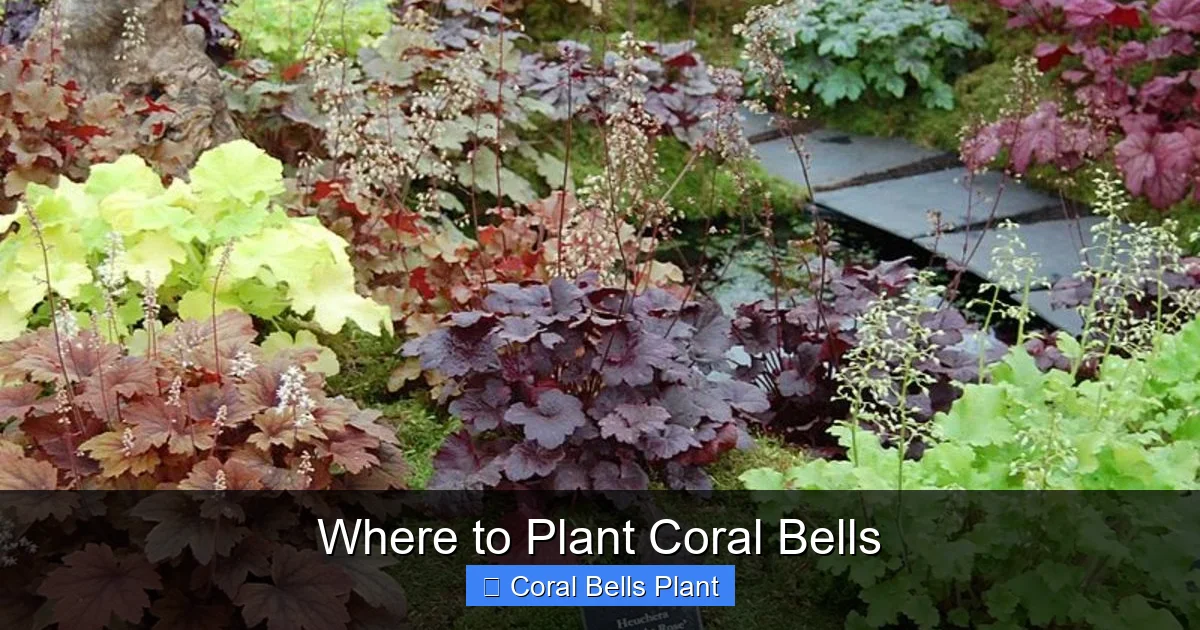
Coral bells belong to the genus Heuchera. They are perennial plants with colorful leaves. The flowers are small and bell shaped. Gardeners love them for foliage more than blooms. When you decide where to plant coral bells, think about leaf color first.
There are many cultivars with different hues. Some have silver veins, others have ruffled edges. All share a compact mound habit. This makes them easy to fit into tight spaces. Knowing the habit helps you choose where to plant coral bells.
Why Gardeners Love Them
They provide year round interest. In spring the leaves emerge bright. In summer they hold color well. In fall some varieties turn richer tones. Even in winter the foliage stays evergreen in mild climates. This long season makes them a top pick for where to plant coral bells.
They are low maintenance once established. They tolerate drought better than many shade plants. They resist most pests and diseases. This reliability adds to their appeal for busy gardeners.
Popular Varieties
‘Palace Purple’ offers deep burgundy leaves that hold color in sun. ‘Caramel’ shows warm amber tones that glow in shade. ‘Lime Rickey’ brings chartreuse foliage for dark corners. Picking a variety that matches your light helps you decide where to plant coral bells.
Mixing several cultivars creates a tapestry of color. Repeating one cultivar gives a calm, unified look. Both approaches work well in any garden design.
Light Requirements: Sun vs. Shade
Full Sun Options
Some coral bells handle full sun if the soil stays moist. In hot climates the leaves may scorch. Provide afternoon shade for best results. If you must place them in full sun, water often. This tip helps you decide where to plant coral bells in sunny beds.
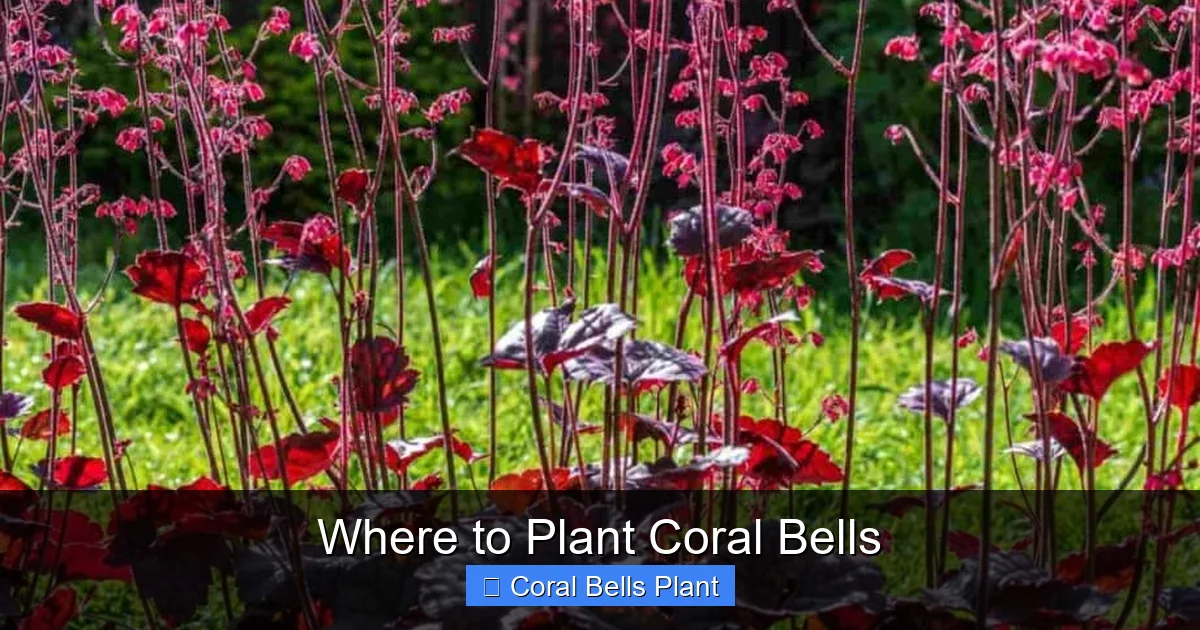
Visual guide about Where to Plant Coral Bells
Image source: images.saymedia-content.com
Choose varieties labeled sun tolerant. Examples include ‘Palace Purple’ and ‘Fire Alarm’. They keep color without bleaching. Test a small spot first before mass planting.
Partial Shade Sweet Spot
Partial shade is the classic home for coral bells. Morning sun and afternoon shade work well. The leaves develop deep, vivid hues. This condition is ideal for where to plant coral bells in most gardens. Aim for 4 to 6 hours of filtered light.
Under deciduous trees they get spring sun then summer shade. This mimics their native woodland habitat. The result is strong growth and bright foliage.
Deep Shade Considerations
Deep shade can work but colors may be greener. The plant still survives and forms a nice mound. If you need color in dark corners, pick chartreuse or lime varieties. They glow even in low light. This expands where to plant coral bells options.
Keep soil moist in deep shade. Mulch heavily to retain water. Avoid letting the root zone dry out completely.
Quick Light Summary
Match the variety to your light level. Sun tolerant types for bright spots. Classic types for partial shade. Bright chartreuse for deep shade. This simple rule guides where to plant coral bells successfully.
Soil Preparation and Drainage
Ideal Soil Mix
Coral bells prefer rich, well drained soil. A mix of loam, compost, and coarse sand works great. The compost feeds the plant slowly. Sand improves drainage. When you prepare the bed for where to plant coral bells, aim for a crumbly texture.
Test the soil pH. Slightly acidic to neutral (6.0 to 7.0) is best. Adjust with lime or sulfur if needed. A quick test kit saves guesswork.
Testing Drainage
Dig a hole 12 inches deep. Fill with water and watch. If it drains in under an hour, drainage is good. If water sits longer, amend the soil. Poor drainage leads to crown rot. This step is crucial for where to plant coral bells.
You can also use a percolation test with a coffee can. The principle is the same. Fast drainage equals healthy roots.
Amending Heavy Clay
Heavy clay holds water too long. Add generous amounts of organic matter. Compost, leaf mold, or aged manure lighten the texture. Mix in coarse grit or perlite for extra pore space. This makes the site ready for where to plant coral bells.
Raise the planting area slightly. A low mound improves runoff. It also showcases the foliage nicely.
Quick Soil Checklist
Loamy texture. Good organic content. pH 6.0 to 7.0. Fast drainage. Follow these points and your coral bells will thrive.
Spacing, Planting Depth, and Mulching
How Far Apart to Plant
Space each plant 12 to 18 inches apart. This gives room for the clump to expand. Crowding leads to poor air flow and disease. When you plan where to plant coral bells, mark the spacing with a tape measure.
For a dense groundcover effect, plant at the tighter end. For specimen clumps, use the wider spacing. Both approaches work.
Planting Depth Guidelines
Set the crown at soil level. Do not bury the crown. Planting too deep causes rot. Planting too high exposes roots. Gently firm soil around the roots. Water well after planting to settle the soil. This simple rule applies wherever you decide where to plant coral bells.
Mulch Types and Benefits
Apply a 2 inch layer of mulch. Shredded bark, pine needles, or leaf mulch are good choices. Mulch keeps roots cool in summer. It conserves moisture and suppresses weeds. Refresh mulch each spring for best results. Mulching is a key step for where to plant coral bells.
Avoid piling mulch against the crown. Leave a small gap to prevent rot.
Quick Planting Checklist
Spacing 12‑18 inches. Crown at soil level. Mulch 2 inches. Water thoroughly. Follow these steps each time you plant.
Ideal Garden Locations
Borders and Edges
Coral bells shine along garden borders. Their low mounds define edges without blocking views. Plant them in front of taller perennials. The contrast highlights both plants. This classic use shows where to plant coral bells for structure.
Mix varieties for a tapestry of color. Repeat a single cultivar for a calm rhythm. Both designs look professional.
Containers and Pots
Containers let you move coral bells to the perfect spot. Use a high quality potting mix with perlite. Ensure the pot has drainage holes. Place the pot where it receives the right light. This flexibility expands where to plant coral bells on patios and balconies.
Water containers more often than ground plants. Feed with a dilute liquid fertilizer monthly. Repot every two years to refresh soil.
Rock Gardens and Alpine Beds
Rock gardens provide sharp drainage. Coral bells thrive in the gritty soil. Their foliage softens hard stone edges. Choose compact varieties for tight crevices. This niche shows where to plant coral bells for texture contrast.
Pair with sedums, thymes, and dwarf conifers. The combination looks natural and low maintenance.
Woodland and Shade Gardens
Under trees, coral bells mimic native groundcovers. They enjoy the dappled light and rich leaf litter. Plant them in drifts for a natural look. This setting is a textbook example of where to plant coral bells.
Combine with ferns, hostas, and bleeding hearts. The layered foliage creates depth.
Quick Location Guide
Borders for definition. Containers for mobility. Rock gardens for drainage. Woodland for naturalizing. Pick the spot that matches your garden style.
Seasonal Care and Long‑Term Maintenance
Watering Schedule
Water new plants twice a week until established. After that, water when the top inch of soil feels dry. In hot spells increase frequency. Consistent moisture prevents leaf scorch. This routine supports where to plant coral bells health.
Use a soaker hose or drip irrigation. It delivers water to the root zone efficiently.
Fertilizing Tips
Apply a balanced slow release fertilizer in early spring. A 10‑10‑10 formula works well. Avoid high nitrogen late in the season. Too much nitrogen reduces leaf color intensity. Proper feeding keeps the foliage vibrant wherever you plant coral bells.
Top dress with compost each fall. It improves soil structure over time.
Dividing Clumps
Divide every three to four years in early spring. Lift the clump with a garden fork. Separate into smaller sections with roots attached. Replant at the same depth. Division rejuvenates the plant and gives you more plants for where to plant coral bells.
Discard any woody, dead centers. Keep only healthy outer pieces.
Winter Protection
In cold zones, add a thick mulch layer after the ground freezes. Pine boughs or straw work well. This insulates the crown from freeze‑thaw cycles. Remove excess mulch in early spring. Winter care ensures survival for where to plant coral bells next year.
Evergreen varieties may need a windbreak. A burlap screen reduces desiccation.
Quick Maintenance Calendar
Spring: divide, fertilize, mulch. Summer: water, deadhead spent flowers. Fall: compost top dress, mulch. Winter: protect crown, plan next year’s spots. Follow this calendar for long lasting beauty.
Choosing the right site is the first step to success. Remember the light, soil, and spacing rules. With a little care, coral bells reward you with color all season. Happy planting!
Feel free to experiment with different varieties. Each garden is unique, and so is every planting spot. Enjoy the process and the results.
Frequently Asked Questions
Do coral bells need a lot of water?
They prefer consistent moisture but tolerate short dry periods once established.
Are coral bells deer resistant?
Yes, most varieties are rarely browsed by deer.
Can I grow coral bells indoors?
They can be grown in bright indoor containers with good airflow.
What pests affect coral bells?
Slugs and aphids are the most common, but damage is usually minor.
How do I propagate coral bells?
Division in spring is the easiest method; seed is possible but slow.
Will coral bells survive a hard freeze?
With a thick mulch layer they survive most temperate winters.