Coral Bell Plant Colors
Coral bell plant colors offer an incredible range of foliage hues from deep purple to bright lime green. These versatile perennials provide year-round interest with minimal maintenance.
Walk into any garden center in spring and you will see them. Rows of coral bells showing off leaves in shades you did not know existed. Purple so dark it looks black. Lime green that glows in shade. Caramel tones that warm up a cool corner. Silver that catches moonlight. The range of coral bell plant colors seems endless.
I remember my first coral bell. It was a simple green variety tucked into a shady spot. Nice enough but nothing special. Then I discovered ‘Palace Purple’ with its deep burgundy leaves. That changed everything. Now my shade garden reads like a paint catalog. Each plant adds its own personality. The best part? They keep their color all season long. Even in winter when everything else turns brown.
Whether you are new to these plants or looking to expand your collection, understanding the full spectrum of coral bell plant colors helps you make smart choices. Let us explore what makes each color group special. We will cover growing conditions that bring out the best hues. Plus design ideas to make your garden pop.
Key Takeaways
- Foliage steals the show: Coral bells are grown primarily for their colorful leaves rather than their flowers
- Color changes with seasons: Many varieties shift hues throughout the year based on temperature and light exposure
- Shade tolerance varies: Darker varieties handle more sun while lighter colors prefer shade protection
- Year-round interest: Evergreen foliage provides winter color when most plants go dormant
- Easy to combine: Coral bell plant colors work beautifully with hostas, ferns, and ornamental grasses
- Low maintenance: Once established, these perennials need minimal care beyond occasional division
- New varieties constantly emerging: Breeders introduce exciting new color combinations each year
Quick Answers to Common Questions
What are the most popular coral bell plant colors?
Deep purple, silver, chartreuse, caramel, and variegated multi colored varieties top the popularity charts. ‘Palace Purple’ and ‘Obsidian’ lead dark varieties. ‘Silver Scrolls’ dominates silvers. ‘Lime Rickey’ and ‘Citronelle’ rule chartreuse. ‘Caramel’ and ‘Georgia Peach’ lead warm tones.
Do coral bells keep their color all year?
Most coral bells are evergreen and hold foliage color through winter in zones 5 and warmer. Color often deepens in cold weather. In colder zones, foliage may die back but returns in spring. Summer heat can mute spring intensity temporarily.
Which coral bell colors tolerate the most sun?
Dark purple and near black varieties like ‘Obsidian’ and ‘Palace Purple’ handle more sun than light colored types. They need some morning sun to develop deepest pigments. All varieties need afternoon shade in hot climates.
Why did my coral bell turn green?
Insufficient light causes colorful varieties to produce more chlorophyll, turning leaves greener. Deep shade, excessive nitrogen fertilizer, or summer heat can all cause greening. Move to brighter location or reduce fertilizer.
Can I grow different coral bell colors together?
Absolutely. Mixing colors creates stunning tapestries. Plant in drifts of 3 to 5 of each variety for impact. Ensure all have similar light and water needs. Contrasting colors like purple and chartreuse or silver and caramel create maximum drama.
📑 Table of Contents
- Understanding Coral Bell Color Groups
- How Light Affects Coral Bell Plant Colors
- Soil and Water Effects on Color Quality
- Seasonal Color Transformations
- Designing With Coral Bell Plant Colors
- Top Varieties by Color Category
- Common Problems Affecting Color
- Maintaining Vibrant Colors Year After Year
- Buying Tips for Best Color Results
- Conclusion
Understanding Coral Bell Color Groups
Plant breeders group coral bells by their dominant foliage color. This makes shopping easier. You can zero in on the look you want. But here is the thing. Many varieties shift between groups as seasons change. A plant that looks purple in spring might show bronze tones by fall. Light exposure also changes the show.
Deep Purple and Near Black Varieties
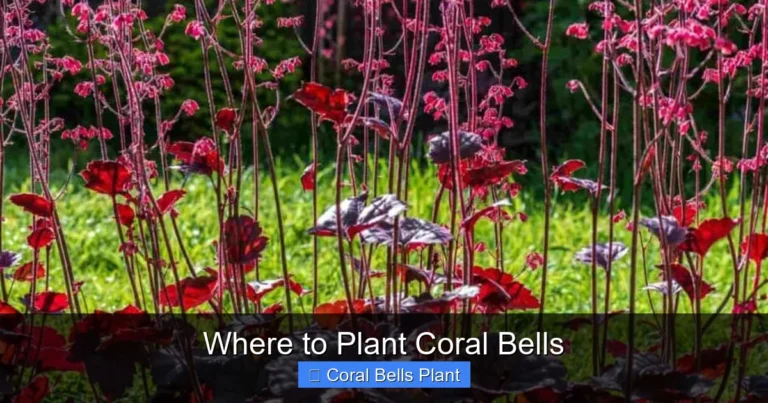
These are the drama queens of the shade garden. ‘Palace Purple’ started the trend decades ago. Its ruffled leaves hold deep burgundy purple all season. ‘Obsidian’ takes it further with glossy near black foliage that shines like patent leather. ‘Black Pearl’ forms a tight mound of intensely dark leaves with ruffled edges.
Why choose dark varieties? They create instant contrast. Plant them next to chartreuse hostas or golden Japanese forest grass. The combination stops people in their tracks. Dark leaves also hide imperfections better. A little insect damage disappears against that deep backdrop.
One tip. Very dark varieties need some morning sun to develop their richest color. Full deep shade can make them look muddy green. Two to four hours of gentle sun brings out the purple pigments. Afternoon sun in hot climates will scorch them though. Balance is key.
Silver and Pewter Toned Selections
Silver coral bells bring light to dark corners. ‘Silver Scrolls’ shows metallic silver leaves with deep purple veins. The effect looks like stained glass. ‘Frosted Violet’ combines silver overlay with violet undertones. ‘Steel City’ offers pewter gray foliage that looks sophisticated in modern gardens.
These varieties often have darker veins or undersides. This adds depth. When wind moves the leaves, you get flashes of contrasting color. Silver types generally handle more shade than dark varieties. They brighten spots where nothing else shows color.
Pair silver coral bells with blue hostas or Japanese painted ferns. The cool color palette feels calm and collected. Add white flowering plants like astilbe or foamflower for a moon garden effect. These spaces glow at dusk.
Chartreuse Lime and Golden Varieties
If you want to wake up a shady area, reach for chartreuse. ‘Lime Rickey’ delivers electric lime green leaves with ruffled edges. ‘Citronelle’ forms a glowing mound of yellow green that seems to emit its own light. ‘Electric Lime’ lives up to its name with intense chartreuse foliage.
Golden varieties like ‘Caramel’ and ‘Peach Flambe’ bridge warm and cool tones. They shift through amber, peach, and gold as seasons progress. These chameleon plants keep things interesting month after month.
Light green and gold varieties need protection from hot afternoon sun. Their lighter pigments burn easily. Morning sun or dappled shade works best. In the right spot, they act like spotlights. Plant them where you want to draw the eye. Near a garden seat. Along a pathway. At the edge of a woodland border.
Red Bronze and Copper Tones
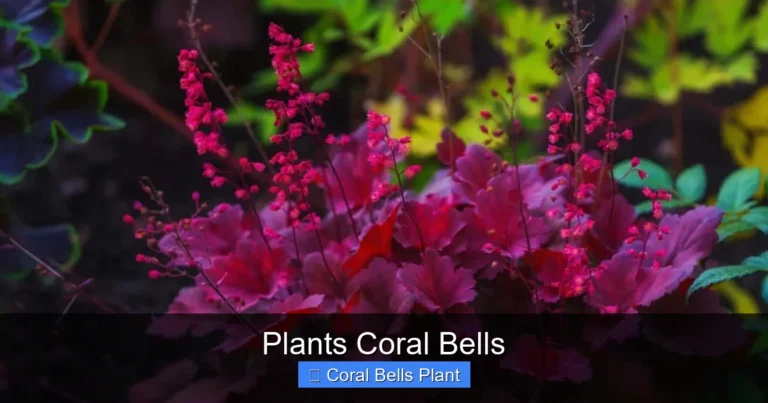
This group brings autumn colors to spring and summer gardens. ‘Georgia Peach’ starts peachy orange in spring, deepens to rose pink in summer, then turns purple bronze for fall. ‘Midnight Rose’ shows dark purple leaves splashed with hot pink spots. Each leaf looks hand painted.
‘Caramel’ offers warm amber foliage that turns salmon pink in cool weather. ‘Fire Alarm’ lives up to its name with bright red new growth maturing to deep mahogany. These warm tones play beautifully against green foliage plants.
Red and bronze varieties often show their best color in spring and fall. Summer heat can mute them toward green. This is normal. Do not panic. The show returns when temperatures drop. Some gardeners move container specimens to shadier spots in July and August to preserve color longer.
Variegated and Multi Colored Options
Breeders have been busy creating coral bells with multiple colors on each leaf. ‘Berry Smoothie’ shows rose pink leaves with silver overlay and dark veins. ‘Cherry Cola’ offers reddish brown foliage with silver frosting. ‘Tiramisu’ displays chartreuse leaves with brick red centers that expand in cool weather.
‘Delta Dawn’ starts gold with red centers in spring. The red spreads as summer heat arrives. By fall, the whole leaf glows coral orange. ‘Southern Comfort’ shows cinnamon peach leaves that mature to copper amber. The color progression feels like watching a time lapse.
Variegated types add complexity to plant combinations. They bridge color gaps between solid colored neighbors. A single multi colored coral bell can tie together a planting bed. Use them as focal points where you want people to pause and look closely.
How Light Affects Coral Bell Plant Colors
Light is the number one factor controlling foliage color intensity. Understanding this helps you site plants for maximum impact. It also explains why your plant looks different than the catalog photo.
Morning Sun vs Afternoon Shade
Most coral bells prefer morning sun with afternoon shade. This classic “part shade” exposure develops rich pigments without burning leaves. Four hours of gentle morning light works for almost every variety. The leaves produce protective pigments in response to UV exposure. This deepens color.
Afternoon sun tells a different story. Intense midday and afternoon rays break down chlorophyll and scorch delicate tissue. Light colored varieties suffer most. Their leaves lack protective pigments. Dark varieties handle more sun but still appreciate afternoon relief in hot climates.
If your garden only offers afternoon sun, choose tough varieties. ‘Palace Purple’ and ‘Obsidian’ tolerate more heat than most. Provide consistent moisture. Mulch well. Consider a shade cloth during heat waves. Or accept that summer color will be less intense.
Deep Shade Adaptations
True deep shade challenges coral bells. They survive but often revert to greener foliage. The plant produces more chlorophyll to capture limited light. This masks the colorful pigments. Silver and chartreuse varieties hold color better in shade than dark types.
In deep shade, focus on texture and form rather than color intensity. Ruffled leaves catch what little light exists. Mounding habits create interesting silhouettes. Combine with other shade lovers like hostas and ferns for a lush green tapestry.
Seasonal Light Changes
Watch how light patterns shift through the year. A spot that gets morning sun in spring might be fully shaded once trees leaf out. Conversely, winter sun reaches areas blocked in summer. Deciduous trees create perfect conditions. Spring sun before leaf out develops strong color. Summer shade protects from heat. Fall sun returns as leaves drop.
Container gardening lets you chase ideal light. Move pots seasonally. Place them where color shows best. This flexibility is a huge advantage for coral bell enthusiasts.
Soil and Water Effects on Color Quality
Light gets the glory but soil and water quietly determine whether colors reach their potential. Stressed plants prioritize survival over pigment production.
Soil pH and Nutrient Availability
Coral bells prefer slightly acidic to neutral soil. pH 6.0 to 7.0 is ideal. In alkaline soils, certain nutrients become unavailable. Iron deficiency shows as yellowing between leaf veins. This dulls the overall color effect. Test your soil. Amend with sulfur or acidic organic matter if needed.
Rich organic soil holds moisture and delivers steady nutrition. Compost worked in at planting time pays dividends for years. Top dress annually with more compost. This mimics the forest floor conditions these plants evolved in.
Consistent Moisture Prevents Color Loss
Drought stress triggers survival mode. The plant drops colorful pigments to conserve resources. Leaves may crisp at edges. Color fades to dull green. Consistent moisture keeps the show going. Water deeply when the top inch of soil feels dry.
Mulch is non negotiable. Two to three inches of shredded leaves, bark, or straw keeps roots cool and moist. It also breaks down to feed the soil. Replenish mulch annually. Keep it away from the crown to prevent rot.
Fertilizer Timing Matters
Too much nitrogen produces lush green growth at the expense of color. Use slow release balanced fertilizer in early spring. Or top dress with compost. Avoid high nitrogen lawn fertilizers near coral bells. They will green up beautifully but lose their special hues.
Some gardeners swear by foliar feeds with seaweed extract. Applied monthly during growing season, trace minerals may enhance pigment production. Scientific evidence is thin but many report good results. Worth trying on a few plants.
Seasonal Color Transformations
One of the joys of growing coral bells is watching them change through the year. Few perennials offer this much dynamic interest. Understanding the pattern helps you appreciate each phase.
Spring Awakening
New growth emerges in the most intense colors of the year. Fresh leaves show pure pigment before summer heat and sun exposure modify them. This is when variegated varieties look sharpest. Contrast between colors is highest.
Spring is also flower time. Delicate bells on wiry stems rise above the foliage mound. Flowers range from white to pink to coral red. They attract hummingbirds and pollinators. Deadhead spent stems to redirect energy to foliage. Or leave some for seed collection.
Summer Settling
As temperatures rise, many varieties tone down. Dark purples may develop greenish casts. Bright chartreuse softens to more subdued green. This is normal physiology. The plant protects itself from UV damage. Do not overwater or overfertilize trying to force spring color. It will not work.
Summer is maintenance season. Remove any damaged leaves. Watch for vine weevil damage. Notches in leaf edges signal these pests. Keep mulch fresh. Water during dry spells. The plant is building reserves for next year’s show.
Fall Fireworks
Cool nights trigger anthocyanin production. This is the same pigment that colors autumn maples. Many coral bells intensify dramatically. ‘Georgia Peach’ turns deep rose purple. ‘Caramel’ glows burnt orange. Even green varieties often develop red edges or overlays.
Fall color can last well into winter in mild climates. In cold regions, foliage may persist under snow. Evergreen varieties provide structure when the garden is otherwise bare. This four season presence makes coral bells invaluable.
Winter Persistence
Most coral bells are evergreen to semi evergreen. In zone 5 and warmer, they hold foliage all winter. Leaves may lie flat against the ground. Color often deepens to rich burgundy or bronze. This winter interest is a major selling point.
In colder zones, mulch heavily after ground freezes. Pine boughs or straw protect crowns. Remove winter protection gradually in spring. Do not cut back until new growth appears. Old leaves protect the crown.
Designing With Coral Bell Plant Colors
Now for the fun part. Putting these colors to work in your garden. Coral bells are versatile team players. They work in containers, borders, rock gardens, and woodland settings.
Container Combinations
Pots let you control soil, water, and light perfectly. They also bring coral bells up to eye level where you can appreciate the ruffled textures and vein patterns. Try these combos:
- Dark thriller: ‘Obsidian’ coral bell with chartreuse creeping Jenny spilling over edges and purple pansies for spring
- Silver elegance: ‘Silver Scrolls’ with white caladiums and silver dichondra
- Warm glow: ‘Caramel’ with orange pansies in fall, replaced by ‘Fire Alarm’ for winter interest
- Shade sampler: Three different coral bell varieties in one large pot. Mix textures and colors.
Use high quality potting mix with added compost. Ensure drainage holes. Water containers more frequently than ground plants. Fertilize monthly with dilute balanced feed.
Border and Edging Ideas
Coral bells make fantastic edging plants. Their mounding habit stays neat. Foliage color defines the border line all season. Plant them 12 to 18 inches apart for quick fill. Or space wider and mulch between until they mature.
Create a color gradient along a path. Start with dark purple at one end. Transition through bronze, caramel, chartreuse, to silver at the other end. The effect is like a living color wheel. Visitors naturally follow the progression.
Edge a hosta collection with coral bells. The contrasting leaf shapes and colors and textures create sophistication. Hostas offer broad smooth leaves. Coral bells bring ruffled texture and intense color. Both thrive in similar conditions.
Woodland Garden Integration
In naturalistic settings, coral bells shine. Plant them in drifts of 5 to 7 of the same variety. This mimics how they grow in nature. Repeat the drift at intervals along a path. The rhythm leads the eye through the space.
Combine with native woodland plants. Foamflower, wild ginger, and Solomon’s seal make perfect companions. They share the same dappled shade and rich soil preferences. The coral bells add color the natives lack.
Let them self sow near paths. Seedlings often show interesting variations. You might discover your own unique color form. Transplant promising seedlings to new spots.
Rock Garden and Slope Solutions
Coral bells handle shallow soil and drainage well. Their fibrous roots grip rocky terrain. On slopes, they prevent erosion while adding color. Plant them in pockets between stones. The ruffled leaves soften hard edges.
Choose compact varieties for tight spaces. ‘Petite Pearl Fairy’ stays under 8 inches. ‘Little Cutie’ series offers mini mounds in multiple colors. These tiny treasures reward close inspection.
Top Varieties by Color Category
With hundreds of named cultivars, choosing can overwhelm. Here are reliable performers in each color group. These have proven themselves in gardens across many zones.
Best Dark Purple and Black
- ‘Palace Purple’: The classic. Reliable. Ruffled deep burgundy. 12 to 18 inches tall.
- ‘Obsidian’: Glossy near black. Heat tolerant. Compact 10 inch mound.
- ‘Black Pearl’: Intense black with heavy ruffling. Vigorous grower.
- ‘Forever Purple’: Holds purple all season without greening. Newer introduction.
- ‘Plum Pudding’: Silvery plum leaves with dark veins. Very popular.
Best Silver and Pewter
- ‘Silver Scrolls’: Metallic silver with purple veins. Stunning.
- ‘Frosted Violet’: Silver overlay on violet base. Ruffled edges.
- ‘Steel City’: Cool pewter gray. Modern look.
- ‘Looking Glass’: Almost mirror like silver. Veins barely visible.
- ‘Silver Gumdrop’: Compact silver mound. Great for containers.
Best Chartreuse and Gold
- ‘Lime Rickey’: Electric lime. Ruffled. Holds color well.
- ‘Citronelle’: Glowing yellow green. Vigorous. 12 inch mound.
- ‘Electric Lime’: Intense chartreuse. Dark red flower stems contrast beautifully.
- ‘Lime Marmalade’: Lime green with heavy ruffling. Very full habit.
- ‘Gold Zebra’: Gold with dark red centers. Unique pattern.
Best Red Bronze and Copper
- ‘Georgia Peach’: Peach to rose to purple progression. Large leaves.
- ‘Caramel’: Warm amber to salmon. Very popular.
- ‘Fire Alarm’: Bright red new growth. Matures to mahogany.
- ‘Midnight Rose’: Dark purple with hot pink spots. Dramatic.
- ‘Peach Flambe’: Bright peach red spring color. Ruffled.
Best Variegated and Multi Color
- ‘Berry Smoothie’: Rose pink with silver overlay. Large leaves.
- ‘Cherry Cola’: Reddish brown with silver frosting.
- ‘Tiramisu’: Chartreuse with brick red centers expanding in cool weather.
- ‘Delta Dawn’: Gold with red centers spreading to full coral.
- ‘Southern Comfort’: Cinnamon peach to copper amber.
Common Problems Affecting Color
Even with perfect conditions, issues arise. Knowing them helps you respond quickly. Most are manageable with early intervention.
Sunburn and Heat Stress
Brown crispy leaf edges signal too much sun or heat. Light colored varieties show this first. Move containers to shadier spots. For ground plants, erect temporary shade cloth. Increase watering. Damaged leaves will not recover but new growth will be fine.
Prevent by observing your site through a full day before planting. Note when sun hits and for how long. Remember summer sun is more intense than spring sun. A spot that works in April may fry plants in July.
Crown Rot From Wet Conditions
Coral bells hate wet crowns. Heavy clay soil or excessive mulch against the crown causes rot. The plant collapses suddenly. Leaves turn mushy. Color is the least of your worries at this point.
Plant slightly high. Crown should sit at or just above soil level. Mulch around but not over the crown. Improve clay soil with compost and grit. In wet climates, consider raised beds or containers.
Vine Weevil Damage
Adult weevils notch leaf edges at night. Larvae eat roots underground. Plants decline mysteriously. Check for C shaped white grubs in soil around struggling plants. Nematodes applied in spring and fall control larvae effectively.
Notching is cosmetic but root feeding kills. Monitor regularly. Healthy plants tolerate some leaf notching. Stressed plants succumb faster.
Fungal Leaf Spots
Wet foliage promotes fungal spots. These mar the beautiful leaves. Water at soil level. Space plants for air circulation. Remove affected leaves promptly. Copper fungicide helps severe cases but cultural controls work better long term.
Maintaining Vibrant Colors Year After Year
Coral bells are not plant and forget. A little attention keeps them looking fresh. The payoff is years of reliable color.
Division Rejuvenates Plants
Every 3 to 4 years, centers become woody and flower production drops. Color may fade. Division solves this. Spring or early fall are best. Dig the whole clump. Pull or cut into sections with healthy roots and crowns. Replant vigorous pieces. Discard woody centers.
Division also gives you free plants. Share with friends. Expand your drifts. Try new combinations. It is the gift that keeps giving.
Spring Cleanup
Remove winter damaged leaves as new growth emerges. Cut back to the crown. Be gentle. New leaves are fragile. This cleanup prevents disease and showcases fresh color.
Apply fresh compost around plants. Replenish mulch. This annual ritual sets the stage for another great year.
Deadheading Choices
Removing spent flower stems directs energy to foliage. This can intensify leaf color. But flowers feed pollinators. Hummingbirds love them. Compromise. Deadhead half. Leave half for wildlife. Or deadhead after peak bloom but leave late flowers for migrating hummingbirds.
Buying Tips for Best Color Results
Smart shopping prevents disappointment. Follow these guidelines when selecting plants.
Buy In Bloom If Possible
Spring flowering shows you the plant is healthy. But foliage color is what matters. Look at leaves closely. Are they clean? Colorful? True to the label? Avoid plants with lots of green leaves on a supposedly purple variety. This suggests insufficient light at the nursery or mislabeling.
Check Root Health
Gently pop a plant from its pot. Roots should be white or light tan. Firm. Fill the pot but not circling tightly. Dark mushy roots mean rot. Pass on those.
Read Labels Carefully
Note the mature size. Some varieties stay tiny. Others reach 2 feet wide. Match the plant to your space. Check hardiness zone. Most coral bells are zones 4 to 9 but some newer varieties are less cold hardy.
Consider Mail Order Specialists
Local nurseries carry popular varieties. Specialty growers offer the newest and most unusual colors. They ship at proper planting times. Plants arrive dormant or just breaking dormancy. This reduces transplant shock.
Conclusion
The world of coral bell plant colors is vast and growing. From deepest black to brightest lime, from sophisticated silver to warm caramel, there is a coral bell for every garden situation. The key is matching the right variety to your light conditions. Then providing consistent moisture and good soil.
Start small. Pick three varieties in contrasting colors. Plant them where you will see them daily. Watch how they change through seasons. Notice which combinations make you smile. That is your garden style emerging.
Remember that foliage color is the main event. Flowers are a bonus. Choose for leaves first. The rest follows naturally. Divide every few years to keep plants vigorous. Share divisions with fellow gardeners. The coral bell community is generous and passionate.
Your shade garden will never be boring again. These plants bring color to the places that need it most. Under trees. North foundations. Woodland edges. Containers on covered porches. Wherever light is limited but beauty is desired.
Go explore the rainbow. Your perfect coral bell is waiting.
Frequently Asked Questions
How many coral bell plant colors exist?
There are hundreds of named cultivars spanning every shade from near black through purple, red, bronze, caramel, gold, chartreuse, green, and silver. Many varieties show multiple colors on each leaf or change colors through the seasons. Breeders introduce new color combinations annually.
What coral bell color is best for deep shade?
Silver varieties like ‘Silver Scrolls’ and ‘Looking Glass’ perform best in deep shade. Their reflective foliage brightens dark corners. Chartreuse types like ‘Citronelle’ also hold color well in low light. Dark purple varieties tend to turn muddy green without some direct sun.
Do coral bell flowers match the foliage color?
Not usually. Flower color is independent of foliage color. Most coral bells have white, pink, or coral red flowers on wiry stems. Some dark foliage varieties have darker pink flowers. The foliage provides the main color show lasting all season while flowers bloom for a few weeks in late spring.
How do I make my coral bell colors more intense?
Provide morning sun with afternoon shade. Ensure consistent moisture with good drainage. Use slightly acidic soil rich in organic matter. Avoid high nitrogen fertilizers. Mulch to keep roots cool. Cool fall temperatures naturally intensify colors in many varieties.
Which coral bell colors are most heat tolerant?
Dark varieties like ‘Obsidian’, ‘Black Pearl’, and ‘Palace Purple’ handle heat best. ‘Caramel’ and ‘Georgia Peach’ also show good heat tolerance. Silver and chartreuse varieties scorch easiest. All coral bells appreciate afternoon shade in zones 8 and warmer.
Can coral bells be grown indoors for their colors?
Coral bells can grow indoors temporarily but need cool temperatures and bright indirect light to maintain color. They prefer outdoor conditions. As houseplants, they often decline after a few months. Better to enjoy them in containers on shaded porches or patios where they thrive long term.