Coral Bells Plant Indoors
Coral bells plant indoors thrives with bright indirect light, well-draining soil, and consistent moisture. These colorful perennials bring year-round foliage beauty to any indoor space with proper care.
Have you ever walked past a garden center and spotted those stunning plants with ruffled leaves in shades of purple, caramel, lime green, and near-black? Those are coral bells. They go by the botanical name Heuchera. Most people grow them outside in shade gardens. But here is a secret. They make fantastic houseplants too. Growing a coral bells plant indoors lets you enjoy their incredible foliage colors all year long. No need to wait for spring. No need to worry about winter die-back. You get living art on your windowsill every single day.
This guide covers everything you need to know. We will talk about picking the right variety. We will cover the perfect soil mix. You will learn watering tricks. We will troubleshoot common problems. By the end, you will feel confident bringing one of these beauties home. Let us dive in.
Key Takeaways
- Light needs: Coral bells prefer bright indirect light but tolerate lower light conditions better than many houseplants.
- Water requirements: Keep soil evenly moist but never soggy. Water when the top inch feels dry to the touch.
- Soil mix: Use a well-draining potting mix with added perlite or coarse sand for optimal root health.
- Temperature range: These plants thrive between 60-75°F (15-24°C) and appreciate moderate humidity levels.
- Fertilizing schedule: Feed monthly during growing season with balanced liquid fertilizer at half strength.
- Best varieties: Look for compact cultivars like ‘Palace Purple,’ ‘Caramel,’ or ‘Lime Rickey’ for indoor success.
- Common issues: Watch for root rot from overwatering, leaf scorch from direct sun, and pests like spider mites.
Quick Answers to Common Questions
Can coral bells survive indoors year-round?
Yes, coral bells thrive indoors year-round with proper light, well-draining soil, and consistent moisture. They do not require a dormancy period when grown as houseplants.
How often should I water my indoor coral bells?
Water when the top inch of soil feels dry. This typically means watering once or twice a week in summer and every 10-14 days in winter, but always check the soil first.
Do coral bells need direct sunlight indoors?
No, coral bells prefer bright indirect light. Direct afternoon sun will scorch their leaves. An east-facing window or a few feet back from a south window with a sheer curtain is ideal.
Are coral bells toxic to cats and dogs?
No, coral bells (Heuchera) are non-toxic to cats, dogs, and horses according to the ASPCA, making them a safe choice for pet-friendly homes.
Why are my coral bells leaves turning green?
Leaf color fading to green usually indicates insufficient light. Move the plant to a brighter location or add a grow light to restore the vibrant pigmentation.
📑 Table of Contents
- Getting to Know Coral Bells
- Choosing the Right Variety for Indoor Growing
- Setting Up the Perfect Indoor Environment
- Planting and Potting Your Coral Bells
- Daily Care and Maintenance
- Troubleshooting Common Problems
- Propagating Your Coral Bells
- Design Ideas: Styling Your Coral Bells Indoors
- Advanced Tips for Enthusiasts
- Conclusion
Getting to Know Coral Bells
What Are Coral Bells?
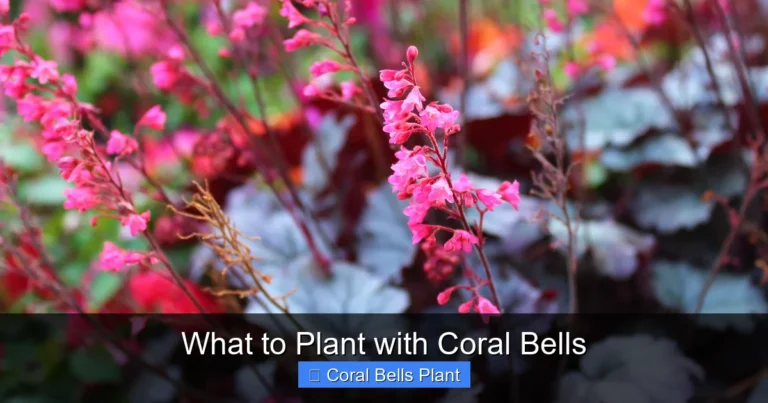
Coral bells are perennial plants native to North America. They belong to the Saxifragaceae family. The botanical name is Heuchera. There are around 50 species. Plant breeders have created hundreds of hybrids. The flowers are small and bell-shaped. They grow on tall wiry stems. That is where the common name comes from. But let us be honest. Most growers do not care about the flowers. The leaves are the star of the show.
Why Grow Them Indoors?
Growing a coral bells plant indoors offers several perks. First, you control the environment. No surprise frosts. No scorching summer sun. No hungry deer or rabbits. Second, the foliage stays gorgeous year-round. Many varieties are evergreen or semi-evergreen. Third, they are relatively compact. They fit on a shelf, a desk, or a plant stand. Fourth, they are non-toxic to cats and dogs. That is a huge win for pet owners.
Foliage Colors and Textures
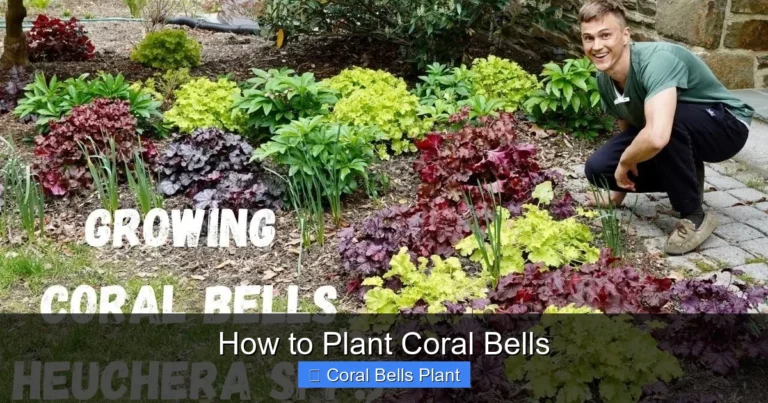
The leaf variety is mind-blowing. You can find deep purple, almost black. There is bright chartreuse. There is peachy caramel. There is silver with dark veins. Some leaves are ruffled. Some are smooth. Some have a metallic sheen. The veins often contrast with the leaf body. This creates a stained-glass effect. A single plant looks like a bouquet that never wilts.
Choosing the Right Variety for Indoor Growing
Compact Cultivars Work Best
Not all coral bells are created equal for indoor life. Some get huge. Some need a winter dormancy period. You want cultivars bred for containers. You want ones that stay tidy. Look for plants labeled as “compact” or “mounding.” Avoid the giant varieties like ‘Big Top’ or ‘Mega Caramel.’ They will outgrow your windowsill fast.
Top Picks for Indoor Success
Here are reliable varieties for a coral bells plant indoors setup.
- ‘Palace Purple’: The classic. Deep bronze-purple leaves. Ruffled edges. Very tough. Handles lower light well.
- ‘Caramel’: Warm peachy-gold leaves. Pink undersides. Stays compact. Great for adding warmth to a green collection.
- ‘Lime Rickey’: Electric lime green. Ruffled. Brightens dark corners. Holds color well in shade.
- ‘Obsidian’: Near-black glossy leaves. Dramatic contrast. Needs good light to keep the deep color.
- ‘Berry Smoothie’: Rose-pink leaves that mature to purple. Very showy. A conversation starter.
- ‘Forever Purple’: Ultra-purple. Keeps color all year. Very compact habit.
- ‘Delta Dawn’: Gold leaves with red centers. The pattern shifts with the seasons. Fun to watch.
Where to Buy
Check local nurseries first. You can see the exact color. You can check for pests. Online retailers offer wider selection. Reputable sources include Proven Winners, Walters Gardens, and Terra Nova Nurseries. Read reviews. Look for “tissue culture” or “virus-indexed” plants. These are cleaner and healthier.
Setting Up the Perfect Indoor Environment
Light Requirements
Light is the number one factor for a happy coral bells plant indoors. In nature, they grow on forest floors. They get dappled sun. Recreate that. Bright indirect light is ideal. An east-facing window is perfect. Morning sun is gentle. A north window works too. Growth will be slower. Colors may be less intense. South or west windows need a sheer curtain. Direct afternoon sun burns the leaves. You will see brown crispy patches. That is leaf scorch. It is permanent damage.
Signs of Light Problems
Watch your plant. It talks to you. Leggy stems? Pale leaves? It wants more light. Move it closer to the window. Add a grow light. Brown crispy edges? Bleached spots? Too much light. Pull it back. Filter the sun. Rotate the pot weekly. This ensures even growth. No leaning.
Temperature and Humidity
Coral bells like it comfortable. 60 to 75 degrees Fahrenheit is the sweet spot. They can handle brief dips to 50. They dislike hot dry air from vents. Keep them away from radiators. Keep them away from AC blasts. Humidity around 40 to 50 percent is great. Average home humidity is usually fine. If your air is very dry, group plants together. Use a pebble tray. Run a humidifier. Misting helps briefly but does not raise humidity long-term.
Air Circulation
Good airflow prevents fungal issues. Do not crowd plants tight together. A small fan on low nearby helps. Stagnant air invites powdery mildew. It invites botrytis. Give them breathing room.
Planting and Potting Your Coral Bells
Choosing the Right Pot
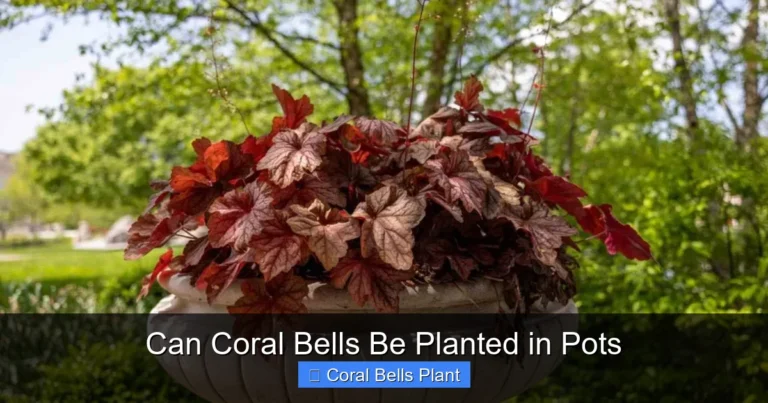
Drainage holes are non-negotiable. A coral bells plant indoors will rot in a pot without holes. Terracotta is excellent. It wicks moisture. It breathes. Plastic works too. It holds water longer. Good if you forget to water. Glazed ceramic is pretty but heavy. Make sure it has holes. Size matters. Pick a pot 1 to 2 inches wider than the root ball. Too big means wet soil. Wet soil means root rot.
The Perfect Soil Mix
Coral bells hate wet feet. The soil must drain fast. But it must hold some moisture. Here is a winning recipe. Two parts high-quality potting soil. One part perlite. One part coarse sand or orchid bark. Mix well. This mimics their native rocky slopes. You can buy cactus mix and add extra perlite. Or buy African violet mix. It is light and airy. Avoid garden soil. It compacts. It brings pests. It brings disease.
Step-by-Step Planting
- Cover drainage holes with mesh or a coffee filter. This keeps soil in.
- Add a layer of your soil mix.
- Remove the plant from its nursery pot. Gently loosen the root ball. Tease circling roots.
- Place in the new pot. The crown should sit at soil level. Not buried. Not exposed.
- Fill around roots with mix. Tap the pot to settle. Do not pack hard.
- Water thoroughly until it drains out the bottom.
- Place in its chosen spot. Do not fertilize for 4 to 6 weeks. Fresh mix has nutrients.
Repotting Schedule
Repot every 2 to 3 years. Spring is best. Signs it is time: roots circling the bottom. Water runs straight through. Plant looks top-heavy. Growth has slowed. Go up one pot size only. Refresh the soil mix. Trim any dead roots. Water well after.
Daily Care and Maintenance
Watering: The Goldilocks Zone
Watering a coral bells plant indoors is about balance. Not bone dry. Not soaking wet. Evenly moist. Stick your finger in the soil. Top inch dry? Water. Still damp? Wait. Water until it drains out. Empty the saucer. Never let it sit in water. Frequency changes with seasons. Summer: maybe twice a week. Winter: maybe every 10 to 14 days. Always check the soil first. Do not water on a schedule. Water on the plant’s schedule.
Fertilizing for Fabulous Foliage
Feed during active growth. Spring through early fall. Use a balanced liquid fertilizer. 10-10-10 or 20-20-20. Dilute to half strength. Apply once a month. Water the plant first. Then apply fertilizer water. This prevents root burn. Stop feeding in late fall. Resume in spring. Too much fertilizer causes weak leggy growth. It fades leaf color. Less is more.
Grooming and Pruning
Remove dead or damaged leaves anytime. Snip at the base. Use clean scissors. This improves airflow. It looks better. It prevents disease. Flower stems? You can leave them. They are delicate and pretty. Or cut them off. Cutting redirects energy to leaves. Your choice. In spring, do a cleanup. Remove all winter-worn leaves. New growth will emerge fresh.
Seasonal Adjustments
Winter care is lighter. Water less. No fertilizer. Light levels drop. Growth slows. That is normal. Do not panic. Spring brings a growth spurt. Increase water. Start fertilizing. Check for repotting needs. Summer may mean more water. Watch for heat stress. Move back from hot windows. Fall is transition. Taper off fertilizer. Prepare for winter rest.
Troubleshooting Common Problems
Root Rot: The Silent Killer
This is the biggest threat to a coral bells plant indoors. Symptoms: yellowing lower leaves. Wilting despite wet soil. Mushy stems at soil line. Foul smell from pot. Cause: overwatering. Poor drainage. Pot too big. Fix: Unpot immediately. Rinse roots. Cut all black mushy roots. Healthy roots are white or tan. Firm. Repot in fresh dry mix. Do not water for a few days. Then water sparingly. It may not recover. Prevention is easier. Check soil before watering. Use the right mix. Use the right pot.
Leaf Scorch and Sunburn
Brown crispy patches. Bleached white spots. Leaf edges curling. This is too much direct sun. Move the plant immediately. Trim badly damaged leaves. They will not heal. New growth will be fine. Acclimate slowly if moving to brighter light. Do it over a week or two.
Pests: Spider Mites, Mealybugs, Aphids
Indoor plants get bugs. Spider mites love dry air. Look for fine webbing. Tiny specks on leaf undersides. Leaves look stippled. Mealybugs look like cotton tufts. In leaf axils. On stems. Aphids cluster on new growth. Green or black. Sticky honeydew. Treatment: Isolate the plant. Spray with insecticidal soap. Or neem oil. Cover all surfaces. Repeat weekly for three weeks. Wipe leaves with damp cloth. Increase humidity for spider mites. Check nearby plants.
Powdery Mildew
White powdery coating on leaves. Looks like flour. Caused by high humidity and poor airflow. Fix: Improve air circulation. Remove affected leaves. Spray with potassium bicarbonate fungicide. Or a milk spray (1 part milk to 9 parts water). Do not mist the foliage. Water at the base.
Crown Rot
The crown is where stems meet roots. If buried too deep, it rots. If mulch touches it, it rots. Keep the crown at soil level. Keep mulch away. Water at the edge of the pot. Not on the crown.
Fading Leaf Color
Deep purple turns green. Bright lime turns dull. Usually a light issue. Not enough light for pigment production. Move to brighter spot. Or add a grow light. Some varieties naturally shift with seasons. ‘Caramel’ gets greener in heat. ‘Obsidian’ needs sun to stay black. Know your variety.
Propagating Your Coral Bells
Division: The Easy Way
Mature plants form clumps. You can divide them. Spring is best. Unpot the plant. Gently pull apart the crowns. Each piece needs roots and leaves. Pot up immediately. Water well. Keep in shade for a week. They establish fast. This rejuvenates the mother plant too.
Leaf Cuttings: The Fun Experiment
You can root a single leaf. Cut a healthy leaf with a bit of stem (petiole). Dip in rooting hormone. Stick in moist perlite. Cover with a plastic bag. Humidity dome. Place in bright indirect light. Roots form in 4 to 6 weeks. A tiny plantlet appears at the base. Pot it up. It is slow but rewarding.
Seed: For the Patient
Coral bells grow. But hybrids do not come true from seed. You get surprises. Fun if you like experiments. Sow on moist seed mix. Do not cover. Light aids germination. Keep warm. 70 degrees. Germination in 2 to 4 weeks. Transplant when they have true leaves. Takes a year to look like a plant.
Design Ideas: Styling Your Coral Bells Indoors
Solo Statement
A single coral bells plant indoors in a beautiful pot is art. Choose a pot that contrasts the leaf color. Purple leaves in a chartreuse pot. Lime leaves in a black pot. Caramel leaves in a teal pot. Place on a plant stand. Let it be the focal point.
Mixed Containers
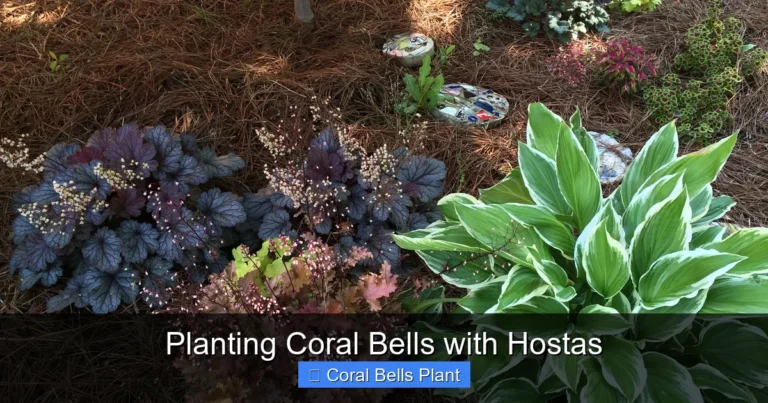
Combine with other shade-loving houseplants. Ferns add texture. Calathea adds pattern. Pothos trails over the edge. Begonias add flowers. Use the same soil mix. Same water needs. Same light needs. A living arrangement that lasts months.
Terrariums and Wardian Cases
Small varieties work in open terrariums. Not closed. They need airflow. ‘Little Cutie’ series stays tiny. Pair with moss. Add small ferns. Miniature garden magic.
Seasonal Displays
Swap pots with the seasons. Spring: pastel ceramic. Summer: bright glazed. Fall: rustic terracotta. Winter: metallic gold or silver. The plant stays. The look changes.
Advanced Tips for Enthusiasts
Grow Lights for Year-Round Color
If your windows are dim, use LED grow lights. Full spectrum. 12 to 14 hours a day. Timer makes it easy. Hang 12 to 18 inches above the plant. This keeps colors vibrant in winter. It prevents leggy stretching. It lets you grow anywhere. Even a basement.
Summer Vacation Outdoors
Your coral bells plant indoors loves a summer holiday. Move it outside after frost danger passes. Place in full shade. Dappled morning sun max. Acclimate over a week. Start with 1 hour. Increase daily. Bring in before fall frost. Check for hitchhiking bugs. Hose off. Inspect. Quarantine for two weeks. The outdoor boost makes them explode with growth.
Forcing Winter Blooms
Some varieties bloom indoors in winter. ‘Coral Forest’ series. ‘Bressingham Hybrids.’ They need a cool period. 6 weeks at 40 to 45 degrees. Then warmth and light. Tricky indoors. But possible in a cool basement with lights. The flowers are charming. Tiny bells on wiry stems. Last weeks.
Companion Planting for Humidity
Group your coral bells with ferns. Calatheas. Peace lilies. They create a microclimate. Higher humidity. Happier plants. Just ensure airflow. Do not pack them tight.
Conclusion
Growing a coral bells plant indoors is one of the most rewarding houseplant adventures. You get incredible foliage color. You get a plant that adapts to your home. You get a non-toxic friend for pets. The care is straightforward. Bright indirect light. Well-draining soil. Water when the top inch is dry. Monthly fertilizer in season. Good airflow. That is the recipe.
Start with one. Maybe ‘Palace Purple’ for drama. Or ‘Lime Rickey’ for cheer. Watch it. Learn its language. Adjust as needed. Soon you will want another. And another. The variety is endless. Each one a different jewel. Your windowsill becomes a gallery. Your home becomes a conservatory. And you? You become a coral bells collector. Welcome to the obsession. It is a beautiful place to be.
Frequently Asked Questions
What is the best potting mix for coral bells indoors?
Use a well-draining mix of two parts potting soil, one part perlite, and one part coarse sand or orchid bark. This mimics their native rocky habitat and prevents root rot.
How do I know when to repot my coral bells?
Repot every 2-3 years in spring when roots circle the pot bottom, water runs straight through, or growth slows significantly. Choose a pot only 1-2 inches larger.
Can I grow coral bells from seed indoors?
Yes, but hybrid varieties will not come true from seed. Sow seeds on moist surface, provide light and 70°F warmth. Germination takes 2-4 weeks; plants mature in about a year.
What causes brown crispy edges on coral bells leaves?
Brown crispy edges indicate either too much direct sun (leaf scorch) or underwatering. Check light exposure and soil moisture, then adjust accordingly.
Should I cut off the flower stalks on indoor coral bells?
You can leave them for delicate blooms or remove them to redirect energy to foliage growth. Cutting them off at the base will not harm the plant.
How do I increase humidity for my coral bells?
Group plants together, use a pebble tray with water, or run a humidifier. Misting provides only temporary relief. Aim for 40-50% humidity for optimal growth.